
Your heat pump works year-round to keep your Ontario home comfortable — heating through frigid January nights and cooling through humid August afternoons. That non-stop operation means regular maintenance isn’t optional. It’s the single best way to protect your investment, keep energy bills in check, and avoid unexpected breakdowns when you need your system most.
At Furnace King Home Services, we see the difference maintenance makes every day. Systems that receive routine care last years longer, run more efficiently, and rarely leave homeowners stranded in extreme weather. Here’s our complete seasonal maintenance checklist for Ontario heat pump owners — what you can do yourself and when to call in a pro.
Monthly Homeowner Tasks (Year-Round)
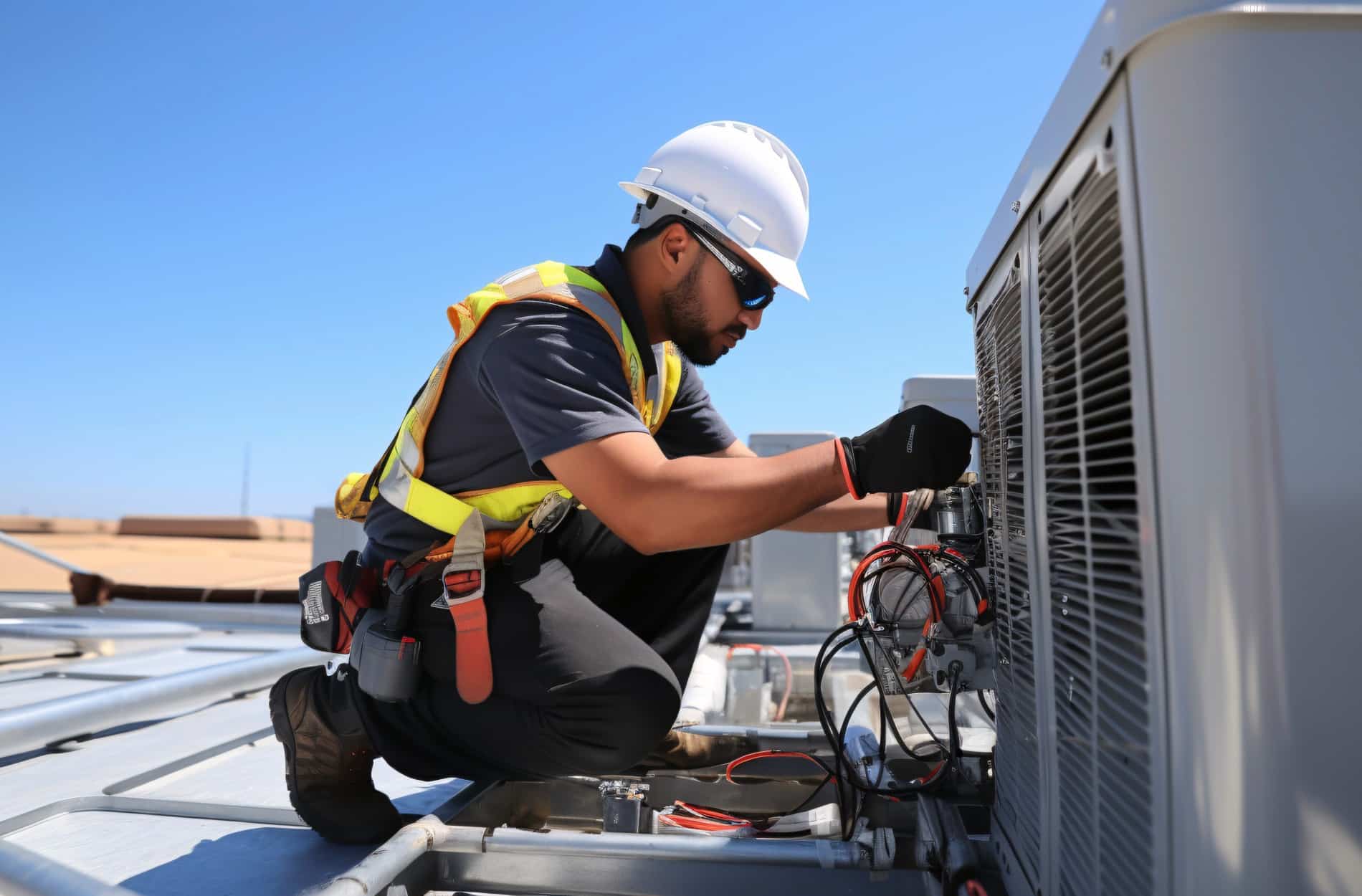
These quick checks take less than 15 minutes and should happen every month, regardless of the season:
- Check and replace your air filter. A dirty filter restricts airflow, forces the system to work harder, and drives up energy bills. Depending on your filter type, replace it every 1 to 3 months. Homes with pets or allergy sufferers should lean toward monthly replacement.
- Clear debris from around the outdoor unit. Maintain at least 2 feet of clearance on all sides. Remove leaves, grass clippings, garden debris, and anything else that could block airflow to the coils.
- Verify your thermostat settings. Confirm the system is set to the correct mode (heating or cooling) and that your programmed schedule still matches your routine. A misconfigured thermostat is one of the most common service calls we respond to — and it’s completely avoidable.
- Listen for unusual noises. Grinding, squealing, rattling, or clicking sounds that weren’t there before can indicate a developing problem. Catching these early prevents small issues from becoming expensive repairs.
- Check for ice buildup on the outdoor unit. A thin layer of frost during heating mode is normal — the defrost cycle handles it. But heavy ice that doesn’t clear within an hour or two signals a problem with the defrost system, refrigerant levels, or airflow.
Spring Maintenance Checklist (Before Cooling Season)
As temperatures climb above 10°C consistently in March and April, it’s time to prepare your heat pump for the cooling season ahead:
- Clean the outdoor coils. Use a garden hose on a gentle setting to rinse dirt, pollen, and grime off the condenser coils. Never use a pressure washer — the high pressure can bend the delicate aluminium fins and reduce efficiency.
- Inspect refrigerant lines for damage. Check the insulated copper lines running between the indoor and outdoor units. Look for cracked insulation, kinks, or any signs of oil stains (which can indicate a refrigerant leak).
- Test cooling mode. Switch the thermostat to cooling and let the system run for 15 to 20 minutes. Confirm that cool air is coming from the vents and the outdoor unit fan is spinning. This simple test catches problems before the first heat wave hits.
- Clear condensate drain lines. Pour a cup of white vinegar down the condensate drain to prevent algae and mould buildup. A clogged drain can cause water damage and trigger your system’s safety shutoff.
- Trim vegetation around the outdoor unit. Spring growth can quickly encroach on your heat pump. Cut back shrubs, grass, and garden plants to maintain that 2-foot clearance zone.
Fall Maintenance Checklist (Before Heating Season)

September and October are your window to prepare for Ontario’s heating season, which typically runs from late October through April:
- Inspect and test the defrost cycle. The defrost cycle is critical for winter operation — it prevents the outdoor coils from icing over. A malfunctioning defrost cycle in January can shut down your entire heating system. Have a technician verify it’s working properly before the cold arrives.
- Check the reversing valve. This valve switches the heat pump between heating and cooling modes. Test it by toggling between modes and confirming the system responds correctly. A stuck reversing valve means no heat when you need it most.
- Prepare a snow and ice management plan. Never cover your outdoor unit with a tarp or enclosure — it needs airflow to operate. Instead, ensure the unit is elevated on a proper pad or stand above the expected snow line. Plan to keep the area around it clear of snowdrifts after storms.
- Inspect refrigerant line insulation. Check the foam insulation wrapped around the refrigerant lines. Cracked or deteriorating insulation reduces efficiency and can cause condensation problems. Replace any damaged sections before temperatures drop.
- Schedule your professional fall tune-up. This is the most important item on the list. A qualified HVAC technician catches problems you can’t see — low refrigerant, electrical issues, worn components — before they fail during a cold snap.
Winter-Specific Tips for Ontario Heat Pump Owners
Ontario winters bring unique challenges for heat pump operation. These tips help your system handle everything from a mild Mississauga December to a brutal February cold snap:
- Never chip ice off the outdoor unit. If you see ice buildup, resist the urge to grab a screwdriver or hammer. You’ll damage the coils and void your warranty. Instead, switch the thermostat to “emergency heat” or cooling mode briefly to activate the defrost cycle. If the ice doesn’t clear within a few hours, call for service.
- Keep the unit elevated above the snow line. Ideally, the base of the outdoor unit should sit at least 4 to 6 inches above ground level on a concrete pad or equipment stand. This prevents snow and ice from blocking the bottom of the coils, where drainage needs to flow freely.
- Ensure the drainage path stays clear. Melting ice from defrost cycles needs somewhere to go. If the drain path freezes or gets blocked by ice or debris, water can pool and refreeze around the base, creating a bigger problem. Check this after every significant snowfall or freeze-thaw cycle.
- Don’t panic about normal frost. During heating mode, you’ll see frost forming on the outdoor coils — this is completely normal. The defrost cycle runs periodically (typically every 30 to 90 minutes) to clear it. The unit may briefly blow cool air during defrost. This is expected behaviour, not a malfunction.
What a Professional Heat Pump Tune-Up Includes
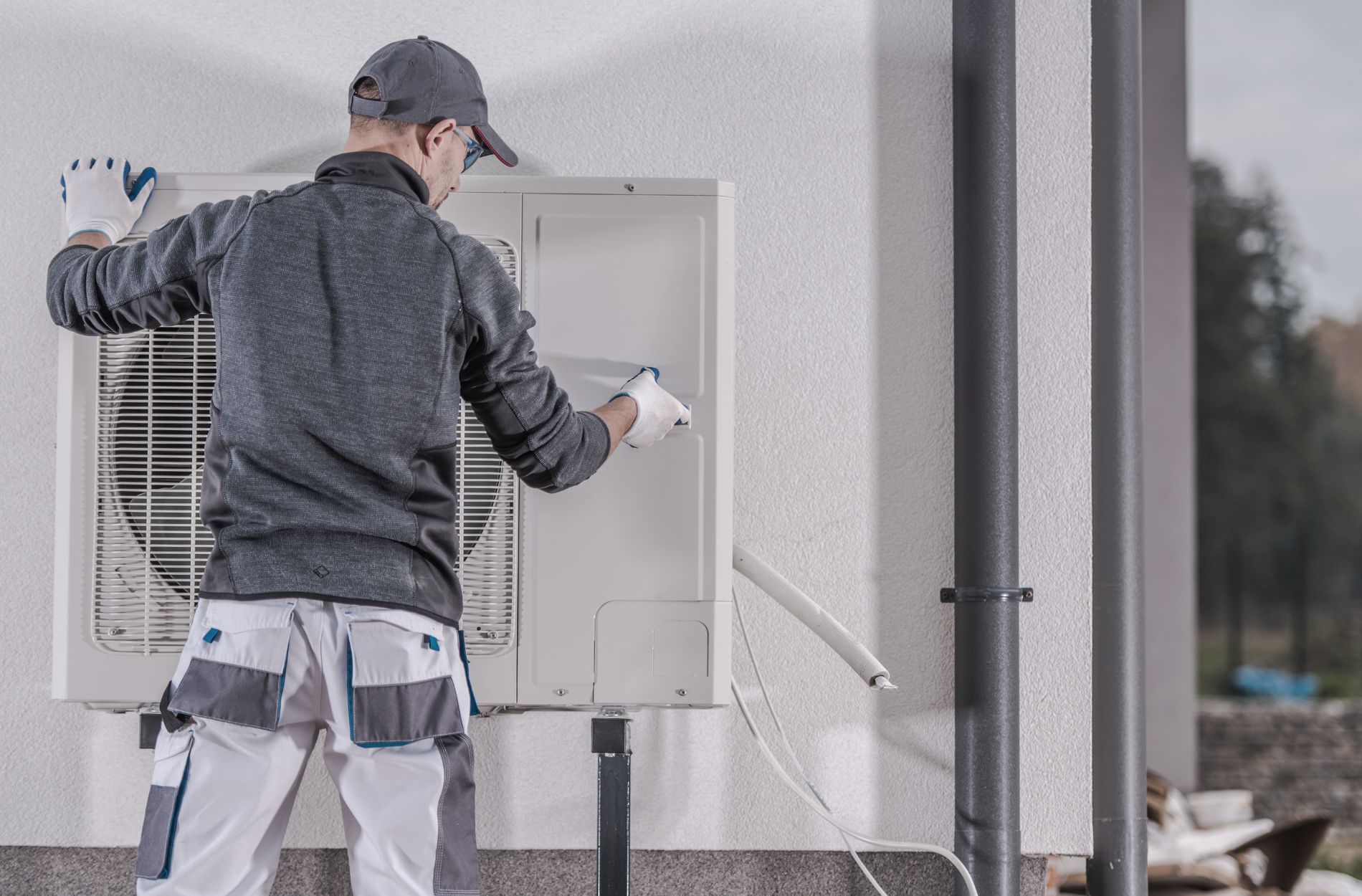
While DIY maintenance is important, it’s no substitute for a professional service visit. Here’s what a thorough tune-up from a licensed HVAC technician covers:
- Refrigerant level check and top-up. Incorrect refrigerant charge is one of the most common causes of poor performance and high energy bills. A technician measures the charge and adjusts it to the manufacturer’s specification.
- Indoor and outdoor coil inspection and cleaning. Professional-grade coil cleaner removes buildup that a garden hose can’t touch, restoring maximum heat transfer efficiency.
- Defrost cycle and reversing valve testing. These critical components are tested under controlled conditions to verify proper operation before they’re needed in extreme weather.
- Electrical connection inspection. Loose connections, corroded terminals, and worn contactors can cause system failures or even fire hazards. The technician checks amp draws against manufacturer specs to identify any abnormalities.
- Motor and bearing lubrication. Fan motors and blower bearings require periodic lubrication to run quietly and efficiently. Dry bearings increase friction, noise, and energy consumption.
- Thermostat calibration. The technician verifies that the thermostat reads accurately and communicates correctly with the system, including proper switchover between heating and cooling modes.
- Ductwork inspection. Leaky ducts waste 20 to 30% of heated or cooled air. A visual inspection identifies obvious leaks, disconnections, or crushed sections that need repair.
- Condensate drain cleaning. The drain line is flushed to prevent blockages that could cause water damage or system shutdowns.
- Safety controls testing. High-pressure switches, low-pressure switches, and other safety devices are tested to confirm they’ll protect the system during abnormal conditions.
- Airflow measurement. Proper airflow across the coils is essential for efficiency and comfort. The technician measures airflow and adjusts as needed.
A professional tune-up typically costs $150 to $200 and takes about an hour. We recommend scheduling two per year — one in spring and one in fall — to cover both the cooling and heating seasons. Furnace King offers annual service plans that include scheduled maintenance visits at a discounted rate, plus priority service if you ever need an emergency repair.
Signs Your Heat Pump Needs Repair
Even with regular maintenance, heat pumps can develop problems. Watch for these warning signs and call a professional promptly if you notice any of them:
- Unusual ice buildup that won’t defrost. If the outdoor unit is coated in thick ice for more than a few hours, the defrost cycle has likely failed. Running the system in this condition can damage the compressor.
- Strange grinding, squealing, or banging noises. These sounds typically indicate a failing motor bearing, loose fan blade, or compressor issue. Don’t ignore them — the problem will only get worse and more expensive to fix.
- Short cycling. If the system turns on and off every few minutes rather than running in longer cycles, it could indicate an oversized unit, a refrigerant leak, a faulty thermostat, or a failing compressor. Short cycling wastes energy and accelerates wear.
- Sudden spike in energy bills. A significant jump in your hydro bill without a corresponding change in weather or usage patterns suggests the system is working harder than it should. Common culprits include low refrigerant, dirty coils, or a failing component.
- Reduced heating or cooling output. If the air coming from your vents feels lukewarm when it should be warm (or cool when it should be cold), the system isn’t performing properly. This could be a refrigerant issue, a blocked expansion valve, or a compressor problem.
Proper system sizing also plays a role in maintenance — an oversized heat pump short-cycles and wears out faster. See our heat pump sizing guide to understand how sizing affects long-term performance.
Additional Resources
For more information from trusted sources:
Planning a system upgrade or replacement? Use our free HVAC cost estimator to get an instant price range.
Frequently Asked Questions
How often should I service my heat pump?
You should have a professional tune-up at least once a year, ideally twice — once in spring before cooling season and once in fall before heating season. Between professional visits, perform monthly homeowner maintenance: check and replace air filters, clear debris from around the outdoor unit, and verify the thermostat is operating correctly. Heat pumps work year-round (unlike furnaces or ACs), so regular maintenance is especially important for longevity.
Can I do heat pump maintenance myself?
You can and should handle several basic tasks: replacing or cleaning air filters monthly, keeping the outdoor unit clear of leaves, snow, and debris (maintain 2 feet of clearance on all sides), gently cleaning the outdoor coils with a garden hose, checking that vents and registers inside are unobstructed, and monitoring your thermostat settings. However, tasks involving refrigerant levels, electrical components, the defrost cycle, and the reversing valve should always be left to a licensed HVAC technician.
What does a professional heat pump tune-up include?
A thorough professional tune-up includes: checking and topping up refrigerant levels, inspecting and cleaning indoor and outdoor coils, testing the defrost cycle and reversing valve, checking electrical connections and amp draws, lubricating motors and bearings, verifying thermostat calibration, inspecting ductwork for leaks, cleaning condensate drain lines, testing safety controls, and measuring airflow. A tune-up typically costs $150 to $200 and takes about an hour. Furnace King offers annual service plans that include scheduled maintenance visits.
Keep Your Heat Pump Running Strong
A well-maintained heat pump delivers reliable comfort, lower energy bills, and a lifespan of 15 years or more. Neglect it, and you’re looking at premature failure, costly emergency repairs, and higher monthly bills the entire time.
The maintenance tasks in this guide take minimal time and effort — most homeowner checks take less than 15 minutes per month. Combined with twice-yearly professional tune-ups, they’re the best insurance policy your HVAC system can have.
Need to schedule a heat pump tune-up or have concerns about your system’s performance? Contact Furnace King Home Services at (905) 564-5464 to book a service appointment. We serve Mississauga, Brampton, Etobicoke, and the entire GTA with expert heat pump maintenance and repair.