
Choosing how to heat your home is one of the bigger decisions an Ontario homeowner makes, and lately the conversation often includes both cold-climate heat pumps and modern furnaces. ENERGY STAR Canada guidance can help you compare efficiency information while you weigh the two systems. For decades, a natural gas furnace was the default in Mississauga and across the Greater Toronto Area. Today, electric cold-climate heat pumps have matured to the point where they belong in the discussion, and many of our customers are unsure which direction makes sense for their house. At Furnace King Home Services, we install and service both, so we have no reason to push you toward one or the other. Our goal is to help you understand how each system works and which one fits your home, your comfort expectations, and your budget.
The honest answer is that there is no single winner. A heat pump is an excellent choice for some homes and a poor fit for others, and the same is true of a gas furnace. In many cases, the smartest setup is a combination of the two. Below, our team walks through how each system works, how efficient they are, how modern heat pumps hold up in an Ontario winter, what drives operating costs, and the factors that help you decide.
Heat Pump vs Furnace: How Each System Actually Works
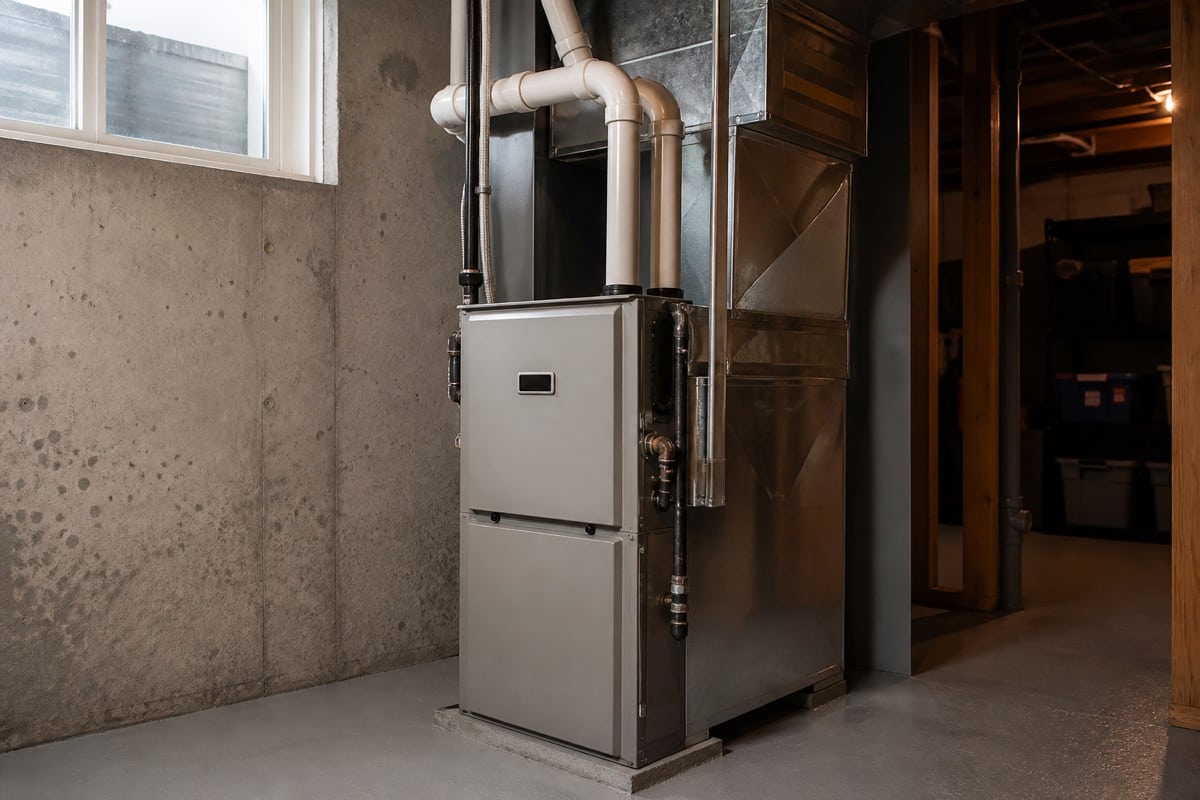
The core difference in the heat pump vs furnace comparison comes down to whether a system generates heat or moves it. That distinction makes almost every other trade-off easier to reason about.
How a gas furnace heats your home
A furnace creates heat by burning natural gas inside a sealed combustion chamber. A heat exchanger transfers that warmth to the air, and a blower pushes the heated air through your ductwork and out your vents. Because it produces its own heat, a furnace can deliver a strong blast of hot air quickly, even on the coldest nights, which is a big part of why gas heating became the standard across Ontario.
How a heat pump heats your home
A heat pump does not burn any fuel. It runs on electricity and uses refrigerant to transfer heat from one place to another. In winter, it pulls warmth out of the outdoor air, even cold air, and moves it inside. In summer, it reverses and works as an air conditioner. That two-in-one capability means one system can handle both heating and cooling, which appeals to homeowners looking to simplify their equipment.
Efficiency and How Cold-Climate Heat Pumps Perform in Ontario Winters
Efficiency is where heat pumps have made real progress. Because a heat pump moves existing heat rather than generating it from scratch, it can deliver more heat energy than the electrical energy it consumes. A high-efficiency gas furnace, by contrast, is measured on how completely it converts fuel into usable heat, and modern condensing furnaces are very good at it. The two are measured on different scales, so we caution against comparing a single spec sheet number in isolation.
The question we hear most often is whether a heat pump can really handle an Ontario winter. Years ago, standard heat pumps struggled once temperatures dropped well below freezing, but that has changed. Today’s cold-climate heat pumps are engineered for our region and continue to produce useful heat in deep-winter conditions. A few realities are still worth understanding:
- Capacity drops as it gets colder. A heat pump keeps working in the cold, but its heating output and efficiency decline as the temperature falls, so proper sizing for our climate matters.
- Backup heat is part of the plan. During the coldest stretches of the year, most cold-climate installations rely on a backup heat source to keep up with demand.
- Installation quality is everything. A cold-climate heat pump that is correctly sized and commissioned performs very differently than one that was rushed, which is where our experience directly affects your winter comfort.
If you want to explore whether a cold-climate system suits your home, our heat pump services team can assess your ductwork, insulation, and heating needs first.
Operating Costs: Electricity vs Natural Gas
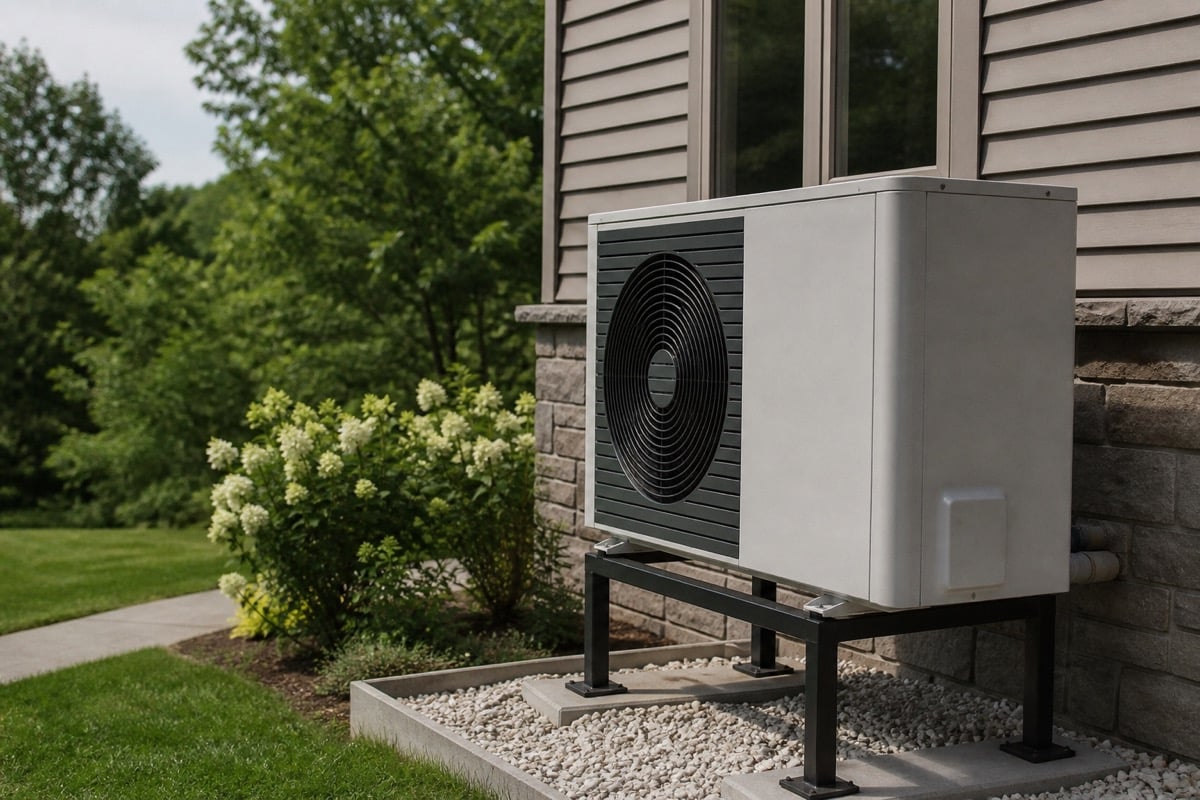
Operating cost is usually the deciding factor, and it deserves an honest look rather than a blanket claim. A heat pump runs on electricity and a furnace runs on natural gas, so what you pay depends on local energy prices, how efficient your equipment is, and how well your home holds heat. Because rates and consumption vary from home to home, we do not throw around specific dollar figures that may not reflect your situation. Here is how we frame it:
- Fuel type drives the bill. Your heating cost is tied to what you pay for electricity versus natural gas, and those prices move over time. It is worth looking at your own utility rates rather than relying on averages.
- Efficiency multiplies the difference. Because a heat pump delivers more heat than the electricity it draws, its efficiency can offset a higher per-unit energy price. A high-efficiency furnace, meanwhile, wrings a lot of heat out of each unit of gas.
- Your home matters as much as the equipment. Air sealing, insulation, ductwork, and windows all affect how much heat you need, which shapes what either system will cost to run.
When homeowners are weighing a straight furnace replacement, we walk through the numbers for their home. You can learn more on our new and replacement furnaces page.
The Hybrid Option: Pairing a Heat Pump With a Furnace
For many Ontario homes, the strongest answer to heat pump vs furnace is not either/or. A hybrid, or dual-fuel, system pairs an electric heat pump with a gas furnace and uses whichever source makes the most sense at a given temperature.
The logic is straightforward. Through the milder parts of the heating season, the heat pump does the work efficiently and also provides your summer cooling. When temperatures drop to the point where the furnace becomes the more practical choice, the system switches to gas heat and delivers reliable, powerful warmth on the coldest nights. You get heat-pump efficiency for most of the year plus the proven cold-weather performance of a furnace as backup.
Not every home is a candidate for a dual-fuel setup, and the payback depends on your existing equipment and energy rates. It is one of the configurations our team evaluates when we look at your complete heating system.
Environmental Considerations, Rebates, and How to Decide
Beyond comfort and cost, many homeowners care about the environmental side. Because a heat pump runs on electricity and burns no fuel on-site, it produces no combustion emissions at your home, a meaningful draw for anyone looking to reduce their household’s footprint. Ontario has also seen various rebate and incentive programs aimed at higher-efficiency heating equipment, including heat pumps. These programs change over time, so we recommend confirming what is available before you decide, since an active rebate can shift the math.
When we help a homeowner choose, we weigh a handful of practical factors:
- Your existing setup. Do you already have ductwork and a gas line, or would you be adding infrastructure?
- Comfort priorities. How important is that instant blast of intense heat on the coldest mornings?
- Cooling needs. Do you also want air conditioning, which a heat pump handles on its own?
- Energy rates and rebates. What are you paying locally, and what incentives are available right now?
- Budget. How do upfront installation cost and long-term operating cost balance for your home?
Frequently Asked Questions
Do heat pumps really work in Ontario winters?
Yes. Modern cold-climate heat pumps are designed for our region and keep producing useful heat well below freezing. That said, their output declines as it gets colder, so proper sizing and, in most cases, a backup heat source are part of a well-planned installation. Handled correctly, a cold-climate heat pump keeps most homes comfortable through the season.
Is a heat pump or a furnace cheaper to run?
It depends on your local electricity and natural gas rates, the efficiency of the equipment, and how well your home retains heat. A heat pump’s efficiency can offset a higher energy price, while a high-efficiency furnace makes effective use of natural gas. Rather than quote a universal number, we look at your specific home and utility rates so you get an answer that applies to you.
What is a hybrid or dual-fuel heating system?
A hybrid system pairs a heat pump with a gas furnace. The heat pump handles heating efficiently during milder weather and provides cooling in summer, while the furnace takes over on the coldest days. For many GTA homes, this combination balances year-round efficiency with dependable cold-weather comfort.
Still weighing your options? Our team at Furnace King Home Services would be glad to look at your home and energy situation, then give you a straight recommendation, whether that is a heat pump, a furnace, or a hybrid of both. Call us at (905) 564-5464 or reach out through our contact page to book an assessment for your Mississauga or GTA home.