
Ontario homeowners spend roughly eight months of the year with their windows closed, which means indoor air quality depends almost entirely on your HVAC system and filtration setup. Choosing the right air purifiers for Ontario homes can make a dramatic difference for anyone dealing with allergies, asthma, or general stuffiness. But with so many technologies on the market, including HEPA filters, UV-C germicidal lights, and ionizers, it is hard to know which one actually delivers results.
This guide breaks down the three most popular air purification technologies, compares whole-home systems to portable units, and helps you decide which approach makes the most sense for your household and budget.
HEPA Air Purifiers for Ontario Homes: The Gold Standard

HEPA stands for High-Efficiency Particulate Air, and it is the most proven air purification technology available. A true HEPA filter captures 99.97 percent of airborne particles down to 0.3 microns in size. That includes dust, pollen, mould spores, pet dander, and many bacteria.
For Ontario homes, a whole-home HEPA filtration system installed directly into your HVAC ductwork provides the most comprehensive protection. Unlike portable units that only clean air in one room, a whole-home system filters every cubic foot of air that passes through your furnace. That means consistent air quality in every bedroom, living area, and basement.
The main consideration with HEPA systems is airflow restriction. Because the filter media is so dense, it requires a bypass installation or a dedicated fan to avoid putting excessive strain on your furnace blower. A qualified HVAC technician can design the installation to maintain proper airflow while maximizing filtration.
UV-C Germicidal Lights: Killing What Filters Cannot Catch
UV-C light operates at a wavelength of 254 nanometres, which is lethal to bacteria, viruses, and mould spores. Unlike HEPA filters that trap particles, UV-C systems destroy biological contaminants by damaging their DNA. This makes UV-C an excellent complement to filtration rather than a replacement.
Most whole-home UV-C systems install near the evaporator coil inside your air handler. The coil is naturally damp and dark, which makes it a prime breeding ground for mould and bacteria. A UV-C light running continuously keeps the coil clean and prevents biological growth from entering your airstream.
According to Health Canada, biological contaminants are a leading cause of poor indoor air quality in Canadian homes. UV-C systems address this threat directly and require minimal maintenance beyond an annual bulb replacement.
Ionizers: Pros, Cons, and Concerns
Ionizers work by releasing negatively charged ions into the air. These ions attach to airborne particles and cause them to clump together, making them heavy enough to fall out of the air or get caught by your furnace filter. Some ionizers also generate small amounts of ozone to neutralize odours.
The main advantage of ionizers is that they have no filter to replace, which reduces ongoing maintenance costs. However, there are legitimate concerns about ozone production. While most modern ionizers produce ozone levels well below Health Canada guidelines, sensitive individuals may still experience irritation.
For most Ontario homeowners, ionizers work best as a secondary system paired with HEPA or high-MERV filtration. They should not be your primary air purification strategy, especially in homes with young children, elderly residents, or anyone with respiratory conditions.
MERV Ratings: Understanding Your Furnace Filter
Before investing in any add-on purification system, make sure your basic furnace filter is doing its job. MERV (Minimum Efficiency Reporting Value) ratings range from 1 to 20, and the number you choose has a direct impact on indoor air quality.
- MERV 1-4: Basic filtration. Catches large dust particles but misses pollen, mould, and dander.
- MERV 8-11: Good residential filtration. Captures most pollen, dust mite debris, and mould spores.
- MERV 13-16: Superior filtration. Catches bacteria, tobacco smoke particles, and fine allergens.
- MERV 17-20: HEPA territory. Hospital-grade filtration not suitable for standard furnace installations without modification.
Most Ontario homes do best with a MERV 11 or MERV 13 filter, which provides excellent particle capture without excessive airflow restriction. Filters above MERV 13 typically require a filter rack modification or bypass system to prevent furnace strain.
Whole-Home vs Portable: Which Makes More Sense?
Portable air purifiers range from $100 to $800 and clean a single room effectively. They are a good starting point for renters or homeowners who want to target one problem area, like a bedroom or home office. However, you would need four to six portable units to cover an average Ontario home, and the combined operating costs add up quickly.
A whole-home system installed in your HVAC ductwork costs more upfront, typically $1,500 to $3,500 including installation, but it cleans all the air in your home every time the system runs. The operating cost is limited to filter replacements once or twice per year. For homeowners who plan to stay in their home long-term, the whole-home approach delivers better value and more consistent results.
Which air purifier is best for allergies in Ontario?
A whole-home HEPA filtration system paired with a MERV 13 pre-filter provides the most effective allergy relief. This combination captures pollen, dust mites, pet dander, and mould spores throughout your entire home, not just one room.
Do UV-C air purifiers produce ozone?
Pure UV-C germicidal lights operating at 254 nanometres produce negligible ozone. Some combination units that use UV-V (185 nm) wavelengths do generate ozone intentionally. Check the product specifications and look for units that are certified to meet Health Canada ozone safety limits.
How often should I replace my furnace filter?
Standard one-inch filters should be replaced every one to three months. Four-inch pleated filters last three to six months. HEPA bypass filters typically last 12 months. Check your filter monthly and replace it when it looks visibly grey or clogged.
Can I use a high-MERV filter instead of an air purifier?
A MERV 13 filter handles most common allergens effectively and may be sufficient for households without severe allergy or asthma concerns. For homes that need to capture ultrafine particles, bacteria, or viruses, adding a HEPA bypass system or UV-C light provides an additional layer of protection.
Choosing the right air purifiers for Ontario homes starts with understanding your specific needs and your existing HVAC setup. Whether you need a simple filter upgrade or a full whole-home purification system, the right solution is within reach. Call Furnace King at (905) 564-5464 or visit furnaceking.ca to schedule your appointment.
Frequently Asked Questions
How can I test my indoor air quality?
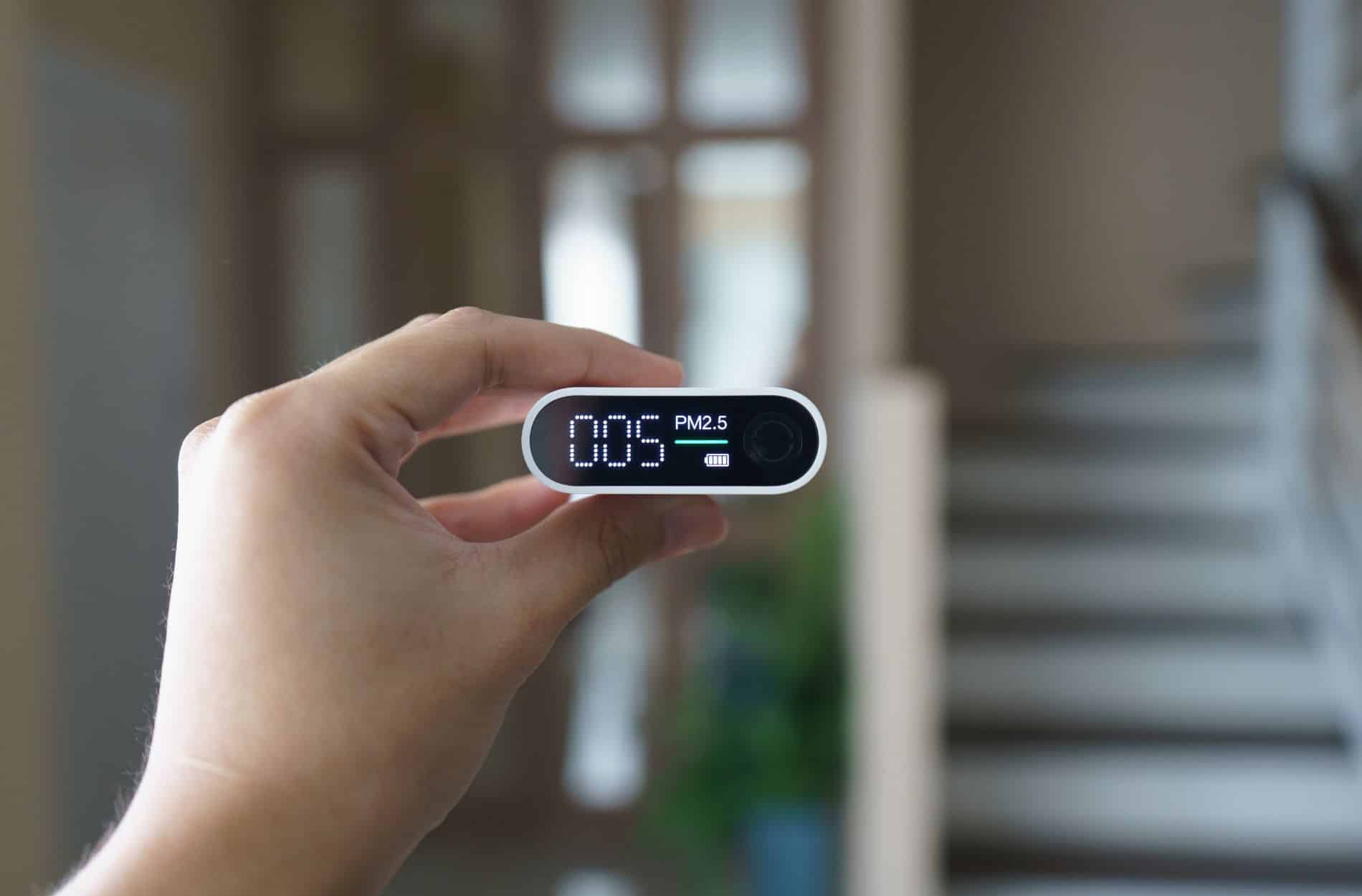
Professional indoor air quality testing measures particulate matter, VOCs, humidity, CO2, and mould levels. You can also use consumer-grade monitors for basic readings. Signs of poor air quality include persistent odours, condensation, and worsening allergy symptoms.
What is a good indoor humidity level?
Maintain indoor humidity between 30-50% year-round. In Ontario winters, dry air below 30% causes discomfort and respiratory issues, while above 50% encourages mould growth. A whole-home humidifier or dehumidifier maintains optimal levels automatically.
Do HEPA filters really help?
HEPA filters capture 99.97% of particles down to 0.3 microns, including dust, pollen, pet dander, and some bacteria. When properly integrated into your HVAC system, they significantly improve indoor air quality for allergy and asthma sufferers.