

Understanding Goodman Furnace Error Codes

Goodman furnaces are among the most popular heating systems in Canadian homes, known for their reliability and value. But like any furnace, they can develop issues — and when they do, the control board communicates the problem through a series of LED flash codes.
At Furnace King Home Services, we’ve been servicing Goodman furnaces across Mississauga, Etobicoke, Brampton, and Oakville for over 40 years. In this comprehensive guide, I’ll explain every Goodman furnace error code, what causes each one, and whether you need a professional or can troubleshoot it yourself.
How to Read Goodman Furnace LED Flash Codes
Goodman furnaces use a single LED light on the control board to display diagnostic flash codes. The number of times the LED flashes indicates the specific error. Here’s how to find and read them:
Step 1: Locate the Diagnostic LED
Open or look through the lower access panel on the front of your furnace. The control board is typically mounted inside this compartment. Most Goodman furnaces have a small sight glass window that lets you see the LED without removing the panel. The LED is usually red or amber coloured.
Step 2: Count the Flashes
Watch the LED carefully and count the number of times it blinks before pausing. The LED will flash a specific number of times, pause for a few seconds, then repeat the same pattern. Count during at least two full cycles to confirm the code.
Step 3: Understand What the LED States Mean
- Steady ON (no flashing): Normal operation — 24V power is present and the control board is in standby
- Steady OFF (no light): No power to the control board — check the circuit breaker and furnace switch
- Rapid continuous flash: Reversed line voltage polarity or poor grounding
- Slow, steady flash: Normal call for heat in progress
- Specific blink pattern (1-9 flashes): Error code — see the chart below
Tip: You can also find a diagnostic chart printed on a label inside the furnace access panel. This label is specific to your model and provides the exact code definitions for your unit.
Complete Goodman Furnace Error Code Chart
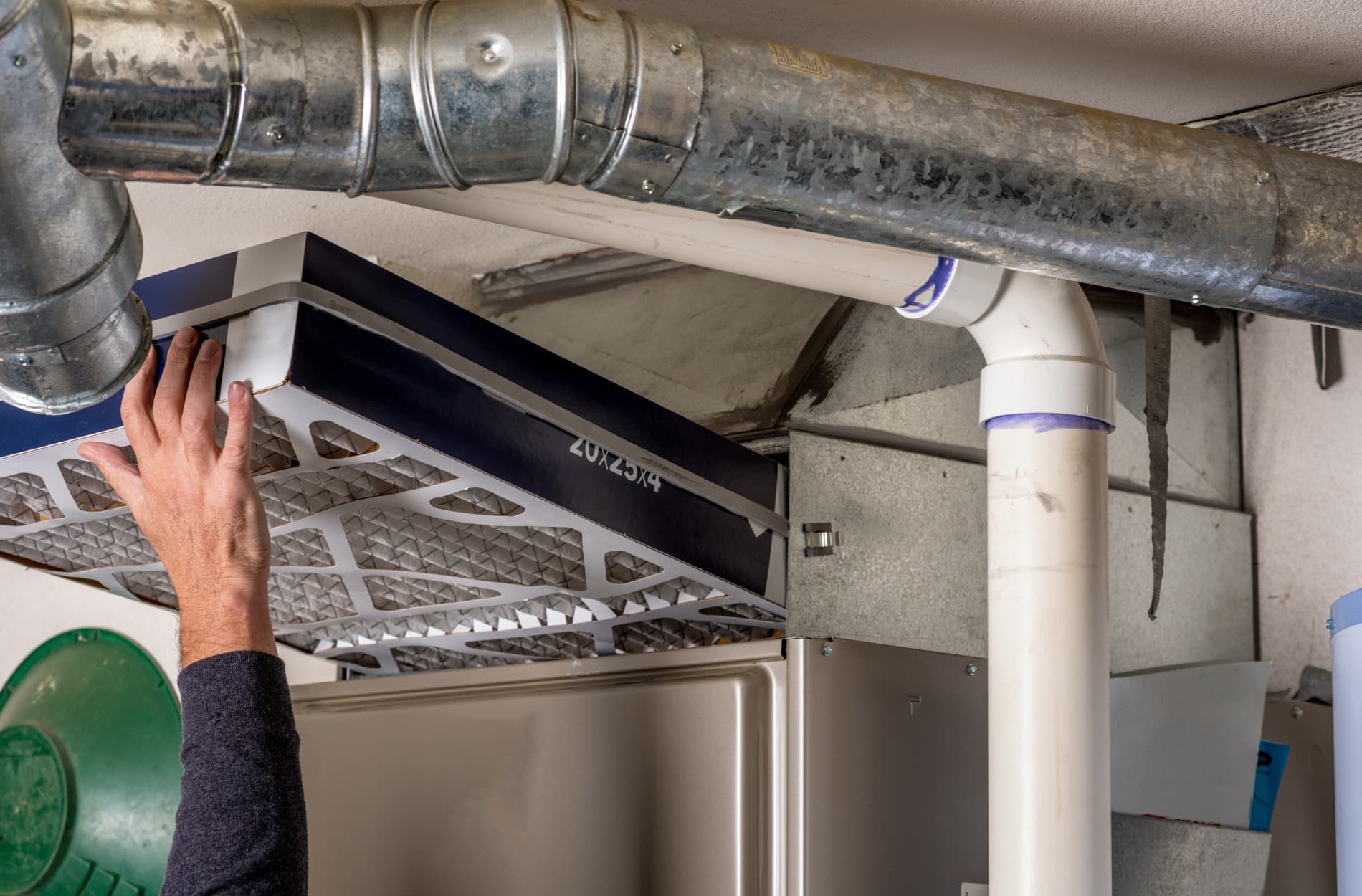
Below is the complete list of Goodman furnace LED flash codes. These codes apply to modern Goodman gas furnaces including the GMVC96, GMSS96, GMS80, GMES80, GCVM97, GMVM97, and similar models.
LED Status Indicators
| LED State | Meaning | Action Required |
|---|---|---|
| Steady ON | Normal standby — power present, no call for heat | None — system is operating normally |
| Steady OFF | No 24V or 120V power to control board | Check circuit breaker, power switch, and wiring |
| Continuous rapid flash | Reversed 120V AC line polarity or poor grounding | Have an electrician check the furnace’s electrical supply |
| Slow continuous flash | Normal heating operation in progress | None — furnace is running normally |
Flash Code Error Chart
| Flashes | Error | Common Causes | Recommended Action |
|---|---|---|---|
| 1 Flash | Ignition failure / Flame failure — furnace failed to ignite or lost flame during operation | Dirty or faulty flame sensor; failed hot surface igniter; gas supply interruption; defective gas valve | Check that gas supply is on. Call a professional — involves ignition and gas components |
| 2 Flashes | Pressure switch stuck closed — switch reads “closed” when inducer motor is off | Short in pressure switch circuit; faulty pressure switch; blocked pressure switch hose; draft inducer issue | Check pressure switch tubing for blockages or water. Call a professional |
| 3 Flashes | Pressure switch open / Draft blower fault — pressure switch circuit is open or draft blower running when it shouldn’t be | Blocked or cracked pressure switch hose; loose wiring; blocked flue or intake; weak inducer motor; frozen exhaust vent | Check exterior vents for ice, snow, or debris. Call a professional if code persists |
| 4 Flashes | Open high limit switch — the furnace’s overheating safety has tripped | Dirty air filter; blocked return or supply vents; failed blower motor; dirty blower wheel; ductwork restrictions | Replace the furnace filter immediately. Ensure all vents are open and unblocked. If code returns, call a professional |
| 5 Flashes | Flame sensed without call for heat — the control board detects flame when there should be none | Leaking gas valve; residual flame from burner; faulty flame sensor giving false reading | Shut off furnace immediately and call a professional — potential gas valve leak |
| 6 Flashes | Rollout switch open — excessive heat detected outside the normal combustion area | Blocked or cracked heat exchanger; blocked vent pipe; low gas pressure causing lazy flame; debris near burners | Call a professional immediately — this is a serious safety code that may indicate a cracked heat exchanger |
| 7 Flashes | Low flame signal — flame sensor is detecting a weak or unstable flame | Dirty flame sensor; low gas pressure; partially blocked burner orifices; improper grounding | A technician can clean the flame sensor (quick fix) or check gas pressure. Call a professional |
| 8 Flashes | Igniter circuit error — problem with the hot surface igniter or igniter circuit | Failed hot surface igniter; loose igniter wiring; cracked igniter element; control board igniter relay failure | Call a professional — igniter replacement is needed |
| 9 Flashes | Reversed line polarity or grounding problem — 120V AC wiring issue | Hot and neutral wires reversed at the furnace disconnect or breaker panel; missing ground wire; faulty outlet | Have a licensed electrician inspect and correct the wiring |
Most Common Goodman Furnace Problems
Based on our 40+ years of HVAC service across the Greater Toronto Area, these are the five Goodman furnace error codes we diagnose most frequently:
1. Code 4 (4 Flashes) — Open High Limit Switch
This is by far the most common Goodman error code we see, especially during the coldest months of Ontario winters. The high limit switch is a safety device that shuts down the burners when the furnace overheats.
Why it happens: The overwhelming majority of the time, a dirty furnace filter is the culprit. When the filter is clogged, airflow through the heat exchanger is restricted, causing the furnace to overheat. The limit switch opens to prevent damage. We also see this when homeowners close too many supply registers or when furniture blocks return air grilles.
What you can do: Replace your furnace filter immediately — this fixes the problem about 80% of the time. Check that all supply and return vents throughout your home are open and unobstructed. In Canadian homes, where we keep windows sealed tight all winter, good airflow is crucial. If the code returns with a fresh filter, the blower motor, blower wheel, or ductwork may need professional attention.
2. Code 1 (1 Flash) — Ignition / Flame Failure
Your Goodman furnace attempted to light the burners but either couldn’t ignite the gas or lost the flame during operation.
Why it happens: A dirty flame sensor is the most common cause. The flame sensor is a small metal rod that sits in the burner flame to confirm ignition. Carbon buildup on the sensor prevents it from detecting the flame, so the control board shuts off the gas as a safety precaution. A failing hot surface igniter is the second most common cause — these ceramic elements crack over time and stop producing enough heat to ignite the gas.
What you can do: Verify your gas supply is on (check the gas valve near the furnace and your gas metre). Beyond that, flame sensor cleaning and igniter replacement require a qualified technician — these are quick, affordable repairs that usually take less than an hour.
3. Code 3 (3 Flashes) — Pressure Switch Open
The pressure switch monitors the draft inducer motor to ensure combustion gases are being safely vented. Three flashes mean the switch isn’t closing — it doesn’t detect adequate draft pressure.
Why it happens: In Ontario, the number one cause during winter is ice buildup blocking the furnace exhaust or intake pipes on the exterior wall of your home. Heavy snowfall, freezing rain, and ice dams can cover these pipes. Other causes include a cracked or disconnected pressure switch hose, a weak inducer motor, or a blocked condensate drain (on high-efficiency furnaces).
What you can do: Go outside and locate your furnace vent pipes (typically PVC pipes on an exterior wall). Clear any ice, snow, or debris. Also check that the condensate drain line isn’t frozen or clogged. If the pipes are clear and the code persists, call a technician.
4. Code 7 (7 Flashes) — Low Flame Signal
The flame sensor detects a flame, but the signal is weaker than expected. The furnace may run briefly, then shut down and retry.
Why it happens: A dirty flame sensor is the most frequent cause — partial carbon buildup weakens the signal without blocking it entirely. Low gas pressure from the utility or a partially closed gas valve can also produce a weak flame. Improper furnace grounding (the flame sensing circuit needs a good ground reference) is another overlooked cause.
What you can do: This almost always requires professional service. A technician can clean the flame sensor in minutes (a very common and inexpensive repair), check gas pressure with a manometer, and verify proper grounding.
5. Code 6 (6 Flashes) — Rollout Switch Open
This is the most serious code on this list. The rollout switch detects flames or excessive heat outside the normal combustion chamber — where flames should never be.
Why it happens: A cracked or blocked heat exchanger is the most concerning cause. When the heat exchanger is compromised, combustion gases and flames can escape into areas where they shouldn’t be, triggering the rollout switch. A blocked flue pipe or severely restricted airflow can also push flames backward out of the burner area. Low gas pressure causing delayed ignition and a “flash” of accumulated gas is another possibility.
What you can do: Do not attempt to reset this code yourself. A 6-flash code should always be investigated by a licensed HVAC technician who can inspect the heat exchanger for cracks using a combustion analyser and camera. A cracked heat exchanger can leak carbon monoxide into your home — this is a life-safety issue.
When to Call a Professional vs. DIY Troubleshooting
Safe to Check Yourself
- Replace the furnace filter — the single most effective thing you can do to prevent error codes
- Check all vents and registers — ensure supply and return vents are open and unblocked by furniture, curtains, or rugs
- Clear exterior vent pipes — remove ice, snow, leaves, or animal nests from exhaust and intake pipes
- Verify gas supply — confirm the manual gas valve near the furnace is in the “on” position (handle parallel to the pipe)
- Check your thermostat — ensure it’s set to “Heat,” the fan is set to “Auto,” and the set temperature is above the current room temperature
- Reset the furnace — turn off the power switch, wait 30 seconds, and turn it back on
- Check the condensate drain — on high-efficiency (90%+ AFUE) furnaces, make sure the condensate drain line isn’t frozen or clogged
Call a Professional Immediately
- You smell natural gas — leave the house immediately, don’t flip any switches, and call Enbridge Gas at 1-866-763-5427 or 911
- Your carbon monoxide detector is alarming — evacuate and call 911
- Code 5 (flame without call for heat) — potential gas valve leak
- Code 6 (rollout switch open) — possible cracked heat exchanger
- Code 1 keeps returning after reset — ignition system needs professional repair
- Any unusual smells (burning, electrical, chemical) coming from the furnace
- Banging, popping, or screeching noises during operation
- Visible soot or scorch marks around the burner compartment
⚠ Safety Warning: Never attempt to repair gas connections, ignition systems, or gas valves yourself. These components require a licensed gas technician (TSSA-certified in Ontario). Improper furnace repairs can result in carbon monoxide poisoning, gas leaks, fires, or explosions. Your family’s safety is always more important than a repair bill.
How to Reset Your Goodman Furnace
After identifying and addressing the issue behind an error code, follow these steps to reset your Goodman furnace:
- Turn off the furnace using the power switch (typically on or near the furnace) or the circuit breaker
- Wait at least 30 seconds for the control board to fully reset
- Turn the power back on
- Observe the LED — it should return to a steady ON state (normal standby) or begin a slow flash (normal heating call)
- If the error code returns, do not keep resetting — the underlying problem needs professional repair
Important notes:
- Some codes (like Code 6 — rollout switch) require pressing a manual reset button on the rollout switch itself, located near the burners
- The high limit switch (Code 4) resets automatically once the furnace cools down sufficiently
- If you’ve lost the flame repeatedly (Code 1), the control board may lock out for up to 1 hour before allowing retry
Popular Goodman Furnace Models in Canadian Homes
The error codes listed above apply to most modern Goodman gas furnaces with standard control boards. These are the models we most commonly service across the GTA:
- Goodman GMVC96 / GCVM97 — Variable-speed, multi-stage, 96-97% AFUE
- Goodman GMSS96 / GMSS92 — Single-stage, 92-96% AFUE
- Goodman GMS80 / GMES80 — Single-stage, 80% AFUE
- Goodman GMVM97 — Variable-speed, modulating, 97% AFUE
- Goodman GMH95 — Multi-speed, 95% AFUE
- Goodman GDH80 / GDS80 — Downflow, 80% AFUE
While the flash codes are broadly consistent across these models, always check the diagnostic label inside your furnace’s access panel for model-specific code definitions. Goodman is part of the Daikin family (along with Amana), so many codes are shared across these brands.
For more information, visit the NRCan Energy Efficiency resource guide.
Frequently Asked Questions
What does 2 flashes on a Goodman furnace mean?
Two flashes on a Goodman furnace indicate a pressure switch stuck closed error. The pressure switch should be open when the inducer motor is off, but 2 flashes mean the control board is reading a closed switch at the wrong time. Common causes include a short in the pressure switch wiring, a mechanically stuck pressure switch, water or condensate in the pressure switch hose, or a faulty draft inducer. This code requires professional diagnosis — a technician will test the switch with a manometer and check the wiring and hose connections.
How do I find the error code on my Goodman furnace?
Look at the lower access panel on the front of your furnace. Most Goodman models have a small circular sight glass (viewing window) that lets you see the control board LED without removing the panel. If there’s no sight glass, you may need to remove the lower panel (it usually lifts off or has two screws). The LED is on the control board — a green or blue circuit board with wiring connected to it. Watch the LED and count how many times it blinks before pausing. That number is your error code. The pattern repeats continuously, so watch for at least two full cycles to confirm.
Why is my Goodman furnace blinking red?
A blinking red (or amber) LED on your Goodman furnace means the control board has detected a fault and is communicating an error code. The number of blinks tells you the specific problem: 1 blink = ignition failure, 2 blinks = pressure switch stuck closed, 3 blinks = pressure switch open, 4 blinks = high limit switch open (most commonly a dirty filter), 5 blinks = flame sensed without call for heat, 6 blinks = rollout switch open, 7 blinks = low flame signal, 8 blinks = igniter error, 9 blinks = reversed polarity. A steady red light (no blinking) is actually normal — it means the furnace has power and is in standby mode.
What does a steady green light on a Goodman furnace mean?
A steady green light on a Goodman furnace is a normal indicator that the control board has power and the system is in standby mode, ready to respond when the thermostat calls for heat. This is not an error — it means your furnace is functioning normally. If the green light is flashing slowly, the furnace is in an active heating cycle, which is also normal. You only need to be concerned if the light flashes a specific number of times in a repeating pattern, which indicates an error code.
How do I reset my Goodman furnace?
To reset your Goodman furnace: (1) Locate the power switch on or near the furnace and turn it off, or flip the circuit breaker. (2) Wait at least 30 seconds for the control board to fully discharge. (3) Turn the power back on. (4) Watch the LED — it should return to a steady light (normal standby). If the error code returns after resetting, the underlying issue hasn’t been resolved and you should call a licensed HVAC technician. Note: for Code 6 (rollout switch open), you also need to manually press the small reset button on the rollout switch near the burners — but only after a professional has confirmed it’s safe to do so, as this code can indicate a cracked heat exchanger.
Wondering about replacement costs? Use our HVAC cost estimator to get an instant price range for a new furnace or heat pump system.
Expert Goodman Furnace Service in the GTA
If your Goodman furnace is showing an error code and you need help, Furnace King Home Services has you covered. Our licensed HVAC technicians have been diagnosing and repairing Goodman furnaces across Mississauga, Etobicoke, Brampton, and Oakville for over 40 years.
We offer same-day diagnosis, transparent pricing, and guaranteed repairs. Whether it’s a simple flame sensor cleaning or a complete furnace replacement, our team will get your home warm again quickly and safely.
Call Furnace King at (905) 564-5464 for expert Goodman furnace repair and diagnosis.


