
If you are shopping for a new cooling system, one of the first decisions you will face is central air vs ductless AC in Ontario. Both systems can keep your home comfortable through our hot, humid summers, but they work in fundamentally different ways. Understanding the pros and cons of each option will help you make the right choice for your home, your budget, and your lifestyle.
How Central Air Conditioning Works
A central air conditioning system uses an outdoor condenser unit connected to an indoor evaporator coil mounted on your furnace. The system pushes cooled air through your home’s existing ductwork, delivering consistent temperatures to every room. A single thermostat controls the entire system.
Central air is the most common cooling solution in Ontario homes built after 1980. If your home already has ductwork for a forced-air furnace, adding central air is straightforward and cost-effective. The outdoor unit connects to your furnace’s blower motor, and the existing ducts distribute cooled air throughout the house.
For homeowners considering a central system, Furnace King offers professional air conditioning installation with full load calculations to ensure proper sizing.
How Ductless Mini-Split Systems Work
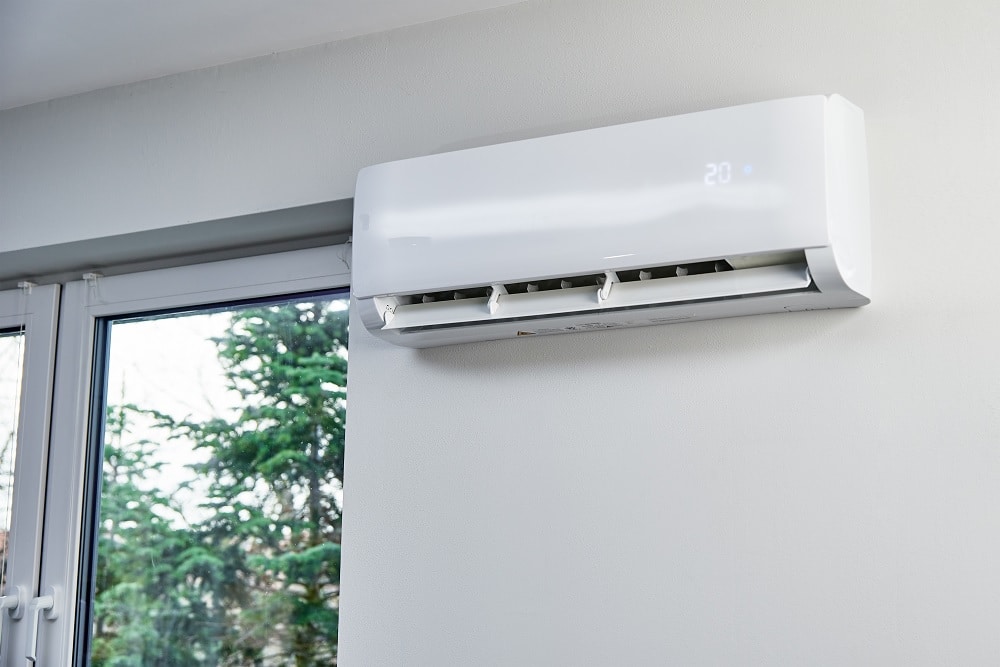
A ductless mini-split system consists of an outdoor compressor connected to one or more indoor air handling units mounted on walls or ceilings. Each indoor unit cools a specific zone and has its own temperature control. Refrigerant lines run through a small three-inch hole in the wall, so no ductwork is needed.
Ductless systems are popular in older Ontario homes that were built without ductwork, such as homes with radiator heating or baseboard electric heat. They are also an excellent choice for home additions, converted garages, attic bedrooms, and sunrooms where extending ductwork would be impractical or expensive.
Cost Comparison: Central Air vs Ductless AC in Ontario

The cost difference between central air and ductless depends heavily on your home’s existing infrastructure. Here is a general comparison for a typical Ontario home:
- Central air (with existing ductwork): $3,500 to $6,500 installed, depending on capacity and efficiency rating
- Central air (new ductwork required): $8,000 to $15,000 or more, as adding ducts involves significant construction
- Single-zone ductless mini-split: $3,000 to $5,000 installed
- Multi-zone ductless (3-4 indoor units): $8,000 to $14,000 installed
If your home has ductwork in good condition, central air is almost always more affordable. If your home lacks ducts, a ductless system avoids the massive expense of retrofitting ductwork into finished walls, ceilings, and floors.
Efficiency and Operating Costs
Ductless mini-splits are generally more energy efficient than central air systems. They avoid duct losses, which can account for 20 to 30 percent of cooling energy in a central system according to Natural Resources Canada. Ductless units also use inverter-driven compressors that adjust speed continuously rather than cycling on and off.
However, if your ductwork is well-sealed and insulated, the efficiency gap narrows considerably. Modern central air conditioners with SEER2 ratings of 16 or higher perform very well. The zone control advantage of ductless systems also matters most in larger homes where you frequently leave rooms unoccupied.
For smaller homes where you cool every room equally, a high-efficiency central system can match or beat the operating costs of ductless, especially when you factor in the higher maintenance requirements of multiple indoor ductless units.
Which System Is Best for Your Ontario Home?
The right choice depends on your specific situation. Central air is typically the better option if your home already has ductwork, you want whole-home cooling from a single system, and you prefer a clean look without wall-mounted units. Ductless is the better option if your home lacks ductwork, you want independent zone control, or you are adding cooling to a specific area like a basement apartment or home office.
Some homeowners choose a hybrid approach, using central air for the main living areas and adding a ductless unit for a problem room that never gets enough airflow. This can be more cost-effective than upgrading the entire duct system.
Furnace King Home Services helps homeowners across Mississauga, Brampton, Oakville, and the GTA evaluate their air conditioning options with honest, no-pressure advice. Our technicians assess your home’s layout, insulation, and existing infrastructure to recommend the most cost-effective solution.
Can I use a ductless mini-split as my only cooling system?
Yes, if you install enough indoor units to cover your living space. A multi-zone ductless system with three to four indoor heads can cool a typical Ontario home effectively. The key is proper placement and sizing by an experienced HVAC technician.
Do ductless systems work in Canadian winters?
Many ductless mini-splits are heat pumps that provide both cooling and heating. Modern cold-climate models can heat efficiently down to minus 25 to minus 30 degrees Celsius. However, most Ontario homeowners use them as a supplement to their primary furnace rather than a complete replacement.
How long do ductless mini-splits last compared to central air?
Both systems last approximately 15 to 20 years with proper maintenance. Ductless units have washable filters that need monthly cleaning, while central air systems rely on standard furnace filters changed every one to three months. Regular professional maintenance extends the life of either system.
Will a ductless system lower my home’s resale value?
No. In fact, ductless systems can increase home value, especially in older homes that previously had no cooling. Buyers appreciate the energy efficiency and zone control. The wall-mounted units are a matter of aesthetic preference, but most buyers view any ENERGY STAR certified cooling system as a positive feature.
Whether you are weighing central air vs ductless AC in Ontario, our experienced HVAC technicians will evaluate your home and recommend the most cost-effective cooling solution for your needs and budget. Call Furnace King at (905) 564-5464 or visit furnaceking.ca to schedule your appointment.
Frequently Asked Questions
How often should I replace my AC filter?
Replace standard 1-inch AC filters every 1-3 months during cooling season. Higher-quality pleated filters may last up to 3 months. Homes with pets or allergy sufferers should change filters more frequently to maintain air quality.
What size air conditioner do I need?
AC sizing depends on your home’s square footage, insulation, window orientation, and ceiling height. A professional Manual J load calculation is the most accurate way to determine the right size. An oversized or undersized unit wastes energy and reduces comfort.
How long does an air conditioner last?
A properly maintained central air conditioner lasts 10-15 years in Ontario. Annual professional maintenance, regular filter changes, and keeping the outdoor unit clear of debris help maximize lifespan.