
Choosing the right air conditioning system is crucial for ensuring lasting comfort, energy efficiency, and value in your Ontario home. With both central and ductless cooling systems widely available, understanding the key differences can help you make a confident, informed decision tailored to your family’s needs.
This guide from Furnace King Home Services breaks down the benefits, limitations, and suitability of central versus ductless air conditioning. Whether you are considering an upgrade, a replacement, or a solution for a new addition, we will help you evaluate each option based on your space, lifestyle, and budget. There is rarely a single “right” answer for every home—the better question is which system matches the way you actually live and the way your house is built.
The Basics of Central and Ductless Air Conditioning
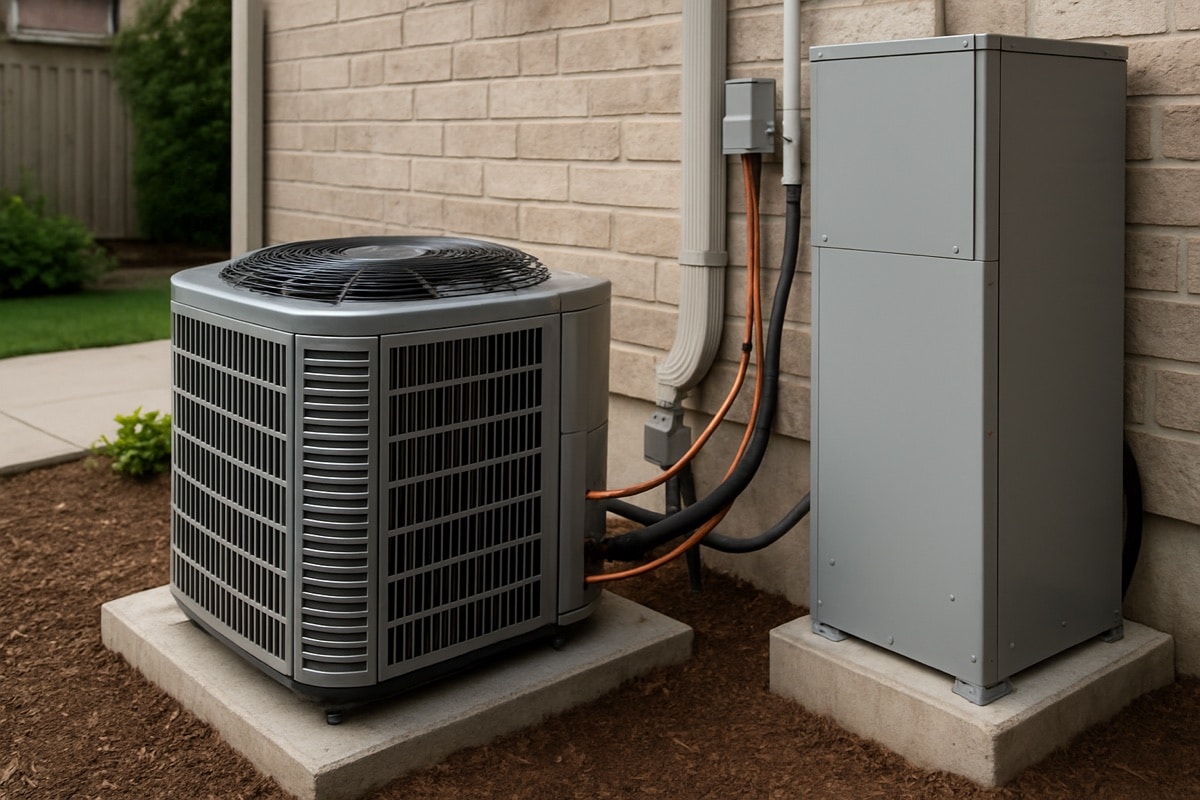
Central air conditioning systems use a network of ducts to distribute cooled air throughout an entire home. They are typically powered by a single outdoor unit connected to an indoor coil, and are controlled via a central thermostat. Central AC is a popular choice for homes already equipped with ductwork, providing uniform cooling and the ability to handle large spaces efficiently.
Ductless air conditioning, also known as mini-split systems, operates without the need for existing ductwork. Instead, these systems consist of one or more indoor air handler units connected to an outdoor compressor. Each zone or room is controlled independently, allowing for customized comfort and often greater energy savings in homes with varying cooling needs.
The choice between these systems often comes down to your home’s existing infrastructure, your cooling preferences, and whether you value whole-home integration or zoned flexibility.
It helps to picture how each one actually delivers cool air. A central system pulls warm indoor air back through return vents, passes it across a cold evaporator coil, and pushes the conditioned air back out through supply registers in every room—one thermostat governing the whole house at once. A ductless system skips the duct network entirely: each indoor head has its own small coil and fan, so the room it serves is cooled directly and independently. That single structural difference is the root of nearly every practical trade-off between the two, from installation cost to how evenly your home feels on a hot afternoon.
Central vs Ductless Air Conditioning Ontario Homes: Key Considerations
When evaluating central vs ductless air conditioning Ontario homes, it’s important to consider installation complexity, upfront costs, and operational efficiency. Central systems generally require ductwork, which can be a challenge in older homes or those with limited attic or crawl space. Ductless systems offer an ideal solution for additions, renovations, or homes without pre-existing ducts, minimizing installation disruption.
Ductless systems tend to offer higher seasonal energy efficiency ratios (SEER) and can help lower utility costs by cooling only the spaces in use. Central systems, on the other hand, are often preferred for larger homes that require consistent temperature throughout. For a deeper look at efficiency ratings and the science behind mini-splits, visit the U.S. Department of Energy’s guide on ductless mini-splits.
Homeowners should also consider ongoing maintenance. Duct-based systems may require regular attention to ductwork and air quality, while ductless systems need periodic cleaning of individual air handlers.
A few practical factors tend to tip the decision one way or the other. If your home already has sound, well-sealed ducts in place, central AC is usually the most cost-effective and visually unobtrusive route, since the outdoor unit and indoor coil can tie into what you already have. If you’re cooling a home with no ductwork, a finished space such as a converted attic or garage, or just one or two problem rooms, ductless avoids the cost and mess of opening walls and ceilings to run new ducts. The appearance of indoor heads matters to some homeowners and not at all to others, so it’s worth seeing one in person before you decide.
Local Climate and Seasonal Demands in Ontario
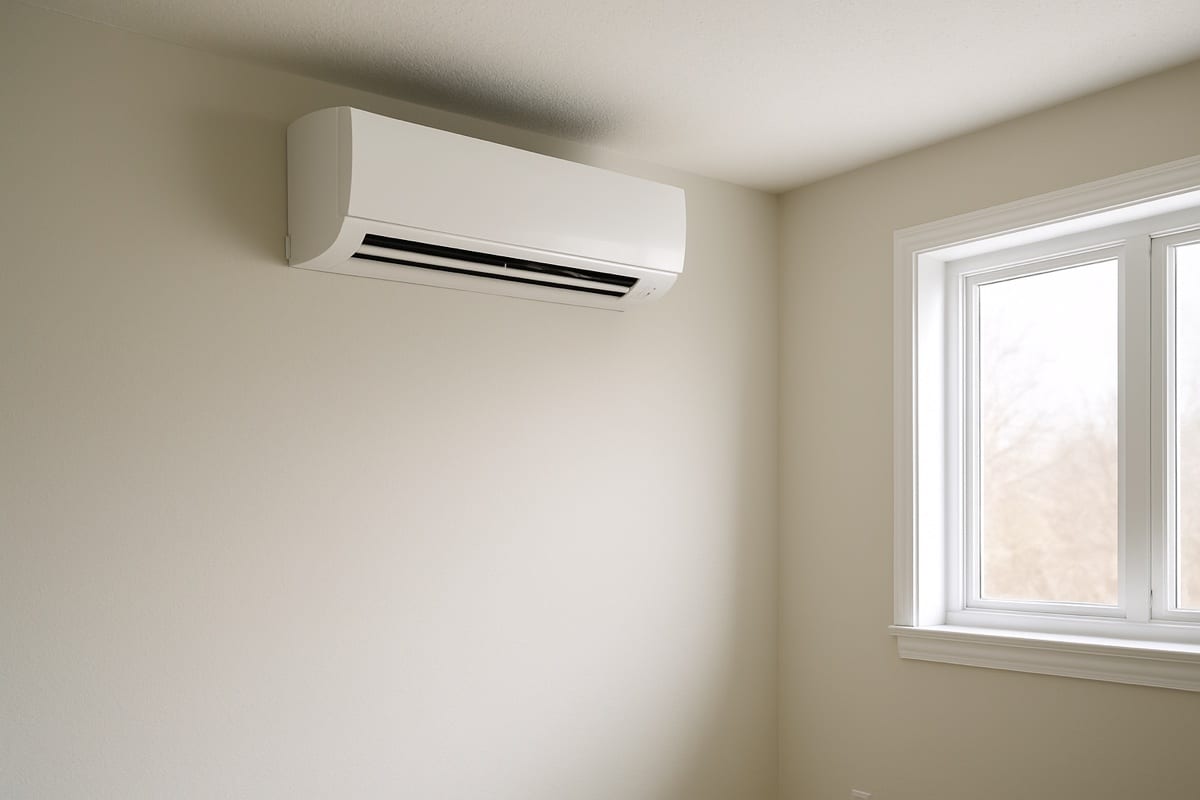
Ontario’s hot, humid summers and chilly winters place unique demands on cooling systems. Central air conditioning can deliver consistent performance during prolonged heat waves, making it a reliable option for families who want whole-home comfort at the touch of a button. The integration with smart thermostats further enhances ease of use and energy management.
Ductless systems excel in homes where cooling needs vary between rooms or levels. For example, older homes with thick walls may benefit from the flexibility of zoned cooling, addressing hot spots without extensive renovation. Additionally, ductless systems can supplement central AC in areas like sunrooms or finished basements, where ductwork may not reach.
Regardless of your system, ensuring clean ducts and regular filter changes improves efficiency and air quality. Learn more about the importance of clean airways with our duct cleaning services.
One detail worth highlighting for Ontario specifically: many modern ductless mini-splits are heat pumps, which means the same equipment that cools your home in July can provide efficient heating through the shoulder seasons of spring and fall. For a homeowner with a finished basement, an in-law suite, or a chronically cold bedroom, that dual-season usefulness can change the math entirely. Central systems pair naturally with a home’s existing forced-air furnace, giving you a single set of ducts for both heating and cooling—an arrangement most families already understand and find easy to live with.
Zoning, Comfort, and How Each System Feels Day to Day
The most underrated difference between these two systems is how they feel in everyday use. With a single central thermostat, the whole house chases one temperature, which works beautifully when the home is open and evenly exposed to the sun. But two-storey homes, rooms with large west-facing windows, and spaces over a garage often run several degrees off from the rest of the house, and a single thermostat simply can’t resolve that.
Ductless zoning addresses this directly. Because each indoor head is controlled on its own, you can keep a sunny upstairs bedroom cooler at night without overcooling the main floor, or shut off cooling entirely in rooms nobody is using. That room-by-room control is both a comfort upgrade and an efficiency one. The trade-off is that you’re managing several thermostats instead of one, and the number of indoor heads you need is what drives the overall cost—so a whole-home ductless retrofit in a large house can approach or exceed the price of central air. Matching the number of zones to the rooms that genuinely need independent control is where good planning pays off.
Cost, Value, and Long-Term Maintenance
Investing in an air conditioning system is about more than just initial price. Central systems may have a higher upfront cost if new ducts are required, but can add value to a home and provide seamless integration with heating systems. Ductless systems often cost less to install in homes without ducts, but their per-room cost can add up if cooling the entire house is needed.
Long-term maintenance should also be factored in. Central systems require regular duct inspections and cleaning, which can impact air quality and efficiency. Ductless mini-splits need periodic servicing of indoor heads and the outdoor unit. For a detailed cost breakdown, consult our HVAC cost estimator.
Rebates and incentives for high-efficiency systems are sometimes available. For up-to-date information, check the Natural Resources Canada energy efficiency portal.
When you weigh these systems over their full lifespan rather than just at the quote stage, the picture often shifts. A central system concentrates its maintenance in the ductwork and a single indoor coil, which is straightforward to service but can hide air-quality and leakage problems if the ducts are neglected. A ductless system spreads its maintenance across each indoor head—filters to clean, coils to keep clear—but isolates a failure to one zone rather than the whole house. Neither is inherently cheaper to own; the right value comparison is the total of installation, expected energy use for your specific home, and the maintenance pattern you’re realistically willing to keep up with.
Frequently Asked Questions
Which system is quieter: central or ductless air conditioning?
Ductless systems are typically quieter because the noisy compressor is located outside, and the indoor units operate at low sound levels. Central systems can be quiet as well, especially with modern variable-speed fans, but noise may travel through ductwork.
How much maintenance does each type of system require?
Central systems need regular duct inspections and filter changes, while ductless systems require cleaning of air handlers and monitoring for refrigerant leaks. Both should be serviced annually by a professional for peak performance. Review available air conditioning maintenance and service plans.
Can I install a ductless system if I already have central AC?
Yes, ductless mini-splits are often used to supplement existing central systems, especially in rooms that are hard to cool. They are ideal for home additions, attics, or finished basements where expanding ductwork may not be practical.
For tailored advice, reach out to Furnace King Home Services to discuss your specific needs.
Ready to enhance your comfort and energy efficiency? Contact Furnace King Home Services at (905) 564-5464 or visit our contact page to book your air conditioning consultation today.