
When winter settles in across Etobicoke, heating systems kick into high gear. Around this time of year, we hear from more homeowners who notice little things that weren’t a problem in the fall. Maybe the furnace sounds a bit off. Maybe the house is slower to warm up than it used to be. That’s usually how furnace repair in Etobicoke begins, with small changes that don’t seem like much at first.
We’ve seen that the earlier those signs are caught, the better chance we have of stopping a full system shutdown. This post looks at where those repairs tend to start, what to keep an eye on, and how small fixes can go a long way toward a smoother season.
Small Noises That Lead to Bigger Trouble
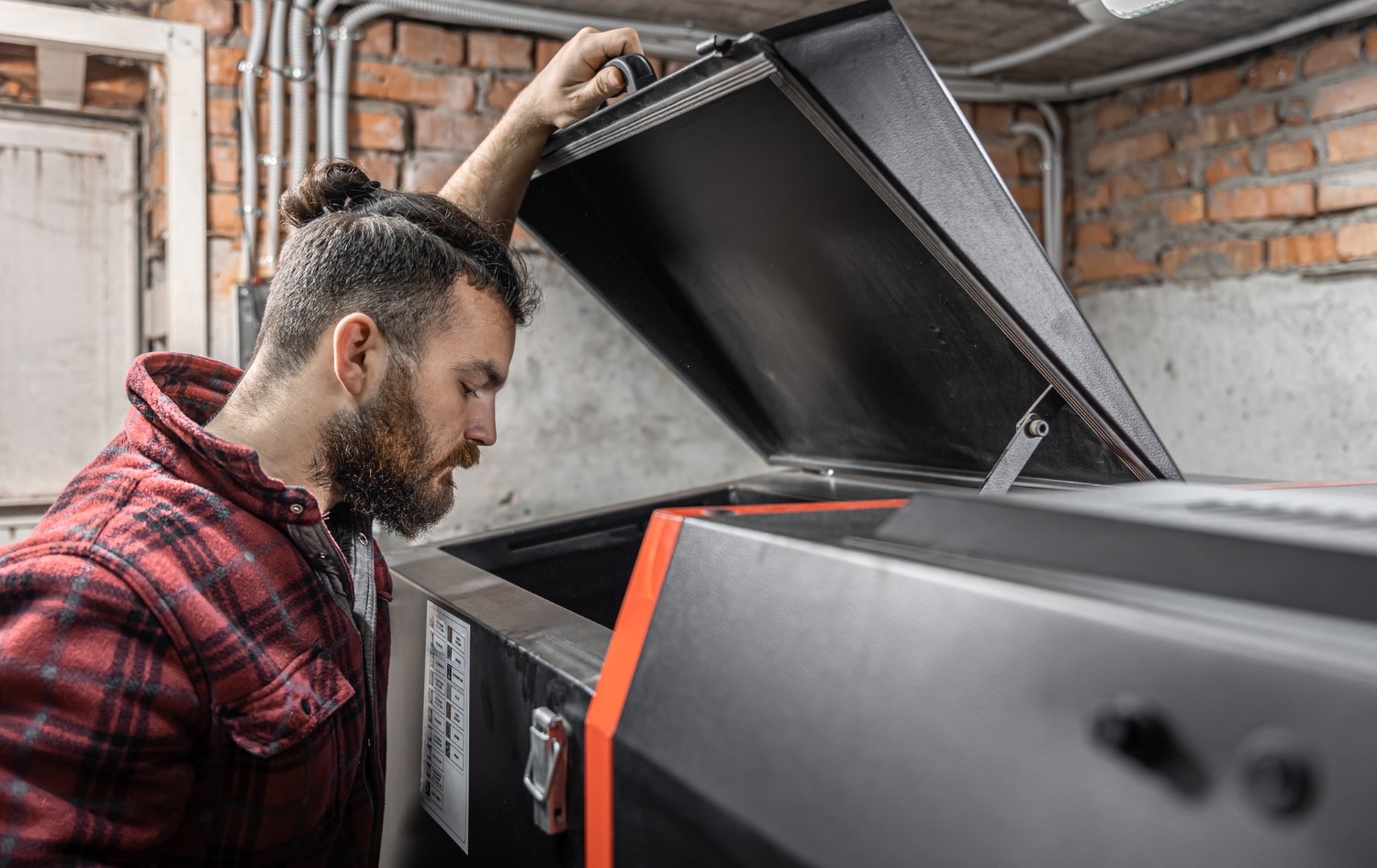
Most furnaces don’t go from working to broken overnight. Noises are one of the first red flags. A gentle hum is normal, but when that hum turns into rattling, clanking, or buzzing, something is usually off.
• Loose screws or shifting parts inside the blower can make knocking sounds.
• Worn-out bearings or belts might start squealing.
• A clicking noise could mean trouble with the ignition or electrical parts.
These noises can get louder as the days go on. We’ve found that when people ignore them for too long, the problem behind the sound spreads. One part may stop working altogether and cause other pieces to work harder. That’s when breakdowns speed up, and repairs become more involved. If new sounds stick around more than a day or two, it’s a good time to get them looked at.
A Drop in Heat That Feels Gradual
Heat that slips little by little is easy to miss. You may not feel it right away, but slowly the house takes longer to warm up. You might bump up the thermostat a degree or two here and there without realising something’s off.
• Clogged filters make heat move more slowly through the vents.
• Older blowers might not push as much air as they used to.
• Internal sensors can get dirty, sending off the wrong signals.
We’ve seen furnaces run for weeks at a lower level before anyone notices. What starts as a weak spot often gets worse during the coldest stretches. When a furnace runs more often to match the thermostat, the parts are under more pressure. That’s why small changes in heat shouldn’t be brushed off. They’re a quiet sign that the system is not keeping up like it used to.
When Energy Bills Start Creeping Up
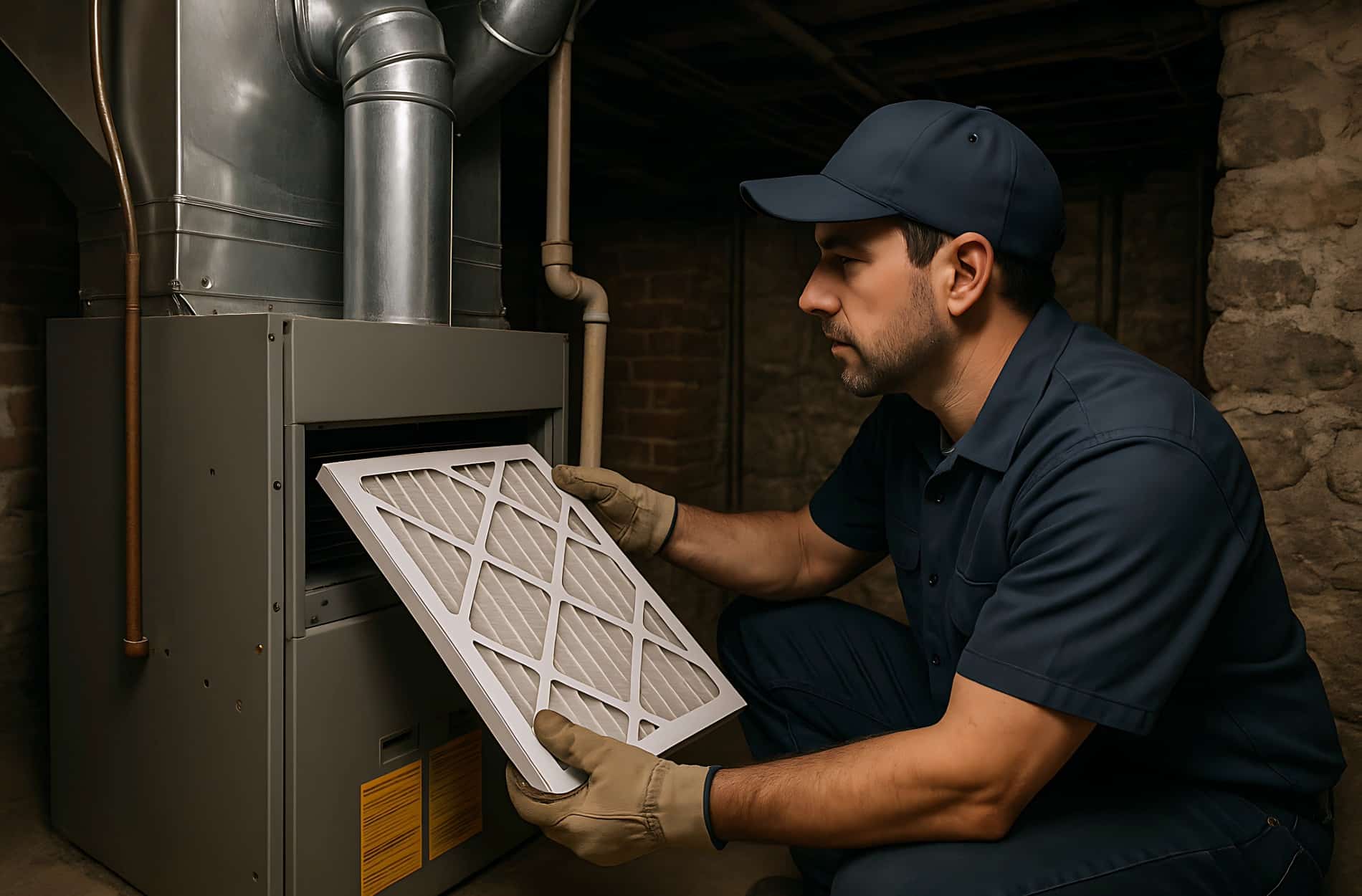
One of the easiest signs to spot is on your monthly bill. If things look steady at home but the numbers keep going up, chances are the furnace is working harder than it should.
• Blockages or dirt inside the system make it less efficient.
• A struggling furnace runs longer to hit the same temperature.
• Parts that are breaking down need more power to do the job.
Extra energy use doesn’t always mean added comfort. It can mean the opposite, a system that’s on all the time but barely doing its job. This is one of the quiet ways that furnace problems grow without anyone noticing. If the bill seems high and winter isn’t unusually cold, it’s smart to have the system checked before it costs more.
Sudden Stops or Frequent Restarting
A furnace that keeps shutting off and turning back on might be trying to protect itself. This kind of short-cycling puts a lot of wear on key parts. It’s not only annoying, but it can lead to complete system failure if ignored.
• Overheating parts may cause the unit to shut down before completing a cycle.
• A bad sensor could make the furnace think it reached the right temperature too early.
• Airflow blocks might cause heat to build up where it shouldn’t.
Short-cycling puts added pressure on the furnace every time it starts. That shake at start-up, the sudden burst of heat, and all the moving parts doing it over and over again, it all adds up. We’ve seen more serious repairs follow a season of constant restarts. Catching it early means we can stop the cycle before something breaks.
The Role of Missed Seasonal Maintenance
Most systems benefit from a seasonal once-over, but that step often gets missed. Life gets busy, and when the furnace still works, it’s easy to skip it. But the systems we see break down in deep winter often show signs of wear that might have been prevented.
• Dusty coil surfaces or filters block heat flow.
• Worn connections inside the unit stress out the electrical components.
• Old sensors or out-of-date programming make the furnace act in weird ways.
For more information, visit the ENERGY STAR Certified Furnaces resource guide.
A quiet tune-up in late fall or early winter helps us spot early trouble signs. When that doesn’t happen, those small problems can sneak up fast. We’ve found cracked hoses, clogged drains, and loose wires in homes that seemed fine just weeks earlier. Once January hits and the furnace is running full tilt, small issues don’t stay small for long.
Know the Signs Before Heat Cuts Out
Furnaces do a lot of work through the coldest weeks of the year. And most issues they run into don’t start big. A buzz here, a longer warm-up there, it’s often the small shifts that tell us something’s off.
Watching out for early signs, like odd sounds, slow heating, or rising energy use, keeps us from being caught off guard. Many repairs can be avoided or kept small when caught before they turn into full winter breakdowns. Staying alert and acting early means a warmer, easier season for everyone in the house.
Don’t let subtle signs of heating trouble leave you in the cold this winter. At Furnace King Home Services, we specialise in early detection and repair to keep your furnace working smoothly all season long. If you’re hearing strange noises or noticing increased energy bills, it might be time for furnace repair in Etobicoke. Trust our team to ensure your home stays warm and efficient through the harshest months.
Many furnace repairs begin with an error code on the control board. Learn what those flashing lights mean in our Carrier furnace error codes guide and Goodman furnace error codes guide.
Frequently Asked Questions
How often should I service my furnace?
Furnace manufacturers recommend annual maintenance, ideally in early fall before heavy use begins. A professional tune-up includes inspecting the heat exchanger, cleaning burners, testing safety controls, and checking gas connections. Regular servicing can extend your furnace lifespan by 5-10 years.
How long does a furnace last in Ontario?
A well-maintained furnace in Ontario typically lasts 15-20 years. Harsh winters mean your system works harder, so consistent annual maintenance is critical. If your furnace is over 15 years old and needing frequent repairs, replacement is usually more cost-effective.
What AFUE rating should I look for?
For Ontario homes, look for a furnace with at least 96% AFUE (Annual Fuel Utilization Efficiency). High-efficiency models (96-98% AFUE) may qualify for rebates through the Canada Greener Homes Grant program.
Schedule Your Service Today
Furnace King Home Services has been keeping Mississauga and GTA homes comfortable for over 30 years. Whether you need maintenance, repair, or a new installation, our licensed technicians are ready to help. Call us at (905) 564-5464 or contact us online to schedule your appointment today.