
Deciding between a tankless and a traditional tank water heater is one of the most common dilemmas for GTA homeowners. Both options have clear strengths, and the right choice depends on your household size, hot water demand, budget, and long-term goals. Understanding the differences between a tankless vs tank water heater in the GTA will help you make a confident decision that fits your household’s hot water needs and budget.
Whether you live in Mississauga, Brampton, Oakville, or anywhere else in the Greater Toronto Area, this guide covers everything you need to know about both technologies so you can choose the best fit for your home.
The Short Answer: Tank or Tankless?
A tank water heater keeps a supply of hot water ready, while a tankless unit makes it as you use it. Natural Resources Canada says ENERGY STAR certified tankless models can save energy compared with standard storage tanks, with a trade-off: if several people need hot water at the same time, demand can exceed what one tankless unit can supply. The better fit depends on how many taps run at once in your home, how much space you have and how long you plan to stay.
| What to compare | Tank water heater | Tankless water heater |
|---|---|---|
| How it makes hot water | Keeps stored water heated so it is ready to use | Heats water on demand as a tap opens |
| Energy use when nobody is using hot water | Uses energy to hold the stored water at temperature | No storage tank to keep heated |
| Several taps at the same time | Draws on the stored supply, so tank size matters | Unit size matters, because simultaneous demand can exceed what one unit supplies |
| Space | Needs floor space for the tank | Has no storage tank, which can save space |
| Cost over time | Less efficient models use more energy to run | More efficient models cost more to buy, with savings that build over time |
These points follow Natural Resources Canada’s guide to residential water heaters.
Questions to Ask Before You Choose
- How many showers, dishwashers or laundry loads run at the same time in your home on a busy morning?
- Will the new unit need changes to gas piping, venting or electrical service, and what would those add to the installed price?
- How long do you expect to stay in the home?
- Does the written quote show the installed price, the size of the unit and who will install it?
If you are leaning toward tankless, see Furnace King’s tankless water heater page. Natural Resources Canada advises having a licensed professional install a new water heater and consulting a plumber to estimate your hot water demand.
How Tank Water Heaters Work
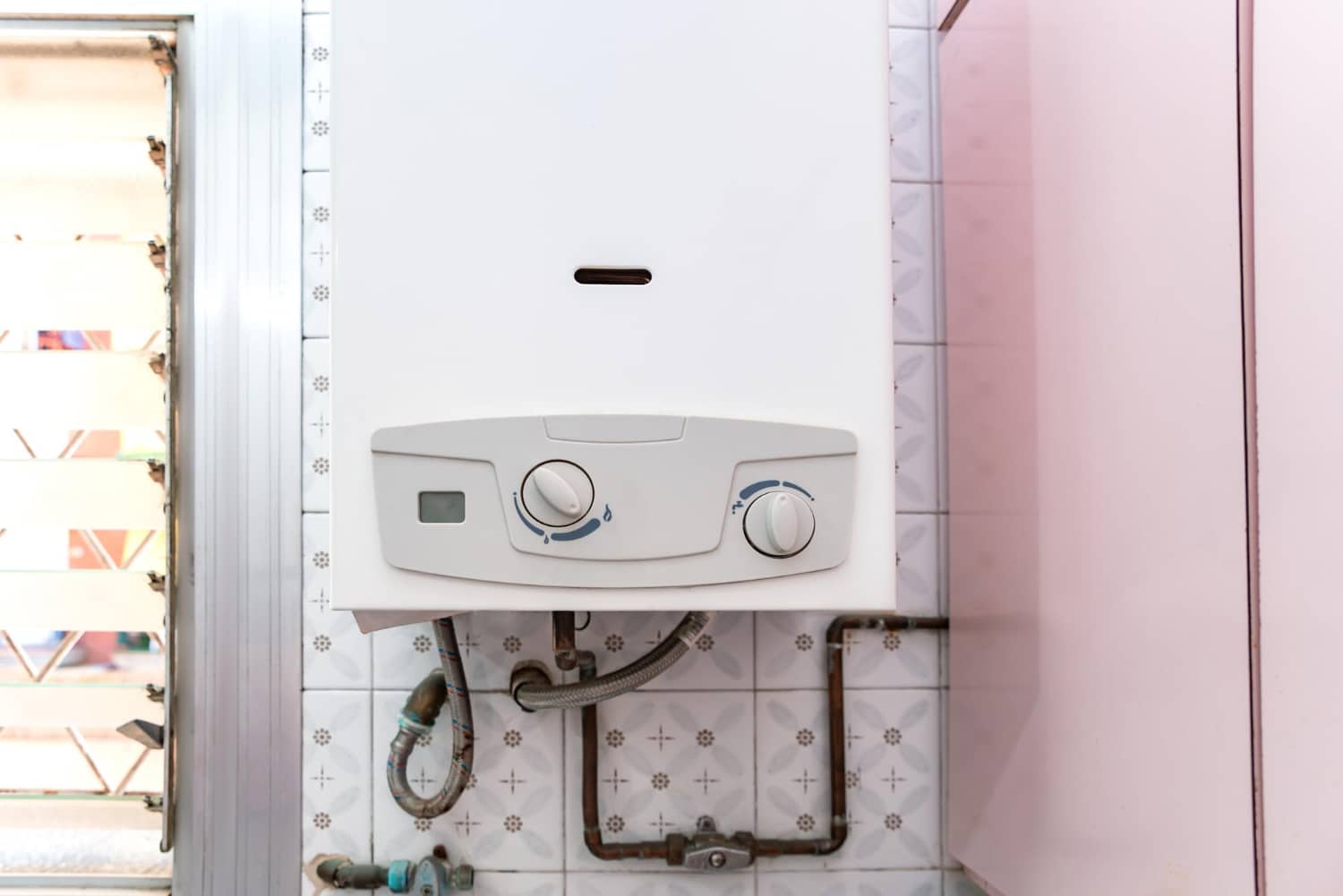
A traditional tank water heater stores hot water in an insulated tank, keeping it heated and ready to use at all times. When you turn on a faucet or start the dishwasher, hot water flows from the top of the tank while cold water enters at the bottom to be heated for next time.
Tank heaters have been the standard in Canadian homes for decades. They are reliable, affordable to purchase and install, and compatible with most home plumbing setups. Standard tank models are often the lower-cost option to buy upfront, while Natural Resources Canada notes that more energy-efficient models cost more upfront and recoup that cost through long-term energy savings.
The main drawback is standby heat loss. The heater uses energy around the clock to keep the stored water hot, even when nobody is using it. That constant energy use adds up over time.
How Tankless Water Heaters Work
A tankless water heater heats water on demand as it flows through the unit. When you open a hot water tap, a sensor activates the burner or heating element, and water is heated instantly as it passes through the heat exchanger. When the tap closes, the unit shuts off.
This on-demand approach avoids the standby heat loss of a storage tank. According to Natural Resources Canada’s guide to residential water heaters, an ENERGY STAR certified tankless water heater can save energy compared with standard storage tank types, although a tankless system may not keep up if several outlets need hot water at the same time.
Tankless units have no storage tank, which can save space in your basement or utility room, a real advantage in smaller GTA homes and townhouses.
Tankless vs Tank Water Heater: Upfront vs Long-Term Costs

The biggest hesitation most GTA homeowners have about tankless is the upfront cost. A tankless water heater generally costs more to buy and install than a comparable tank model, and the installed price depends on the model and any required upgrades to your gas line or venting.
However, Natural Resources Canada notes that a more energy-efficient model costs more upfront but recoups that cost through long-term energy savings. How long that takes depends on your household’s hot water use, your energy costs and the installed price, so ask for the numbers for your home in writing.
- Tank water heater: often the lower upfront cost, with standby energy use
- Tankless water heater: higher upfront cost, no storage tank to keep heated, and sizing matters for simultaneous use
Rebate programs for water heaters change over time, so check Enbridge Gas’s current rebate information before you buy and confirm eligibility in writing.
Gas vs Electric: Which Fuel Source Is Better?
For homes with natural gas service, a gas tankless unit is often considered. Gas units generally deliver higher flow rates than electric ones, but simultaneous demand from several fixtures can still exceed what one unit supplies, so sizing matters.
Electric tankless heaters can suit point-of-use applications, like under a bathroom sink, but whole-home electric tankless units may need an electrical panel upgrade, which adds to the project cost. Ask your installer to confirm what your electrical panel and gas supply can support.
Which Is Right for Your Household?
The best choice depends on how your household uses hot water. Here are some general guidelines:
- Choose a tank heater if: You have a tight budget, you are simply replacing a unit and your hot water needs have not changed, or your household has very predictable hot water needs.
- Choose a tankless heater if: You want to reduce energy bills long-term, you need to free up space, your household’s peak hot water demand has been assessed and a properly sized unit can meet it, or you plan to stay in the home for many years.
A qualified technician can assess your home’s plumbing, gas supply, and hot water usage patterns to recommend the right size and model. The team at Furnace King helps GTA homeowners make this decision every day and can walk you through the options when you contact us.
Can a tankless water heater keep up with a large family?
It depends on how the unit is sized. Natural Resources Canada notes that if a family needs to take multiple showers at the same time, demand could exceed what a tankless system can provide. A plumber or installer can estimate your household’s peak hot water demand and recommend a unit sized for it.
Do tankless water heaters work in cold Ontario winters?
Tankless units are used in Ontario homes, but colder incoming water in winter means the unit has to work harder, which can reduce the flow it delivers at peak demand. Ask your installer to size the unit for your household’s winter demand.
Is a tankless water heater worth it if I am selling my home soon?
If you plan to sell soon, the higher upfront cost of a tankless unit may not be recovered before you move, so compare the installed price with how long you expect to stay. Resale effects vary by buyer and market.
How often does a tankless water heater need maintenance?
Many manufacturers recommend periodic descaling, especially in areas with hard water. Follow your unit’s manual or ask a technician how often your model needs it. Regular maintenance helps the unit run efficiently.
Whether you lean toward a tankless vs tank water heater for your GTA home, the key is choosing the right size and having it installed by a licensed professional. Call Furnace King at (905) 564-5464 or visit furnaceking.ca to schedule your appointment.
Frequently Asked Questions
How long does a tankless water heater last?
Lifespan depends on the model, water quality and maintenance, so check the manufacturer’s documentation and warranty terms for the unit you are considering. Descaling matters in areas with hard water to help prevent mineral buildup.
Is a tankless water heater worth the cost?
Tankless units generally cost more upfront, and Natural Resources Canada notes that an energy-efficient model recoups that cost through long-term energy savings. They also have no storage tank, which can save space. Whether one is worth it for you depends on your hot water demand, the installed price and how long you will stay.
What size tankless water heater do I need?
Sizing depends on your peak hot water demand and incoming water temperature. A professional assessment ensures the right size for your household.