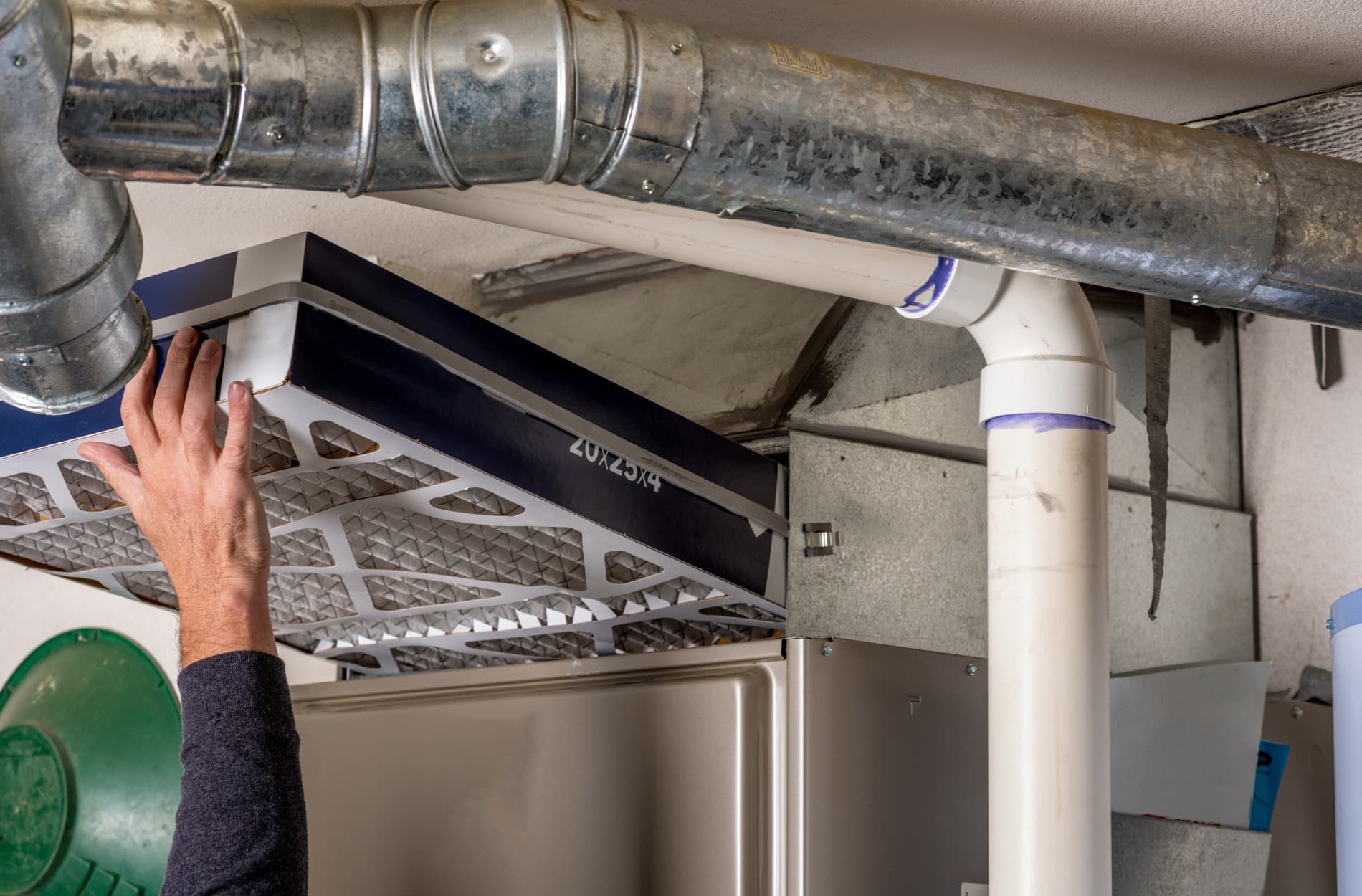
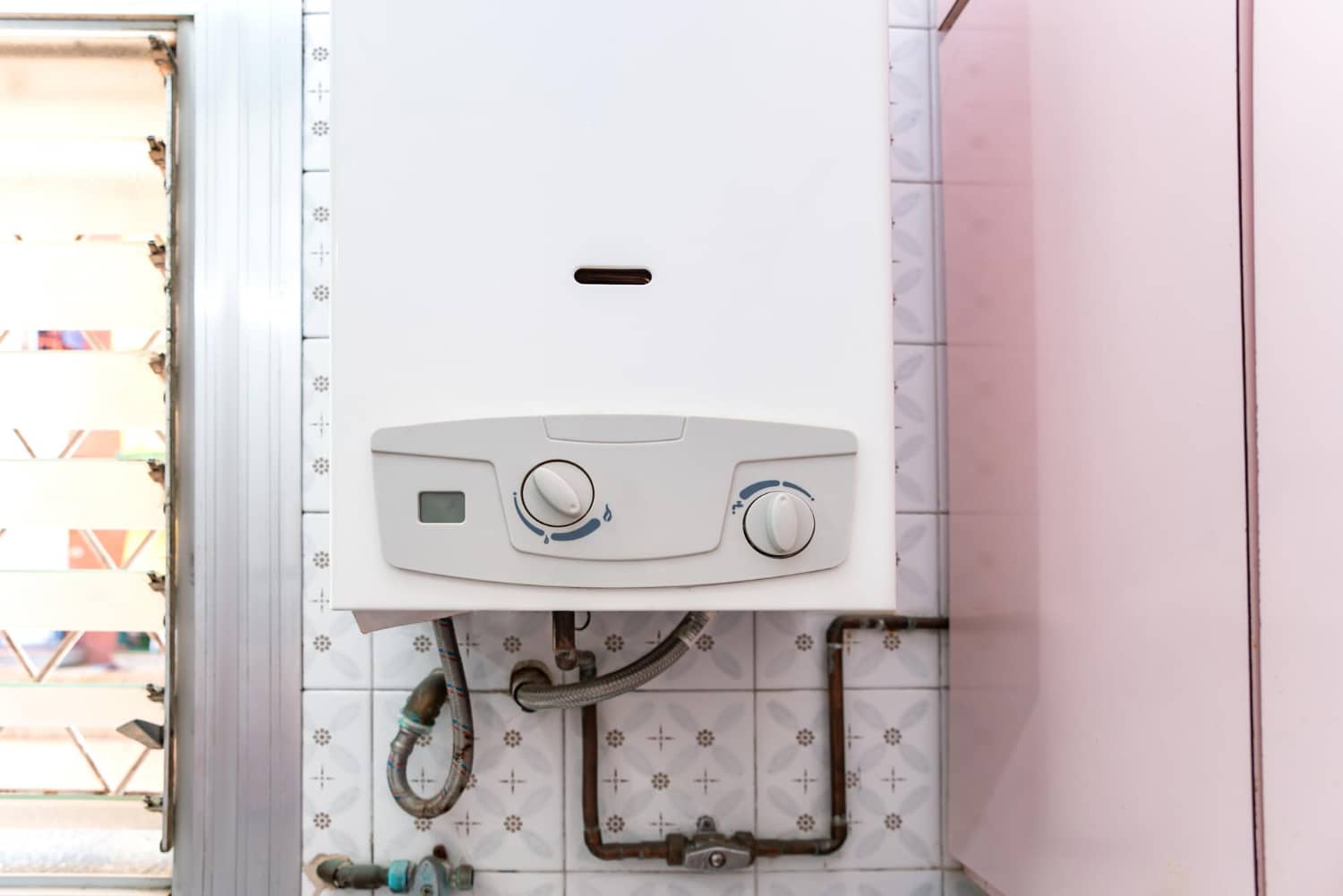
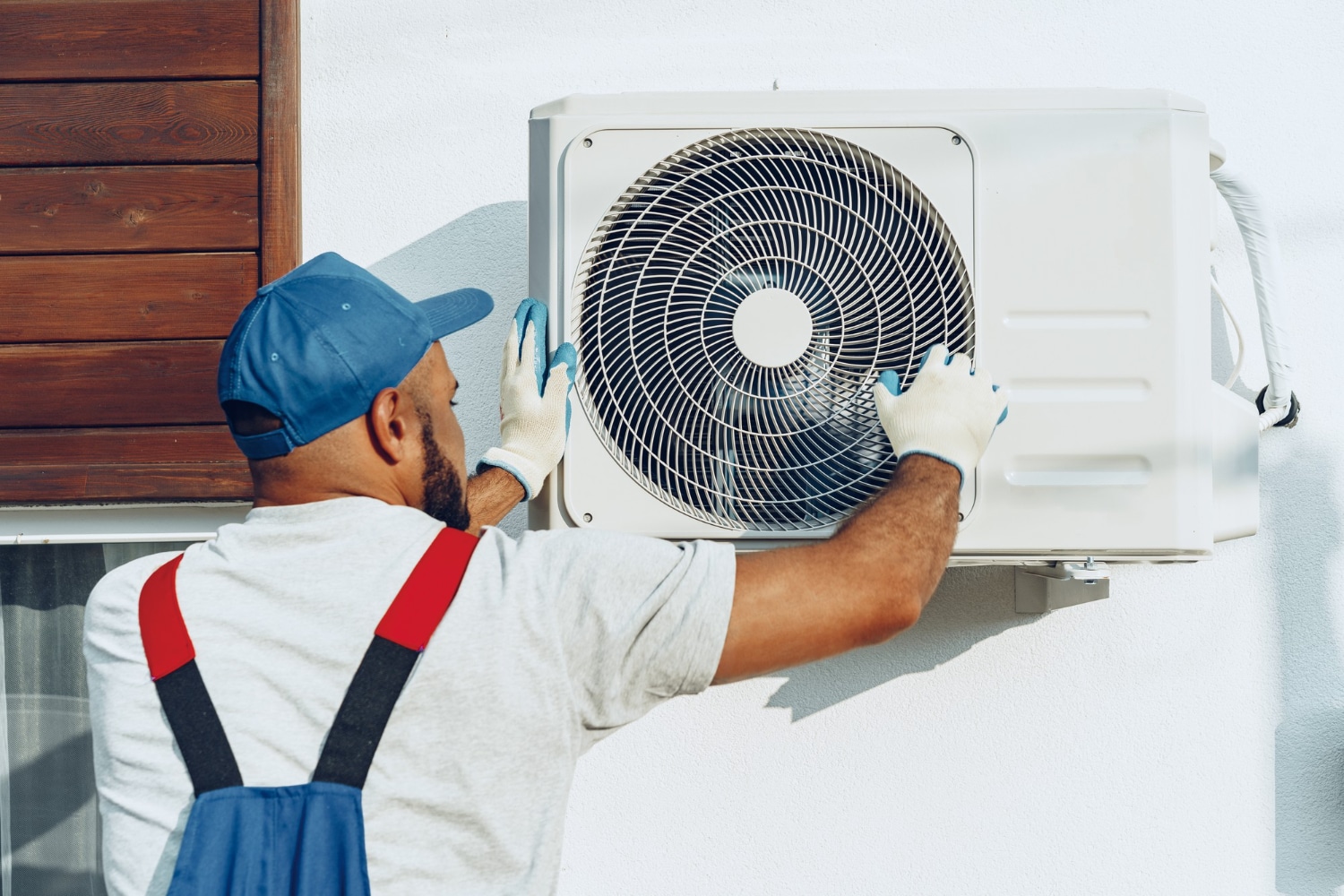
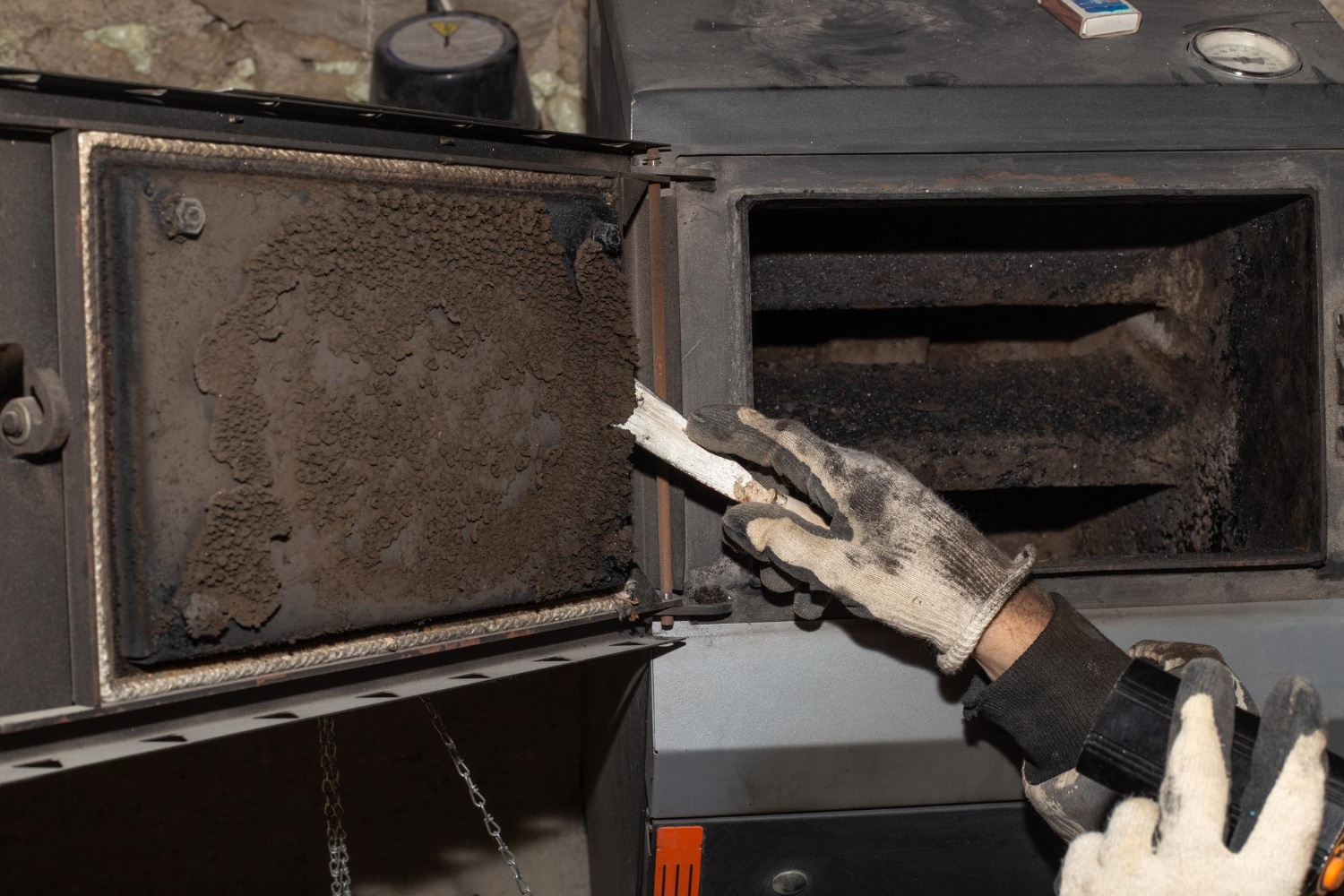
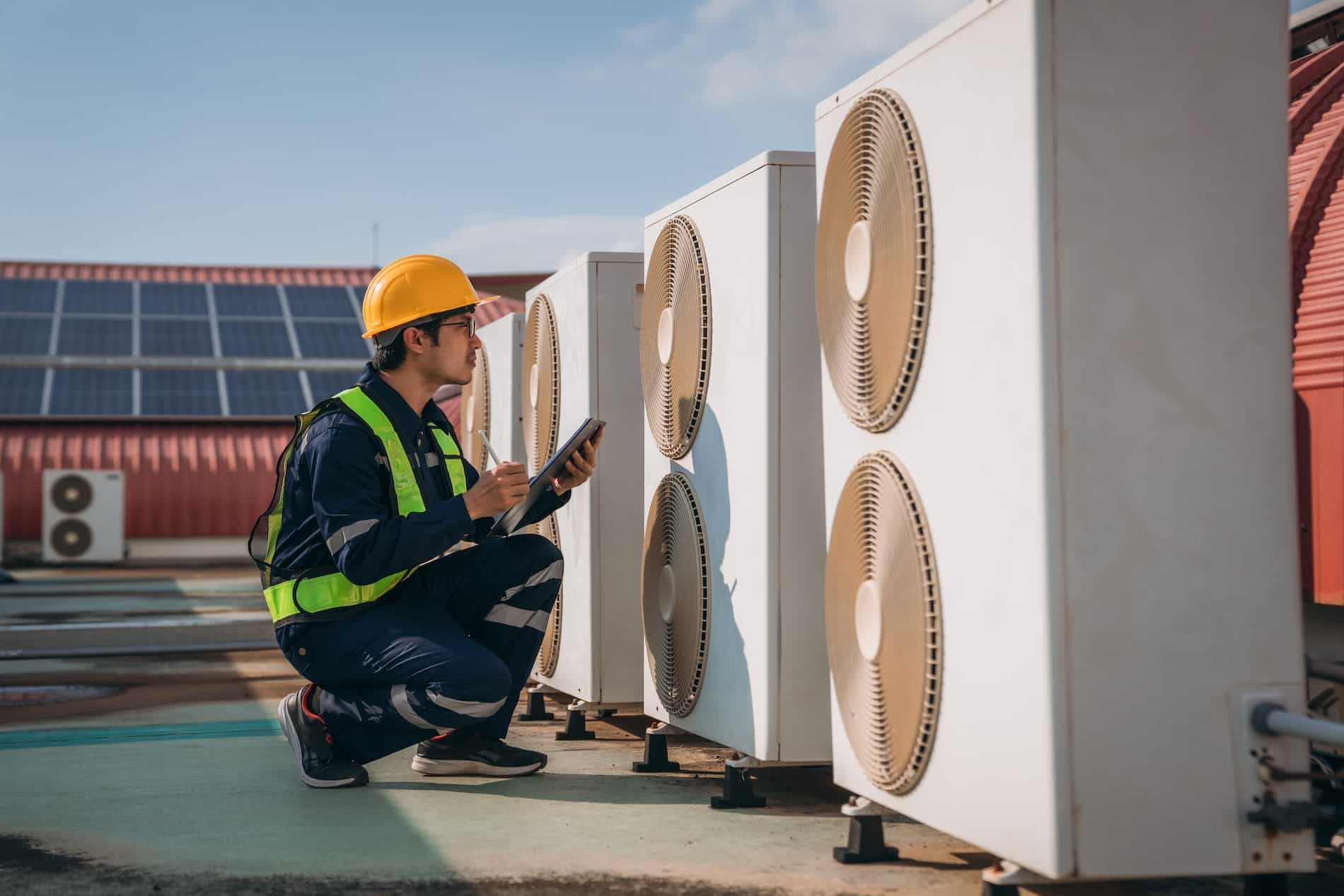
Replacing a heating system in Ontario raises more than a simple equipment-price question. A heat pump can provide both heating and cooling; a gas furnace provides heat and may be paired with a separate air conditioner. A hybrid design uses both heat sources. The suitable choice depends on the home’s heating load, existing equipment, electrical and duct capacity, comfort needs and total installed cost.
How each option provides heat
A gas furnace burns fuel to heat air delivered through the ducts. An air-source heat pump transfers heat between outdoors and indoors and reverses the process for cooling. Both need to be sized and installed for the home. A hybrid system combines a heat pump with a gas furnace and uses controls to select the heat source under different conditions.
Compare complete installed quotes
Ask each installer to describe the equipment, sizing, labor, electrical work, duct changes, backup heat, controls and any cooling equipment included. A heat-pump quote and a furnace-only quote may cover different work, so compare the same comfort scope. Do not subtract a rebate until the current program has confirmed that the homeowner, equipment and project meet its rules.
What affects Ontario operating costs?
Electricity and gas prices, equipment efficiency, outdoor conditions and how much heating the home needs all matter. A hybrid home may keep paying a fixed gas-service charge even when the heat pump supplies much of the heat. The electricity-to-gas price relationship and any retained gas connection can change the bill outcome. A percentage or annual-dollar saving from a sample home cannot predict your bill. Ask for a written energy-use comparison based on your home and current tariffs.
Cooling, backup heat and existing equipment
A heat pump also cools the home; a furnace needs a separate cooling system if you want central air conditioning. A cold-climate heat pump may be designed with electric backup, or paired with a gas furnace. The appropriate backup arrangement depends on the home’s heating load and the selected equipment. If your furnace or air conditioner still has useful life, include that fact in the replacement decision.
Check a current Ontario incentive
Ontario’s Home Renovation Savings program has a heat-pump pathway. The official directory lists Furnace King for ductless and centrally ducted cold-climate air-source systems. The former Canada Greener Homes Grant is closed to new applications. Check the current program terms and exact equipment before budgeting any incentive.
Frequently Asked Questions
Which is cheaper to run in Ontario: a heat pump or gas furnace?
Neither has a universal cost advantage. Compare the proposed equipment’s estimated energy use with your current electricity and gas tariffs and fixed charges, including a gas connection you would retain.
Can a heat pump replace a gas furnace?
It can in some homes when the system and backup heat are designed for the home’s load. An installer should assess the equipment, electrical service and comfort requirements before recommending that option.
What happens during very cold weather?
Heat-pump output and efficiency change as outdoor temperatures fall. The selected model and backup design determine how the home is heated in those conditions. Ask for the specific equipment’s performance data.
Which system lasts longer?
Service life varies with equipment, installation, maintenance and usage. Compare the written warranty and maintenance requirements of the systems being quoted rather than relying on one lifespan estimate.
Do I need both a heat pump and furnace?
No. A heat pump can be designed with electric backup or as a hybrid with a gas furnace. The right setup depends on the home’s load, existing equipment and a written cost comparison.
The Canada Greener Homes Grant is closed to new applications. If you found an older heat-pump rebate guide, its federal grant amounts and application steps are no longer a basis for planning a new project. Ontario homeowners can check the current Home Renovation Savings program instead. Read the official terms before including any rebate in a budget.
What changed?
Natural Resources Canada stopped accepting new Greener Homes Grant applications. Older articles that describe opening an account, booking evaluations and submitting invoices for a new federal grant are out of date. The program’s closure does not tell you whether a different Ontario program will support your project. That depends on the current program rules and the work being proposed.
Where should Ontario homeowners look now?
Start with the official Home Renovation Savings heat-pump directory and program information. It lists Furnace King for ductless and centrally ducted cold-climate air-source heat pumps. A contractor’s listing is a starting point, not an approval for a particular home, model or installation. Check the equipment and household requirements with the program before ordering work.
Is there a new federal heat pump rebate?
On October 8, 2026, the federal government announced a National Heat Pump Rebate Program. According to the announcement, the rebate is up to $10,000 for households below the median income and $2,000 for other eligible homeowners, toward an electric cold climate air-source heat pump on the program’s Eligible Products List, with applications made through an online portal. The announcement also says no energy audits are required before or after installation, which is a change from the old Greener Homes process described above.
This is a new announcement, not a revival of the closed Greener Homes Grant. The announcement we reviewed does not give an application start date, does not say whether work completed before launch will qualify, and does not explain how the rebate works alongside provincial programs such as Ontario’s Home Renovation Savings. Until those details are confirmed, do not build a federal amount into your budget.
What to confirm before you order a heat pump
Check the Government of Canada announcement for the application start date and the eligibility rules that apply to your household.
Ask your contractor in writing whether the exact heat pump you are considering is a cold climate model that appears on the program’s Eligible Products List.
Read the Home Renovation Savings heat-pump page before work begins. It lists pre-approval as mandatory and says installations completed before approval are not eligible.
Ask for the full installed price without any rebate, so a delayed or declined rebate does not change whether the project makes sense.
Compare the whole installed project
Ask for a written scope that identifies the heat-pump model, sizing approach, any backup heat, electrical or ductwork changes, and the installed price before an assumed rebate. If you are comparing a heat pump with a gas furnace or a hybrid system, also ask how the proposed setup fits your existing equipment and utility bills. The lowest equipment price is not necessarily the lowest total installed cost.
Questions to settle before signing
Which current program pathway, if any, is being proposed?
Is the exact equipment on the program’s current eligible list?
Which homeowner, home and installation requirements still need confirmation?
Who will provide the documents required by the program?
What is the full price if no rebate is approved?
Frequently Asked Questions
Can I apply for the Canada Greener Homes Grant now?
No. The federal grant is closed to new applications. Check current Ontario programs for a new project.
Does Furnace King’s directory listing guarantee a rebate?
No. Furnace King is listed for specified air-source heat-pump categories, but the proposed equipment, home and project must meet the current program rules.
How much will a new heat pump rebate be?
The federal government has announced up to $10,000 or $2,000 depending on household income, but the start date and eligibility details are not yet confirmed. Use the current official program information and confirm the project details before budgeting an amount.
Plan a heat-pump assessment
For a system recommendation and written project scope, review Furnace King’s heat-pump services. Compare any proposed rebate against the official current rules before making a purchase decision.
Goodman furnaces are among the most popular heating systems in Canadian homes, known for their reliability and value. But like any furnace, they can develop issues — and when they do, the control board communicates the problem through a series of LED flash codes.
At Furnace King Home Services, we’ve been servicing Goodman furnaces across Mississauga, Etobicoke, Brampton, and Oakville for over 40 years. In this comprehensive guide, I’ll explain every Goodman furnace error code, what causes each one, and whether you need a professional or can troubleshoot it yourself.
How to Read Goodman Furnace LED Flash Codes
Goodman furnaces use a single LED light on the control board to display diagnostic flash codes. The number of times the LED flashes indicates the specific error. Here’s how to find and read them:
Step 1: Locate the Diagnostic LED
Open or look through the lower access panel on the front of your furnace. The control board is typically mounted inside this compartment. Most Goodman furnaces have a small sight glass window that lets you see the LED without removing the panel. The LED is usually red or amber coloured.
Step 2: Count the Flashes
Watch the LED carefully and count the number of times it blinks before pausing. The LED will flash a specific number of times, pause for a few seconds, then repeat the same pattern. Count during at least two full cycles to confirm the code.
Step 3: Understand What the LED States Mean
Steady ON (no flashing): Normal operation — 24V power is present and the control board is in standby
Steady OFF (no light): No power to the control board — check the circuit breaker and furnace switch
Rapid continuous flash: Reversed line voltage polarity or poor grounding
Slow, steady flash: Normal call for heat in progress
Specific blink pattern (1-9 flashes): Error code — see the chart below
Tip: You can also find a diagnostic chart printed on a label inside the furnace access panel. This label is specific to your model and provides the exact code definitions for your unit.
Complete Goodman Furnace Error Code Chart
Below is the complete list of Goodman furnace LED flash codes. These codes apply to modern Goodman gas furnaces including the GMVC96, GMSS96, GMS80, GMES80, GCVM97, GMVM97, and similar models.
LED Status Indicators
LED State
Meaning
Action Required
Steady ON
Normal standby — power present, no call for heat
None — system is operating normally
Steady OFF
No 24V or 120V power to control board
Check circuit breaker, power switch, and wiring
Continuous rapid flash
Reversed 120V AC line polarity or poor grounding
Have an electrician check the furnace’s electrical supply
Slow continuous flash
Normal heating operation in progress
None — furnace is running normally
Flash Code Error Chart
Flashes
Error
Common Causes
Recommended Action
1 Flash
Ignition failure / Flame failure — furnace failed to ignite or lost flame during operation
Dirty or faulty flame sensor; failed hot surface igniter; gas supply interruption; defective gas valve
Check that gas supply is on. Call a professional — involves ignition and gas components
2 Flashes
Pressure switch stuck closed — switch reads “closed” when inducer motor is off
Short in pressure switch circuit; faulty pressure switch; blocked pressure switch hose; draft inducer issue
Check pressure switch tubing for blockages or water. Call a professional
3 Flashes
Pressure switch open / Draft blower fault — pressure switch circuit is open or draft blower running when it shouldn’t be
Blocked or cracked pressure switch hose; loose wiring; blocked flue or intake; weak inducer motor; frozen exhaust vent
Check exterior vents for ice, snow, or debris. Call a professional if code persists
4 Flashes
Open high limit switch — the furnace’s overheating safety has tripped
Dirty air filter; blocked return or supply vents; failed blower motor; dirty blower wheel; ductwork restrictions
Replace the furnace filter immediately. Ensure all vents are open and unblocked. If code returns, call a professional
5 Flashes
Flame sensed without call for heat — the control board detects flame when there should be none
Leaking gas valve; residual flame from burner; faulty flame sensor giving false reading
Shut off furnace immediately and call a professional — potential gas valve leak
6 Flashes
Rollout switch open — excessive heat detected outside the normal combustion area
Blocked or cracked heat exchanger; blocked vent pipe; low gas pressure causing lazy flame; debris near burners
Call a professional immediately — this is a serious safety code that may indicate a cracked heat exchanger
7 Flashes
Low flame signal — flame sensor is detecting a weak or unstable flame
A technician can clean the flame sensor (quick fix) or check gas pressure. Call a professional
8 Flashes
Igniter circuit error — problem with the hot surface igniter or igniter circuit
Failed hot surface igniter; loose igniter wiring; cracked igniter element; control board igniter relay failure
Call a professional — igniter replacement is needed
9 Flashes
Reversed line polarity or grounding problem — 120V AC wiring issue
Hot and neutral wires reversed at the furnace disconnect or breaker panel; missing ground wire; faulty outlet
Have a licensed electrician inspect and correct the wiring
Most Common Goodman Furnace Problems
Based on our 40+ years of HVAC service across the Greater Toronto Area, these are the five Goodman furnace error codes we diagnose most frequently:
1. Code 4 (4 Flashes) — Open High Limit Switch
This is by far the most common Goodman error code we see, especially during the coldest months of Ontario winters. The high limit switch is a safety device that shuts down the burners when the furnace overheats.
Why it happens: The overwhelming majority of the time, a dirty furnace filter is the culprit. When the filter is clogged, airflow through the heat exchanger is restricted, causing the furnace to overheat. The limit switch opens to prevent damage. We also see this when homeowners close too many supply registers or when furniture blocks return air grilles.
What you can do: Replace your furnace filter immediately — this fixes the problem about 80% of the time. Check that all supply and return vents throughout your home are open and unobstructed. In Canadian homes, where we keep windows sealed tight all winter, good airflow is crucial. If the code returns with a fresh filter, the blower motor, blower wheel, or ductwork may need professional attention.
2. Code 1 (1 Flash) — Ignition / Flame Failure
Your Goodman furnace attempted to light the burners but either couldn’t ignite the gas or lost the flame during operation.
Why it happens: A dirty flame sensor is the most common cause. The flame sensor is a small metal rod that sits in the burner flame to confirm ignition. Carbon buildup on the sensor prevents it from detecting the flame, so the control board shuts off the gas as a safety precaution. A failing hot surface igniter is the second most common cause — these ceramic elements crack over time and stop producing enough heat to ignite the gas.
What you can do: Verify your gas supply is on (check the gas valve near the furnace and your gas metre). Beyond that, flame sensor cleaning and igniter replacement require a qualified technician — these are quick, affordable repairs that usually take less than an hour.
3. Code 3 (3 Flashes) — Pressure Switch Open
The pressure switch monitors the draft inducer motor to ensure combustion gases are being safely vented. Three flashes mean the switch isn’t closing — it doesn’t detect adequate draft pressure.
Why it happens: In Ontario, the number one cause during winter is ice buildup blocking the furnace exhaust or intake pipes on the exterior wall of your home. Heavy snowfall, freezing rain, and ice dams can cover these pipes. Other causes include a cracked or disconnected pressure switch hose, a weak inducer motor, or a blocked condensate drain (on high-efficiency furnaces).
What you can do: Go outside and locate your furnace vent pipes (typically PVC pipes on an exterior wall). Clear any ice, snow, or debris. Also check that the condensate drain line isn’t frozen or clogged. If the pipes are clear and the code persists, call a technician.
4. Code 7 (7 Flashes) — Low Flame Signal
The flame sensor detects a flame, but the signal is weaker than expected. The furnace may run briefly, then shut down and retry.
Why it happens: A dirty flame sensor is the most frequent cause — partial carbon buildup weakens the signal without blocking it entirely. Low gas pressure from the utility or a partially closed gas valve can also produce a weak flame. Improper furnace grounding (the flame sensing circuit needs a good ground reference) is another overlooked cause.
What you can do: This almost always requires professional service. A technician can clean the flame sensor in minutes (a very common and inexpensive repair), check gas pressure with a manometer, and verify proper grounding.
5. Code 6 (6 Flashes) — Rollout Switch Open
This is the most serious code on this list. The rollout switch detects flames or excessive heat outside the normal combustion chamber — where flames should never be.
Why it happens: A cracked or blocked heat exchanger is the most concerning cause. When the heat exchanger is compromised, combustion gases and flames can escape into areas where they shouldn’t be, triggering the rollout switch. A blocked flue pipe or severely restricted airflow can also push flames backward out of the burner area. Low gas pressure causing delayed ignition and a “flash” of accumulated gas is another possibility.
What you can do:Do not attempt to reset this code yourself. A 6-flash code should always be investigated by a licensed HVAC technician who can inspect the heat exchanger for cracks using a combustion analyser and camera. A cracked heat exchanger can leak carbon monoxide into your home — this is a life-safety issue.
When to Call a Professional vs. DIY Troubleshooting
Safe to Check Yourself
Replace the furnace filter — the single most effective thing you can do to prevent error codes
Check all vents and registers — ensure supply and return vents are open and unblocked by furniture, curtains, or rugs
Clear exterior vent pipes — remove ice, snow, leaves, or animal nests from exhaust and intake pipes
Verify gas supply — confirm the manual gas valve near the furnace is in the “on” position (handle parallel to the pipe)
Check your thermostat — ensure it’s set to “Heat,” the fan is set to “Auto,” and the set temperature is above the current room temperature
Reset the furnace — turn off the power switch, wait 30 seconds, and turn it back on
Check the condensate drain — on high-efficiency (90%+ AFUE) furnaces, make sure the condensate drain line isn’t frozen or clogged
Call a Professional Immediately
You smell natural gas — leave the house immediately, don’t flip any switches, and call Enbridge Gas at 1-866-763-5427 or 911
Your carbon monoxide detector is alarming — evacuate and call 911
Code 5 (flame without call for heat) — potential gas valve leak
Code 6 (rollout switch open) — possible cracked heat exchanger
Code 1 keeps returning after reset — ignition system needs professional repair
Any unusual smells (burning, electrical, chemical) coming from the furnace
Banging, popping, or screeching noises during operation
Visible soot or scorch marks around the burner compartment
⚠ Safety Warning: Never attempt to repair gas connections, ignition systems, or gas valves yourself. These components require a licensed gas technician (TSSA-certified in Ontario). Improper furnace repairs can result in carbon monoxide poisoning, gas leaks, fires, or explosions. Your family’s safety is always more important than a repair bill.
How to Reset Your Goodman Furnace
After identifying and addressing the issue behind an error code, follow these steps to reset your Goodman furnace:
Turn off the furnace using the power switch (typically on or near the furnace) or the circuit breaker
Wait at least 30 seconds for the control board to fully reset
Turn the power back on
Observe the LED — it should return to a steady ON state (normal standby) or begin a slow flash (normal heating call)
If the error code returns, do not keep resetting — the underlying problem needs professional repair
Important notes:
Some codes (like Code 6 — rollout switch) require pressing a manual reset button on the rollout switch itself, located near the burners
The high limit switch (Code 4) resets automatically once the furnace cools down sufficiently
If you’ve lost the flame repeatedly (Code 1), the control board may lock out for up to 1 hour before allowing retry
Popular Goodman Furnace Models in Canadian Homes
The error codes listed above apply to most modern Goodman gas furnaces with standard control boards. These are the models we most commonly service across the GTA:
While the flash codes are broadly consistent across these models, always check the diagnostic label inside your furnace’s access panel for model-specific code definitions. Goodman is part of the Daikin family (along with Amana), so many codes are shared across these brands.
Two flashes on a Goodman furnace indicate a pressure switch stuck closed error. The pressure switch should be open when the inducer motor is off, but 2 flashes mean the control board is reading a closed switch at the wrong time. Common causes include a short in the pressure switch wiring, a mechanically stuck pressure switch, water or condensate in the pressure switch hose, or a faulty draft inducer. This code requires professional diagnosis — a technician will test the switch with a manometer and check the wiring and hose connections.
How do I find the error code on my Goodman furnace?
Look at the lower access panel on the front of your furnace. Most Goodman models have a small circular sight glass (viewing window) that lets you see the control board LED without removing the panel. If there’s no sight glass, you may need to remove the lower panel (it usually lifts off or has two screws). The LED is on the control board — a green or blue circuit board with wiring connected to it. Watch the LED and count how many times it blinks before pausing. That number is your error code. The pattern repeats continuously, so watch for at least two full cycles to confirm.
Why is my Goodman furnace blinking red?
A blinking red (or amber) LED on your Goodman furnace means the control board has detected a fault and is communicating an error code. The number of blinks tells you the specific problem: 1 blink = ignition failure, 2 blinks = pressure switch stuck closed, 3 blinks = pressure switch open, 4 blinks = high limit switch open (most commonly a dirty filter), 5 blinks = flame sensed without call for heat, 6 blinks = rollout switch open, 7 blinks = low flame signal, 8 blinks = igniter error, 9 blinks = reversed polarity. A steady red light (no blinking) is actually normal — it means the furnace has power and is in standby mode.
What does a steady green light on a Goodman furnace mean?
A steady green light on a Goodman furnace is a normal indicator that the control board has power and the system is in standby mode, ready to respond when the thermostat calls for heat. This is not an error — it means your furnace is functioning normally. If the green light is flashing slowly, the furnace is in an active heating cycle, which is also normal. You only need to be concerned if the light flashes a specific number of times in a repeating pattern, which indicates an error code.
How do I reset my Goodman furnace?
To reset your Goodman furnace: (1) Locate the power switch on or near the furnace and turn it off, or flip the circuit breaker. (2) Wait at least 30 seconds for the control board to fully discharge. (3) Turn the power back on. (4) Watch the LED — it should return to a steady light (normal standby). If the error code returns after resetting, the underlying issue hasn’t been resolved and you should call a licensed HVAC technician. Note: for Code 6 (rollout switch open), you also need to manually press the small reset button on the rollout switch near the burners — but only after a professional has confirmed it’s safe to do so, as this code can indicate a cracked heat exchanger.
Wondering about replacement costs? Use our HVAC cost estimator to get an instant price range for a new furnace or heat pump system.
Expert Goodman Furnace Service in the GTA
If your Goodman furnace is showing an error code and you need help, Furnace King Home Services has you covered. Our licensed HVAC technicians have been diagnosing and repairing Goodman furnaces across Mississauga, Etobicoke, Brampton, and Oakville for over 40 years.
We offer same-day diagnosis, transparent pricing, and guaranteed repairs. Whether it’s a simple flame sensor cleaning or a complete furnace replacement, our team will get your home warm again quickly and safely.
Call Furnace King at (905) 564-5464 for expert Goodman furnace repair and diagnosis.
When your Carrier furnace stops working, the control board communicates the problem through a system of LED flash codes. These diagnostic lights are your furnace’s way of telling you exactly what went wrong — if you know how to read them.
At Furnace King Home Services, we’ve been servicing Carrier furnaces across Mississauga, Etobicoke, Brampton, and Oakville for over 40 years. In this guide, I’ll walk you through every Carrier furnace error code, explain what each one means, and help you determine whether you can troubleshoot the issue yourself or need to call a professional.
How to Read Carrier Furnace LED Flash Codes
Carrier furnaces use a two-digit diagnostic code system displayed through LED lights on the integrated furnace control (IFC) board. Here’s how to find and read them:
Step 1: Locate the Diagnostic LED
The control board is located in the lower compartment of your furnace. Most Carrier models have a small, clear plastic sight glass (inspection port) in the centre of the lower furnace access panel. You can observe the LED flashing through this window without removing the panel.
Step 2: Understand the Two-Digit System
Carrier uses two LEDs — typically a yellow (amber) LED and a green LED — to communicate status codes:
The first digit is the number of times the yellow LED flashes
The second digit is the number of times the green LED flashes
For example, 3 yellow flashes followed by 2 green flashes = Status Code 32
Step 3: Normal Operation Indicators
Both LEDs flash slowly and simultaneously: Normal standby — no call for heat
Both LEDs flash rapidly and simultaneously: Normal call for heat in progress
Both LEDs on steady: System is in test/diagnostic mode
Important: The LED sequence repeats in a continuous loop. Watch for at least two full cycles to confirm the code. The last five fault codes are stored in memory, so you may see the most recent code displayed even after the furnace has been reset.
Complete Carrier Furnace Error Code Chart
Below is the complete list of Carrier furnace status codes used on modern IFC control boards. These codes apply to popular models including the Carrier 59SC, 59TP, 58MVC, 58MVP, 59MN7, and similar series.
Normal Operation Codes
Code
LED Pattern
Meaning
Action Required
11
1 Yellow, 1 Green
No previous fault codes stored
None — system is operating normally
12
1 Yellow, 2 Green
Blower ON — system energised at power-up with thermostat calling for heat
None — blower runs for 90 seconds, then normal heating cycle begins
Ignition & Flame Fault Codes
Code
LED Pattern
Meaning
Common Causes
Action
13
1 Yellow, 3 Green
Limit circuit lockout — furnace has locked out after repeated limit switch trips
Dirty air filter restricting airflow; blocked return air vents; failed blower motor; faulty limit switch
Replace air filter and check all vents are open. If code persists, call a professional
14
1 Yellow, 4 Green
Ignition lockout — furnace failed to ignite in 4 attempts
Faulty hot surface igniter; dirty flame sensor; gas supply interruption; defective gas valve; loose ground wire
Check gas supply is on. Call a professional — this involves gas components
21
2 Yellow, 1 Green
Gas heating lockout — gas valve energised but no flame detected
Gas supply off; faulty gas valve; defective flame sensor; igniter failure
Verify gas supply. Call a professional immediately
34
3 Yellow, 4 Green
Ignition proving failure — flame detected then lost during blower on-delay
Dirty flame sensor; cracked heat exchanger; low gas pressure; intermittent gas valve
Call a professional — possible heat exchanger issue
Pressure Switch Fault Codes
Code
LED Pattern
Meaning
Common Causes
Action
22
2 Yellow, 2 Green
Abnormal flame-proving signal — flame detected when no flame should be present
Leaky gas valve; residual flame; faulty flame sensor
Shut off furnace immediately and call a professional — potential gas leak hazard
23
2 Yellow, 3 Green
Pressure switch stuck closed — switch remains closed when inducer motor is off
Pressure switch hose blocked or disconnected; faulty pressure switch; short in wiring
Check pressure switch hose for blockages. Call a professional if code persists
24
2 Yellow, 4 Green
Secondary voltage fuse is open — no 24V power to thermostat circuit
Short circuit in thermostat wiring; faulty thermostat; shorted gas valve coil
Check thermostat wiring for damage. Call a professional to replace fuse and diagnose short
Limit & Safety Switch Codes
Code
LED Pattern
Meaning
Common Causes
Action
31
3 Yellow, 1 Green
High-pressure switch fault — switch closed at inappropriate time or fails to close
Blocked flue or intake pipe; faulty pressure switch; inducer motor failure
Check flue and intake pipes for blockages (ice, bird nests, debris). Call a professional
32
3 Yellow, 2 Green
Low-pressure switch fault — switch open during operation
Blocked condensate drain; cracked pressure switch hose; weak inducer motor
Check condensate drain for blockages. Call a professional
33
3 Yellow, 3 Green
Limit circuit fault — limit switch or flame rollout switch is open
Overheating due to restricted airflow; dirty filter; blocked vents; failed blower; flame rollout condition
Replace air filter. Check all supply and return vents. Call a professional — may indicate heat exchanger problem
Blower & Inducer Motor Codes
Code
LED Pattern
Meaning
Common Causes
Action
41
4 Yellow, 1 Green
Blower outside valid speed range — blower motor not running at calculated RPM
Call a professional — motor or control board replacement likely needed
Additional LED Indicators
LED State
Meaning
Action
No LEDs on
No 120V AC power to control board
Check circuit breaker and furnace power switch. If both are on, call a professional
Both LEDs on continuously
Control is in test/setup mode
Turn off and restore power to exit test mode
Yellow LED only — rapid flash
Flame detected without call for heat
Shut off furnace and call a professional immediately — potential gas valve leak
Green LED only — rapid flash
Line voltage (115V AC) polarity reversed or poor grounding
Have an electrician check the electrical supply to the furnace
Most Common Carrier Furnace Problems
After 40 years of servicing Carrier furnaces in the GTA, these are the five error codes we see most often at Furnace King:
1. Code 14 — Ignition Lockout
This is the single most common Carrier furnace error we encounter. Your furnace tried to ignite up to four times and failed each time, so it locked itself out as a safety measure.
Why it happens: The most frequent culprit is a dirty flame sensor — a small metal rod that sits in the burner flame and confirms ignition. Over time, carbon buildup insulates the sensor so it can’t detect the flame, even though the burner is lit. The furnace thinks ignition failed and shuts down the gas.
What you can do: Code 14 resets automatically after 3 hours, or you can manually reset by turning the furnace off at the power switch for 30 seconds. If the code keeps returning, the flame sensor likely needs cleaning or replacement — a quick, affordable repair for a qualified technician.
2. Code 33 — Limit Circuit Fault
The limit switch is a critical safety device that shuts your furnace down when it overheats. When Code 33 appears, it means the furnace reached an unsafe temperature and the limit switch opened to protect the heat exchanger.
Why it happens: In most cases, the root cause is restricted airflow. A clogged air filter is the number one culprit, followed by closed or blocked supply registers, a dirty blower wheel, or a failing blower motor. In Canadian winters, we also see this when homeowners close too many vents trying to redirect heat.
What you can do: Check and replace your furnace filter immediately. Make sure all supply and return vents throughout your home are open and unblocked by furniture or curtains. If the code keeps coming back with a clean filter, your blower motor may need attention.
3. Code 31 — Pressure Switch Fault
The pressure switch verifies that the inducer motor is pulling combustion gases through the heat exchanger and up the flue. Code 31 means this safety check has failed.
Why it happens: During harsh Ontario winters, the most common cause is ice or snow blocking the exhaust vent or fresh air intake pipe on the exterior wall of your home. Birds’ nests, leaves, and other debris can also cause blockages. Less commonly, the pressure switch hose may be cracked, disconnected, or filled with condensate.
What you can do: Go outside and check your furnace exhaust and intake pipes. Clear any ice, snow, or debris. If the pipes are clear and the code persists, call a professional.
4. Code 23 — Pressure Switch Stuck Closed
This code means the pressure switch is reporting a “closed” position even when the inducer motor is off — the opposite of what should happen.
Why it happens: The pressure switch hose may be blocked with condensate (water), creating a false reading. A faulty pressure switch can also get stuck mechanically. In some cases, a short in the wiring between the switch and control board causes this code.
What you can do: This typically requires professional diagnosis. The technician will check the hose, test the switch with a manometer, and inspect wiring.
5. Code 42 — Inducer Motor Fault
The inducer motor creates the draft needed to safely vent combustion gases. Code 42 indicates it’s not running at the correct speed.
Why it happens: A failing inducer motor bearing is the most common cause, especially on furnaces over 10 years old. A blocked flue or a dirty inducer wheel can also cause the motor to run outside its expected RPM range.
What you can do: If you hear an unusual humming, grinding, or vibrating noise from the furnace, the inducer motor bearings are likely worn. This requires professional replacement — do not ignore this code, as a non-functioning inducer motor can lead to dangerous combustion gas buildup.
When to Call a Professional vs. DIY Troubleshooting
Your safety comes first — always. Here’s a clear guide on what you can safely check yourself and when you need a licensed HVAC technician.
Safe to Check Yourself
Replace the furnace filter — a dirty filter causes more error codes than any other single issue
Check vents and registers — make sure all supply and return vents are open and unblocked
Inspect exterior pipes — clear ice, snow, or debris from the exhaust and intake pipes outside your home
Verify gas supply — confirm the gas valve near your furnace and your gas metre are both in the “on” position
Check the thermostat — ensure it’s set to “Heat” mode and the set temperature is above room temperature
Reset the furnace — turn the power switch off, wait 30 seconds, and turn it back on
Call a Professional Immediately
You smell gas or suspect a gas leak — leave the house and call your gas utility’s emergency line
The furnace displays Code 22 (flame without call for heat) — potential gas valve leak
Carbon monoxide detectors are alarming — evacuate and call 911
The furnace keeps locking out on Code 14 after multiple resets
You see Code 33 (limit circuit fault) repeatedly — possible heat exchanger crack
Any code related to the gas valve, flame rollout, or inducer motor
The furnace makes unusual banging, popping, or grinding noises
⚠ Safety Warning: Never attempt to repair gas connections, replace ignition components, or work on the gas valve yourself. These repairs require proper training, gas-fitting licences, and specialized tools. Improper furnace repairs can cause carbon monoxide poisoning, gas leaks, fires, or explosions.
How to Reset Your Carrier Furnace
After identifying and addressing the issue behind an error code, you may need to reset your Carrier furnace:
Turn off the power switch on the side of the furnace (or the circuit breaker)
Wait 30 seconds to allow the control board to fully discharge
Turn the power back on
Observe the LED lights — they should show Code 11 (no faults) or begin a normal startup sequence
If the error code returns, do not keep resetting — the underlying problem needs to be fixed
Note: Code 14 (ignition lockout) automatically resets after 3 hours. Codes 13 (limit lockout) and 33 (limit circuit fault) require the furnace to cool down before the limit switch resets. Code 33 with a flame rollout trip requires manually pressing the reset button on the rollout switch, which is located near the burners.
Popular Carrier Furnace Models in Canadian Homes
The error codes listed above apply to most modern Carrier gas furnaces with IFC control boards, including these popular models we frequently service across the GTA:
Carrier 58STA/58STX — Single-stage, standard efficiency
While the status codes are broadly consistent across these models, always refer to the diagnostic label inside your furnace’s lower access panel for model-specific code definitions.
Two flashes on a Carrier furnace refer to the first digit of a two-digit status code. The meaning depends on the second digit (the green LED flashes). Code 21 means gas heating lockout (gas valve on but no flame detected). Code 22 means abnormal flame-proving signal (flame detected when it shouldn’t be — a serious safety concern). Code 23 means the pressure switch is stuck closed. Code 24 means the secondary voltage fuse has blown. In all cases, if you see 2 yellow flashes followed by any green flash pattern, it’s best to call a licensed HVAC technician.
How do I read my Carrier furnace error code?
Look through the small sight glass on the lower access panel of your furnace. You’ll see two LEDs — yellow and green. Count the number of yellow flashes (this is the first digit) and then count the green flashes (this is the second digit). For example, 3 yellow flashes + 3 green flashes = Code 33 (limit circuit fault). The pattern repeats continuously, so watch for at least two full cycles to confirm. If both LEDs flash slowly together, your furnace is in normal standby mode.
Why is my Carrier furnace flashing 3 times?
Three flashes of the yellow LED indicate the first digit of your error code is “3.” You need to also count the green LED flashes. Code 31 = high-pressure switch fault (often caused by a blocked exhaust vent). Code 32 = low-pressure switch fault (blocked condensate drain or weak inducer). Code 33 = limit circuit fault (overheating, usually from a dirty filter or blocked vents). Code 34 = ignition proving failure (flame detected then lost). The most common of these is Code 33, which is often resolved by simply replacing a clogged furnace filter.
What does a steady LED light on a Carrier furnace mean?
If both the yellow and green LEDs are on steadily (not flashing), the control board is in test or diagnostic mode. This can happen during initial setup or after a technician has accessed the diagnostic menu. To exit test mode, turn off power to the furnace for 30 seconds and restore it. If no LEDs are on at all, the control board has no power — check your circuit breaker and the furnace’s power switch. A single LED on steadily while the other is off may indicate a board-level issue that requires professional diagnosis.
How do I reset my Carrier furnace after an error code?
To reset your Carrier furnace: (1) Turn off the power switch on the side of the furnace or flip the circuit breaker. (2) Wait at least 30 seconds. (3) Restore power. The control board will restart and should display Code 11 (no faults) if the issue has been resolved. Some codes like Code 14 (ignition lockout) automatically reset after 3 hours. If the flame rollout switch tripped (part of Code 33), you’ll need to press the manual reset button on the rollout switch — it’s a small button on a disc-shaped device near the burners. Important: if the error code returns after resetting, the underlying problem hasn’t been fixed — continuing to reset without repair can cause further damage.
Wondering about replacement costs? Use our HVAC cost estimator to get an instant price range for a new furnace or heat pump system.
Expert Carrier Furnace Service in the GTA
If your Carrier furnace is displaying an error code and you’re not sure what to do, Furnace King Home Services is here to help. Our licensed HVAC technicians have been diagnosing and repairing Carrier furnaces across Mississauga, Etobicoke, Brampton, and Oakville for over 40 years.
We offer same-day diagnosis, upfront pricing, and guaranteed workmanship. Whether it’s a simple flame sensor cleaning or a full control board replacement, we’ll get your heating system back up and running fast.
Call Furnace King at (905) 564-5464 for expert Carrier furnace repair and diagnosis.
When the weather gets cold in Etobicoke, questions about heating and hot water start to come up fast. One thing more homeowners are thinking about is switching to tankless units to save space and waste less energy. But when it comes to tankless water heater installation in Etobicoke, it’s not always clear what the full process actually involves, especially in the middle of winter.
If you’ve been wondering what it takes to get one installed, this article will walk through what to expect from the first look at your setup to the final switch-on. Knowing the steps ahead of time can help you stay more comfortable and better prepared, even in February’s cold.
What a Tankless System Means for Your Home
Tankless water heaters work differently than what most of us grew up with. Instead of filling up a big tank and keeping it warm all the time, these systems heat the water only when you turn on the tap. It happens fast but only as you need it. That means you’re not spending energy keeping a full tank hot while nobody’s using it.
For smaller homes or houses with tighter layouts, not having a full-sized tank can help free up space. Families who use hot water at different times throughout the day may like that the system doesn’t run out. If one person showers early and someone else washes dishes later, the water heats up just as needed.
Winter can add a few extra things to think about. Basements in Etobicoke can be colder during this time of year, and water lines might need extra care to prevent freezing during installation. That’s why timing and planning are especially important before we start any work.
Steps That Happen Before Installation
Before anything gets mounted on the wall, a few checks need to happen first. These steps help make sure your home is ready for a tankless system and that things go smoothly on installation day.
• We review the water lines to check for leaks, blockages, or signs of wear. Old piping may need an upgrade or cleanout.
• The gas line must be in the right place and sized properly to handle the new unit. If changes are needed, we flag that early.
• We look at wall space, ceiling height, and venting paths. Some homes in Etobicoke, especially older ones, may need a few updates in layout or connections.
There are also local plumbing codes that apply to new installs. Some homes may need a quick update or a permit before moving forward. Taking care of these parts ahead of time helps lower the chance of delays when the job actually starts.
Furnace King Home Services provides a customized installation plan for each home and helps with permits, inspections, and system selection. According to our website, our tankless installation service covers all brands and includes high-efficiency models from Rinnai and Navien, along with guidance on limited space and venting requirements unique to Etobicoke homes. Each installation is backed by our full warranty and a 100% satisfaction guarantee for new customers.
What Happens on Installation Day
When everything’s been checked and the setup is ready, install day can begin. In most cases, a few people will be working at your home, handling both plumbing and gas. Depending on your home’s condition and weather outside, the job could take several hours.
Here’s what you can expect:
• There might be some noise at first, especially when old parts are removed or new holes are drilled. If the unit is going in your basement, the sounds shouldn’t carry too far.
• The water will be turned off for part of the day. We try to keep this short, but it’s good to plan ahead, especially for families with morning routines or little kids at home.
• Snow or cold air can affect how we work near outside walls, so we bring the right tools to manage that. Our goal is to stay safe, keep your space clean, and work through without leaving a mess behind.
Once everything is connected and sealed off, gas lines and water pressure get tested carefully. Then, we power up the unit to make sure everything runs the way it should.
What You’ll Notice After the Job’s Done
When the work is finished and the system is turned on, there are a few things you might notice right away. The way hot water moves through your home may feel different than it did before.
• Most people see that it speeds up once you learn how the system runs. Water tends to stay more consistent during long showers or back-to-back use.
• Sometimes, there’s a slight smell the first time it heats, kind of like a new appliance warming up. This fades fast and doesn’t stick around.
• You might hear a quiet “click” when the water kicks on. That’s normal. The system is starting up and heating water on demand.
We often check back in later to make sure there are no flashing lights or strange sounds. Regular check-ins can help the system keep going strong, especially during cold snaps in late winter.
Fewer Surprises, More Comfort
A little planning goes a long way. When it’s done properly, tankless water heater installation in Etobicoke can be quick and clean, even during the colder weeks of February. By knowing what happens before, during, and after the job, homeowners feel more at ease through the whole process.
With less space taken up and hot water ready when you need it, a tankless system can make day-to-day living easier without a big change to your routine. Understanding the steps helps take the stress out of switching, and keeps daily comfort right where it belongs.
Ready to enjoy the benefits of a space-saving, energy-efficient water heating system this winter? At Furnace King Home Services, we specialize in tankless water heater installation in Etobicoke, ensuring you’re prepared for the cold months ahead. Our customised approach means you’ll have hot water on demand without the stress or hassle. Contact us today to learn how a tankless system can enhance your comfort and efficiency.
Frequently Asked Questions
How often should I schedule HVAC maintenance?
Schedule HVAC maintenance twice per year — once in spring for your cooling system and once in fall for your heating system. This ensures both systems are operating efficiently before peak usage seasons.
What temperature should I set my thermostat to save energy?
Set your thermostat to 20-21°C when home and lower it 2-3 degrees when sleeping or away. A programmable or smart thermostat automates these adjustments and can save 10-15% on heating and cooling costs annually.
How can I improve my HVAC efficiency?
Change filters regularly, seal ductwork leaks, ensure proper insulation, keep vents unblocked, and schedule annual professional maintenance. Upgrading to a high-efficiency system can reduce energy consumption by 20-40%.
Schedule Your Service Today
Furnace King Home Services has been keeping Mississauga and GTA homes comfortable for over 30 years. Whether you need maintenance, repair, or a new installation, our licensed technicians are ready to help. Call us at (905) 564-5464 or contact us online to schedule your appointment today.
An air conditioner that is “mostly fine” at the end of summer can turn into a headache by the time the warm weather comes back. Many Mississauga homeowners look at an older AC and wonder if it will survive another heat wave or leave them sweating while they scramble for urgent repairs. Waiting until the first really hot day often means stress, limited booking options, and uncomfortable days at home.
In this post, we want to help you stop guessing. We will walk through clear warning signs that your system needs attention, how to think about repair versus replacement, simple checks you can do safely, and why professional air conditioner repair in Mississauga protects both your comfort and your budget.
Early Warning Signs Your AC Needs Attention
Your AC often gives you hints before it fully breaks down. Catching problems early usually means an easier fix and a more comfortable summer.
Watch for performance issues like:
• Rooms that never quite cool evenly
• Longer run times just to reach a normal temperature
• Warm or lukewarm air from vents even on mild days
• The system cycling on and off again and again
If your AC runs almost nonstop or struggles to cool, it may be losing efficiency or facing a failing part.
Comfort and air quality can also be clues. You might notice:
• Indoor air feeling sticky or clammy while the AC is on
• Weak airflow from some vents compared to others
• More dust, musty smells, or stronger allergy symptoms
These issues can point to clogged filters, dirty coils, duct problems, or a blower that is not doing its job.
Strange sounds and smells should never be ignored. Pay attention to:
• Grinding, rattling, squealing, or buzzing that does not go away
• Musty odours when the AC starts
• Burning or chemical smells from the vents
If you notice any burning or strong chemical scent, turn the system off and arrange professional help. Catching issues like failing motors, electrical problems, or refrigerant concerns early can prevent a small repair from turning into a much larger one.
Repair or Replace Before Summer Heat Arrives
Once you know something is not right, the big question is whether to repair or replace. The answer depends on age, condition, and how the system has behaved over the last few years.
Repair often makes sense when:
• The AC is under about 10 to 12 years old
• You have kept up with regular maintenance
• The problem is minor or limited to one part, such as a capacitor, contactor, thermostat, or a simple leak
• The repair is clearly less than a big part of what a new system would cost
On the other hand, replacement can be the smarter long-term move when:
• You have had repeated breakdowns over recent summers
• Repair visits keep piling up
• The unit is older and uses outdated refrigerant
• Energy use is high compared to modern AC systems
• The technician points out several parts that are close to the end of their life
Planning around local seasons also matters. Late winter and early spring can be a good time to think about air conditioner repair in Mississauga, before heat and humidity arrive in full force. Off-peak bookings can give you:
• Better choice of appointment times
• More breathing room to compare repair and replacement options
• Time to explore possible upgrades or comfort add-ons
A trusted local contractor can look at your actual equipment, your home, and your comfort needs, then explain both short-term and long-term choices instead of pushing a one-size-fits-all solution.
What to Do Before You Call an AC Technician
There are a few simple checks that many homeowners can safely handle before calling for help. These do not replace professional service, but they can rule out very basic issues.
Start with the thermostat:
• Make sure it is set to cool mode
• Confirm the temperature setting is lower than room temperature
• Replace the batteries if the screen is dim or blank
Next, check airflow basics:
• Look at your furnace or air handler filter and change it if it is dirty
• Make sure supply vents and return grilles are open
• Move furniture, drapes, or rugs that are blocking vents
• Make sure there is space around the unit for air to move
Do not remove any panels, and do not attempt DIY repairs on the outdoor unit, electrical parts, or refrigerant lines. These jobs are not safe or simple without proper training.
Before you book service, gather a bit of information to help your Mississauga technician:
• The make, model, and approximate age of your AC
• Any recent repair history or warranty details
• Notes on when the problem happens, such as only on very hot days, after a long off period, or every time the system runs
If you can safely take clear photos of the system label and the outdoor unit, sharing those when you arrange a visit can help the technician arrive better prepared.
How Professional AC Repair Protects Your Home and Budget
Professional air conditioner repair is about much more than getting cold air back. Done properly, it protects your safety, your home, and your long-term costs.
On the safety side, licensed and insured HVAC technicians work with electrical connections, moving parts, and refrigerant in a way that follows local codes and manufacturer guidelines. This helps prevent:
• Electrical shorts and potential fire risks
• Refrigerant leaks that can harm comfort and the system
• Water damage from blocked drain lines or faulty pumps
Good diagnostics are just as important. Instead of guessing and changing part after part, a trained technician checks the whole system to find the root cause. That means:
• Repairs that actually fix the problem
• Better efficiency, so your AC does not have to work as hard
• More stable temperatures and humidity on hot summer days
Timely repair and regular maintenance can extend the life of your equipment and reduce surprise breakdowns. Joining a maintenance plan with a reliable company can bring:
• Priority service during busy times
• Discounts on certain repairs
• Documented service history that can help with warranties or home resale
Book Smart and Get Your AC Ready Before Mississauga Heats Up
Late winter and early spring offer a good window to get ahead of AC problems. When you plan early, you avoid long waits and rushed decisions when heat and humidity arrive. You also have space to talk about efficiency upgrades, indoor air quality products, or a better thermostat while you are already having work done.
At Furnace King Home Services, we focus on helping homeowners in Mississauga and across the GTA keep their homes comfortable with AC diagnostics, repair, replacement options, seasonal tune-ups, and indoor air quality solutions. Our team works on many different home styles, from older houses to newer builds and condo units, and we always aim to explain things in clear, simple language.
Before summer hits, it can help to make a quick checklist: the age of your AC, any issues you noticed last cooling season, odd sounds or smells, and whether some rooms never feel quite right. Sharing that list with a professional gives them a head start on solving the problem, so your home is ready for the warmer days ahead.
Get Started With Reliable Comfort For Your Home Today
If your cooling system is struggling, Furnace King Home Services is ready to help with expert air conditioner repair in Mississauga tailored to your home and budget. We take the time to diagnose the issue properly, explain your options clearly and get your system running efficiently again. Reach out today through our contact us page so we can book a convenient appointment and restore your comfort quickly.
Frequently Asked Questions
When should I replace my air conditioner?
Consider replacement if your AC is over 10-12 years old, requires frequent repairs costing more than 50% of a new system, uses R-22 refrigerant (being phased out), or your energy bills keep climbing despite maintenance.
What SEER rating should I look for?
For Ontario homes, a minimum SEER2 rating of 14.3 is recommended. Higher SEER ratings (16-20+) cost more upfront but deliver greater energy savings over time. ENERGY STAR certified units are a reliable benchmark.
How much does AC installation cost in Ontario?
Central AC installation in Ontario typically ranges from $3,500 to $7,500 depending on system size, efficiency rating, and ductwork condition. High-efficiency systems may qualify for manufacturer or utility rebates.
Schedule Your Service Today
Furnace King Home Services has been keeping Mississauga and GTA homes comfortable for over 30 years. Whether you need maintenance, repair, or a new installation, our licensed technicians are ready to help. Call us at (905) 564-5464 or contact us online to schedule your appointment today.
When we’re deep into winter in Etobicoke, staying warm at home becomes a top priority. That’s not the time to deal with a heater that suddenly quits. Most furnaces don’t break down without a bit of warning first. You might notice small changes long before the full system decides to stop working altogether. Recognizing those little early signs can keep your day from being thrown off when it’s already minus fifteen outside.
Looking out for issues early helps avoid needing emergency help with furnace repair in Etobicoke. By spotting the clues ahead of time, you can plan, stay warm, and reduce the chance of bigger damage that’s harder to fix.
Unusual Noises Coming from the Furnace
When your furnace starts making strange sounds, don’t just turn up the TV. It might seem like no big deal, but the noises are usually trying to tell you something.
• Banging or pounding might mean there’s a loose part or that something inside is straining to move.
• High-pitched squeaking or squealing can come from worn-out belts or motor problems.
• Rattling could point to loose screws or outer panels that need to be tightened.
These sounds don’t get better on their own. If it’s very cold outside, a problem can get worse quickly, especially with the furnace working extra hard. Letting it run this way could lead to a bigger issue later, so it’s best to get it checked before that happens.
Sometimes the sounds might only happen when your system first starts up, or right before it shuts off, but either way, it means something is not right inside. Addressing these noises now, before they turn into a complete stop, helps keep things simple and saves you trouble in the long run.
Uneven Heating in Different Rooms
Sometimes, we notice certain rooms feel much warmer than others, even with the heat running for hours. That’s another sign something might not be right.
• Warm air may not be spreading well because the furnace is struggling to push it evenly.
• The issue might be with ductwork, vents, or settings.
• In older homes around Etobicoke, aged systems mixed with cold drafts can make this worse.
An unbalanced furnace often means it’s trying too hard in some areas and not doing enough in others. It shouldn’t feel like summer in one room and fall in the next. That uneven heat is worth paying attention to before the system wears itself down trying to keep up.
Paying attention to how each room feels as you go about your day can help you catch this issue early. If you notice one area is always chilly while others are too warm, it’s a clue your heating system is working harder than it should. Getting the air to flow evenly again often means less strain for your furnace and better comfort overall.
Furnace Turning On and Off Too Often
Another common sign that something’s off is when the furnace turns on and off more often than usual. This is called short cycling.
• This usually happens when the system heats up fast, stops, and then starts again shortly after.
• It can be tied to thermostat issues, clogged filters, or overheating.
• Over time, this cycle uses more energy and wears out internal parts.
Short cycling makes it harder for your home to stay comfortably warm. It also creates strain on the furnace, especially during cold snaps when steady heat matters most. Getting help sooner means the system won’t wear itself out trying to stay ahead.
Short cycling can be pretty easy to notice. If your furnace seems to never settle in for more than a few minutes before shutting down and starting up again, you’re probably seeing the early stages of a bigger issue. Taking care of this puts less wear on important parts, so your furnace can last longer and perform more smoothly all winter.
Cold Air or Weak Airflow from Vents
If the furnace is blowing cold air, or the air barely moves at all, it’s a clear signal that something needs attention.
• Weak airflow could mean a blocked filter or fan issue.
• Cold air from the vents might mean the heat exchanger isn’t working or the thermostat is not reading correctly.
• Lack of strong air keeps rooms cold, even while the furnace runs constantly.
When it’s late February, and the air outside is still sharp, any delay during this type of issue can make things uncomfortable quickly. Weak or cold airflow usually shows up before a total breakdown, so it’s worth a closer look early.
Sometimes, you might also notice dust building up faster around the house, which can go hand in hand with weak airflow. This can mean the furnace isn’t able to clear or move air as well as it should. Addressing the issue quickly helps keep your air clean and your space uniformly warm.
Spike in Heating Bills Without a Clear Reason
You open your heating bill, and it’s noticeably higher than it was last month, even if the temperature outside hasn’t changed much. That kind of surprise often points to a struggling furnace.
• Older systems with worn parts have to work harder, which uses more energy.
• A hidden problem, like airflow trouble or sensor misreadings, can make the furnace run more often.
• These issues are more noticeable in the winter months when heating use stays high.
If the usage in your home hasn’t changed, but the bills have, it might be time to check the health of your system. Spotting this shift early could help avoid a lead-up to a larger failure or more damage to the system.
Getting a bill that’s much higher than normal, especially if you haven’t changed anything in your daily routine, is a sign to pay attention to. These jumps in cost usually mean your furnace is working against a problem you may not have felt yet. Noticing this now can give you more time to get things sorted out, without bigger surprises or colder nights ahead.
How We Tackle Early Furnace Issues in Etobicoke
If you’re not sure which sign matters most, remember that spotting any of these issues early is usually enough reason to have an expert take a closer look. Our services are designed for Etobicoke homes and the winter conditions here, so you can trust that your warmth is our focus when you call.
Noticing unusual noises or uneven heating in your home? These are classic signs that you might need furnace repair in Etobicoke. At Furnace King Home Services, we specialise in addressing these early warning signs before they turn into costly problems. Don’t wait until the cold becomes unbearable. Reach out to us today and ensure your home remains warm and cosy throughout the winter.
Furnace manufacturers recommend annual maintenance, ideally in early fall before heavy use begins. A professional tune-up includes inspecting the heat exchanger, cleaning burners, testing safety controls, and checking gas connections. Regular servicing can extend your furnace lifespan by 5-10 years.
How long does a furnace last in Ontario?
A well-maintained furnace in Ontario typically lasts 15-20 years. Harsh winters mean your system works harder, so consistent annual maintenance is critical. If your furnace is over 15 years old and needing frequent repairs, replacement is usually more cost-effective.
What AFUE rating should I look for?
For Ontario homes, look for a furnace with at least 96% AFUE (Annual Fuel Utilization Efficiency).
Schedule Your Service Today
Furnace King Home Services has been keeping Mississauga and GTA homes comfortable for over 30 years. Whether you need maintenance, repair, or a new installation, our licensed technicians are ready to help. Call us at (905) 564-5464 or contact us online to schedule your appointment today.
After a long, frigid winter in Brampton, it’s not unusual to start thinking about the health of your home’s heating system. If your furnace has been running non-stop and still leaving rooms chilly, it might be time to consider a replacement. A furnace installation in Brampton is a bigger process than just removing the old and plugging in something new. It involves planning, safety checks, and careful setup to make sure everything runs well once the job is done. For professional help, contact Furnace King for heating and cooling services in Brampton.
We know that the unknown can feel a bit stressful, so this post walks through what to expect, from knowing when to replace your furnace to how things go after the new one is installed.
Figuring Out the Right Time to Replace Your Furnace
Furnaces don’t last forever, and sometimes they give little warnings before they truly fail. If you’re noticing strange sounds, weak airflow, or hotter and colder spots between rooms, your system might be struggling to keep up. Frequent breakdowns are another sign that repairs just aren’t cutting it anymore.
There comes a point when keeping an old system going ends up being more expensive and less reliable than getting something new. That tipping point varies for every home, but it often appears after a rough winter season when the demand on heating has been higher. That’s why late winter can be a smart time to think about an upgrade, your furnace already did the hard work for months, and spring gives you time to replace it before next winter rolls in.
Older furnaces not only have a harder time providing steady heat, but they can also get less efficient each season. Even if the system still turns on, it might use more energy to keep up, which means higher bills and less comfort. If you notice your furnace banging, clicking, or needing frequent repairs, it’s a sign the unit is nearing the end of its useful life. Sometimes, parts wear out together, and fixing one issue only gives you a short-term solution instead of a lasting fix. With Brampton winters being so cold, a dependable furnace is a must for your peace of mind.
What Happens Before Installation Day
Before any tools come out or equipment gets delivered, a technician visits your home to take a proper look. This visit is all about making a plan that suits your space and needs.
• We check your current furnace setup and how your ducts are laid out.
• Furnace size matters, so we look at the size of your home and how heat moves through it.
• We also find out if there are any parts of your system, like a vent or thermostat, that might need updating.
This planning stage helps avoid problems later. It also sets expectations for how long the work might take and what areas of the home will be part of the process. A solid start makes everything else easier and clearer.
Our certified technicians assess all safety and efficiency aspects before any new furnace install, including a careful review of venting requirements and system compatibility. At Furnace King Home Services, we help you select from ENERGY STAR-qualified, high-efficiency models that best suit your Brampton home. All permits and disposal of the old furnace are handled as part of our installation process for a stress-free experience.
During this first visit, you can also ask about any comfort concerns. For example, let the company know if one floor of your home stays colder or if your system seems noisy. That way, the technician can recommend the right features or models to solve these issues. Sometimes, new thermostats or better duct sealing can help your new furnace perform even better. Measurements are double-checked to make sure the new unit fits where it should and that every part works with your ducts and electrical systems. By understanding the details ahead of time, you help ensure there are no surprises on installation day.
What to Expect on the Day of Installation
Installation day can feel like a big deal, especially when it’s cold out and the heat has to be turned off while we work. Most setups take part of a day, but this depends on what needs to be updated or replaced beyond the furnace itself.
Here’s what usually happens:
• Your heat gets turned off, and crew members bring in tools and gear.
• We remove the old system safely and prepare the space for the new one.
• New units are placed, connected, and sealed up. Wiring and venting are checked for fit.
We try to work as quickly and neatly as possible, but it helps to keep warm blankets handy or shift time into the warmest room if needed. Safety checks are done before we leave the site. We make sure everything is set up right and nothing gets rushed through.
Installations also include double-checking that all new parts, such as thermostat wiring and vent pipes, are hooked up correctly. Any small gaps or spaces are sealed tight to keep your home’s air inside and protect your system. When the new furnace goes in, it gets carefully leveled and connected to gas, power, and all necessary controls. If old ductwork needs a quick fix or cleaning, that can be done during this step too. We’re careful about keeping dirt and dust contained, so your home stays as clean as possible during the process.
If your furnace sits in a basement, hallway, or closet, crew members lay down drop cloths and work carefully to protect your floors and belongings. Our technicians do a final sweep to clear away any old parts and packaging, so you don’t have to worry about hauling anything off to the curb. Special attention is paid to making sure there’s no chance of carbon monoxide leaks, and all gas lines are tested for safety.
After the Furnace Is In: What Comes Next
Once the new furnace is installed, the job isn’t quite finished. We’ll test the system to make sure it turns on and operates the way it’s meant to.
• Airflow is checked from each vent to see that heat reaches all areas.
• Any new controls are explained so you can use the system confidently.
• If your thermostat is updated alongside the furnace, we’ll show you the basics of how it works.
We often schedule a follow-up visit to check performance after it’s been running for a while. That added step helps us know the system is working the way it should and gives you peace of mind for the rest of the heating season.
Part of every quality installation includes walking you through the settings and giving you care tips to keep things running their best. We’ll answer questions about filter changes, energy-saving settings, and how to spot when your system needs service in the future. If the air in your home still feels uneven, or you want to get the most out of your new furnace, these follow-up chats help you understand your equipment even better.
During the initial testing, we make sure every vent is hot and that there’s a good, steady flow of air to each room. Any leftover odors from installation are aired out before we finish. You get a summary of the work so you can look back at any big changes or updates that were part of the job. And if something doesn’t feel right, you can let us know right away so it gets fixed fast.
Warm and Ready for the Rest of Winter
Having a furnace you can count on makes a big difference in late winter. This is the time of year when temperatures still dip fast, and your home should feel warm when you come inside. A new install brings peace of mind, especially when the old system was starting to fall behind.
A furnace installation in Brampton means more than just changing machines. It’s about comfort, safety, and knowing your home is ready for whatever winter throws your way. With the right steps in place, everything works as it should and leaves you with fewer worries and better heat at your fingertips. If your furnace is struggling to keep up with Brampton’s cold winters, it may be time to consider an upgrade. At Furnace King Home Services, we specialize in seamless furnace installation in Brampton to ensure your home stays warm and cozy. Our experienced team will guide you through every step, from choosing the right model to final installation and testing. Reach out today to start the conversation and keep your home comfortable year-round.
Frequently Asked Questions
How often should I service my furnace?
Furnace manufacturers recommend annual maintenance, ideally in early fall before heavy use begins. A professional tune-up includes inspecting the heat exchanger, cleaning burners, testing safety controls, and checking gas connections. Regular servicing can extend your furnace lifespan by 5-10 years.
How long does a furnace last in Ontario?
A well-maintained furnace in Ontario typically lasts 15-20 years. Harsh winters mean your system works harder, so consistent annual maintenance is critical. If your furnace is over 15 years old and needing frequent repairs, replacement is usually more cost-effective.
What AFUE rating should I look for?
For Ontario homes, look for a furnace with at least 96% AFUE (Annual Fuel Utilization Efficiency).
Schedule Your Service Today
Furnace King Home Services has been keeping Mississauga and GTA homes comfortable for over 30 years. Whether you need maintenance, repair, or a new installation, our licensed technicians are ready to help. Call us at (905) 564-5464 or contact us online to schedule your appointment today.
When it’s cold out in Etobicoke, most of us aren’t thinking much about the air conditioner. But this actually makes February a great time to check in on past repairs or plan ahead for spring. If your AC has been worked on recently, or you’re about to book a visit, it’s worth knowing what signs could mean trouble. A small issue now can turn into a bigger one when the temperature climbs. That’s why spotting early signs during an AC repair in Etobicoke can help us avoid more stress later on.
It doesn’t take a trained eye to notice when something’s off. If your system starts acting differently right after a repair, or just doesn’t feel quite right, there could be more going on. Paying attention to those small changes can help us stay cool and comfortable once warm weather returns. Even if your AC seems to be humming along, it’s worth pausing to listen for clues that something might not have been fixed just right.
Checking on your system during the colder months means you won’t be caught off guard when the heat returns. Small annoyances or noises now may point to bigger problems down the line. That’s why a little extra awareness at this point in the season can save a lot of hassle.
Sounds That Shouldn’t Be There
Strange sounds are one of the easiest ways to catch problems early. If the AC makes new noises that weren’t there before, it might be time to take a closer look.
• Clicking, banging, or buzzing can be signs of loose parts, wiring issues, or something rattling around inside the unit.
• A hissing sound could point to a refrigerant leak or a problem with air escaping where it shouldn’t.
• High-pitched screeching may come from a belt that’s worn out or too tight.
We know that every AC makes some sound. The key is knowing what your system normally sounds like, so you can pick up on new ones. If something catches your ear during or after a repair, say something. It’s better to ask early than wait for it to get worse. Even a small rattle might mean a bolt is loose or something was missed during service, and catching it now can make sure it doesn’t lead to further trouble later on.
Listening closely after a repair gives you a better sense of what’s changed and what hasn’t. That way, you’re more likely to spot an issue before it grows into something costly.
Noticing Weak Air or Warm Spots
Sometimes it’s not a sound you notice, but the way your home feels. If certain rooms don’t cool as well anymore, or the air feels weak coming out of your vents, there may still be a problem with airflow.
• Weak airflow could mean the filter is still dirty or there’s a blockage in the ducts.
• Warm spots might mean a fan isn’t working right, or the motor has lost power.
• If the fix didn’t fully cover the issue, these kinds of problems can pop back up again.
It’s important to keep track of what changes after a fix. If the air still feels uneven or weak, that can be a sign the repair didn’t handle everything. In some cases, it’s not the same issue reappearing but a second one that was missed the first time.
Think about how the system worked before and after the repair. Are the same spots colder or hotter than they should be? Does the air feel fresher when the AC is running, or is it still stale? These small cues offer important hints.
If you find yourself moving fans around or avoiding certain rooms, the airflow isn’t working as it should. It’s a good idea to check that vents are open, but if the problem persists, the last repair might need another look.
Changes in temperature or airflow are sometimes easier to feel than see. Trust your comfort level; if something feels off, it might mean your AC is still struggling with an old or even a new issue.
Short Runs or Constant Starts
Another signal that something could be off is how often the AC turns on and off. If it seems to run only in quick bursts or is starting up again right after shutting down, that’s not normal behaviour.
• Quick cycling like this puts extra stress on parts and eats up energy.
• It might point to faulty electrical connections, a thermostat issue, or even an oversized system.
• If this starts happening after a repair, make sure to speak up; it could be tied to the original problem.
We find that people can get used to these quick starts without realising it’s a red flag. But over time, the system has to work harder and wears down faster. That’s why it’s worth keeping track of how the AC runs after a service visit.
Paying attention to your AC’s cycles after a fix is a helpful habit. Do you notice it stops and starts while you’re in the same room? Does it feel like the system never really settles in for a steady cool? If so, this could be pointing to leftover trouble from the last repair.
Even small shifts in your AC’s normal pattern could mean something about the system isn’t working well, and quick cycles use more energy than steady runs. Keeping notes on how often your system turns on can help, especially in the days following a fix. If constant cycling becomes the new normal, don’t shrug it off; reach out to have it checked while the issue is small.
No Change After the Fix
One of the easiest ways to tell if something’s still wrong is when nothing feels different after a repair. If you’re hoping for cool, dry, steady air and end up with warm or muggy spots, the issue might not be solved yet.
• Temperature problems that stick around could mean something was misdiagnosed.
• Sometimes, new parts are installed the right way but don’t fix the full issue.
• Having a short checklist of what worked and what didn’t after the visit can help spot what still needs looking at.
We know it’s frustrating when a repair doesn’t solve the problem. But it does happen sometimes, especially when one symptom has more than one cause. That’s why we recommend checking in with how your home feels in the days after a fix. If something’s still not right, it shouldn’t be ignored.
Keep tabs on the comfort in your home and whether the areas you hoped to fix are actually better. If you expected a cool living room and got more of the same sticky feeling, it could mean the underlying issue was missed, or another problem was hiding. Letting your technician know what you feel now compared to before can help speed up the process of finding the real issue.
Comparing how your home feels and what your expectations were can shine a light on any trouble still hanging around. Sometimes it’s just a small adjustment, and other times it means a deeper look. Either way, don’t give up on getting your system back to normal.
Staying Cool Starts with Noticing the Signs Early
A lot of people in Etobicoke wait until it’s hot before they think about the AC again. But many signs of trouble show up long before that. Odd sounds, uneven airflow, short starts, or no difference at all after a fix, each of these tells us something that could still be wrong.
Catching these signs now, while things are calm, makes spring feel that much easier. We don’t need to wait for the first hot day to find out something isn’t working. A little attention now means more peace of mind later and a home that stays cool when it matters most.
Knowing what to watch for after AC repairs is a big part of staying comfortable all year long. Checking how your system acts now, while the weather is cold, sets you up to avoid surprises. Even if you only notice small changes, making note of them and acting early will help you tackle bigger problems before the heat kicks in.
Has your air conditioner been acting up even after a repair? Unusual sounds or uneven airflow could indicate that AC repair in Etobicoke might still be needed. At Furnace King Home Services, our experienced technicians are ready to take a closer look and ensure your system is in top condition before the warmer months arrive. Don’t let lingering issues leave you sweltering this summer. Contact us today and keep your home comfortably cool.
Frequently Asked Questions
When should I replace my air conditioner?
Consider replacement if your AC is over 10-12 years old, requires frequent repairs costing more than 50% of a new system, uses R-22 refrigerant (being phased out), or your energy bills keep climbing despite maintenance.
What SEER rating should I look for?
For Ontario homes, a minimum SEER2 rating of 14.3 is recommended. Higher SEER ratings (16-20+) cost more upfront but deliver greater energy savings over time. ENERGY STAR certified units are a reliable benchmark.
How much does AC installation cost in Ontario?
Central AC installation in Ontario typically ranges from $3,500 to $7,500 depending on system size, efficiency rating, and ductwork condition. High-efficiency systems may qualify for manufacturer or utility rebates.
Schedule Your Service Today
Furnace King Home Services has been keeping Mississauga and GTA homes comfortable for over 30 years. Whether you need maintenance, repair, or a new installation, our licensed technicians are ready to help. Call us at (905) 564-5464 or contact us online to schedule your appointment today.
Spring might not be here just yet, but when you live in Mississauga, you know how quickly things can warm up. One minute you’re bundling up in layers, and the next, you’re opening the windows to let the heat out. That’s why planning ahead is worth the effort. When it comes to staying cool and comfortable through the next heatwave, there’s one job that often gets skipped: checking the air conditioner.
After a long winter where your cooling system mostly sat unused, a little bit of attention can go a long way. Dust piles up. Parts wear down. And when the first hot day hits, the last thing you want is weak air blowing through the vents. Getting AC maintenance in Mississauga done early puts you ahead of the curve and helps prevent those unexpected breakdowns when the heat starts to build. Booking a service ahead of time can save hassle and help keep things running when you need them most.
Why Early Maintenance Beats the Summer Rush
We’ve all seen it happen. The weather flips overnight, and before you know it, everyone is looking to get their ACs checked at once. That’s when helpers get harder to book, and delays get longer.
• Booking early gives you more choice in timing, so you’re not stuck in a queue when the temperature jumps.
• Small problems like a frayed belt or a clogged coil are easier and quicker to fix now, and it keeps them from turning into surprises later.
• With your system ready to go, you won’t be caught off guard by early heat in May or one of those steamy mid-June weeks that seem to sneak up every year.
Getting ahead now means less stress later. It’s a win for your comfort, especially when everyone else is just starting to think about their cooling. It also means you have more time to ask questions and learn about your system before things get busy.
What Happens to AC Systems Over Winter
Most air conditioners aren’t used much in winter, especially around Mississauga. But that doesn’t mean nothing’s happening inside the system.
• Dust, leaves, and even small bugs can make their way in while it sits quietly.
• Cold weather may cause rubber parts to get stiff or brittle, like seals and belts.
• When spring arrives, and the system turns on again, that buildup or wear may lead to odd odours, strange sounds, or uneven cooling.
It’s easy to assume your AC is fine from the outside. But what’s going on inside isn’t always clear until problems show up. A checkup before you start using it can give you peace of mind and catch any trouble early. Even a little dust or hidden mess can cause big headaches, so it’s helpful to know your system’s parts get a chance to breathe and recover before things heat up.
Signs Your AC Might Need Attention Soon
Even if your air conditioner worked well last summer, there might be signs it’s time for a look now. The trick is knowing what to watch (or smell) for.
• The air feels weak coming through your vents or doesn’t seem cold enough.
• Some rooms cool faster than others, or you notice hot spots that never used to be there.
• It smells strange when the system turns on, or you hear knocking, buzzing, or other noises during use.
• The unit has to run longer just to keep the house cool, and it still doesn’t feel right.
Ignoring these clues can lead to bigger problems later. Paying attention now means those small issues don’t turn into midsummer headaches. Sometimes it helps to keep notes or talk to your family about changes, so you’re all ready to describe any odd details when the time comes. If small differences pop up, it’s often better to ask a professional, even if you think it’s nothing big at first.
The start of spring is a good chance to open your windows and notice if the indoor air still seems stale or stuffy with the AC running. Sometimes things like lingering smells or unexpected humidity are subtle warning signs that something needs a closer look. People often think their AC just needs more time, but catching a growing problem now can stop it from turning into a full breakdown later.
How Regular Care Improves Comfort and Air Quality
It’s not just about fixing problems. Regular help keeps your whole system feeling better, your home too.
• Clean filters and well-kept vents let air flow more easily, which spreads cool air faster and more evenly.
• The system doesn’t have to work as hard, which means it’s quieter and more reliable.
• Less dust in the system means less dust in the air, and that’s good news if you have allergies or just want your place to smell fresh after being closed up all winter.
You might not notice the difference right away, but over time, it’s those little things that make your space feel more comfortable and easier to live in. Changing filters, even just once at the start of the season, can make a big difference in how your air feels. If you have pets or just like to keep windows open, spring is a perfect time for a fresh start.
Regular checks also help to catch the small stuff: maybe a slight rattle, a little extra dust, or unusual cycles you never noticed before. With a clean system running smoothly, everyone tends to sleep better and feel better at home, especially on days when the weather isn’t quite settled.
When filters are fresh and coils are clean, your AC is also less likely to push pollen, dust, or old odours throughout the home. If you ever feel like allergy season starts earlier indoors than outdoors, it could be a sign the unit needs more than just a quick wipe down.
Stay Ahead of the Heat for a Stress-Free Start to Spring
Getting AC maintenance in Mississauga now makes spring feel a bit lighter. You won’t be scrambling when the first heat wave lands or wondering why your house still feels warm with the AC running.
Early care means your system starts the season strong. Instead of hoping it holds up, you’ll already know it’s good to go. And since you’re not rushing to get it fixed at the same time as everyone else, it’s one less thing to sort out during those busy spring weeks.
Furnace King Home Services offers comprehensive air conditioning maintenance in Mississauga, including multi-point inspections, filter replacements, refrigerant checks, and coil cleaning to help prevent early summer failures. We are TSSA-certified and recommended for Lennox and Daikin products, providing detailed diagnostics that give clear recommendations for every style or age of system.
No matter how you spend your time once the weather warms up, gardening, walks by the lake, or just relaxing in the shade, it’s easier to enjoy it when the indoors feel just right. Planning now helps make that happen. If you want to stay comfortable and stress-free, keeping your unit up to date is important. Early action saves you from the rush, keeps your budget steady, and lets you spend your spring doing what you love best.
Ensure smooth performance and avoid emergency repairs by scheduling AC maintenance in Mississauga today. At Furnace King Home Services, we’re committed to keeping your home cool and comfortable all season long. Reach out now to secure your pre-summer check-up and relax knowing that your air conditioning is in expert hands.
Frequently Asked Questions
When should I replace my air conditioner?
Consider replacement if your AC is over 10-12 years old, requires frequent repairs costing more than 50% of a new system, uses R-22 refrigerant (being phased out), or your energy bills keep climbing despite maintenance.
What SEER rating should I look for?
For Ontario homes, a minimum SEER2 rating of 14.3 is recommended. Higher SEER ratings (16-20+) cost more upfront but deliver greater energy savings over time. ENERGY STAR certified units are a reliable benchmark.
How much does AC installation cost in Ontario?
Central AC installation in Ontario typically ranges from $3,500 to $7,500 depending on system size, efficiency rating, and ductwork condition. High-efficiency systems may qualify for manufacturer or utility rebates.
Schedule Your Service Today
Furnace King Home Services has been keeping Mississauga and GTA homes comfortable for over 30 years. Whether you need maintenance, repair, or a new installation, our licensed technicians are ready to help. Call us at (905) 564-5464 or contact us online to schedule your appointment today.





![Goodman Furnace Error Codes: Complete Troubleshooting Guide [2026]](https://furnaceking.ca/wp-content/uploads/2026/02/14807.jpg)