How Much Does a Heat Pump Cost in Ontario? (2026 Pricing Guide)

HVAC Issues

“How much does a heat pump cost?” is the first question nearly every homeowner asks — and the answer is frustratingly vague if you’re just browsing the internet. You’ll find ranges from $3,500 to $40,000, which isn’t exactly helpful when you’re trying to budget for a real project.

At Furnace King, we believe in transparent, no-surprise pricing. This guide breaks down actual 2026 heat pump costs in Ontario by system type, brand tier, and home size — plus shows you how government rebates can significantly reduce what you pay out of pocket.

Heat Pump Prices by System Type (2026 Ontario)
heat pump cost ontario service in Mississauga, Ontario

The type of heat pump system you choose has the biggest impact on total cost. Here’s what Ontario homeowners can expect to pay in 2026, fully installed:

Single-Zone Ductless Mini-Split

Total installed cost: $3,500–$6,000

A single indoor unit connected to one outdoor unit, heating and cooling a specific room or zone. Ideal for additions, converted garages, sunrooms, or supplementing an existing system in a problem area. Equipment runs $1,500–$3,000, with installation adding $2,000–$3,000.

Multi-Zone Ductless Mini-Split

Total installed cost: $8,000–$15,000

One outdoor unit connected to 2–5 indoor units, each controlling a different zone. This is the go-to solution for homes without existing ductwork that want whole-home heating and cooling. Cost scales with the number of indoor heads: two-zone systems start around $8,000, while five-zone setups can reach $15,000 or more.

Central Ducted Air-Source Heat Pump

Total installed cost: $5,000–$12,000

The most common choice for Ontario homes with existing ductwork. Replaces both your furnace and air conditioner with a single system. Equipment costs $3,000–$7,000 depending on efficiency tier and brand, with installation running $2,000–$5,000. The wide range reflects the difference between a builder-grade single-stage unit and a premium variable-speed cold-climate model like the Bosch IDS 2.0.

Ground-Source (Geothermal) Heat Pump

Total installed cost: $20,000–$40,000

Extracts heat from the ground rather than the air, delivering the highest efficiency available (COP of 4.0–5.0 year-round). The high cost comes from the ground loop installation — drilling vertical boreholes or trenching horizontal loops in your yard. Best suited for new construction or major renovations where the long-term energy savings justify the upfront investment.

Cost Comparison Table by System Type

System Type Equipment Cost Installation Cost Total Installed Best For
Single-zone ductless $1,500–$3,000 $2,000–$3,000 $3,500–$6,000 Single rooms, additions
Multi-zone ductless $4,000–$8,000 $4,000–$7,000 $8,000–$15,000 Homes without ducts
Central ducted $3,000–$7,000 $2,000–$5,000 $5,000–$12,000 Homes with existing ducts
Ground-source $8,000–$15,000 $12,000–$25,000 $20,000–$40,000 New builds, max efficiency

All prices in Canadian dollars (CAD). Includes equipment, standard installation materials, and labour. Prices reflect the GTA market as of early 2026.

What Factors Affect the Price of Your Heat Pump?
heat pump cost ontario service in Mississauga, Ontario

Two identical-looking homes on the same street can get heat pump quotes that differ by thousands of dollars. Here’s why:

Home Size and Heating Load

Larger homes need larger heat pumps (measured in tons of capacity). A 1,200 sq ft bungalow might need a 2-ton unit ($5,000–$7,000 installed), while a 2,500 sq ft two-storey requires a 3.5–4-ton system ($8,000–$11,000 installed). Proper sizing through a Manual J load calculation is critical — both oversizing and undersizing waste money.

Brand and Efficiency Rating

Higher-efficiency units cost more upfront but deliver lower monthly energy bills. A builder-grade 14 SEER2 system might cost $5,000 installed, while a premium 20 SEER2 variable-speed unit from Bosch or Trane runs $9,000–$12,000. The premium models also run quieter, last longer, and provide better humidity control.

Existing Ductwork Condition

If your current ductwork is in good shape, installation is straightforward. But if ducts are leaking, undersized, or poorly routed, modifications are needed. Duct sealing typically costs $500–$1,000, while significant duct modifications or additions can run $1,000–$2,000. Skipping this step wastes energy and undermines the heat pump’s efficiency.

Electrical Panel Capacity

Heat pumps require a dedicated 240V circuit. If your electrical panel is already near capacity (common in older homes), you may need a panel upgrade. This adds $1,000–$2,500 to the project but is a one-time cost that also future-proofs your home for EV charging and other electrical upgrades.

Installation Complexity

Multi-storey homes, difficult outdoor unit placement (tight spaces, noise-sensitive locations), long refrigerant line runs, and municipal permit requirements all affect labour costs. A straightforward replacement on a single-storey home with easy equipment access is always less expensive than a complex installation in a multi-level home.

Permit Costs

Most GTA municipalities require HVAC permits for heat pump installations. In Mississauga, permit fees typically run $150–$300. Your installer should handle the permit application as part of the project — if a company suggests skipping the permit, that’s a red flag.

Government Rebates That Reduce Your Cost

This is where the math gets interesting for Ontario homeowners. Multiple rebate programs can be stacked to significantly reduce your out-of-pocket cost.

Canada Greener Homes Grant

The federal Greener Homes Grant provides up to $5,000 for an eligible air-source heat pump installation. If you’re switching from oil heating, the Oil to Heat Pump Affordability program offers up to $10,000. Both require pre- and post-retrofit EnerGuide evaluations.

Enbridge Home Efficiency Rebate

Enbridge Gas offers additional rebates of $2,000–$5,000 based on the energy efficiency improvement achieved. This stacks on top of the federal grant, and the amount depends on how much your home’s EnerGuide rating improves after the heat pump installation.

Net Cost After Rebates — Real Example

Item Amount
Central ducted heat pump (mid-range, installed) $8,500
Less: Greener Homes Grant -$5,000
Less: Enbridge rebate (estimated) -$2,500
Net cost to homeowner $1,000

In this real-world scenario, rebates cover roughly 88% of the installed cost. Even on a higher-end system at $12,000, stacking $7,500 in rebates brings the net cost down to $4,500 — and that’s before factoring in annual energy savings of $400–$800 compared to a gas furnace.

What’s Included in the Installed Price — and What Isn’t
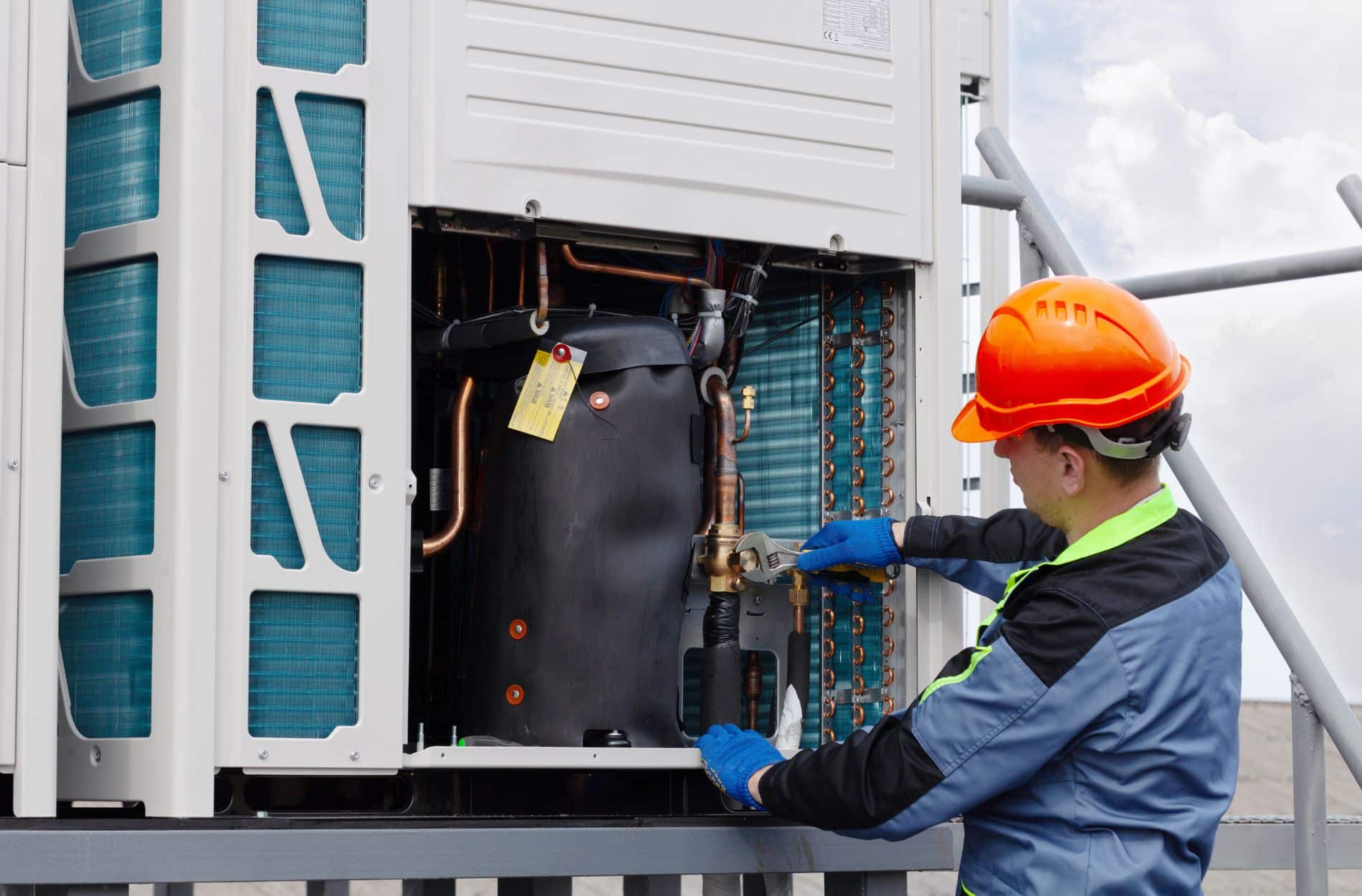
heat pump cost ontario service in Mississauga, Ontario

When comparing quotes, make sure you’re comparing apples to apples. A complete heat pump installation from Furnace King includes:

Included in our quoted price:

  • Heat pump equipment (outdoor and indoor units)
  • Thermostat (programmable or smart, depending on package)
  • Standard refrigerant line set and fittings
  • Concrete pad for outdoor unit
  • Electrical connection to existing dedicated circuit
  • Standard ductwork connections
  • Municipal permit and inspection fees
  • System commissioning and performance testing
  • Homeowner walkthrough and thermostat programming

Items that may add to the cost:

  • Electrical panel upgrade (if needed): $1,000–$2,500
  • Ductwork modifications: $500–$2,000
  • Extended refrigerant line runs (over 25 ft): $200–$500
  • Crane rental for difficult rooftop placement: $500–$1,000
  • EnerGuide pre- and post-retrofit evaluations (for rebate eligibility): ~$600 total

We identify all potential add-ons during our free in-home assessment so there are no surprises on installation day.

Financing Options

We understand that even with rebates, a heat pump is a significant investment. Furnace King offers flexible financing options to make the upgrade accessible:

  • 0% interest financing on select equipment for qualified buyers
  • Low monthly payment plans spread over 5–10 years
  • Rent-to-own programs with maintenance included

Many homeowners find that their monthly financing payment is offset — partially or entirely — by the reduction in their gas and electricity bills after switching to a heat pump.

How to Get the Best Price on a Heat Pump in Ontario

A few practical tips to keep your costs in check:

  • Get multiple quotes — but compare the details, not just the bottom line. The cheapest quote often cuts corners on installation quality or uses lower-tier equipment.
  • Apply for rebates before you start — The Greener Homes Grant requires a pre-retrofit EnerGuide audit before any work begins. Starting work first disqualifies you from the rebate.
  • Book during the shoulder seasons — Spring and fall are peak HVAC installation season. Booking in late winter or mid-summer may offer more scheduling flexibility and occasionally better pricing.
  • Don’t oversize — A bigger unit isn’t better. Oversizing wastes money on unnecessary equipment capacity, increases energy consumption through short-cycling, and reduces comfort. Trust the Manual J calculation.
  • Invest in efficiency — A higher-efficiency unit costs more upfront but saves hundreds of dollars per year in operating costs. Over a 15-year lifespan, the premium model often costs less in total.

For a quick estimate tailored to your home, try our free online HVAC cost estimator — it gives you an instant price range based on your system type, home size, and location.

Additional Resources

For more information from trusted sources:

Frequently Asked Questions

What is the average cost of a heat pump in Ontario?

The average cost of a heat pump fully installed in Ontario ranges from $5,000 to $9,000 for a central ducted air-source system. Single-zone ductless mini-splits start around $3,500–$6,000 installed, while multi-zone mini-splits run $8,000–$15,000. Ground-source (geothermal) systems are significantly more at $20,000–$40,000. These prices include equipment, labour, and standard installation materials.

Are heat pumps worth the investment in Ontario?

For most Ontario homeowners, yes. A heat pump replaces both your furnace and air conditioner, provides 30–50% heating cost savings over gas, and qualifies for $5,000–$10,000 in government rebates. With rebates factored in, most systems pay for themselves within 5 to 8 years through energy savings. Ontario’s clean electricity grid also means heat pumps dramatically reduce your home’s carbon footprint.

What factors affect the price of a heat pump installation?

The main cost factors are: system type (ducted vs. ductless, single-zone vs. multi-zone), capacity/size (measured in tons, matched to your home’s square footage and insulation), brand and efficiency rating (higher SEER/HSPF units cost more upfront but save on energy), existing ductwork condition (duct modifications add $500–$2,000), electrical panel capacity (may need an upgrade for $1,000–$2,500), and installation complexity (multi-storey homes, difficult outdoor unit placement).

Does the Greener Homes Grant cover the full cost of a heat pump?

The grant does not typically cover the full cost, but it makes a significant dent. The federal Greener Homes Grant provides up to $5,000 for an air-source heat pump, and the Oil to Heat Pump program offers up to $10,000. Combined with Enbridge rebates of $2,000–$5,000, you could recoup $7,000–$15,000 of your investment. On a mid-range system, this can cover 50–70% of the total installed cost.

Get Your Free, No-Obligation Heat Pump Quote

Every home is different, and the only way to get an accurate price is with a proper in-home assessment. Furnace King provides free estimates that include a Manual J load calculation, equipment recommendations tailored to your home, a clear breakdown of all costs with no hidden fees, and guidance on maximizing your rebate eligibility.

We serve Mississauga, Brampton, Etobicoke, Oakville, and the surrounding GTA. Whether you’re replacing an aging furnace, adding cooling to a home that doesn’t have it, or looking to reduce your energy bills and carbon footprint, we’ll help you find the right heat pump solution at a price that works for your budget.

Call Furnace King at (905) 564-5464 or request your free estimate online — honest advice, transparent pricing, guaranteed.

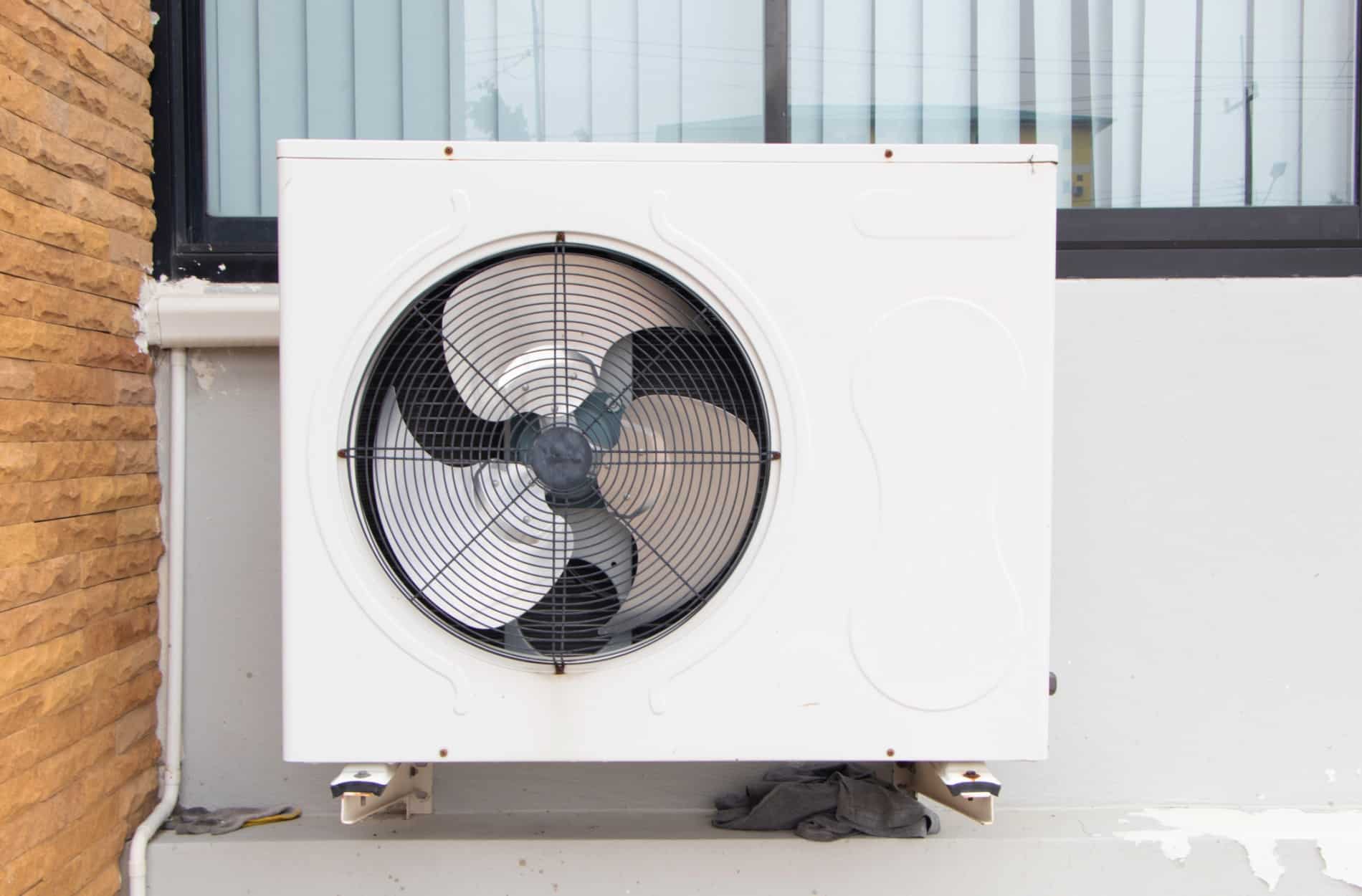
Best Heat Pumps for Cold Climate in Canada (Mississauga & GTA)

HVAC

If you’re shopping for a heat pump in Ontario, you’ve probably heard the old myth: “Heat pumps don’t work in Canadian winters.” That was true twenty years ago. Today’s cold-climate heat pumps are engineered to operate reliably down to -25°C and beyond — and they’re transforming how GTA homeowners heat their homes.

As a Bosch Approved Dealer serving Mississauga, Brampton, Etobicoke, and the surrounding GTA, Furnace King has installed hundreds of cold-climate heat pumps. We’ve seen first-hand which brands and models deliver when the temperature drops. Here’s what you need to know before choosing a unit for your home.

What Makes a Cold-Climate Heat Pump Different?

best heat pump for cold climate canada service in Mississauga, Ontario

A standard heat pump works by extracting heat from outdoor air and moving it inside. That process becomes harder as the temperature drops because there’s less thermal energy available in colder air. Standard models start losing significant heating capacity below -10°C and may shut down entirely around -15°C to -20°C.

Cold-climate heat pumps solve this problem with three key technologies:

  • Enhanced Vapour Injection (EVI) compressors — These compressors inject refrigerant vapour at an intermediate pressure point during the compression cycle, allowing the system to extract more heat from cold air and maintain higher output temperatures. This is the single biggest differentiator between standard and cold-climate units.
  • Variable-speed inverter drives — Instead of cycling on and off at full power, inverter-driven compressors modulate their speed continuously. At -15°C, the compressor ramps up to maximum speed to maintain heating output. In milder weather, it runs at a fraction of its capacity, saving energy and reducing wear.
  • Improved defrost cycles and larger heat exchangers — Cold-climate models have optimized defrost timing that minimizes the energy wasted on melting ice from the outdoor coil. Larger heat exchangers improve heat transfer efficiency even when outdoor air is frigid.

The result? Where a standard heat pump loses 50% or more of its heating capacity at -15°C, a cold-climate unit retains 75–80% of its rated capacity at the same temperature.

Top Cold-Climate Heat Pumps for Canadian Winters

After years of installing and servicing heat pumps across the GTA, these are the models we recommend most for Ontario homeowners. Each has been proven in our climate.

Bosch IDS 2.0 — Our Top Pick

Furnace King is a Bosch Approved Dealer, and the IDS 2.0 is our go-to recommendation for most GTA homes. Here’s why:

  • Rated operating temperature: Down to -25°C
  • SEER2 rating: Up to 18.5
  • HSPF2 rating: Up to 10.0
  • Compressor type: Variable-speed inverter with EVI
  • Standout feature: Exceptional balance of cold-weather performance, energy efficiency, and long-term reliability

The Bosch IDS 2.0 isn’t the flashiest model on paper, but it consistently delivers where it counts. Its inverter compressor is remarkably quiet, and the build quality means fewer service calls over its lifespan. For Mississauga homeowners who want a dependable, efficient cold-climate heat pump, the IDS 2.0 is hard to beat.

Trane XV20i

  • Rated operating temperature: Down to -25°C
  • SEER2 rating: Up to 20
  • HSPF2 rating: Up to 10.0
  • Compressor type: Variable-speed with Climatuff™ technology
  • Standout feature: Among the highest efficiency ratings in the industry

The Trane XV20i is a premium unit with top-tier efficiency numbers. If maximum energy savings is your priority and you’re willing to invest in a higher upfront cost, the XV20i delivers. Trane also has an excellent warranty program, which adds peace of mind for Canadian homeowners.

Mitsubishi Hyper-Heating (H2i)

  • Rated operating temperature: Down to -25°C
  • SEER2 rating: Up to 20.0
  • HSPF2 rating: Up to 13.0 (ductless models)
  • Compressor type: Variable-speed inverter with flash injection
  • Standout feature: Best ductless/mini-split option for cold climates

Mitsubishi’s Hyper-Heating line is the gold standard for ductless cold-climate heating. If your home doesn’t have existing ductwork — or if you want zone-by-zone temperature control — the H2i series is an excellent choice. These mini-split units are particularly popular for additions, converted garages, and older homes without central duct systems.

Amana AVXC20

  • Rated operating temperature: Down to -20°C
  • SEER2 rating: Up to 20
  • HSPF2 rating: Up to 10.0
  • Compressor type: Variable-speed inverter
  • Standout feature: Lifetime compressor warranty (to the original owner)

The Amana AVXC20 offers strong efficiency ratings and comes with one of the best warranties in the business — a lifetime replacement warranty on the compressor for the original homeowner. Its -20°C rating is slightly less than the other models here, but for most GTA winters, that’s more than adequate.

Cold-Climate Heat Pump Comparison Table

best heat pump for cold climate canada service in Mississauga, Ontario
Model Min. Temp SEER2 HSPF2 Type Approx. Price (Installed)
Bosch IDS 2.0 -25°C Up to 18.5 Up to 10.0 Ducted $6,000–$10,000
Trane XV20i -25°C Up to 20 Up to 10.0 Ducted $8,000–$12,000
Mitsubishi H2i -25°C Up to 20.0 Up to 13.0 Ductless $4,500–$8,000
Amana AVXC20 -20°C Up to 20 Up to 10.0 Ducted $7,000–$11,000

Note: Installed prices are estimates for a typical GTA home and include equipment, labour, and standard installation materials. Actual cost depends on your home’s specific requirements. Furnace King provides free in-home estimates with exact, no-surprise pricing.

Understanding HSPF and SEER Ratings

When comparing cold-climate heat pumps, two efficiency ratings matter most:

HSPF2 (Heating Seasonal Performance Factor) measures heating efficiency over an entire season. The higher the number, the more heat you get per dollar of electricity. For cold-climate operation in Ontario, HSPF2 is the more important rating. Look for units with HSPF2 of 9.0 or higher.

SEER2 (Seasonal Energy Efficiency Ratio) measures cooling efficiency. Since your heat pump also replaces your air conditioner, a higher SEER2 means lower cooling costs in summer. Units rated SEER2 16 or higher are considered high-efficiency.

Both ratings are calculated under standardized test conditions, so they allow fair comparisons between brands. However, real-world performance also depends on proper sizing, installation quality, and your home’s specific characteristics — which is why working with an experienced installer matters as much as choosing the right brand.

How COP Changes with Temperature

best heat pump for cold climate canada service in Mississauga, Ontario

A heat pump’s efficiency at any given moment is measured by its Coefficient of Performance (COP) — how many units of heat it produces per unit of electricity consumed. A COP of 3.0 means you get three dollars of heat for every dollar of electricity. Here’s how COP typically changes as the temperature drops:

Outdoor Temperature Typical COP Efficiency vs. Electric Baseboard
+8°C (autumn day) 3.5 350% efficient
-5°C (mild winter day) 2.5 250% efficient
-15°C (cold winter day) 2.0 200% efficient
-25°C (extreme cold snap) 1.5 150% efficient

Even at -25°C, a cold-climate heat pump is still 50% more efficient than electric baseboard heating. The key insight is that your heat pump spends the vast majority of winter operating at milder temperatures where the COP is 2.0 or higher — the extreme cold days are the exception, not the rule.

Why Cold-Climate Heat Pumps Work in the GTA

Mississauga’s average January temperature is approximately -7°C. On a typical winter day, a cold-climate heat pump operates at a COP of 2.0 to 2.5 — delivering twice as much heat per dollar compared to a gas furnace. Temperatures rarely drop below -20°C in the GTA, which means a cold-climate heat pump handles 90–95% of heating hours without any assistance.

For the handful of extreme cold days each year, most homeowners opt for a hybrid heat pump system that pairs the heat pump with their existing gas furnace. The furnace kicks in as backup only when needed, giving you the best of both worlds: heat pump efficiency for most of the year, and gas reliability on the coldest nights.

Ontario’s electrical grid is another advantage. Over 90% of Ontario’s electricity comes from clean sources — nuclear, hydro, wind, and solar. That means running a heat pump in Ontario produces dramatically fewer greenhouse gas emissions than burning natural gas, even accounting for grid losses.

What to Look for When Choosing a Cold-Climate Heat Pump

Beyond the brand and model, here are the factors that matter most for Ontario homeowners:

  • Minimum operating temperature — Look for -25°C rated units. Anything rated only to -15°C is not a true cold-climate model.
  • Variable-speed compressor — Non-negotiable for cold-climate performance. Single-stage and two-stage units cannot match the efficiency or comfort of a variable-speed inverter.
  • HSPF2 rating of 9.0+ — This ensures strong heating efficiency over the full season, not just at mild temperatures.
  • Proper sizing — An oversized unit short-cycles and wastes energy. An undersized unit can’t keep up on cold days. A Manual J load calculation by a qualified technician is essential.
  • Installation quality — Even the best equipment underperforms if improperly installed. Refrigerant charge, airflow, and ductwork sealing all affect real-world performance by 20–30%.

For a deeper dive into how the top brands compare across all performance categories, check out our head-to-head heat pump brand comparison.

Additional Resources

For more information from trusted sources:

Curious what a cold-climate heat pump costs in Ontario? Use our free HVAC cost estimator to get an instant price range.

Frequently Asked Questions

What temperature do heat pumps stop working?

Standard heat pumps begin losing significant efficiency below -10°C and may shut down around -15°C to -20°C. Cold-climate heat pumps with enhanced vapour injection (EVI) technology continue operating down to -25°C or even -30°C, though at reduced efficiency. In the GTA, where winter lows rarely drop below -20°C, a properly sized cold-climate heat pump handles the vast majority of heating days without backup.

What is a cold climate heat pump and how is it different?

A cold climate heat pump uses enhanced vapour injection (EVI) compressor technology and variable-speed inverter drives to maintain heating capacity at much lower outdoor temperatures. Unlike standard models that lose 50%+ of capacity at -15°C, cold-climate units like the Bosch IDS 2.0 retain 75–80% capacity at that temperature. They also have improved defrost cycles and larger heat exchangers optimized for cold operation.

Which heat pump brand is best for Canadian winters?

The top performers for Canadian winters are the Bosch IDS 2.0 (rated to -25°C, excellent cold-weather COP), Trane XV20i (rated to -25°C, variable speed), and Mitsubishi Hyper-Heating (rated to -25°C, strong mini-split option). As a Bosch Approved Dealer, Furnace King recommends the IDS 2.0 for most GTA homes due to its balance of cold-climate performance, efficiency, and reliability. The best choice depends on your home’s ductwork, size, and budget.

Do you need a backup furnace with a cold climate heat pump?

In the GTA, a cold-climate heat pump can handle 90–95% of heating hours as the sole source. However, many homeowners choose to keep their existing gas furnace as backup for the handful of extreme cold days each winter. This hybrid approach costs less than upgrading to the highest-capacity heat pump and provides peace of mind. If your current furnace is still in good condition, adding a heat pump to create a hybrid system is often the smartest move.

Get Expert Help Choosing the Right Heat Pump

Choosing the right cold-climate heat pump isn’t just about picking a brand — it’s about matching the right equipment to your home’s specific needs, sizing it correctly, and installing it properly. As a Bosch Approved Dealer with years of experience installing all major brands, Furnace King can help you navigate the options and find the best fit for your home and budget.

We offer free in-home assessments with a complete Manual J load calculation, honest recommendations (including when a heat pump might not be the best choice for your situation), and expert installation backed by our workmanship guarantee. Serving Mississauga, Brampton, Etobicoke, and the surrounding GTA.

Call Furnace King at (905) 564-5464 or request a free estimate online to find out which cold-climate heat pump is right for your home.