Heat Pump vs. Furnace: Which Heating System Is Right for Your Mississauga Home?
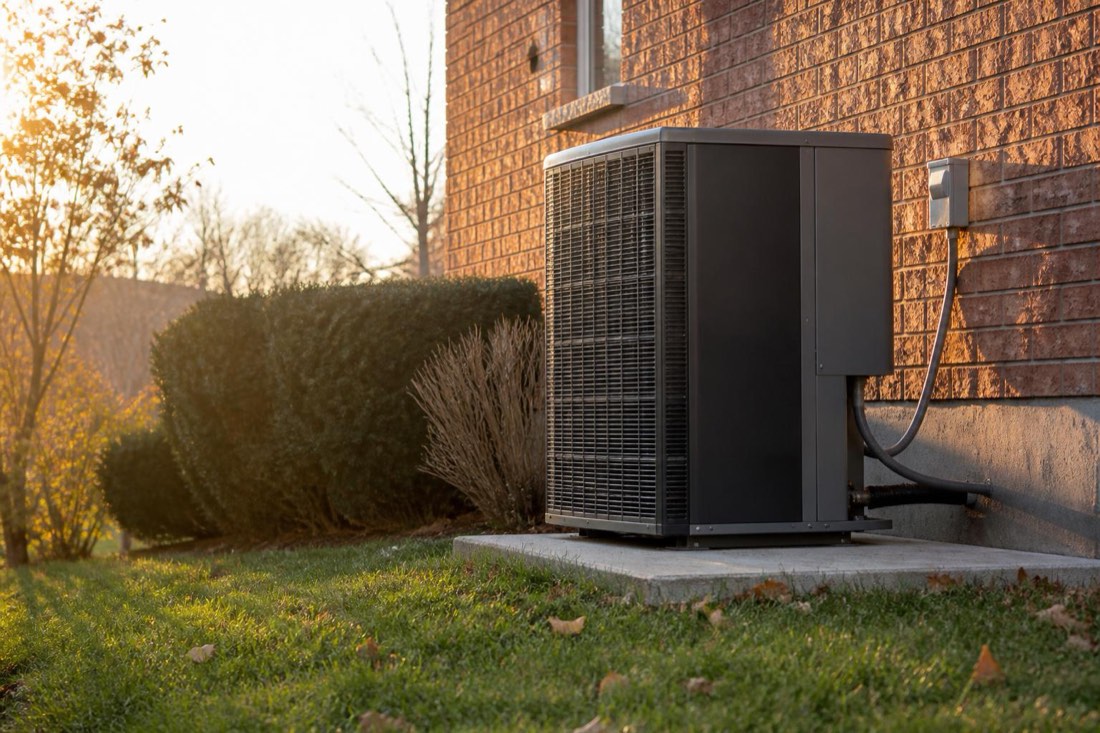
A knowledgeable comparison of heat pumps and furnaces to help Mississauga homeowners choose the right heating system.
Continue readingA knowledgeable comparison of heat pumps and furnaces to help Mississauga homeowners choose the right heating system.
Continue reading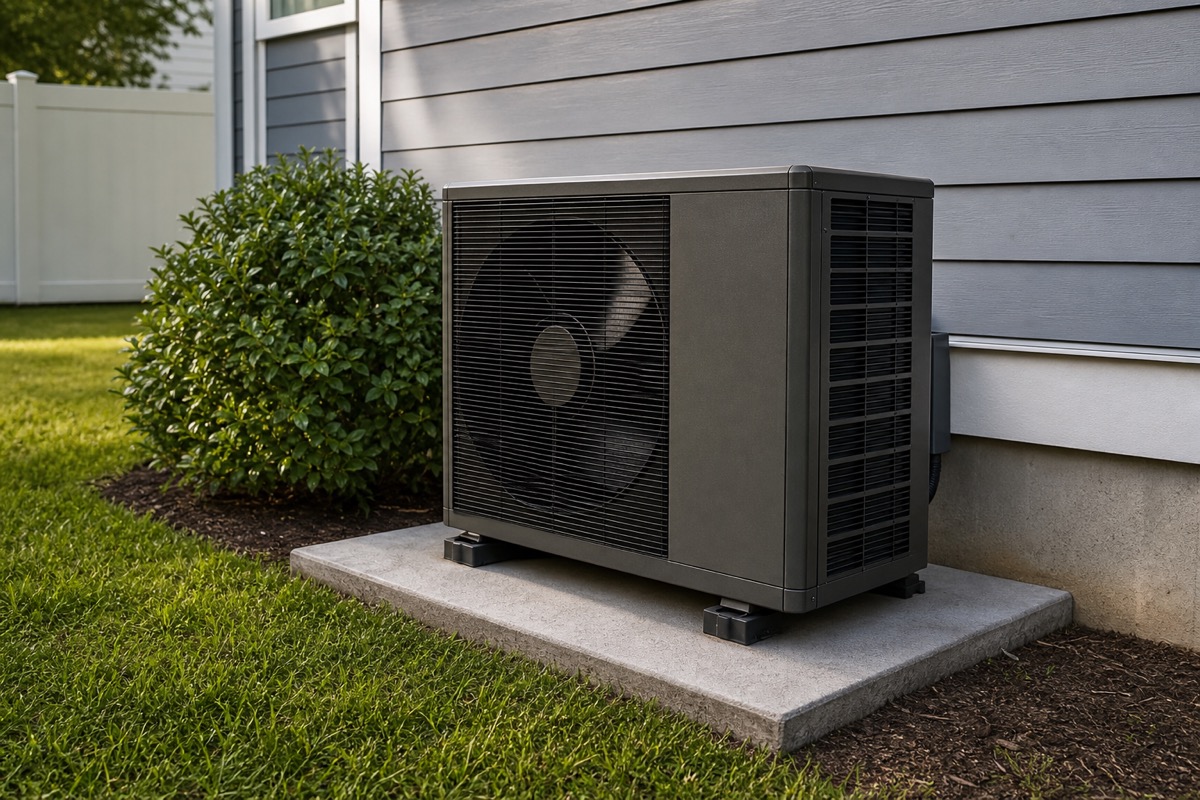
If you have been thinking about replacing an aging furnace or air conditioner, 2026 is a smart year to look closely at heat pumps — and at the money that can come back to you for choosing one. Across the province, a growing mix of federal, provincial, and utility-backed programs is designed to make efficient home heating and cooling more affordable, and understanding heat pump rebates Ontario homeowners can access is the first step toward putting a meaningful amount of that support to work in your own home. At Furnace King Home Services, we field questions about these incentives from Mississauga and GTA homeowners almost every week, so we wanted to lay out how they generally work.
Our goal here is not to quote a specific dollar figure or a deadline — those numbers and dates shift as programs are updated, refunded, or replaced. Instead, we want to help you understand the kinds of rebates available, the eligibility factors that tend to apply, and how a proper professional installation protects your ability to claim them. When you are ready to confirm the current details, our team can walk you through exactly what applies to your property today.
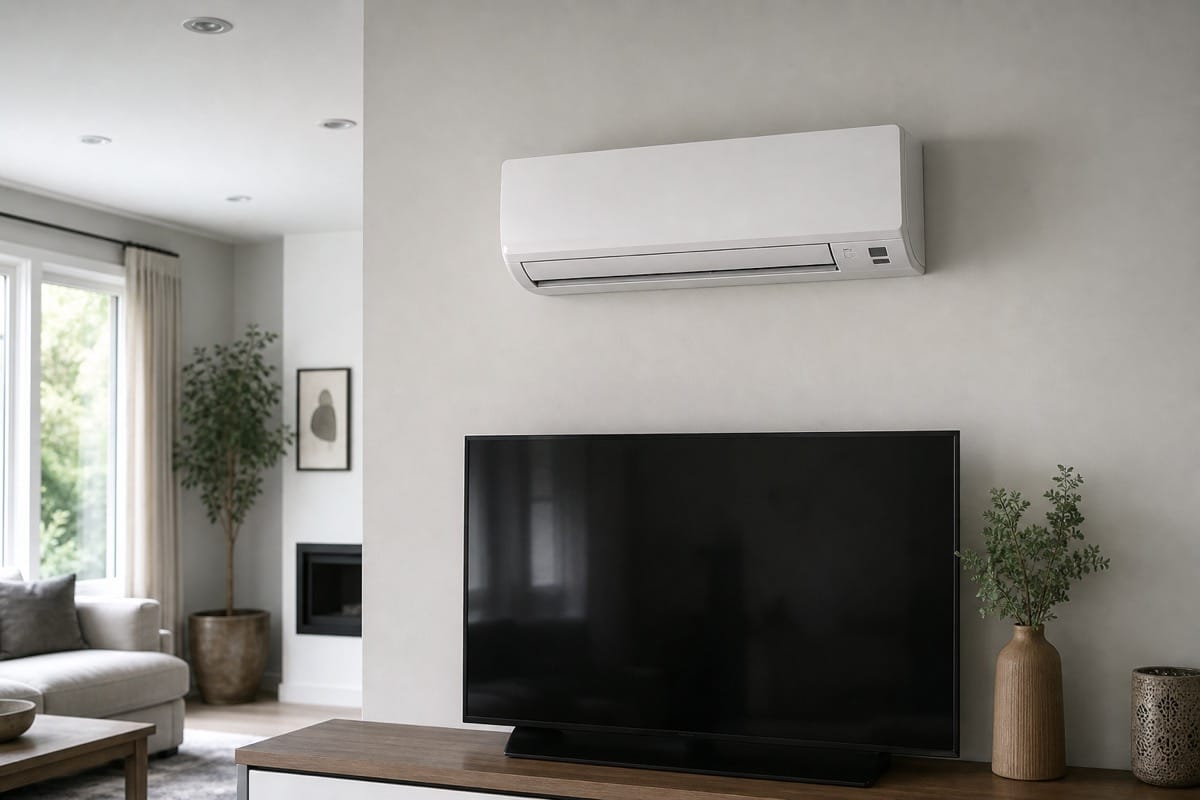
A heat pump rebate is an incentive that reduces the effective cost of upgrading to a high-efficiency heat pump system. Rather than a single program, the landscape of heat pump rebates Ontario households can tap into is really a layered set of offers from different administrators. Some are delivered federally, some provincially, and some through your utility. Because they come from different sources, they often have different rules, different equipment requirements, and different application steps — but they share a common purpose: encouraging homeowners to move away from less efficient systems and toward electric heat pumps that heat and cool a home using far less energy.
In practical terms, these incentives usually arrive as a rebate after your new system is installed and verified, though the exact mechanics vary by program. That is why we always encourage homeowners to understand the full path before buying equipment, so nothing is missed along the way.
While specifics change, the categories of support have been fairly consistent, and a few names come up again and again in conversations with our Mississauga customers:
The important takeaway is that these programs can sometimes be combined, and the combination is where real value lives. We help homeowners in Toronto, Vaughan, Oakville, Milton, Etobicoke, Burlington, and Brampton figure out which offers currently apply to their situation and how they fit together.
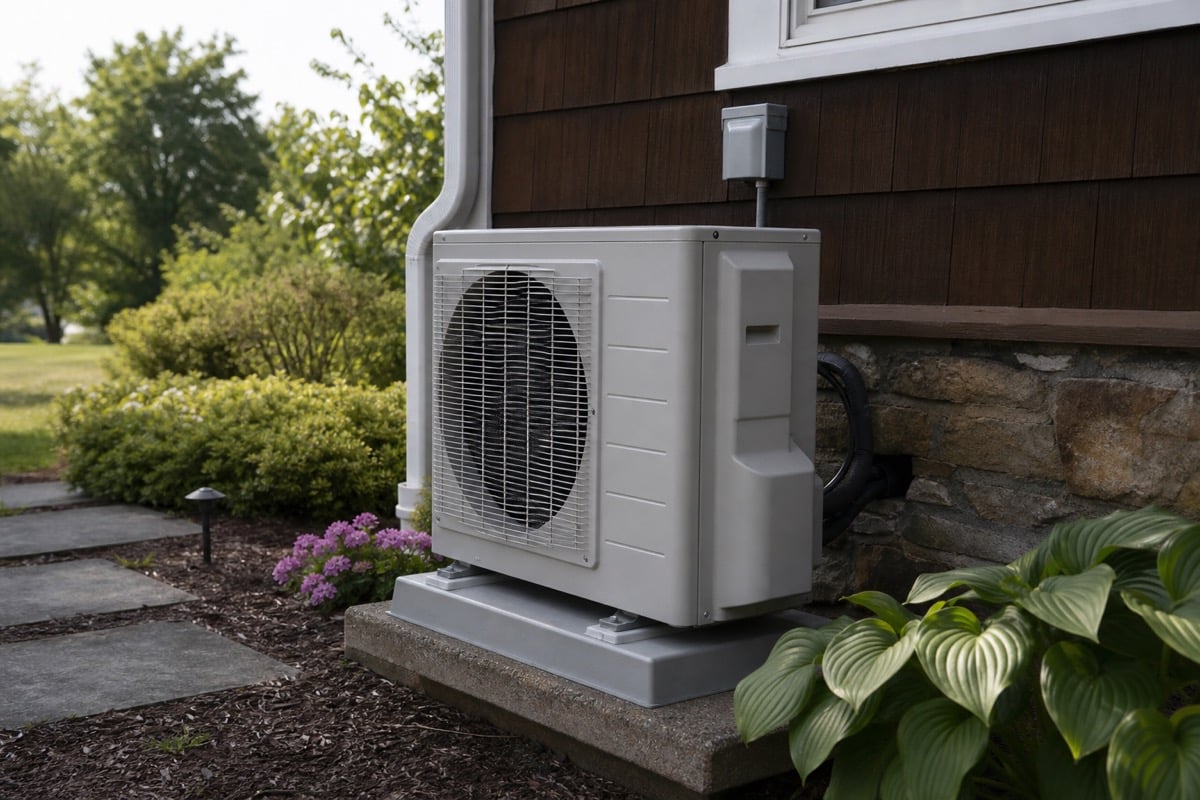
Every program sets its own rules, but over the years a familiar set of eligibility factors tends to appear across most heat pump rebate offers. Knowing these in advance helps you avoid surprises:
Because these requirements can make or break an application, our team pays close attention to them from the very first conversation. You can learn more about the systems we install on our heat pump services page, where we explain the options we recommend for GTA homes.
There is a reason these programs are built around efficiency. In our climate, older heating systems and early-generation heat pumps often struggled in deep cold. Modern cold-climate heat pumps are engineered to deliver reliable heat even when Ontario winters turn harsh, while still providing efficient cooling in summer. From a program administrator’s perspective, supporting these systems means the energy savings are real and lasting — which is exactly what a rebate is meant to reward.
For you as a homeowner, this alignment is good news. The equipment the programs encourage is also the equipment we would recommend on its own merits: a properly sized, efficient heat pump that keeps your home comfortable year-round and helps manage your energy use. When the rebate rewards the same choice that makes sense for your comfort, everyone wins.
One of the most overlooked parts of the rebate process is that the installation itself can determine whether you qualify. A heat pump that is undersized, oversized, or installed without the required documentation can jeopardize a claim — even when the equipment is eligible. This is where working with an experienced local team matters.
When our team at Furnace King Home Services handles your upgrade, we keep program requirements in mind throughout. That means recommending qualifying equipment, sizing the system correctly for your home, completing the work to standard, and providing the paperwork and invoicing that programs expect. We also help coordinate the assessment steps some programs require, so you are not left trying to piece together the process on your own. If a current promotion or incentive can be paired with your project, we will point you to it — our promotions page is a good place to check what we are offering alongside program rebates.
Rebate applications can feel intimidating, with forms, documentation, and timing to track. Our role is to make that manageable. We start by understanding your home and your goals, then explain which heat pump rebates Ontario programs may realistically apply to you right now. From there, we guide you through the sequence — assessment, installation, and documentation — so each requirement is met in the right order. When you would rather confirm details directly, we can point you to the program administrator, but most of our customers appreciate having a single local team keep everything on track.
In many cases, yes — some federal, provincial, and utility incentives can be layered together, which is often where the largest total value comes from. That said, each program sets its own stacking rules, and they change over time. We will review your specific situation and confirm what can currently be combined before you commit to an installation.
Some programs require a pre- and post-installation assessment, while others do not. Because this requirement varies and can affect your claim, we always confirm what applies to your home before the work begins. If an assessment is needed, we help coordinate the timing so it lines up correctly with your upgrade.
Rebate values and deadlines are updated regularly, so we intentionally avoid quoting figures that may be out of date. The most reliable path is to confirm current details with our team or directly with the program administrator. Reach out and we will tell you what is active for Mississauga and GTA homeowners today.
Ready to see what you can claim? Our team at Furnace King Home Services would be glad to review your home, recommend the right cold-climate heat pump, and help you make the most of every incentive available. Call us at (905) 564-5464 or visit our contact page to get started — we will confirm the current heat pump rebate details and map out the simplest path from your first question to a warmer, more efficient home.

Heat pumps are a popular way to heat and cool homes in Etobicoke. In the winter, they help keep things warm. In warmer months, they work in reverse to bring in cool air. It’s a useful system that works all year, but like anything that runs hard through the seasons, things can wear down over time.
As spring gets closer, it’s a smart time to think about how your heat pump is doing. You’ve likely used it a lot during the colder months, and once that spring weather shifts, your system might need to change gears. That’s when problems can pop up, right in between the seasons. If you’ve been wondering what to look out for or when to schedule heat pump repair in Etobicoke, we’ll break it down in a way that helps make sense of it.
We want to help you spot small issues before they turn into bigger ones, so your home stays comfortable year-round.
Heat pumps usually hum along in the background without much fuss. But when something changes, you might notice a few signs before the system stops working completely. These warning signs are easy to miss if you’re not sure what to watch for.
These changes don’t always mean the unit is about to stop, but they are signs it might need a closer look. Catching them early can help keep things from getting worse just as warm weather kicks in.
Heat pumps are hardy machines, but regular wear adds up. The biggest issues tend to show up after a long heating season when dirt, moisture, and extra use take their toll.
These types of issues don’t always come with big flashing warnings. Often, it’s a bunch of small things adding up until something no longer works the way it should.
Furnace King Home Services provides professional heat pump repair in Etobicoke, including refrigerant checks, coil cleaning, airflow adjustments, and prompt part replacements for all models. Our licensed technicians perform precise system diagnostics as part of every maintenance or repair visit. According to our heat pump service page, early troubleshooting helps maintain efficiency and avoids further damage for local homeowners.
Spring is a strange time in Etobicoke. It might snow one day and hit double digits the next. That back-and-forth is tough on systems like heat pumps that have to adjust quickly. It’s why early spring is one of the best times to get ahead of any repair work.
Fixing small issues now can prevent long delays or comfort problems when everyone else starts reaching for the thermostat on those sudden warm days in April and May.
If you’re not sure what happens when someone checks on your heat pump, the process is often pretty simple. The goal is to look over everything, inside and out, and make sure it’s running safely and smoothly.
The whole idea is to find and fix problems before your system starts showing bigger signs of trouble when it’s warmer out.
Spring doesn’t always give you much warning. One week can feel like the middle of winter, and the next, you’re cracking the windows open at night. That’s why it makes sense to handle heat pump repairs now instead of waiting until something breaks.
Getting small fixes done in March gives your system space to adjust and run better once April and May arrive. When everything’s clean, tight, and working the way it should, you don’t have to second-guess it when the weather changes.
Knowing your system is ready makes a big difference. It keeps your space comfortable and takes one thing off your mind as the seasons shift again. Checking in early helps your heat pump do its job without stress, just like it’s supposed to.
As the seasons change in Etobicoke, ensure your heat pump is up to the task with proactive maintenance. Our team at Furnace King Home Services specializes in heat pump repair in Etobicoke, offering expert inspections and repairs to keep your system running smoothly. Don’t wait for a breakdown; let us help you maintain optimal comfort in your home all year round. Contact us today for your spring check-up and stay ahead of the game.
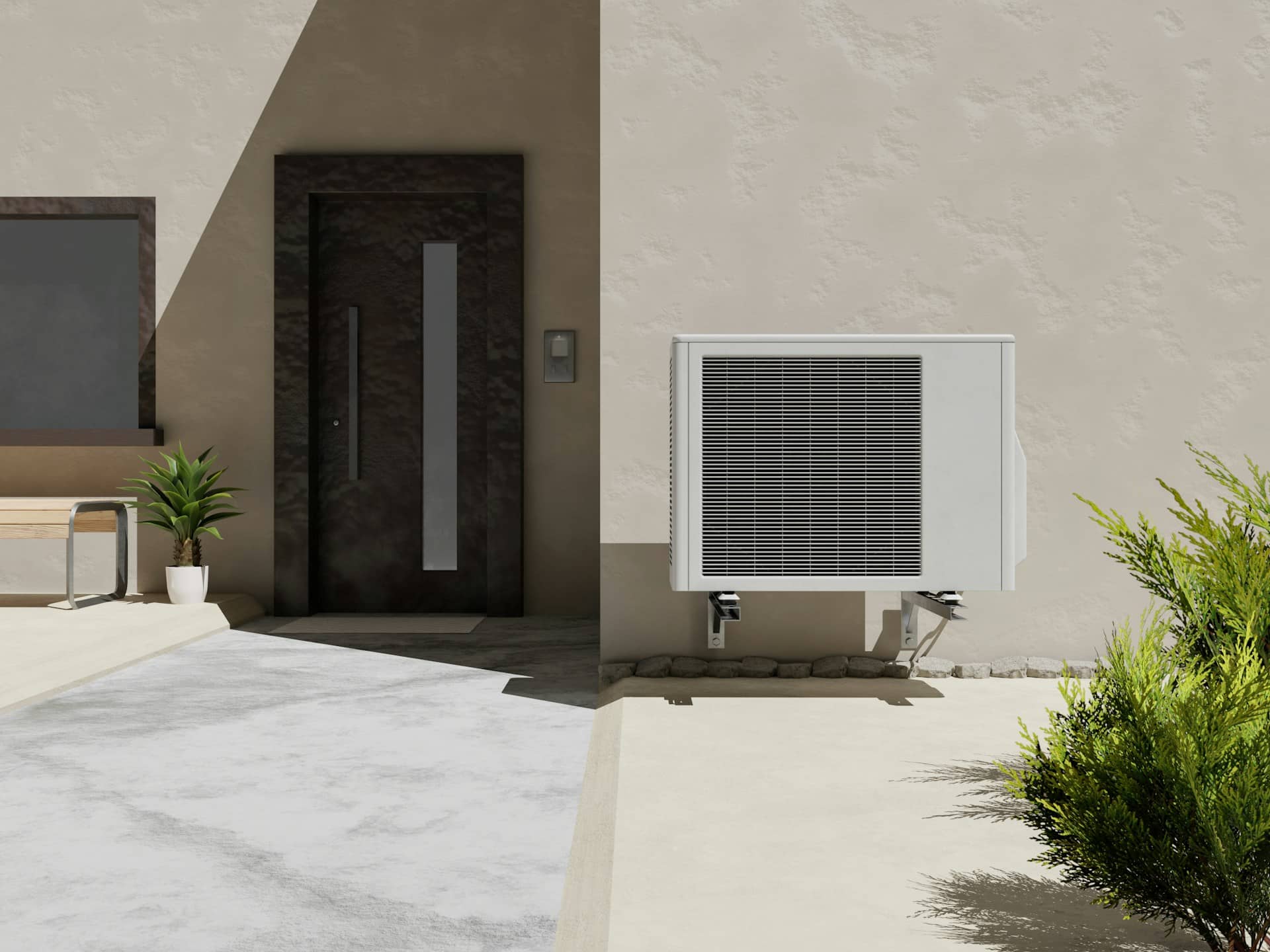
Spring weather in Etobicoke can shift quickly. One day it’s crisp and cool, the next it feels almost like summer. That’s the kind of change that gets homeowners thinking about how their heating and cooling systems are handling these swings. It’s also a time when more people consider switching to heat pumps. A heat pump works by moving heat around. It can bring warmth inside during the colder months and push it out in the summer to help cool things down.
With more people choosing these systems, we wanted to walk through how heat pump installation in Etobicoke actually happens. Knowing the steps ahead of time helps everything feel more manageable, especially during a busy season like spring.
Heat pumps can work well in places like Etobicoke, where winters usually aren’t too hard and summers can still get hot. They’re a good match for moderate temperature changes, and because they handle both heating and cooling, you don’t need separate systems.
Here’s why many homeowners are choosing heat pumps:
The shape and size of a home matters too. Open layouts and newer insulation styles can help a heat pump do its job better. During our first visit, we look at how the heat flows through each space to make sure a new system fits the home’s needs.
Furnace King Home Services offers full-service heat pump installation in Etobicoke, including system selection, permit assistance, and integration with smart thermostats. According to our heat pump page, our licensed technicians are trained on all major brands, provide detailed airflow assessments, and offer a 100% satisfaction guarantee. We advise homeowners on energy rebates and evaluate options for all-electric or hybrid setups to meet local needs and goals.
Before we show up to install the heat pump, there’s a bit of planning involved. We usually start with a home check to review the layout, power supply, and venting. That helps us decide what kind of setup makes the most sense and where each part should go.
There are two main parts to work with, the indoor air handler and the outdoor unit. The outdoor unit needs some space, so we look for a spot with good airflow that’s easy to get to. We might trim back a few tree branches or ask for a clear path in the yard so everything fits safely and correctly.
This prep phase isn’t hard for the homeowner, but it helps everything go smoother once the install begins. Taking a few moments to make sure paths are clear and there’s room to work can prevent any delays when the team arrives. It’s helpful if pets and children are kept clear of the work areas for safety as well.
Once we’re ready to install, most of the real work happens across two spots, the inside and the outside of the home. Indoors, we place the air handler unit that moves air across the house. Outside, we set the condenser unit that manages the heating and cooling transfer.
We connect everything with small lines that move refrigerant and electricity between the two units. It may sound like a lot, but most standard installations can be done in one or two days. We always block off enough daylight hours to avoid rushing any of the work.
Safety checks happen throughout the day. We look at electrical connections, test pressure levels, and check that the setup follows building rules. It’s about making sure the system isn’t just working, but working safely and lasting a long time. Each step matters for performance and safety, so the process is handled with care.
All wires and lines are carefully attached to prevent leaks and keep connections secure. Any old system being replaced will be removed promptly and safely. For homes upgrading from a different type of heating, small adjustments are sometimes made to make sure the new equipment fits well where the old system was.
When the install is done, we run the system for the first time with the homeowner. It’s more than just flipping a switch. We test it under both heating and cooling settings to watch how the air flows, how fast it responds, and how quiet it sounds.
During this step, we walk through how to use the thermostat and other controls. It’s helpful to know what to look for in the first few days. Uneven airflow or a strange sound might just be something adjusting, but we’ll point out what’s normal and when it’s a good idea to check in.
The first test run includes checking temperatures in different rooms, listening for the sound of the fans, and seeing how quickly the home starts to feel different. Owners will get guidance on when to call for help if something seems unusual. We want everyone to feel comfortable with every button and setting.
Getting everything running smoothly from the start makes the whole experience feel easier. Questions are always welcome at this stage so the new system feels familiar.
Once installed, a heat pump does most of its work in the background. That said, like any system, a little upkeep goes a long way. When the seasons are shifting, especially between spring and summer or fall and winter, it’s smart to do a quick check.
Here are a few habits that help things last longer:
We also recommend booking a pro tune-up before each big season change. A small issue now can turn into poor airflow or uneven heating without notice. If you ever smell something odd, hear a rattle, or feel weird temperature changes between rooms, it might be time for a check-up.
Simple actions like cleaning vents or moving clutter can stop problems from creeping up. Regular attention helps maintain performance year-round. Homeowners who check on their system a couple of times a season usually enjoy better comfort for longer.
Installing a heat pump might sound like a big job, but after seeing how it all comes together, most people feel more comfortable with the idea. Every home is different, but the general steps stay the same. With a clear plan and some simple prep, it’s a smooth type of upgrade.
Etobicoke’s spring weather is a great reminder to look at how we heat and cool our homes. Getting ready now makes it easier to handle the temperature swings that will show up in the coming months. When we treat these transitions as a chance to plan ahead, we’re setting things up for better comfort and less stress down the road.
Planning for change is part of home care in this climate. Quick shifts in weather are common, but preparation keeps your household ready for any temperature. Understanding the process stops surprises and helps everything happen on schedule.
Thinking about upgrading your home’s heating and cooling system this spring? Heat pump installation in Etobicoke is an excellent choice for reliable year-round comfort. Furnace King Home Services is ready to guide you through the process and ensure your new system is set up perfectly for Etobicoke’s variable climate. Contact us today to learn how our expert team can make your transition to a heat pump smooth and worry-free.
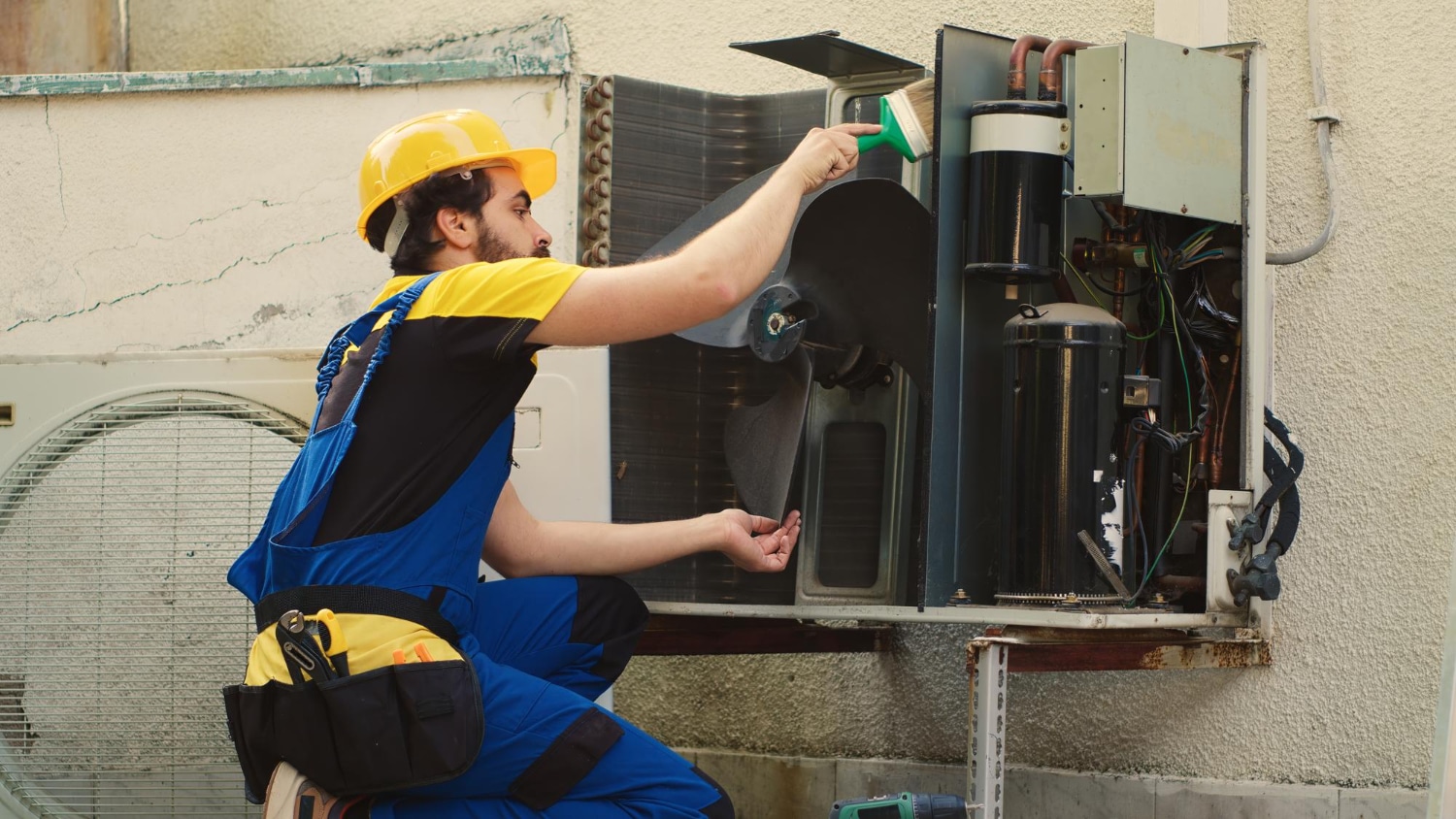
“How much does a heat pump cost?” is the first question nearly every homeowner asks — and the answer is frustratingly vague if you’re just browsing the internet. You’ll find estimates that run from a few thousand dollars to tens of thousands, which isn’t exactly helpful when you’re trying to budget for a real project.
At Furnace King, we believe in transparent, no-surprise pricing. This guide shows what heat pumps cost by system type, using Furnace King’s own planning range and reference figures published by the City of Toronto, plus where Ontario’s current Home Renovation Savings rebates fit in.
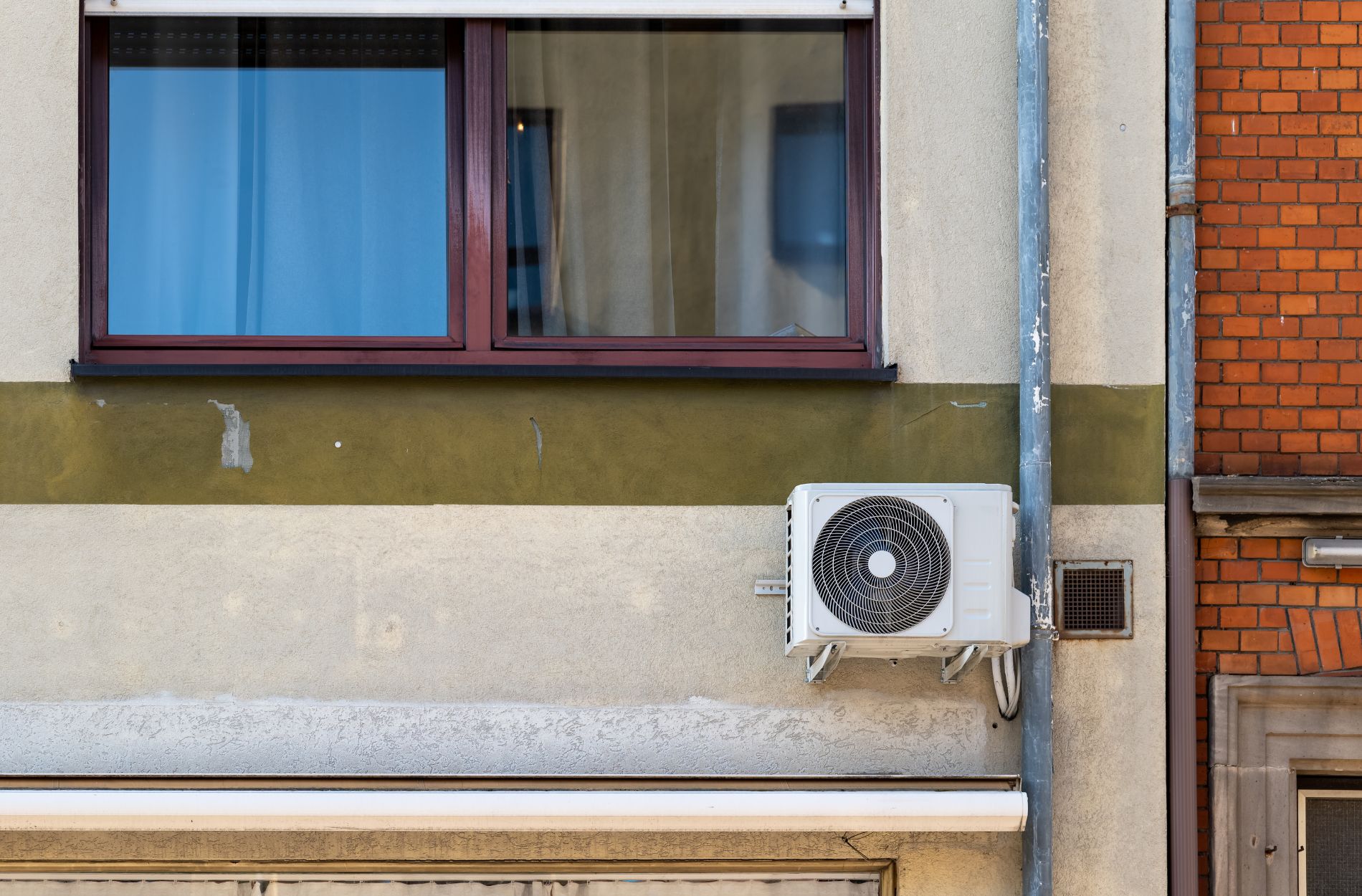
The type of heat pump system you choose has the biggest impact on total cost. Furnace King’s HVAC cost estimator currently puts a heat pump installation in Mississauga and the GTA at $5,000 to $15,000 before rebates (a planning range, updated June 2026). The figures for each type below are reference costs the City of Toronto publishes for Toronto homes (page updated March 6, 2026), before tax and without government funding, and they leave out any ductwork or electrical service upgrades. Your Furnace King quote may differ because it comes from an in-home assessment.
Reference cost: about $4,000 to $6,000 per mini-split
A single indoor unit connected to one outdoor unit, heating and cooling a specific room or zone. Ideal for additions, converted garages, sunrooms, or supplementing an existing system in a problem area.
Reference cost: may be similar to the equivalent number of single mini-splits
One outdoor unit connected to 2–5 indoor units, each controlling a different zone. This is the go-to solution for homes without existing ductwork that want whole-home heating and cooling. Cost rises with the number of indoor heads.
Reference cost: about $4,000 to $6,000 as a hybrid with your furnace, or $14,000 to $22,000 as an all-electric system
A common choice for homes with existing ductwork. An all-electric system replaces both your furnace and air conditioner. A hybrid system replaces the air conditioner and works alongside your existing furnace; because the furnace covers the coldest days, the heat pump can be smaller and simpler, and the City of Toronto’s reference cost is lower. Within each type, price also moves with equipment tier, from a builder-grade single-stage unit to a premium variable-speed cold-climate model like the Bosch IDS 2.0.
Reference cost: up to about $30,000 for a single-home retrofit (3.5 to 4 tons)
Extracts heat from the ground rather than the air, delivering the highest efficiency of these system types, according to the City of Toronto. The high cost comes from the ground loop installation — drilling vertical boreholes or trenching horizontal loops in your yard. Furnace King’s heat pump services page puts ground-source systems at $20,000 to $40,000 or more. The City of Toronto lists new construction and larger detached homes and properties as the best fit.
| System Type | Reference Cost (City of Toronto) | Best For |
|---|---|---|
| Single-zone ductless | About $4,000–$6,000 per mini-split | Single rooms, additions |
| Multi-zone ductless | May be similar to the equivalent number of mini-splits | Homes without ducts |
| Central ducted, hybrid (keeps your furnace) | About $4,000–$6,000 | Homes with a newer furnace and existing ducts |
| Central ducted, all-electric | About $14,000–$22,000 | Existing ducts, no furnace kept |
| Ground-source | Up to about $30,000 | New builds, larger properties |
All prices in Canadian dollars (CAD). Source: City of Toronto, Heating & Cooling with a Heat Pump, updated March 6, 2026. Reference costs are before tax and without government funding, and they exclude ductwork and electrical service upgrades. For Furnace King’s own planning range, see our HVAC cost estimator (updated June 2026); our heat pump services page lists ground-source systems at $20,000 to $40,000 or more.
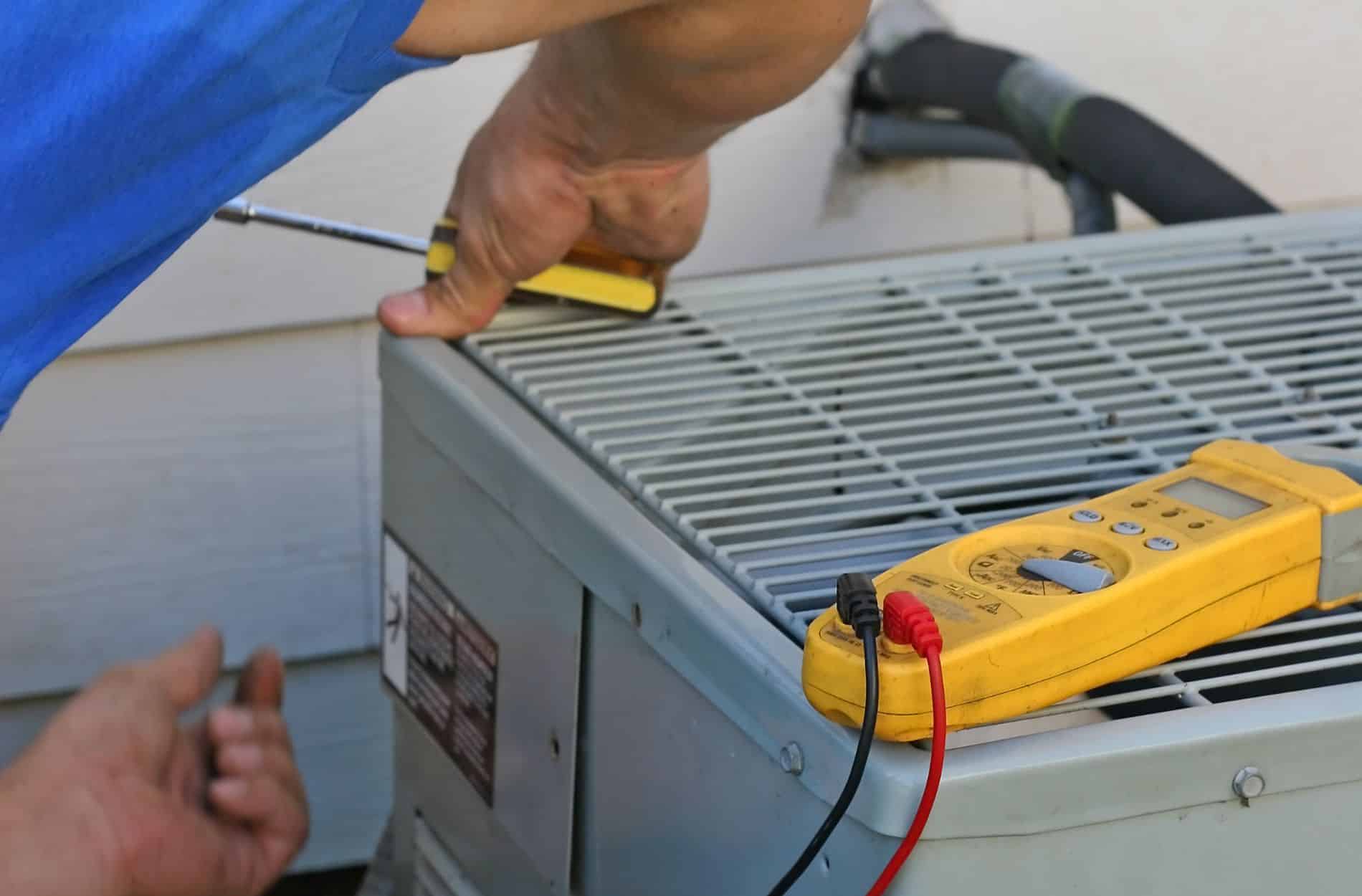
Two identical-looking homes on the same street can get quite different heat pump quotes. Here’s why:
Larger homes generally need larger heat pumps (measured in tons of capacity), and larger units cost more. The right size depends on your home’s heating and cooling load, not square footage alone. Proper sizing through a Manual J load calculation is critical — both oversizing and undersizing waste money.
An efficiency rating is one way to compare similar models, but it does not by itself predict a lower monthly bill; operating cost depends on a home’s heating needs, the system selected, and electricity rates. Variable-speed models from Bosch or Trane can adjust their output. Compare the sound ratings and humidity-control features listed for the equipment in each quote.
If your current ductwork is in good shape, installation is straightforward. But if ducts are leaking, undersized, or poorly routed, modifications are needed. The City of Toronto notes that its reference costs do not include ductwork upgrades, which are sometimes required. Skipping this step wastes energy and undermines the heat pump’s efficiency.
Heat pumps require a dedicated 240V circuit. If your electrical panel is already near capacity (common in older homes), you may need a panel upgrade. The City of Toronto says an electrical service upgrade to 200 amps, which may be needed especially when a system has full electric resistance back-up, may cost an additional $3,500 to $5,000. It is a one-time cost that also future-proofs your home for EV charging and other electrical upgrades.
Multi-storey homes, difficult outdoor unit placement (tight spaces, noise-sensitive locations), long refrigerant line runs, and municipal permit requirements all affect labour costs. A straightforward replacement on a single-storey home with easy equipment access is always less expensive than a complex installation in a multi-level home.
In Mississauga, the City’s list of projects that need a building permit includes a heating, ventilation and air conditioning (HVAC) system; it does not name heat pumps specifically. The City’s building permit fee schedule (PDF) for February 1, 2026 to January 31, 2027 lists a flat $244 for furnace replacement and for full heating system replacement in a house, which is also the minimum fee for a residential permit, and it has no separate line for heat pumps. Ask the City or your installer which fee applies to your project, because other municipalities set their own permit rules and fees. Furnace King handles permits and inspections as part of a heat pump installation, and any installer you hire should do the same: if a company suggests skipping the permit, that’s a red flag.
There is no single monthly figure: running cost is the kilowatt-hours the heat pump uses multiplied by your electricity rate (time-of-use, tiered or ultra-low overnight pricing), plus the delivery and fixed charges on your bill.
Several things move the kilowatt-hours up or down:
Winter months usually cost the most to run and spring and fall the least, so a single month is not a reliable guide to the year. Natural Resources Canada points out that bill savings depend heavily on how electricity is priced against the fuel you use now, and that operating costs may be higher where electricity is expensive. We cover its findings for Ontario homes that keep a gas connection in the FAQ below.
To estimate your own number, start with the rate on your bill or the Government of Ontario’s electricity price plans page, then ask each installer for the unit’s HSPF and your home’s heating load. The Manual J load calculation we complete during an in-home assessment shows how much heat your home loses on a very cold day, which is how we size the unit. Comparing an installer’s estimate of your seasonal electricity use with last winter’s heating bill gives you a fairer picture than any general average.
For the cost of buying and installing a system, see the price ranges above or try our HVAC cost estimator. To talk through running costs for your home, phone us on (905) 564-5464.
Rebate programs change, so this section follows the official program pages rather than older promotions. We last checked them on October 2, 2026. The main program for Ontario homeowners is Home Renovation Savings, delivered by Enbridge Gas and Save on Energy with support from the Government of Ontario.
For an eligible cold-climate air-source heat pump, the program’s heat pump page lists a rebate per ton of capacity, up to a maximum. The amount depends on how you heat your home today:
| How you heat your home now | Rebate rate | Maximum |
|---|---|---|
| Natural gas (Enbridge Gas customer) | $500 per ton | Up to $2,000 |
| Electricity, oil, propane or wood | $1,250 per ton | Up to $7,500 |
Rates are calculated on the system’s minimum rated heating capacity at 8.3°C (47°F). Ground-source (geothermal) systems have separate rebates: $3,000 for natural-gas homes, or $2,000 per ton up to $12,000 for homes heated with electricity, oil, propane or wood.
The program’s page also sets these conditions:
Other conditions apply to specific rebates. See the program’s terms and conditions for the detailed eligibility requirements.
Amounts and rules are set by the program and can change, so confirm them on the Save on Energy program page before you sign. Because the rebate depends on your heating source and the size of the system, we cannot quote a net cost until we know both.
The federal Canada Greener Homes Grant is closed. According to Natural Resources Canada, applications were open from May 2021 to February 2024, and December 31, 2025 was the final day for existing applicants to upload their documents. NRCan’s notice on the closed grant points to other programs and funding directories.
Save on Energy’s Energy Affordability Program offers free cold-climate air-source heat pumps, including the assessment and installation, to income-eligible households with electric or oil heating. It is separate from the rebate above and has its own eligibility rules, so check the program page before you count on it.
Rebates reduce the cost of a heat pump, but they do not replace the quote. The Home Renovation Savings cheque is mailed after your post-installation application is approved, so ask any installer how timing and invoicing will work, and confirm they are a participating contractor before you accept a quote.
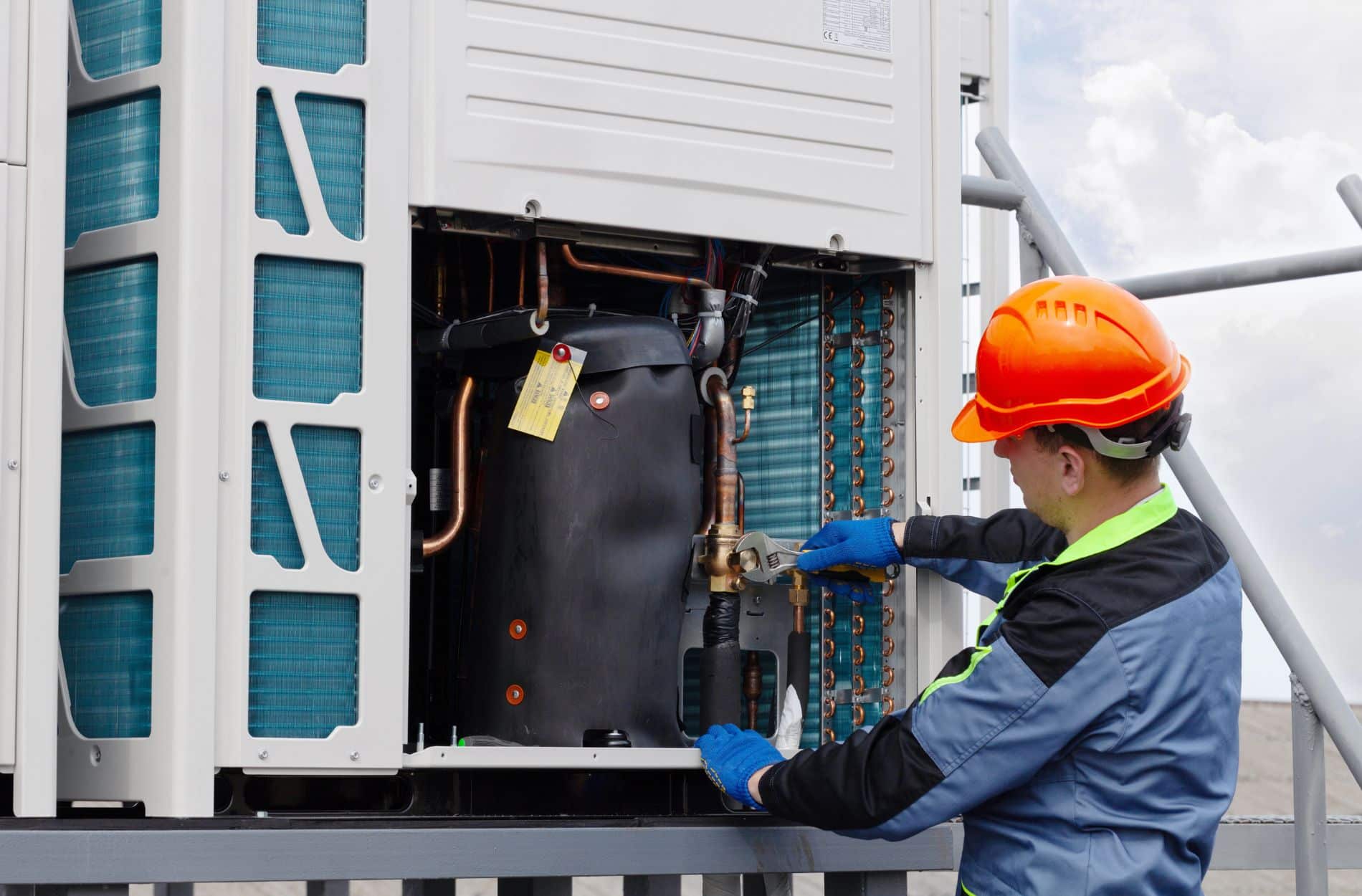
When comparing quotes, make sure you’re comparing apples to apples. Furnace King’s heat pump services page describes an installation this way:
What Furnace King includes with a heat pump installation:
Items that may add to the cost:
We identify all potential add-ons during our free in-home assessment so there are no surprises on installation day.
We understand that even with rebates, a heat pump is a significant investment. Furnace King offers financing on certain furnaces and air conditioners, and at times runs promotions such as no-interest periods on qualifying units. Offers change through the year and not every product qualifies, so ask whether a heat pump qualifies for any current offer when you request your quote. Our frequently asked questions page also covers payment plans.
A few practical tips to keep your costs in check:
For a quick estimate tailored to your home, try our free online HVAC cost estimator — it gives you an instant price range based on your system type, home size, and location.
For more information from trusted sources:
There is no single average, because the price depends on the system type and your home. Furnace King’s HVAC cost estimator puts a heat pump installation in Mississauga and the GTA at $5,000 to $15,000 before rebates. For reference, the City of Toronto lists approximately $4,000 to $6,000 per ductless mini-split, $4,000 to $6,000 for a hybrid system that keeps your furnace, $14,000 to $22,000 for an all-electric centrally ducted system, and up to $30,000 for a ground-source retrofit, all before tax and without government funding. Those figures do not include ductwork or electrical service upgrades. Furnace King’s heat pump services page puts ground-source systems at $20,000 to $40,000 or more because of the ground loop installation.
For most Ontario homeowners, a heat pump is worth a close look. It can replace both your furnace and air conditioner, and Natural Resources Canada says heat pumps consume less energy to heat a home. Whether that lowers your bill depends on what you heat with now: NRCan says savings depend on the price of electricity compared with other fuels such as natural gas or heating oil, and its research on cold-climate air-source heat pumps found that where natural gas prices are low, their operating costs are more comparable to those of a conventional gas furnace. In a home that keeps its gas connection, the same research, in its modelling, shows utility bills rising by $100 to $500 a year in Ontario, and says a gas-hybrid configuration may be more attractive. Rebates can help with the upfront cost too: Ontario’s Home Renovation Savings program pays a rebate on eligible cold-climate air-source models, and the amount depends on how you heat your home now and the size of the system. The same NRCan research found that cold-climate air-source heat pumps generate less greenhouse gas emissions than gas furnaces in Ontario.
The main cost factors are: system type (ducted vs. ductless, single-zone vs. multi-zone), capacity/size (measured in tons, matched to your home’s square footage and insulation), brand and efficiency rating (compare the quoted models’ SEER/HSPF ratings and specifications), existing ductwork condition (duct modifications add to the cost), electrical panel capacity (an upgrade may be needed), and installation complexity (multi-storey homes, difficult outdoor unit placement).
No. Ontario’s Home Renovation Savings program pays a set amount per ton up to a maximum, so it reduces the cost rather than covering all of it. See the rebate section above for the rates, maximums and the pre-approval requirement. The federal Canada Greener Homes Grant is closed.
Every home is different, and the only way to get an accurate price is with a proper in-home assessment. Furnace King provides free estimates that include a Manual J load calculation, equipment recommendations tailored to your home, a clear breakdown of all costs with no hidden fees, and help with the Home Renovation Savings pre-approval. Furnace King is listed in the program’s heat pump contractor directory for ductless and centrally ducted cold-climate air-source heat pumps (checked October 2, 2026), so we can submit the pre-installation application for an eligible project.
We serve Mississauga, Brampton, Etobicoke, Oakville, and the surrounding GTA. Whether you’re replacing an aging furnace, adding cooling to a home that doesn’t have it, or looking to reduce your energy bills and carbon footprint, we’ll help you find the right heat pump solution at a price that works for your budget.
Call Furnace King at (905) 564-5464 or request your free estimate online — honest advice and transparent pricing.

If you’re shopping for a heat pump in Ontario, you’ve probably heard the old myth: “Heat pumps don’t work in Canadian winters.” That was true twenty years ago. Today’s cold-climate heat pumps are engineered to operate reliably down to -25°C and beyond — and they’re transforming how GTA homeowners heat their homes.
As a Bosch Approved Dealer serving Mississauga, Brampton, Etobicoke, and the surrounding GTA, Furnace King has installed hundreds of cold-climate heat pumps. We’ve seen first-hand which brands and models deliver when the temperature drops. Here’s what you need to know before choosing a unit for your home.
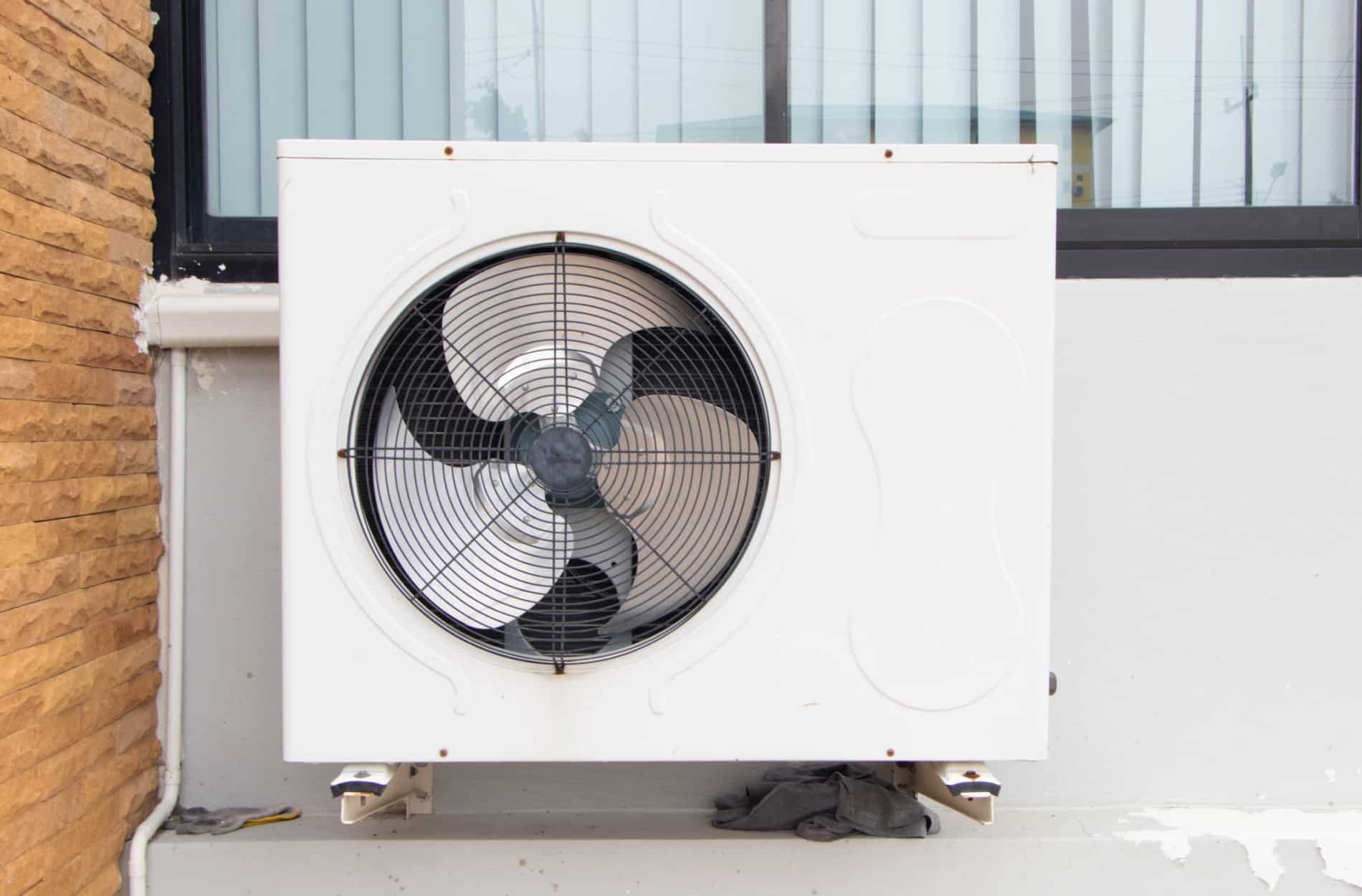
A standard heat pump works by extracting heat from outdoor air and moving it inside. That process becomes harder as the temperature drops because there’s less thermal energy available in colder air. Standard models start losing significant heating capacity below -10°C and may shut down entirely around -15°C to -20°C.
Cold-climate heat pumps solve this problem with three key technologies:
The result? Where a standard heat pump loses 50% or more of its heating capacity at -15°C, a cold-climate unit retains 75–80% of its rated capacity at the same temperature.
After years of installing and servicing heat pumps across the GTA, these are the models we recommend most for Ontario homeowners. Each has been proven in our climate.
Furnace King is a Bosch Approved Dealer, and the IDS 2.0 is our go-to recommendation for most GTA homes. Here’s why:
The Bosch IDS 2.0 isn’t the flashiest model on paper, but it consistently delivers where it counts. Its inverter compressor is remarkably quiet, and the build quality means fewer service calls over its lifespan. For Mississauga homeowners who want a dependable, efficient cold-climate heat pump, the IDS 2.0 is hard to beat. If quiet operation is high on your list, our guide to how loud heat pumps really are goes into more detail.
The Trane XV20i is a premium unit with top-tier efficiency numbers. If maximum energy savings is your priority and you’re willing to invest in a higher upfront cost, the XV20i delivers. Trane also has an excellent warranty program, which adds peace of mind for Canadian homeowners.
Mitsubishi’s Hyper-Heating line is the gold standard for ductless cold-climate heating. If your home doesn’t have existing ductwork — or if you want zone-by-zone temperature control — the H2i series is an excellent choice. These mini-split units are particularly popular for additions, converted garages, and older homes without central duct systems.
The Amana AVXC20 offers strong efficiency ratings and comes with one of the best warranties in the business — a lifetime replacement warranty on the compressor for the original homeowner. Its -20°C rating is slightly less than the other models here, but for most GTA winters, that’s more than adequate.
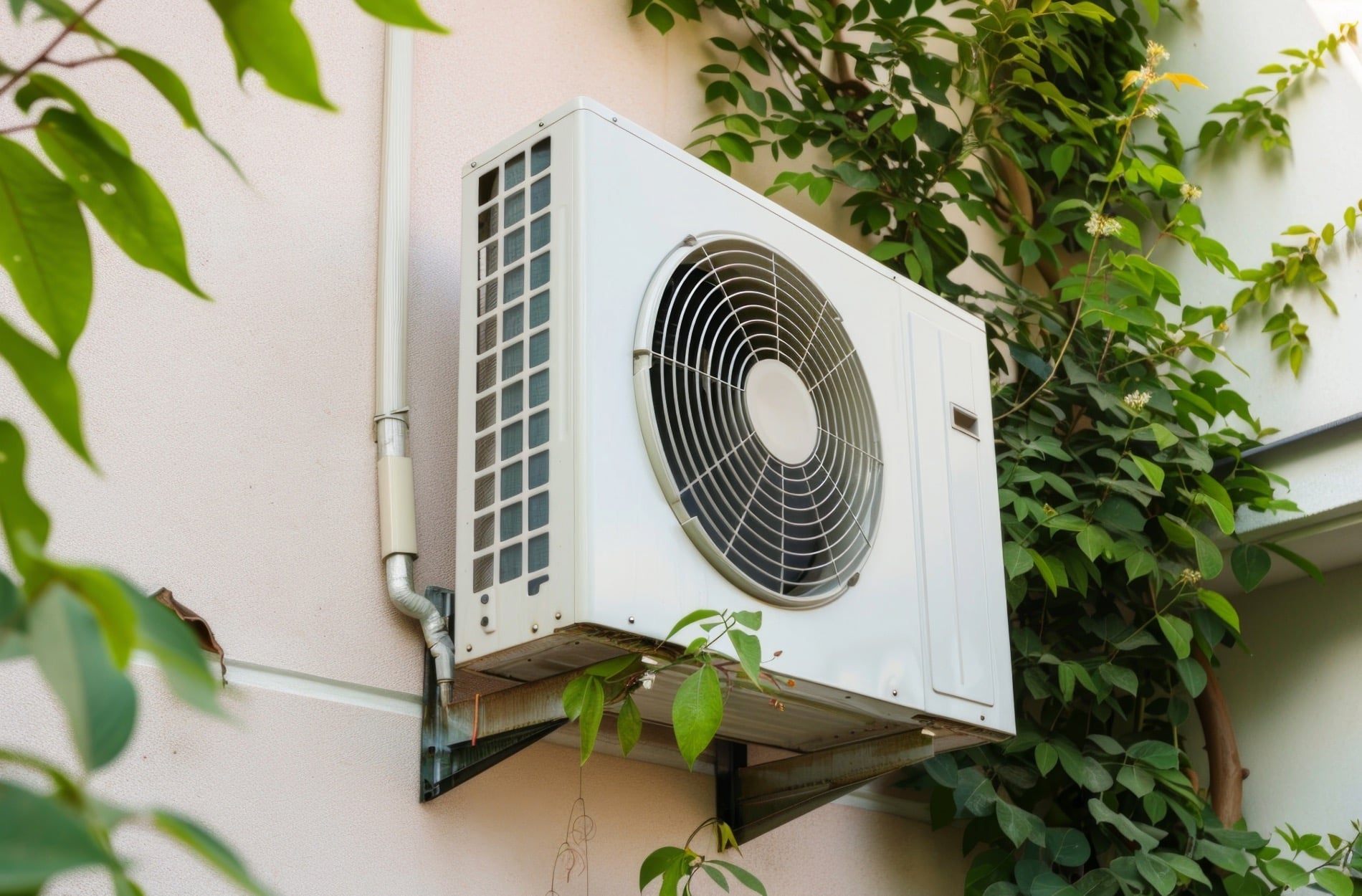
On smaller screens, swipe or use the arrow keys to view all columns.
| Model | Min. Temp | SEER2 | HSPF2 | Type | Approx. Price (Installed) |
|---|---|---|---|---|---|
| Bosch IDS 2.0 | -25°C | Up to 18.5 | Up to 10.0 | Ducted | $6,000–$10,000 |
| Trane XV20i | -25°C | Up to 20 | Up to 10.0 | Ducted | $8,000–$12,000 |
| Mitsubishi H2i | -25°C | Up to 20.0 | Up to 13.0 | Ductless | $4,500–$8,000 |
| Amana AVXC20 | -20°C | Up to 20 | Up to 10.0 | Ducted | $7,000–$11,000 |
Note: Installed prices are estimates for a typical GTA home and include equipment, labour, and standard installation materials. Actual cost depends on your home’s specific requirements. Furnace King provides free in-home estimates with exact, no-surprise pricing.
When comparing cold-climate heat pumps, two efficiency ratings matter most:
HSPF2 (Heating Seasonal Performance Factor) measures heating efficiency over an entire season. The higher the number, the more heat you get per dollar of electricity. For cold-climate operation in Ontario, HSPF2 is the more important rating. Look for units with HSPF2 of 9.0 or higher.
SEER2 (Seasonal Energy Efficiency Ratio) measures cooling efficiency. Since your heat pump also replaces your air conditioner, a higher SEER2 means lower cooling costs in summer. Units rated SEER2 16 or higher are considered high-efficiency.
Both ratings are calculated under standardized test conditions, so they allow fair comparisons between brands. However, real-world performance also depends on proper sizing, installation quality, and your home’s specific characteristics — which is why working with an experienced installer matters as much as choosing the right brand.
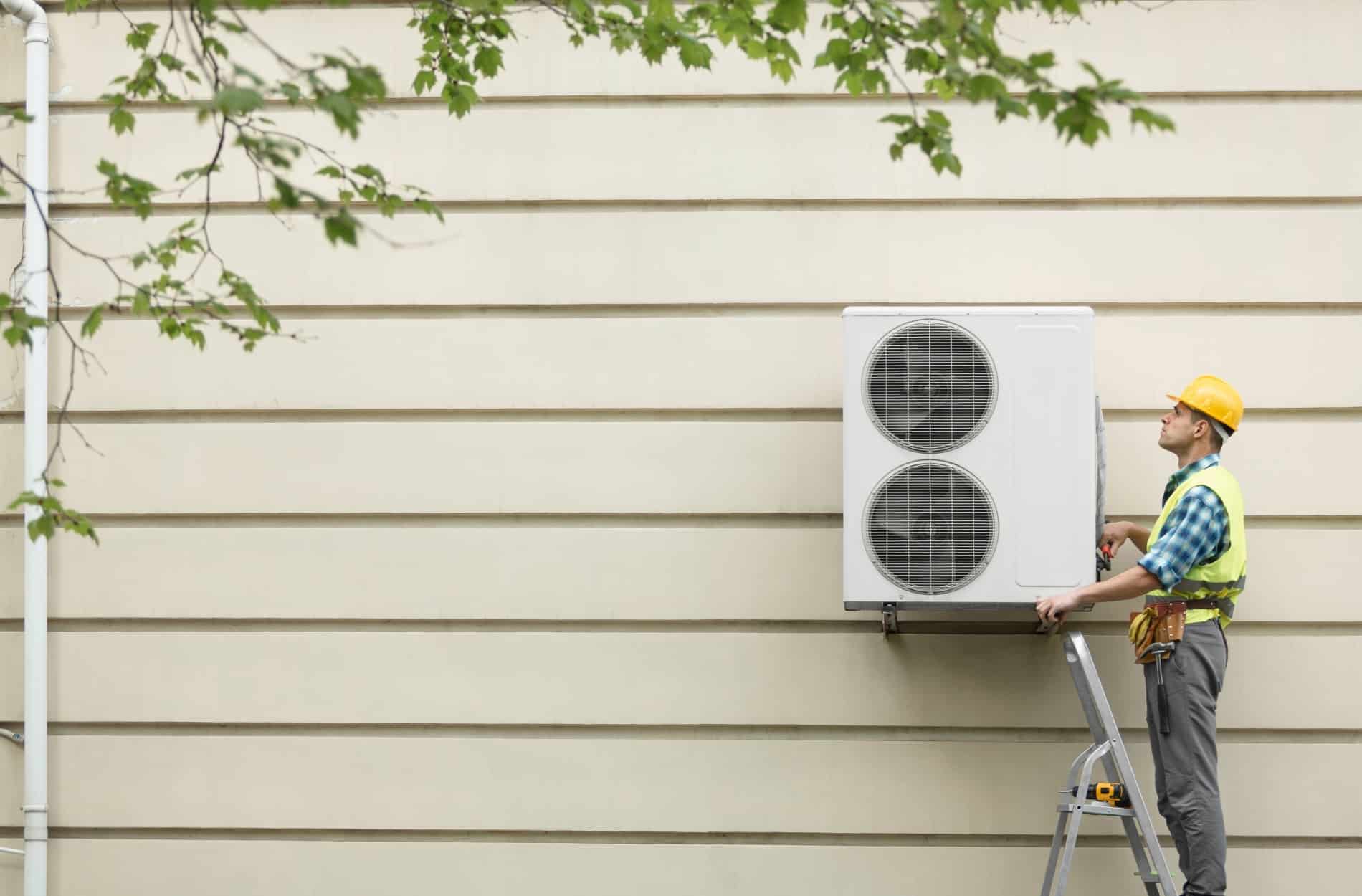
A heat pump’s efficiency at any given moment is measured by its Coefficient of Performance (COP) — how many units of heat it produces per unit of electricity consumed. A COP of 3.0 means you get three dollars of heat for every dollar of electricity. Here’s how COP typically changes as the temperature drops:
| Outdoor Temperature | Typical COP | Efficiency vs. Electric Baseboard |
|---|---|---|
| +8°C (autumn day) | 3.5 | 350% efficient |
| -5°C (mild winter day) | 2.5 | 250% efficient |
| -15°C (cold winter day) | 2.0 | 200% efficient |
| -25°C (extreme cold snap) | 1.5 | 150% efficient |
Even at -25°C, a cold-climate heat pump is still 50% more efficient than electric baseboard heating. The key insight is that your heat pump spends the vast majority of winter operating at milder temperatures where the COP is 2.0 or higher — the extreme cold days are the exception, not the rule.
Mississauga’s average January temperature is approximately -7°C. On a typical winter day, a cold-climate heat pump operates at a COP of 2.0 to 2.5 — delivering twice as much heat per dollar compared to a gas furnace. Temperatures rarely drop below -20°C in the GTA, which means a cold-climate heat pump handles 90–95% of heating hours without any assistance.
For the handful of extreme cold days each year, most homeowners opt for a hybrid heat pump system that pairs the heat pump with their existing gas furnace. The furnace kicks in as backup only when needed, giving you the best of both worlds: heat pump efficiency for most of the year, and gas reliability on the coldest nights.
Ontario’s electrical grid is another advantage. Over 90% of Ontario’s electricity comes from clean sources — nuclear, hydro, wind, and solar. That means running a heat pump in Ontario produces dramatically fewer greenhouse gas emissions than burning natural gas, even accounting for grid losses.
Beyond the brand and model, here are the factors that matter most for Ontario homeowners:
For a deeper dive into how the top brands compare across all performance categories, check out our head-to-head heat pump brand comparison.
For more information from trusted sources:
Curious what a cold-climate heat pump costs in Ontario? Use our free HVAC cost estimator to get an instant price range.
Standard heat pumps begin losing significant efficiency below -10°C and may shut down around -15°C to -20°C. Cold-climate heat pumps with enhanced vapour injection (EVI) technology continue operating down to -25°C or even -30°C, though at reduced efficiency. In the GTA, where winter lows rarely drop below -20°C, a properly sized cold-climate heat pump handles the vast majority of heating days without backup.
A cold climate heat pump uses enhanced vapour injection (EVI) compressor technology and variable-speed inverter drives to maintain heating capacity at much lower outdoor temperatures. Unlike standard models that lose 50%+ of capacity at -15°C, cold-climate units like the Bosch IDS 2.0 retain 75–80% capacity at that temperature. They also have improved defrost cycles and larger heat exchangers optimized for cold operation.
The top performers for Canadian winters are the Bosch IDS 2.0 (rated to -25°C, excellent cold-weather COP), Trane XV20i (rated to -25°C, variable speed), and Mitsubishi Hyper-Heating (rated to -25°C, strong mini-split option). As a Bosch Approved Dealer, Furnace King recommends the IDS 2.0 for most GTA homes due to its balance of cold-climate performance, efficiency, and reliability. The best choice depends on your home’s ductwork, size, and budget.
In the GTA, a cold-climate heat pump can handle 90–95% of heating hours as the sole source. However, many homeowners choose to keep their existing gas furnace as backup for the handful of extreme cold days each winter. This hybrid approach costs less than upgrading to the highest-capacity heat pump and provides peace of mind. If your current furnace is still in good condition, adding a heat pump to create a hybrid system is often the smartest move.
Choosing the right cold-climate heat pump isn’t just about picking a brand — it’s about matching the right equipment to your home’s specific needs, sizing it correctly, and installing it properly. As a Bosch Approved Dealer with years of experience installing all major brands, Furnace King can help you navigate the options and find the best fit for your home and budget.
We offer free in-home assessments with a complete Manual J load calculation, honest recommendations (including when a heat pump might not be the best choice for your situation), and expert installation backed by our workmanship guarantee. Serving Mississauga, Brampton, Etobicoke, and the surrounding GTA.
Call Furnace King at (905) 564-5464 or request a free estimate online to find out which cold-climate heat pump is right for your home.
With cold January days settling in, many homeowners are starting to think about better ways to stay warm. Heat pump installation in Mississauga has become more common in winter because it gives people a way to heat their homes while keeping energy use lower. We often hear from people who are curious but unsure if it’s the right system for their house.
Some want to know how it works. Others wonder what to expect during installation. And many just want to know they’ll stay comfortable when it’s freezing outside. That’s why we’re breaking down what matters most when thinking about a heat pump, from how it works to how it fits into your home.

Heat pumps don’t make heat the same way a furnace does. Instead, they pull heat from the outside air and move it inside your home. That may sound strange in winter, but even when it’s cold out, there’s still some heat in the air for the pump to work with.
These systems can also run in reverse during warmer months. That means one unit can keep your home warm in January and cool in July. It all depends on the type of system you choose and how your home is set up.
In Mississauga winters, heat pumps can handle most days just fine. Some homes might still need a backup source when temperatures really drop, but newer models have gotten good at dealing with fairly low temps. The quiet, steady airflow from a heat pump can make the house feel more comfortable than hard blasts from a furnace.
Before installing a heat pump, it helps to look at a few details around your home. These small things can make a big difference in how well the system works long term.
• The size of your home affects the type and size of heat pump you’ll need.
• If your house already has ductwork, that impacts which systems make the most sense.
• Older homes or those with additions might need different kinds of units to reach each part evenly.
Layout matters too. If rooms are closed off or spaced far apart, the system design might change. We’ve seen that checking all these things before the installation starts can help avoid surprises later.
Furnace King Home Services offers a full consultation process before installation, with an on-site assessment to help select the best heat pump model for your layout and comfort needs. We’re trained to fit both ducted and ductless systems depending on the unique setup of your Mississauga home.

Installing a heat pump isn’t usually a one-hour job, but it doesn’t have to be a huge project either. Most setups can be done in a couple of days, though bigger homes might take a bit longer. January weather in Mississauga can play a part here. Snow or deep cold can slow things down or shift the work schedule.
During the job, there may be a few updates made to your heating system. That might mean adding or adjusting vents, changing wiring, or making room for the new unit. Since heat pumps run differently than furnaces, it’s common for installers to check for airflow and power needs once the system is in place.
• You might hear some noise or feel temperature swings while the work is going on.
• After setup, the system usually runs quietly and evenly through the house.
• Some homes may need a day or two for the new airflow to settle into a steady rhythm.
You’ll also receive a full demonstration of system controls and a walk-through of basic maintenance after installation, so you know how to run your new heat pump confidently.
One thing we often hear is concern about whether a heat pump can keep up with real cold. The short answer is yes, it usually can. Most units today can handle typical winter temps in Mississauga. On really bitter days, the system might need a bit of help from a backup heater, but that’s built into many setups already.
What helps most is keeping the system in good shape. Regular tune-ups keep parts clean and working the way they should. That includes checking air filters and outdoor units to be sure nothing’s blocked by snow or ice.
• Heat pumps run longer but more gently than furnaces.
• They help avoid big swings in temperature around the house.
• If working right, they feel steady instead of strong blasts of air.
We’ve found that homes with heat pumps often feel more evenly heated, especially when the system is matched well to the size of the house.
One thing that surprises people is how heat pumps work in summer too. That same unit that moves heat into the house can move it out when it’s hot. You don’t need to think about switching systems each season, which makes it a nice option for year-round comfort.
Installing a heat pump in January gets everything ready ahead of time. By the time warmer spring days show up, the system’s already in place to cool things down just as smoothly.
For current heat pump rebates in Ontario, see the Home Renovation Savings program from Save on Energy and Enbridge Gas.
• The system changes direction with the thermostat, depending on whether you want heating or cooling.
• Mississauga’s mix of warm summers and cold winters fits well with how heat pumps work.
• Installing one in winter means you don’t need to plan a second project in spring.
Choosing a heat pump comes down to how well it fits your home. When we take time to check things like house size, ductwork, and layout, it’s easier to get a setup that works well from day one. Knowing what happens during installation helps take away surprises, especially when the weather makes timing tricky.
We’ve seen a good number of homes in Mississauga stay warm and steady through winter once their heat pump is running right. Planning ahead makes the whole thing smoother, and the system you put in now can keep your home comfortable all year long.
Staying warmer this winter while ensuring comfort all year round starts with thoughtful planning, and our team can help you find the best solution for your home’s layout and current system. A proper setup begins with expert advice and early organization, making the process smoother from day one. To learn how heat pump installation in Mississauga can transform your home’s comfort, contact Furnace King Home Services and let’s get started.
Modern cold-climate heat pumps operate efficiently down to -25°C to -30°C. Models from Mitsubishi, Daikin, and Carrier are specifically designed for Canadian winters. A hybrid system pairing a heat pump with a backup furnace provides reliable comfort year-round.
There is no reliable heating-cost savings percentage for every Ontario home. Compare the proposed heat pump’s estimated energy use with your current electricity and gas rates, including any fixed charge for retaining gas service. The federal Canada Greener Homes Grant is closed to new applications; check current Ontario program rules and equipment eligibility before budgeting a rebate.
A well-maintained heat pump typically lasts 12-15 years. Annual professional maintenance, regular filter changes, and keeping the outdoor unit clear of snow and ice are essential for maximizing lifespan in Ontario.
Furnace King Home Services has been keeping Mississauga and GTA homes comfortable for over 30 years. Whether you need maintenance, repair, or a new installation, our licensed technicians are ready to help. Call us at (905) 564-5464 or contact us online to schedule your appointment today.

Many homes in Mississauga rely on heat pumps to stay warm during the winter. When temperatures drop and stay low, we count on our systems to keep everything inside steady and comfortable. But cold weather can be tough on even the best setup. Like any other heating system, heat pumps need care to keep working the way they should.
Starting the new year with routine heat pump maintenance in Mississauga can help sidestep bigger problems during deep winter. Staying ahead of typical wear keeps your home warm when it matters most and helps avoid surprises later. First, a quick look at how a heat pump works in winter, then the simple, smart steps we follow to keep things running through the coldest weeks.
In winter, a heat pump heats your home by pulling heat from the outdoor air and moving it inside, rather than burning fuel to make heat. Natural Resources Canada (NRCan) says cold-climate air-source heat pumps can operate when outdoor air temperatures are as cold as -30°C.
Even on a cold winter day, there is heat in the outside air. The outdoor unit collects it, the system uses electricity to raise its temperature, and the indoor unit releases it into your rooms. NRCan explains that a heat pump transfers heat rather than generating it, which is why it can use less energy than traditional heating equipment. In summer the same system runs in reverse and cools your home like an air conditioner.
Every heat pump has a limit, though. NRCan notes that a standard air-source heat pump may need supplemental heating when it is between -10°C and -15°C outside, and a cold-climate model may need it once it is colder than -30°C. For homes with gas service, a hybrid system that pairs the heat pump with a gas furnace is one option. Either way, choosing the right model for your home matters.
That is also why winter care matters: a blocked outdoor unit, a dirty filter or a thermostat set incorrectly can matter more in the coldest weeks, and the steps below cover each one. If you are comparing models for a cold-climate home, read our guide to the best cold climate heat pumps in Canada, or see our heat pump services in Mississauga for installation, repair and maintenance.
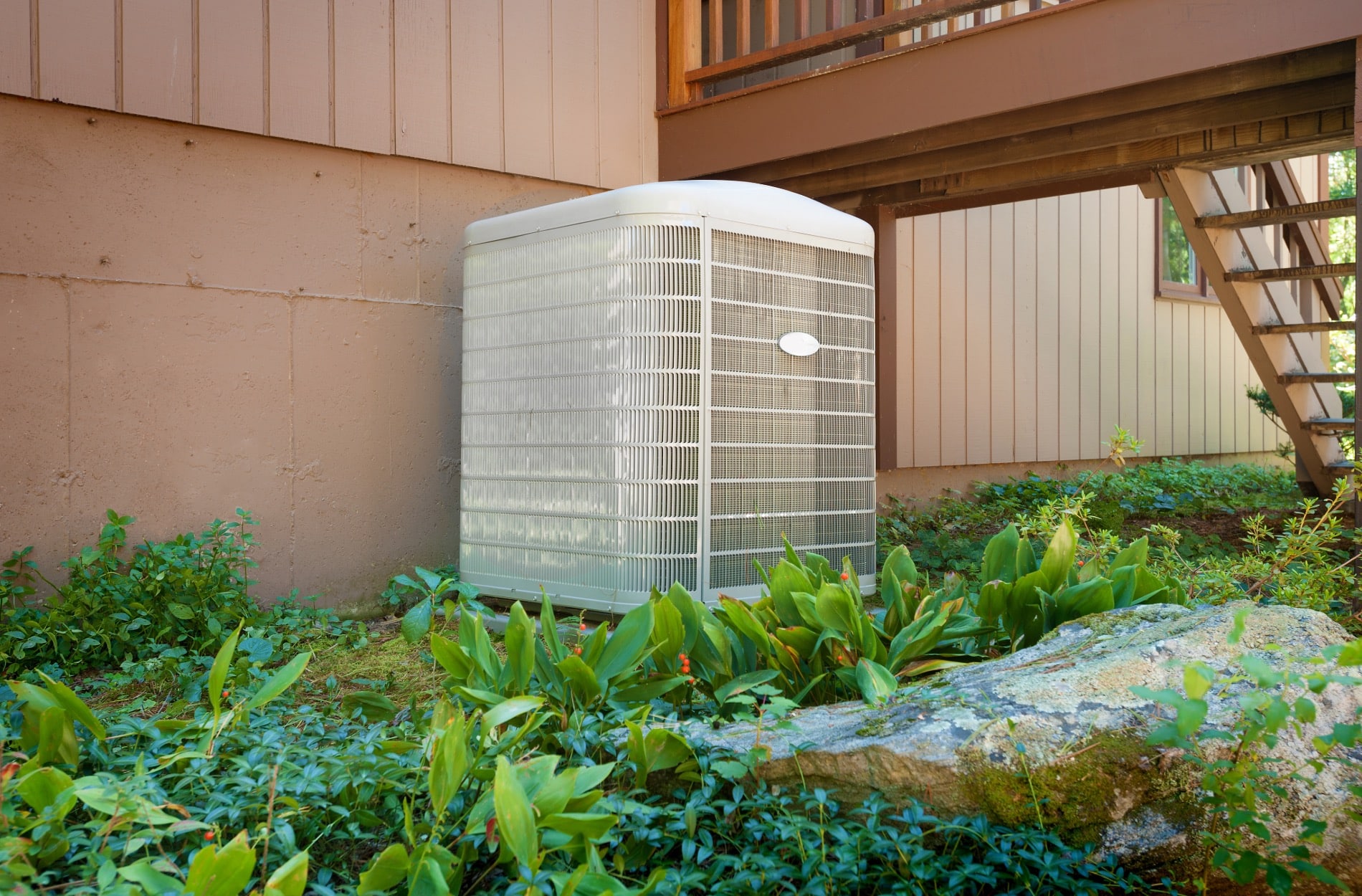
Heat pumps usually give warnings when something’s not right. It’s tempting to shrug off small changes, but staying alert can save a lot of trouble later down the line.
• Weak airflow, where rooms don’t heat as quickly as before, is often the first clue.
• Some areas of the home may feel colder than others, which could mean the system isn’t distributing heat evenly.
• Knocking, buzzing, or rattling sounds can suggest a part has shifted or worn down.
• Any sudden rise in energy use might be your system working too hard to reach a normal temperature.
Mississauga winters add pressure, especially during long stretches of freezing cold. When systems are already strained, ignoring these signs could lead to a full breakdown. Staying ahead of the issue is easier than dealing with a big repair in the middle of January.
If airflow feels blocked or the heat seems weak, the filter may be the cause. Dirty filters slow everything down and make it harder for warm air to move through your home.
• We check filters often in winter because they fill up faster when the heat runs almost non-stop.
• Clogged filters can trap heat inside the unit, overheat the system, and cause short shut-offs.
Learn more about our Heat Pump Services services for your home.
Outside, things get messy after snow, wind, or falling leaves. Keeping the outdoor unit clear is a top priority. Snow drifts and debris can pile up around the unit and block proper airflow. That makes the heat pump work harder and might damage parts over time.
The indoor and outdoor coils can also collect dust or film. If that happens, they won’t transfer heat properly, and the whole system loses efficiency. Checking these areas regularly prevents buildup and helps the unit heat your home better and faster.
When things feel off, one of the first places to look is the thermostat. If it’s not set right for winter or if someone adjusted it without realizing the effect, the heat pump might not respond the way you expect.
• Colder months sometimes need slight tweaks to thermostat schedules or modes to match how the home is used.
• A faulty thermostat or dead batteries can affect how the whole system runs.
• Blower fans or blocked vents can limit warm air, even if the pump is heating just fine.
It’s also good to check for furniture or rugs that might block airflow from vents. That may sound small, but it can throw off the balance across the house. Clean, steady airflow means the system doesn’t have to run as long or work as hard.
Winter care is different from the light checkups we might do in spring or summer. In cold weather, the whole heat pump is under a heavier load, and smaller issues have more of a chance of growing quickly.
• Backup heat sources are good to have ready if temperatures drop too low for the heat pump to keep up.
• In Mississauga, extreme cold can limit how much outside heat the system can pull in, so support systems become useful.
• Looking things over regularly helps prevent a sudden shutoff during a cold snap.
We like to give the heat pump extra attention before deep winter begins and keep checking throughout the season. Sometimes a small rattle or drop in heat output is the only warning shot before something fails completely. Staying in front of it helps avoid that.
Relying on a trusted team for yearly checkups is one of the best things you can do to lengthen the life of your system. Furnace King Home Services offers heat pump inspections and tune-ups in Mississauga, including refrigerant checks, electrical tests, and coil cleaning. Our licensed technicians are trained on all makes and models, so you can feel confident your unit is ready for winter.
NRCan’s heat pump guidance recommends annual maintenance by a contractor and changing or cleaning the air filter every 3 months, and says to follow your manufacturer’s instructions for your model. You can read it on NRCan’s heat pump page.
Signing up for scheduled maintenance not only helps prevent sudden breakdowns but also includes priority response if something does go wrong during the coldest days. Frequent tune-ups can maintain energy efficiency and extend the working life of your heat pump, according to our service page.
Getting through a deep winter stretch is easier when we’ve done all the small things early. It often takes just a few checks to keep the system ready for whatever the next cold front may bring.
We depend on heat pumps every day through the coldest season. With good habits and quick responses to warning signs, they can perform better and last longer. A little attention during winter means more comfort, fewer problems, and the peace of knowing everything is working when we need it most.
Stay ahead of the winter chill and ensure your home remains cosy with our expert care. At Furnace King Home Services, we specialise in heat pump maintenance in Mississauga to keep your system running smoothly through the coldest months. Don’t wait for small hiccups to turn into bigger issues. Reach out to us today and experience peace of mind with a reliable heat pump all season long.
Yes, if you choose the right type. Cold-climate air-source heat pumps are designed for Canadian winters, and Natural Resources Canada says they can operate at outdoor temperatures as cold as -30°C. A standard air-source model may need supplemental heating when it is between -10°C and -15°C outside, so check how the specific model performs in the cold before you buy. Pairing a heat pump with a backup furnace, known as a hybrid system, is another option.
Natural Resources Canada says heat pumps consume less energy to heat a home, but whether that lowers your bill depends on what you heat with now. Its guidance says a lower energy bill depends on the price of electricity compared with other fuels such as natural gas or heating oil and, for a retrofit, on the type of system being replaced. NRCan research on cold-climate air-source heat pumps found that where natural gas prices are low, their operating costs are more comparable to those of a conventional gas furnace. In a home that keeps its gas connection, the same research, in its modelling, shows utility bills rising by $100 to $500 a year in Ontario, and says a gas-hybrid configuration may be more attractive. For help with the upfront cost, Ontario’s Home Renovation Savings program offers rebates on eligible cold-climate air-source heat pumps. The amount is based on the size of the system, up to $2,000 for Enbridge Gas customers who heat with natural gas and up to $7,500 for homes heated with electricity, oil, propane or wood. The federal Canada Greener Homes Grant is closed.
A well-maintained heat pump typically lasts 12-15 years. Annual professional maintenance, regular filter changes, and keeping the outdoor unit clear of snow and ice are essential for maximizing lifespan in Ontario.
Furnace King Home Services has been keeping Mississauga and GTA homes comfortable for over 40 years. Whether you need maintenance, repair, or a new installation, our licensed technicians are ready to help. Call us at (905) 564-5464 or contact us online to schedule your appointment today.
When the chill of January hits Mississauga, the last thing anyone wants is cold air blowing from their heat pump. It feels wrong. You expect warm comfort and instead get a chilly surprise coming through your vents. It’s usually around this time of year that people start asking why their heat pump isn’t doing what it should.
We get these kinds of questions a lot. Heat pump repair in Mississauga tends to pick up right when winter really settles in. Before assuming the whole system is broken, it helps to know what might be happening. Not every case of cold air means a serious problem, but it’s good to get ahead of it early. Let’s look at some of the most common reasons your heat pump might blow cold air, and what might need to be fixed or checked.
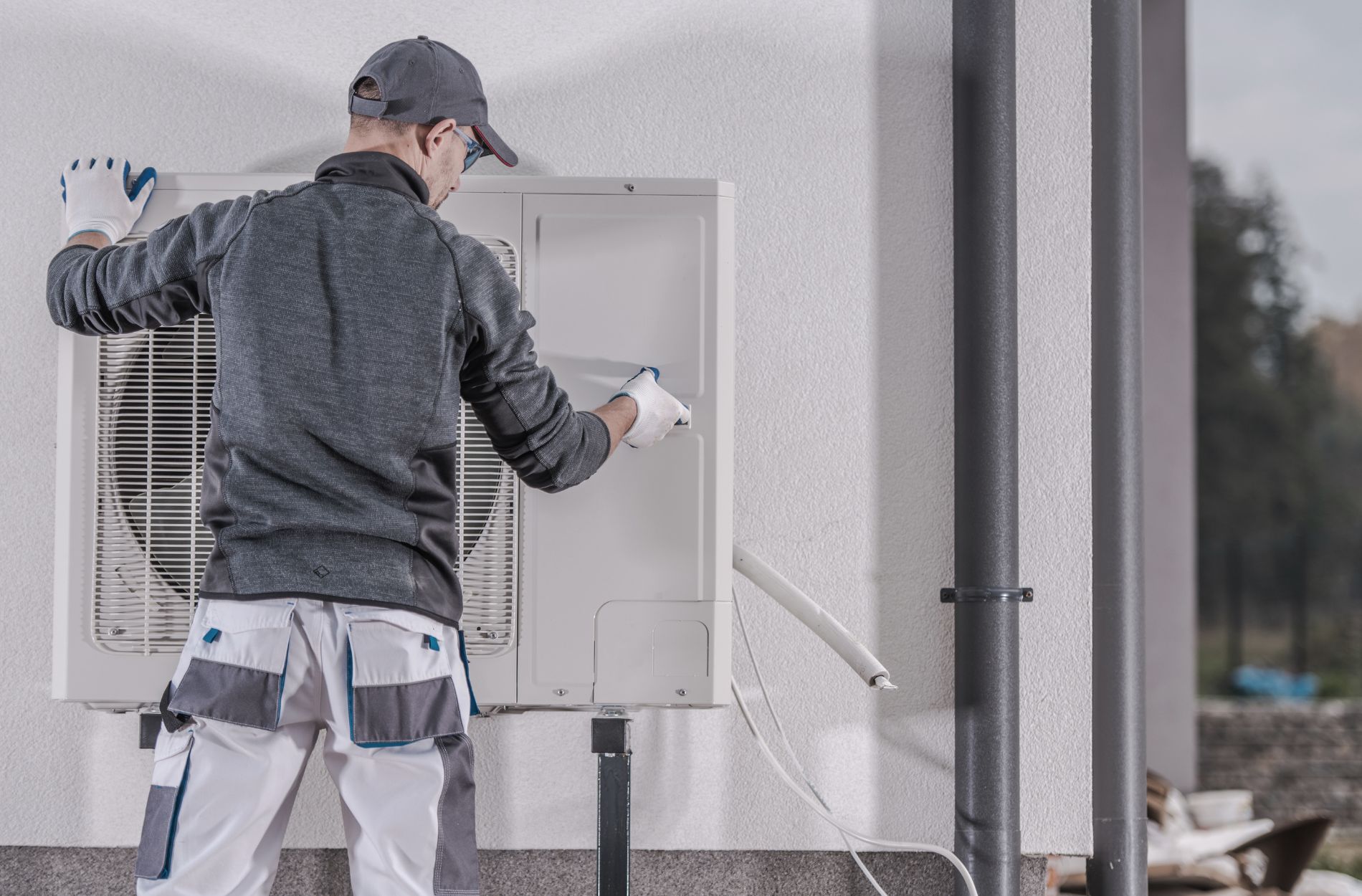
Sometimes, what feels like a problem is actually normal. That’s often the case when your heat pump goes into defrost mode. During cold Canadian winters, frost can build up on the outdoor coils. That layer of frost gets in the way and stops your system from working right.
To address this, your heat pump switches into a defrost mode. This clears off the frost but sends cooler air inside for a short time. It doesn’t last long, just enough to melt what’s outside. If you notice a blast of cold air and then warmth returns after a few minutes, this is likely the reason.
• Defrost cycles are timed and controlled automatically
• You might hear the outdoor unit make different sounds during this process
• As long as the cold air doesn’t continue for long, it’s usually not an issue
If it keeps happening over and over, or stays cold longer than expected, then it might be time to check things out more closely.
It’s easier than you think to set the thermostat wrong, especially on newer or unfamiliar models. If your system is set to “Cool” instead of “Heat,” that’s going to explain the blast of cold air. It’s a common mistake.
Some thermostats include an “Emergency Heat” setting, sometimes used incorrectly and causing further confusion. The placement of the thermometer or sensors can add to the trouble. If it’s in a cold airflow or near a draft, it may give your system inaccurate information.
• Double-check the heating mode before making changes
• Sensors that don’t read temperatures correctly might need adjustment
• Letting a professional check the settings during winter is safest
When you’re not sure how your system is reacting to the settings, it’s better to have someone experienced take a closer look.
When something inside the heat pump isn’t working right, you’ll likely feel it through the vents. One of the most common causes is low refrigerant. The heat pump uses refrigerant to pull warmth from outside to bring indoors. With a low level, the air won’t feel warm enough.
A dirty air filter is another frequent cause. Clogged filters slow down airflow, which means less warm air entering your home. Outdoor units also suffer from blockages, such as leaves, ice, or other debris that hinder normal operation.
There are interior components like the reversing valve or compressor that can wear out over time. These issues often show up as reduced heating power, odd noises, or air that simply doesn’t feel warm.
• Low refrigerant should be refilled by a qualified technician
• Dirty filters restrict airflow and should be checked often (as simple as once a month in peak winter)
• Malfunctioning parts may appear slowly but need professional heat pump repair in Mississauga to identify early
If the warm air stays missing and the basic fixes don’t work, it’s time for an on-site diagnosis.
Sometimes the heat pump is working, but problems inside the home make it feel ineffective. Closed vents or blocked registers may make you think the heat pump is malfunctioning when the air is just being redirected or stopped.
We also see issues from open windows or poor insulation, which let cold drafts in. If your home can’t hold its heat, even an efficient heat pump will struggle to keep up. It might run constantly or blow air that feels cooler just because of cold rooms.
• Make sure vents and registers are open and not blocked by furniture
• Check for drafts around windows and doors that let heat escape
• Poor insulation forces your heating system, including your heat pump, to work much harder
Walking through the home to address these factors is often smart before assuming system failure.
When a technician from Furnace King Home Services visits for heat pump repair in Mississauga, the first steps involve a full check of your thermostat settings and a hands-on look at the outdoor unit. We inspect for visible blockages, excess frost, or anything out of the ordinary.
After initial checks, we test various internal components to ensure everything is operating correctly. Our team has decades of experience serving Mississauga residents, and every call includes a 100% satisfaction guarantee, so you know your system is in good hands.
• Thermostat check and mode review
• Airflow inspection inside and outside the home
• System testing to find and repair weak or failing components
Fast repairs mean fewer surprises later, so acting soon helps you avoid heat loss during the coldest days and can even prevent further damage to your HVAC system.
Cold air from your heat pump doesn’t always mean the unit is broken. Sometimes it’s a normal cycle, like defrost mode, or just a simple settings issue. Other times, it indicates a need for professional attention. Taking early action keeps your household safe and comfortable, especially during the harsh Mississauga winter.
Furnace King Home Services puts your comfort first, from routine heat pump maintenance to urgent repairs. Our experienced team can quickly pinpoint issues, provide honest recommendations, and get your heating system back in shape so you can enjoy worry-free warmth all season.
When winter strikes in Mississauga and your heat pump isn’t delivering the warmth you need, Furnace King Home Services is here to help. Our expert team specializes in quick and effective heat pump repair in Mississauga, pinpointing and resolving any issues with precision. Don’t let the cold linger in your home—schedule your appointment today and ensure your comfort is restored. Contact us now for reliable solutions that keep your heating system in top shape all season long.
Modern cold-climate heat pumps operate efficiently down to -25°C to -30°C. Models from Mitsubishi, Daikin, and Carrier are specifically designed for Canadian winters. A hybrid system pairing a heat pump with a backup furnace provides reliable comfort year-round.
There is no reliable heating-cost savings percentage for every Ontario home. Compare the proposed heat pump’s estimated energy use with your current electricity and gas rates, including any fixed charge for retaining gas service. The federal Canada Greener Homes Grant is closed to new applications; check current Ontario program rules and equipment eligibility before budgeting a rebate.
A well-maintained heat pump typically lasts 12-15 years. Annual professional maintenance, regular filter changes, and keeping the outdoor unit clear of snow and ice are essential for maximizing lifespan in Ontario.
Furnace King Home Services has been keeping Mississauga and GTA homes comfortable for over 30 years. Whether you need maintenance, repair, or a new installation, our licensed technicians are ready to help. Call us at (905) 564-5464 or contact us online to schedule your appointment today.

When your heat pump suddenly isn’t heating your home, it creates stress you don’t need, especially in December, when Etobicoke temperatures dip below freezing. Heat pumps are meant to keep your living space warm without much effort, so when that doesn’t happen, you know something’s off. Whether you’re getting weak airflow or just cold air blowing altogether, it’s frustrating and inconvenient.
There are a few possible reasons your system might act up. Some are quick fixes, while others might point to a bigger issue that needs professional help. The goal here is to help you sort through things one step at a time. If your heat pump won’t heat properly, these are some steps you can take to understand what’s going wrong and what to do next.

Out of all the components of your heating system, the thermostat is probably the simplest. That doesn’t mean it can’t be the source of the problem. If your heat pump isn’t heating the way it should, take a look at your thermostat before trying anything else.
First, confirm that it’s set to “heat.” This sounds obvious, but it’s an easy thing to overlook, especially if the settings were recently adjusted. If you have a programmable thermostat, double-check the schedule to see if it’s running heat at the right times.
Next, review the temperature setting. If your heat pump isn’t turning on, the set temperature might be too low to activate it. Raise the setting a few degrees above the current room temperature to test.
Don’t forget the batteries, either. If your thermostat runs on batteries and they’re low or dead, it can cause connection problems between the thermostat and your heat pump.
You can also try these simple steps:
– Remove the thermostat from the wall and check for dust inside
– Look at the wiring behind the plate to make sure nothing’s loose
– If it’s a smart model, verify it’s connected to Wi-Fi and updated
If your thermostat doesn’t show anything unusual but things still aren’t working, it might not be the issue, and it’s worth continuing the diagnosis.
Electrical problems are another common reason heat pumps stop working properly. Your system needs consistent power for both indoor and outdoor units to function. If the power supply is interrupted, it might seem like your heat pump is broken, when it’s actually just shut down.
Start by checking your main electrical panel. Find the breaker marked for the HVAC system. If it’s set midway or flipped off, move it all the way to the off position, then back to on. If your system uses fuses, inspect them for any that look burnt out.
If the breaker trips again after you reset it, don’t keep trying. Breakers trip for a reason, and repeated resets can signal a larger issue that needs a professional.
Next, find the outdoor disconnect box. It’s usually near the outdoor unit and can sometimes be in the off position following stormy weather or maintenance work. Check to see that the pull-out switch is set properly.
Only perform a visual check of the wiring unless you’re a licensed technician. Red flags include:
– Wires that are frayed, burnt, or exposed
Learn more about our Heat Pump Services services for your home.
– Parts that smell burnt or look damaged
– Buzzing or clicking noises as the system starts up
A customer in Etobicoke ran into this exact issue one December. A storm had let water into the disconnect box, tripping the system. There were no obvious signs at first, but upon inspection, the root cause became clear. That’s why this step matters.
If nothing works after these electrical checks, it’s safer to stop and call someone qualified to handle high-voltage components.

Sometimes, the problem isn’t mechanical at all. Limited airflow can reduce how well your heat pump heats your home. If air can’t move properly, heat can’t get distributed through the living space.
Begin outdoors. Look closely at the area surrounding the outdoor unit. Remove any snow, leaves, or branches that may be creating blockages. Make sure there’s at least a two-foot clearance around the unit on all sides. Often, homeowners in Etobicoke don’t realize how quickly snow and yard waste can pile up near their unit during winter.
Now check indoor airflow by inspecting your return air filter. These filters help keep air clean, but a clogged one can put unnecessary strain on your system and prevent it from working the way it should.
Here are a few simple ways to check and clean your filter:
– Remove the filter and hold it against the light. If light doesn’t pass through, it’s time to change it.
– Reusable filter? Rinse it thoroughly, let it dry completely, then reinstall.
– Check your filter at least once a month during the winter when your system runs most.
A household in Etobicoke was convinced they needed a new system after weeks of cold rooms. It turned out their filter hadn’t been changed in over three months. After a five-minute replacement, their heat returned almost instantly. Small details like this can make a big difference.
If your heat pump is on and blowing air, yet the temperature in your home won’t budge, low refrigerant could be to blame. Refrigerant is what lets your system transfer heat from one place to another. If the level is wrong, the system won’t produce enough warm air.
Early signs can be subtle. You might hear the unit cycling more than normal, or you may spot some light frost on the outdoor coils. While a little frost is typical on cold days, solid or lasting ice is a warning.
Watch for these indicators:
– Weak or lukewarm air at the vents
– Longer times needed to reach your set temperature
– Hissing or bubbling sounds by the outdoor unit
– Ice forming on copper lines or coil areas
Low refrigerant usually means a leak is hiding somewhere in the system. These can be extremely hard to spot by eye and usually need special tools for detection. If left alone, your system can develop more serious issues like internal damage or full shutdowns.
If this sounds familiar, stop running the heat pump and call a professional before things get worse. Refrigerant work isn’t something to guess through or patch up. Get it checked properly.
Some heating issues can be solved with simple steps, and some can’t. If you’ve worked through the common causes and your heat pump still won’t heat your home, it’s time to reach out to someone with experience.
Here are some issues that should be left to a professional:
– The breaker keeps tripping no matter how often you reset it
– Ice keeps forming and doesn’t go away even after defrost cycles
– The fan is on, but the air isn’t heating at all
– You smell something burning or electrical
For more information, visit the ENERGY STAR Heat Pumps resource guide.
– The thermostat is working but the system is silent
Fixes for these aren’t always obvious. Misdiagnosing a refrigerant leak or an electrical issue can cause more trouble and more cost down the line. Furnace King Home Services has seen it all, especially here in Etobicoke, where systems work hard through long and cold winters.
When problems linger, don’t put your safety or comfort at risk with guesswork. You’ll avoid future breakdowns and stay warmer longer when things are handled the right way the first time.
A working heat pump should provide steady heat throughout winter. If your system stops doing its job, there’s always a reason. It might be a setting on your thermostat, poor airflow, or something deeper like a refrigerant or electrical issue.
Walking through the steps above can help you rule out surface-level problems and figure out what kind of help you need. Doing this early on saves time, stress, and keeps small issues from getting worse.
Homeowners in Etobicoke face long winters, so there’s no benefit to putting off heating repairs. If your unit doesn’t seem right and you’ve checked everything you can, it’s time to talk to someone who can get it fixed properly.
Don’t wait for things to break completely. Even strange noises or lower-than-usual warmth could be indicators of something more. Taking small action now can keep the warmth flowing all season long.
If your heat pump isn’t keeping your Etobicoke home warm enough this winter, it’s time to get everything sorted with expert help. Whether it’s fixing airflow problems, checking refrigerant levels, or troubleshooting electrical issues, let the pros handle it. Trust Furnace King Home Services for reliable heat pump repair in Etobicoke. We’ll make sure your system runs properly again so you can stay comfortable through the rest of the season.
Modern cold-climate heat pumps operate efficiently down to -25°C to -30°C. Models from Mitsubishi, Daikin, and Carrier are specifically designed for Canadian winters. A hybrid system pairing a heat pump with a backup furnace provides reliable comfort year-round.
There is no reliable heating-cost savings percentage for every Ontario home. Compare the proposed heat pump’s estimated energy use with your current electricity and gas rates, including any fixed charge for retaining gas service. The federal Canada Greener Homes Grant is closed to new applications; check current Ontario program rules and equipment eligibility before budgeting a rebate.
A well-maintained heat pump typically lasts 12-15 years. Annual professional maintenance, regular filter changes, and keeping the outdoor unit clear of snow and ice are essential for maximizing lifespan in Ontario.
Furnace King Home Services has been keeping Mississauga and GTA homes comfortable for over 30 years. Whether you need maintenance, repair, or a new installation, our licensed technicians are ready to help. Call us at (905) 564-5464 or contact us online to schedule your appointment today.
