
When your heat pump is supposed to be warming your home, but instead it starts blowing cold air, it can be frustrating, especially as the weather cools down in Mississauga around mid-September. This is a common problem that people run into once the season starts to shift. During this time, your heat pump begins switching into heating mode more often, so any hidden issues are more likely to show up.
The good news is that the problem isn’t always serious, but it definitely shouldn’t be ignored. Understanding the reasons behind the cold air could help you figure out what’s going on and what kind of fix is needed. Whether it’s a setting that’s slightly off or a bigger mechanical problem, it’s worth knowing what to look for before the chill creeps in too deep.
Incorrect Thermostat Settings
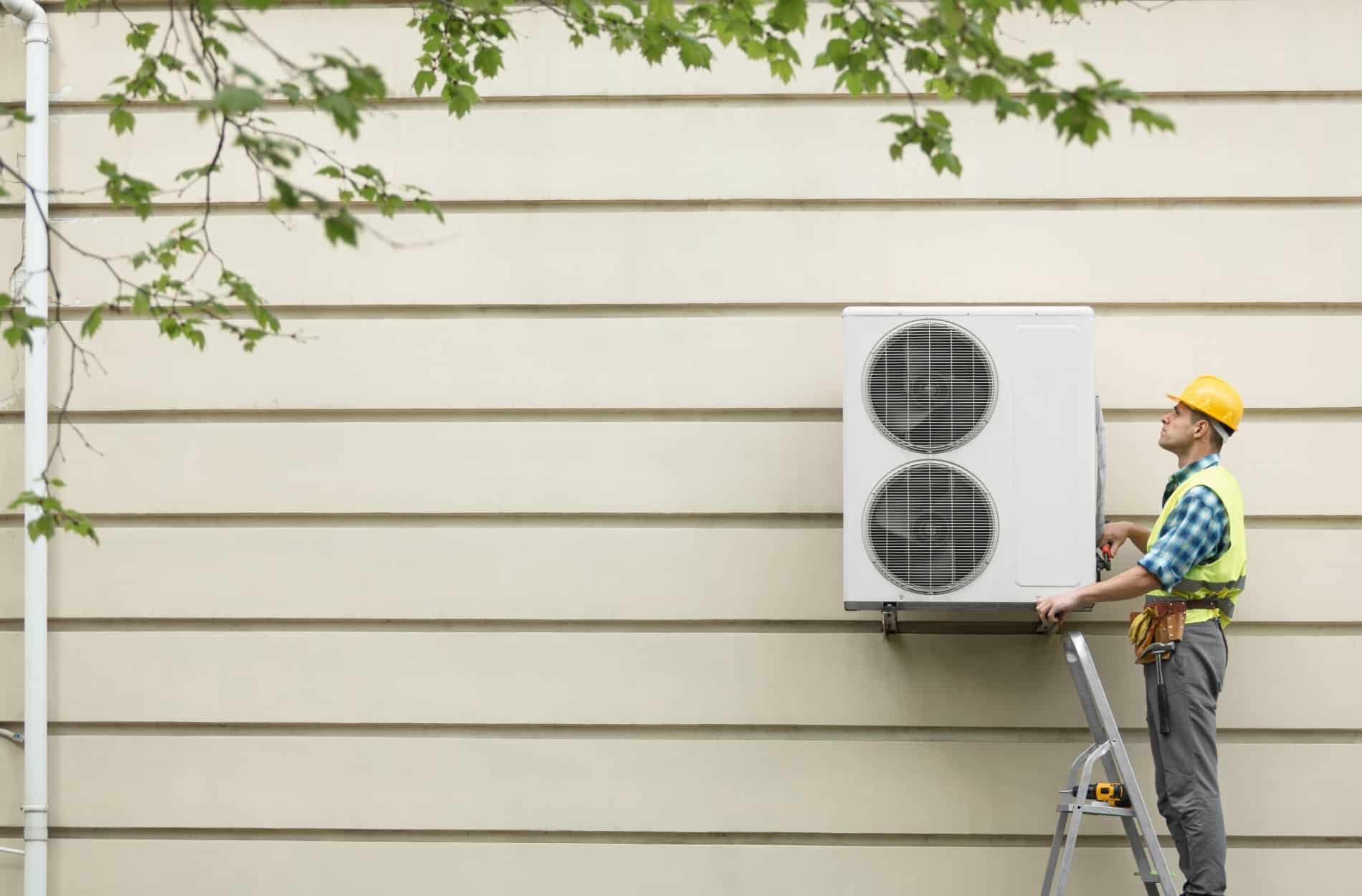
Sometimes it’s the simplest things that cause the most confusion. A wrongly set thermostat is one of the most common reasons a heat pump blows cold air when you’re expecting warmth. If your thermostat is still set to cooling or the temperature is too close to the current room temperature, your system might not switch to heating like it should.
Here’s how incorrect settings can cause cold air:
– The thermostat is set to “cool” instead of “heat”
– It’s on “auto” but the temperature hasn’t dropped low enough to make it switch to heating
– The fan is set to “on,” which keeps circulating air even when the heat pump isn’t actually heating
– A programming issue with smart or digital thermostats that hasn’t been updated for the seasonal change
If you’ve recently adjusted your thermostat or if there’s been a power outage or reset, it’s worth double-checking. Try these steps:
1. Switch the thermostat to “heat” and raise the temperature a few degrees above the current room temperature
2. If there’s a fan setting, change it from “on” to “auto” so the fan runs only when needed
3. Wait for a few minutes to see if the heat actually kicks in. Sometimes there’s a short delay
Regular thermostat checks throughout the year can prevent bigger surprises at the start of cooler seasons. Smart thermostats are helpful, but they need seasonal settings updated. Even older models might need simple battery replacements. If none of these changes help get warm air flowing again, the problem might be inside the heat pump itself.
Reversing Valve Issues
The reversing valve is what allows your heat pump to switch between cooling and heating modes. In summer, it helps send the warm air out. Once heating season rolls around, it needs to reverse that operation and push warm air into your home. If this part gets stuck or stops working properly, the system may end up stuck in cooling mode or worse, not doing much of anything at all.
So what causes the reversing valve to act up?
– Mechanical failure from wear and tear over time
– Electrical issues with the solenoid, the component that controls the valve
Learn more about our Heat Pump Services services for your home.
– A blockage or system pressure problem that makes it hard for the valve to switch modes
Signs that the reversing valve may be the problem include:
– The system seems to run, but the air stays cold
– You recently tried switching from cooling to heating and noticed a drop in performance
– You feel air coming out, but it’s clearly not getting warmer no matter how long the system runs
This isn’t something that can usually be fixed with a reset or setting change. If the heat pump has a reversing valve issue, the system will need to be inspected by an HVAC professional who knows how to test and replace this part safely. Trying to force the unit to switch modes again and again can cause further damage, especially if the valve is already failing. Since fall is fast approaching in Mississauga, having consistent heating is going to be important sooner than later.
Low Refrigerant Levels

Refrigerant is what allows a heat pump to move warm air from outside into your home when the system is in heating mode. If there isn’t enough refrigerant in the system, it can’t absorb and transfer heat properly. That means even if everything else looks like it’s running as it should, the air blowing through your vents is going to feel much colder than expected.
There are a few reasons refrigerant might be low:
– Slow leaks in coils or connections
– Damage to the refrigerant lines
– Improper installation or past servicing that left levels too low
This isn’t something that can be sorted by topping up the refrigerant. In fact, that kind of quick fix can make things worse if the underlying leak isn’t handled first. When the refrigerant level is too low, your heat pump is forced to work overtime, which adds stress to other parts of the system and could lead to bigger breakdowns.
Here are some signs that could point to a refrigerant issue:
1. You feel air blowing, but it’s not warm
2. The outdoor unit is freezing over
3. The system is running constantly without raising the temperature indoors
If you spot any of these signs, it’s likely time to call in a tech who can run proper checks. Low refrigerant in a heat pump doesn’t fix itself and will absolutely get worse over time. In early fall, catching this before winter hits full force could save a lot of stress.
Outdoor Unit Problems
The outdoor unit does the majority of the heavy lifting when it comes to heat transfer. If it’s blocked, damaged or dirty, your heat pump might seem like it’s working, but won’t actually deliver warm air indoors. Even minor clogs from weeds, leaves or dirt can have a major effect.
Here’s what to watch out for:
– Leaves and debris building up around the unit
– Ice forming on coils or fins
– Outdoor fan not spinning or making strange noises
– Weeds or tall grass too close to the unit
When the outdoor coil gets too dirty or airflow is blocked, the heat pump can’t pull in enough heat from the air. That ends up feeling like cold air coming out of your vents, even if the system isn’t actually broken.
To help your outdoor unit run properly:
– Keep the space around it clear — at least 2 to 3 feet on all sides
For more information, visit the ENERGY STAR Heat Pumps resource guide.
– Remove fallen branches, leaves, and other debris weekly during the fall
– Look for visible signs of wear or ice buildup if the air feels cold indoors
– Don’t try to chip away any ice as this can damage the unit
If the unit is clean and has room to breathe but the air indoors is still cold, there could be a deeper system problem. It might be a worn out fan motor, failing capacitor, or something wrong with how the system is communicating. Either way, it’s a good idea to stop running the heat pump until someone checks it. Running it while the outdoor unit is struggling can cause permanent system damage.
How to Stay Warm When Cold Air Blows
Cold air blowing from your vents when the heat mode is on can make you question whether your heat pump is even set up for Canadian winters. But often, it’s caused by everyday things that can be fixed with the right help and attention. Whether it’s a thermostat that hasn’t caught up to the season or a mechanical issue hiding in the outdoor unit, these are problems that can snowball if left too long.
Getting ahead of these issues as fall begins could make the winter months feel a lot more comfortable. Don’t wait for full-blown snowstorms to figure out your heating’s not working right. Staying on top of things like airflow, refrigerant levels, and system settings means fewer surprises when that first real cold snap hits Mississauga. A bit of care now can go a long way later.
When your heat pump isn’t cutting the chill like it should, the factors outlined here—like low refrigerant levels or outdoor unit clogs—might be to blame. For dependable support with getting your system back on track, count on expert heat pump repair in Mississauga. Furnace King Home Services is ready to help keep your home warm and comfortable when it matters most.
Frequently Asked Questions
Do heat pumps work in Canadian winters?
Modern cold-climate heat pumps operate efficiently down to -25°C to -30°C. Models from Mitsubishi, Daikin, and Carrier are specifically designed for Canadian winters. A hybrid system pairing a heat pump with a backup furnace provides reliable comfort year-round.
How much can I save with a heat pump?
Heat pumps can reduce heating costs by 30-50% compared to gas furnaces because they move heat rather than generate it. The Canada Greener Homes Grant offers up to $5,000 toward heat pump installation for eligible homeowners.
How long does a heat pump last?
A well-maintained heat pump typically lasts 12-15 years. Annual professional maintenance, regular filter changes, and keeping the outdoor unit clear of snow and ice are essential for maximizing lifespan in Ontario.
Schedule Your Service Today
Furnace King Home Services has been keeping Mississauga and GTA homes comfortable for over 30 years. Whether you need maintenance, repair, or a new installation, our licensed technicians are ready to help. Call us at (905) 564-5464 or contact us online to schedule your appointment today.