Maximizing Your Furnace’s Potential: The Benefits of a Tune-up

man fixing furnace

As the cold weather approaches, you need to ensure that your furnace is prepared to keep your home warm and comfortable. A furnace tune-up is an important step in maintaining the efficiency and effectiveness of your heating system. This article will explore the benefits of a furnace tune-up and why getting one is necessary. 

What Is a Furnace Tune-up?

A furnace tune-up is a regular maintenance service performed by a professional HVAC technician. The technician will inspect, clean, and adjust various components of your furnace, so it’s operating at peak efficiency. This service can prevent breakdowns and extend the life of your furnace.

Benefits of a Furnace Tune-up

1. Improved Efficiency

During a furnace tune-up, the technician will assess and clean the furnace’s burners, blower, and other components. This cleaning process eliminates dirt and debris that can hinder the furnace’s efficiency and performance. As a result, your furnace will consume less fuel, reducing your energy bills.

2. Increased Comfort

A well-maintained furnace will provide more consistent heat throughout your home. A furnace tune-up ensures that your furnace is operating at its highest capacity, which means it can provide more even and constant heat throughout your home. This will make your home more comfortable, and you’ll have fewer hot and cold spots.

3. Enhanced Safety

A furnace tune-up can identify safety issues before they become a hazard. The technician will inspect the furnace’s heat exchanger, gas lines, and other components to ensure they function correctly. If any problems are detected, the technician can make the necessary repairs to prevent a potential safety hazard.

4. Extended Lifespan

By getting a furnace tune-up, you can extend the furnace’s lifespan. A well-maintained one will operate more efficiently, reducing the wear and tear on its components. This means they are less likely to experience breakdowns or other issues leading to premature failure.

5. Cost Savings

Getting a furnace tune-up can save you money in the long run. A well-maintained furnace will consume less fuel, reducing your energy bills. Additionally, by preventing breakdowns and extending the lifespan of your furnace, you’ll avoid costly repairs and replacements.

When to Get a Furnace Tune-up

It’s recommended that you get a furnace tune-up once a year, ideally before the cold weather arrives. This ensures that your furnace is ready to operate efficiently, especially when you need it most. 

However, a few signs may indicate you may need a furnace tune-up sooner, such as:

  • Increased energy bills
  • Inconsistent heating throughout your home
  • Unusual noises coming from your furnace
  • Reduced airflow from your vents

If any of these signs are noticeable on your end, scheduling a furnace tune-up as soon as possible is a good idea.

The Bottomline

A furnace tune-up is an essential service that can improve your home’s efficiency, comfort, and safety. By getting a furnace tune-up, you can extend the lifespan of your furnace, reduce your energy bills, and avoid costly repairs and replacements. If you last had a furnace tune-up in the past year or noticed any signs of trouble, it’s time to schedule an appointment with a professional HVAC technician.

Keep your furnace running smoothly and efficiently by hiring Furnace King Home Services. We provide comprehensive furnace maintenance in Mississauga, ON, and surrounding areas. Our reliable and experienced technicians will inspect, clean, and tune up the furnace to ensure it works at its best. Call us today at 905-564-5464 to request a free quote!
Common Furnace Noises and Why You Shouldn’t Ignore Them

furnace

Furnaces are essential appliances for many Canadian homes, especially during the cold winter months. They provide warmth and comfort to households, making it easier to bear harsh weather conditions. However, furnaces can make various noises that homeowners should not ignore. These sounds could signify a problem with the furnace that needs immediate attention.

1. Whistling Sounds

If you hear whistling sounds coming from your furnace, it could be a sign there is a clog in your air filter. Your furnace’s air filter is responsible for trapping dust, dirt, and other debris from the air. When your air filter becomes clogged, it restricts the flow of air, causing your furnace to work harder than it should. This, in turn, causes a whistling sound. Ignoring this sound could lead to more significant problems, such as overheating, which could cause a fire.

2. Rattling Sounds

Rattling sounds often indicate loose or broken parts within the furnace. The blower motor, heat exchanger, or other components could become loose over time, causing a rattling sound. If you hear this noise, it is essential to have an HVAC professional inspect your furnace to determine the cause of the problem. Ignoring this sound could lead to more significant issues, such as a complete furnace breakdown.

3. Banging Sounds

Banging sounds often indicate a more severe problem with the furnace. This noise could be an indication that the furnace’s ignition system is malfunctioning. The furnace’s ignition system is responsible for igniting the fuel that powers the furnace. If the ignition system is not functioning correctly, it could cause a gas buildup within the furnace, leading to an explosion. If you hear a banging sound, it is essential to turn off your furnace immediately and call a professional to inspect it.

4. Squealing Sounds

Squealing sounds are often a good indication that the blower motor belt is worn out. The furnace’s blower motor is responsible for circulating warm air throughout the home. If the blower motor belt is worn out, it can cause a squealing sound. If you ignore this noise, it could lead to the blower motor seizing up, which could cause the furnace to stop working altogether.

5. Humming Sounds

Humming sounds are often an indication that the furnace’s electrical system is malfunctioning. The electrical system is responsible for powering the furnace’s components. If the electrical system is not functioning correctly, it could cause a humming sound. If you hear this noise, it is essential to have an HVAC professional inspect your furnace to determine the cause of the problem. Ignoring this sound could lead to electrical problems, which could cause a fire.

Final Thoughts

Furnaces are essential appliances for many Canadian homes, especially during the cold winter months. However, they can make various noises that homeowners should not ignore. These sounds could signify a problem with the furnace that needs immediate attention. If you hear any of the above noises coming from your furnace, it is essential to have a professional inspect it. Ignoring these noises could lead to more significant problems, such as a complete breakdown of the furnace or even a fire. Regular maintenance of your furnace can help prevent these problems from occurring in the first place. Therefore, it is essential to have your furnace inspected and maintained regularly to ensure that it is working correctly and safely.

Fix your broken furnace with the help of Furnace King Home Services. We are a heating and cooling company that provides furnace repair in Mississauga. We pay close attention to details, and we guarantee all of our work and services. Get a quote now!

Beat the Heat: Your Ultimate Guide to Air Conditioning Pt. 3

air conditioning systems

As the hotter months creep up, we rely on air conditioning systems to keep our homes and offices cool and comfortable. But are you aware of how these systems work? Air conditioning systems are complex machines, but understanding their basic principles can help you appreciate their efficiency and effectiveness. 

In the final part of this series, we’ll dive into the inner workings of air conditioning systems and explain how they manage to cool down your living spaces, even during the hottest days of summer.

The Basic Principles of Air Conditioning

At the heart of any air conditioning system are three essential components: the evaporator, the compressor, and the condenser. Together, these components achieve a simple objective: transfer heat from inside your home to the outdoor environment. 

To do this, air conditioners rely on a special substance called refrigerant, which circulates throughout the system and undergoes phase changes (from liquid to gas and vice versa) to absorb and release heat.

The Evaporator

The evaporator is the first component in the air conditioning process. It is inside your home, typically within the air handling unit connected to your ductwork. The evaporator is responsible for absorbing heat from your indoor air and transferring it to the refrigerant.

As the warm air from your home passes over the evaporator coils, the refrigerant inside these coils absorbs the heat energy. This causes the refrigerant to evaporate, changing from a cold liquid to a warmer gas. 

This process removes heat energy from your indoor space and helps lower humidity levels, as the cold evaporator coils cause moisture in the air to condense and be drained away.

The Compressor

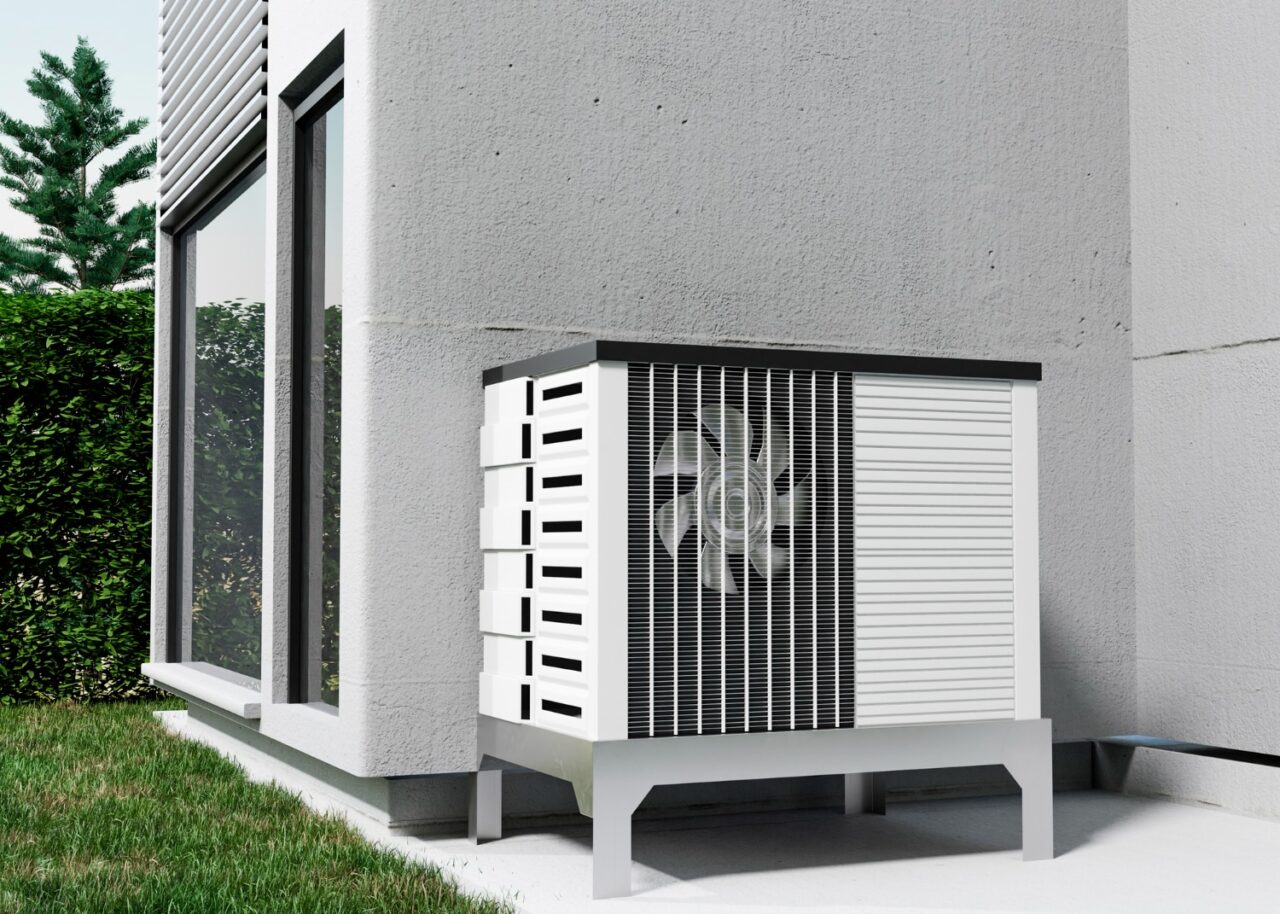
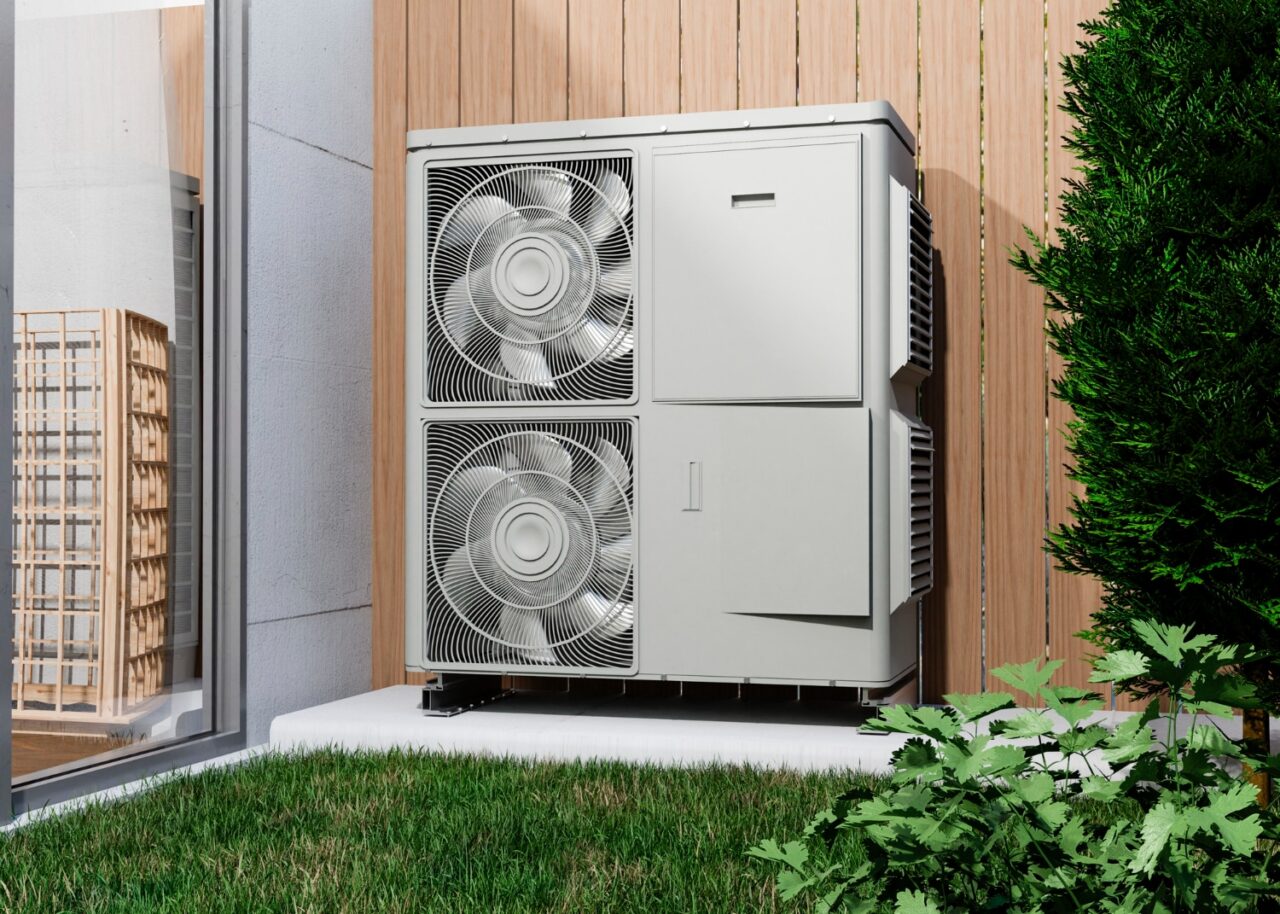
Once the refrigerant has absorbed heat from your home and transformed it into a gas, it moves on to the compressor, typically located outside your home as part of the outdoor unit. The compressor’s primary function is to increase the pressure and temperature of the refrigerant gas.

By compressing the gas, the compressor effectively concentrates the heat energy within the refrigerant, preparing it for the next step in the process: the condenser.

The Condenser

The condenser is the final component in the air conditioning process and is also in the outdoor unit. The purpose of the condenser is to release the heat energy absorbed by the refrigerant back into the outdoor environment.

As the high-pressure, high-temperature refrigerant gas flows through the condenser coils, a fan blows outdoor air over the coils, helping to cool the refrigerant and release the heat energy. During this process, the refrigerant condenses back into a cool liquid, ready to be returned to the evaporator to start the cycle again.

The Expansion Valve

Before the chilly fluid coolant re-enters the evaporator, it goes through a regulating device called an expansion valve. 

This valve controls the refrigerant flow and lowers its pressure. Due to this decrease in pressure, the coolant can revert to a cold, low-pressure condition, prepared to take in additional heat from your home’s indoor air.

Thermostat and Controls

A thermostat manages your air conditioning system, enabling you to establish the preferred indoor temperature. If the inside temperature exceeds the chosen level, the thermostat communicates with the air conditioning system to initiate cooling. 

When the target temperature is attained, the thermostat instructs the system to cease cooling, saving energy and ensuring a pleasant indoor atmosphere.

Summary

Understanding the basic principles and components of air conditioning systems can help you appreciate the complex process responsible for keeping your home cool and comfortable during the hot summer months.

By working together, the evaporator, compressor, condenser, expansion valve, and thermostat create a continuous heat transfer cycle, ensuring your indoor spaces remain cool and your Canadian summer remains enjoyable.

Now that you’re familiar with the inner workings of your air conditioning system, you can confidently embark on the summer season with a renewed appreciation for the marvel of modern cooling technology.

If you’re looking for AC maintenance in Mississauga, we can help you. Furnace Home King Services is a heating and cooling company that puts its customers first! With over 43 years of experience, you can count on us to recommend the best for your space. Start today by getting a quote online!

Beat the Heat: Your Ultimate Guide to Air Conditioning Pt. 2

air conditioner

Canada is famous for its intense weather, brutal winters, and sweltering, sticky summers. While enjoying time outside, we also recognize the value of a cozy and welcoming indoor space. This is where air conditioning plays a significant role. 

It is essential to select the appropriate size of air conditioner for your house to optimize energy usage, maintain ideal temperature conditions, and keep your family comfortable during the hot months.

Continuing from part one, in this article, we’ll walk you through the process of selecting the perfect air conditioner for your Canadian home.

Step 1: Calculate the Size of Your Space

When selecting the appropriate air conditioner, start by figuring out the size of the area that needs cooling. To do this, take measurements of each room’s length, width, and height and then multiply these numbers to find the total square footage. 

For instance, a living room that is 15 feet long and 12 feet wide has a square footage of 180 square feet (15 x 12). Perform this calculation for all rooms that require cooling, and then combine the total square footage to get a general idea of your home’s cooling requirements.

Step 2: Consider the Insulation and Building Materials

Not all homes are created equal, and the insulation levels and building materials used in your house will significantly affect the efficiency of your air conditioner. The better insulated your home, the less cooling capacity you’ll need to maintain comfortable temperatures. 

If you have an older home with less insulation, you might need a more powerful air conditioner to compensate for heat loss. Additionally, homes with large windows, high ceilings, or sun-facing rooms require greater cooling capacity to keep temperatures comfortable.

Step 3: Determine the Required Cooling Capacity

Once you’ve assessed the dimensions of your area and the elements influencing insulation, it’s crucial to figure out the cooling capacity for your air conditioner. British Thermal Units (BTUs) typically quantify cooling capacity per hour. As a rough guideline, 20 BTUs are needed for every square foot of living space.

However, this is just a starting point. You’ll also need to consider other factors, such as the number of occupants, heat-generating appliances, and the outside temperature. 

For example, add 600 BTUs for each additional person in the household and 4,000 BTUs for a kitchen or laundry room. In addition, you may need to adjust to the climate in your area. You may need more cooling capacity per square foot in hotter regions than the 20 BTU guideline.

Step 4: Choose the Right Type of Air Conditioner

Selecting the appropriate air conditioner to ensure a pleasant home temperature and minimize energy expenses is crucial. The ideal AC system relies on various factors, such as the size and design of your home and your individual preferences. Refer to the first part of this series to explore the various AC models available.

Step 5: Consult with a Professional

Of course, it is wise to seek advice from an HVAC expert when selecting the appropriate air conditioning system for your house. These professionals can evaluate your home’s distinct features, suggest the most suitable system for your requirements, and ensure correct installation and upkeep. 

A properly installed and maintained air conditioner will offer maximum comfort and help you save on energy expenses over time.

Summary

Choosing the right size air conditioner for your Canadian home is crucial for ensuring your family’s comfort during the hot summer months. By following the steps outlined in this blog section, you’ll be well on your way to selecting the perfect air conditioner for your needs. 

And remember, consulting with an HVAC professional is always a wise decision to ensure the best possible outcome for your home’s cooling system.

If you’re looking for AC maintenance in Mississauga, we can help you. Furnace Home King Services is a heating and cooling company that puts its customers first! With over 43 years of experience, you can count on us to recommend the best for your space. Start today by getting a quote online!

Beat the Heat: Your Ultimate Guide to Air Conditioning Pt. 1

woman turning on the ac

As a homeowner in Canada, you understand the importance of a dependable air conditioning system during the sweltering summer months.

With a vast array of choices, it can be challenging to figure out which air conditioning system fits your requirements. To assist you in making a well-informed choice, we have compiled this all-inclusive guide covering the various air conditioning systems available.

In this article, we’ll discuss the pros and cons of each type, their energy efficiency, and how they work so that you can choose the best air conditioning system for your home.

1. Central Air Conditioning Systems

Central air conditioning systems are Canada’s most common type of air conditioning. They consist of an outdoor unit, an indoor unit, and a series of ducts that distribute cool air throughout the home.

The outdoor unit contains the compressor and condenser, which cools the refrigerant and sends it to the indoor unit, usually in the basement or attic. The indoor unit then uses a fan to blow the cooled air through the ducts and into the house’s various rooms.

Pros:

It provides even cooling throughout the home
A central thermostat can control it
It can be combined with central heating for year-round comfort

Cons:

Requires ductwork, which can be expensive to install or retrofit
It can be less energy efficient than ductless systems, especially in older homes with poor insulation

2. Ductless Mini-Split Systems

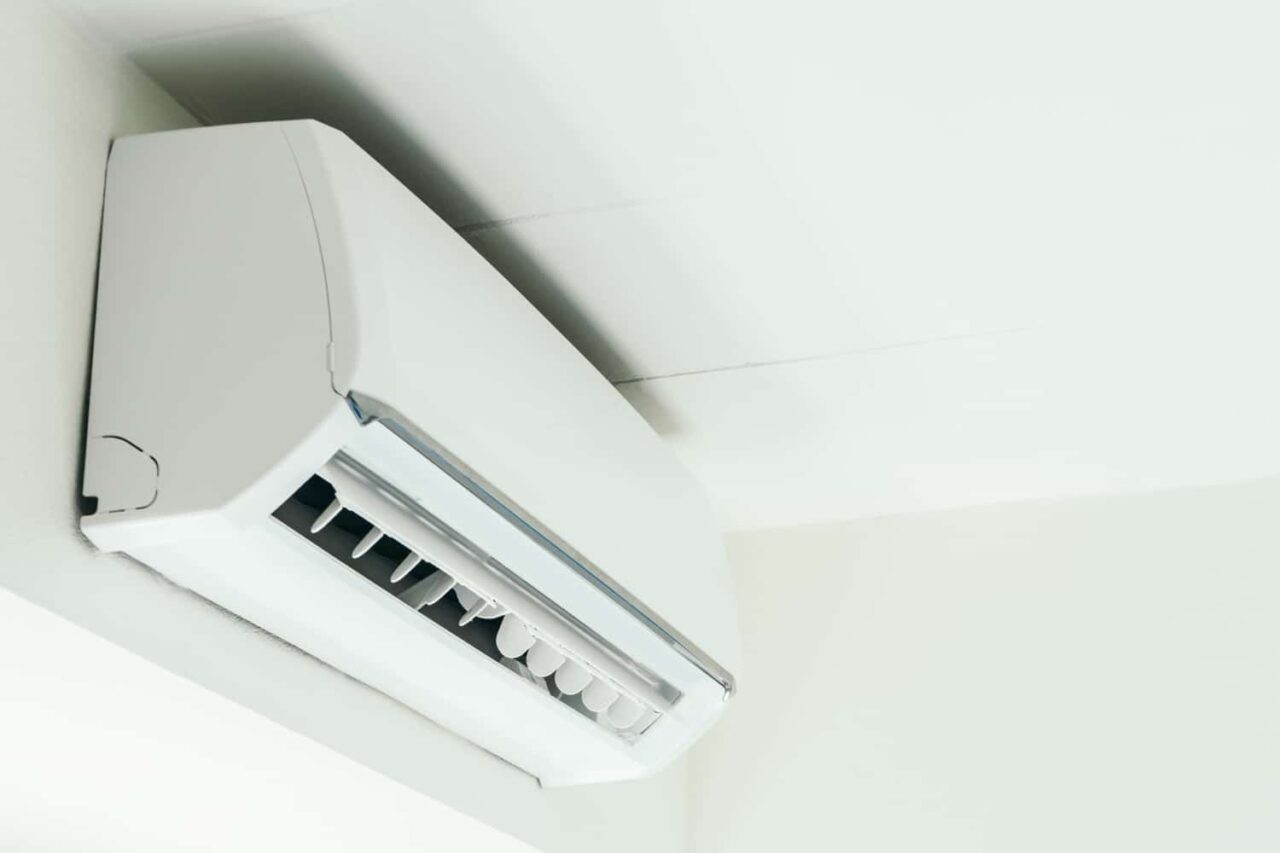
In Canada, ductless mini-split systems, sometimes called ductless heat pumps, are gaining popularity because they are energy-efficient and easy to install.

These systems have an outdoor unit and one or more indoor units that can be placed on walls or ceilings. A small conduit connects the indoor and outdoor units, containing the refrigerant lines, power cables, and condensate drain.

Pros:

Highly energy efficient, which can lead to significant cost savings on your energy bills
No need for ductwork, making them easier and less expensive to install in homes without existing ducts
Allows for individual temperature control in each room, providing personalized comfort

Cons:

It may require multiple indoor units to adequately cool larger homes, which can increase the overall cost
Aesthetically, the indoor units may not be as visually appealing as other options

3. Window Air Conditioning Units

Window air conditioning units are popular for those looking for a more affordable and temporary cooling solution. As the name suggests, these units are installed directly into a window or through a hole in an exterior wall. They draw in warm air from the room, cool it with a refrigerant, and then blow the cooled air back into the room.

Pros:

Affordable and easy to install, making them a popular option for renters and those on a budget
Can be easily removed and reinstalled in different rooms or homes as needed

Cons:

Limited cooling capacity, making them less suitable for larger homes or areas with high heat loads
It can be noisy and less energy-efficient than other options

4. Portable Air Conditioning Units

Portable air conditioning units are free-standing and can be moved from room to room. They operate similarly to window units but do not require a window for installation. Instead, they use an exhaust hose that must be vented through a window or an exterior wall.

Pros:

Flexible and convenient, as they can be easily moved to different rooms as needed
No permanent installation is required, making them suitable for renters or temporary cooling needs

Cons:

Generally less energy-efficient than other options
Limited cooling capacity and may struggle to cool larger rooms or areas with high heat loads
It can be noisy and may require frequent emptying of the condensate collection tray

Summary

Selecting the appropriate air conditioning system for your house can greatly impact your comfort and energy expenses. It’s essential to know the distinctions between central air conditioning, ductless mini-split systems, window units, and portable units to choose to cater to your requirements and financial plan.

If you need more clarification about the best choice for your residence, seek advice from a professional HVAC technician who can evaluate your unique cooling needs and suggest the most fitting system.

If you’re looking for AC maintenance in Mississauga, we can help you. Furnace Home King Services is a heating and cooling company that puts its customers first! With over 43 years of experience, you can count on us to recommend the best for your space. Start today by getting a quote online!