The Importance of Regular HVAC Maintenance for Comfort and Savings
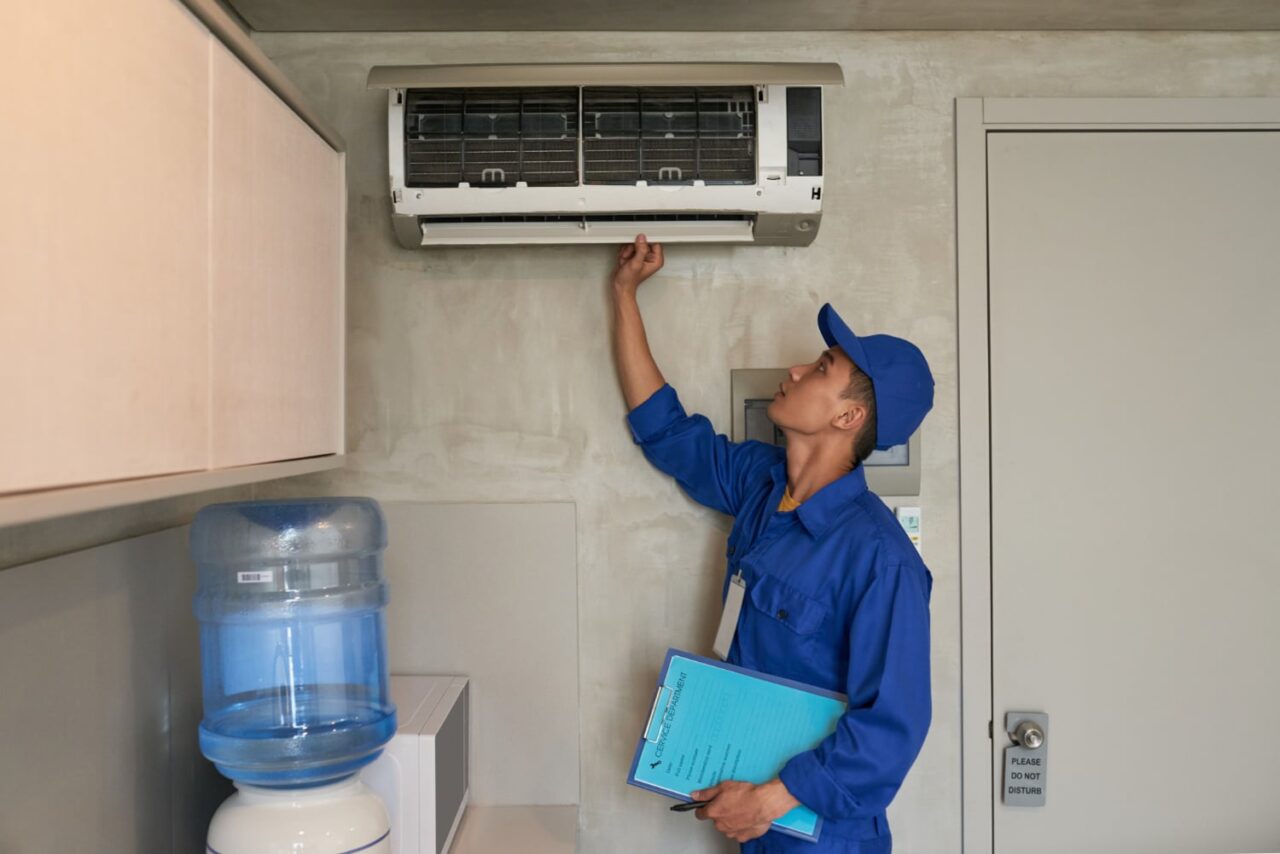
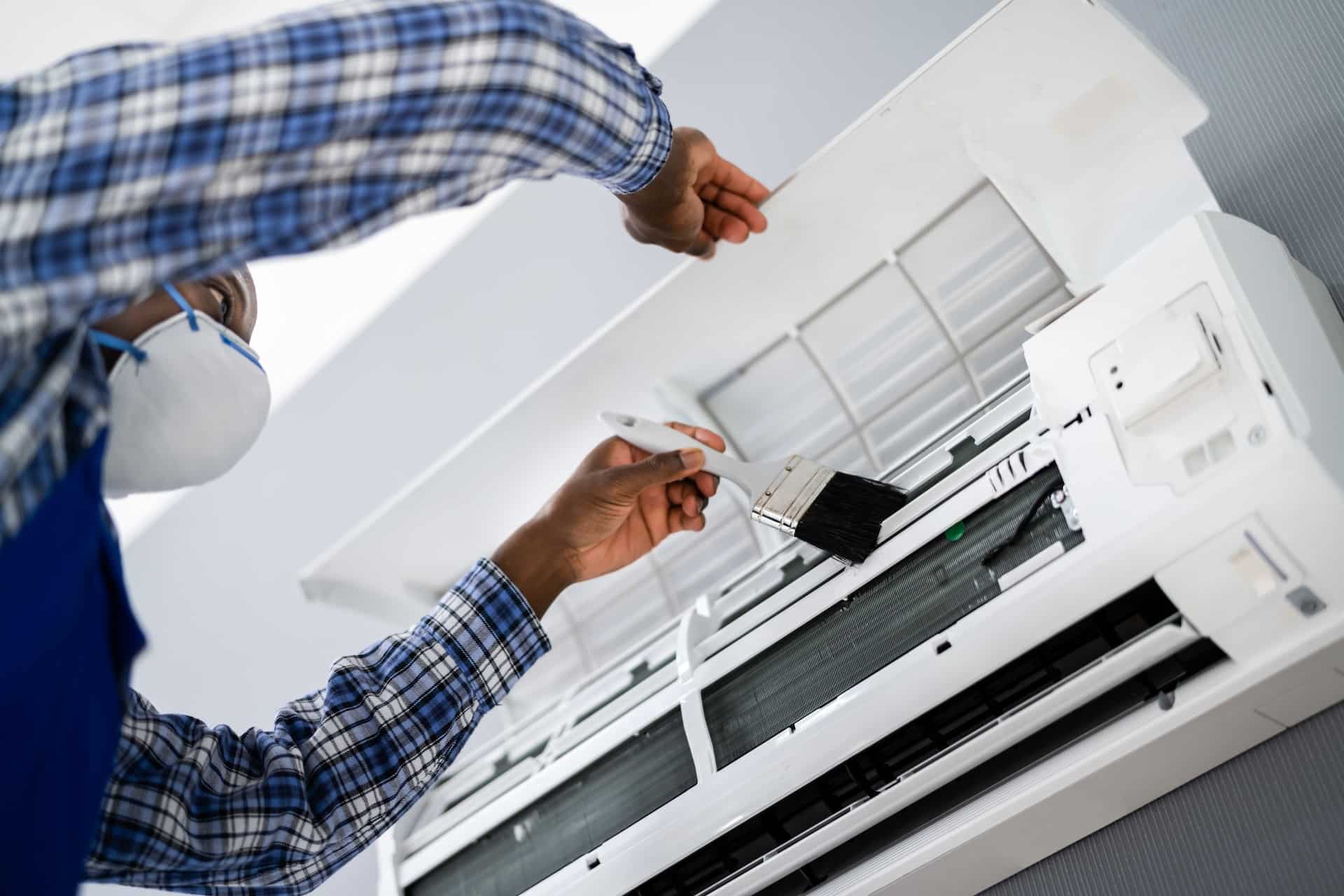
hvac maintenance

Maintaining a comfortable and healthy home environment is essential for the well-being of your family. A key factor contributing to this is the efficiency of your heating, ventilation, and air conditioning (HVAC) system.

At Furnace King, we understand the importance of regular HVAC maintenance for optimal comfort and savings. In this blog, we will delve into the numerous benefits of regular HVAC maintenance and provide essential tips for keeping your systems in top shape all year round.

Benefits of Regular HVAC Maintenance

1. Increased Energy Efficiency and Savings

One of the most striking advantages of regular HVAC maintenance is increased energy efficiency, which translates into cost savings on your utility bills. When your heating and cooling systems are well-maintained, they consume less energy while providing the same level of comfort.

According to Natural Resources Canada, a well-tuned HVAC system can improve your energy efficiency by up to 20%. By scheduling routine maintenance visits from Furnace King professionals, you can keep your HVAC system running at peak performance and significantly reduce your monthly energy costs.

2. Enhanced Indoor Air Quality

Your HVAC system plays a vital role in maintaining excellent indoor air quality (IAQ) within your home. Dust, allergens, and other contaminants can accumulate within your heating and cooling components, negatively impacting the air quality and potentially causing health issues for you and your family.

Regular HVAC maintenance ensures that your system remains clean and filters are replaced, effectively reducing airborne pollutants and maintaining a healthy living environment.

3. Improved System Reliability and Reduced Risk of Breakdowns

Unexpected breakdowns of your HVAC system are not only inconvenient but can also lead to costly repairs or replacements. Regular maintenance ensures that potential issues are caught early, reducing the risk of sudden system failures and providing you with peace of mind. A well-maintained HVAC system is more reliable and can save you from costly emergency service calls.

4. Extended Equipment Lifespan

When your HVAC system is regularly maintained, it can prolong the lifespan of your equipment. Preventive maintenance helps to identify and rectify minor issues before they escalate into major problems, reducing wear and tear on your heating and cooling components. Ultimately, this means you can maximize your returns on investment and delay the need for costly replacements.

Essential Maintenance Tips for Your HVAC System

1. Schedule Regular Professional Inspections

One of the best ways to ensure the longevity of your HVAC system is to schedule regular inspections from licensed professionals. At Furnace King, we recommend annual inspections for your furnace and air conditioner to detect potential issues and provide expert recommendations on how to optimize their performance.

2. Replace Filters Regularly

Dirty or clogged filters can significantly impede the efficiency of your HVAC system, leading to increased energy consumption and diminished indoor air quality. Make sure to replace or clean your filters at least once every three months—or more frequently if you have pets or allergies.

3. Inspect Ducts for Leaks and Seal Properly

Leaks in your ductwork can waste a significant amount of energy and often go unnoticed. Regularly inspecting your ducts and sealing any leaks can greatly improve your HVAC system’s efficiency and help maintain consistent indoor comfort.

4. Keep Outdoor Units Clean and Obstruction-Free

Outdoor units like your air conditioner and heat pump can accumulate debris, leaves, and other obstructions that impact their performance. Ensure that your outdoor units are clean and clear of debris to maintain optimal airflow and efficiency.

Schedule HVAC Maintenance with Furnace King

A well-maintained heating, ventilation, and air conditioning (HVAC) system is crucial to maintaining a comfortable and healthy home environment. When your HVAC system is working efficiently, it can help you save money, protect the environment, and increase your home’s value by conserving energy. 

At Furnace King Home Services, we believe that regular HVAC maintenance is the key to a comfortable, healthy, and energy-efficient home. By prioritizing routine inspections, filter replacements, and overall system upkeep, you can enjoy benefits such as reduced utility bills, improved indoor air quality, increased system reliability, and extended equipment life. With over 43 years of experience, our team of experts is ready to provide you with the high-quality service and education you deserve, ensuring your home remains comfortable and cost-effective all year. Contact us today to learn more about our heating, ventilation, and air conditioner maintenance in Brampton and join countless satisfied homeowners in achieving optimal comfort and savings with Furnace King Home Services!

Choosing the Right Indoor Air Filtration System for Your Home

home air filtration

Indoor air quality is a crucial factor in maintaining the health and comfort of your living environment, especially when considering the considerable amount of time we spend indoors. Pollutants such as dust, pet dander, and allergens can be present in the air within your home, potentially causing discomfort or health issues for you and your family.

At Furnace King, we understand the importance of having a clean, healthy indoor environment, which is why we specialise in indoor air filtration systems. Our knowledgeable team of professionals is here to guide and educate you on choosing the right air filtration system for your needs, ensuring a fresh and comfortable atmosphere within your home.

Air filtration systems work by removing airborne contaminants from the air within your home, reducing pollutants, and improving air quality. There are various types of air filtration systems to choose from, each with distinct features, advantages, and best uses. It’s essential to understand the different air filtration methods and technologies to decide on the most suitable system for your home and specific needs.

In this blog, we will discuss the various types of air filtration systems, their benefits, and how to choose the right system for your home. 

Understanding Different Types of Air Filtration Systems

1. Mechanical Air Filters

Mechanical air filters are one of the most common types of air filtration systems and work by capturing airborne particles using a mesh or fibrous filter material. They are highly effective at removing dust, pet dander, and other large particles from the air.

The most popular type of mechanical filter is the High-Efficiency Particulate Air (HEPA) filter, which can capture up to 99.97% of particles as small as 0.3 microns, making it particularly effective for allergy sufferers.

2. Electronic Air Cleaners

Electronic air cleaners, such as electrostatic precipitators or ionisers, use electrical charges to remove particles from the air. Electrostatic precipitators work by sending an electric charge through the air to attract oppositely charged particles onto a metal collection plate, while ionisers generate ions that attach to airborne particles, causing them to settle and be removed from the air. Electronic air cleaners are most effective at removing fine particles, such as smoke, and can be combined with mechanical filters for comprehensive air filtration.

3. Ultraviolet Germicidal Irradiation (UVGI) Cleaners

UVGI cleaners use ultraviolet (UV) light to kill or inactivate microorganisms like bacteria, viruses, and mould spores. While not effective against non-living particles such as dust or pet dander, UVGI systems can significantly improve your home’s air quality by reducing harmful pathogens. UVGI cleaners are commonly used in combination with other air filtration methods for comprehensive air cleaning.

4. Activated Carbon Filters

Activated carbon filters use porous carbon to adsorb chemical pollutants, odours, and gases from the air. They are particularly effective against volatile organic compounds (VOCs), which are emitted from household products like paint, cleaning supplies, and air fresheners. Activated carbon filters are often combined with other types of air filtration systems to address a broader range of indoor air pollutants.

Factors to Consider When Choosing an Air Filtration System

1. Your Specific Air Quality Concerns

Consider your specific air quality needs and concerns when selecting an air filtration system. For example, if you or a family member suffers from allergies, a HEPA filter may be the most effective solution, while a UVGI system might be better suited for a home with concerns about mould or bacteria. Understand your home’s unique needs and select an air filtration system that addresses those concerns most effectively.

2. The Size of Your Home

The size of your home is an important factor to consider when choosing an air filtration system. Ensure that the system you select is capable of handling the square footage of your home for optimal effectiveness. Some air filtration systems may require installation in each room, while others can be part of your central HVAC system for whole-home air purification.

3. Energy Efficiency

Energy efficiency is a crucial consideration when selecting an air filtration system. Look for systems with an ENERGY STAR® rating, as these products consume less energy while still providing effective air cleaning. Energy-efficient air filtration systems can help reduce both your environmental impact and your utility bills.

4. Maintenance and Replacement Costs

Consider the ongoing maintenance and replacement costs associated with your chosen air filtration system. Some systems may require more frequent filter replacements or cleaning than others, which can impact your budget over time. Investigate the estimated lifetime of filters or system components and the cost of replacement to keep long-term expenses in mind.

Keep You and Your Family Safe with Good Air Quality

By considering different types of air filtration systems, your unique air quality concerns, and factors such as home size, energy efficiency, and maintenance costs, we can help you create a comfortable, fresh, and healthy atmosphere within your home. 

At Furnace King, we understand the importance of maintaining a clean, healthy living environment for you and your family. With over 43 years of experience, our team of professionals is here to guide and educate you on choosing the right indoor air filtration system tailored to your specific needs.

Discover how Furnace King can help you breathe easier and live better! Contact us today to learn more about our indoor air quality solutions, and request a free quote!

The Benefits of Tankless Water Heaters and How to Choose the Right One

tankless water heater

Hot water is crucial for many everyday tasks — from taking showers and washing dishes to running your washing machine. A reliable and efficient hot water system is, therefore, essential for any home. Historically, traditional water heaters with storage tanks were the most common solution. However, tankless water heaters are a modern alternative offering numerous advantages, including energy efficiency, longevity, and space savings.

Tankless water heaters, also known as on-demand or instantaneous heaters, work by directly heating water as it flows through the device rather than storing hot water like a traditional heater. 

When a hot water tap is turned on, cold water is piped through the unit, and a gas burner or electric element heats the water instantaneously, ensuring a constant supply of hot water. This fundamental difference to traditional, tank-based heaters offers a range of benefits that can improve both the efficiency of your home and the comfort of your lifestyle.

In this blog, we will explore the unique benefits that tankless water heaters bring to your home. We will then provide an expert guide to navigate the myriad of options on the market and help you select the perfect tankless water heater that fits your unique needs and budget.

Advantages of Tankless Water Heaters

1. Energy Efficiency

One of the main benefits of tankless water heaters is their energy efficiency. Traditional water heaters that rely on storage tanks are constantly heating and reheating the water, leading to significant energy waste.

In contrast, tankless models only heat the water when needed, resulting in considerable energy savings and reduced utility bills. Depending on your usage, a tankless water heater can save you up to 30-50% on your energy bill compared to a conventional water heater.

2. Continuous Hot Water Supply

A tankless water heater ensures a constant hot water supply, so you’ll never have to worry about running out during peak usage times. Traditional systems, with their limited storage capacity, can leave you waiting for the water to reheat during periods of high demand. Tankless heaters provide hot water on-demand, making them an ideal choice for families with multiple users or those who desire luxuriously long showers.

3. Space Savings

Tankless systems are significantly smaller than their storage-tank counterparts, making them ideal for homes with limited space. These compact units can be wall-mounted and installed in a variety of locations within your home, including closets, cabinets, and even outside walls. This space-saving feature helps you make the most of your home’s square footage.

4. Longer Lifespan

Tankless water heaters typically have a longer lifespan than traditional water heaters, with many models lasting 20 years or more, compared to an average lifespan of 10-15 years for conventional units. This increased longevity helps offset the higher initial cost of a tankless heater, ensuring you get more value from your investment over time.

Choosing the Right Tankless Water Heater

1. Determine Your Hot Water Demand

To select the right tankless water heater, it’s essential to determine your home’s hot water needs. Calculate the total flow rate — measured in gallons per minute, or GPM — by adding up the flow rates of all the fixtures you expect to use simultaneously. Choose a tankless water heater with a maximum flow rate that meets or exceeds your calculated demand.

2. Evaluate Fuel Types

Tankless water heaters can be powered by natural gas, propane, or electricity. Gas-powered models typically have a higher flow rate and are more efficient, but they may require additional venting or gas line installation. Electric models are generally easier to install but may require upgrading your home’s electrical service depending on the unit’s demand. Evaluate the fuel types available in your area and the installation requirements when choosing a tankless water heater.

3. Account for Local Climate Conditions

In colder climates, the temperature of the incoming groundwater may be lower, which can affect a tankless water heater’s performance and efficiency. Be sure to choose a model with a sufficient temperature rise capability, ensuring it can efficiently heat the water to your desired temperature even during the coldest months.

Invest in Tankless Water Heaters for Ultimate Comfort

Tankless water heaters provide an array of advantages over traditional models, making them an excellent choice for energy-conscious homeowners seeking a reliable, efficient hot water system. Understanding the benefits and carefully evaluating the options available, such as hot water demand, fuel types, energy efficiency ratings, and local climate conditions, will help you choose the perfect system tailored to your unique needs and budget.

At Furnace King, with over 43 years of industry experience, our team of heating and cooling professionals is committed to ensuring your home is comfortable and efficient. From energy-efficient residential furnaces and air conditioners to indoor air filtration systems, duct cleaning services, and indoor humidification, we’ve got you covered. Our dedication to customer satisfaction, quality products, and guaranteed services makes us the company to trust when upgrading your hot water system.

Contact us today to learn more about tankless water heater installation in Mississauga and the Greater Toronto Area!

Proper Indoor Humidification Solutions: How Do They Elevate Comfort

woman working at home beside humidifier

Your home should provide a comfortable environment for you and your family to enjoy, regardless of the season. One aspect that significantly impacts your indoor comfort is the humidity level. With Canadians spending about 90% of their time indoors, maintaining proper humidity levels becomes crucial to create a healthy and comfortable living space. Furnace King offers high-quality indoor humidification solutions, helping homeowners find the perfect moisture balance.

Humidity refers to the amount of moisture in the air, which plays a vital role in your home’s overall indoor air quality. Extreme humidity levels, whether too high or too low, can lead to several problems affecting your home and your family’s well-being. High humidity can encourage mold growth and increase the proliferation of dust mites and other allergens. In contrast, low humidity can cause various health issues related to dry skin, irritation, and increased susceptibility to respiratory illnesses.

Proper indoor humidification ensures your home maintains an ideal humidity level, usually 30-50%. Installing a well-designed and efficient humidification system can help you achieve the perfect balance–promoting enhanced comfort, reduced risk of health issues, and even protection for your home’s structure and furnishings.

In this blog, we will discuss the importance of maintaining indoor humidity levels and provide a comprehensive guide to selecting the right indoor humidification solution for your home. With our vast experience, Furnace King will assist you in choosing the most suitable system tailored to your unique needs, preferences, and budget.

With over 43 years of expertise in the heating and cooling industry, Furnace King is committed to delivering top-tier services, including installing energy-efficient residential furnaces, tankless water heaters, and air conditioners, as well as providing indoor air filtration, duct cleaning, and indoor humidification solutions. Your comfort and satisfaction are our top priority, and we guarantee all our work and services to ensure your home stays comfortable and efficient all year.

Boost Your Home Comfort with Proper Indoor Humidification Solutions

Understanding the importance of proper indoor humidity levels is essential for maintaining a comfortable and healthy living environment. Continuing our introduction, let’s explore the benefits of correct humidity, problems associated with imbalanced moisture, and expert tips for selecting the right humidification solution for your home.

Benefits of Proper Indoor Humidity

Enhanced Comfort

A well-humidified home feels more comfortable due to the improved balance of moisture in the air. Proper humidity levels help maintain a consistent indoor temperature, preventing some discomfort associated with dry air, such as itchy skin, chapped lips, and scratchy throats.

Healthier Living Environment

Balancing indoor humidity reduces the risk of several health-related concerns. Lower humidity can exacerbate respiratory illnesses, allergies, and sinus issues, while higher humidity can promote mold growth and the proliferation of allergens. Maintaining an ideal humidity level contributes to a healthier living environment for you and your family.

Protection for Your Home and Furnishings

Fluctuations in humidity can cause damage to your home’s structure and furnishings. Excessive moisture can lead to mold, mildew, and wood rot, while low humidity can cause wooden furniture, floors, and building materials to crack or warp. Proper humidification helps protect your home and its contents from these issues.

Understanding the Problems of Imbalanced Humidity

High Humidity Concerns

When humidity levels are too high, excess moisture can cause various issues, including:

  • Mold and mildew growth
  • Increased allergens and dust mite activity
  • Condensation on windows, walls, or ceilings
  • A musty or damp smell

These issues can lead to respiratory problems, allergic reactions, and even structural damage to your home.

Low Humidity Concerns

On the other hand, low humidity can also cause several problems, such as:

  • Dry and itchy skin, eyes, and throat
  • Respiratory irritation and increased susceptibility to illness
  • Static electricity buildup
  • Damage to wood furniture, floors, and musical instruments
  • Difficulty maintaining consistent indoor temperatures

Low humidity can be particularly problematic during the cold, dry Canadian winter.

Expert Tips for Choosing the Right Indoor Humidification Solution

1. Assess Your Home’s Humidity Needs

Before selecting a humidification system, assessing your home’s specific humidity needs is essential. You can use a hygrometer to measure the current humidity level in your home. If the level is consistently below 30% or above 50%, it’s time to consider investing in a proper humidification solution.

2. Compare Types of Humidifiers

Several types of humidifiers are available on the market, each with advantages and disadvantages. Common types include central (whole-house), evaporative, and ultrasonic humidifiers. Research each option to determine the best fit for your needs, preferences, and budget.

3. Consult a Professional

When selecting a humidification system, consulting with an expert in heating and cooling, like Furnace King, can be beneficial. With over 43 years of experience, our team can evaluate your home, discuss your needs, and recommend a suitable solution that fits your requirements.

4. Consider Maintenance Requirements

Humidifiers require regular maintenance to maintain peak performance like any other heating or cooling appliance. Choose a humidification system with easily accessible components and straightforward maintenance requirements to ensure hassle-free operation.

Conclusion

Maintaining proper indoor humidity levels is crucial in creating a comfortable and healthy living environment for you and your family. By understanding the benefits of balanced humidity, recognizing potential issues caused by imbalanced moisture levels, and following our expert tips for choosing the right indoor humidification solution, you can elevate your home’s comfort and enjoy an ideal living space all year round.

Furnace King offers a diverse range of services, such as residential furnaces, tankless water heaters, air conditioners, indoor air filtration systems, duct cleaning services, and indoor humidification solutions. We’re dedicated to your comfort and satisfaction. Contact us today to learn more about our indoor humidification solutions and furnace installation in Brampton. Discover how we can enhance your home’s comfort and indoor air quality! 

Ultimate Guide to Energy-Efficient Residential Furnaces

residential homes

As Canadian homeowners, we understand the importance of having an efficient heating system to keep us warm and comfortable during our harsh winters. Furnace King, a heating and cooling company in Mississauga, strives to provide customers with the highest quality services and education, ensuring that homeowners make informed decisions when it comes to selecting, installing, and maintaining their residential furnaces. 

With over 43 years of experience in the industry, our team of professionals is dedicated to helping homeowners choose the right furnace system to fit their requirements and budget.

Energy-efficient residential furnaces are an excellent investment for homeowners seeking to reduce their heating bills, minimize environmental impact, and maintain optimal comfort levels throughout the cold season. In this blog post, we will explore the benefits of energy-efficient furnaces, discuss essential features to look for, and provide expert tips on selecting the best furnace for your home.

Furnace King’s comprehensive range of services includes the installation of energy-efficient residential furnaces, tankless water heaters, air conditioners, indoor air filtration systems, duct cleaning services, and indoor humidification solutions. We pride ourselves on delivering high-class service and guaranteeing all our work and services. Our dedication to customer satisfaction ensures that each client receives personalized attention and tailored solutions for their unique needs.

Join us as we delve into the world of energy-efficient residential furnaces and discover how the experienced professionals at Furnace King can help you save money on heating bills, stay warm and comfortable during the winter months, and contribute to a greener, more sustainable future.

Energy efficiency is a top priority for many Canadian homeowners seeking to minimize heating costs and reduce their environmental impact. In this blog, we will examine the benefits of energy-efficient furnaces, discuss essential features to consider, and provide expert tips on selecting the ideal furnace for your home.

Benefits of Energy-Efficient Residential Furnaces

Cost Savings

One of the most significant advantages of investing in an energy-efficient furnace is the potential cost savings on heating bills. Efficient furnaces use less energy to generate the same heat, lowering energy consumption and saving you money in the long run.

Environmentally Friendly

Energy-efficient furnaces emit fewer greenhouse gases, making them a more environmentally friendly home heating choice. Investing in an efficient furnace can contribute to a greener, more sustainable future.

Enhanced Home Comfort

Energy-efficient furnaces distribute heat more evenly throughout your home, providing consistent, comfortable temperatures during the winter months. This consistent warmth improves overall home comfort and may even prolong the life of your heating system by reducing wear and tear.

Essential Features to Look for in Energy-Efficient Furnaces

High AFUE Rating

The Annual Fuel Utilization Efficiency (AFUE) rating measures a furnace’s efficiency in converting fuel to heat. A higher rating indicates better efficiency. Look for Energy Star-certified furnaces with an AFUE rating of 90% or higher for optimal energy savings.

Modulating Burner

A modulating burner adjusts its heat output based on your home’s heating needs, providing more efficient and precise temperature control. This feature helps to maintain consistent comfort levels while reducing energy consumption.

Variable-Speed Blower Motor

A variable-speed blower motor adjusts its speed according to your home’s heating demands. This feature not only enhances energy efficiency but also contributes to a quieter operation and improved indoor air quality.

Two-Stage Heating

Two-stage heating allows the furnace to operate at both high and low heat outputs, adjusting based on your home’s needs. This feature ensures that the furnace uses the minimum energy required to maintain comfort levels while reducing temperature fluctuations and energy consumption.

Expert Tips for Selecting the Right Energy-Efficient Furnace

1. Assess Your Home’s Heating Requirements

Before selecting an energy-efficient furnace, consider your home’s size, insulation, and climate. Consulting a professional heating and cooling expert, like Furnace King, can help you determine the ideal furnace size and features necessary to meet your specific needs.

2. Look for Quality Brands and Warranties

Investing in a reputable brand with a solid warranty can ensure the reliability and longevity of your energy-efficient furnace. Furnace King works with leading furnace manufacturers and provides comprehensive warranties for peace of mind.

3. Factor in Installation Costs

The overall cost of an energy-efficient furnace includes not only the unit’s price but also the cost of installation. Be sure to factor in these costs when comparing furnace options, and look for a professional installer, like Furnace King, to ensure proper installation.

4. Schedule an Energy Audit

Having a professional energy audit of your home can help you identify any areas of energy loss, such as insufficient insulation or air leaks. Addressing these issues before installing a new, energy-efficient furnace can maximize your potential energy savings.

Conclusion

Investing in an energy-efficient residential furnace is a smart decision for Canadian homeowners looking to save money on heating costs, reduce their environmental impact, and maintain a comfortable living environment. By understanding the benefits of energy-efficient furnaces, familiarizing yourself with key features, and following our expert tips for selecting the most suitable furnace, you can make an informed decision and enjoy a warmer, more cost-effective home.

Furnace King is dedicated to helping homeowners make the best choices for their heating and cooling needs. Contact Furnace King today to learn more about our energy-efficient residential furnace options and discover how we can help you save money, stay warm, and contribute to a more sustainable future. Request a quote on furnace installation in Mississauga today! 

Tankless Water Heaters: Benefits and Features for an Eco-Friendly Home

water from shower

Canadian homeowners recognize that a reliable and efficient water heater is essential for maintaining a comfortable and eco-friendly living environment. Furnace King, a Mississauga-based heating and cooling company, is dedicated to providing top-notch service and education to clients seeking advice and solutions for their heating, cooling, and hot water needs.

One increasingly popular option for homeowners is the tankless water heater, which has numerous benefits over traditional storage tank water heaters. These systems offer energy efficiency, lower long-term operating costs, and space-saving designs, making them an attractive choice for many households. In this blog post, we’ll explore the advantages of tankless water heaters, explain how they work, and provide expert guidance on selecting the ideal system for your home.

Furnace King offers a comprehensive selection of services, including installing energy-efficient residential furnaces, tankless water heaters, air conditioners, indoor air filtration systems, duct cleaning services, and indoor humidification. We are committed to delivering the highest quality service and ensuring our clients feel educated, supported, and satisfied with their heating and cooling solutions.

Join us as we dive into the world of tankless water heaters and discuss how investing in this innovative technology can save space, energy, and money while contributing to an eco-friendly Canadian household.

What Are the Tankless Water Heaters? 

Tankless water heaters, also known as on-demand or instantaneous water heaters, are gaining popularity among Canadian homeowners for their numerous benefits, including energy efficiency, cost savings, and space-saving design. In this blog, we will explore the advantages of tankless water heaters, explain how they work, and provide expert guidance on selecting the ideal system for your home.

Advantages of Tankless Water Heaters

Energy Efficiency

One of the primary benefits of tankless water heaters is their energy efficiency. Traditional storage tank water heaters constantly expend energy to maintain the temperature of stored water, resulting in standby heat loss. In contrast, tankless water heaters only heat the water when needed, significantly reducing energy consumption and saving you money on energy bills.

Space-Saving Design

Traditional water heaters require a significant amount of space for the storage tank. Tankless water heaters, however, do not require a tank and have a compact design that can be easily mounted on walls, freeing up valuable floor space in your home.

Endless Hot Water Supply

Since tankless water heaters heat water on demand, you will never run out of hot water during peak usage. This continuous hot water supply ensures all household members a comfortable and convenient experience.

Longer Lifespan

Tankless water heaters typically have a longer lifespan than traditional storage tank water heaters, making them a more cost-effective choice. With proper installation and maintenance, tankless water heaters can last up to 20 years.

How Tankless Water Heaters Work

Tankless water heaters use either gas or electricity to heat water on demand instead of storing it in a tank. When you turn on a hot water tap, cold water travels through a pipe and into the unit. In gas-powered systems, a gas burner heats the water, while electric models use an electric element to heat the water.

As the water flows through the heat exchanger, it quickly reaches the desired temperature and is delivered to the tap. The unit shuts down once the hot water tap is turned off, and energy consumption stops, ensuring maximum efficiency.

Selecting the Ideal Tankless Water Heater for Your Home

Determine Fuel Type

Choose between a gas-powered or electric tankless water heater based on your home’s energy sources. Gas-powered units often have a higher flow rate and capacity, while electric models are typically more energy efficient and easier to install.

Calculate Flow Rate and Temperature Rise

When selecting a tankless water heater, it’s essential to consider the flow rate (measured in gallons per minute or GPM) and the temperature rise required for your home. Flow rate represents the amount of hot water the unit can produce. At the same time, the temperature rise refers to the difference between the incoming cold water temperature and the desired hot water temperature. Consult a heating and cooling professional, like Furnace King, to help you determine your home’s specific requirements.

Check Energy Efficiency Ratings

Look for energy-efficient tankless water heaters with ratings of high Energy Factor (EF) or Uniform Energy Factor (UEF). These ratings indicate the unit’s overall efficiency in converting energy into hot water. Higher ratings result in more energy and cost savings.

Consider Installation and Maintenance

When selecting a tankless water heater, it’s crucial to factor in installation and maintenance requirements. Professional installation by a reputable company like Furnace King ensures that your tankless water heater functions optimally and efficiently. Regular maintenance, such as annual inspections and sediment flushing, is crucial for maintaining system performance and longevity.

Conclusion

Investing in a tankless water heater is wise for Canadian homeowners seeking an energy-efficient and eco-friendly solution for their hot water needs. The numerous benefits of tankless water heaters, such as energy savings, compact design, and endless hot water, make them an attractive option for upgrading your home’s water system.

Get in touch with Furnace King today and take the first step towards a more energy-efficient and eco-friendly home! Our tankless water heaters are the perfect solution to save space and money while enjoying reliable hot water. Contact us now to learn more about tankless water heater installation, and let us help you find the ideal heating, cooling, and hot water solutions for your home.

Home Sweet, Allergy-Free Home: Tips for Indoor Allergy Relief

clean bedroom

Indoor allergies are a common problem for many homeowners. These allergies are caused by indoor allergens such as dust mites, pet dander, mould, and pollen, which can trigger allergic reactions in sensitive individuals. Understanding indoor allergies and how to improve indoor air quality can help relieve symptoms and improve the quality of life for those affected.

Understanding Indoor Allergies

Indoor allergies are caused by inhaling allergens that can cause the body’s immune system to overreact. When the immune system overreacts, it triggers the release of histamines, which can cause a range of symptoms such as sneezing, itchy eyes, runny nose, and coughing. These symptoms can range from mild to severe and significantly impact a person’s quality of life.

The most common indoor allergens are dust mites, pet dander, mould, and pollen. Dust mites are tiny insects that live in dust and can cause allergic reactions when their fecal matter and dead bodies become airborne. Pet dander is made up of tiny skin flakes shed by pets and can cause allergic reactions in sensitive individuals. Mould can grow in damp areas of the home and release spores, triggering allergic reactions. Pollen can also enter the home through open windows and doors and cause allergic reactions in sensitive individuals.

Improving Indoor Air Quality for Indoor Allergy Relief

Improving indoor air quality can help reduce exposure to indoor allergens and relieve symptoms of indoor allergies. Here are some tips for improving indoor air quality:

1. Keep the Home Clean

Regular cleaning is essential for reducing exposure to indoor allergens. Vacuuming carpets and upholstery regularly can remove dust mites and pet dander. A HEPA filter in the vacuum can help trap allergens and prevent them from becoming airborne. Dusting and wiping surfaces with a damp cloth can also help remove allergens.

2. Control Humidity Levels

Mould thrives in damp environments, so controlling humidity levels in the home is essential for preventing mould growth. Using a dehumidifier in damp areas of the home can help reduce humidity levels and prevent mould growth. Remember to keep your home well-ventilated to help reduce humidity levels.

3. Use an Air Purifier

Using an air purifier can help remove indoor allergens from the air and improve indoor air quality. Air purifiers with HEPA filters can remove airborne allergens like dust mites, pet dander, and pollen. They can also help reduce the number of mould spores in the air.

4. Wash Bedding Regularly

Dust mites thrive in bedding, so washing bedding can help reduce exposure to dust mites. Washing bedding in hot water can kill dust mites and remove their fecal matter and dead bodies. You can use allergen-proof covers on mattresses and pillows to help reduce exposure to dust mites.

5. Keep Pets Out of Bedrooms

Keeping pets out of bedrooms can help reduce exposure to pet dander. Pet dander can accumulate in bedding and carpets and become airborne, triggering allergic reactions. Keep your pets off your furniture to help reduce exposure to pet dander.

6. Natural Cleaning Products

Natural cleaning products can help reduce exposure to harsh chemicals irritating the respiratory system. Moreover, natural cleaning products such as vinegar, baking soda, and lemon juice can be used to clean surfaces and remove stains.

Conclusion

Indoor allergies can be a significant problem for many, especially during the colder months when they spend more time indoors. Understanding indoor allergies and how to improve indoor air quality can help reduce exposure to indoor allergens and relieve symptoms of indoor allergies. By following these tips, homeowners can improve the quality of life for those affected by indoor allergies.

If you’re looking to improve the air quality in your home with a HEPA filtration system, look no further than Furnace King Home Services. Our team of experienced professionals is dedicated to ensuring your home stays comfortable and healthy all year round. Trust us to get the job done right. Get a quote today!

Top Tips to Help You Reduce the Strain on Your AC System

professional cleaning ac

Air conditioning systems are a necessity during the summer months, providing a haven of cool air amidst the sweltering heat. However, excessive usage can lead to strain on the system, which could result in breakdowns or higher energy bills. Fortunately, there are several ways to reduce the strain on your AC system.

Regular Maintenance

One of the best ways to reduce the strain on your AC system is by scheduling regular maintenance appointments with a professional HVAC technician. During these appointments, the technician will inspect your AC unit, clean any dirty components, and make any necessary repairs or adjustments. This will help ensure that your AC system is running at its optimal level, reducing the strain on the system and potentially prolonging its lifespan.

Change Filters Regularly

Air filters play a crucial role in keeping your AC system running smoothly. They help to keep dust, dirt, and other particles from clogging up the system, which can lead to strain and higher energy bills. It is recommended that you change your air filters every three months or more frequently if you have pets or suffer from allergies. A clogged air filter can make your AC system work harder than it needs to, leading to excessive strain and higher energy bills.

Use a Programmable Thermostat

A programmable thermostat is a great way to reduce the strain on your AC system. With a programmable thermostat, you can set your AC system to turn on and off automatically at certain times of the day. This means that you can set your system to turn off when you are not at home and turn it on again just before you return, reducing the amount of time your AC system is running and therefore reducing the strain on the system. You can also set your thermostat to adjust the temperature at different times of the day, such as lowering the temperature at night when it is cooler outside.

Use Ceiling Fans

Ceiling fans are a great way to circulate air throughout your home, which can help reduce the strain on your AC system. By using ceiling fans, you can create a cool breeze that will help you feel more comfortable without having to rely solely on your AC system. This can help reduce the amount of time your AC system is running, which can help reduce the strain on the system. Remember to turn off your ceiling fans when you leave the room, as they cool people, not rooms.

Seal Windows and Doors

One of the simplest ways to reduce the strain on your AC system is by sealing your windows and doors. This will help prevent cool air from escaping your home and warm air from entering, which means that your AC system will not have to work as hard to keep your home cool. You can use weatherstripping or caulking to seal any gaps or cracks around your windows and doors. You can also use curtains or blinds to block out the sun during the hottest parts of the day.

Consider Upgrading Your AC System

If your AC system is old or outdated, it may be time to consider upgrading to a newer, more energy-efficient model. Newer AC systems are designed to use less energy, which means that they are less likely to experience strain and breakdowns. They also come with features like programmable thermostats and variable-speed fans, which can help you control your energy usage and reduce the strain on your system.

Final Thoughts

Reducing the strain on your AC system is essential to ensure it runs smoothly and efficiently while also saving you money on energy bills. By scheduling regular maintenance appointments, changing your air filters regularly, using a programmable thermostat, using ceiling fans, sealing your windows and doors, and upgrading your AC system if necessary, you can help reduce the strain on your AC system and potentially prolong its lifespan. Remember, a well-maintained and efficient AC system will not only save you money but it will also keep you cool and comfortable during the hot summer months.

Reduce the strain on your AC system with the help of Furnace King Home Services. We are a heating and cooling company that provides AC maintenance in Mississauga. We pay close attention to details, and we guarantee all of our work and services. Get a quote now!

A Complete Guide to Scheduling HVAC Service in Canada

air conditioning

As the temperatures begin to rise, homeowners in Canada have to ensure their HVAC systems are in top condition to keep their homes cool. One of the best ways to ensure this is by scheduling regular air conditioner maintenance. Here’s a guide to help you schedule HVAC service in Canada.

Why Schedule HVAC Service?

Regular HVAC service is essential to ensure your system runs efficiently and lasts longer. It can also help identify potential problems early, reducing the risk of costly repairs in the future. Additionally, regular maintenance can help improve indoor air quality by cleaning air filters and removing dust and debris from the system.

How Often Should You Schedule Service?

Most HVAC experts recommend scheduling service at least once a year. However, the frequency may vary depending on the age of your system, usage, and other factors. If you have an older system or live in an area with high pollen or air pollution, you may need to schedule service more frequently.

Choosing a Service Provider

When it comes to selecting a service provider, it’s crucial to take the time to do your research. After all, your HVAC system is a significant investment in your home, and you want to ensure it is well-maintained and running efficiently. Here are some key factors to consider when choosing an HVAC service provider:

1. Experience: One of the first things to look for in an HVAC service provider is their experience in the industry. A company that has been around for several years is more likely to have the knowledge and expertise to handle various HVAC systems.

2. Positive reviews: Online reviews can provide valuable insights into the quality of service offered by an HVAC company. Take the time to read reviews on platforms such as Google, Yelp, or the company’s website.

3. Licensing and insurance: HVAC companies must have the appropriate licenses and insurance to operate legally. Make sure the service provider you choose is properly licensed and insured. Hiring a licensed and insured company provides peace of mind knowing that you are working with professionals who will take responsibility for any damages or accidents that may occur during the service.

4. References: Don’t hesitate to ask the HVAC service provider for references from past customers. Contacting these references can give you a firsthand account of the company’s performance and customer satisfaction.

5. Better Business Bureau (BBB) accreditation: Checking with the Better Business Bureau is another crucial step in ensuring the reliability of an HVAC service provider. The BBB provides ratings and reviews based on customer complaints and resolutions.

Preparing for Your Service

Before your service appointment, it’s essential to prepare your home and HVAC system. Be sure to clear any clutter or debris around the unit to allow easy access for the technician. You should also replace air filters if they haven’t been replaced recently, as this can impact the efficiency of your system.

During Your Service

During your service appointment, the technician will perform a thorough inspection of your HVAC system. This may include cleaning the unit, checking for leaks, testing the thermostat, and inspecting the ductwork. They may also provide recommendations for repairs or upgrades to improve the efficiency of your system.

After Your Service

Once your service is complete, the technician will provide a detailed report of the work performed and any recommendations for future service. Be sure to ask questions and follow any suggestions to ensure your system runs efficiently throughout the year.

Conclusion

Scheduling HVAC service is essential for homeowners in Canada to ensure their systems run efficiently and last longer. By choosing a reputable service provider, scheduling service at the appropriate frequency, and preparing your home and system before the appointment, you can ensure your air conditioner maintenance is done properly. Remember to ask questions and follow any recommendations provided by the technician to keep your system running smoothly throughout the year.

Turn to Furnace King Home Services for regular air conditioner maintenance in Brampton. We offer comprehensive HVAC services, including maintenance, repairs, and installation. Our experienced technicians are committed to providing top-notch service and ensuring your system is in optimal condition. Contact us today to schedule your air conditioner maintenance appointment and keep your home cool and comfortable all summer long.

Top 9 Typical Furnace Noises and Their Implications

gas furnace repair

Furnaces are essential to our home’s heating system, providing much-needed warmth during cold winters. However, they can sometimes produce strange noises that can be a cause for concern. Understanding these noises and their implications is essential for homeowners who want to ensure the proper functioning of their heating system and avoid costly furnace repairs. 

This blog post will see the top typical furnace noises and their implications, helping you identify potential issues and maintain your furnace in good working condition.

1. Banging or Popping

A loud banging or popping sound from your furnace can be alarming. This noise may indicate an issue with the furnace’s ignition system, particularly a delayed ignition. 

A delayed ignition occurs when gas build-up in the combustion chamber before it ignites, causing a small explosion. This problem can cause damage to the heat exchanger and other components. 

2. Whistling or Hissing

A whistling or hissing sound from your furnace may indicate a leak in the ductwork or a dirty filter. A dirty filter can obstruct airflow, causing the furnace to work harder and produce a whistling noise. Replacing or cleaning the filter should resolve this issue. 

If the noise persists, there may be a leak in the ductwork, which can cause inefficient heating and higher energy bills. A professional HVAC technician can help identify and fix any leaks in the ducting system.

3. Rattling

Several issues can cause a rattling noise from your furnace. Loose panels or screws may cause the rattling noise, so inspecting and tightening any loose parts is essential. 

If the rattling persists, it could be due to a malfunctioning blower motor or a worn-out motor mount. In either case, it’s best to consult a professional HVAC technician to investigate and fix the issue.

4. Grinding

A grinding noise from your furnace can indicate a worn-out or damaged blower motor. The blower motor is reliable for circulating warm air throughout your home, and a grinding noise may indicate that the motor’s bearings are worn out or damaged. 

If addressed, this issue can lead to complete motor failure, requiring a costly replacement. Reach an expert for an immediate furnace repair or replace the blower motor.

5. Squealing or Screeching

A squealing or screeching sound from your furnace can indicate a problem with the blower motor belt, pulley, or motor itself. A worn or damaged belt can cause a squealing noise, which should be replaced to prevent further damage. 

If the noise persists, the issue may lie with the motor or pulley and should be addressed by a professional HVAC technician.

6. Humming

A humming noise coming from your furnace may not necessarily indicate an issue. Many furnaces produce a low humming noise during operation, which is normal. 

However, if the humming becomes louder or more persistent, it could be due to an issue with the blower motor or capacitor. A professional can help diagnose the problem and make any necessary repairs.

7. Ticking or Clicking

A ticking or clicking sound from your furnace can be caused by the normal expansion and contraction of the metal components during heating cycles. However, the persistent or loud noise may indicate a more severe issue with the furnace’s electrical system, such as a faulty relay or control board. 

In this case, it’s essential to have a professional technician inspect and repair the issue.

8. Gurgling or Bubbling

A gurgling or bubbling sound from your furnace may indicate a problem with the condensate drain system, particularly in high-efficiency furnaces. 

This sound may be due to a blockage in the condensate drain line or a malfunctioning pump. It’s essential to address this issue promptly to avoid water damage and maintain your furnace’s efficiency.

9. Chirping or Squeaking

Chirping or squeaking noises from your furnace may indicate a minor issue, such as a misaligned fan or a slightly worn belt. These issues can generally be resolved quickly by adjusting the fan or replacing the belt. 

However, if the chirping or squeaking persists or worsens, it could hint at a more severe problem, such as a failing motor or worn bearings. In this case, contacting a professional HVAC technician for further diagnosis and furnace repair is best.

Conclusion

While some furnace noises can be resolved with simple maintenance and adjustments, others may indicate more serious issues that require professional attention. If you’re unsure about the cause of a noise or if your furnace isn’t functioning correctly, it’s always best to contact an experienced HVAC technician for assistance. Regular maintenance, including annual inspections and tune-ups, can also help prevent common furnace problems and keep your heating system running efficiently and safely.

Furnace King Home Services stands out as a highly reliable and customer-centric heating and cooling company in Mississauga, dedicated to providing top-notch services to its clients. With an impressive 43-year track record, we have proven our expertise in handling various heating and air conditioning needs, ensuring that customers receive tailored solutions that fit their specific requirements and budget constraints. For anyone seeking dependable and trustworthy furnace repair in Oakville, please contact us today.