Heat Pump Sizing Guide: What Size Do You Need for Your Home?
HVAC Systems

Why Heat Pump Sizing Matters More Than You Think

heat pump sizing guide service in Mississauga, Ontario

Choosing the right size heat pump for your Ontario home isn’t just a technical detail — it’s the single most important factor in how well your system performs, how long it lasts, and how much you pay in energy bills. An oversized unit wastes energy and wears out prematurely. An undersized unit can’t keep up on cold days and runs constantly. Getting it right means years of comfortable, efficient heating and cooling.

At Furnace King, we see the consequences of improper sizing on service calls every week. Homeowners who bought the biggest unit they could afford end up with clammy summers, uneven temperatures, and compressors that fail years ahead of schedule. This guide walks you through what you need to know — and why a professional assessment is worth every penny.

BTU Basics: Understanding Heat Pump Capacity

Heat pump capacity is measured in BTUs (British Thermal Units) per hour. One BTU is the amount of energy required to raise one pound of water by one degree Fahrenheit. In HVAC terms, a higher BTU rating means more heating or cooling output.

You’ll also see heat pump capacity expressed in tons. One ton of heating/cooling capacity equals 12,000 BTU per hour. So a 3-ton heat pump delivers 36,000 BTU/h. The most common residential sizes in Ontario are:

  • 1.5 tons (18,000 BTU) — Small condos, apartments, additions
  • 2 tons (24,000 BTU) — Smaller detached homes, well-insulated townhouses
  • 2.5 tons (30,000 BTU) — Average townhouses, smaller detached homes
  • 3 tons (36,000 BTU) — Average 1,500–2,000 sq ft detached homes
  • 3.5 tons (42,000 BTU) — Larger detached homes, 2,000–2,500 sq ft
  • 4–5 tons (48,000–60,000 BTU) — Large homes, 2,500–3,000+ sq ft

These are rough ranges. The actual capacity your home needs depends on far more than square footage alone.

The Rule of Thumb: A Starting Point, Not a Final Answer

heat pump sizing guide service in Mississauga, Ontario

The most commonly cited sizing guideline for Ontario’s climate (Climate Zone 6) is 20–25 BTU per square foot of living space. Using this rule, a 2,000 sq ft home would need approximately 40,000–50,000 BTU, or about 3–4 tons of capacity.

Here’s a quick reference based on this guideline:

Home Size (sq ft) Estimated BTU Needed Heat Pump Size (Tons)
1,000 20,000–25,000 2–2.5
1,500 30,000–37,500 2.5–3
2,000 40,000–50,000 3–3.5
2,500 50,000–62,500 3.5–4
3,000 60,000–75,000 4–5

Important: This table is a rough starting point only. Two homes of identical square footage can have vastly different heating and cooling requirements based on insulation, windows, layout, and other factors. Never purchase a heat pump based solely on a BTU-per-square-foot calculation.

What Actually Determines the Right Size?

Proper heat pump sizing considers your home’s total heat loss in winter and heat gain in summer. Here are the key factors that affect the calculation:

Insulation Quality

The R-value of your walls, attic, and basement insulation has a massive impact on heating loads. A home with R-50 blown-in attic insulation and R-20 wall insulation might need 30% less heating capacity than an identical home with original 1970s insulation at R-12 in the attic and R-8 in the walls. If you’ve upgraded your insulation, you may need a smaller heat pump than you’d expect.

Windows

Windows are the biggest source of heat loss in most homes. The number of windows, their size, type (single-pane, double-pane, triple-pane), and orientation all matter. South-facing windows add solar heat gain that reduces heating loads in winter but increases cooling loads in summer. North-facing windows lose the most heat. A home with new double-low-E windows behaves very differently from one with original single-pane glass.

Ceiling Height and Home Layout

Standard 8-foot ceilings contain less air volume per square foot than 9-foot or vaulted ceilings. Open-concept layouts can affect how heat distributes through the home. Multi-storey homes have different heating demands on each floor — heat rises, making upper floors warmer and lower floors cooler.

Air Leakage

How tightly sealed your home is (its “envelope”) affects how quickly conditioned air escapes. Drafty homes with gaps around doors, windows, outlets, and the attic hatch lose heat rapidly and need more capacity. A blower-door test can quantify air leakage, and it’s part of an EnerGuide audit if you’re pursuing the Greener Homes Grant.

Sun Exposure and Shading

A home surrounded by mature trees gets natural shading that reduces summer cooling loads. A home on an open lot with full southern exposure needs more cooling capacity. East- and west-facing windows can cause intense heat gain during morning and afternoon sun in summer.

Occupancy and Internal Heat Sources

The number of people in the home, cooking habits, and heat-generating appliances all contribute to internal heat gains. A busy household with multiple occupants generates more heat that the cooling system needs to remove in summer.

The Dangers of Oversizing

heat pump sizing guide service in Mississauga, Ontario

Many homeowners assume bigger is better when it comes to HVAC equipment. With heat pumps, that’s simply not true. An oversized heat pump creates real problems:

  • Short cycling — The unit reaches the target temperature too quickly, shuts off, then starts up again minutes later. This constant on-off cycling wastes energy during startup surges and prevents the system from running the longer, steady cycles needed for efficient operation.
  • Poor humidity control — In cooling mode, a heat pump removes moisture from the air during longer run cycles. A short-cycling oversized unit cools the air quickly but doesn’t run long enough to dehumidify properly, leaving your home feeling cold and clammy in summer.
  • Uneven temperatures — Short cycling means some rooms get a blast of conditioned air while others remain undertreated. You’ll notice hot and cold spots throughout the house.
  • Premature compressor failure — The compressor is the most expensive component in a heat pump ($2,000–$4,000 to replace). Frequent startups put far more stress on the compressor than steady operation, shortening its lifespan by several years.
  • Higher energy bills — Despite what seems logical, an oversized unit often costs more to operate than a properly sized one because of inefficient cycling patterns.
  • Wasted money upfront — A larger heat pump costs more to purchase. If you’re paying for 4 tons when 3 tons would have been perfect, you’ve overspent by $1,000–$2,500 on equipment alone.

The Dangers of Undersizing

Going too small creates a different set of problems:

  • Can’t maintain temperature — On the coldest Ontario days, an undersized heat pump simply can’t deliver enough heat to keep your home at the set temperature. You’ll feel the shortfall during exactly the hours when you need heating most.
  • Runs constantly — An undersized unit operates at maximum capacity around the clock trying to keep up, putting excessive wear on the compressor, fan motor, and other components.
  • Higher energy consumption — Running at full capacity continuously uses more electricity than a properly sized unit running at moderate capacity for appropriate intervals.
  • Shortened equipment lifespan — The constant full-load operation accelerates wear and tear, meaning you’ll likely need a replacement sooner than the expected 12–15 year lifespan.

Manual J Load Calculation: The Gold Standard

The proper way to size a heat pump is with a Manual J load calculation, the industry standard developed by the Air Conditioning Contractors of America (ACCA). This is a room-by-room analysis that accounts for every variable affecting your home’s heating and cooling loads.

During a Manual J calculation, a qualified HVAC technician collects data on:

  • Total square footage and room dimensions
  • Wall, attic, and basement insulation R-values
  • Window count, sizes, types, and orientations
  • Door count and types
  • Ceiling heights throughout the home
  • Number of floors and layout
  • Above-grade vs below-grade areas
  • Local climate design temperatures (Mississauga heating design: approximately -22°C)
  • Ductwork condition, length, and layout
  • Infiltration rate (air leakage)

The calculation produces two numbers: the total heating load (in BTU/h) and the total cooling load (in BTU/h). The heat pump is sized to handle the larger of the two loads, with consideration for the heat pump’s capacity at the local design temperature.

A Manual J calculation takes about 30–60 minutes on-site and is far more accurate than any online calculator or rule-of-thumb estimate. The difference between a Manual J result and a square-footage estimate can be 20–40%, which translates to selecting a completely different size unit.

Can You Rely on Online Sizing Calculators?

Online BTU calculators and sizing tools are fine for getting a general idea, but they have significant limitations:

  • They can’t assess your actual insulation quality — they ask for “good,” “average,” or “poor,” which is highly subjective
  • They don’t account for air leakage, which varies enormously between homes
  • They don’t consider your specific window types, sizes, or orientations
  • They use generic climate data rather than local design temperatures
  • They can’t evaluate your existing ductwork

A home built in 1965 with original insulation and windows might need 30–40% more capacity than a 2020 home of the same size. An online calculator treats both homes similarly. When you’re investing $5,000–$12,000 in a heat pump system, getting the sizing right is worth a professional assessment.

Special Sizing Considerations for Ontario

Ontario’s climate presents some unique sizing factors:

  • Climate Zone 6 — The GTA falls in Climate Zone 6, meaning heating is the dominant load. Your heat pump needs to be sized primarily for winter heating capacity rather than summer cooling.
  • Design temperature — HVAC systems in Mississauga are designed for approximately -22°C, meaning the heat pump must deliver adequate heat at that temperature (or the hybrid system’s gas backup handles the gap).
  • Cold-climate capacity derating — A heat pump’s rated capacity (usually measured at 8°C) drops significantly in cold weather. A 3-ton unit rated at 36,000 BTU at 8°C might deliver only 24,000–28,000 BTU at -15°C. Your technician must account for this capacity reduction when sizing.
  • Humidity loads — Southern Ontario summers bring moderate humidity. Proper cooling-mode sizing ensures adequate dehumidification during July and August.

How Furnace King Sizes Your Heat Pump

When you book a free in-home assessment with Furnace King, here’s what happens:

  1. A licensed technician visits your home and performs a detailed room-by-room evaluation
  2. We measure square footage, inspect insulation, evaluate windows, and assess ductwork condition
  3. We run a Manual J load calculation using professional HVAC design software
  4. We present equipment options matched specifically to your home’s calculated loads
  5. We explain the sizing rationale so you understand exactly why we’re recommending a specific capacity

We never upsell a larger unit than your home requires. Proper sizing protects your investment, maximizes efficiency, and ensures you’re comfortable year-round. It’s one of the reasons Furnace King maintains a strong reputation across the GTA after more than 30 years in business.

Additional Resources

For more information from trusted sources:

Frequently Asked Questions

How do I know what size heat pump I need for my home?

The most accurate way is a Manual J load calculation performed by a qualified HVAC technician. This accounts for your home’s square footage, insulation levels, window types and orientation, ceiling height, number of floors, and local climate data. As a rough guide, Ontario homes typically need 20–25 BTU per square foot, so a 2,000 sq ft home would need approximately 40,000–50,000 BTU (3–4 tons). However, every home is different — Furnace King provides free in-home assessments with proper load calculations.

What happens if my heat pump is too big for my home?

An oversized heat pump is worse than many people realize. It will short cycle — turning on and off frequently rather than running steady longer cycles. This causes poor humidity control (leaving your home feeling clammy in summer), uneven temperatures between rooms, increased wear on the compressor (shortening its lifespan by years), higher energy bills from inefficient cycling, and more noise from frequent startups. Bigger is definitely not better with heat pumps.

Can I size a heat pump myself using online calculators?

Online calculators and BTU-per-square-foot rules give a rough ballpark, but they can’t account for your home’s specific characteristics. Factors like insulation quality, air leakage, window efficiency, sun exposure, and ductwork condition dramatically affect heating and cooling loads. A home with modern insulation and triple-pane windows needs far less capacity than a 1960s home with original windows. Always get a professional Manual J calculation before purchasing — the sizing difference can mean thousands of dollars in equipment cost.

Get Your Home Properly Assessed — Free of Charge

Don’t guess on heat pump sizing. The wrong size means wasted money, poor comfort, and a shorter equipment lifespan. Furnace King offers free, no-obligation in-home assessments that include a proper Manual J load calculation for homeowners across Mississauga, Brampton, Etobicoke, Oakville, and the wider GTA.

Call (905) 564-5464 to book your free assessment, or visit our heat pump services page to learn more about the systems we install.

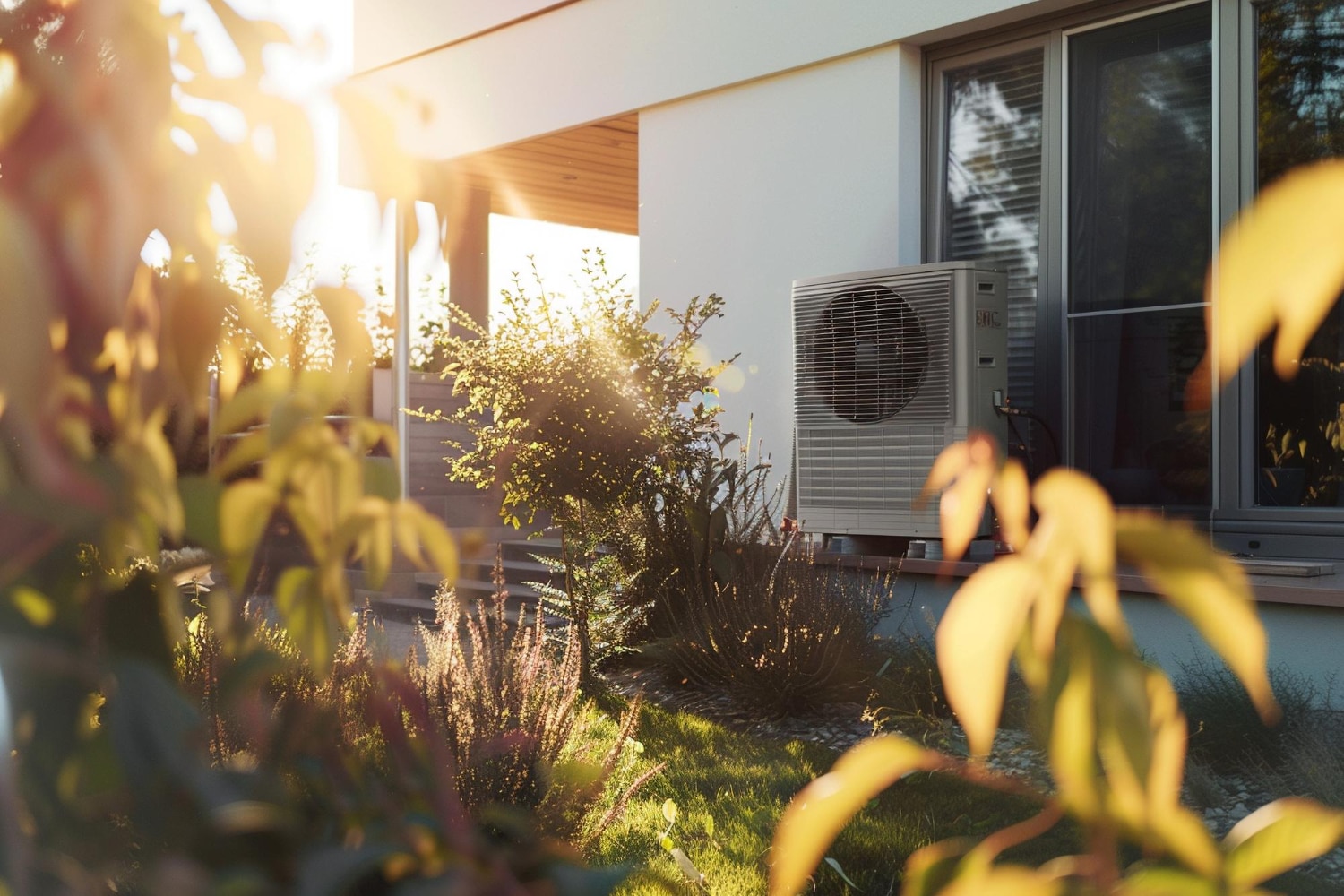
Hybrid Heat Pump Systems: When to Pair a Heat Pump with Your Furnace

heat pump

What Is a Hybrid Heat Pump System?

hybrid heat pump system service in Mississauga, Ontario

If you’ve been researching heat pumps for your Ontario home, you’ve probably heard the term “hybrid” or “dual-fuel” system. It’s a smart setup that pairs an electric heat pump with a gas furnace, giving you the efficiency benefits of both technologies without the drawbacks of relying on either one alone.

Here’s the basic idea: your heat pump handles heating and cooling during mild-to-moderate temperatures — which covers the majority of our GTA weather. When the mercury drops below a specific threshold (called the balance point), your gas furnace automatically takes over. You get the energy savings of a heat pump for roughly 70–80% of the heating season and the reliable warmth of natural gas on the coldest days.

At Furnace King, a hybrid system is our most popular recommendation for homeowners in Mississauga and the surrounding GTA. It’s a practical, no-compromise approach that works beautifully in Ontario’s climate.

How Does a Hybrid System Work?

A dual-fuel system connects two heating sources to your existing ductwork. The air-source heat pump sits outside and moves heat into your home (in winter) or out of it (in summer). The gas furnace stays inside, connected to the same supply plenum. A dual-fuel thermostat or control board manages the switchover between the two units.

During heating mode, the system logic is straightforward:

  • Above the balance point — The heat pump runs as the primary heater. It moves heat from the outdoor air into your home at a COP (Coefficient of Performance) of 2.5–3.5, meaning it delivers 2.5 to 3.5 units of heat for every unit of electricity consumed.
  • Below the balance point — The thermostat signals the furnace to take over. The heat pump shuts down, and the furnace fires to maintain your set temperature.
  • Cooling season — The heat pump operates in reverse as a standard air conditioner. The furnace doesn’t run at all.

The transition happens automatically. You set your thermostat to your preferred temperature, and the system decides which fuel source is most efficient at any given moment. Most homeowners don’t even notice the switchover.

The Balance Point: When Does the Furnace Kick In?

hybrid heat pump system service in Mississauga, Ontario

The balance point is the outdoor temperature at which it becomes more cost-effective to heat with gas than with the heat pump. For most GTA homes, this is set between -10°C and -15°C, depending on your local hydro and gas rates.

Here’s why that temperature matters. A heat pump’s efficiency drops as the outdoor temperature falls. At 8°C, a modern cold-climate heat pump delivers a COP of about 3.5. By -10°C, the COP has dropped to roughly 2.0–2.5. At -15°C, it’s approaching 1.5–2.0. Eventually, the cost per unit of heat from electricity exceeds the cost of running the gas furnace.

Your HVAC technician calibrates the balance point during installation based on:

  • Current Ontario hydro rates (off-peak $0.076/kWh, mid-peak $0.122/kWh, on-peak $0.174/kWh)
  • Current Enbridge natural gas rates (~$0.30/m³)
  • Your specific heat pump model’s cold-weather performance curve
  • Your furnace’s efficiency rating (AFUE)

Smart thermostats like the Ecobee or Honeywell T10 Pro can integrate with dual-fuel systems, using outdoor temperature sensors and real-time energy data to optimize the switchover automatically. Some homeowners adjust their balance point seasonally to take advantage of Ontario’s Time-of-Use (TOU) hydro pricing — running the heat pump during cheap overnight hours ($0.076/kWh off-peak) and letting the furnace handle peak-rate periods.

How Much Can You Save with a Hybrid System?

GTA homeowners with hybrid systems typically see 30–50% lower annual heating costs compared to running a gas furnace alone. The savings come from the heat pump’s superior efficiency during the bulk of the heating season.

Let’s look at a real scenario for a typical 2,000 sq ft Mississauga home:

Heating System Annual Heating Cost (Est.) Annual Savings vs Gas-Only
Gas furnace only (96% AFUE) $1,400–$1,800
Heat pump only (cold-climate) $900–$1,300 $400–$600
Hybrid (heat pump + gas backup) $800–$1,200 $500–$700

The hybrid system edges out even the standalone heat pump because it avoids running the heat pump during extreme cold when efficiency is lowest and electricity costs per BTU are highest. Instead, the furnace handles those high-demand hours more economically.

Over a 15-year system lifespan, those annual savings add up to $7,500–$10,500 in reduced heating bills. Factor in the Greener Homes Grant rebates (up to $5,000 federal plus Enbridge incentives), and the payback period for adding a heat pump to your existing furnace shrinks to 5–7 years.

Hybrid vs Pure Heat Pump: Why Not Go All-Electric?

hybrid heat pump system service in Mississauga, Ontario

Going all-electric with a standalone heat pump is certainly an option, and it works well for some Ontario homes. But there are practical reasons why many GTA homeowners choose hybrid instead:

  • Comfort on extreme cold days — When temperatures plunge below -20°C, even the best cold-climate heat pumps struggle to maintain comfortable indoor temperatures without supplemental electric resistance heat, which is expensive to run. A gas furnace provides strong, immediate warmth regardless of outdoor conditions.
  • Lower stress on the heat pump — Running the heat pump at maximum output in extreme cold puts heavy strain on the compressor. A hybrid system protects the heat pump by switching to gas during the hardest conditions, potentially extending the heat pump’s lifespan.
  • No need for electric panel upgrades — A standalone heat pump with electric backup may require a 200-amp electrical panel upgrade ($1,000–$2,500). A hybrid system uses your existing gas line, keeping installation simpler and less expensive.
  • Insurance against utility rate changes — Having access to both electricity and natural gas means you’re not fully dependent on one energy source. If hydro rates spike, you can adjust the balance point; if gas prices climb, the heat pump picks up more of the load.

If your existing gas furnace is in good working condition with 5+ years of life remaining, going hybrid is almost always the smarter financial move compared to replacing both the furnace and AC with a single heat pump system.

Is Your Home a Good Candidate for a Hybrid System?

A hybrid setup is an excellent fit for many GTA homes, but it works best when certain conditions are met:

Ideal candidates:

  • You have an existing gas furnace that’s still in good condition (5+ years of useful life remaining)
  • Your home has existing ductwork in decent shape
  • You want to reduce your carbon footprint without going fully electric
  • Your electrical panel can support a heat pump without a costly upgrade
  • You want air conditioning as well as heating (the heat pump provides both)

Less ideal scenarios:

  • Your furnace needs replacement anyway (consider a full heat pump system with electric backup instead)
  • Your ductwork is severely deteriorated (ductless mini-splits may be better)
  • You’re committed to going fully off natural gas for environmental reasons

What Does Installation Involve?

Adding a heat pump to your existing furnace is a relatively straightforward process for an experienced HVAC team. Here’s what to expect:

  1. In-home assessment — A Furnace King technician evaluates your existing furnace, ductwork, electrical panel, and outdoor unit placement options. We perform a load calculation to size the heat pump correctly for your home.
  2. Equipment selection — Based on the assessment, we recommend a heat pump matched to your furnace and home size. Models like the Bosch IDS 2.0 are popular choices for GTA hybrid installations.
  3. Outdoor unit installation — The heat pump condenser is installed on a mounting pad outside your home, with refrigerant lines run to the indoor coil.
  4. Indoor coil and controls — An evaporator coil is installed on your furnace’s supply plenum, and a dual-fuel thermostat or control board is wired to manage both systems.
  5. Balance point calibration — Your technician programs the switchover temperature based on your energy rates and comfort preferences.
  6. Testing and commissioning — Both heating and cooling modes are tested, the defrost cycle is verified, and airflow is measured to confirm everything operates correctly.

The entire installation typically takes one day for a standard retrofit. In Mississauga and most GTA municipalities, a permit is required for new HVAC equipment — Furnace King handles the permit application and arranges the inspection.

Ontario-Specific Benefits of Going Hybrid

Ontario homeowners have some unique advantages when it comes to hybrid heat pump systems:

  • Clean electricity grid — Ontario’s power grid is over 90% emission-free (nuclear, hydro, wind). Running a heat pump here produces a fraction of the carbon emissions compared to provinces that rely on coal or gas-fired electricity.
  • TOU hydro pricing — Off-peak electricity at $0.076/kWh (evenings, overnight, and weekends) makes heat pump operation extremely affordable during those hours. Smart thermostats can be programmed to favour heat pump operation during off-peak windows.
  • Government rebates — The federal Greener Homes Grant provides up to $5,000 for adding an air-source heat pump, and Enbridge offers additional rebates of $2,000–$5,000 for efficiency upgrades. These incentives can cover a significant portion of the heat pump addition cost.
  • Moderate climate — The GTA’s climate is cold enough to benefit from dual-fuel flexibility but moderate enough that the heat pump handles the vast majority of heating hours. Mississauga’s average January temperature of -7°C is well within the efficient operating range of modern cold-climate heat pumps.

Additional Resources

For more information from trusted sources:

Frequently Asked Questions

What is a hybrid heat pump system?

A hybrid heat pump system (also called dual-fuel) pairs an electric heat pump with a gas furnace. The heat pump serves as the primary heating and cooling source during mild-to-moderate temperatures, while the gas furnace automatically kicks in as backup when outdoor temperatures drop below the economic balance point. This gives you the efficiency of a heat pump for most of the year and the reliable warmth of a furnace on the coldest days.

When does the furnace kick in on a hybrid system?

The switchover temperature is set based on your local climate and energy costs, typically between -10°C and -15°C for GTA homes. A smart thermostat or the system’s integrated controls monitor the outdoor temperature and automatically switch from the heat pump to the furnace when it’s more cost-effective to burn gas. You can adjust the balance point with your HVAC technician to optimize for either maximum savings or maximum comfort.

Does a hybrid heat pump system actually save money?

Yes. GTA homeowners with hybrid systems typically see 30–50% lower annual heating costs compared to running a gas furnace alone. The heat pump handles 70–80% of the heating season at a COP of 2.5–3.5, using cheap electricity instead of gas. The furnace only runs during the coldest 20–30% of heating hours. Even accounting for the higher upfront cost of adding a heat pump, most hybrid systems pay for themselves in 5 to 7 years.

Can I add a heat pump to my existing furnace?

In most cases, absolutely. If your gas furnace is in good working condition and your home has existing ductwork, adding a heat pump to create a hybrid system is straightforward. The heat pump connects to your existing duct system and the two units communicate through a dual-fuel thermostat or control board. This is actually the most cost-effective way to transition to a heat pump because you avoid replacing a working furnace. Furnace King performs a full assessment to confirm compatibility.

Ready to Explore a Hybrid System for Your Home?

A hybrid heat pump system is one of the smartest HVAC investments you can make as a GTA homeowner. You get lower heating bills, reliable comfort on even the coldest days, summer cooling from the same unit, and access to thousands of dollars in government rebates.

At Furnace King, we’ve been installing hybrid heat pump systems across Mississauga, Brampton, Etobicoke, and the wider GTA for over 30 years. As a Bosch Approved Dealer, we install top-tier cold-climate equipment and back every installation with our workmanship guarantee.

Call us at (905) 564-5464 or request your free in-home estimate to find out if a hybrid system is right for your home.

How to Make Furnace Maintenance Easier in Etobicoke

Furnace Maintenance

Spring in Etobicoke doesn’t have just one mood. Some mornings feel like winter is still hanging around, while afternoons make you want to open the windows. That’s exactly the kind of weather that puts your furnace through a lot. This change in seasons is a good time to press pause and think about how your heating system is doing.

After months of steady use, it’s smart to check things over before the warmer temps really settle in. Your furnace might be ready for a bit of care to keep it in shape for the next time it’s needed. Making time now can mean fewer surprises when the cold comes back around. That’s why we’re sharing a few simple ways to make furnace maintenance in Etobicoke easier and more routine.

Know When the Season’s Right

Spring is one of the best times to check in on your furnace. The cold snaps are mostly behind us, but the system hasn’t been sitting quietly for too long. That makes it a perfect window for noticing wear and tear before dust and disuse set in.

In Etobicoke, the weather usually shifts quickly from one season to the next. Ice and snow might be gone, but chilly mornings still have people running the heat from time to time. If your furnace seems slow to warm the house or makes strange sounds when starting up, it could be signalling that it needs a service check.

These kinds of in-between weather days are useful. They help highlight any changes in how the furnace works that weren’t obvious during the winter. A quick prep now can mean a smoother restart next fall.

Watch for the Small Stuff

A lot of furnace problems start small. A slight rattle here, an odd smell there, or a bit of uneven heat might not seem serious at first. But over time, these things can grow into bigger issues.

When you turn the furnace on or off, take a moment to listen. Does the sound seem normal? Is the air staying even through every room? If something feels off, it’s worth paying attention.

  • A musty smell might mean something has built up inside the system
  • A strange noise could point to a loose part
  • If one part of the house heats more than the other, the airflow may not be balanced

Catching these signs early makes things easier to fix. The quieter time of year gives you more space to deal with them without needing an urgent repair.

Keep Filters and Vents in Mind

Clean air helps any furnace run better. So much of your system’s job depends on having nothing in the way. That means keeping filters fresh and vents clear is one of the simplest ways to prevent trouble from building up.

Filters do a lot of heavy lifting. They catch dust, hair, and pollen that float through the air. Over time, those things can clog the system and slow airflow. If the filter looks grey or dusty, that’s a sign it’s ready to be changed.

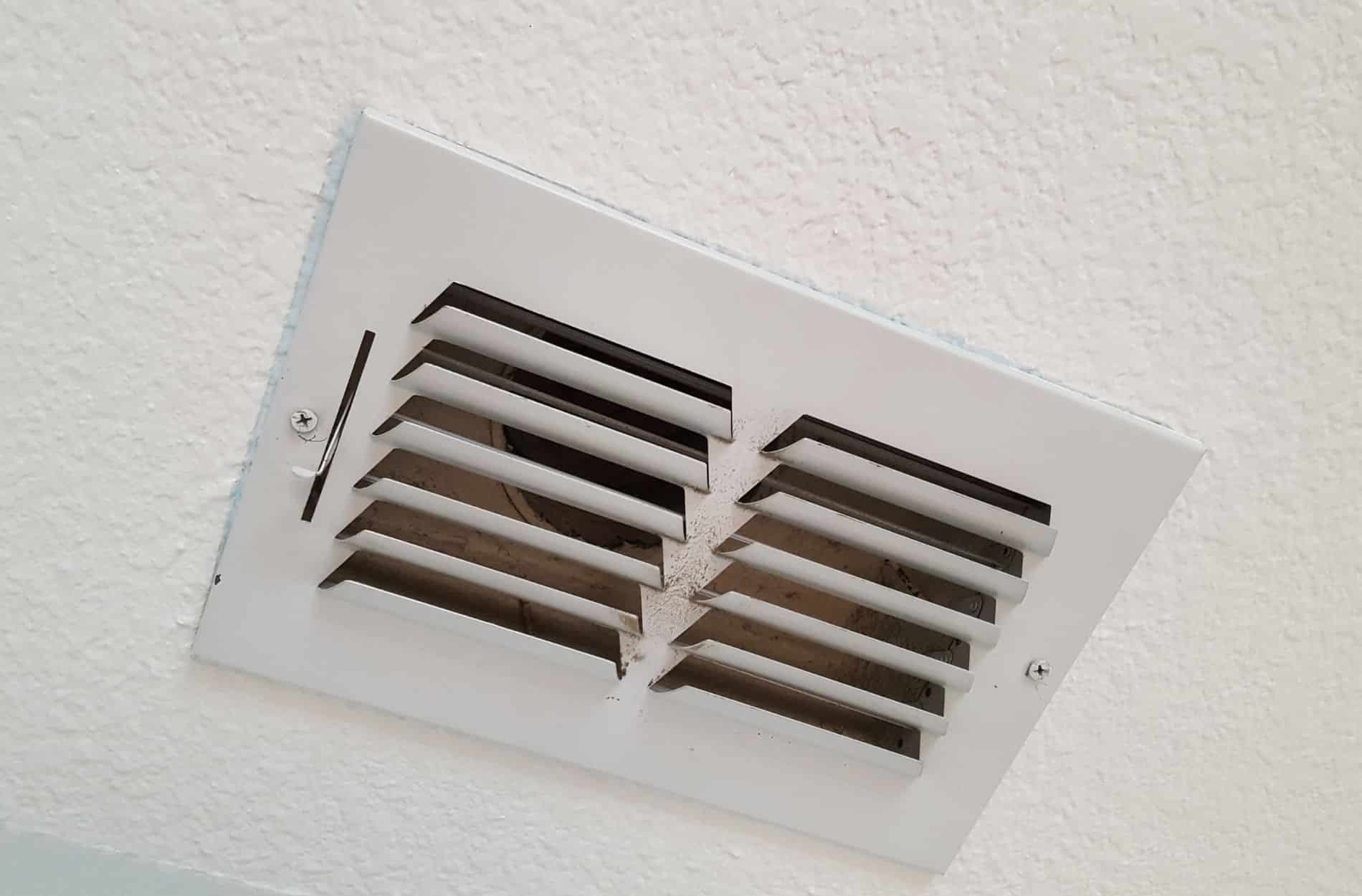
Vents matter too. It’s easy to forget them when moving furniture or storing winter gear, but blocked vents can create uneven heating. That puts stress on the furnace and can lead to hotter or colder spots around the home.

For basic upkeep:

  • Change filters once they look dirty or every few months
  • Keep vents open and not covered by rugs, boxes, or furniture
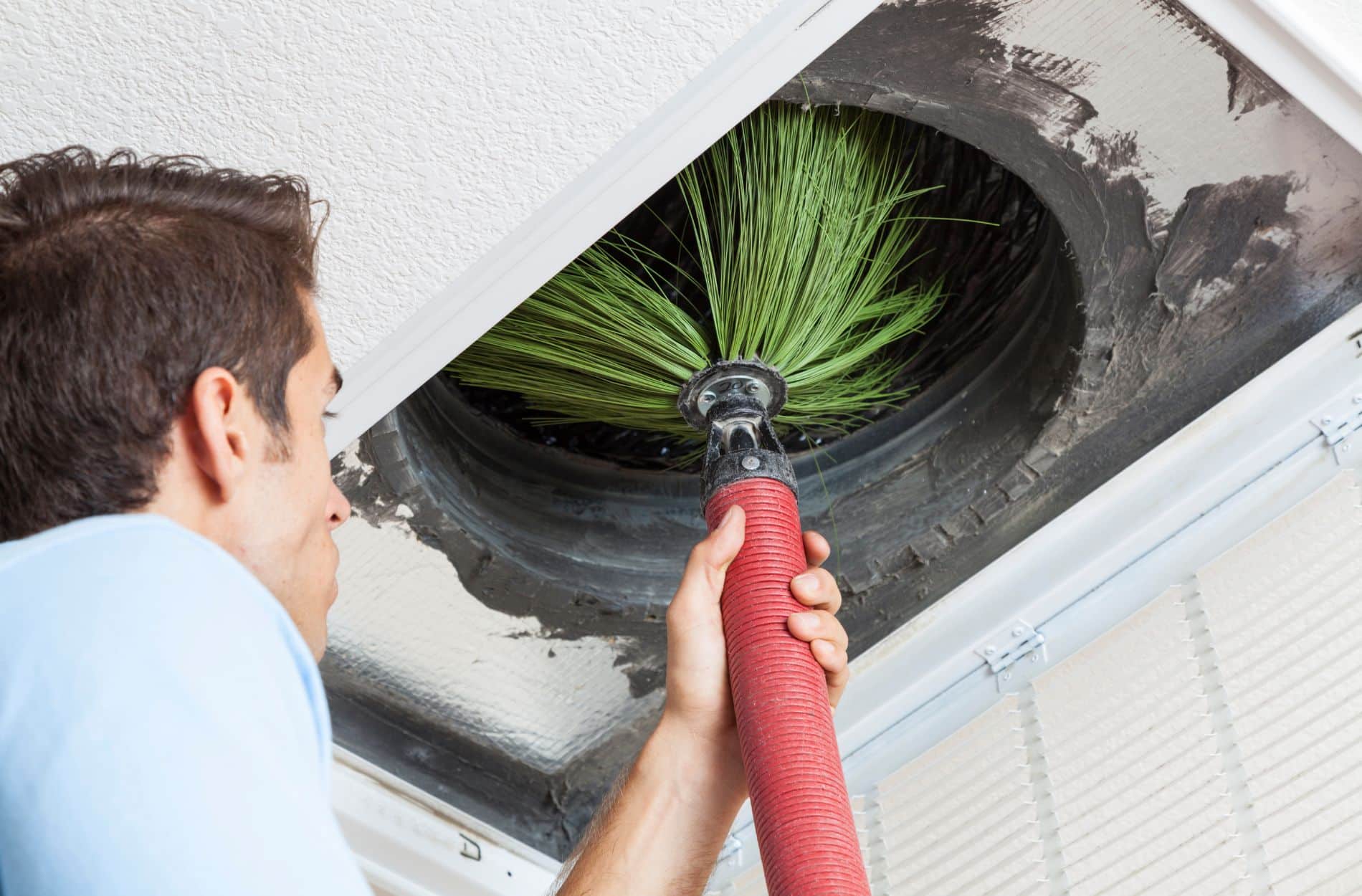
  • Look for dust or buildup on the vent covers and clean them gently

These little habits go a long way in helping your system stay steady without a fuss.

Furnace King Home Services provides furnace maintenance in Etobicoke that includes seasonal checkups, detailed filter changes, and expert help with vent adjustments for any home layout. As outlined on our website, all tune-ups involve testing system pressure, checking safety mechanisms, and offering honest advice on extending the life of your system. Our Comfort Club gives members priority appointments, reduced repair rates, and reminders so you never miss a seasonal check.

Trust the Pros for the Tough Parts

Some parts of furnace care need more than a quick look. As much as it helps to stay aware of how things feel or sound, there’s a limit to what you can spot without the right training.

A pro can check all the internal parts, belts, fans, safety switches, and more. They can test things like airflow strength and system pressure, which are hard to measure without the tools. And if anything seems close to wearing out, they’ll catch it early.

Homes in Etobicoke come with their own tricks. Older builds might have tighter spaces for equipment, while newer homes may use different vent setups. A technician who’s worked across the area can spot these patterns and know what works for certain layouts. That local experience helps make furnace care faster and more accurate.

Season-Ready and Simple to Keep Up

It doesn’t have to feel like a big job to keep your furnace in good shape. When you spread the steps across the seasons, everything feels more manageable. Spring offers a quiet moment between heating and cooling when you can take care of things before they build up.

These efforts don’t just help now. They make next winter easier, too. By giving your system a little care in March, you’re helping it stay ready for the fall.

A few small checks on sound, airflow, and dust once the weather starts to shift can make a big difference. You don’t need to figure it all out alone, but being familiar with how your furnace acts season to season puts you ahead of the game. Using this quiet stretch as a reset makes the next cold snap less of a surprise.

Spring is the perfect time to ensure your heating system is in top condition with furnace maintenance in Etobicoke. At Furnace King Home Services, we offer comprehensive seasonal checkups that can help catch any potential issues early and keep your home comfortable all year round. 

Don’t wait for colder months to find surprises; let’s schedule your next maintenance visit today and enjoy peace of mind knowing your system is ready for whatever the season brings.

How Heat Pump Installation Happens in Etobicoke

Heat Pump

Spring weather in Etobicoke can shift quickly. One day it’s crisp and cool, the next it feels almost like summer. That’s the kind of change that gets homeowners thinking about how their heating and cooling systems are handling these swings. It’s also a time when more people consider switching to heat pumps. A heat pump works by moving heat around. It can bring warmth inside during the colder months and push it out in the summer to help cool things down.

With more people choosing these systems, we wanted to walk through how heat pump installation in Etobicoke actually happens. Knowing the steps ahead of time helps everything feel more manageable, especially during a busy season like spring.

What Makes a Heat Pump a Good Fit for Etobicoke Homes

Heat pumps can work well in places like Etobicoke, where winters usually aren’t too hard and summers can still get hot. They’re a good match for moderate temperature changes, and because they handle both heating and cooling, you don’t need separate systems.

Here’s why many homeowners are choosing heat pumps:

  • Fewer pieces of equipment to keep up with
  • Less noise when running compared to older units
  • Lower energy use since they move heat instead of creating it

The shape and size of a home matters too. Open layouts and newer insulation styles can help a heat pump do its job better. During our first visit, we look at how the heat flows through each space to make sure a new system fits the home’s needs.

Furnace King Home Services offers full-service heat pump installation in Etobicoke, including system selection, permit assistance, and integration with smart thermostats. According to our heat pump page, our licensed technicians are trained on all major brands, provide detailed airflow assessments, and offer a 100% satisfaction guarantee. We advise homeowners on energy rebates and evaluate options for all-electric or hybrid setups to meet local needs and goals.

Getting Ready for the Installation Day

Before we show up to install the heat pump, there’s a bit of planning involved. We usually start with a home check to review the layout, power supply, and venting. That helps us decide what kind of setup makes the most sense and where each part should go.

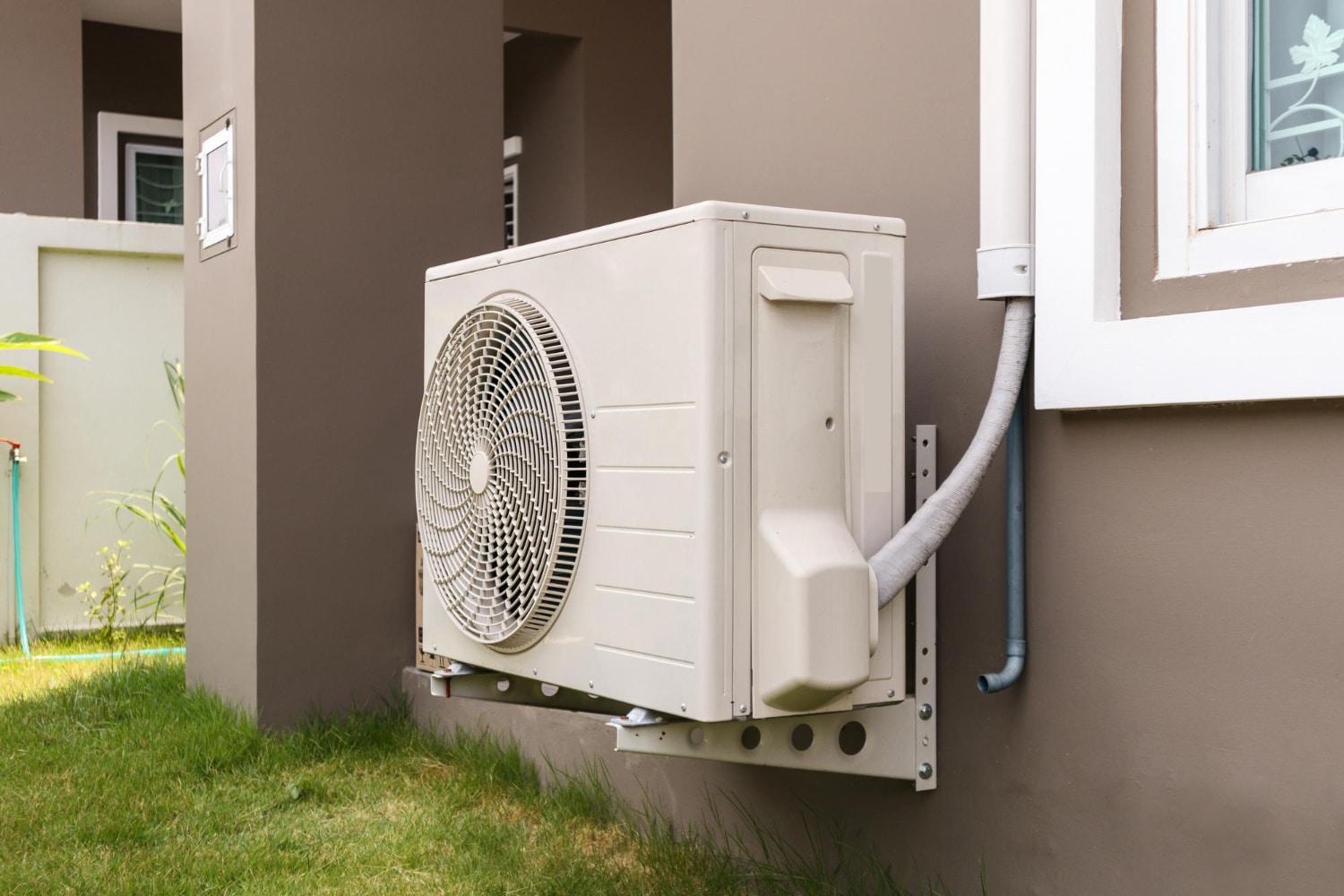
There are two main parts to work with, the indoor air handler and the outdoor unit. The outdoor unit needs some space, so we look for a spot with good airflow that’s easy to get to. We might trim back a few tree branches or ask for a clear path in the yard so everything fits safely and correctly.

This prep phase isn’t hard for the homeowner, but it helps everything go smoother once the install begins. Taking a few moments to make sure paths are clear and there’s room to work can prevent any delays when the team arrives. It’s helpful if pets and children are kept clear of the work areas for safety as well.

What Happens During the Installation Itself

Once we’re ready to install, most of the real work happens across two spots, the inside and the outside of the home. Indoors, we place the air handler unit that moves air across the house. Outside, we set the condenser unit that manages the heating and cooling transfer.

We connect everything with small lines that move refrigerant and electricity between the two units. It may sound like a lot, but most standard installations can be done in one or two days. We always block off enough daylight hours to avoid rushing any of the work.

Safety checks happen throughout the day. We look at electrical connections, test pressure levels, and check that the setup follows building rules. It’s about making sure the system isn’t just working, but working safely and lasting a long time. Each step matters for performance and safety, so the process is handled with care.

All wires and lines are carefully attached to prevent leaks and keep connections secure. Any old system being replaced will be removed promptly and safely. For homes upgrading from a different type of heating, small adjustments are sometimes made to make sure the new equipment fits well where the old system was.

Final Tests and Getting It All Running

When the install is done, we run the system for the first time with the homeowner. It’s more than just flipping a switch. We test it under both heating and cooling settings to watch how the air flows, how fast it responds, and how quiet it sounds.

During this step, we walk through how to use the thermostat and other controls. It’s helpful to know what to look for in the first few days. Uneven airflow or a strange sound might just be something adjusting, but we’ll point out what’s normal and when it’s a good idea to check in.

The first test run includes checking temperatures in different rooms, listening for the sound of the fans, and seeing how quickly the home starts to feel different. Owners will get guidance on when to call for help if something seems unusual. We want everyone to feel comfortable with every button and setting.

Getting everything running smoothly from the start makes the whole experience feel easier. Questions are always welcome at this stage so the new system feels familiar.

Keeping Your New Heat Pump Running Smoothly

Once installed, a heat pump does most of its work in the background. That said, like any system, a little upkeep goes a long way. When the seasons are shifting, especially between spring and summer or fall and winter, it’s smart to do a quick check.

Here are a few habits that help things last longer:

  • Clear away leaves or snow from the outdoor unit
  • Keep vents open and not blocked with furniture
  • Change the air filter if it looks dusty or grey

We also recommend booking a pro tune-up before each big season change. A small issue now can turn into poor airflow or uneven heating without notice. If you ever smell something odd, hear a rattle, or feel weird temperature changes between rooms, it might be time for a check-up.

Simple actions like cleaning vents or moving clutter can stop problems from creeping up. Regular attention helps maintain performance year-round. Homeowners who check on their system a couple of times a season usually enjoy better comfort for longer.

Why Knowing the Steps Can Make the Switch Easier

Installing a heat pump might sound like a big job, but after seeing how it all comes together, most people feel more comfortable with the idea. Every home is different, but the general steps stay the same. With a clear plan and some simple prep, it’s a smooth type of upgrade.

Etobicoke’s spring weather is a great reminder to look at how we heat and cool our homes. Getting ready now makes it easier to handle the temperature swings that will show up in the coming months. When we treat these transitions as a chance to plan ahead, we’re setting things up for better comfort and less stress down the road.

Planning for change is part of home care in this climate. Quick shifts in weather are common, but preparation keeps your household ready for any temperature. Understanding the process stops surprises and helps everything happen on schedule.

Thinking about upgrading your home’s heating and cooling system this spring? Heat pump installation in Etobicoke is an excellent choice for reliable year-round comfort. Furnace King Home Services is ready to guide you through the process and ensure your new system is set up perfectly for Etobicoke’s variable climate. Contact us today to learn how our expert team can make your transition to a heat pump smooth and worry-free.

How to Vet an AC Service Company in Brampton: Red Flags and Fair Quotes

AC Maintenance

Stop AC Headaches Before Summer Hits in Brampton

Booking air conditioner service in Brampton before the hot weather hits is one of the smartest home moves you can make. When that first heat wave rolls in, you want cool air on demand, not a surprise breakdown and a long waitlist. Early spring is the perfect time to get ahead of it.

Choosing the right AC service company is not just about comfort. It also affects your energy bills, how often your system breaks down, and whether your manufacturer warranty stays valid. In this guide, we will walk through how to spot red flags, the smart questions to ask, and what a fair, clear quote for air conditioner service should include.

Must-Have Credentials for Any AC Service Company

Before you look at prices or timelines, start with credentials. A company working on your AC should meet basic standards for licensing, insurance, and training.

Here is what to look for in Ontario:

  • Proper HVAC licensing for technicians  
  • Liability insurance  
  • WSIB coverage  
  • Clear business name and physical address  

Licensing and insurance matter because they protect you if something goes wrong on the job. You can ask the company to confirm their licences and insurance, and you can also ask for proof. A reputable business will not hesitate to share this information.

Training on different AC brands is also important, especially if you have a newer or high-efficiency system. Manufacturers often have specific requirements for installation and service. Technicians who are familiar with those systems are more likely to set things up correctly so you get the comfort and efficiency you paid for and you keep your warranty in good standing.

Finally pay attention to local track record. A long history of serving Brampton and the GTA, plus a real office or shop, usually means:

  • They are not a “fly-by-night” operator  
  • They know local homes and common AC issues  
  • They have a reputation to protect in your area  

This lowers your risk compared to someone who appears with a truck and a phone number, then disappears if a problem comes back.

Red Flags That Signal You Should Walk Away

Once you start calling for air conditioner service in Brampton, you may notice some warning signs. Trust your gut when things feel off.

Watch out for vague or phone-only pricing. Red flags include:

  • “Ballpark” quotes without seeing your system  
  • Pressure to book on the spot before a visit  
  • Refusal to put details in writing  

AC systems can have hidden issues that you simply cannot diagnose over the phone. A company that will not come out and properly assess your system before quoting is taking shortcuts.

High-pressure or scare-tactic sales are another big warning. Be cautious if someone:

  • Claims your system is “unsafe” without clear proof  
  • Pushes much larger equipment than you need  
  • Says “this price is only good today”  

You should never feel rushed or scared into a decision. A good company explains the issues in plain language, offers options, and gives you time to think.

Poor communication and a weak reputation also matter. Signs to be careful of include slow responses, no written service agreement, or confusing policies around after-hours or emergency support in Brampton. If reviews are all over the place or complaints go unanswered, that is a hint of what you might face later.

Smart Questions to Ask Before You Book Service

A quick phone call can tell you a lot about how a company works. Have a short list of questions ready so you do not forget anything.

Start with experience and process:

  • How long have you been doing air conditioner service in Brampton?  
  • What does your diagnostic process look like?  
  • How long does a typical repair or maintenance visit take?  

You want to hear that they follow a clear process, not just “we will take a look.” Ask if they check both the indoor and outdoor units, thermostat, and airflow.

Next, get clear on pricing and warranties. Ask:

  • What is included in the service call fee?  
  • Do you offer written warranties on parts and labour?  
  • How do you handle issues that come back after a visit?  

This helps you avoid surprises later and shows you how they stand behind their work.

Finally, talk about protection and comfort. Helpful questions are:

  • Do you run safety checks on electrical parts and refrigerant lines?  
  • Do you do a full system inspection, not just a quick fix?  
  • Do you offer maintenance plans to reduce the chance of surprise breakdowns?  

The goal is a company that is thinking long term about your comfort, not just a one-time repair.

What a Fair and Transparent AC Quote Should Include

When you get a quote for air conditioner service in Brampton, it should be clear and easy to understand. If you need to read it three times to figure out what is included, something is wrong.

A fair quote usually has:

  • A written scope of work  
  • A list of parts to be replaced, if any  
  • Labour details  
  • Any suggested add-ons or upgrades  

The scope of work should spell out what the technician will actually do, such as inspection, cleaning, testing, and repairs. If upgrades are suggested, like a new thermostat or indoor air quality product, they should be clearly marked as optional.

You should also see full cost details and payment options. That means:

  • Line item pricing for labour and parts  
  • Any diagnostic or disposal fees  
  • HST  
  • Available payment or financing options for bigger jobs  

On top of that, the quote should explain timing, warranties, and follow-up. Look for realistic timelines for getting parts and doing the work, warranty length on parts and labour, and whether they offer reminders for future seasonal maintenance. This shows you they are planning past today’s visit.

Get Your Brampton AC Ready for the First Heat Wave

Spring in Brampton is the best time to sort out your AC before everyone starts calling at once. Use these tips as a checklist. Watch for red flags, ask clear questions, and compare two or three written quotes line by line so you know what you are getting.

At Furnace King Home Services, we have been serving homes across the GTA with heating, cooling, indoor air quality, and tankless water heater solutions for many years. We care about long-term comfort, not quick sales, and we encourage every homeowner to choose an AC company that feels the same way when planning air conditioner service in Brampton.

Keep Your Home Comfortable With Reliable Cooling Service

If your AC is struggling or you want to prevent a mid-summer breakdown, our team at Furnace King Home Services is ready to help. Schedule professional air conditioner service in Brampton so your system runs efficiently and reliably all season long. We will assess your unit, recommend the right solutions, and complete the work with care and transparency. To book an appointment or ask a question, simply contact us today.

What AC Maintenance in Brampton Should Include

AC Maintenance

Spring moves in pretty quickly here in Brampton. One day it’s chilly, and the next you’re cracking a window or flipping the AC on for a quick blast of cool air. That first warm spell can catch you off guard, especially if your air conditioner hasn’t been looked at in a while. Getting a jump on AC maintenance in Brampton helps your system wake up in better shape and manage spring weather without extra strain.

To help you get ahead, we’ve laid out what a seasonal check typically includes. Doing these simple tasks means you aren’t leaving your comfort zone to chance when things really start to heat up. 

Why wait until the hottest day to find out your air conditioner isn’t ready? Taking a little time at the start of spring gets the system on your side and helps you stay cool without surprises. By building a few easy habits, you’ll see that air conditioner maintenance isn’t as big a job as it may seem. With a plan, even the busiest family can manage a smooth start to the season.

What a Spring AC Check Should Cover

When we talk about a spring checkup, we don’t mean just turning it on and hoping for the best. There are a few basic things we always look at to help the system run smoothly as the days warm up:

  • Replace or clean the air filter so dust doesn’t clog things up.
  • Check that the thermostat is reading correctly and adjusting as it should.
  • Inspect the inside parts for any build-up, loose wires, or early signs of wear.

These steps might sound simple, but they’re key to helping your air conditioner work its best. Over time, filters will fill up with dust, pollen, or even pet hair. Changing it out means your system doesn’t have to work as hard to pull air in, leading to a cooler house in less time. 

The thermostat might seem like a tiny detail, but if it isn’t working right, the whole system will act up, cooling too much or not enough. After sitting through winter, parts may be stiff or dusty. These checks help give the unit a clean slate before it starts running daily, letting your system handle Brampton’s swingy spring temperatures without a hitch.

Furnace King Home Services offers thorough spring air conditioner maintenance in Brampton, including evaporator coil cleaning, system pressure testing, and thermostat calibration as part of our standard appointment. 

All visits from our technicians feature safety inspections and a performance check, with recommendations for longer system life and better cooling on hot days. Our air conditioning service page highlights how routine spring care helps avoid seasonal slowdowns and emergency service requests.

Why Airflow and Vents Matter

Even with a strong AC system, airflow can get blocked. Spring is a good time to check how the cool air moves through your home.

  • Look around for furniture or rugs that might be covering vents.
  • Make sure dust, pet hair, or buildup isn’t hiding inside supply or return vents.
  • Test the airspeed coming out of each vent, even if it’s just by feel.

Sometimes the air feels weak in one part of the house, and it’s not the system itself; it’s what’s around the vents. Things like blocked ducts or leaks in the vents can slow airflow down without you realizing it. 

A quick look at all your vents can make sure the cool breeze has a clear path to every room. If you notice some spots aren’t as chilly as others, it might be because something’s blocking the way. Tidy vents and open pathways keep the whole house comfy and take the stress off your air conditioner so it does not need to work harder than it should.

Taking just a few minutes each month to glance at your vents saves lots of trouble later. If things seem stuffy or you notice extra dust around the returns, it’s a hint that there could be a blockage or buildup starting to form. 

Even newer homes with already clean ductwork benefit from a quick check, especially if kids, pets, or guests use the space a lot. If you keep up with these small steps, your system will thank you with better airflow and a gentler run.

Checking Outdoor Units After Winter

The outdoor part of your unit takes a beating through fall and winter. Snow, leaves, and backyard mess can pile up without you noticing. Before the unit kicks into full swing, it’s smart to give it some quick attention.

  • Clear away any sticks, mulch, or leftover ice around the base.
  • Look at the coil and fan through the top for any bent fins or stuck debris.
  • Make sure nothing is crowding the unit so it has room to breathe.

A tidy unit means good air movement and easy working parts. Even just a few clogged inches around the base can make it run harder than it needs to. The goal is to give warm air a clear path out and cool air a clear way in. 

Winter can push leaves or dirt up against the unit, and even a little bit of buildup blocks the airflow. When the air can’t come and go freely, you might notice the air conditioner gets louder or takes longer to cool the house. If you spot anything stuck in the fan or blocking the coil, clearing it out carefully helps everything spin as it should.

When you take a quick walk around the unit, pay attention to things growing or sitting nearby, such as bushes or piles of leftover gardening supplies. If these items are too close, they make it harder for your AC to work. 

By moving things a little farther out, you help keep the space clear and the performance steady. A few extra steps outside now make it much easier when summer’s heat surprises you.

Small Signs That Mean It’s Time to Get It Looked At

Maybe you tried your AC once during a warm March afternoon, and it worked, sort of. But there are few signs that mean your system might not be fully ready yet.

  • New noises like buzzing, humming, or rattling when the AC starts up.
  • Rooms that don’t cool evenly, or take a while to feel comfortable.
  • Hydro bills that creep up even when your habits haven’t changed.

Sometimes, these clues seem easy to brush off in early spring, since you aren’t using the air conditioner every day yet. But these little warnings can become big headaches if left alone when the weather shifts for good. Noise might mean something’s loose or wearing out, and hot spots hint at weak airflow or a vent with an issue. If your power bill looks higher even though you haven’t changed anything, your air conditioner might be struggling to keep up.

These early warnings can be easy to miss or ignore. But paying attention now saves time later when things heat up for real. Taking note of anything odd now gives you space to fix it before you need the system working at its best each afternoon.

How Regular Maintenance Helps in Brampton’s Spring Weather Swings

Spring in Brampton doesn’t settle in slowly. Cold mornings can flip to warm afternoons in one day. It’s a lot to ask from your system unless it’s been tuned up to handle those ups and downs.

  • Getting maintenance early helps avoid your system working overtime right out of the gate.
  • If something breaks later on, it might take longer to get help when everyone else is having the same issue.
  • A prepped system manages quick temperature shifts without short cycling or struggling to catch up.

Brampton is known for weather that doesn’t always make up its mind. One week might be all clouds and drizzle, and the next comes sunshine and heat that puts your air conditioner to work. Being ready for those fast switches means less stress on your system and less stress for you. 

Regular springtime checkups protect against the sudden changes that push your AC harder, and since everyone else is also thinking about cooling at the same time, staying ahead of the rush simply makes life easier. A smooth-running air conditioner can handle anything the wild spring has in store, making sure comfort is just a switch away.

Having your AC checked early in the season is like giving it a head start. While everyone else might be waiting during the first hot spell, you’ll know you’re ready, and your system isn’t being pushed too hard. It’s a simple way to save time and keep things cool around the house from the start of spring to the end of summer.

A Smoother Start to the Cooling Season

Heading into spring with a clean, ready system makes a difference. You’ll feel the cool air faster, hear the unit run more smoothly, and have fewer surprises waiting to pop up.

Brampton’s early spring days can heat up in a snap, and once your AC kicks in, it helps to know it’s working with you instead of against you. A little attention now means fewer headaches when the real heat hits.

Spring in Brampton arrives swiftly, and it’s crucial to ensure your AC is ready for the warmer days ahead. Furnace King Home Services is here to provide top-notch AC maintenance in Brampton, so you can enjoy reliable cooling when temperatures rise. Let our skilled technicians handle the details, ensuring your system is efficient and trouble-free. Contact us today to schedule your maintenance and welcome spring with confidence and comfort.

How Much Does a Heat Pump Cost in Ontario? (2026 Pricing Guide)

HVAC Issues

“How much does a heat pump cost?” is the first question nearly every homeowner asks — and the answer is frustratingly vague if you’re just browsing the internet. You’ll find ranges from $3,500 to $40,000, which isn’t exactly helpful when you’re trying to budget for a real project.

At Furnace King, we believe in transparent, no-surprise pricing. This guide breaks down actual 2026 heat pump costs in Ontario by system type, brand tier, and home size — plus shows you how government rebates can significantly reduce what you pay out of pocket.

Heat Pump Prices by System Type (2026 Ontario)

heat pump cost ontario service in Mississauga, Ontario

The type of heat pump system you choose has the biggest impact on total cost. Here’s what Ontario homeowners can expect to pay in 2026, fully installed:

Single-Zone Ductless Mini-Split

Total installed cost: $3,500–$6,000

A single indoor unit connected to one outdoor unit, heating and cooling a specific room or zone. Ideal for additions, converted garages, sunrooms, or supplementing an existing system in a problem area. Equipment runs $1,500–$3,000, with installation adding $2,000–$3,000.

Multi-Zone Ductless Mini-Split

Total installed cost: $8,000–$15,000

One outdoor unit connected to 2–5 indoor units, each controlling a different zone. This is the go-to solution for homes without existing ductwork that want whole-home heating and cooling. Cost scales with the number of indoor heads: two-zone systems start around $8,000, while five-zone setups can reach $15,000 or more.

Central Ducted Air-Source Heat Pump

Total installed cost: $5,000–$12,000

The most common choice for Ontario homes with existing ductwork. Replaces both your furnace and air conditioner with a single system. Equipment costs $3,000–$7,000 depending on efficiency tier and brand, with installation running $2,000–$5,000. The wide range reflects the difference between a builder-grade single-stage unit and a premium variable-speed cold-climate model like the Bosch IDS 2.0.

Ground-Source (Geothermal) Heat Pump

Total installed cost: $20,000–$40,000

Extracts heat from the ground rather than the air, delivering the highest efficiency available (COP of 4.0–5.0 year-round). The high cost comes from the ground loop installation — drilling vertical boreholes or trenching horizontal loops in your yard. Best suited for new construction or major renovations where the long-term energy savings justify the upfront investment.

Cost Comparison Table by System Type

System Type Equipment Cost Installation Cost Total Installed Best For
Single-zone ductless $1,500–$3,000 $2,000–$3,000 $3,500–$6,000 Single rooms, additions
Multi-zone ductless $4,000–$8,000 $4,000–$7,000 $8,000–$15,000 Homes without ducts
Central ducted $3,000–$7,000 $2,000–$5,000 $5,000–$12,000 Homes with existing ducts
Ground-source $8,000–$15,000 $12,000–$25,000 $20,000–$40,000 New builds, max efficiency

All prices in Canadian dollars (CAD). Includes equipment, standard installation materials, and labour. Prices reflect the GTA market as of early 2026.

What Factors Affect the Price of Your Heat Pump?

heat pump cost ontario service in Mississauga, Ontario

Two identical-looking homes on the same street can get heat pump quotes that differ by thousands of dollars. Here’s why:

Home Size and Heating Load

Larger homes need larger heat pumps (measured in tons of capacity). A 1,200 sq ft bungalow might need a 2-ton unit ($5,000–$7,000 installed), while a 2,500 sq ft two-storey requires a 3.5–4-ton system ($8,000–$11,000 installed). Proper sizing through a Manual J load calculation is critical — both oversizing and undersizing waste money.

Brand and Efficiency Rating

Higher-efficiency units cost more upfront but deliver lower monthly energy bills. A builder-grade 14 SEER2 system might cost $5,000 installed, while a premium 20 SEER2 variable-speed unit from Bosch or Trane runs $9,000–$12,000. The premium models also run quieter, last longer, and provide better humidity control.

Existing Ductwork Condition

If your current ductwork is in good shape, installation is straightforward. But if ducts are leaking, undersized, or poorly routed, modifications are needed. Duct sealing typically costs $500–$1,000, while significant duct modifications or additions can run $1,000–$2,000. Skipping this step wastes energy and undermines the heat pump’s efficiency.

Electrical Panel Capacity

Heat pumps require a dedicated 240V circuit. If your electrical panel is already near capacity (common in older homes), you may need a panel upgrade. This adds $1,000–$2,500 to the project but is a one-time cost that also future-proofs your home for EV charging and other electrical upgrades.

Installation Complexity

Multi-storey homes, difficult outdoor unit placement (tight spaces, noise-sensitive locations), long refrigerant line runs, and municipal permit requirements all affect labour costs. A straightforward replacement on a single-storey home with easy equipment access is always less expensive than a complex installation in a multi-level home.

Permit Costs

Most GTA municipalities require HVAC permits for heat pump installations. In Mississauga, permit fees typically run $150–$300. Your installer should handle the permit application as part of the project — if a company suggests skipping the permit, that’s a red flag.

Government Rebates That Reduce Your Cost

This is where the math gets interesting for Ontario homeowners. Multiple rebate programs can be stacked to significantly reduce your out-of-pocket cost.

Canada Greener Homes Grant

The federal Greener Homes Grant provides up to $5,000 for an eligible air-source heat pump installation. If you’re switching from oil heating, the Oil to Heat Pump Affordability program offers up to $10,000. Both require pre- and post-retrofit EnerGuide evaluations.

Enbridge Home Efficiency Rebate

Enbridge Gas offers additional rebates of $2,000–$5,000 based on the energy efficiency improvement achieved. This stacks on top of the federal grant, and the amount depends on how much your home’s EnerGuide rating improves after the heat pump installation.

Net Cost After Rebates — Real Example

Item Amount
Central ducted heat pump (mid-range, installed) $8,500
Less: Greener Homes Grant -$5,000
Less: Enbridge rebate (estimated) -$2,500
Net cost to homeowner $1,000

In this real-world scenario, rebates cover roughly 88% of the installed cost. Even on a higher-end system at $12,000, stacking $7,500 in rebates brings the net cost down to $4,500 — and that’s before factoring in annual energy savings of $400–$800 compared to a gas furnace.

What’s Included in the Installed Price — and What Isn’t

heat pump cost ontario service in Mississauga, Ontario

When comparing quotes, make sure you’re comparing apples to apples. A complete heat pump installation from Furnace King includes:

Included in our quoted price:

  • Heat pump equipment (outdoor and indoor units)
  • Thermostat (programmable or smart, depending on package)
  • Standard refrigerant line set and fittings
  • Concrete pad for outdoor unit
  • Electrical connection to existing dedicated circuit
  • Standard ductwork connections
  • Municipal permit and inspection fees
  • System commissioning and performance testing
  • Homeowner walkthrough and thermostat programming

Items that may add to the cost:

  • Electrical panel upgrade (if needed): $1,000–$2,500
  • Ductwork modifications: $500–$2,000
  • Extended refrigerant line runs (over 25 ft): $200–$500
  • Crane rental for difficult rooftop placement: $500–$1,000
  • EnerGuide pre- and post-retrofit evaluations (for rebate eligibility): ~$600 total

We identify all potential add-ons during our free in-home assessment so there are no surprises on installation day.

Financing Options

We understand that even with rebates, a heat pump is a significant investment. Furnace King offers flexible financing options to make the upgrade accessible:

  • 0% interest financing on select equipment for qualified buyers
  • Low monthly payment plans spread over 5–10 years
  • Rent-to-own programs with maintenance included

Many homeowners find that their monthly financing payment is offset — partially or entirely — by the reduction in their gas and electricity bills after switching to a heat pump.

How to Get the Best Price on a Heat Pump in Ontario

A few practical tips to keep your costs in check:

  • Get multiple quotes — but compare the details, not just the bottom line. The cheapest quote often cuts corners on installation quality or uses lower-tier equipment.
  • Apply for rebates before you start — The Greener Homes Grant requires a pre-retrofit EnerGuide audit before any work begins. Starting work first disqualifies you from the rebate.
  • Book during the shoulder seasons — Spring and fall are peak HVAC installation season. Booking in late winter or mid-summer may offer more scheduling flexibility and occasionally better pricing.
  • Don’t oversize — A bigger unit isn’t better. Oversizing wastes money on unnecessary equipment capacity, increases energy consumption through short-cycling, and reduces comfort. Trust the Manual J calculation.
  • Invest in efficiency — A higher-efficiency unit costs more upfront but saves hundreds of dollars per year in operating costs. Over a 15-year lifespan, the premium model often costs less in total.

For a quick estimate tailored to your home, try our free online HVAC cost estimator — it gives you an instant price range based on your system type, home size, and location.

Additional Resources

For more information from trusted sources:

Frequently Asked Questions

What is the average cost of a heat pump in Ontario?

The average cost of a heat pump fully installed in Ontario ranges from $5,000 to $9,000 for a central ducted air-source system. Single-zone ductless mini-splits start around $3,500–$6,000 installed, while multi-zone mini-splits run $8,000–$15,000. Ground-source (geothermal) systems are significantly more at $20,000–$40,000. These prices include equipment, labour, and standard installation materials.

Are heat pumps worth the investment in Ontario?

For most Ontario homeowners, yes. A heat pump replaces both your furnace and air conditioner, provides 30–50% heating cost savings over gas, and qualifies for $5,000–$10,000 in government rebates. With rebates factored in, most systems pay for themselves within 5 to 8 years through energy savings. Ontario’s clean electricity grid also means heat pumps dramatically reduce your home’s carbon footprint.

What factors affect the price of a heat pump installation?

The main cost factors are: system type (ducted vs. ductless, single-zone vs. multi-zone), capacity/size (measured in tons, matched to your home’s square footage and insulation), brand and efficiency rating (higher SEER/HSPF units cost more upfront but save on energy), existing ductwork condition (duct modifications add $500–$2,000), electrical panel capacity (may need an upgrade for $1,000–$2,500), and installation complexity (multi-storey homes, difficult outdoor unit placement).

Does the Greener Homes Grant cover the full cost of a heat pump?

The grant does not typically cover the full cost, but it makes a significant dent. The federal Greener Homes Grant provides up to $5,000 for an air-source heat pump, and the Oil to Heat Pump program offers up to $10,000. Combined with Enbridge rebates of $2,000–$5,000, you could recoup $7,000–$15,000 of your investment. On a mid-range system, this can cover 50–70% of the total installed cost.

Get Your Free, No-Obligation Heat Pump Quote

Every home is different, and the only way to get an accurate price is with a proper in-home assessment. Furnace King provides free estimates that include a Manual J load calculation, equipment recommendations tailored to your home, a clear breakdown of all costs with no hidden fees, and guidance on maximizing your rebate eligibility.

We serve Mississauga, Brampton, Etobicoke, Oakville, and the surrounding GTA. Whether you’re replacing an aging furnace, adding cooling to a home that doesn’t have it, or looking to reduce your energy bills and carbon footprint, we’ll help you find the right heat pump solution at a price that works for your budget.

Call Furnace King at (905) 564-5464 or request your free estimate online — honest advice, transparent pricing, guaranteed.

Best Heat Pumps for Cold Climate in Canada (Mississauga & GTA)

HVAC

If you’re shopping for a heat pump in Ontario, you’ve probably heard the old myth: “Heat pumps don’t work in Canadian winters.” That was true twenty years ago. Today’s cold-climate heat pumps are engineered to operate reliably down to -25°C and beyond — and they’re transforming how GTA homeowners heat their homes.

As a Bosch Approved Dealer serving Mississauga, Brampton, Etobicoke, and the surrounding GTA, Furnace King has installed hundreds of cold-climate heat pumps. We’ve seen first-hand which brands and models deliver when the temperature drops. Here’s what you need to know before choosing a unit for your home.

What Makes a Cold-Climate Heat Pump Different?

best heat pump for cold climate canada service in Mississauga, Ontario

A standard heat pump works by extracting heat from outdoor air and moving it inside. That process becomes harder as the temperature drops because there’s less thermal energy available in colder air. Standard models start losing significant heating capacity below -10°C and may shut down entirely around -15°C to -20°C.

Cold-climate heat pumps solve this problem with three key technologies:

  • Enhanced Vapour Injection (EVI) compressors — These compressors inject refrigerant vapour at an intermediate pressure point during the compression cycle, allowing the system to extract more heat from cold air and maintain higher output temperatures. This is the single biggest differentiator between standard and cold-climate units.
  • Variable-speed inverter drives — Instead of cycling on and off at full power, inverter-driven compressors modulate their speed continuously. At -15°C, the compressor ramps up to maximum speed to maintain heating output. In milder weather, it runs at a fraction of its capacity, saving energy and reducing wear.
  • Improved defrost cycles and larger heat exchangers — Cold-climate models have optimized defrost timing that minimizes the energy wasted on melting ice from the outdoor coil. Larger heat exchangers improve heat transfer efficiency even when outdoor air is frigid.

The result? Where a standard heat pump loses 50% or more of its heating capacity at -15°C, a cold-climate unit retains 75–80% of its rated capacity at the same temperature.

Top Cold-Climate Heat Pumps for Canadian Winters

After years of installing and servicing heat pumps across the GTA, these are the models we recommend most for Ontario homeowners. Each has been proven in our climate.

Bosch IDS 2.0 — Our Top Pick

Furnace King is a Bosch Approved Dealer, and the IDS 2.0 is our go-to recommendation for most GTA homes. Here’s why:

  • Rated operating temperature: Down to -25°C
  • SEER2 rating: Up to 18.5
  • HSPF2 rating: Up to 10.0
  • Compressor type: Variable-speed inverter with EVI
  • Standout feature: Exceptional balance of cold-weather performance, energy efficiency, and long-term reliability

The Bosch IDS 2.0 isn’t the flashiest model on paper, but it consistently delivers where it counts. Its inverter compressor is remarkably quiet, and the build quality means fewer service calls over its lifespan. For Mississauga homeowners who want a dependable, efficient cold-climate heat pump, the IDS 2.0 is hard to beat.

Trane XV20i

  • Rated operating temperature: Down to -25°C
  • SEER2 rating: Up to 20
  • HSPF2 rating: Up to 10.0
  • Compressor type: Variable-speed with Climatuff™ technology
  • Standout feature: Among the highest efficiency ratings in the industry

The Trane XV20i is a premium unit with top-tier efficiency numbers. If maximum energy savings is your priority and you’re willing to invest in a higher upfront cost, the XV20i delivers. Trane also has an excellent warranty program, which adds peace of mind for Canadian homeowners.

Mitsubishi Hyper-Heating (H2i)

  • Rated operating temperature: Down to -25°C
  • SEER2 rating: Up to 20.0
  • HSPF2 rating: Up to 13.0 (ductless models)
  • Compressor type: Variable-speed inverter with flash injection
  • Standout feature: Best ductless/mini-split option for cold climates

Mitsubishi’s Hyper-Heating line is the gold standard for ductless cold-climate heating. If your home doesn’t have existing ductwork — or if you want zone-by-zone temperature control — the H2i series is an excellent choice. These mini-split units are particularly popular for additions, converted garages, and older homes without central duct systems.

Amana AVXC20

  • Rated operating temperature: Down to -20°C
  • SEER2 rating: Up to 20
  • HSPF2 rating: Up to 10.0
  • Compressor type: Variable-speed inverter
  • Standout feature: Lifetime compressor warranty (to the original owner)

The Amana AVXC20 offers strong efficiency ratings and comes with one of the best warranties in the business — a lifetime replacement warranty on the compressor for the original homeowner. Its -20°C rating is slightly less than the other models here, but for most GTA winters, that’s more than adequate.

Cold-Climate Heat Pump Comparison Table

best heat pump for cold climate canada service in Mississauga, Ontario
Model Min. Temp SEER2 HSPF2 Type Approx. Price (Installed)
Bosch IDS 2.0 -25°C Up to 18.5 Up to 10.0 Ducted $6,000–$10,000
Trane XV20i -25°C Up to 20 Up to 10.0 Ducted $8,000–$12,000
Mitsubishi H2i -25°C Up to 20.0 Up to 13.0 Ductless $4,500–$8,000
Amana AVXC20 -20°C Up to 20 Up to 10.0 Ducted $7,000–$11,000

Note: Installed prices are estimates for a typical GTA home and include equipment, labour, and standard installation materials. Actual cost depends on your home’s specific requirements. Furnace King provides free in-home estimates with exact, no-surprise pricing.

Understanding HSPF and SEER Ratings

When comparing cold-climate heat pumps, two efficiency ratings matter most:

HSPF2 (Heating Seasonal Performance Factor) measures heating efficiency over an entire season. The higher the number, the more heat you get per dollar of electricity. For cold-climate operation in Ontario, HSPF2 is the more important rating. Look for units with HSPF2 of 9.0 or higher.

SEER2 (Seasonal Energy Efficiency Ratio) measures cooling efficiency. Since your heat pump also replaces your air conditioner, a higher SEER2 means lower cooling costs in summer. Units rated SEER2 16 or higher are considered high-efficiency.

Both ratings are calculated under standardized test conditions, so they allow fair comparisons between brands. However, real-world performance also depends on proper sizing, installation quality, and your home’s specific characteristics — which is why working with an experienced installer matters as much as choosing the right brand.

How COP Changes with Temperature

best heat pump for cold climate canada service in Mississauga, Ontario

A heat pump’s efficiency at any given moment is measured by its Coefficient of Performance (COP) — how many units of heat it produces per unit of electricity consumed. A COP of 3.0 means you get three dollars of heat for every dollar of electricity. Here’s how COP typically changes as the temperature drops:

Outdoor Temperature Typical COP Efficiency vs. Electric Baseboard
+8°C (autumn day) 3.5 350% efficient
-5°C (mild winter day) 2.5 250% efficient
-15°C (cold winter day) 2.0 200% efficient
-25°C (extreme cold snap) 1.5 150% efficient

Even at -25°C, a cold-climate heat pump is still 50% more efficient than electric baseboard heating. The key insight is that your heat pump spends the vast majority of winter operating at milder temperatures where the COP is 2.0 or higher — the extreme cold days are the exception, not the rule.

Why Cold-Climate Heat Pumps Work in the GTA

Mississauga’s average January temperature is approximately -7°C. On a typical winter day, a cold-climate heat pump operates at a COP of 2.0 to 2.5 — delivering twice as much heat per dollar compared to a gas furnace. Temperatures rarely drop below -20°C in the GTA, which means a cold-climate heat pump handles 90–95% of heating hours without any assistance.

For the handful of extreme cold days each year, most homeowners opt for a hybrid heat pump system that pairs the heat pump with their existing gas furnace. The furnace kicks in as backup only when needed, giving you the best of both worlds: heat pump efficiency for most of the year, and gas reliability on the coldest nights.

Ontario’s electrical grid is another advantage. Over 90% of Ontario’s electricity comes from clean sources — nuclear, hydro, wind, and solar. That means running a heat pump in Ontario produces dramatically fewer greenhouse gas emissions than burning natural gas, even accounting for grid losses.

What to Look for When Choosing a Cold-Climate Heat Pump

Beyond the brand and model, here are the factors that matter most for Ontario homeowners:

  • Minimum operating temperature — Look for -25°C rated units. Anything rated only to -15°C is not a true cold-climate model.
  • Variable-speed compressor — Non-negotiable for cold-climate performance. Single-stage and two-stage units cannot match the efficiency or comfort of a variable-speed inverter.
  • HSPF2 rating of 9.0+ — This ensures strong heating efficiency over the full season, not just at mild temperatures.
  • Proper sizing — An oversized unit short-cycles and wastes energy. An undersized unit can’t keep up on cold days. A Manual J load calculation by a qualified technician is essential.
  • Installation quality — Even the best equipment underperforms if improperly installed. Refrigerant charge, airflow, and ductwork sealing all affect real-world performance by 20–30%.

For a deeper dive into how the top brands compare across all performance categories, check out our head-to-head heat pump brand comparison.

Additional Resources

For more information from trusted sources:

Curious what a cold-climate heat pump costs in Ontario? Use our free HVAC cost estimator to get an instant price range.

Frequently Asked Questions

What temperature do heat pumps stop working?

Standard heat pumps begin losing significant efficiency below -10°C and may shut down around -15°C to -20°C. Cold-climate heat pumps with enhanced vapour injection (EVI) technology continue operating down to -25°C or even -30°C, though at reduced efficiency. In the GTA, where winter lows rarely drop below -20°C, a properly sized cold-climate heat pump handles the vast majority of heating days without backup.

What is a cold climate heat pump and how is it different?

A cold climate heat pump uses enhanced vapour injection (EVI) compressor technology and variable-speed inverter drives to maintain heating capacity at much lower outdoor temperatures. Unlike standard models that lose 50%+ of capacity at -15°C, cold-climate units like the Bosch IDS 2.0 retain 75–80% capacity at that temperature. They also have improved defrost cycles and larger heat exchangers optimized for cold operation.

Which heat pump brand is best for Canadian winters?

The top performers for Canadian winters are the Bosch IDS 2.0 (rated to -25°C, excellent cold-weather COP), Trane XV20i (rated to -25°C, variable speed), and Mitsubishi Hyper-Heating (rated to -25°C, strong mini-split option). As a Bosch Approved Dealer, Furnace King recommends the IDS 2.0 for most GTA homes due to its balance of cold-climate performance, efficiency, and reliability. The best choice depends on your home’s ductwork, size, and budget.

Do you need a backup furnace with a cold climate heat pump?

In the GTA, a cold-climate heat pump can handle 90–95% of heating hours as the sole source. However, many homeowners choose to keep their existing gas furnace as backup for the handful of extreme cold days each winter. This hybrid approach costs less than upgrading to the highest-capacity heat pump and provides peace of mind. If your current furnace is still in good condition, adding a heat pump to create a hybrid system is often the smartest move.

Get Expert Help Choosing the Right Heat Pump

Choosing the right cold-climate heat pump isn’t just about picking a brand — it’s about matching the right equipment to your home’s specific needs, sizing it correctly, and installing it properly. As a Bosch Approved Dealer with years of experience installing all major brands, Furnace King can help you navigate the options and find the best fit for your home and budget.

We offer free in-home assessments with a complete Manual J load calculation, honest recommendations (including when a heat pump might not be the best choice for your situation), and expert installation backed by our workmanship guarantee. Serving Mississauga, Brampton, Etobicoke, and the surrounding GTA.

Call Furnace King at (905) 564-5464 or request a free estimate online to find out which cold-climate heat pump is right for your home.

Spring Duct Cleaning in Mississauga for Allergy Relief

home duct

Breathe Easier This Spring in Mississauga

Spring in Mississauga feels great at first. The snow melts, the sun feels warmer, and windows finally start to open again. Then the sneezing starts, eyes get itchy, and many people notice that allergy symptoms seem worse inside the house than outside.

A big reason is what happened all winter. With the home closed up and the furnace running, dust and other particles settle into your ductwork. Every time the fan turns on, those same irritants can blow right back into your living space. Spring duct cleaning in Mississauga is one simple way to cut down on those triggers so your family can breathe easier.

For over 40 years, our team at Furnace King Home Services has been helping local homeowners deal with these seasonal air issues. We understand how our long winters and quick weather changes affect indoor air, and we know how to clean ducts in a way that supports comfort for the whole home.

How Dirty Ducts Trigger Seasonal Allergies

Duct Cleaning service for Mississauga homeowners

During the colder months, most homes in the Greater Toronto Area stay closed almost all the time. Your furnace runs often, pulling air through the return ducts and pushing it back out through supply ducts. Along the way, many small particles get carried along and end up settling inside the ductwork.

Common irritants that can collect in ducts include things like:

  • Dust and dust mites  
  • Pet hair and dander  
  • Pollen carried in on clothes and shoes  
  • Fine debris from renovation work  
  • Mould spores in damp areas  

When your furnace or AC starts up, it pushes air through those same dirty passages. That means the air blowing into each room can pick up some of that built-up material. Instead of leaving the house, allergens keep cycling from room to room.

This constant recirculation can lead to:

  • Stuffy or itchy nose and throat  
  • More coughing and throat clearing  
  • Headaches and general tiredness  
  • Trouble sleeping through the night  

Indoor air can feel heavier and more irritating than the air outside, especially in newer, tightly sealed homes where fresh air does not get in as often. For people with asthma or seasonal allergies, that extra load in the air can make flare-ups more frequent and more intense.

Why Spring Is the Best Time for Duct Cleaning in Mississauga

Duct cleaning can be done almost any time of year, but spring is a smart time for Mississauga homeowners. It lines up with how we actually use our HVAC systems.

Spring hits at that point right after:

  • Months of steady furnace use  
  • Windows being shut almost all the time  
  • Dust and debris settling inside the ducts  

And right before:

  • AC use starts as temperatures climb  
  • Spring and early summer pollen really picks up  
  • HVAC companies get very busy with cooling calls  

By booking duct cleaning in Mississauga during spring, you remove much of the winter buildup before it can keep blowing around once the AC is on. It also helps keep outdoor spring pollen from joining that buildup and staying in your ducts for another season.

Clean ducts can also make it easier for air to move through the system. That can support more even temperatures and better comfort on those days when it is chilly in the morning and warm by afternoon, which we see often around here. Another bonus is getting ahead of the rush, so you are not trying to squeeze cleaning in during peak summer weeks.

Health and Home Benefits You Can Actually Feel

Duct Cleaning service for Mississauga homeowners

One of the best parts of proper duct cleaning is that the benefits are noticeable in everyday life. When airborne irritants drop, many families feel the difference in simple, practical ways.

For health and comfort, cleaner ducts can help with:

  • Fewer triggers for people with asthma or allergies  
  • Less stuffiness, especially at night  
  • Less scratchy throat from dry, dusty air  
  • A better chance of deeper, more restful sleep  

Around the house, people often notice:

  • Less dust settling on furniture and floors  
  • Air that smells fresher, not stale  
  • More even airflow from room to room  

When ducts are dirty, your HVAC equipment may need to work harder to move air through the system. Cleaner ducts support smoother airflow, which can help reduce strain and wear on your furnace and AC over time.

Homes with children, seniors, or pets often see the biggest change. These groups tend to be more sensitive to what is in the air, so any drop in dust and allergens can make day-to-day life more comfortable.

What to Expect From Professional Duct Cleaning Service

Many people are unsure what actually happens during professional duct cleaning. A good cleaning is more than just sticking a vacuum hose in a vent. It is a step-by-step process that treats your home with care.

A typical visit usually includes:

  • A visual check of accessible ductwork and vents  
  • Protecting floors and work areas  
  • Setting up a powerful negative air machine to pull dust out  
  • Using specialized tools to dislodge dust and debris in supply and return ducts  

A reputable company will take steps to avoid problems like loosening connections or blowing debris back into rooms. Registers are covered where needed, and the system is kept under controlled suction so loosened dust moves out to the collection unit, not into your home.

For an average house in Mississauga, the job often takes a few hours, depending on size, layout, and how easy ducts are to reach. Before the visit, homeowners usually just need to:

  • Clear space around vents, the furnace, and access points  
  • Make sure someone is home to answer questions  
  • Secure pets so they stay safe and calm  

During the same visit, the technician may suggest related services. These can include furnace cleaning, checking your current filter setup, or discussing indoor air quality products that could support cleaner air long term.

How Furnace King Tailors Duct Cleaning in Mississauga

Not every home in Mississauga is built the same, and that affects how ducts should be cleaned. After more than 40 years serving the area, we have seen most common home styles, from older bungalows with finished basements to newer subdivisions and townhomes with more complex layouts.

Our focus is on the overall air path, not just the ducts themselves. That means we pay attention to:

For more information, visit the EPA Guide to Air Duct Cleaning resource guide.

  • Supply ducts that send air into rooms  
  • Return ducts that pull air back to the furnace  
  • Vents and registers that can collect visible dust  
  • Key HVAC components that affect airflow  

We also take time to understand what is happening in your home. During a visit, our technicians may ask about:

  • Allergy or asthma issues in the family  
  • Indoor pets and how often they shed  
  • Any recent renovations that created dust  
  • Past water leaks that might have affected parts of the system  

Because we are a full-service HVAC and plumbing company, we keep an eye out for other issues while on site. If we notice something that might be affecting comfort or air quality, we can recommend the next steps so your home comfort system works as a whole.

Breathe Cleaner This Spring

Spring can be a relief for many people in Mississauga, but it can also be a tough season for allergies. When ducts are dirty, all that outdoor pollen and indoor dust have one more place to settle and one more way to get pushed into your breathing space.

By planning duct cleaning in Mississauga as part of your spring routine, you give your furnace, AC, and your family a fresh start. Pairing clean ducts with a check on your furnace filter, thermostat settings, and cooling system can set up your home for a more comfortable, easier-breathing season ahead.

Breathe Cleaner Air And Protect Your Home Comfort

If you are ready to improve your indoor air quality, our team at Furnace King Home Services is here to help with professional duct cleaning in Mississauga. We use thorough, careful methods to remove dust and debris so your system can run more efficiently and your home can feel fresher. To ask questions, request a quote, or schedule a visit, simply contact us today.

Frequently Asked Questions

How often should ducts be cleaned?

The National Air Duct Cleaners Association recommends duct cleaning every 3-5 years. However, homes with pets, smokers, recent renovations, or allergy sufferers should consider more frequent cleaning.

Does duct cleaning improve air quality?

Yes. Professional duct cleaning removes dust, pet dander, mould spores, and other contaminants that circulate through your HVAC system. This can significantly reduce allergy symptoms and improve overall indoor air quality.

How long does duct cleaning take?

Professional duct cleaning typically takes 3-5 hours for an average home. The process includes cleaning all supply and return ducts, registers, and the main trunk lines using specialized vacuum and agitation equipment.

Schedule Your Service Today

Furnace King Home Services has been keeping Mississauga and GTA homes comfortable for over 30 years. Whether you need maintenance, repair, or a new installation, our licensed technicians are ready to help. Call us at (905) 564-5464 or contact us online to schedule your appointment today.

How Cleaning a Furnace Helps Air Quality in Oakville

furnace cleaning

When the heat is running most of the day, and the windows stay shut, the air inside your home starts to feel heavy. In Oakville, this happens a lot near the end of winter. By early March, the weather may still be cold, but many homes have had their furnaces going for months.

That’s when air quality can really take a dip. All that recycled air doesn’t have an easy way to refresh itself. Dust, pet hair, and other things floating inside the home can build up. Cleaning a furnace plays a big role in helping with that problem. It’s not just about keeping the heat going. A clean furnace lets air move better, so your home feels fresher and easier to breathe in, even when you can’t open a window.

How Furnaces Move Air Through Your Home

Furnace service for Oakville homeowners

Furnaces do more than just warm up a space. They move air from room to room, pulling it in, heating it, and pushing it back out through vents. That cycle keeps the home comfortable, but it also gives the furnace a front-row seat to everything in the air.

As air cycles through, small things get caught in the system. These can include:

  • Dust from furniture or floors
  • Tiny fibres from carpets or clothing
  • Pet dander and fur
  • Smoke or cooking particles

The cleaner the furnace, the easier it is for air to move freely. When parts inside stay clear of buildup, the airflow stays strong. That helps make your home feel more balanced, where the warm air spreads evenly and doesn’t carry as many particles.

A clean furnace helps the air feel lighter, too. You know that feeling when you walk into a place, and it just smells and feels stale? That’s often a sign that the system pushing air through the house isn’t pulling its weight. Keeping your furnace clean is one way to help avoid that, especially near the end of heating season when it’s been working for months.

What Happens When a Furnace Gets Dirty

Over time, dust and grime build up inside a furnace. You might not see it, but it’s there, on the blower, around the heat exchanger, and inside the filter area. As that buildup grows, the system has to work harder to keep up, which can lead to uneven heat or poor airflow.

When the parts inside are coated with dust, air can’t pass through as easily. That can make the furnace run longer to reach the same temperature. And more running doesn’t just burn more energy. It spreads the stuff trapped inside the unit across the whole house.

Learn more about our New Replacement Furnaces services for your home.

Instead of catching and holding particles, a dirty furnace lets more slip through. That can leave bits of dust and allergens floating in the air, even when you’re just watching TV or waking up first thing in the morning. We’ve heard from some homeowners who say certain rooms always feel dusty, even though they clean all the time. Often, it turns out the furnace is the one spreading it.

A dirty furnace can sneak up on you, slowly affecting comfort before you realize it. Some people notice dry or itchy throats, while others find that pet hair seems to collect faster than normal. In homes where the furnace is used heavily, it’s common for buildup to appear much sooner than you might expect, especially if you have pets or allergies. Keeping an eye on these subtle changes lets you address the issue before it makes the environment less pleasant.

Signs That It Might Be Time to Clean the Furnace

Furnace service for Oakville homeowners

By late winter, it’s pretty common for things to feel a bit stale indoors. The heater’s been running for weeks, and you might start to notice changes. Some clues that a furnace might need a good cleaning include:

  • More visible dust on surfaces, even after wiping them down
  • A musty smell when the heat kicks on
  • People in your home sneezing or feeling stuffed up more than usual
  • Heat that turns on and off too quickly or makes strange noises

Signs like these don’t always mean something is broken. Sometimes, they just mean things are dirty inside the unit. That layer of dust could be blocking good airflow or slipping back into your rooms. Either way, the air won’t feel as clean or fresh as it used to.

When this happens, giving your furnace some attention can really help. It’s an easy way to improve how your home feels without having to keep every window open all day. And during March in Oakville, that’s not really an option most days.

Regular dusting and vacuuming might help for a few days, but if you see the same particles building up or notice sneezing is getting worse, that’s often a signal the solution needs to be deeper. Checking the filter is a great first step, though a thorough furnace cleaning will make a bigger difference.

Why a Pro Should Handle Furnace Cleaning

Cleaning a furnace sounds easy enough, but it goes a lot deeper than just changing the filter. There are many small parts inside that play a role in how the system works, and those parts can get blocked or worn without most people noticing.

Dust can hide in areas around:

  • The blower motor
  • Burners or heating elements
  • The fan assembly

Getting into these spaces means opening parts of the unit that are sharp, tight, or tricky if you don’t know what you’re looking for. That’s why we always say a qualified pro should be the one to handle it. We’ve seen furnaces that looked fine until someone took off the cover and found thick dust packed into a corner.

A professional check can also catch other issues before they turn into real problems. That might include a fan that’s wearing out or a wire that’s starting to fray. Spotting those early helps the system keep running all the way through until spring. And it helps keep the air in your home cleaner, too.

For more information, visit the NRCan Energy Efficiency for Homes resource guide.

Furnace King Home Services provides comprehensive furnace cleaning in Oakville, including deep cleaning of blower, burner, and fan components, as well as filter replacement and full airflow testing. As part of our service, we check for early signs of wear or electrical trouble and certify proper system operation before we finish each job.

Bringing in a professional takes out the guesswork. While it can be tempting to tackle the job yourself, the intricate layout and delicate parts inside most furnaces make DIY cleaning risky. By calling an expert, you know the whole unit is addressed, not just what you can see. This not only protects the equipment but also protects your peace of mind as winter continues.

Clean Furnace, Cleaner Air

When the air outside is freezing, and all your windows are locked tight, it’s easy for your home to start feeling stuffy or stale. That’s why indoor air quality matters more than usual in March. Cleaning a furnace helps freshen the air and keep things moving the way they should.

It’s not just about heating your home. A clean furnace gives your home a boost by cutting down on dust and letting air flow the way it’s supposed to. It’s one less thing to worry about as winter drags on. With the right care, your space will feel cleaner, more comfortable, and easier to enjoy, even on those cold days when staying inside is the only option.

Ensure your home’s air stays fresh and your furnace runs all winter efficiently by prioritising cleaning your furnace. At Furnace King Home Services, our team is dedicated to providing thorough maintenance and cleaning that keeps your furnace in top shape while improving the air quality in your home. 

Trust our professionals to handle the job with care, so your family can enjoy a comfortable and clean atmosphere throughout those long winter days. Reach out today for a cleaner, healthier home environment.

Frequently Asked Questions

How often should I service my furnace?

Furnace manufacturers recommend annual maintenance, ideally in early fall before heavy use begins. A professional tune-up includes inspecting the heat exchanger, cleaning burners, testing safety controls, and checking gas connections. Regular servicing can extend your furnace lifespan by 5-10 years.

How long does a furnace last in Ontario?

A well-maintained furnace in Ontario typically lasts 15-20 years. Harsh winters mean your system works harder, so consistent annual maintenance is critical. If your furnace is over 15 years old and needing frequent repairs, replacement is usually more cost-effective.

What AFUE rating should I look for?

For Ontario homes, look for a furnace with at least 96% AFUE (Annual Fuel Utilization Efficiency). High-efficiency models (96-98% AFUE) may qualify for rebates through the Canada Greener Homes Grant program.

Schedule Your Service Today

Furnace King Home Services has been keeping Mississauga and GTA homes comfortable for over 30 years. Whether you need maintenance, repair, or a new installation, our licensed technicians are ready to help. Call us at (905) 564-5464 or contact us online to schedule your appointment today.