How Long Does a Furnace Last in Mississauga? Lifespan Guide

How long does a furnace last in Mississauga? Most gas furnaces last 15-20 years. Learn what affects lifespan and when to consider replacement.
Continue readingHow long does a furnace last in Mississauga? Most gas furnaces last 15-20 years. Learn what affects lifespan and when to consider replacement.
Continue reading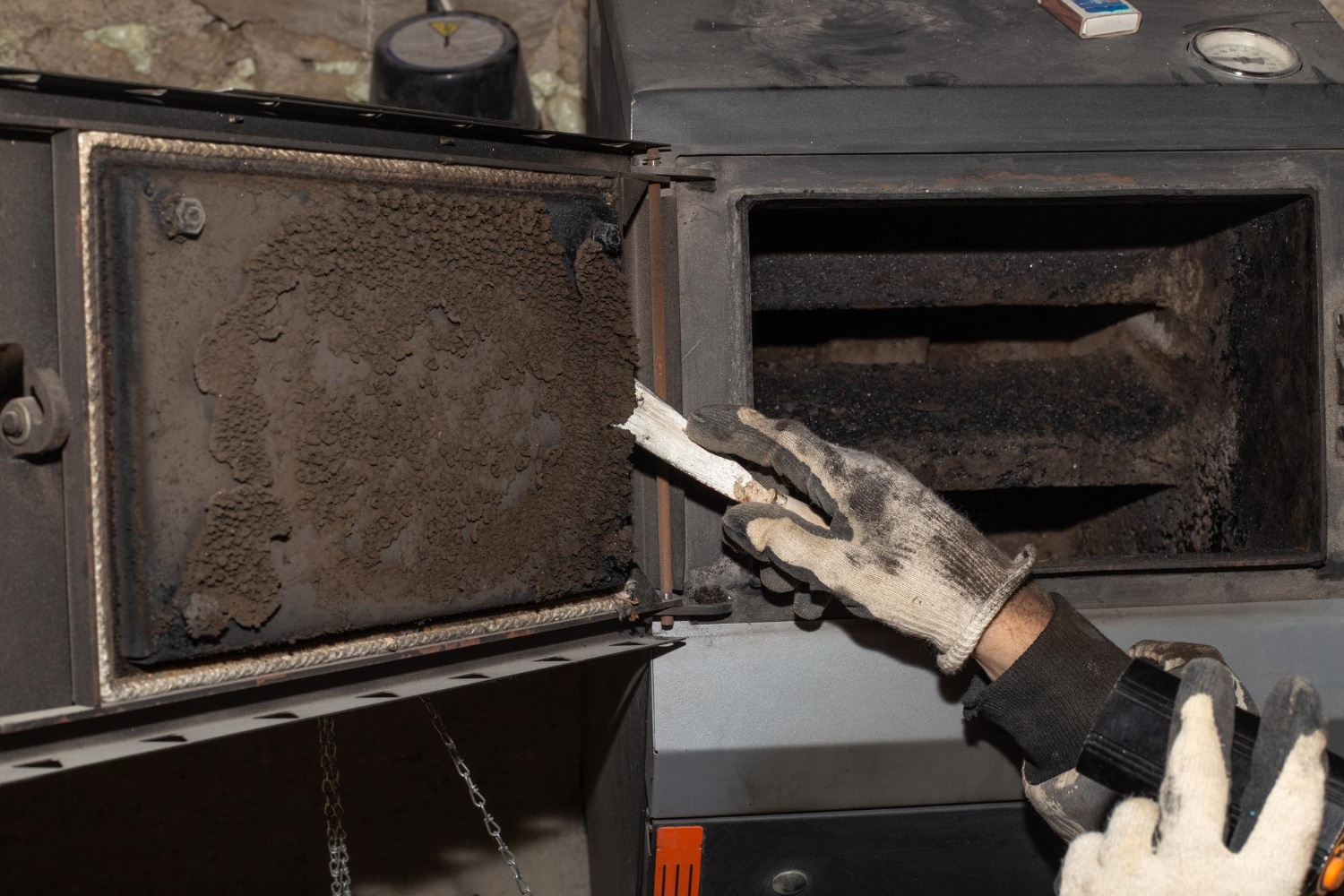
Wondering when to replace your air conditioner in Burlington? Learn the key signs, costs, and best timing for AC replacement. Serving Burlington & GTA.
Continue reading
Comparing central air conditioning vs ductless mini-splits for Ontario homes. Find out which system saves more and works best for your layout.
Continue readingLearn how to choose the right AC size for your Brampton home. Our guide covers BTU calculations, home size, and efficiency ratings. Call (905) 564-5464.
Continue reading
“Won’t that thing be loud sitting right outside my bedroom window?” It’s one of the most common questions we hear from homeowners considering a heat pump installation. And it’s a fair concern — the outdoor unit runs year-round, and nobody wants a noisy appliance disrupting their sleep or annoying their neighbours.
The good news? Modern heat pumps are remarkably quiet. At Furnace King Home Services, we install units that most homeowners forget are even running. Let’s break down the actual decibel levels, compare brands, and cover smart placement strategies that keep noise to an absolute minimum.
Most modern heat pumps are quiet enough that homeowners notice them very little, although what you hear depends on the unit, where it sits and how hard it is working. Natural Resources Canada says modern heat pumps are often quieter than traditional heating and air conditioning systems, and that most heat pumps have a sound rating of 76 dB or lower.
That rating describes the sound the outdoor unit gives off, and a lower value means a quieter unit. It is a different measurement from the level you hear at a bedroom window or a property line, which depends on distance and placement. Because decibel figures depend on how and where they are measured, treat the numbers in the sections below as a general guide and ask for the published sound rating of the exact model you are considering.
Before you choose a heat pump, ask for:
We can talk through placement and model choices during an in-home assessment. You can also read Natural Resources Canada’s guide to heating and cooling with a heat pump, or learn about our heat pump services.

Heat pump noise is measured in decibels (dB) — a logarithmic scale where every 10 dB increase sounds roughly twice as loud to the human ear. Modern heat pump outdoor units operate at 40 to 60 decibels depending on the model and operating speed, while indoor units run at a whisper-quiet 18 to 30 dB.
To put those numbers in perspective, here’s how common heat pump noise levels compare to everyday sounds:
| Sound Source | Decibel Level (dB) |
|---|---|
| Whisper | 20 dB |
| Heat pump indoor unit (low speed) | 18–25 dB |
| Refrigerator humming | 40 dB |
| Heat pump outdoor unit (low speed) | 40–45 dB |
| Normal conversation | 50–60 dB |
| Heat pump outdoor unit (full speed) | 55–60 dB |
| Window air conditioner | 50–65 dB |
| Lawnmower | 90 dB |
At 45 to 50 dB during typical operation, a modern heat pump is no louder than the background hum of a quiet neighbourhood. Most homeowners can’t hear their outdoor unit from inside the house, even with the windows open.
Not all heat pumps produce the same amount of noise. Several key design factors determine how loud a unit is:
The compressor is the heart of the heat pump — and the primary source of noise. Variable-speed inverter compressors are dramatically quieter than single-stage models because they modulate their speed to match the heating or cooling demand. Instead of blasting on at full power and cycling off repeatedly (which produces noticeable on/off noise), an inverter compressor runs at a low, steady speed most of the time. It only ramps up to full capacity during peak demand, which happens infrequently.
Single-stage and two-stage compressors, by contrast, operate at fixed speeds. They cycle on at full blast, run until the thermostat is satisfied, then shut off completely. That constant starting and stopping is louder and more noticeable than the smooth, continuous hum of an inverter model.
The outdoor fan pulls air across the condenser coils and is the second-largest noise source. Modern units use aerodynamically optimized fan blades that reduce turbulence and operating noise. Variable-speed fan motors match the fan speed to the compressor speed, keeping noise proportional to demand.
Even the quietest heat pump can become annoyingly loud if installed improperly. Loose mounting hardware creates vibration and rattling. Missing vibration-dampening pads allow vibration to transfer into the mounting pad or wall bracket. Improper clearance causes turbulent airflow around the unit. Poor refrigerant piping can transmit compressor vibration into the home’s structure. A professional installation by an experienced team prevents all of these issues.
Heat pumps manufactured in the last 5 years are significantly quieter than older models. Compressor technology, fan design, and sound-dampening insulation have all improved dramatically. If you’re comparing a modern heat pump to a unit you heard running at a friend’s house 10 years ago, the difference is striking.

Here’s how the top heat pump brands compare on noise for the Canadian market:
| Brand & Model | Outdoor Noise Level | Compressor Type | Key Noise Feature |
|---|---|---|---|
| Trane XV20i | ~55 dB | Variable-speed inverter | Composite sound blanket on compressor |
| Bosch IDS 2.0 | ~56 dB | Variable-speed inverter | Quiet inverter operation, low-speed modulation |
| Mitsubishi Hyper-Heating | ~58 dB | Variable-speed inverter | Advanced blade design, vibration isolation |
| Amana AVXC20 | ~58 dB | Variable-speed | Sound control top with swept fan blade |
The difference between the quietest (Trane XV20i at 55 dB) and loudest on this list (58 dB) is barely perceptible to the human ear — it takes roughly a 3 dB change for most people to notice a difference in loudness. All four brands are considered very quiet by industry standards.
As a Bosch Approved Dealer, Furnace King frequently installs the Bosch IDS 2.0, which delivers an excellent balance of quiet operation, cold-climate performance (rated to -25°C), and energy efficiency. Its inverter compressor runs at whisper-level speeds during mild weather, which is the majority of the year in the GTA.
Where you place the outdoor unit matters as much as which unit you choose. Follow these guidelines to keep noise impact as low as possible:
This is the single most important placement decision. Install the outdoor unit on the side of the house farthest from bedrooms — both yours and your neighbours’. A unit that’s barely audible during the day can become noticeable at night when background noise drops. Placing it near the garage, laundry room, or utility area of the home puts the most distance between the compressor and sleeping areas.
Rubber isolation mounts or vibration-dampening pads between the unit and the mounting surface prevent vibration from transferring into the ground or wall structure. This is especially important for units mounted on wall brackets close to the building, where vibration can transmit through the framing and become audible inside.
The outdoor unit needs adequate airflow to operate efficiently and quietly. Keep at least 2 feet of clearance on all sides and 5 feet above. Avoid placing the unit in narrow corridors between buildings or tight spaces where walls or fences can reflect sound back, amplifying the perceived noise level.
Hard, flat surfaces like brick walls, concrete patios, and wooden fences reflect sound rather than absorbing it. If the outdoor unit must sit near a wall, consider installing a sound-absorbing barrier (not a full enclosure — the unit needs airflow) or positioning the unit so the fan faces away from the reflective surface.

If you already have a central air conditioner, a heat pump will sound very similar — they use the same fundamental outdoor compressor and fan technology. A modern heat pump at 50 to 58 dB is comparable to a modern central AC unit at 50 to 60 dB.
The key difference is that a heat pump’s outdoor unit runs year-round for both heating and cooling, while a central AC only runs in summer. This means your neighbours may hear the unit operating in winter when they wouldn’t normally expect outdoor HVAC equipment to be running. Proper placement away from property lines and neighbouring homes’ bedrooms addresses this easily.
If you’re replacing an older AC unit (10+ years old), you’ll almost certainly find the new heat pump is quieter than what you had before, thanks to advances in compressor and fan technology.
Noise regulations vary by municipality across the GTA, but most follow similar guidelines. In Mississauga, the noise bylaw generally allows up to 55 dB at the property line during daytime hours and 50 dB at night. Brampton and Etobicoke have comparable limits.
Modern variable-speed heat pumps operating at typical (non-peak) speeds easily comply with these bylaws, especially when positioned with reasonable setback from the property line. At 5 to 10 feet from the unit, sound dissipates significantly — a 56 dB unit at the source drops to roughly 45 to 48 dB at 10 feet in an open setting, well within nighttime limits at the property line.
If you have specific concerns about noise compliance — perhaps a particularly close neighbour or a unit that must be placed near the property line — discuss placement options with your installer before the work begins. There’s almost always a configuration that works.
For more information from trusted sources:
Considering a quieter heat pump upgrade? Use our HVAC cost estimator to see what premium models cost in your area.
Modern heat pump outdoor units operate at 40 to 60 decibels, which is roughly equivalent to a quiet conversation or a residential refrigerator. Variable-speed models are especially quiet because the compressor runs at lower speeds most of the time, only ramping up during peak demand. At 50 dB from 5 feet away, most people find the sound unnoticeable from inside the home. Older or single-stage models tend to be louder, in the 55 to 65 dB range.
Heat pumps and central AC units produce very similar noise levels because they use the same outdoor compressor and fan technology. A modern heat pump at 50 to 58 dB is comparable to a modern central AC at 50 to 60 dB. The main difference is that a heat pump’s outdoor unit runs year-round (for heating and cooling), so neighbours may notice it in winter when they wouldn’t expect to hear outdoor HVAC equipment. Proper placement addresses this easily.
Among the top-performing brands in the Canadian market, the Trane XV20i is one of the quietest at approximately 55 dB. The Bosch IDS 2.0 (which Furnace King installs as a Bosch Approved Dealer) operates at around 56 dB and is notably quiet due to its variable-speed inverter compressor. Mitsubishi Hyper-Heating units run at approximately 58 dB. All of these are considered very quiet by industry standards — the difference between 55 and 58 dB is barely perceptible to the human ear.
The days of loud, rattling outdoor HVAC units are behind us. Today’s variable-speed heat pumps produce less noise than a normal conversation, and their indoor units are quieter than a whisper. With the right model and proper placement, most Ontario homeowners never think about heat pump noise after the first week of operation.
If noise is a concern for your home, the solution is straightforward: choose a variable-speed inverter model (like the Bosch IDS 2.0), install it on vibration-dampening mounts, and position it away from bedrooms and property lines. Problem solved.
Ready to explore quiet, efficient heat pump options for your home? Contact Furnace King Home Services at (905) 564-5464 for a free in-home assessment. As a Bosch Approved Dealer, we’ll help you choose and place the right heat pump for maximum comfort and minimal noise. Serving Mississauga, Brampton, Etobicoke, and the entire GTA.
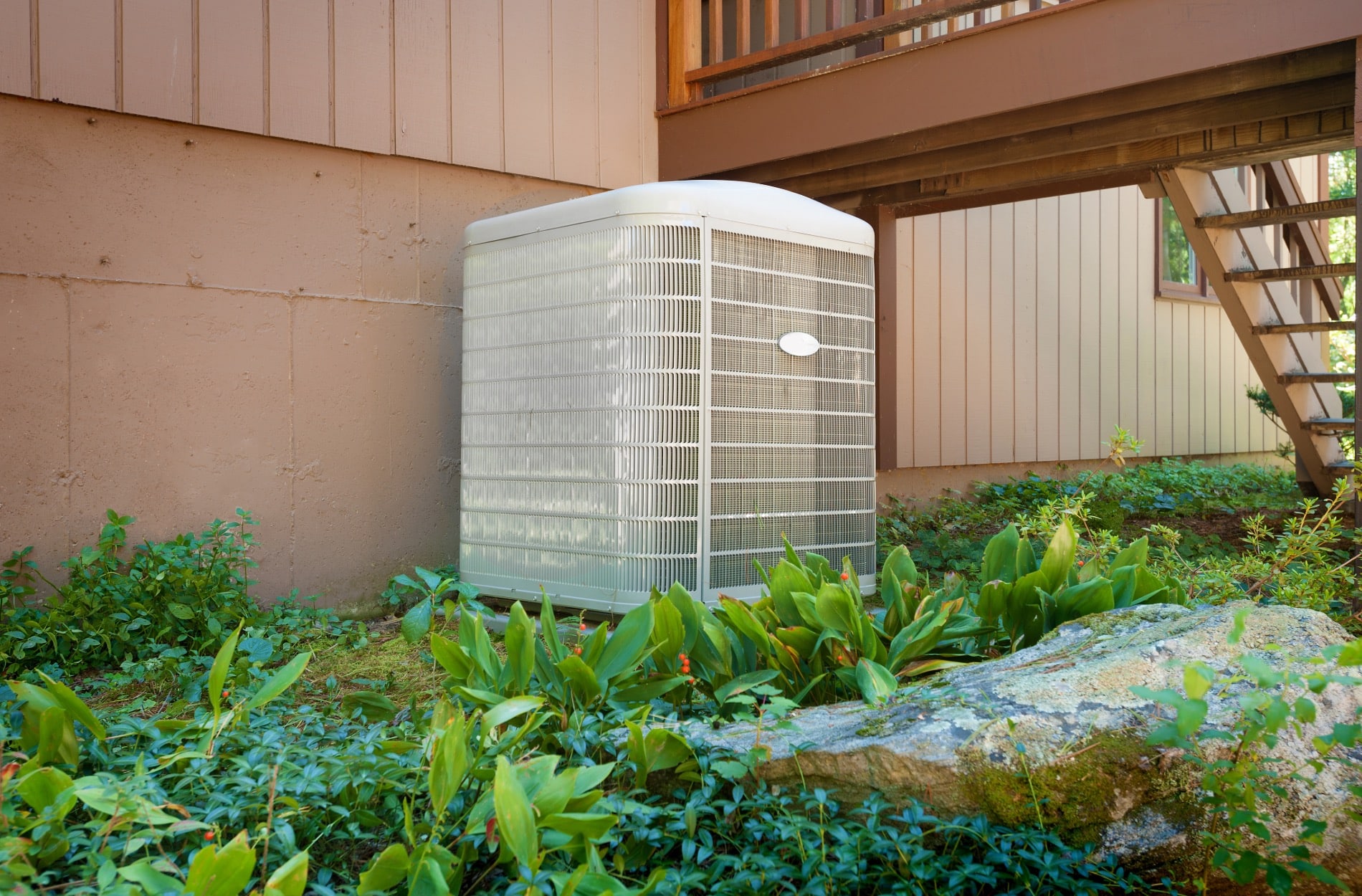
Your heat pump works year-round to keep your Ontario home comfortable — heating through frigid January nights and cooling through humid August afternoons. That non-stop operation means regular maintenance isn’t optional. It’s the single best way to protect your investment, keep energy bills in check, and avoid unexpected breakdowns when you need your system most.
At Furnace King Home Services, we see the difference maintenance makes every day. Systems that receive routine care last years longer, run more efficiently, and rarely leave homeowners stranded in extreme weather. Here’s our complete seasonal maintenance checklist for Ontario heat pump owners — what you can do yourself and when to call in a pro.
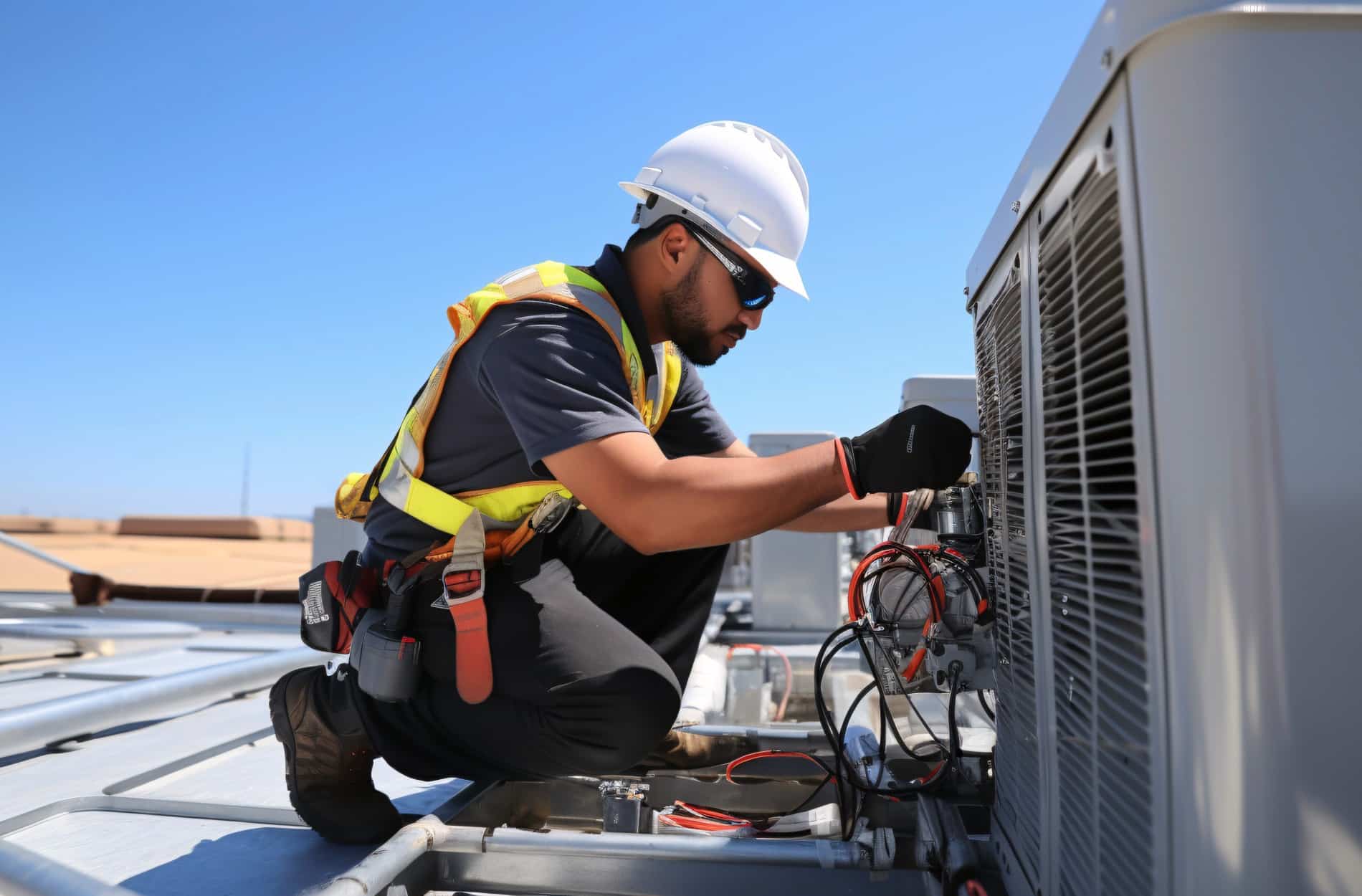
These quick checks take less than 15 minutes and should happen every month, regardless of the season:
As temperatures climb above 10°C consistently in March and April, it’s time to prepare your heat pump for the cooling season ahead:

September and October are your window to prepare for Ontario’s heating season, which typically runs from late October through April:
Ontario winters bring unique challenges for heat pump operation. These tips help your system handle everything from a mild Mississauga December to a brutal February cold snap:
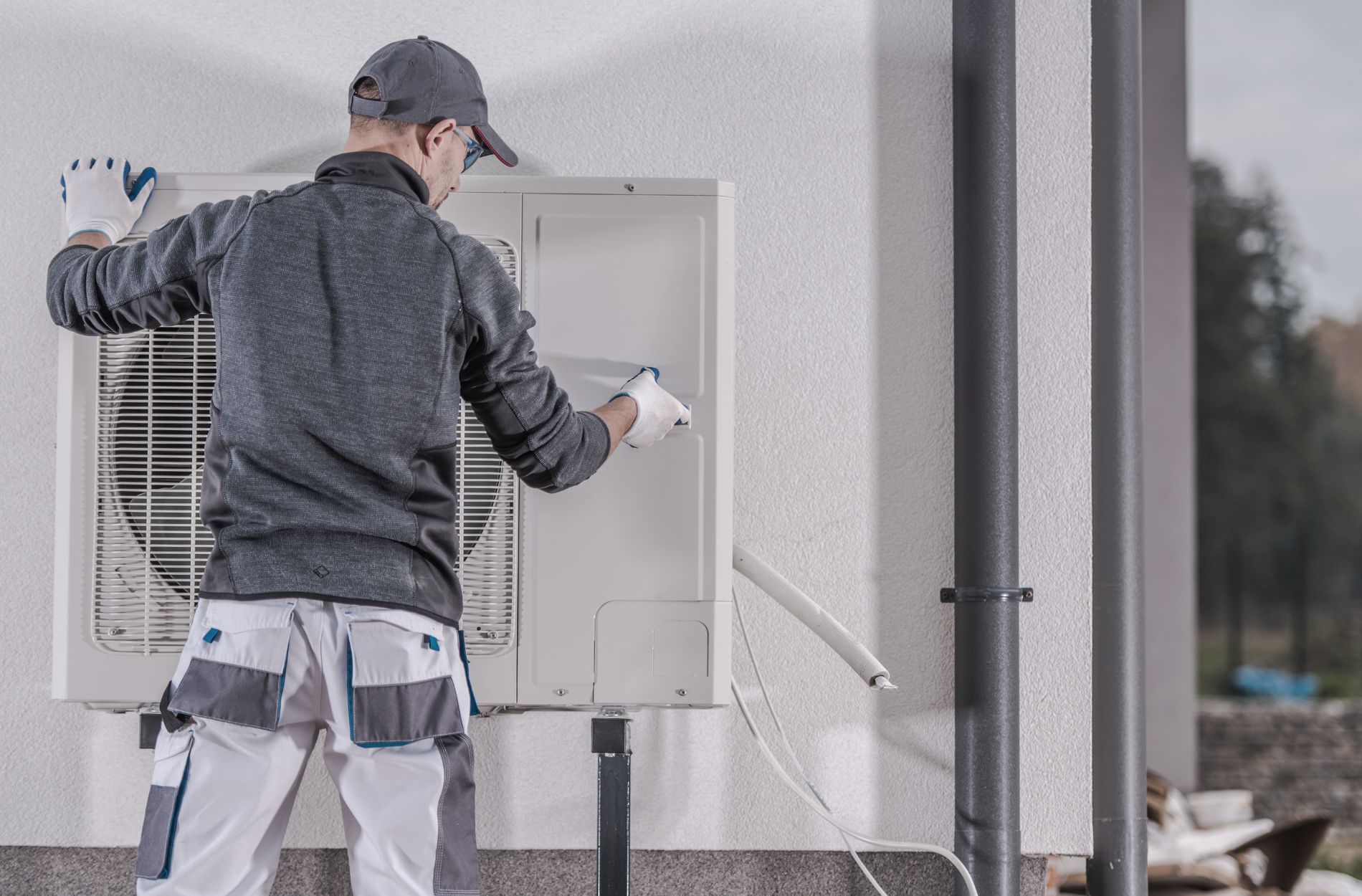
While DIY maintenance is important, it’s no substitute for a professional service visit. Here’s what a thorough tune-up from a licensed HVAC technician covers:
A professional tune-up typically costs $150 to $200 and takes about an hour. We recommend scheduling two per year — one in spring and one in fall — to cover both the cooling and heating seasons. Furnace King offers annual service plans that include scheduled maintenance visits at a discounted rate, plus priority service if you ever need an emergency repair.
Even with regular maintenance, heat pumps can develop problems. Watch for these warning signs and call a professional promptly if you notice any of them:
Proper system sizing also plays a role in maintenance — an oversized heat pump short-cycles and wears out faster. See our heat pump sizing guide to understand how sizing affects long-term performance.
For more information from trusted sources:
Planning a system upgrade or replacement? Use our free HVAC cost estimator to get an instant price range.
You should have a professional tune-up at least once a year, ideally twice — once in spring before cooling season and once in fall before heating season. Between professional visits, perform monthly homeowner maintenance: check and replace air filters, clear debris from around the outdoor unit, and verify the thermostat is operating correctly. Heat pumps work year-round (unlike furnaces or ACs), so regular maintenance is especially important for longevity.
You can and should handle several basic tasks: replacing or cleaning air filters monthly, keeping the outdoor unit clear of leaves, snow, and debris (maintain 2 feet of clearance on all sides), gently cleaning the outdoor coils with a garden hose, checking that vents and registers inside are unobstructed, and monitoring your thermostat settings. However, tasks involving refrigerant levels, electrical components, the defrost cycle, and the reversing valve should always be left to a licensed HVAC technician.
A thorough professional tune-up includes: checking and topping up refrigerant levels, inspecting and cleaning indoor and outdoor coils, testing the defrost cycle and reversing valve, checking electrical connections and amp draws, lubricating motors and bearings, verifying thermostat calibration, inspecting ductwork for leaks, cleaning condensate drain lines, testing safety controls, and measuring airflow. A tune-up typically costs $150 to $200 and takes about an hour. Furnace King offers annual service plans that include scheduled maintenance visits.
A well-maintained heat pump delivers reliable comfort, lower energy bills, and a lifespan of 15 years or more. Neglect it, and you’re looking at premature failure, costly emergency repairs, and higher monthly bills the entire time.
The maintenance tasks in this guide take minimal time and effort — most homeowner checks take less than 15 minutes per month. Combined with twice-yearly professional tune-ups, they’re the best insurance policy your HVAC system can have.
Need to schedule a heat pump tune-up or have concerns about your system’s performance? Contact Furnace King Home Services at (905) 564-5464 to book a service appointment. We serve Mississauga, Brampton, Etobicoke, and the entire GTA with expert heat pump maintenance and repair.

Heat pumps are a popular way to heat and cool homes in Etobicoke. In the winter, they help keep things warm. In warmer months, they work in reverse to bring in cool air. It’s a useful system that works all year, but like anything that runs hard through the seasons, things can wear down over time.
As spring gets closer, it’s a smart time to think about how your heat pump is doing. You’ve likely used it a lot during the colder months, and once that spring weather shifts, your system might need to change gears. That’s when problems can pop up, right in between the seasons. If you’ve been wondering what to look out for or when to schedule heat pump repair in Etobicoke, we’ll break it down in a way that helps make sense of it.
We want to help you spot small issues before they turn into bigger ones, so your home stays comfortable year-round.
Heat pumps usually hum along in the background without much fuss. But when something changes, you might notice a few signs before the system stops working completely. These warning signs are easy to miss if you’re not sure what to watch for.
These changes don’t always mean the unit is about to stop, but they are signs it might need a closer look. Catching them early can help keep things from getting worse just as warm weather kicks in.
Heat pumps are hardy machines, but regular wear adds up. The biggest issues tend to show up after a long heating season when dirt, moisture, and extra use take their toll.
These types of issues don’t always come with big flashing warnings. Often, it’s a bunch of small things adding up until something no longer works the way it should.
Furnace King Home Services provides professional heat pump repair in Etobicoke, including refrigerant checks, coil cleaning, airflow adjustments, and prompt part replacements for all models. Our licensed technicians perform precise system diagnostics as part of every maintenance or repair visit. According to our heat pump service page, early troubleshooting helps maintain efficiency and avoids further damage for local homeowners.
Spring is a strange time in Etobicoke. It might snow one day and hit double digits the next. That back-and-forth is tough on systems like heat pumps that have to adjust quickly. It’s why early spring is one of the best times to get ahead of any repair work.
Fixing small issues now can prevent long delays or comfort problems when everyone else starts reaching for the thermostat on those sudden warm days in April and May.
If you’re not sure what happens when someone checks on your heat pump, the process is often pretty simple. The goal is to look over everything, inside and out, and make sure it’s running safely and smoothly.
The whole idea is to find and fix problems before your system starts showing bigger signs of trouble when it’s warmer out.
Spring doesn’t always give you much warning. One week can feel like the middle of winter, and the next, you’re cracking the windows open at night. That’s why it makes sense to handle heat pump repairs now instead of waiting until something breaks.
Getting small fixes done in March gives your system space to adjust and run better once April and May arrive. When everything’s clean, tight, and working the way it should, you don’t have to second-guess it when the weather changes.
Knowing your system is ready makes a big difference. It keeps your space comfortable and takes one thing off your mind as the seasons shift again. Checking in early helps your heat pump do its job without stress, just like it’s supposed to.
As the seasons change in Etobicoke, ensure your heat pump is up to the task with proactive maintenance. Our team at Furnace King Home Services specializes in heat pump repair in Etobicoke, offering expert inspections and repairs to keep your system running smoothly. Don’t wait for a breakdown; let us help you maintain optimal comfort in your home all year round. Contact us today for your spring check-up and stay ahead of the game.
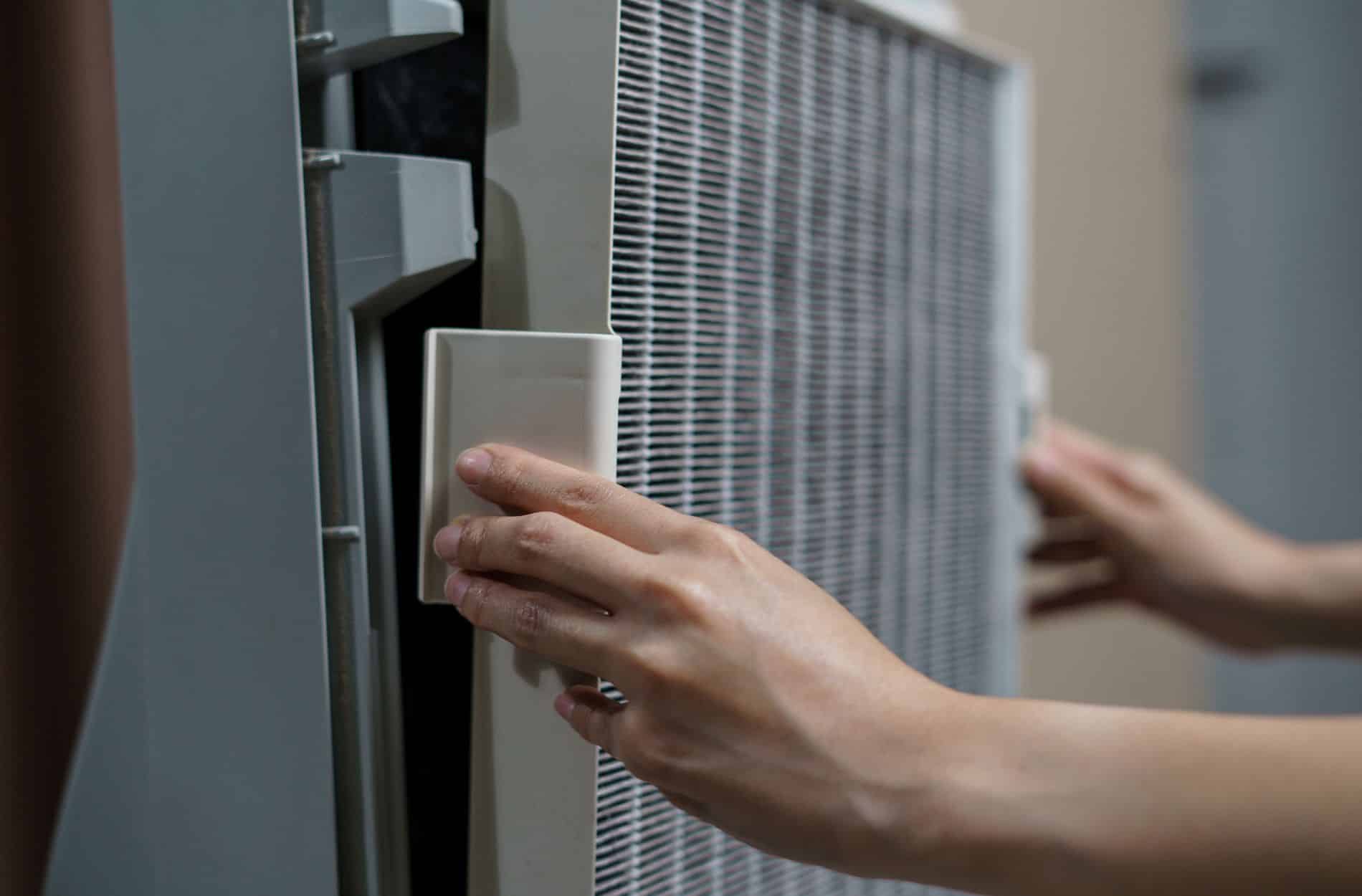
When your furnace is running smoothly, you probably do not think much about the filter inside it. But the air that moves through your home matters a lot, especially in a place like Mississauga where winters are long and windows stay closed for months. As we move into spring, it’s a good time to take a closer look at your furnace system, starting with the filter.
Many homeowners have heard about using a HEPA filter for a furnace, but not everyone knows what it does or how it connects to airflow. These filters are known for helping clean the air, but there is more to them than that. They can support better airflow when used properly, or cause problems if they are dirty or poorly matched with your system. Let us look at how these filters really work, what they do for your home during the seasonal change, and how to spot when it might be time for a filter check.
HEPA stands for “high-efficiency particulate air.” It is a type of filter that is built to trap the smaller stuff floating in the air that regular filters might miss.
The idea is simple but lasting. If the air coming from your furnace is clean, your home will feel fresher and more comfortable as the seasons shift.
While HEPA filters are great at cleaning the air, they can be a bit heavier to push air through compared to standard filters. If you have ever felt like the air is not moving as freely from your vents, the filter could be playing a part.
So while HEPA filters can help, they work best when checked often and replaced as needed. Letting one get too dirty is like trying to breathe through a clogged mask, it slows everything down.
Furnace King Home Services offers a range of HEPA filter options for furnaces in Mississauga and recommends professional sizing to ensure proper fit and maximum airflow. According to our indoor air quality page, we provide HEPA filter installation, customized air quality solutions, and guidance on maintenance schedules for homes with allergy or asthma concerns. All filter upgrades come with a walkthrough on how to recognize when your filter is ready to swap out, so you never have to second-guess indoor air quality.
Sometimes the air still works, but something feels off. Maybe the living room is warm, but the bedroom is not. Or your vents do not seem to have much airflow even though the furnace is on. These can all be signs the filter needs attention.
After a winter of heavy furnace use, March is a great time for a quick check. Even if everything still works, replacing a dirty filter can give your furnace a fresh start before the warmer weather rolls in.
Mississauga winters can drag on, but by mid-March, the shift toward spring starts to show. That is when it pays to get ahead of seasonal changes and think about air quality again.
Checking your filter now, right between the seasons, makes it easier to adjust to the next stretch of weather comfortably.
A HEPA filter for a furnace is not just about trapping dust. When it is clean, it helps the whole system work better. Air moves evenly through each room, and you do not have to second-guess whether some part of the house will feel too cold or warm.
As we head into spring, a quick look at your furnace filter can make a big difference in how your indoor air feels. Clean filters support your system so it does not have to work overtime. They also help you breathe a little easier, literally, especially after months of winter air being sealed inside.
This time of year is ideal for catching small problems before they turn into bigger ones. When airflow is smooth and filters are fresh, the whole house feels better. You do not need to think about it every day. But once spring lands, you will be glad everything is already working the way it should.
Spring is the perfect season to make sure your furnace filter is in top shape. A clean filter keeps your indoor air feeling fresh and helps your system run more efficiently as temperatures climb. For homes in Mississauga, the right fit is especially important, consider upgrading to a HEPA filter for a furnace for added peace of mind. At Furnace King Home Services, we recommend having your filters inspected before the weather fully changes. Connect with us today to discuss your next steps.
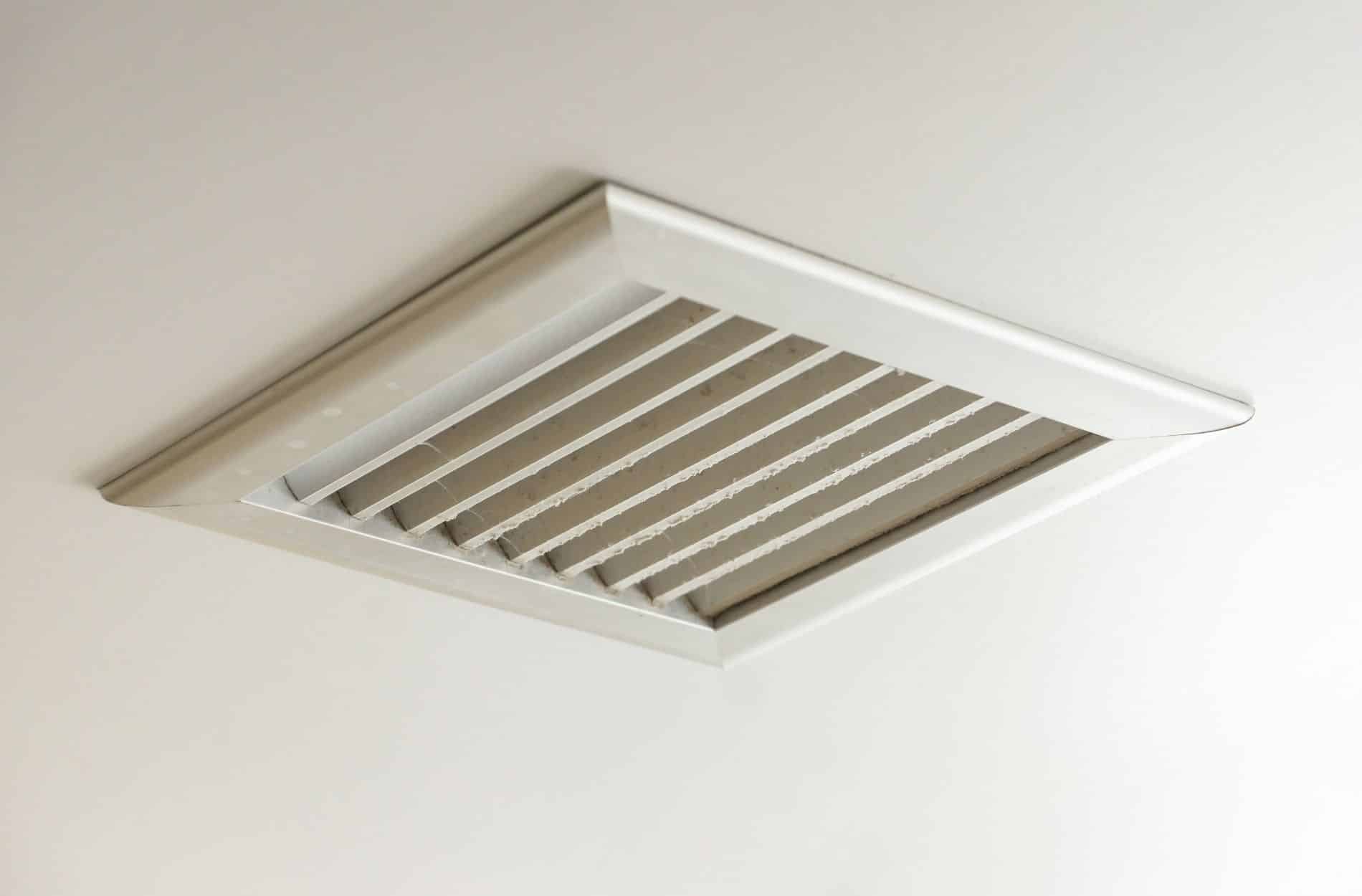
Air moves through your home all day, even when you are not thinking about it. Every time your furnace or AC runs, that air travels through your ductwork, past dust, pet hair, and whatever else has settled inside. Those ducts sit behind walls and ceilings, so it is easy to forget they exist, but they quietly shape how your home feels and smells.
Many Mississauga homeowners are not sure what to think about duct cleaning. Is air duct cleaning in Mississauga a smart step for cleaner air, or just another upsell you do not really need? We understand the hesitation, and we hear these questions from local families all the time.
In this article, we will walk through when duct cleaning actually makes sense, how dirty ducts affect comfort and bills, what a proper service generally includes, and how to spot red flags. As a GTA-based HVAC and plumbing team working in Mississauga, Brampton, Oakville, and Toronto, we want you to feel confident in your choice, not pressured.
Mississauga has a mix of older homes with long used ductwork and newer builds with tighter construction. Add our humid summers, damp shoulder seasons, and long periods of furnace use in winter, and you get a recipe for dust and debris settling inside ducts over time.
Duct cleaning can make sense when you notice signs like:
In these cases, a proper cleaning can help remove the buildup that regular filter changes miss. It is not a cure-all for every air quality concern, but it is one piece of a bigger picture.
There are also times when a full cleaning may not be needed. For example, some homes:
If that sounds like your home and nobody has breathing issues, you might not need frequent duct cleaning. We want you to feel you are getting honest guidance, not pushed into a service just because it exists.
Over the years, ducts can collect a mix of dust, pet hair, dander, pieces of insulation, and sometimes leftover construction debris. In damp spots, there may even be areas where mould can grow on surfaces. When your system runs, some of that material can be stirred up and sent back into the rooms you live in.
That can show up in daily life as:
For family members with allergies or asthma, recirculating particles can be especially noticeable. It is not the only thing that affects breathing, but cleaner ducts can reduce some of the triggers floating around the home.
Dirty or restricted ductwork can also affect comfort. If parts of the system are clogged or coated, you might notice:
When air cannot move freely, your furnace and AC have to work harder to reach the temperature on the thermostat. That can lead to higher energy use, more wear on motors and blowers, and a greater chance of breakdowns or shorter equipment life over time.
Not all duct cleaning is the same. A proper service is careful, methodical, and focused on actually removing debris from the system, not just blowing it around. You should expect the process to start with an inspection of the ductwork, vents, and easily accessible components so the technician understands what they are working with.
A professional visit generally includes:
Reputable HVAC companies will also look beyond just the ducts. Since your heating and cooling system works as one unit, they may inspect:
This helps make sure you are not leaving a dirty component upstream that can quickly re-contaminate the ducts.
Timing and frequency depend on your home. Many households find that every few years is enough, while homes with pets, indoor smoking, or recent renovations may benefit from more frequent service. The time on site can vary with the size of the home and the complexity of the duct layout. Any company that promises lifetime results from a single visit is not being realistic.
Because ducts are hidden, it is easy for low-quality providers to cut corners. There are a few warning signs that should make you pause before booking.
Watch out for:
Before you agree to any service, it helps to ask:
You want transparent pricing, a clear scope of work, and written details of what will be cleaned. Comparing a few local companies based on process and reputation, not just price, can help you avoid both overpaying and poor-quality work.
Spring is a natural time to think about the air in your home. After a long winter of closed windows and steady furnace use, many Mississauga homes feel stuffy, with more dust on surfaces and indoor air that just seems heavy.
A simple indoor air checkup might include:
If you are unsure whether air duct cleaning in Mississauga is right for your home, a professional assessment can help you decide. At Furnace King Home Services, we work across Mississauga and the GTA, and our goal is to give clear, honest advice so you can choose the right steps for cleaner, more comfortable air in your home.
If you are ready to clear out dust, allergens, and buildup from your ductwork, our team at Furnace King Home Services is here to help. Learn how our trusted air duct cleaning in Mississauga can improve your home’s comfort and air quality. Reach out today to discuss your needs and request a quote, or simply contact us to schedule your service.

Spring doesn’t wait around in Etobicoke. It sneaks in quickly, melting snow and warming up the air before anyone’s ready for it. As the chill starts to lift, it’s a smart time to look ahead, especially when it comes to your home’s heating. We all know how cold it can get come November, and no one wants to be left scrambling when the furnace doesn’t kick on.
Getting ready now for furnace installation in Etobicoke can make the whole process smoother. Instead of rushing into it right before winter, doing a bit of planning in spring gives you time to think things through calmly. There’s less pressure, more breathing room, and fewer surprises, all things that help make a big job feel a lot more manageable.
Some furnaces make their exit loudly. Others just stop doing their job well. Either way, there are clear signs it might be time for a new one.
With winters in Etobicoke being so cold, it’s not worth risking the chance that your system might break right when you need it most. That’s why spring gives us space to plan. It’s a season where you’re not relying on the furnace every day, so swapping it out won’t leave you shivering. You can take your time, ask questions, and figure out what works best for your home before next winter rolls around.
Furnace King Home Services offers furnace installation in Etobicoke with a range of high-efficiency models from trusted brands. Our team handles all necessary permits, inspects your ductwork for proper fit, and provides options for smart thermostats or updated air filtration systems. According to our furnace installation page, every job is backed by full warranty coverage and a 100% satisfaction guarantee.
Once you’ve decided it’s time for a new furnace, getting your house ready helps keep things moving smoothly on install day. A bit of prep work can make a big difference.
We’ve seen how setting the stage like this saves time and avoids confusion. It might not seem like much, but it really helps.
Getting your home ready doesn’t have to be a chore. Sometimes it just means moving storage boxes or making sure the path down to the furnace is free from shoes, holiday decorations, or sports gear. Other times, it means chatting with us about where your pets will be or whether it would help to leave a door unlocked if you’re out for errands. These small details keep things on track and stop any surprises.
Knowing what’s coming can take a lot of stress off your shoulders. A typical furnace installation in Etobicoke tends to follow a steady step-by-step flow.
During installation, your heat will be off, but if the temperature outside is mild, it shouldn’t be a big disruption. Pack a sweater just in case. We always do what we can to finish the job in one day so things are back to normal quickly.
Throughout the day, there might be brief periods when we need to shut off electricity or water to get everything safely hooked up. These are usually short and planned out ahead of time so you’re not left wondering what’s happening. If anything looks unusual or you have questions about the process, it’s always easier to ask right at that moment rather than after everything is done.
Once the furnace is in and everything’s cleaned up, we always walk through the system with you before we go. That’s your chance to ask questions, check out the thermostat, or talk through how to change the filter.
The first few steps after a new furnace install don’t take long, but they matter.
Getting to know your new system helps you feel more in control and set up for a smooth season ahead.
Enjoying the benefits of your new system doesn’t take any special knowledge, but we always recommend checking back in with us if anything feels unusual in the days after install. Sometimes it takes a week or two for everything to settle in and for you to get comfortable using the new settings.
Every spring, we talk to homeowners who want to stay ahead of the cold instead of chasing repairs when the snow falls. Taking care of furnace installation in Etobicoke during the quieter months gives you options, not pressure.
By doing a bit of prep now, clearing space, planning for install day, and asking early questions, you give yourself time to make sure everything fits the way it should. It lets you roll into the next heating season knowing your home is ready.
Warm, steady heat isn’t something you want to be guessing about. Making a calm, early choice this spring can lead to a more comfortable winter down the line.
Ready to upgrade your heating system before the next cold front hits? A thoughtful furnace installation in Etobicoke during the spring can prevent winter woes and ensure your home stays cozy. At Furnace King Home Services, our experienced team will guide you through the process with ease, leaving you stress-free and ready to embrace the upcoming season. Don’t wait until you’re caught in the cold—contact us today for a smooth transition to warmth and comfort.
