
Boilers are the heart of comfortable living in many Mississauga homes, especially during harsh Canadian winters. As your system ages, efficiency can drop, repairs may become frequent, and you might wonder if it’s finally time to invest in a new unit. Making the right call on boiler replacement is key to long-term comfort, energy savings, and peace of mind.
Understanding the signs, considerations, and local requirements around boiler replacement ensures you make a smart, confident decision for your property. This guide walks you through the essential steps, factors, and frequently asked questions to help Mississauga homeowners determine when and how to upgrade their boiler system.
Recognizing the Signs It’s Time for a Boiler Replacement
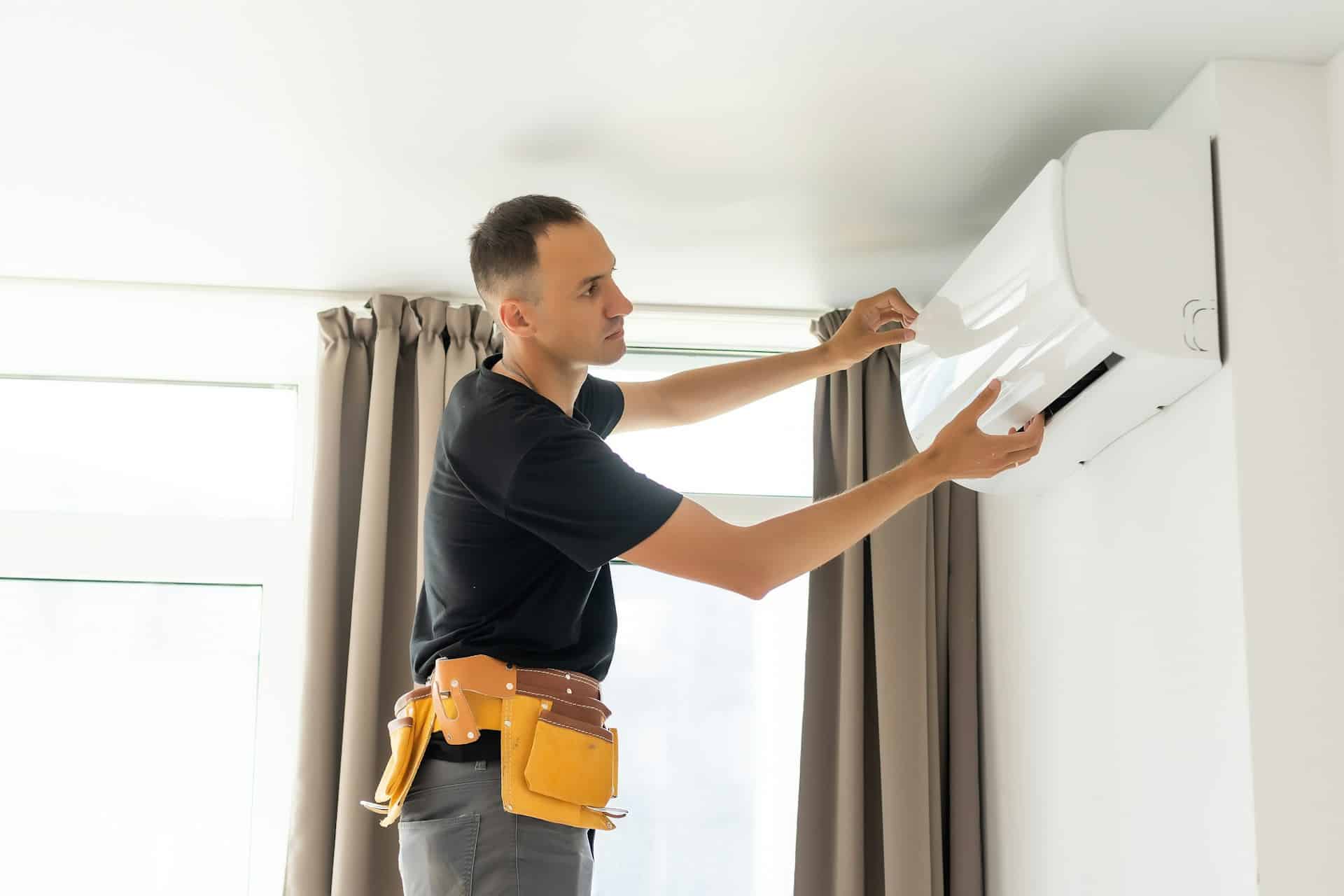
Most boilers are engineered to last between 15-20 years. As they approach the end of their lifespan, performance issues and rising energy bills often signal that repair may no longer be the best investment. Persistent noises, uneven heating, frequent breakdowns, or visible leaks are all red flags. If your boiler’s efficiency rating is outdated, you may be paying much more than necessary each month.
Another critical sign is the availability and cost of replacement parts. Manufacturers often discontinue components for older models, making repairs expensive and less reliable. If you notice that your heating system struggles to keep up during cold snaps or you’re calling for repairs more than once a year, it’s time to start exploring new options.
Boiler Replacement Guide for Mississauga Homeowners
When considering a new boiler, Mississauga residents should factor in home size, insulation quality, and the type of fuel available. The right boiler will not only provide reliable heat but also optimize energy use and reduce carbon footprint. Modern condensing boilers, for example, can achieve efficiency ratings above 90%, a significant jump from older non-condensing units.
It’s also important to understand local building codes and efficiency standards. Ontario requires specific efficiency levels for new heating installations. For a comprehensive outline of boiler technology and efficiency, visit the ENERGY STAR Boilers Resource. Consulting with a licensed HVAC professional can ensure your new unit meets local codes and is properly sized for your needs.
Comparing Boiler Types: Which Model Fits Your Needs?
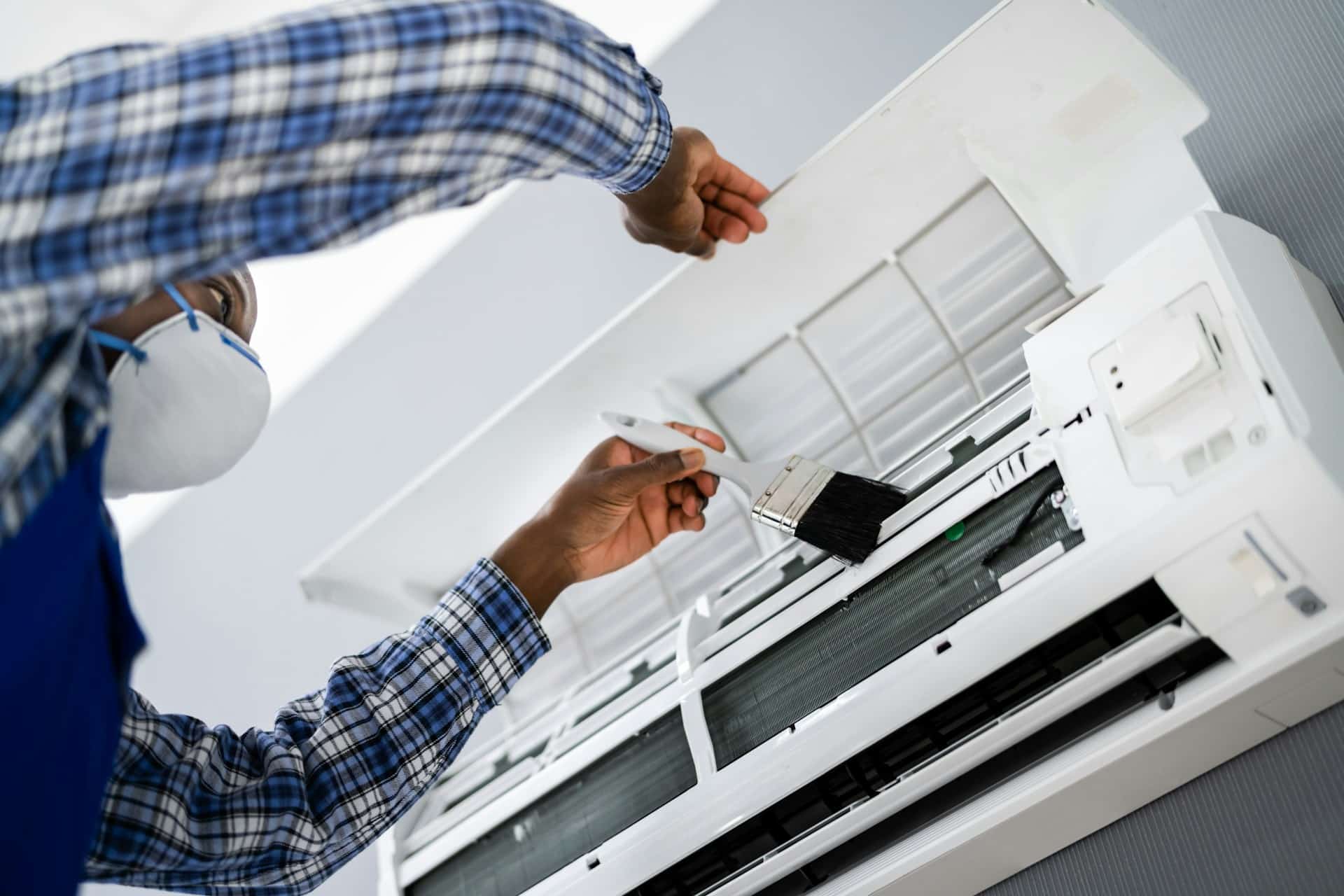
Boilers come in several varieties, each with distinct advantages. Combi boilers are compact and provide both heat and hot water, making them ideal for smaller homes or condos. Conventional boilers, also known as regular or heat-only, are suited for larger homes with higher demands. System boilers, which require a separate hot water tank, strike a balance between the two.
Fuel source is another major consideration. While natural gas remains the most common in Mississauga, propane and electric boilers are sometimes viable options depending on utility access and cost. Evaluate your household’s hot water needs, space constraints, and future renovation plans before choosing a model. For a tailored estimate based on your unique requirements, try our HVAC Cost Estimator.
The Boiler Replacement Process: What to Expect
Replacing a boiler is a multi-step process that typically starts with a detailed home assessment. An HVAC technician will evaluate your existing system, measure your home, and discuss your comfort preferences. Once a model is selected, installation generally takes one to two days, including removal of the old unit, system integration, and safety checks.
It’s important to work with a reputable provider to ensure proper installation, as this directly impacts performance and warranty coverage. For more on the importance of professional installation, the HPAC Magazine: Boiler Installation Best Practices offers additional insights. And if you’d like to know more about our process, visit our boiler repair and installation page.
Frequently Asked Questions
How do I know if my boiler needs replacing or just repair?
If your boiler is over 15 years old, requires frequent repairs, or is no longer heating your home evenly, replacement is often more cost-effective than continued repair. Rising energy bills and strange noises are also strong indicators it may be time for a new unit.
What are the benefits of upgrading to a modern boiler?
Modern boilers are significantly more efficient, offer improved safety features, and often operate more quietly. Upgrading can reduce your utility bills, lower your carbon footprint, and provide better, more consistent comfort throughout your home.
How long does a typical boiler replacement take?
The replacement process usually takes between one and two days, depending on system complexity and any necessary upgrades to venting or controls. Your HVAC provider will outline the timeline during the initial assessment and keep you informed throughout the installation.
Ready to enjoy a warmer, more efficient home? Contact Furnace King Home Services today at (905) 564-5464 or visit our contact page to schedule your boiler consultation. Our experienced team will guide you through every step of the replacement process, ensuring your comfort and satisfaction for years to come.