
Choosing a new water heater quietly shapes your daily comfort for the next decade or more. Whether you are replacing a unit that has finally given out or planning ahead before it does, the question we hear most often from homeowners here in Mississauga comes down to tankless vs tank water heater: which one actually makes sense for your house, your family, and your budget? It is a fair question, and the honest answer is that it depends on your home. Both options heat water reliably; they simply go about it in very different ways.
At Furnace King Home Services, we install and service both styles across Mississauga and the wider GTA, and we have learned that the right choice has as much to do with your home’s age, layout, and gas supply as it does with the equipment itself. In this guide, our team walks you through the real trade-offs — upfront cost, energy efficiency, lifespan, hot water supply, footprint, and the retrofit realities of older Mississauga homes — so you can make a confident, informed decision.
Tankless vs Tank Water Heater: How Each One Works
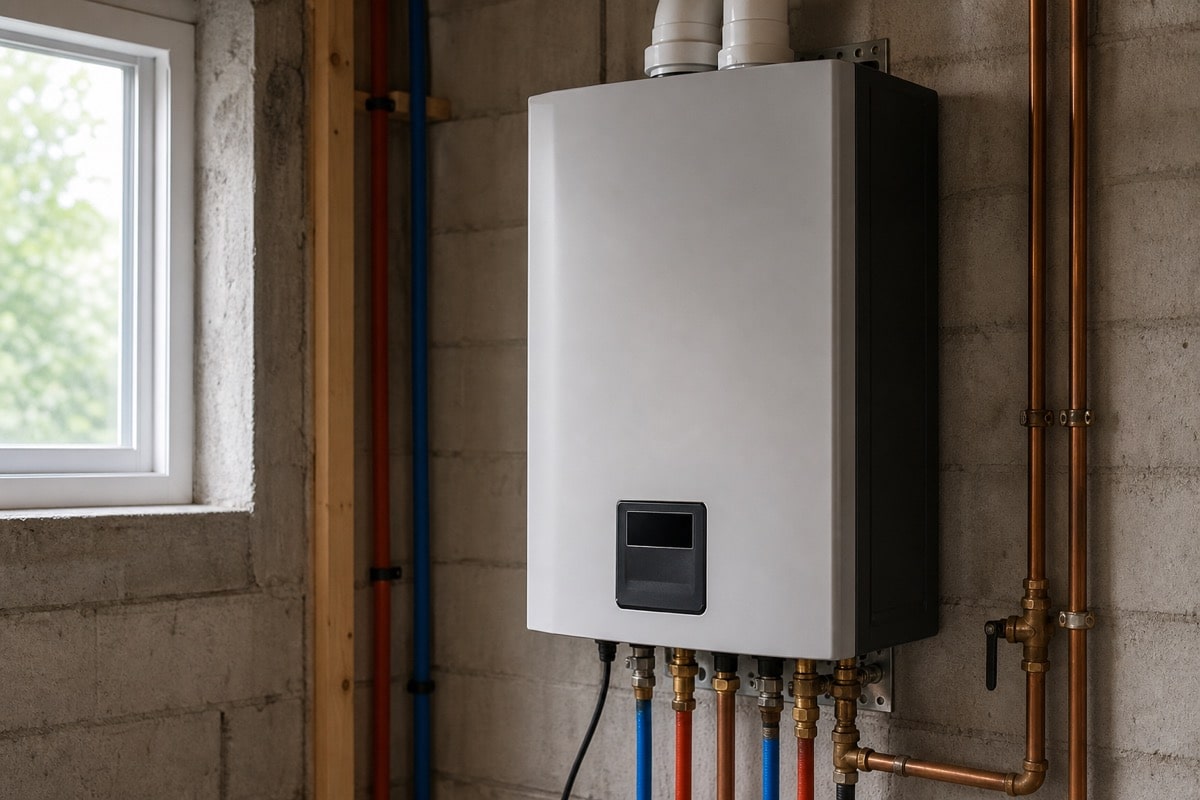
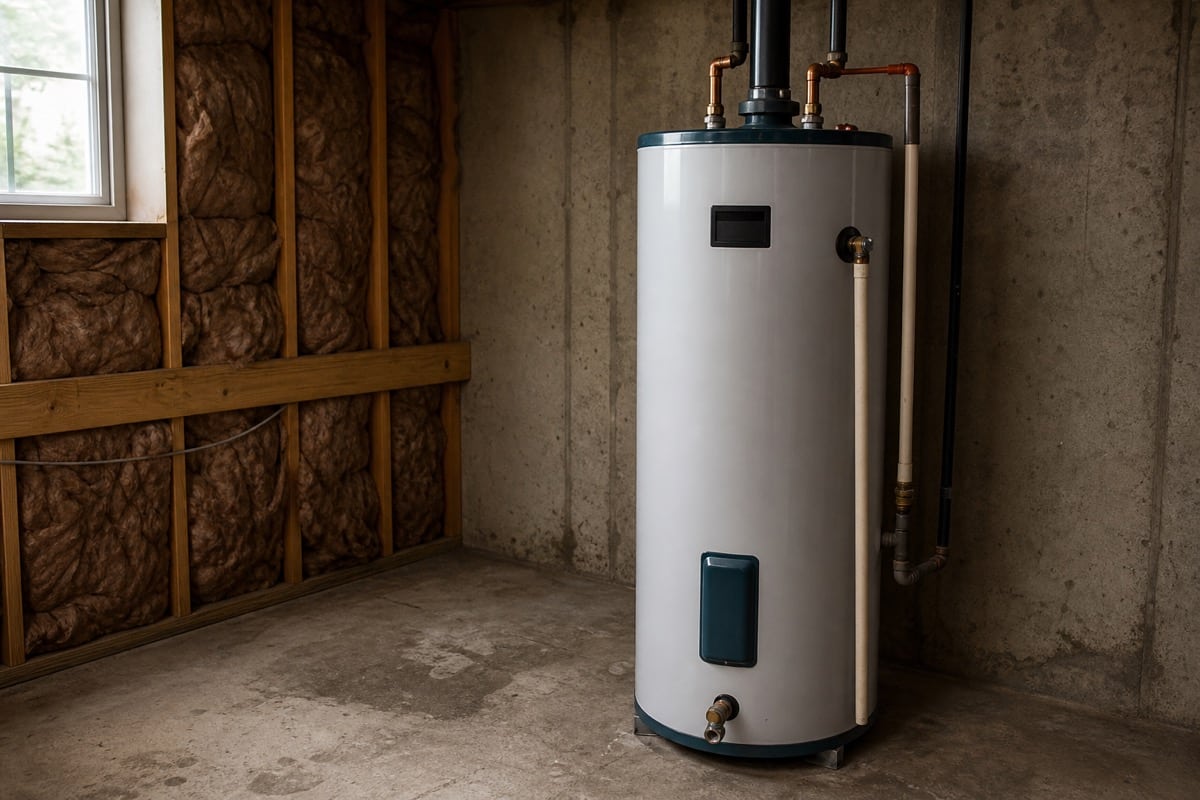
Before weighing the pros and cons, it helps to understand the basic difference. A traditional tank water heater stores a set volume of hot water and keeps it heated and ready around the clock, so when you turn on a tap, hot water flows straight from the tank. A tankless water heater holds no reservoir. It heats water on demand as it passes through the unit, firing up only when you call for hot water and shutting off when you are done.
That single design difference drives almost everything else in the tankless vs tank water heater comparison — from how much space the unit takes up, to how it is vented, to how it behaves when three people want hot water at once. Neither approach is universally better. What matters is how each one lines up with the way your household actually uses hot water.
Upfront Cost, Energy Efficiency, and Lifespan
These three factors tend to sit at the centre of most decisions.
Upfront cost
A conventional tank unit is generally less expensive to purchase and install, which makes it appealing when you need a straightforward replacement without changing much else in your mechanical room. A tankless system typically carries a higher upfront investment, both for the equipment and for the installation, especially if your home needs upgrades to accommodate it. We will always give you a clear, itemized quote so you can see exactly what is driving the number for your specific situation.
Energy efficiency
Because a tankless unit only heats water when you need it, it avoids the standby energy loss that comes with keeping a full tank hot day and night. A tank unit is continuously working to maintain temperature, even overnight or while you are at work. If lowering ongoing energy use is a priority for you, tankless is worth a serious look.
Lifespan
Tankless units generally last longer than tank units, and many are designed so key components can be serviced rather than requiring a full swap. A tank unit has a shorter typical service life, in part because it constantly holds heated water. Longevity matters when you weigh the higher upfront cost of tankless against the years of service you get in return.
Hot Water Supply, Space, and Larger Families
How your household uses hot water is often the deciding factor, and this is where the two systems feel most different.
- Endless vs limited hot water: A tankless unit delivers a continuous supply, so you are far less likely to run out mid-shower after the dishwasher and laundry have already run. A tank unit provides only as much hot water as it holds; once it is drained, you wait for it to reheat.
- Space and footprint: Tankless units are compact and typically mount on a wall, freeing up floor space in a utility room, basement, or closet. A tank unit is considerably larger and needs a dedicated spot. In tighter Mississauga homes and condos, that reclaimed space can genuinely matter.
- Capacity for larger families: Busy households with several bathrooms and simultaneous demand — morning showers overlapping with laundry — often benefit from a tankless system’s on-demand supply, or from a properly sized tank unit. Sizing is everything here, and it is exactly the kind of thing our team assesses before recommending anything.
The goal is a unit matched to how your household actually lives, which is why we start every recommendation with a look at your home rather than a generic chart.
Installation Considerations in Older Mississauga Homes
Mississauga has a wonderful mix of housing, from established mid-century neighbourhoods to newer developments, and the age of your home plays a real role in this decision. Older homes in particular can introduce a few wrinkles worth knowing about.
- Venting: Tankless units often require different venting than the tank unit they replace. In an older home, that can mean new venting runs to the exterior, which our team evaluates as part of the assessment.
- Gas line and capacity: Some tankless models call for a gas supply sized to their demand. If your existing line was set up for a tank unit, it may need to be reviewed to confirm it can support the switch. We check this before proposing a tankless upgrade so there are no surprises.
- Retrofit realities: Swapping from tank to tankless is more involved than a like-for-like tank replacement. Older mechanical rooms sometimes need adjustments to mounting, water lines, or connections. None of this is a dealbreaker — it simply needs to be planned properly, which is our job, not yours.
- Straightforward tank replacements: If you are replacing an aging tank with another tank, the work is usually more direct, with minimal changes to your existing setup.
This is where working with an experienced local team pays off. Because we work in Mississauga homes constantly, we know what to look for, and we are set up to handle the water-line and connection work that a proper installation may involve. If you would like a full picture of how your water heater ties into the rest of your home’s plumbing, our plumbing services page is a good place to start.
How Our Team Assesses Your Home and Installs Both Types
When you reach out to us, we do not lead with a product. We lead with questions and a look at your home:
- We review how many people live in the home and how you use hot water each day.
- We inspect your current setup, venting, gas supply, and available space.
- We talk through your priorities — upfront budget, long-term efficiency, endless hot water, or reclaiming space.
- We recommend the option that genuinely fits — a right-sized tank unit or a tankless system — and explain why.
From there, our technicians handle the installation of both tank and tankless systems, including the venting and connection details that older homes sometimes require. If you are leaning toward going tankless, you can read more on our dedicated tankless water heaters page. Whichever direction you choose, our aim is a reliable, correctly sized system that suits your Mississauga home for years to come.
Frequently Asked Questions
Is a tankless water heater always the better choice?
Not necessarily. A tankless unit offers on-demand hot water, a compact footprint, and strong energy efficiency, but it carries a higher upfront cost and can require venting or gas upgrades in older homes. For some households, a properly sized tank unit is the more practical fit. The best choice in the tankless vs tank water heater debate always comes down to your specific home and how your family uses hot water, which is what we assess before recommending anything.
Can I switch from a tank to a tankless unit in my older Mississauga home?
In most cases, yes, though it usually involves more than a simple swap. Older homes may need updated venting, a review of the gas supply, and adjustments in the mechanical room to accommodate a tankless unit. Our team evaluates all of this during the assessment so you know exactly what the switch involves before any work begins.
Which option gives me more hot water for a large family?
A tankless system provides a continuous, on-demand supply, so it is less likely to run out during back-to-back showers or overlapping laundry and dishwashing. A larger, properly sized tank unit can also serve a busy household well. The key in either case is correct sizing for your simultaneous hot-water demand, and we handle that sizing as part of our recommendation.
Still weighing your options? We would be glad to help you compare a tankless and tank water heater for your specific home. Reach out to the team at Furnace King Home Services by calling (905) 564-5464 or visiting our contact page, and we will assess your home and recommend the right solution with no pressure and a clear, upfront quote.