
Standing in the hardware aisle staring at a wall of furnace filters is one of the most common points of confusion we hear about from homeowners across Mississauga and the GTA. The packaging throws around numbers, colours, and marketing claims, and it is genuinely hard to tell which one belongs in your system. The single most useful piece of information on that packaging is the furnace filter MERV rating, and once you understand what it measures, choosing the right filter becomes a straightforward decision rather than a guess.
At Furnace King Home Services, we install and service heating and cooling equipment every day, and we see firsthand what happens when the wrong filter goes into a system. A filter that is too restrictive can quietly strain your furnace and reduce airflow, while a filter that is too basic lets dust and allergens circulate freely. Our goal with this guide is to explain the MERV scale plainly, walk through the real tradeoffs, and help you pick a filter that keeps your air clean without choking your equipment.
What the furnace filter MERV rating actually measures
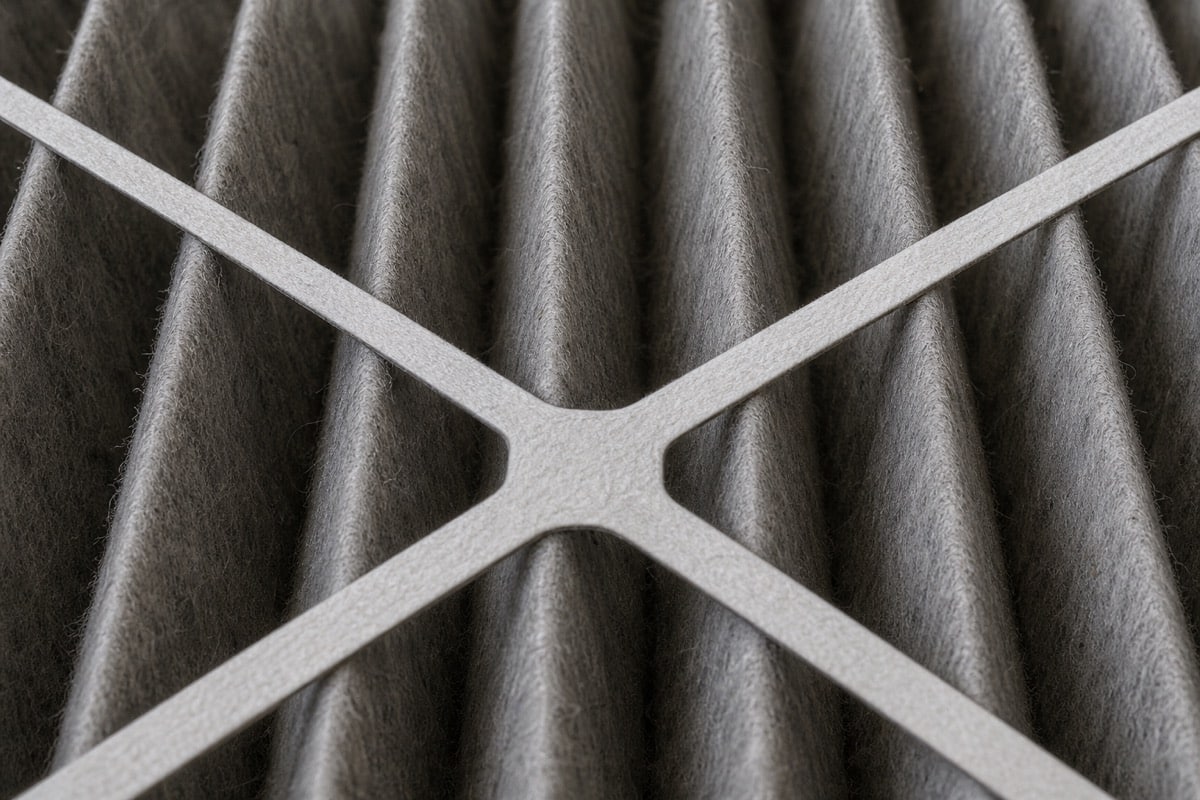
MERV stands for Minimum Efficiency Reporting Value. It is a standardized rating that tells you how effectively a filter captures airborne particles as air passes through it. The higher the number, the smaller the particles the filter can trap, and the greater the percentage it removes on each pass. For residential furnaces, the practical range you will encounter runs from about MERV 1 to MERV 16, though the vast majority of homes are well served somewhere in the middle of that scale.
Here is a rough picture of what the different ranges capture:
- MERV 1 to 4: Basic fibreglass filters. These mainly protect the equipment from large debris like lint and dust bunnies. They do very little for air quality.
- MERV 5 to 8: Pleated filters that capture dust, pollen, mould spores, and pet dander reasonably well. This is the everyday range for many homes.
- MERV 9 to 12: Higher-efficiency pleated filters that also trap finer particles, including some smoke and fine dust. A strong choice for households sensitive to allergens.
- MERV 13 to 16: Capture very fine particles, including some bacteria-sized particles. Excellent filtration, but they demand more from your blower.
It is worth noting that a related rating called MPR and another called FPR appear on some retail brands. These are manufacturer-specific scales rather than the industry-standard MERV. When you can, compare filters by their furnace filter MERV rating so you are comparing like with like.
The tradeoff between filtration and airflow
This is the part most homeowners are never told, and it is the single most important thing to understand. A higher MERV filter has a denser web of fibres, which is exactly what lets it catch smaller particles. That same density also makes it harder for air to pass through. On a residential furnace that was not designed for high-resistance filtration, dropping in the highest MERV filter you can find can actually work against you.
When airflow is restricted, a few things can happen:
- The blower motor has to work harder to move the same volume of air, which can increase wear over time.
- Reduced airflow can lower heating and cooling efficiency, so rooms take longer to reach temperature.
- In more serious cases, restricted airflow can contribute to the system overheating in heating mode or the coil freezing in cooling mode.
The takeaway is simple: the highest MERV number is not automatically the best choice. The best filter is the one with the strongest filtration your specific system can handle without straining. That is a balance, and it is exactly the balance our team weighs when we recommend a filter during a service visit.
Which MERV range suits your home
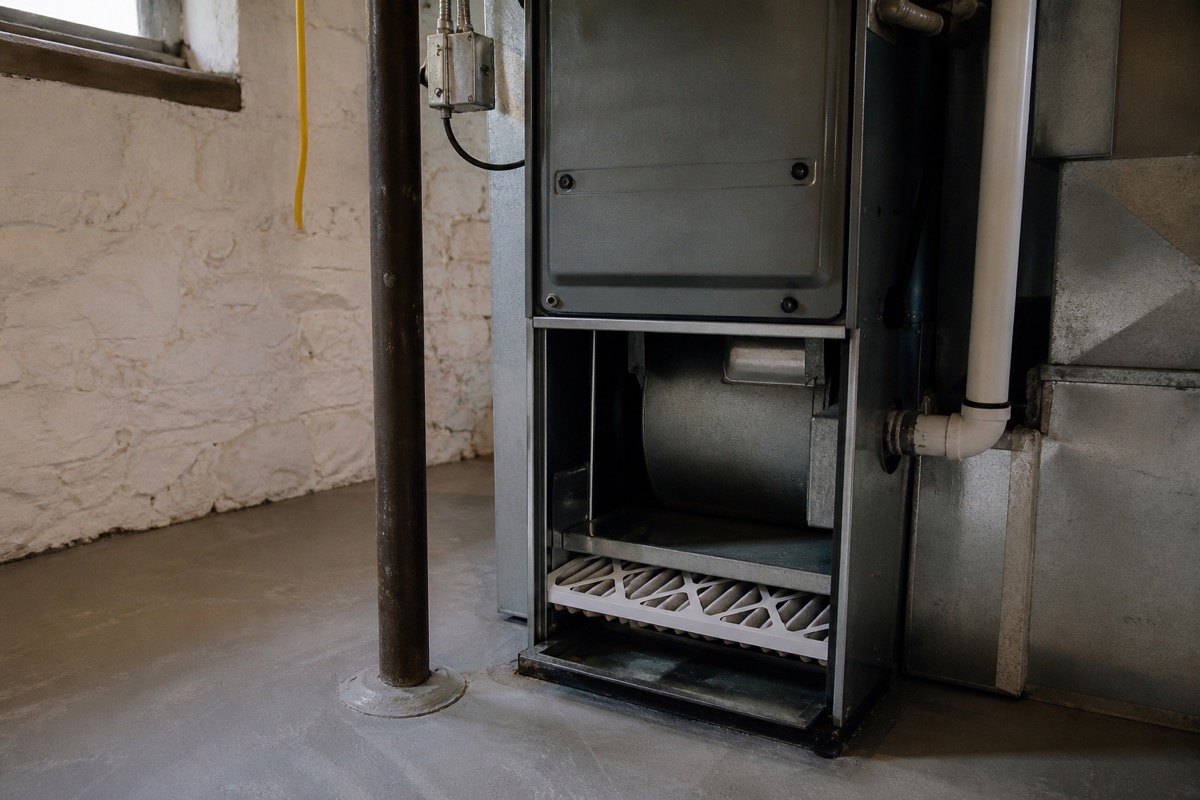
There is no universal answer, because the right filter depends on who lives in your home and what your system is rated to handle. That said, here is the practical guidance we give most homeowners.
A typical household
For a home without specific air-quality concerns, a filter in the MERV 8 to 11 range is usually the sweet spot. It captures everyday dust, pollen, and pet dander while still allowing healthy airflow through a standard residential furnace. Many homeowners over-buy here, reaching for a MERV 13 when a MERV 8 or 11 would serve them just as well with less strain on the equipment.
Allergy sufferers and pet owners
If someone in your home deals with allergies, asthma, or heightened sensitivity to airborne particles, or if you have multiple pets, moving up toward MERV 11 to 13 is often worthwhile. These filters capture a meaningfully higher share of the fine particles that trigger symptoms. Before jumping to the top of that range, though, it is worth confirming your furnace and ductwork can move air efficiently against the added resistance. This is a good moment to have a conversation about your overall indoor air quality rather than treating the filter as the only lever.
Filter thickness and how often to replace
MERV is only half the conversation. The physical thickness of the filter matters just as much for both performance and maintenance.
One-inch filters versus media filters
Most furnaces ship with a slot for a standard one-inch filter. These are inexpensive and easy to find, but because they have less surface area, a high-MERV one-inch filter can restrict airflow more noticeably and clog faster. Thicker media filters, typically four to five inches, use a deeply pleated design with far more surface area. That extra area lets them deliver strong filtration with less airflow resistance and a much longer service life. If your equipment can accommodate a media cabinet, it is often the better long-term setup.
Replacement timing
How often you swap a filter depends on thickness, MERV, and household conditions:
- One-inch filters: Check monthly and typically replace every one to three months. Homes with pets, smokers, or heavy dust need the shorter interval.
- Four to five-inch media filters: Generally last six to twelve months, depending on the manufacturer and your household.
A filter that looks grey and packed with debris is past due. A clogged filter is one of the most common airflow problems we find, and it undoes the benefit of choosing a good MERV rating in the first place. Building filter changes into your routine, alongside regular HVAC maintenance, keeps the whole system breathing the way it should.
When whole-home HEPA or media filtration makes sense
For some households, a standard furnace filter simply cannot deliver the level of air cleaning they want. True HEPA filtration captures an extremely high percentage of very fine particles, but a genuine HEPA filter is far too restrictive to drop into a normal furnace slot. Instead, it belongs in a dedicated whole-home system engineered to handle that resistance with the right blower and bypass design.
We generally suggest looking at a whole-home solution when:
- Household members have significant respiratory conditions or severe allergies.
- You want consistent, high-level filtration without pushing a standard filter beyond what your furnace can handle.
- You are already upgrading equipment and can integrate advanced filtration into the design.
When a home is a good fit, a properly matched HEPA filtration system delivers cleaner air than any off-the-shelf furnace filter while protecting the equipment from strain. The key word is matched. Advanced filtration only works well when it is sized and installed for your specific system, which is where a professional assessment pays off.
How our team recommends the right filter
When we are at your home, we do not just hand you a MERV number. We look at your furnace model and its airflow specifications, the condition of your ductwork, the filter slot dimensions, and who lives in the home. From there we recommend the highest practical MERV rating your system can handle comfortably, and we confirm the fit and thickness so you are not fighting airflow problems down the road. That way you get cleaner air and equipment that runs the way it was built to.
Frequently Asked Questions
Is a higher MERV rating always better?
No. A higher furnace filter MERV rating captures smaller particles, but it also restricts airflow more. On a residential system not built for high-resistance filtration, an overly dense filter can strain the blower and reduce efficiency. The best choice is the highest rating your specific furnace can handle without airflow problems, which for many homes lands in the MERV 8 to 11 range.
What MERV rating is best if I have pets or allergies?
Households with pets or allergy sufferers often benefit from moving up toward MERV 11 to 13, since those filters capture a higher share of fine allergens and dander. Before going to the top of that range, it is worth confirming your furnace can move air efficiently against the added resistance, or considering a thicker media filter or a dedicated filtration system for stronger performance without the strain.
How often should I change my furnace filter?
Standard one-inch filters should be checked monthly and replaced every one to three months, with the shorter interval for homes that have pets, smokers, or high dust levels. Thicker four to five-inch media filters typically last six to twelve months. If a filter looks grey and loaded with debris, replace it, since a clogged filter restricts airflow and cancels out the benefit of a good MERV rating.
Not sure which filter your system can handle, or whether a whole-home upgrade makes sense for your household? Our team at Furnace King Home Services is happy to assess your furnace, ductwork, and air-quality needs and recommend the right filter without choking your airflow. Call us at (905) 564-5464 or reach out through our HVAC maintenance page, and we will help you get cleaner air and a system that runs the way it should.