
Walk the older streets of Port Credit or Cooksville and you will find two kinds of winter-warm homes sitting side by side: ones heated by radiators fed from a boiler, and ones heated by warm air pushed through ducts by a furnace. Both keep Ontario winters at bay, but they go about it very differently, and if you own one and are weighing the other, the boiler vs furnace question deserves a straight answer rather than a sales pitch.
At Furnace King Home Services we install and service both systems across Mississauga and the GTA, so we see the trade-offs play out in real homes every heating season. Here is how the two compare on comfort, cost, efficiency, and long-term ownership, and when switching actually makes sense.
How Each System Heats Your Home
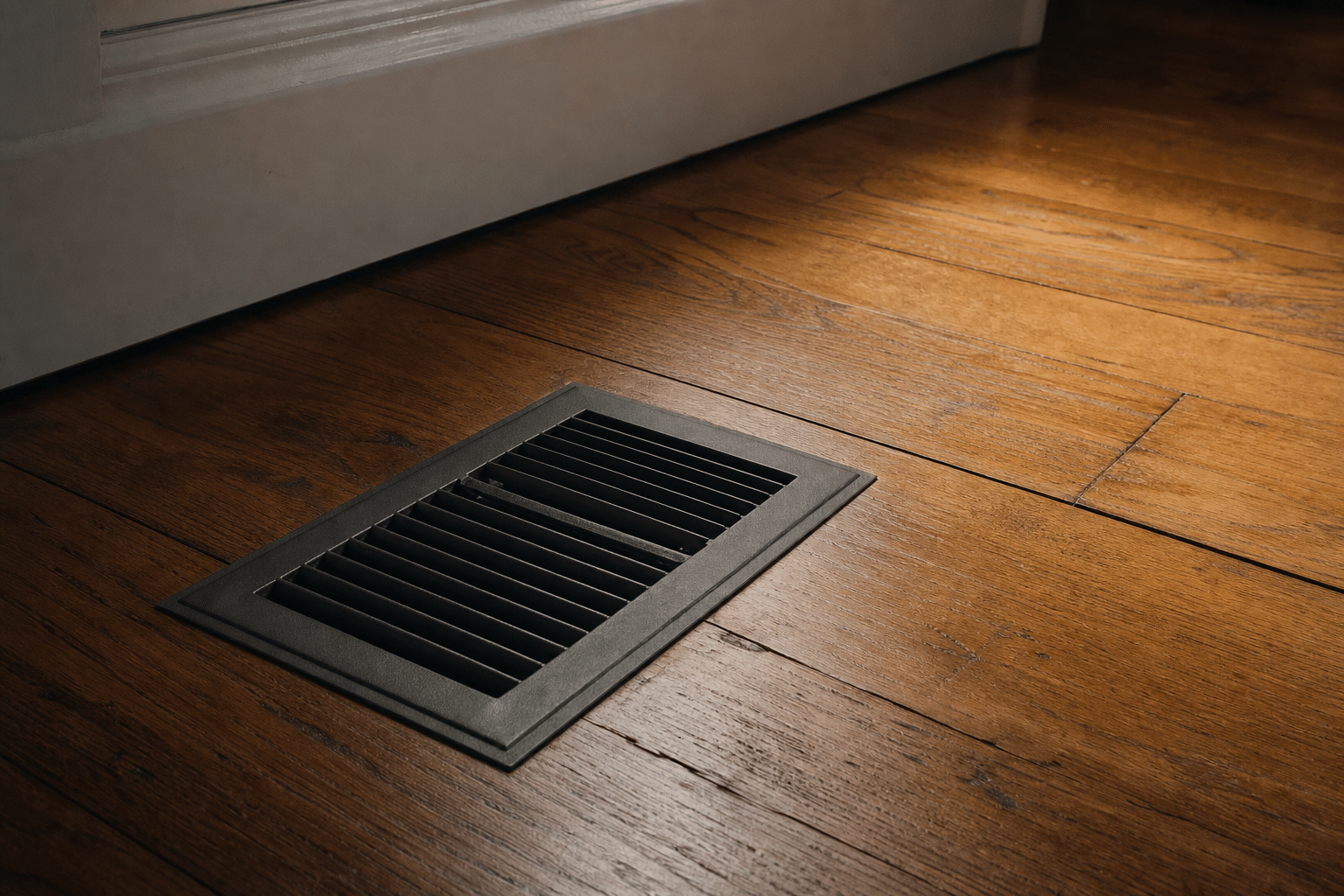
A furnace burns natural gas to heat air directly, then a blower pushes that warm air through ductwork to every room. It is forced-air heating, the same ducts your central air conditioning uses in summer, and it is by far the most common setup in the GTA’s post-1970 housing stock.
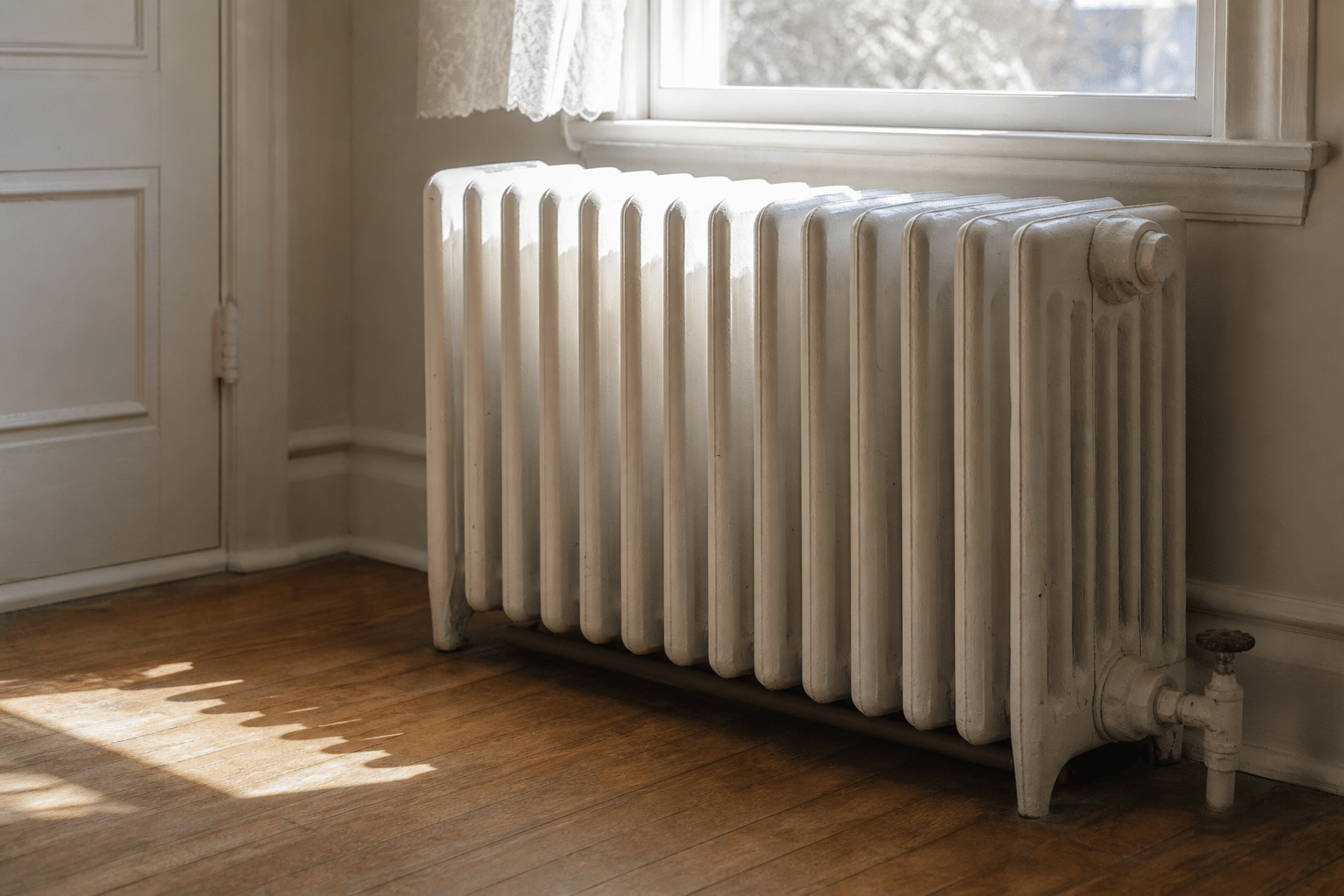
A boiler heats water instead. That hot water circulates through radiators, baseboard convectors, or in-floor tubing, and each of those surfaces radiates steady warmth into the room. There is no blower, no ductwork, and no air being pushed around; the heat arrives silently through the water loop.
That single difference, air versus water, drives almost everything else in this comparison.
Mississauga’s housing stock splits along age lines here. Boilers and radiators are common in pre-1960 neighbourhoods like Port Credit, Lakeview, and Streetsville’s older blocks, as well as in many low-rise condo buildings, while nearly everything built after the 1970s came with forced-air ductwork from day one. That history matters practically: if your home already has one system’s infrastructure, the economics lean heavily toward staying with it, because the distribution network, the ducts or the piping, is the expensive half of any heating system.
Comfort: The Category Boilers Usually Win
Radiant heat has a loyal following for a reason. Because water holds heat far better than air, boiler heat arrives evenly and steadily, without the temperature swings of a furnace cycling on and off. Rooms feel warm at a lower thermostat setting because the radiators warm objects and people, not just the air between them.
Two other comfort points favour the boiler: it is nearly silent, and it does not move air. No moving air means no drafts, and it also means the system is not circulating dust, pet dander, or allergens through the house all winter, something allergy-prone households genuinely notice.
The furnace answers with speed and versatility. Forced air heats a cold house faster after a setback, responds quickly to thermostat changes, and the same ductwork delivers summer cooling, winter humidification, and whole-home air filtration. A boiler home that wants central air conditioning needs a separate solution, which is often the deciding factor in this whole comparison.
Efficiency, Lifespan, and Running Costs
Modern condensing versions of both appliances reach very similar efficiency, in the mid-to-high 90s percent range, so the days of boilers being automatic energy hogs are over, provided the boiler in your basement is not a 30-year-old cast-iron veteran running in the low 80s. High-efficiency models of both types are listed by Natural Resources Canada’s ENERGY STAR program if you want to compare certified numbers directly.
On lifespan, the boiler takes the round. A well-maintained boiler commonly runs 15 to 25 years, and cast-iron units sometimes far longer, while GTA furnaces average 15 to 20. Boilers also have fewer moving parts, which tends to mean fewer repair calls in mid-life, though when boiler work is needed, parts and labour often cost more than the furnace equivalent because the trade is more specialized.
Day-to-day running costs in the GTA are close enough that comfort preferences, not fuel math, should usually drive the decision between two modern systems.
Should You Ever Switch From One to the Other?
Here is our honest guidance after decades of these conversations:
- If your home has a boiler and radiators you love, keep the system and replace like with like when the time comes. Ripping out a working hydronic system to install ductwork is invasive, expensive, and usually regretted on the first silent, even-heated winter night you no longer have.
- If your boiler home desperately wants central AC, price a ductless or ducted heat pump alongside the ductwork-retrofit option before deciding anything. Cooling, not heating, is the real driver of boiler-to-furnace conversions, and there are now better answers than tearing open walls.
- If your furnace home is fine but you covet radiant comfort, the practical middle path is in-floor radiant in a renovation zone such as a bathroom or basement, fed by a small boiler or combi unit, rather than a whole-home conversion.
- If you are building an addition beyond the reach of existing ducts, a compact boiler with in-floor loops is often the cleanest way to heat the new space.
Whichever direction you lean, insist on a proper heat-loss calculation before anyone quotes equipment. Both boilers and furnaces suffer when oversized, and guesswork sizing is the most common installation sin we correct. Our boiler repair and installation team handles the hydronic side, our heating team covers furnaces, and our cost estimator will give you a realistic budget range for either path in about two minutes.
Frequently Asked Questions
Which is cheaper to install, a boiler or a furnace?
In a home that already has the matching distribution, replacing like with like is always cheapest. Crossing over is where costs jump: adding ductwork to a radiator home, or adding a hydronic loop to a forced-air home, typically costs more than the appliance itself.
Which lasts longer?
Boilers generally outlast furnaces, commonly reaching 15 to 25 years against a furnace’s 15 to 20, thanks to fewer moving parts and gentler duty cycles. Maintenance discipline matters more than the category, though; a neglected example of either dies young.
Is boiler heat more efficient than furnace heat?
Modern condensing models of both are closely matched on paper. Radiant systems often feel warmer at lower thermostat settings, which can trim real-world usage, but an old boiler or furnace of either type wastes far more than the difference between two new ones.
Can I add air conditioning to a house with a boiler?
Yes. The traditional answer was retrofitting ductwork, but ductless mini-splits and compact ducted heat pumps now cool boiler-heated homes without major construction, and they add efficient shoulder-season heating as a bonus. We quote both approaches side by side so you can compare the real numbers for your particular house rather than a rule of thumb.
Do boilers need annual maintenance like furnaces?
Yes. An annual service checks combustion, water pressure, the expansion tank, and safety controls, and it keeps manufacturer warranties valid, exactly as annual tune-ups do for furnaces. Late summer is the ideal booking window for both, before the heating season rush.
Weighing radiators against ducts, or just need the system you already own to make it through another Ontario winter? Call Furnace King Home Services at (905) 564-5464 or book through our contact page and we will give you an honest read on your home’s best heating path this winter.