
A musty smell the moment your air conditioner or furnace fan kicks on is one of the more unsettling things a homeowner can notice, because it raises an uncomfortable question: is my HVAC system actually spreading mold through my house? The honest answer is that it can, under the right conditions, though it is not automatic or inevitable. This guide covers how it happens, the warning signs to watch for, and what actually helps.
How an HVAC System Can Become a Mold Source
Mold needs moisture and organic material to grow, and a few spots inside a typical HVAC system can unfortunately supply both. The evaporator coil on your air conditioner produces condensation every time it runs, and that moisture is supposed to drain away cleanly through the condensate line. If that drain gets partially clogged, or if the coil’s drain pan develops a low spot, standing moisture sitting next to the household dust that naturally settles nearby creates exactly the environment mold needs. Ductwork running through an unconditioned, humid crawlspace or basement can also sweat on its exterior in summer, and in some cases interior duct liner can hold onto moisture longer than the bare metal would. None of this means every HVAC system is a mold risk, most run for years without an issue, but it explains why the connection is real rather than a myth. Mold spores are already present in virtually all indoor and outdoor air, so the realistic goal with HVAC moisture control is prevention rather than complete elimination, since spore-free indoor air is not achievable in an occupied home. Many common household mold species can begin visible growth within roughly one to two days on a surface that stays consistently damp, which is part of why a slow-draining condensate line or a persistently sweating duct section can turn into a noticeable problem faster than most homeowners expect. Indoor relative humidity that stays above roughly 60 percent for extended stretches is generally considered the range where mold growth becomes more likely on vulnerable surfaces, which is one reason humidity control matters just as much as the physical condition of the equipment itself.
Warning Signs Worth Taking Seriously
- A musty smell specifically when the system starts. If the odour is strongest right when the blower kicks on and fades as the system runs, that pattern points toward the equipment itself rather than a general house smell.
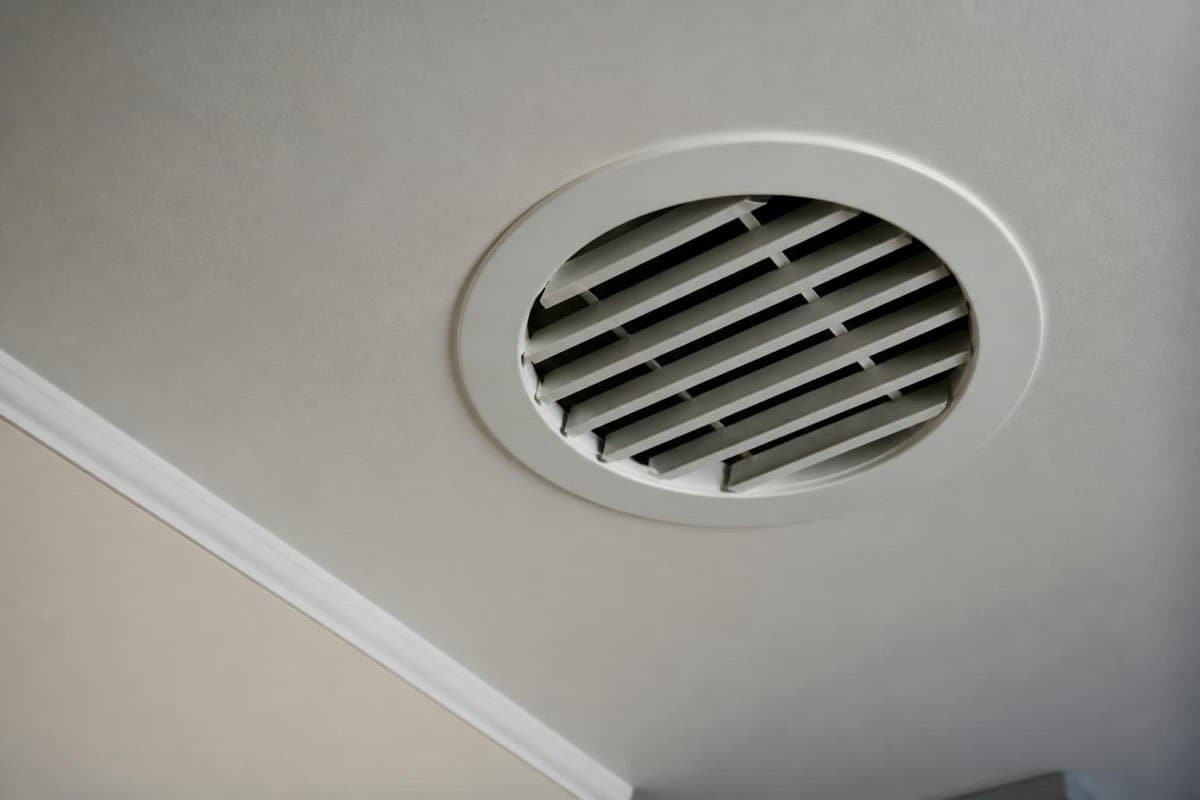
- Visible dark spots near vents, the coil, or the drain pan. Any staining, particularly black, green, or dark brown discoloration, around a supply vent, inside a return grille, or on a visible section of the coil or drain pan, is worth having a technician look at directly rather than wiping away and hoping it does not return.
- Allergy or respiratory symptoms that are worse indoors than outdoors. If household members notice congestion, coughing, or irritated eyes more inside the home than out, and it correlates with the HVAC system running, that is a meaningful signal worth investigating.
- Condensation on ductwork you can see. Sweating metal ducts in a humid basement or crawlspace, especially in summer, indicate the humidity and temperature conditions mold favours are present right at the duct surface.
- A drain line that backs up or has backed up before. A condensate line that has clogged even once has likely left some standing moisture behind, and it is worth confirming it drains freely going forward.
What Actually Helps Prevent It
A few maintenance habits address the root causes directly rather than just masking the smell:
- Keep the condensate drain clear. This is checked as part of routine seasonal AC maintenance and is one of the simplest, most effective prevention steps there is.
- Change filters on schedule. A clogged filter forces more dust past the coil area, giving any moisture present more organic material to feed on.
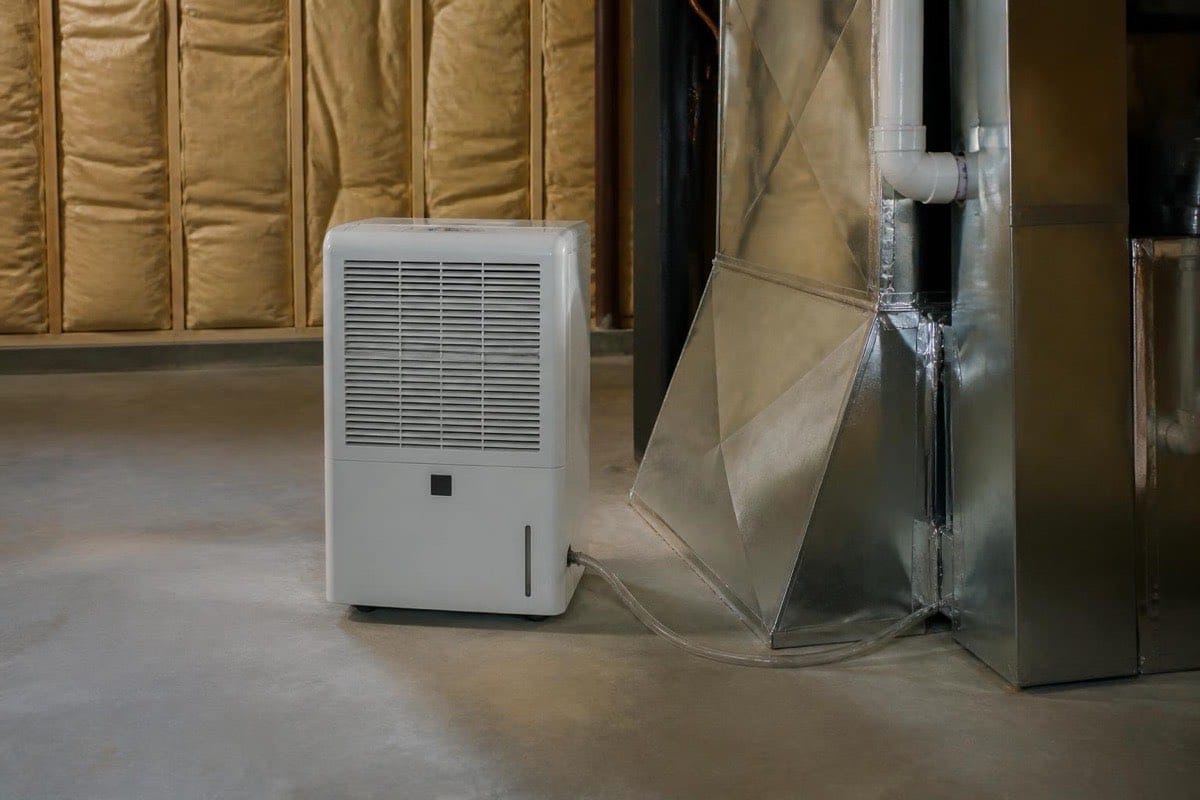
- Manage indoor humidity. Keeping relative humidity in a reasonable range, generally recommended between about 30 and 50 percent, makes conditions inside ductwork and around the coil far less hospitable to mold. A dehumidifier in a damp basement, or a properly balanced whole-home humidifier in winter, both play a role here.
- Have ducts professionally cleaned when overdue. Our duct cleaning service removes accumulated dust and debris that can hold onto moisture, particularly in systems that have never been serviced or that serve a home with a history of dampness.
- Add HEPA filtration where it makes sense. Our HEPA filtration systems capture a higher share of airborne particles, including mold spores already circulating, which helps while any underlying moisture issue is addressed.
What We Can Fix vs. When You Need a Mold Specialist
It is worth being direct about where our role starts and ends. If the issue is contained to HVAC equipment itself, a coil, a drain line, ductwork, our team addresses that directly through cleaning, drain clearing, and humidity control equipment. If mold has already spread into building materials, insulation, or a finished space beyond the HVAC system itself, that is a job for a certified mold remediation specialist, and we will tell you plainly if that is what we are seeing rather than trying to handle something outside our scope. Addressing the HVAC-side moisture source is still valuable even in that situation, since it removes the ongoing supply of moisture that let the problem start in the first place.
Why This Comes Up More in Certain GTA Homes
Homes with unfinished or partially finished basements across Mississauga, Etobicoke, and Brampton are particularly prone to the humidity swings that make ductwork sweat, since basement humidity often runs higher than the rest of the house, especially in summer. Older homes with ductwork routed through a crawlspace face a similar risk if that space is not well sealed or ventilated. Newer, tightly sealed homes are not immune either, since a well-insulated house that traps humidity indoors without adequate mechanical ventilation or dehumidification can create its own moisture problems even with modern equipment. These same layouts are exactly where the warning signs described above deserve extra attention: a musty smell right when the blower starts, staining near a vent or the coil, or a condensate line that has ever backed up are all worth checking first in a home with basement or crawlspace ductwork, since that ductwork sits closest to the humidity swings mentioned above. Keeping indoor relative humidity in the 30 to 50 percent range noted earlier is especially useful in these layouts, because it addresses the moisture side of the problem directly, regardless of whether the ductwork runs through a basement, a crawlspace, or a tightly sealed newer build with limited mechanical ventilation. Homeowners in these areas who keep up with routine maintenance, including a clear condensate drain and scheduled filter changes, are addressing the same root causes covered above rather than reacting only after a smell appears.
Frequently Asked Questions
Is a musty smell from my vents always mold?
Not always, sometimes it is simply accumulated dust, but a musty smell specifically tied to the system starting up is worth having checked rather than assumed to be harmless.
Can duct cleaning alone fix a mold problem?
It can remove existing debris and moisture-holding buildup, but if the underlying cause, like a clogged drain or persistent humidity, is not also addressed, the conditions that allowed growth in the first place can return.
What humidity level should I keep my home at?
Most guidance points to roughly 30 to 50 percent relative humidity indoors as a range that supports comfort without favouring mold growth.
Will you tell me if I need a mold specialist instead of an HVAC fix?
Yes. If what we find during an inspection goes beyond HVAC equipment into building materials or a finished space, we will say so directly rather than attempt work outside our scope.
Does a new AC or furnace eliminate this risk automatically?
New equipment lowers the risk but does not eliminate it entirely, since the same drain line, duct routing, and humidity conditions still apply regardless of the equipment’s age.
If you have noticed a musty smell when your system starts, or visible staining near a vent or your coil, our indoor air quality team can find the source and fix it at the equipment level. Call Furnace King Home Services at (905) 564-5464 or schedule an inspection through our contact page.