
If you are like most homeowners across Mississauga and the greater GTA, your furnace filter is probably the last thing on your mind until something goes wrong. It sits quietly behind a metal grille or inside a slim cabinet, doing a job that most of us never think about, and yet it has an outsized effect on how comfortable your home feels, how much you spend on energy every month, and how clean the air is that your family breathes. We get asked constantly by homeowners in Mississauga, Brampton, Etobicoke, Oakville, Milton, and Vaughan how often they should really be swapping this small but mighty component. The honest answer is that it depends on a few factors specific to your home, and we want to walk you through exactly what those are so you can make a confident, informed decision rather than guessing.
Why Filter Changes Matter More Than You Might Think
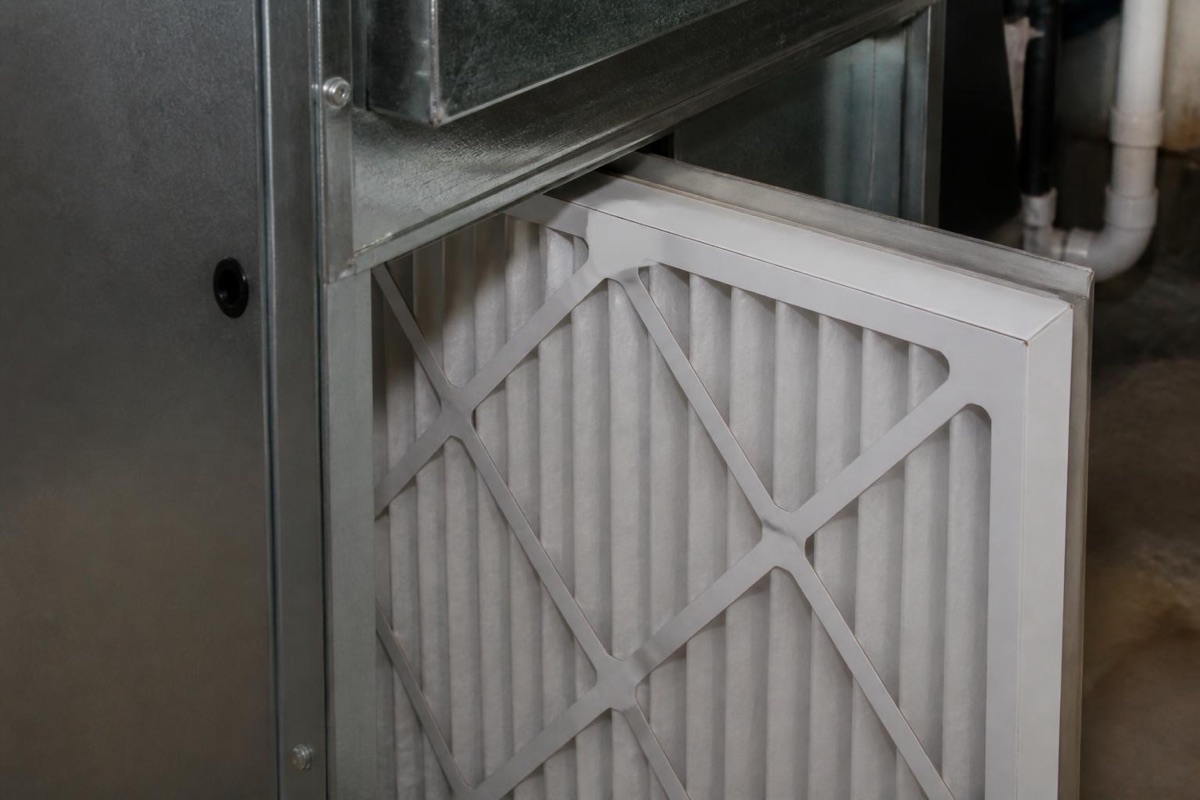
Your furnace filter has two jobs at once. First, it protects the internal components of your furnace, including the blower motor and heat exchanger, from dust, pet hair, and debris that would otherwise accumulate on sensitive parts and force the system to work harder than it needs to. Second, it captures airborne particles before they recirculate through your ductwork and back into the rooms where you sleep, work, and relax. When a filter is fresh, air moves through it easily and your system can heat your home efficiently without straining. When it is clogged, that same air has to fight its way through a wall of trapped debris, and the furnace has to run longer and harder to reach the same temperature on your thermostat.
We think of the filter as one of the simplest ways a homeowner can directly influence both comfort and cost. A restricted filter does not just waste energy, it can also lead to uneven heating between rooms, more noticeable dust settling on furniture, and a general staleness to the indoor air that many of our GTA clients describe once we point it out to them. Swapping a filter takes a few minutes and costs very little compared to the bigger repairs that can follow when airflow problems are left unaddressed for months.
How to Tell It Is Time for a New Filter
While a calendar reminder is a great starting point, we always encourage homeowners to pair that schedule with a quick visual check, because every home collects dust and debris at a different rate. Here are the signs we recommend watching for between scheduled changes.
- The filter looks visibly grey or matted with dust when you hold it up to a light source, rather than showing clean, open pleats.
- You notice your furnace running in longer cycles or more frequently than usual to reach the same thermostat setting.
- Rooms further from the furnace feel noticeably cooler than rooms closer to it, suggesting airflow is struggling to reach the whole house.
- There is more visible dust settling on shelves, windowsills, and electronics than you would normally expect for the season.
- Anyone in the household with allergies or sensitivities seems to notice more sneezing, congestion, or irritation while indoors.
If any of these sound familiar, it is worth checking your filter right away rather than waiting for your next scheduled swap. A quick look takes less time than making a cup of coffee, and it gives you real information instead of a guess.
Recommended Replacement Frequency by Filter and Home Type
The general guidance most HVAC professionals share is that a standard one to three inch pleated filter should be replaced roughly every sixty to ninety days during periods of regular furnace use. That said, we like to help our Mississauga and GTA clients think about their specific household rather than relying on a single blanket rule, because a few common factors can shift that window considerably.
Homes with pets tend to load filters with hair and dander much faster, and we often recommend checking those filters monthly and replacing them every thirty to sixty days rather than waiting the full ninety. Households with young children, someone who smokes indoors, or anyone managing allergies or asthma also benefit from more frequent changes, since fresher filtration directly supports better indoor air quality for sensitive family members. If your home recently went through renovation work, even in another room, drywall dust and fine particulate can travel through the ductwork and clog a filter far faster than normal, so a check right after any construction project is a smart habit.
On the other end of the spectrum, homes without pets, with fewer occupants, or with higher-end media filters and larger surface area cabinets can sometimes stretch toward the ninety day mark or slightly beyond, particularly during shoulder seasons when the furnace is not running constantly. Thicker four to five inch media filters, which many GTA homes have upgraded to in recent years, are generally built to last longer between changes, often in the six to twelve month range, precisely because their larger surface area collects more debris before airflow is meaningfully restricted. Whatever type of filter your system uses, the manufacturer’s printed guidance on the filter frame is a good baseline. Natural Resources Canada also recommends that homeowners inspect, clean, or change HVAC filters regularly and follow the owner’s manual or manufacturer’s schedule. We are always happy to help you interpret that guidance for your specific furnace during a routine visit.
What Happens If You Skip It
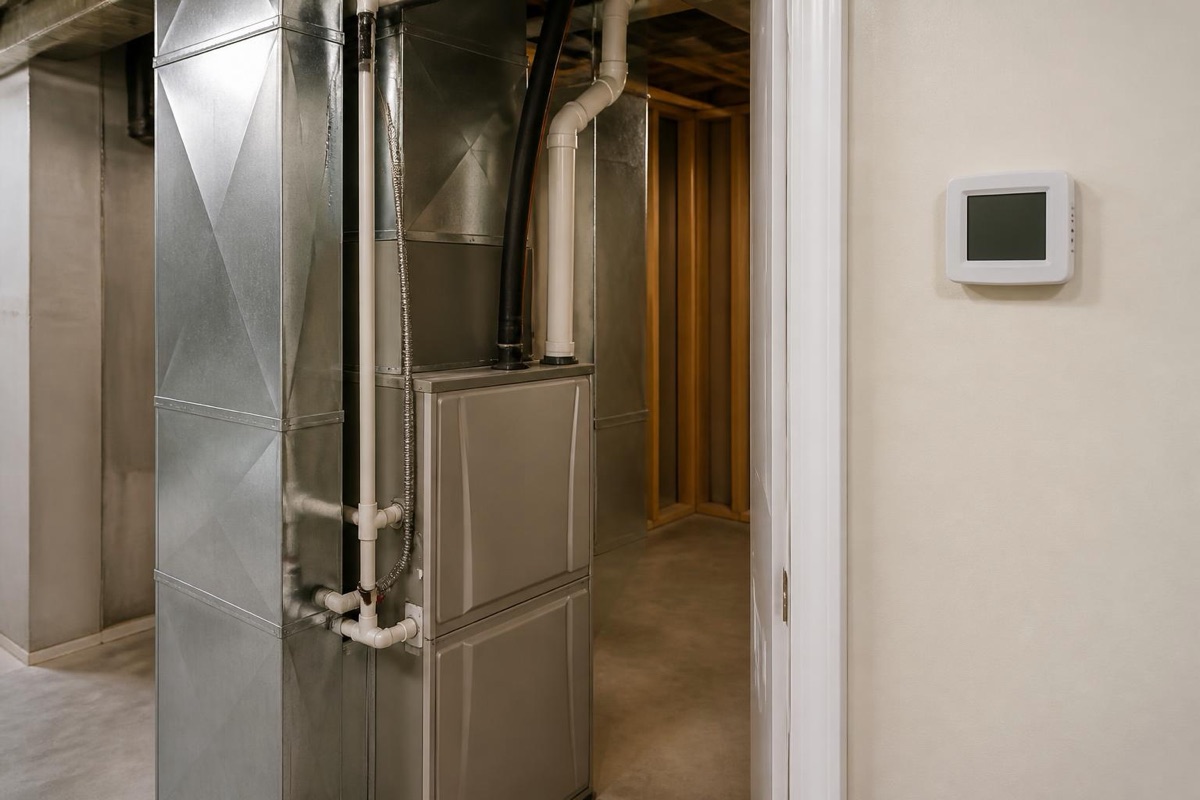
It can be tempting to push a filter change back another few weeks, especially during a busy season, but we want to be transparent about what tends to happen when that habit continues for too long. A neglected filter restricts airflow across the entire system, and that restriction does not just cost you comfort, it costs you money every single month through reduced efficiency. Your furnace has to run longer to deliver the same heat, which shows up directly on your energy bill.
Beyond efficiency, a severely clogged filter can allow dust and debris to bypass the filter media altogether and settle directly onto the blower motor and heat exchanger. Over time, this buildup can shorten the lifespan of expensive components and increase the likelihood of a mid-winter breakdown, which is never a convenient time for a furnace to fail in our climate. We have also seen cases where restricted airflow contributes to a furnace short cycling, turning on and off more frequently than it should, which adds unnecessary wear to the entire system. None of this is meant to alarm you. It is simply the reality of what a small, inexpensive part is responsible for, and why we think it deserves more attention than it usually gets.
Making It a Simple Habit
The easiest way we have seen homeowners stay consistent is to tie the filter change to something else they already do regularly, like a bill payment date or the first of the month. Keeping a small stock of filters on hand in the correct size means there is never an excuse to delay a change because you have to make a special trip to pick one up. Writing the installation date directly on the filter frame with a marker is a simple trick that takes the guesswork out of remembering when the next change is due, and it takes less than a minute to do.
If your home has a more complex duct system, multiple returns, or a filter located somewhere less accessible, we understand it is easy to let this task slip. That is exactly the kind of detail our team is happy to build into a seasonal maintenance visit, so you never have to think about it yourself.
Frequently Asked Questions About Furnace Filters
Should I replace my furnace filter every month?
Not every home needs a monthly replacement. Check the filter monthly during periods of heavy heating or cooling, then replace it when it is visibly loaded or when the manufacturer says it is due. Homes with pets, renovation dust, smoke, or sensitive occupants may need changes more often.
Can I use any filter that fits the slot?
Size is only one part of the choice. The filter also needs to be compatible with the airflow requirements of your furnace. A filter that is too restrictive can reduce airflow, so check the equipment manual or ask an HVAC professional before changing filter type or efficiency rating.
What should I do if a new filter does not improve airflow?
Weak or uneven airflow can have several causes, including a blower issue, closed damper, duct restriction, or equipment problem. If the filter is correctly installed and airflow is still poor, arrange an HVAC inspection rather than repeatedly changing filters.
We Are Here to Help Mississauga and GTA Homeowners Breathe Easier
A furnace filter is a small part with a big job, and keeping up with it is one of the most cost-effective things you can do for your home’s comfort, efficiency, and indoor air quality throughout the heating season. Whether you are unsure what size or type of filter your system uses, want a second opinion on how often to change it based on your household, or simply want one less thing to keep track of, our HVAC maintenance team is glad to help. We work with homeowners across Mississauga, Toronto, Brampton, Etobicoke, Oakville, Milton, and Vaughan every day, and we would love to make sure your furnace is set up to run smoothly all winter long. Reach out to our team whenever you have a question about your filter, your furnace, or anything else related to keeping your home comfortable.