
If your Brampton home relies on a boiler for heat or hot water, a bit of routine attention each year goes a long way toward keeping it running quietly and efficiently through the cold months. Boilers are generally low-maintenance compared to forced-air furnaces, but they are not maintenance-free, and a handful of small checks can be the difference between a boiler that lasts and one that fails on the coldest night of the year. Here is the checklist we walk through with Brampton homeowners, along with the signs that tell you it is time to call in a professional.
Why Boiler Maintenance Matters
A boiler is a closed, pressurized system, which means it is generally more forgiving of neglect than an air handler pulling dusty air through a filter every day. That said, sediment builds up in the tank and near the heat exchanger over time, valves can stick, and the expansion tank and pressure-relief components rely on being checked periodically to work correctly when you need them. Skipping maintenance does not usually cause an immediate breakdown, but it quietly increases the odds of an inconvenient failure and reduces the efficiency of the system, meaning it works harder than it should to deliver the same heat. Natural Resources Canada’s home-efficiency guidance likewise recommends following the manufacturer’s maintenance procedures for heating and cooling equipment.
The Homeowner-Level Checklist
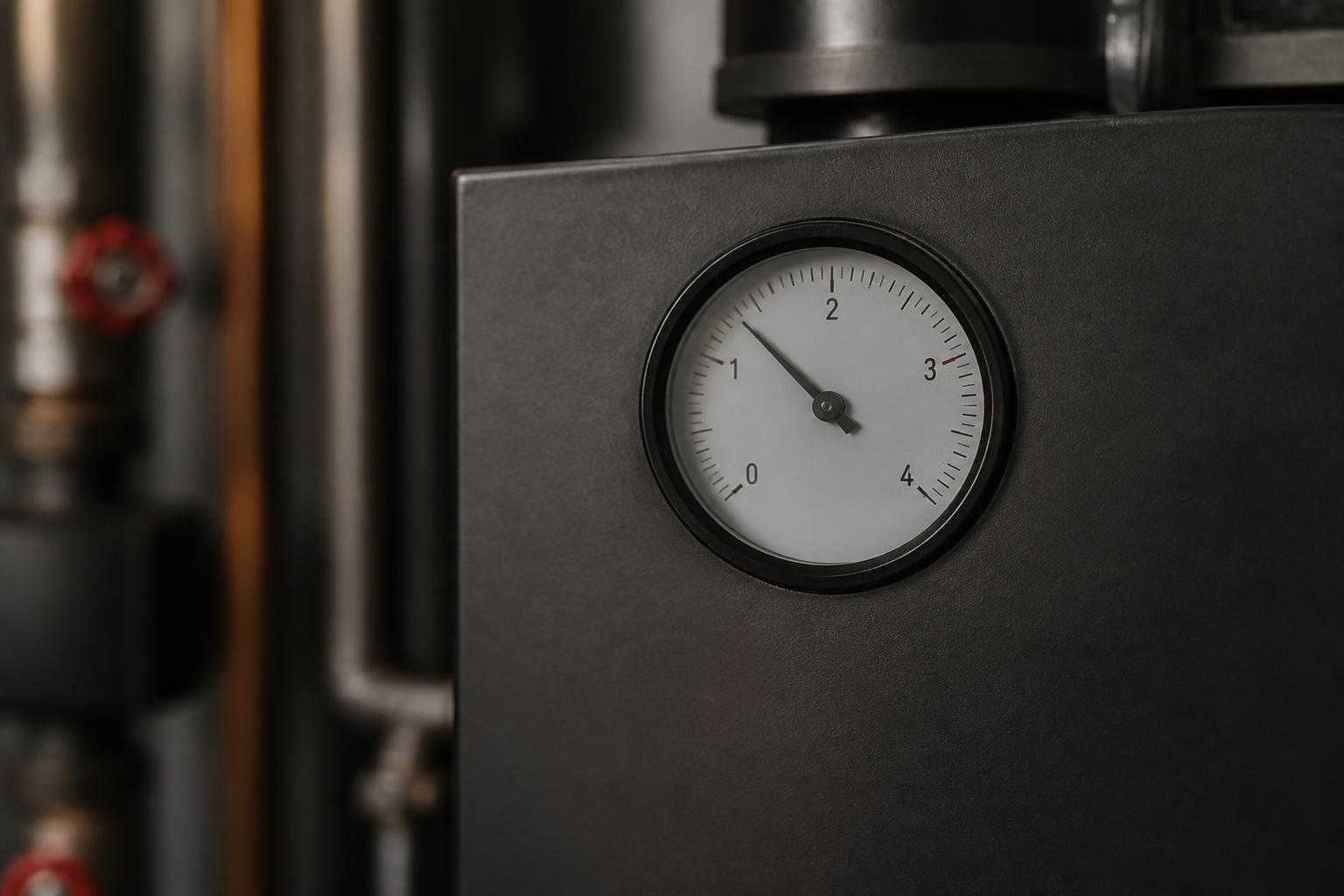
- Check the pressure gauge. Most residential boilers should sit somewhere around 12 to 15 psi when cold; consult your unit’s manual for the exact range. A gauge reading well outside that range, or one that keeps dropping, is worth a call.
- Look for the pilot or ignition status. On older standing-pilot boilers, confirm the pilot light is lit and burning a steady blue flame. A yellow or flickering flame can indicate a combustion problem.
- Listen for unusual sounds. Banging, kettling, or gurgling noises often point to mineral buildup or trapped air in the system, both of which a technician can flush or bleed out.
- Inspect visible pipework for leaks or corrosion. Even a small drip near a valve or union fitting is worth having looked at before it becomes a bigger one.
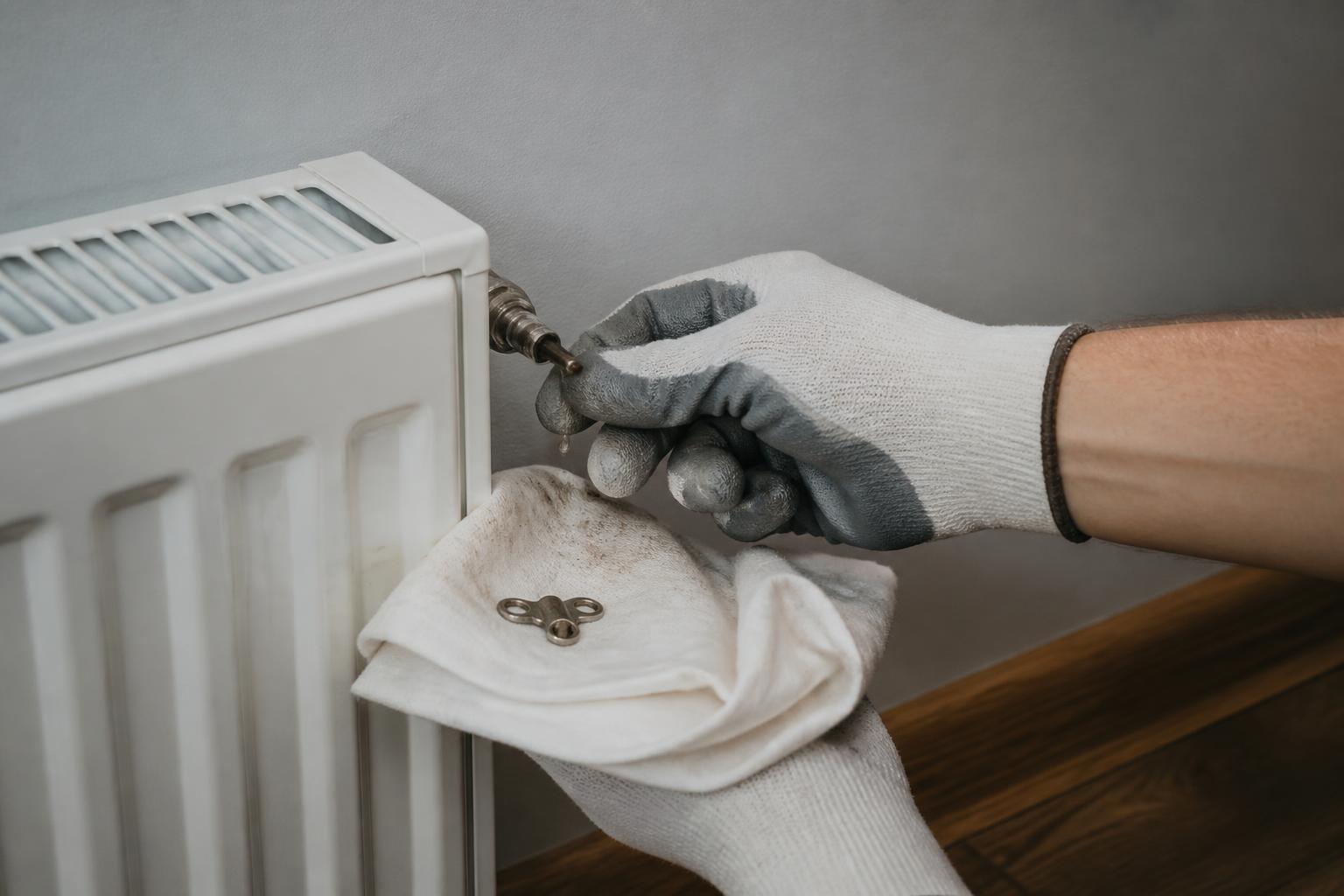
- Bleed radiators or hydronic baseboards that have bleed valves. Trapped air causes cold spots at the top of a radiator or along a baseboard loop even when the boiler itself is working fine.
- Test the thermostat and zone controls. Confirm each zone actually calls for heat and that the boiler responds, especially in rooms you do not use as often.
What a Professional Boiler Tune-Up Covers
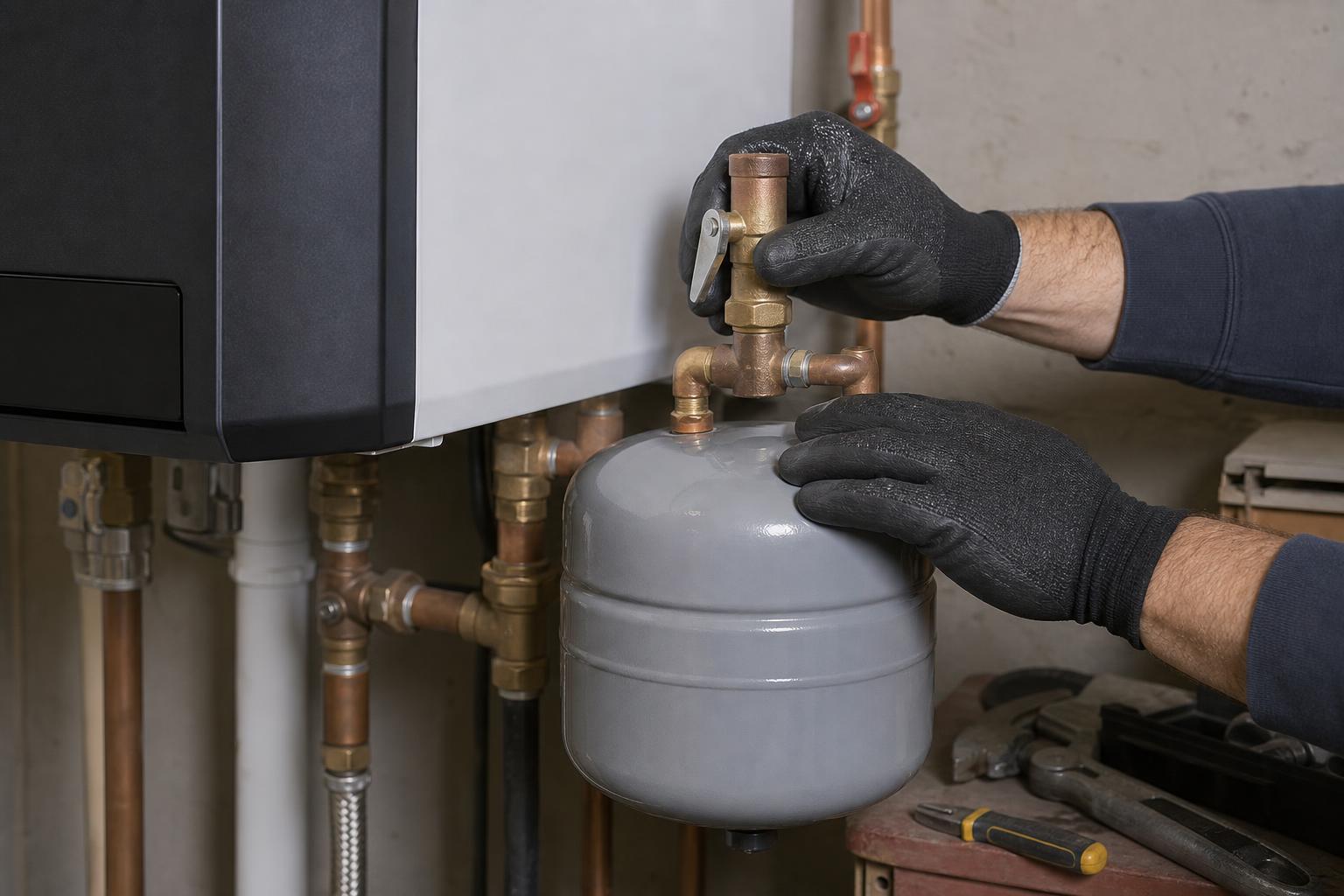
An annual professional visit goes further than what is safe or practical to check yourself. Our boiler service technicians typically clean and inspect the heat exchanger, check combustion efficiency, test safety controls like the pressure relief valve and low-water cutoff, inspect the flue and venting for proper draft, and verify the expansion tank is holding the correct precharge. These checks catch the kind of gradual wear that is easy to miss from the outside but that shows up as reduced efficiency or a shortened equipment lifespan if it goes unaddressed.
Signs Your Brampton Boiler Needs Attention Now
- Rooms that used to heat evenly now have cold spots or uneven temperatures.
- The boiler is cycling on and off more frequently than it used to.
- You notice a burning, musty, or metallic smell near the unit.
- Hot water takes noticeably longer to arrive at the tap on a combi system.
- The pressure gauge will not hold steady even after repeated repressurizing.
Any of these on their own is not necessarily an emergency, but together, or if they persist after a basic check, they usually mean it is time for a professional look rather than waiting to see if the problem resolves itself.
Seasonal Timing for Brampton Homes
Late summer and early fall are the ideal window to have a boiler serviced before Brampton’s heating season ramps up. Booking ahead of the first cold snap means you are not competing with everyone else who discovers a problem the same week the temperature drops, and it gives a technician time to order any part that might need replacing rather than treating it as an emergency call.
Boiler vs. Furnace Maintenance
If your home has both a boiler and separate forced-air equipment, or you are comparing the two systems, our HVAC maintenance plans can be scoped to cover whichever combination of equipment you have. Boilers and furnaces fail differently and need different checks, so it is worth confirming your maintenance visit actually matches the equipment installed in your home.
What Happens When Boiler Maintenance Gets Skipped
Because boilers can run for a long time without an obvious complaint, it is easy for maintenance to slip a year, then two. The risk is not usually a dramatic failure right away; it is a slow accumulation of small issues that eventually combine into a bigger one. Sediment settling near the heat exchanger reduces how efficiently the boiler transfers heat, which means it runs longer to reach the same temperature and uses more fuel to do it. A sticking valve that would have been caught during a routine check can eventually fail outright, sometimes at the least convenient moment. And safety components like the pressure relief valve are only useful if they still work correctly when actually needed, which a maintenance visit confirms rather than assumes. None of this means an unmaintained boiler is unsafe to operate day to day, but it does mean the odds of an unplanned repair, and a larger one, go up the longer maintenance is deferred.
Planning Maintenance Around Your Household
For Brampton households juggling a busy schedule, the easiest way to stay consistent is to tie the boiler check to something you already do every year, like scheduling it alongside your furnace or HVAC tune-up if your home has both systems, or setting a reminder for the same month each year regardless. A technician visit typically takes under an hour for a straightforward system, which is a small time investment against the cost and disruption of an unplanned mid-winter repair.
Frequently Asked Questions
How often should a residential boiler be serviced?
Most manufacturers and technicians recommend a professional check once a year, ideally before the heating season starts, even if the boiler seems to be running fine.
Can I do all of this maintenance myself?
Homeowners can safely handle the visual and listening checks above, along with bleeding radiators, but internal checks like combustion testing, safety control verification, and heat exchanger inspection require training and the right equipment.
What does a dropping pressure gauge usually mean?
It often points to a slow leak somewhere in the system, though it can also mean a faulty pressure relief valve or expansion tank. Either way, a technician can pinpoint the source rather than you repeatedly repressurizing the system.
Is a noisy boiler dangerous?
Not usually on its own, but kettling and banging noises point to mineral buildup that reduces efficiency over time and, if ignored long enough, can stress the heat exchanger.
How long does a well-maintained boiler typically last?
With consistent annual maintenance, many residential boilers provide many years of reliable service; skipped maintenance tends to shorten that window and increase the chance of a mid-winter breakdown.
Regular boiler maintenance is one of the simplest ways to avoid an unexpected heating outage this winter. Call Furnace King Home Services at (905) 564-5464 to schedule a visit, or if you notice any of the warning signs above, our boiler repair and installation team can take a closer look. You can also reach us anytime through our contact page.