
Of all the furnace problems we get called out for across the GTA, a cracked heat exchanger is one we take the most seriously, because it is a safety issue rather than a simple comfort or efficiency problem. Knowing what to watch for, and understanding why this particular failure matters more than most, can help you respond appropriately if you ever suspect it in your own home.
What the Heat Exchanger Does
The heat exchanger is the metal component inside your furnace that separates the combustion process from the air actually being circulated through your home’s ducts. Fuel burns on one side of the exchanger, heating its metal walls, while your blower pushes household air across the other side to pick up that heat before sending it through your ducts. The two air streams are never supposed to mix. When the heat exchanger develops a crack, that separation breaks down, and combustion byproducts, including carbon monoxide, can potentially enter the air being circulated through your living spaces.
Why Cracks Develop
Heat exchangers expand and contract every time the furnace cycles on and off, heating up during operation and cooling back down between cycles. Over many years and thousands of cycles, that repeated metal fatigue can eventually produce a crack, particularly in older units or ones that have been oversized for the home, since an oversized furnace short-cycles more often and puts the exchanger through more expansion-and-contraction stress over its lifetime. This is one of several reasons proper sizing matters during a furnace replacement, beyond just comfort.
Warning Signs of a Cracked Heat Exchanger
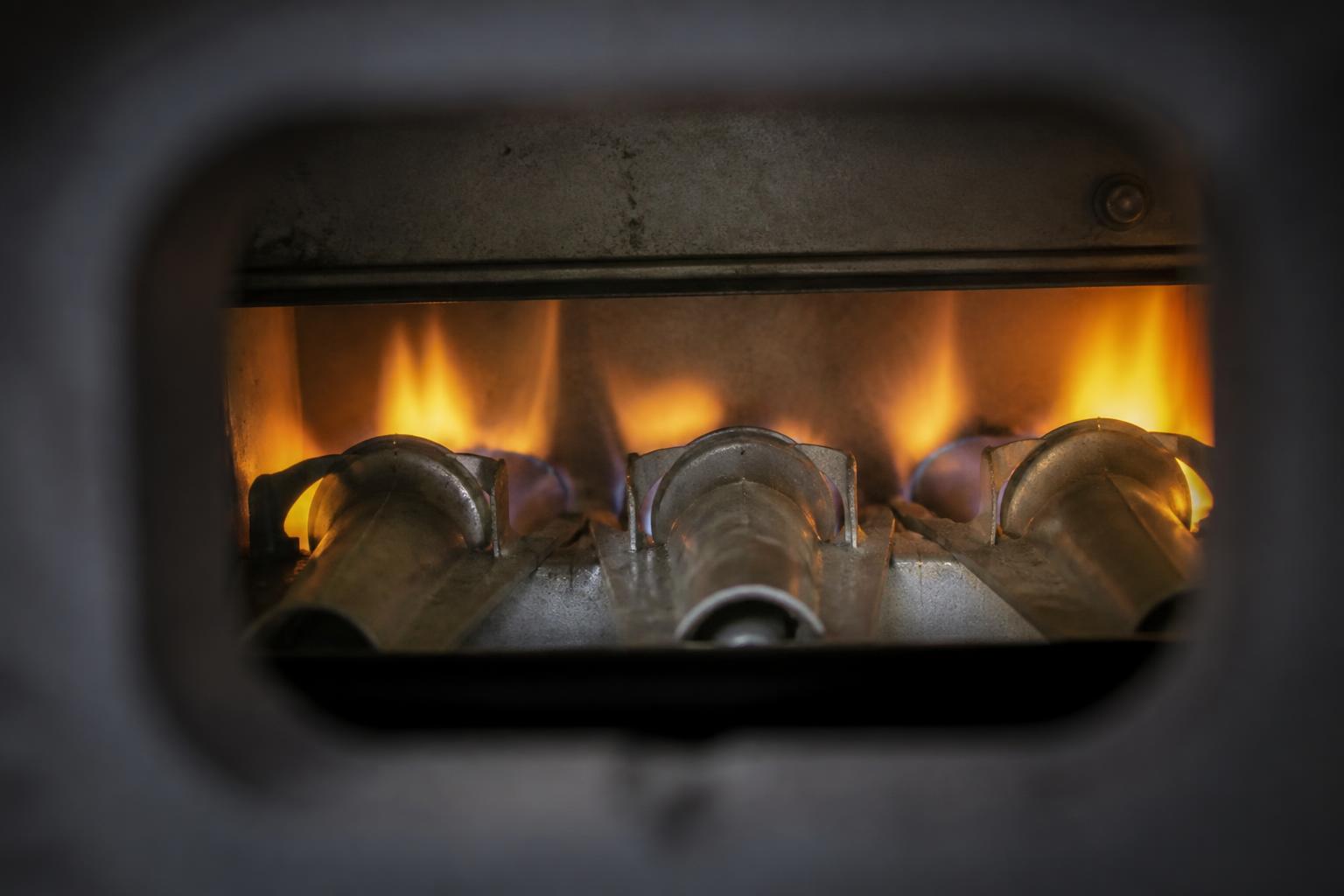
- A change in flame appearance. A furnace flame should burn a steady blue. A flame that flickers, wavers noticeably when the blower kicks in, or turns yellow can indicate a combustion or draft problem, including a cracked exchanger affecting airflow patterns.
- Soot buildup around the furnace. Visible soot on or near the unit is not normal and points to incomplete combustion that needs investigation.
- An unusual smell, especially a formaldehyde-like or metallic odor that is noticeable specifically when the furnace is running.
- Physical symptoms in occupants such as headaches, dizziness, nausea, or flu-like symptoms that improve when you leave the house and return when you’re back inside, particularly if multiple household members are affected around the same time.
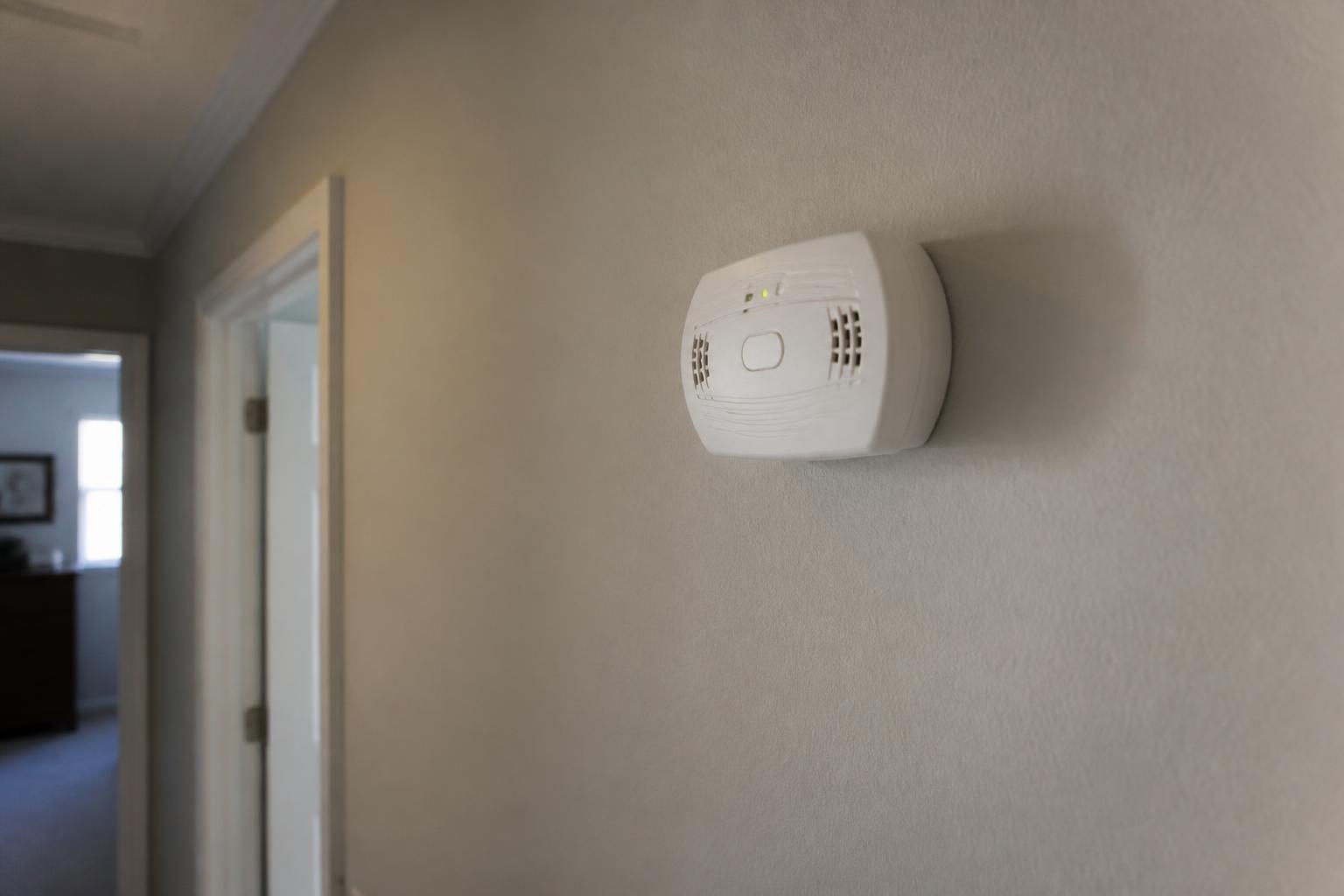
- A carbon monoxide detector alarm. This is the clearest and most reliable signal, which is exactly why every home with a gas furnace should have working CO detectors installed near sleeping areas.
- An aging furnace, generally 15 years or older, combined with any of the signs above raises the likelihood of a heat exchanger issue specifically, since exchangers are more prone to cracking as a furnace ages.
What to Do If You Suspect a Problem
If your carbon monoxide detector sounds, treat it as an emergency: get everyone out of the house immediately, call your gas utility’s emergency line or 911 if anyone is experiencing symptoms, and do not go back inside until it has been confirmed safe. This matches Health Canada’s carbon-monoxide guidance, which says to leave immediately when a CO alarm sounds. If you notice softer warning signs, like an odd smell or physical symptoms that seem tied to time spent in the house, turn the furnace off, ventilate the home if it is safe to do so, and contact our emergency service team for an inspection before running the furnace again.
How a Technician Confirms a Cracked Heat Exchanger
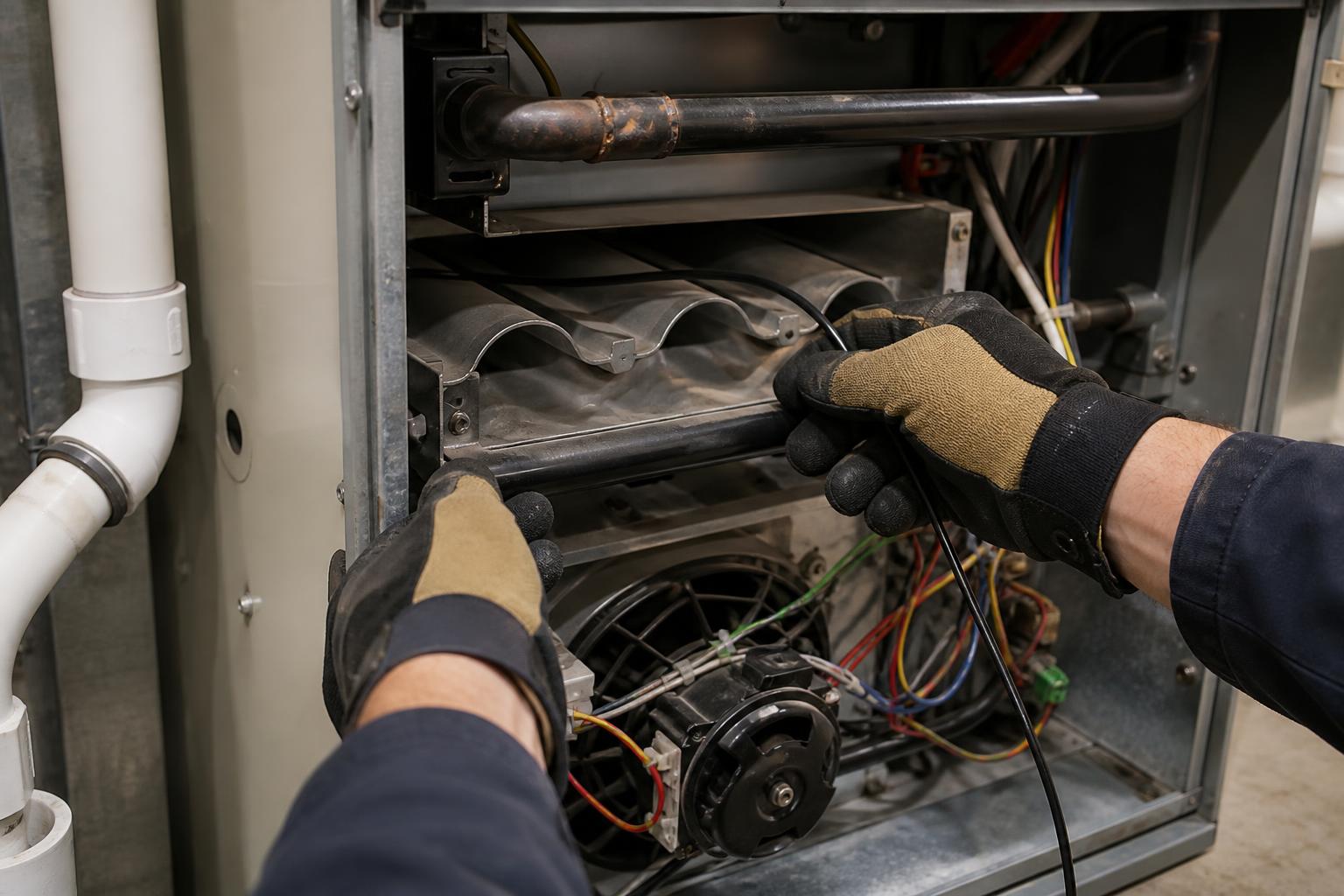
Heat exchanger cracks are not always visible to the naked eye, especially hairline cracks that only open up under the heat and pressure of normal operation. A thorough inspection typically involves a visual check with a specialized camera or mirror to see areas that are not directly accessible, combustion analysis to check for abnormal readings that suggest gas is escaping into the airflow, and sometimes a smoke or dye test that reveals a crack by showing where combustion byproducts are actually going. This is not a check that should be skipped or guessed at, since acting on an unconfirmed assumption in either direction, ignoring real symptoms or unnecessarily replacing a healthy furnace, is the wrong outcome.
Can a Cracked Heat Exchanger Be Repaired?
In some cases, if the crack is caught early and the furnace is otherwise in good condition, a heat exchanger replacement is possible. In many cases, though, the cost of the part and labor is close enough to a full furnace replacement, especially on an older unit, that replacement ends up being the more practical option. A technician can lay out both paths honestly once the inspection confirms what you are actually dealing with.
Protecting Your Home Between Inspections
Beyond scheduling annual maintenance, a few habits make it easier to catch a developing heat exchanger problem early across any GTA home. Install carbon monoxide detectors on every level of the house, particularly near sleeping areas, and test them on the same schedule you use for smoke detectors. Keep the area around your furnace clear so a technician has full access to the burner compartment during maintenance visits, since a rushed or partial inspection is more likely to miss an early-stage crack. And take any of the warning signs above seriously the first time they appear rather than waiting to see if they happen again, since a heat exchanger crack does not heal itself and only gets more pronounced with continued use.
Why This Isn’t a Problem to Guess About
We understand the instinct to want a quick answer over the phone, but a heat exchanger issue is one of the few furnace problems where a wrong guess in either direction carries real consequences: assuming it is fine when it is not risks ongoing CO exposure, while assuming the worst and replacing a healthy furnace is an unnecessary expense. That is exactly why this diagnosis relies on combustion analysis and proper inspection tools rather than a visual check or a phone description of symptoms, across any of the communities we serve throughout the GTA.
Frequently Asked Questions
Can I check for a cracked heat exchanger myself?
Not reliably. Cracks are often hairline and only open under operating heat and pressure, so a proper check requires specialized inspection tools and combustion testing rather than a visual look with the panel off.
Is it safe to keep running a furnace with a suspected cracked heat exchanger?
No. If you suspect this issue, based on a CO alarm, unusual smell, or symptoms tied to time in the house, turn the furnace off and have it inspected before running it again.
How often does this actually happen?
It is not the most common furnace failure, but it becomes more likely as a furnace ages past 15 years, particularly on units that have short-cycled frequently over their lifetime.
Do I need a carbon monoxide detector if I have a newer furnace?
Yes. CO detectors are a critical safety layer regardless of furnace age, since they catch issues a homeowner would otherwise have no way to detect on their own.
Will my furnace insurance or warranty cover a cracked heat exchanger?
Coverage depends on your specific manufacturer warranty terms and whether the furnace is still within its coverage window; a technician can help you understand what applies to your unit once the issue is confirmed.
If you notice any of these warning signs, don’t wait to have your furnace inspected. Call Furnace King Home Services at (905) 564-5464 to schedule a visit, or our emergency service team is available if you suspect a heat exchanger problem right now. You can also reach us anytime through our contact page.