
There are few things more unsettling than reaching for the thermostat on a cold GTA morning and realizing your furnace simply will not start. Before you assume the worst, there is a short list of safe checks almost any homeowner can run through in a few minutes. Most no-heat calls we get trace back to one of a handful of common causes, and knowing what to check first can save you a service call, or at least help you describe the problem clearly when you do call for one.
Start With the Thermostat
It sounds obvious, but a surprising number of no-heat calls come down to the thermostat itself. Confirm the display is on and showing a temperature. If the screen is blank, check whether it takes batteries and replace them. Confirm the thermostat is set to “Heat” rather than “Cool” or “Off,” and that the set temperature is actually above the current room temperature. On a smart thermostat, a scheduling conflict or an accidentally enabled vacation mode can also prevent the system from calling for heat even though everything else is working correctly.
Check the Power Supply
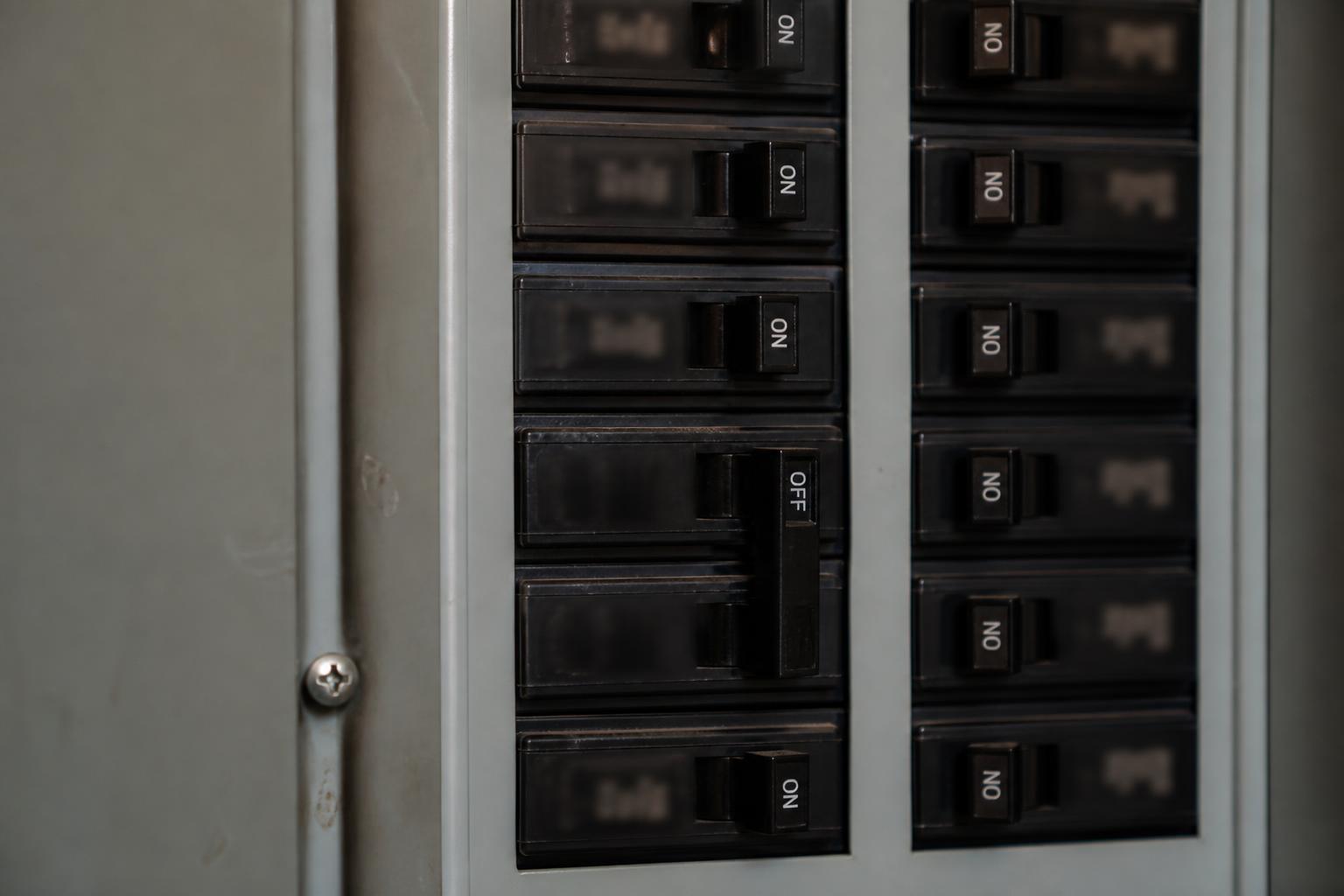
Furnaces run on standard household electricity even though they burn gas, and a tripped breaker or an accidentally flipped service switch is one of the most common reasons a furnace will not start at all. Locate your electrical panel and look for a breaker in the OFF or middle position; if you find one, switch it fully off and then back on. Also check for a dedicated furnace service switch, which looks like a standard wall light switch and is often mounted on or near the furnace itself or at the top of the basement stairs. It is easy to bump accidentally, and an accidentally flipped switch produces exactly the same symptom as a genuine electrical fault.
Confirm the Gas Supply Is On
If your furnace runs on natural gas, confirm the gas shutoff valve near the unit is fully open, with the handle parallel to the gas line rather than perpendicular to it. If you smell gas at any point during this check, stop immediately, leave the home, and call your gas utility’s emergency line from outside rather than continuing to troubleshoot. A furnace with no gas supply will not ignite even if every electrical component is working normally, and it is one of the simpler things to rule out on your own.
Look at the Air Filter
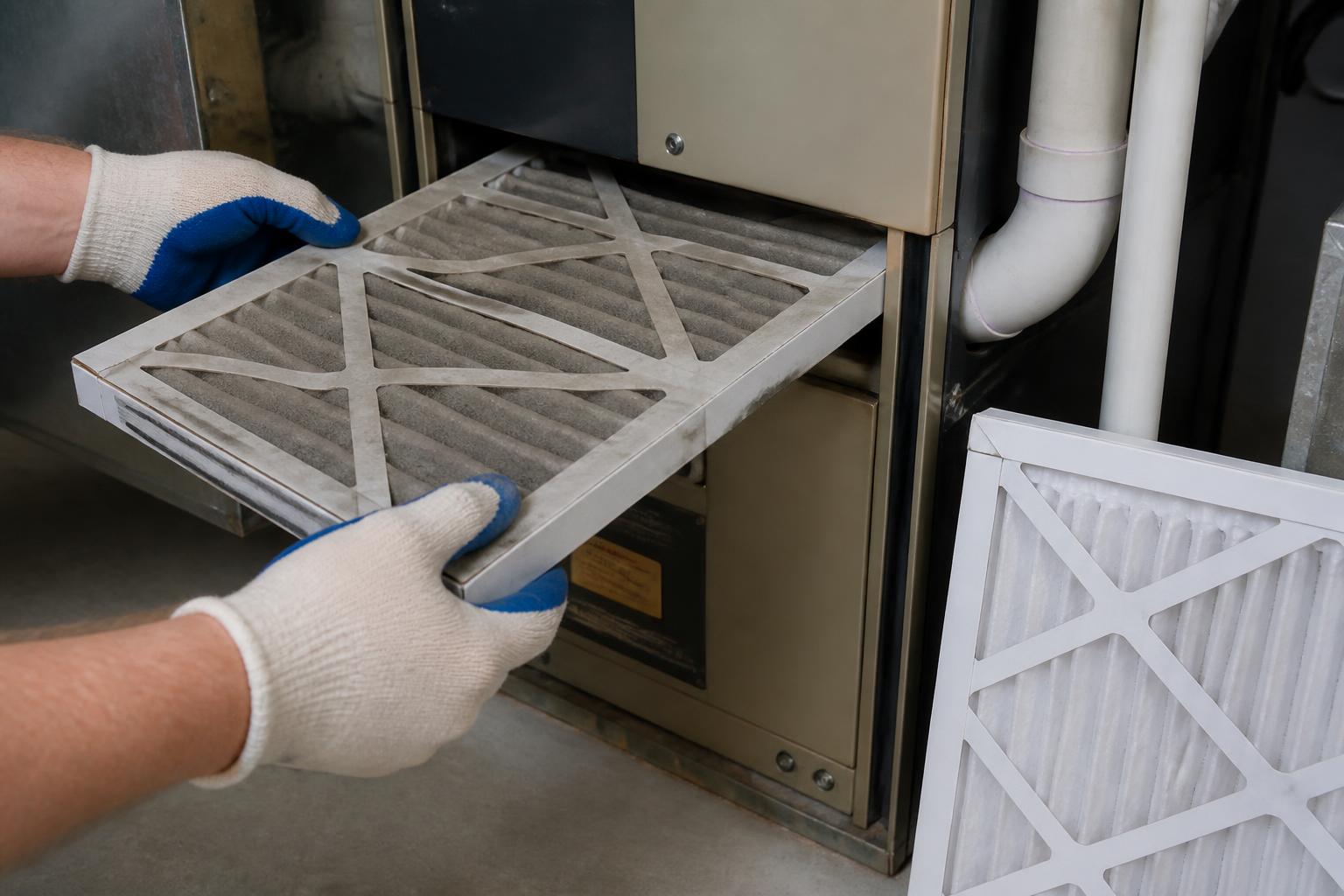
A severely clogged filter can restrict airflow enough that some furnace models will not run at all as a built-in safety measure, since running with almost no airflow risks overheating the heat exchanger. Pull the filter and hold it up to a light. If you cannot see light through it, replace it with a new one of the correct size and try the system again. This is also one of the easiest preventive steps to build into a regular routine, since a filter that is checked monthly during heating season rarely gets bad enough to cause a shutdown on its own.
Check for an Error Code or Blink Pattern
Most modern furnace control boards include a small LED status light that blinks in a specific pattern to indicate what the system is seeing internally, even when the furnace will not run. Open the front access panel and look for a small window or light near the control board. Count the blinks between pauses and check your furnace’s manual or the manufacturer’s website for what that pattern means; it can point directly to an ignition failure, a pressure switch issue, or a safety lockout rather than leaving you guessing. Natural Resources Canada’s home-efficiency guidance recommends following the manufacturer’s operating and troubleshooting guidance for furnace and heating equipment rather than working from guesswork alone.
Reset the System Once
If you have checked the thermostat, power, gas supply, and filter and the furnace still will not start, a single power cycle is generally safe: turn the furnace service switch off, wait about a minute, then turn it back on. Many control boards use this as a way to clear a minor lockout condition. If the furnace starts and runs normally, keep an eye on it over the next day or two, since a recurring lockout after a reset usually means an underlying issue is still present even though the immediate symptom cleared.
When to Stop Troubleshooting and Call
If the furnace still will not start after these checks, or if it starts and then immediately shuts off again, it is time to call rather than keep resetting the system. Repeated power cycling without addressing the underlying cause can occasionally make a minor issue worse, and some causes, like a failed ignitor, a faulty pressure switch, or a cracked component, require diagnostic equipment and training to identify safely. A technician can usually narrow down the cause quickly once they know which of the checks above you have already ruled out, which is part of why it helps to know what you tried before the appointment.
What a Technician Checks Beyond the Basics
Once a service call is booked, our technicians go further than what is safe to check from the outside: measuring voltage at key components, testing the ignitor’s resistance, checking the pressure switch and inducer motor operation, and verifying the flame sensor signal if the furnace does manage to ignite briefly. This kind of diagnostic work through HVAC maintenance or a dedicated repair visit is what separates a guess from a confirmed fix, and it is also how a technician catches a secondary issue that might otherwise cause a repeat no-heat call a few weeks later.
Preventing a Repeat No-Heat Call
Most no-heat emergencies are preventable with a routine fall tune-up before the heating season gets underway. A pre-season check catches weak ignitors, marginal pressure switch readings, and other components that are still functioning but trending toward failure, long before they leave you without heat on a cold morning. If your furnace is aging or has had more than one no-heat call in recent years, it is also worth discussing whether continued repairs still make sense compared to replacement, particularly if parts for an older model are becoming harder to source.
Frequently Asked Questions
My furnace has power but still won’t ignite. What does that mean?
This usually points to the ignition system itself: a weak or failed ignitor, a pressure switch that is not sensing airflow correctly, or a safety lockout from a previous failed attempt. These require a technician’s diagnostic tools to pin down precisely.
Is it safe to keep resetting the breaker or switch repeatedly?
One reset is generally fine, but repeatedly cycling power without resolving the underlying cause can occasionally aggravate certain faults and does not address whatever triggered the shutdown in the first place.
How quickly can someone come out for a no-heat emergency?
Our emergency services team prioritizes no-heat calls, especially during cold snaps, since we understand how quickly a home can become uncomfortable or unsafe without heat.
Could a thermostat problem really be the whole issue?
Yes, and it is more common than most homeowners expect. Dead batteries, an incorrect mode setting, or a scheduling conflict on a smart thermostat can all produce the exact same symptom as a genuine furnace fault.
Should I try to fix the ignitor or pressure switch myself?
No. These components involve gas and electrical safety systems that require the correct diagnostic equipment and training to test and replace safely, so they should be left to a licensed technician.
If your furnace still will not start after working through this checklist, do not keep guessing on a cold morning. Call Furnace King Home Services at (905) 564-5464 to schedule a visit, or reach our emergency services team for a same-day no-heat call. You can also reach us anytime through our contact page.