
Why the Furnace Brand You Choose Actually Matters
When a furnace fails in the middle of a Richmond Hill winter, it’s tempting to treat every replacement unit as interchangeable. In reality, the brand behind your furnace shapes a lot more than the sticker on the cabinet. It affects how consistently the unit runs over the next 15 to 20 years, how easily a technician can source a part if something breaks, and how much engineering has gone into the parts you never see — the heat exchanger, the blower motor, the control board.
Furnace manufacturers compete on more than price. They compete on build tolerances, on how well a two-stage or variable-speed system actually modulates output instead of just cycling on and off, and on how their dealer networks are trained to install and service what they sell. That’s why, at Furnace King Home Services, we’ve chosen to install a small number of manufacturers we trust rather than a long list of budget brands — and Trane is one of the names we regularly put into Richmond Hill homes.
Why Furnace King Installs Trane Furnaces
We didn’t pick Trane because it’s the only option on the market. We install it because, across decades of residential HVAC use, Trane has built a reputation among installers and technicians for solid construction and dependable long-term performance. That reputation matters to us because we’re the ones who get the service call five years down the road — and a furnace that holds up under real-world Canadian winters saves everyone, including you, a lot of headaches.
Choosing which brands to carry is really a decision about which manufacturers back their equipment with engineering that matches how our technicians actually work on furnaces day to day: consistent part designs, accessible components, and technology that gives homeowners real comfort improvements rather than gimmicks.
Build Quality and Reliability Reputation
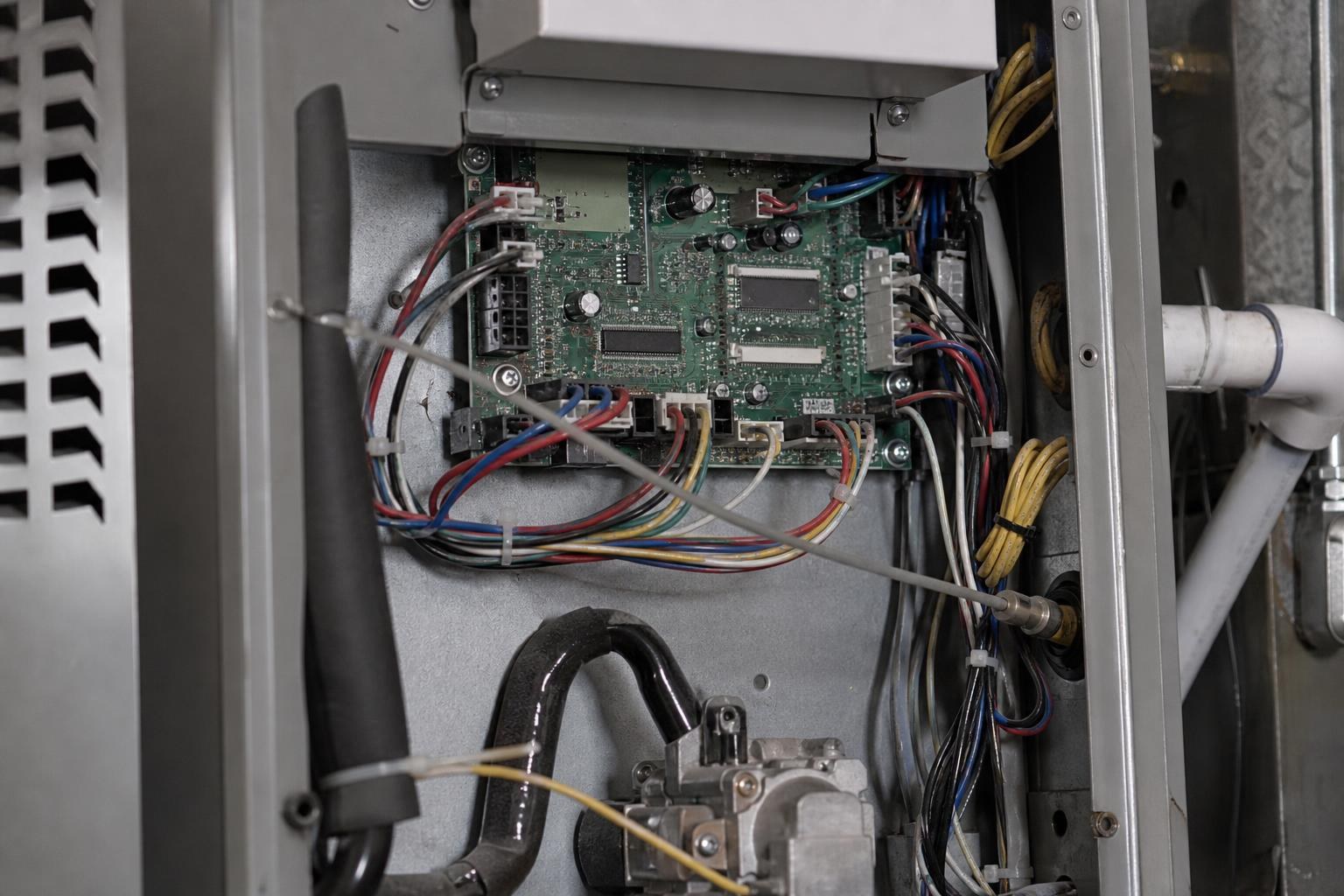
One of the biggest reasons Trane has earned a strong reputation in the HVAC trade comes down to component quality — heavier-gauge cabinets, robust heat exchangers, and control systems that are engineered to hold up to years of cycling on and off in extreme temperature swings. For a Richmond Hill home, that means a furnace that’s built to handle a January cold snap just as reliably as it handled its first winter.
Reliability isn’t just about the equipment surviving — it’s about how it performs while it’s running. A furnace with a strong build reputation tends to need fewer service calls over its lifespan, which translates into fewer disruptions to your household and lower long-term ownership costs, even though we won’t put a specific number on that here.
Variable-Speed and Two-Stage Technology
Older single-stage furnaces run at one speed: full blast, then off. That approach works, but it produces noticeable temperature swings and can leave rooms far from the furnace feeling colder than rooms nearby. Trane’s furnace lineup includes two-stage and variable-speed options that ramp output up and down to match your home’s actual heating demand at any given moment, rather than slamming on and shutting off repeatedly.
In practice, that means steadier indoor temperatures, fewer cold spots, and a system that spends more time running gently rather than cycling hard. If you’re weighing a new replacement furnace for your home, this is one of the clearest places where brand-level engineering differences actually show up in day-to-day comfort.
Sound and Comfort Performance
Furnace noise is an underrated comfort factor, especially if your mechanical room sits near a bedroom, home office, or open living space. Two-stage and variable-speed furnaces tend to run quieter overall because they spend most of their time in a lower-output mode rather than firing at full capacity every cycle. Combined with well-designed blower assemblies, this can make a noticeable difference in how much you actually notice your furnace running.
Comfort also comes from more even airflow. A furnace that modulates its output, instead of blasting air and then stopping, tends to maintain more consistent humidity and temperature throughout the home, which is part of why manufacturers like Trane build multiple tiers of equipment around this kind of technology rather than treating it as an upgrade reserved for one flagship model.
A Range of Efficiency Options, Not Just One Tier
Not every home needs the most efficient furnace on the market, and not every budget calls for it either. One advantage of installing a manufacturer with a broad product line is that we can match a furnace’s efficiency level to your specific situation — whether that’s a straightforward, dependable standard-efficiency unit or a high-efficiency condensing furnace designed to extract more heat from every unit of fuel burned. The right choice depends on your home’s size, your existing venting setup, and how long you plan to stay in the home.
This is exactly the kind of decision we walk through with homeowners before recommending anything — efficiency on paper only matters if the unit is sized and installed correctly for your specific house.
What to Evaluate Beyond the Brand Name
Brand reputation is a reasonable starting point, but it’s only one part of a good furnace decision. Two homes with the exact same furnace model installed by different companies can end up with very different comfort and efficiency outcomes. Here’s what we think homeowners should actually be evaluating alongside brand:
- Correct sizing through a load calculation. An oversized furnace short-cycles and wears out faster; an undersized one runs constantly and still can’t keep up. Sizing should be based on your home’s square footage, insulation, window count, and layout — not just a rough replacement of the old unit’s rating.
- Compatibility with your existing ductwork. A furnace only performs as well as the duct system delivering that air. Undersized returns, leaky joints, or ducts that were designed for a different-sized unit can undercut even the best furnace’s performance.
- The installer’s track record, not just the manufacturer’s. A poorly installed premium furnace can underperform a properly installed mid-tier one.
- How the new system integrates with your home’s overall heating setup, including thermostat compatibility and any air handling equipment already in place.
Why Installation Quality Matters as Much as the Equipment
This is worth repeating because it’s the part homeowners often overlook: installation quality can make or break a furnace’s real-world performance, regardless of which brand is on the cabinet. A furnace that’s improperly sized, poorly sealed at the plenum, or connected to undersized ductwork won’t deliver the efficiency or comfort it’s rated for — no matter how well-engineered the unit itself is.
That’s part of why we treat the installation itself as just as important as which furnace we recommend. Correct refrigerant and gas line connections, properly sealed ductwork, accurate airflow settings, and a thorough commissioning process are what actually translate a good furnace into a comfortable, efficient home.
Matching the Furnace to Your Home’s Existing Ductwork
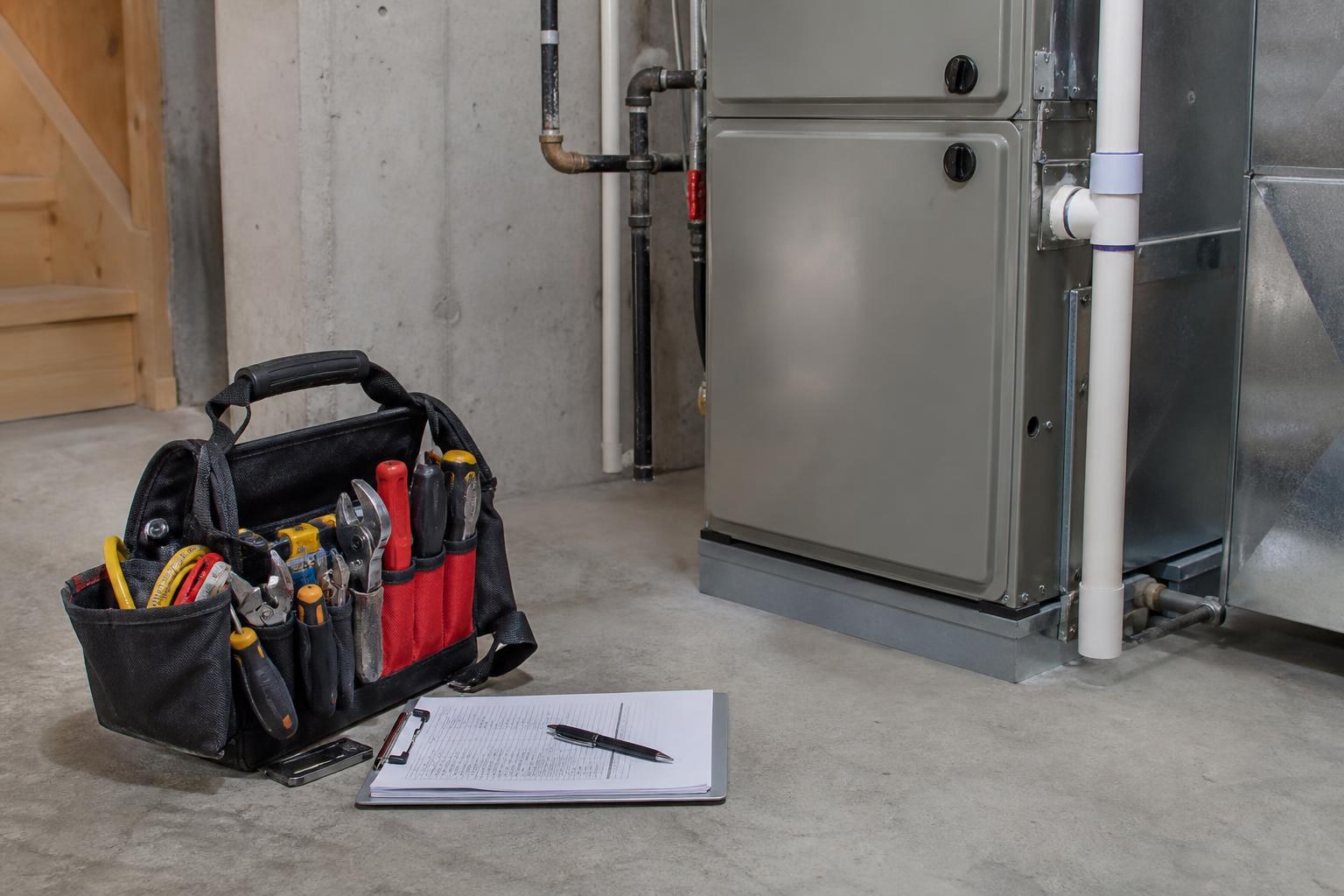
Every home in Richmond Hill has its own ductwork history — some have been updated over the years, others still have original duct runs from when the house was built. Before recommending a specific furnace, we look at duct sizing, static pressure, and the condition of your existing supply and return lines. A high-output variable-speed furnace paired with undersized ductwork won’t deliver the comfort benefits it’s capable of, and in some cases it can create airflow noise or uneven heating that wasn’t a problem with your old single-stage system.
In some homes, this means recommending duct modifications alongside the new furnace. In others, the existing ductwork is perfectly capable of supporting an upgrade. Either way, it’s a conversation we have before any equipment gets installed, not after.
What the Installation Process Generally Looks Like
A proper furnace installation follows a consistent sequence, and understanding it can help you know what to expect on install day:
- Assessment. We evaluate your home’s heating load, existing ductwork, venting, gas line, and electrical setup to determine the right furnace size and configuration.
- Removal of the old unit. The existing furnace is safely disconnected and removed, along with any components that won’t be reused.
- Installation. The new furnace is set in place, connected to gas, venting, ductwork, and electrical, with careful attention to sealing and support.
- Commissioning and testing. Once installed, we test airflow, verify safe combustion and venting, confirm the thermostat is communicating properly, and check that the system is running the way it’s designed to before we consider the job complete.
That commissioning step is where a lot of the long-term reliability gets locked in. It’s also where a well-built furnace and a well-executed installation come together to actually deliver the comfort and efficiency you were promised on paper.
Making the Right Call for Your Richmond Hill Home
If you’re comparing furnace brands, it’s worth remembering that the brand is only half the equation. A dependable manufacturer with a strong build reputation gives you a solid foundation, but correct sizing, ductwork compatibility, and careful installation are what actually determine whether your new furnace performs the way it should for the next 15-plus years. We install Trane because we believe in the equipment, and we back that up with an installation process that’s built to match.
Frequently Asked Questions
Is Trane the only furnace brand Furnace King installs?
Trane is one of the manufacturers we carry and regularly recommend, particularly for homeowners who want a dependable, well-engineered system with a range of efficiency and comfort options. We’re happy to talk through the specific options available for your home during a consultation.
How do I know what size furnace my Richmond Hill home needs?
The right size comes from a proper load calculation that accounts for your home’s square footage, insulation, window exposure, and layout — not simply matching the rating of the furnace you’re replacing. This is one of the first things we walk through during an in-home assessment.
Will a new furnace work with my existing ductwork?
In many cases, yes, but it depends on the condition and sizing of your current ducts relative to the new furnace’s airflow requirements. We evaluate your ductwork as part of the assessment and let you know upfront if any modifications would help the new system perform properly.
What’s included in a furnace installation with Furnace King?
A full installation includes assessing your home’s heating needs, safely removing the old unit, installing and connecting the new furnace, and commissioning it with airflow and safety testing before we consider the job done. You can learn more about our furnace replacement services on our new furnace installation page.
If you’re weighing a Trane furnace installation for your Richmond Hill home, we’re glad to walk through your options in person. Contact us today to schedule a free estimate and find out which system makes the most sense for your home.