
If you have started shopping for a new furnace, you have probably run into the term AFUE more than once, usually attached to a percentage somewhere in the low 80s to high 90s. AFUE, or Annual Fuel Utilization Efficiency, is the standard measurement for how much of the fuel a furnace burns actually turns into usable heat for your Milton home, and understanding it can make comparing furnace options far less confusing.
What AFUE Actually Measures
AFUE is expressed as a percentage that represents how efficiently a furnace converts fuel into heat over the course of a typical year, accounting for normal cycling and standby losses rather than just peak performance in a lab. A furnace rated at 96% AFUE converts 96 cents of every dollar’s worth of fuel into heat delivered to your home, with the remaining 4% lost through the flue and other inefficiencies. Natural Resources Canada’s EnerGuide furnace rating guide uses this same standard to help Canadian homeowners compare furnace models on a consistent basis.
The Efficiency Ranges You’ll See
- 80–83% AFUE: Considered standard or mid-efficiency. These furnaces vent through a metal flue and are generally the lower-cost option upfront.
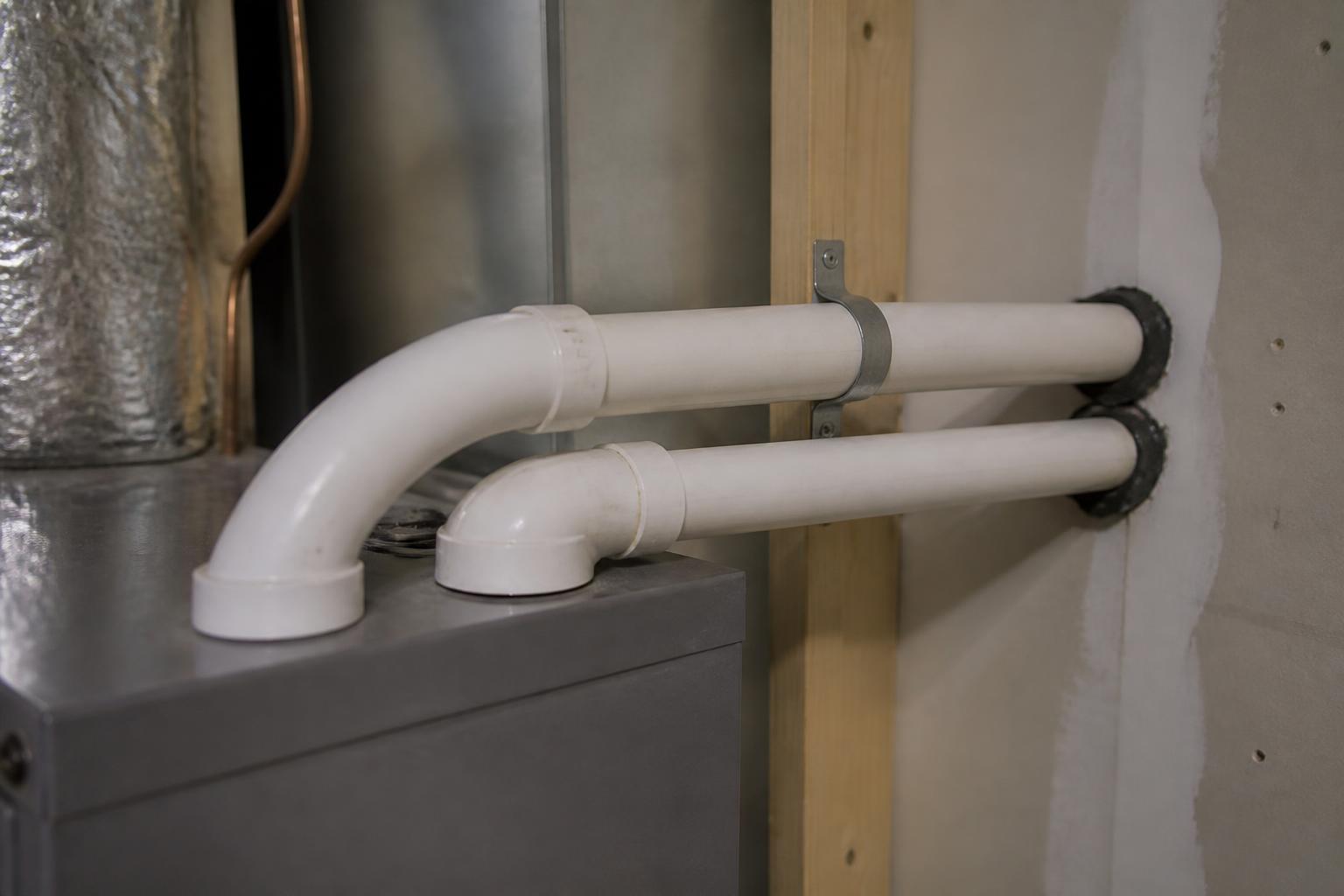
- 90–95% AFUE: High-efficiency condensing furnaces. These extract additional heat from combustion gases before venting, which is why they typically vent through PVC pipe rather than metal and produce condensate that needs a drain.
- 96%+ AFUE: The highest efficiency tier currently available for residential furnaces, offering the lowest ongoing fuel cost of the three tiers at a higher equipment cost.
A higher AFUE percentage means less wasted fuel over a heating season, but it is only one part of the equation. Proper sizing, ductwork condition, and installation quality all affect how much of that rated efficiency actually shows up in your energy bills.
Why the Efficiency Tier You Choose Matters
The efficiency tier you choose has a real effect on two things: your upfront equipment cost and your ongoing fuel bills. A higher-AFUE furnace generally costs more to purchase and install, partly because condensing models require additional components like PVC venting and a condensate drain, but it uses less gas to deliver the same amount of heat, meaning the gap in operating cost narrows the difference over time. How quickly that gap closes depends on your home’s heating demand, current gas rates, and how long you plan to stay in the home.
Factors Beyond AFUE That Affect Your Decision
- Climate and heating demand. Milton’s winters put real demand on a furnace, and homes with higher heating loads see a larger absolute fuel savings from a higher-efficiency unit than homes in milder climates would.
- How long you plan to stay in the home. A higher upfront cost pays back faster the longer you own the home and the furnace.
- Existing venting setup. Switching from a mid-efficiency to a high-efficiency furnace often means adding new PVC venting, which is a real part of the installation scope rather than a simple swap.
- Local rebate programs. Efficiency upgrade rebates change periodically, so it is worth asking what is currently available when you get your quote rather than assuming a program from a previous year still applies.
Common Misconceptions About AFUE
A higher AFUE percentage does not automatically mean a furnace is the right choice for your home. An oversized high-efficiency furnace can short-cycle just as easily as an oversized standard-efficiency one, and short cycling reduces real-world efficiency regardless of the rating on the label. AFUE also does not account for duct losses, meaning a highly efficient furnace connected to leaky or undersized ductwork will not deliver its full rated performance to your living space. This is part of why a proper load calculation and ductwork assessment matter as much as the efficiency tier itself.
How We Help Milton Homeowners Choose
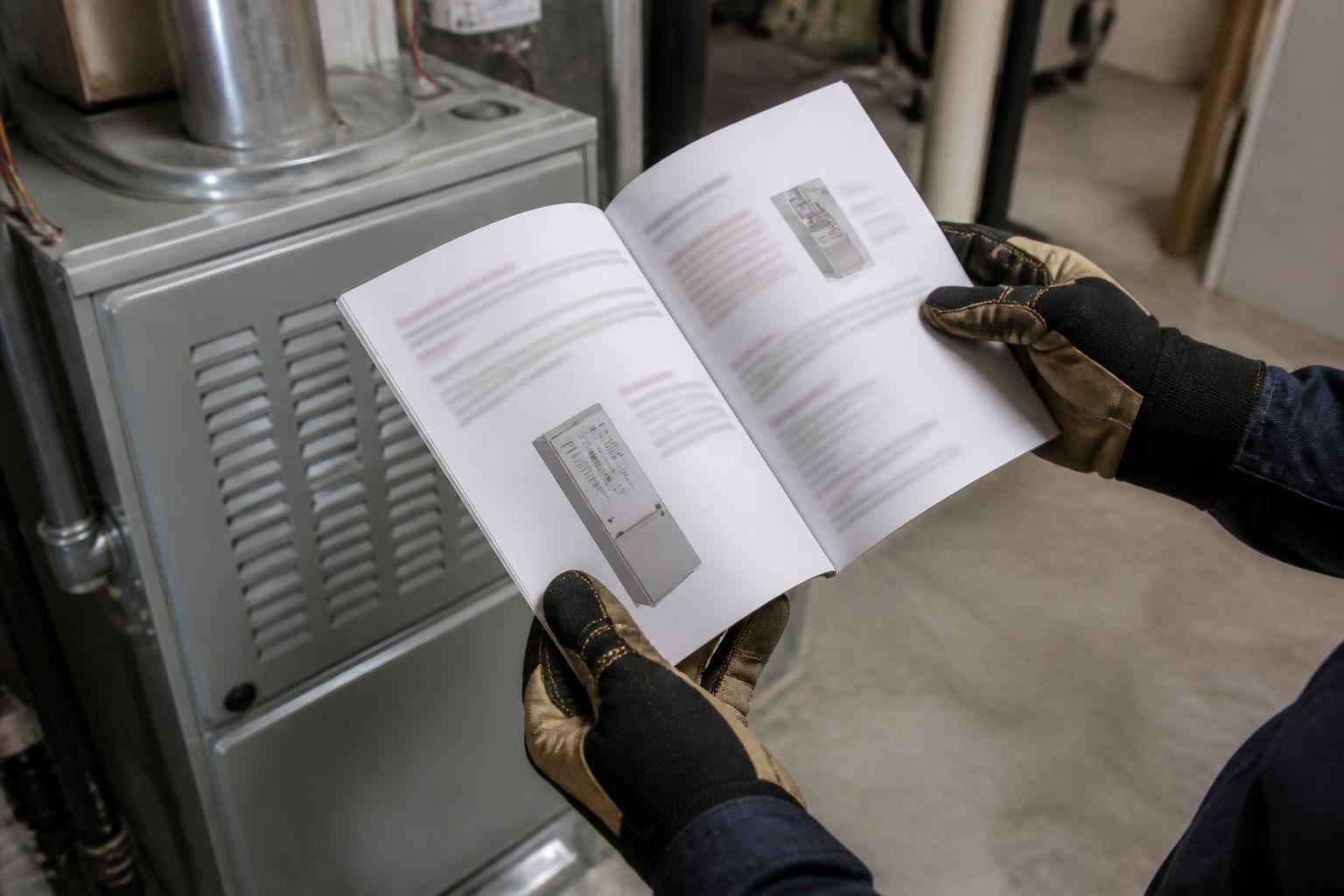
During a furnace replacement assessment, we walk through your current system’s condition, your home’s heating load, and your household’s priorities, whether that is minimizing upfront cost, minimizing long-term fuel spend, or finding a balance between the two. We also review your existing venting and ductwork to flag anything that would need to change with a higher-efficiency unit, so the number on the quote reflects the actual installation your home needs rather than a generic estimate.
Fitting an Efficiency Upgrade Into Your Budget
Because higher-efficiency furnaces typically carry a higher upfront cost, it’s worth asking about available payment and service-plan options when you get your quote. Our service plans team can walk through what’s currently available, so you can choose based on which efficiency tier genuinely fits your home rather than which one has the lowest sticker price.
Maintaining Efficiency Over the Life of the Furnace
A furnace’s AFUE rating reflects its performance when new and properly maintained, not a fixed guarantee for the life of the unit. A dirty filter, neglected combustion components, or a heat exchanger that has never been inspected can all quietly erode real-world efficiency well below the rated percentage. Keeping up with annual HVAC maintenance is one of the simplest ways to make sure the furnace you invested in continues to perform close to its rated efficiency for years rather than losing ground gradually and unnoticed.
Comparing Quotes Across Efficiency Tiers
When you get more than one quote, ask each contractor to specify the AFUE rating of the exact model being proposed rather than a general efficiency range, since two furnaces marketed as “high efficiency” can still differ by several percentage points. It is also worth confirming whether the venting and condensate work needed for a condensing furnace is included in the quoted price, since that scope of work varies more between contractors than the equipment cost itself.
Frequently Asked Questions
Is a 96% AFUE furnace always worth the extra cost over a 90% model?
It depends on your home’s heating demand, how long you plan to stay in the home, and current gas rates. A technician can walk through the payback timeline based on your specific situation rather than a general answer.
Do all high-efficiency furnaces need PVC venting?
Condensing furnaces in the 90%+ AFUE range typically do, since they extract additional heat that produces condensate and lowers exhaust gas temperature below what a standard metal flue is rated for.
Can I upgrade to a higher AFUE furnace without changing my ductwork?
Sometimes, but if your existing ducts are undersized or leaky, they can limit how much of the furnace’s rated efficiency actually reaches your living space, so it is worth having them assessed at the same time.
Does a lower AFUE furnace mean lower quality overall?
Not necessarily. AFUE measures fuel efficiency specifically, not build quality or reliability, though many manufacturers do position their higher-efficiency lines with additional features as well.
Are there rebates available for upgrading to a higher-efficiency furnace?
Rebate programs change periodically, so ask about current options when you book your assessment rather than assuming a past program is still active.
Choosing the right AFUE tier comes down to your home, your budget, and how long you plan to stay. Call Furnace King Home Services at (905) 564-5464 to schedule a visit, or our furnace replacement team can walk your Milton home and recommend the efficiency tier that actually fits. You can also reach us anytime through our contact page.