
Fall is a sensible time for Oakville homeowners to check their heating system before it starts running every day. That does not mean every home needs routine duct cleaning on a seasonal calendar. The better question is whether an inspection shows a specific condition that cleaning can address, such as substantial debris, contamination after renovation work, signs of pests, or a moisture problem that has already been corrected. This guide explains the signs your air ducts may need cleaning this fall, the limits of what cleaning can accomplish, and what to expect from a responsible assessment.
Your ductwork is part of a larger system that includes return grilles, filters, the furnace or air handler, supply runs, and room registers. Dust on a vent cover does not automatically prove that the full system is dirty, and weak airflow can come from a clogged filter, closed damper, blower issue, undersized duct, or other equipment problem. Starting with an inspection helps identify the actual cause before you pay for a service that may not solve it.
When Air Duct Cleaning May Be Worth Considering
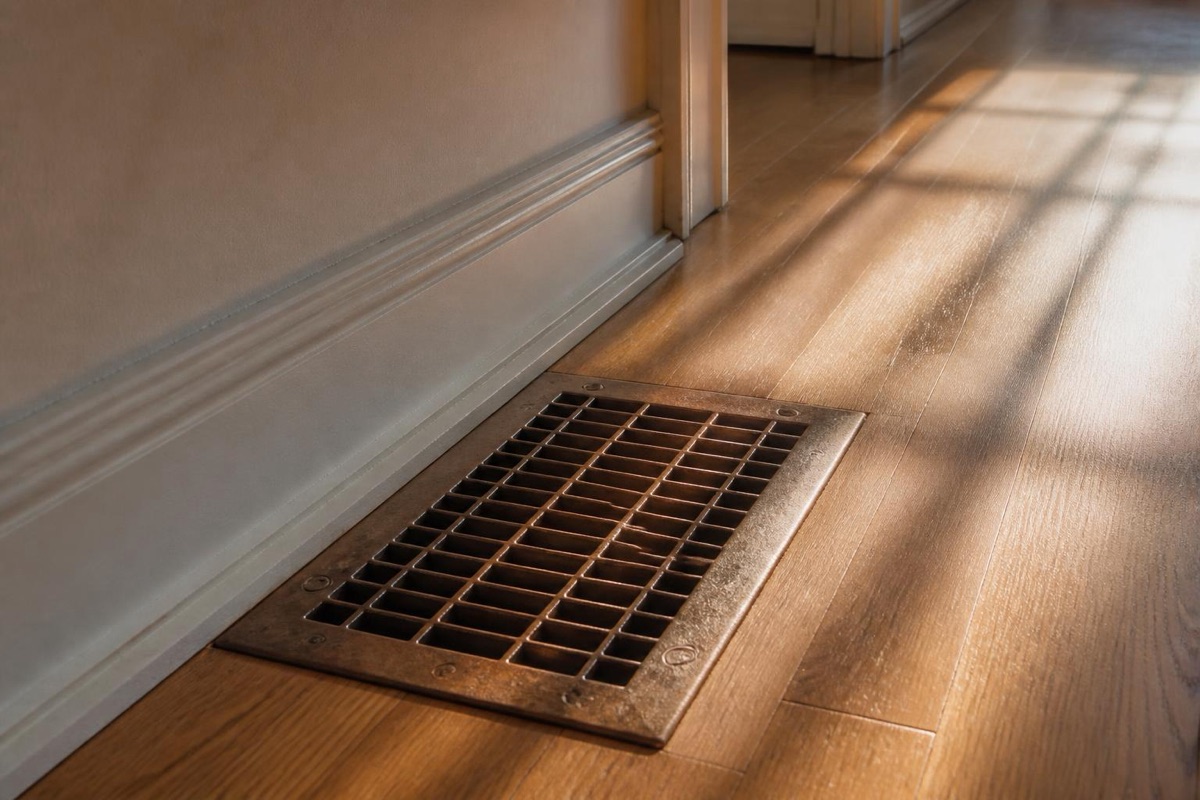
A condition-based decision is more useful than choosing an arbitrary interval. An HVAC professional may recommend cleaning or further investigation when there is direct evidence of one of the following situations:
- Visible debris is being released from supply registers. A small amount of settled household dust near a grille is common. Material blowing into rooms when the system operates deserves a closer look.
- Construction or renovation debris entered the system. Drywall dust, sawdust, and other fine material can reach open returns or registers during a project, especially if the system ran while work was underway.
- There are signs of rodents, insects, or nesting material. The source of the intrusion should be removed and the entry points corrected before affected duct sections are cleaned.
- Moisture has caused confirmed microbial growth. The leak, condensation, humidity, or drainage problem must be fixed first. Cleaning without correcting the moisture source allows the problem to return.
- Smoke, soot, or another unusual contaminant entered the ductwork. A professional can assess which components are affected and whether cleaning, repair, or replacement is appropriate.
- An inspection finds a meaningful obstruction. Weak airflow alone does not prove dirty ducts. The cause should be diagnosed because filters, dampers, blowers, coils, and duct design can all affect airflow.
It is equally important to understand what the evidence does not support. A review published through the National Research Council Canada publications archive found insufficient evidence that routine duct cleaning improves indoor air quality, health outcomes, airflow, or energy use under normal conditions. That is why Furnace King recommends assessing the system and the reason for concern before treating cleaning as an automatic cure for dust, allergies, or high utility bills.
Why Fall Is Useful for Inspection, Not an Automatic Cleaning Deadline
Before regular heating begins, you can run the system and notice changes without waiting for the coldest part of winter. Check whether the filter is installed correctly, whether supply and return grilles are open and unobstructed, and whether each room receives normal airflow. Listen for new rattles or whistling, note unusual odours that persist beyond the first brief startup, and look for signs of water around the furnace, air conditioner coil, humidifier, or nearby drains.
This is also a good time to review the filter. Health Canada advises homeowners with a ducted HVAC filtration system to clean or replace the filter according to the manufacturer’s instructions. A loaded or overly restrictive filter can reduce airflow and may explain symptoms that otherwise get blamed on the ducts. If the filter becomes dirty unusually quickly, the next step is to identify the source rather than assume the entire duct network needs cleaning.
Oakville’s heating season also makes access and planning practical in early fall. If an inspection finds damaged ductwork, an open return, a disconnected section, or a moisture issue, there is time to address the cause before the furnace reaches peak winter use. Repairs and routine HVAC maintenance often matter more to comfort and efficiency than cleaning otherwise intact ducts.
What a Responsible Ductwork Assessment Should Include
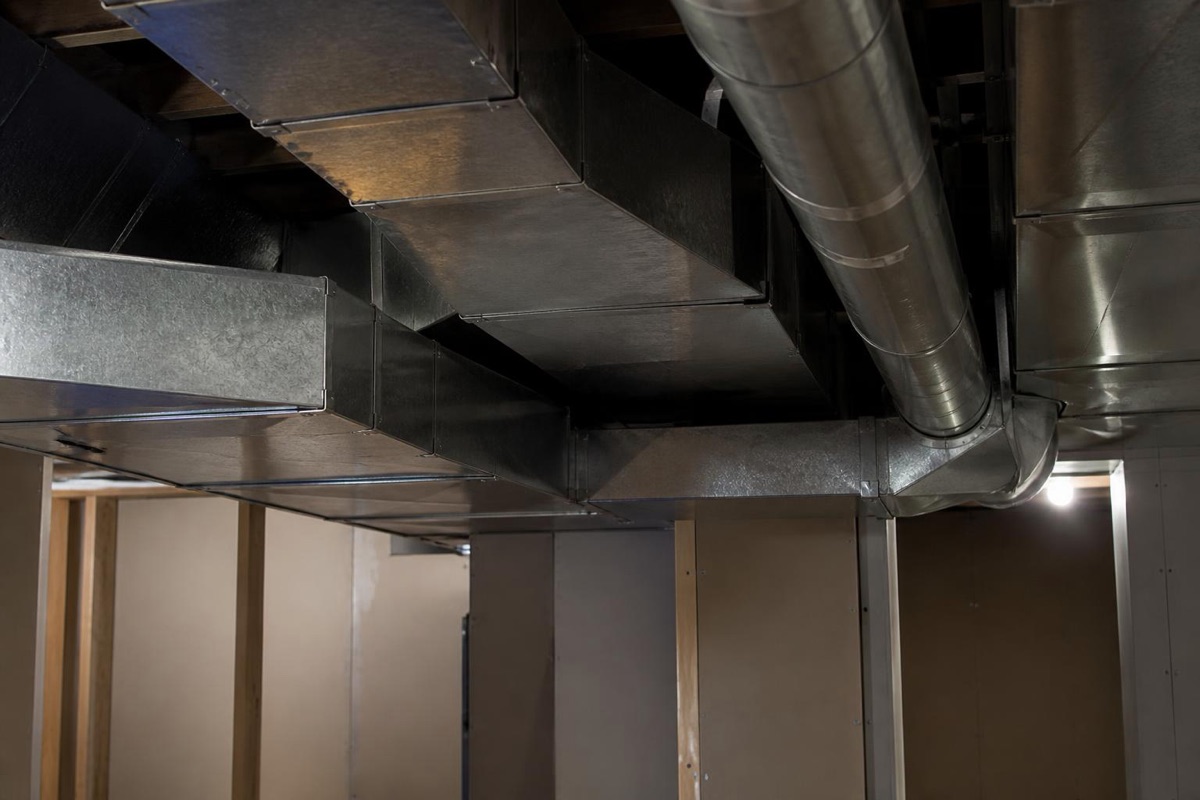
A useful visit begins with questions. The technician should ask what you have noticed, when it started, whether renovation or water damage occurred, how quickly filters load, and whether the concern affects one room or the whole home. That history helps narrow the inspection instead of assuming a single solution.
The visual assessment should cover accessible supply and return ducts, registers, the filter cabinet, blower area, and related equipment where appropriate. If a specific contaminant is suspected, the technician should explain what evidence supports that conclusion. Photographs from accessible sections can help you understand the recommendation and compare conditions before and after any work.
If cleaning is justified, the plan should protect the occupied space, prevent loosened debris from spreading through the home, and address the affected components rather than just vacuuming the visible ends of registers. Ask how the system will be placed under negative pressure, what agitation tools will be used, and how openings will be resealed. Be cautious with routine offers to spray biocides, sealants, fragrances, or coatings throughout the ductwork. Those products are not a substitute for correcting moisture or contamination sources, and their use should have a clear, documented reason.
A responsible contractor should also say when cleaning is not the answer. A disconnected duct needs repair. A wet insulation liner may need replacement. A dirty evaporator coil or blower requires equipment service. A poorly balanced system may need damper adjustment or duct redesign. The goal is to solve the condition found, not simply sell the same treatment for every complaint.
Frequently Asked Questions About Air Duct Cleaning
How often should Oakville homeowners clean their air ducts?
There is no universal schedule that fits every home. Consider an inspection when there is visible contamination, debris after renovations, a pest problem, corrected moisture damage, or another specific concern. If none of those conditions is present, filter care and regular HVAC maintenance may be the more useful priorities.
Will duct cleaning improve indoor air quality or reduce allergies?
It should not be promised as a general health treatment. Cleaning can remove a confirmed contaminant from affected ductwork, but indoor air quality also depends on source control, ventilation, filtration, humidity, cleaning practices, and outdoor air. Anyone with persistent respiratory symptoms should seek medical advice rather than rely on duct cleaning as a remedy.
What should I check before requesting duct cleaning?
Start with the filter, open registers, return-air obstructions, unusual moisture, recent construction, and whether the concern is limited to one area. Note any persistent odour, visible material, or change in airflow. Those details will help an HVAC professional decide whether the right next step is cleaning, maintenance, repair, or a more focused diagnosis.
Schedule an Oakville Ductwork Assessment Before Winter
If you have a specific concern about dust, debris, moisture, pests, renovation residue, or airflow, Furnace King can inspect the system and explain what the evidence shows. Learn more about our duct cleaning service or contact the team serving Oakville homeowners to schedule an assessment. We will help you determine whether cleaning is appropriate or whether another maintenance or repair step is more likely to solve the problem.