
Heating is one of the most significant investments for any Ontario homeowner. With cold winters and fluctuating temperatures, the right heating solution can mean the difference between comfort and costly energy bills. Boilers remain a popular choice, offering efficient and reliable warmth for many homes. But is a boiler the best fit for your property, and what should you consider before making this decision?
This post explores the essential factors to evaluate when considering a boiler for your Ontario residence. We’ll cover energy efficiency, maintenance demands, local climate considerations, and how to maximize your investment. Whether you’re replacing an old system or installing heating in a new build, understanding your options ensures you make an informed choice.
Comparing Boilers to Other Home Heating Options
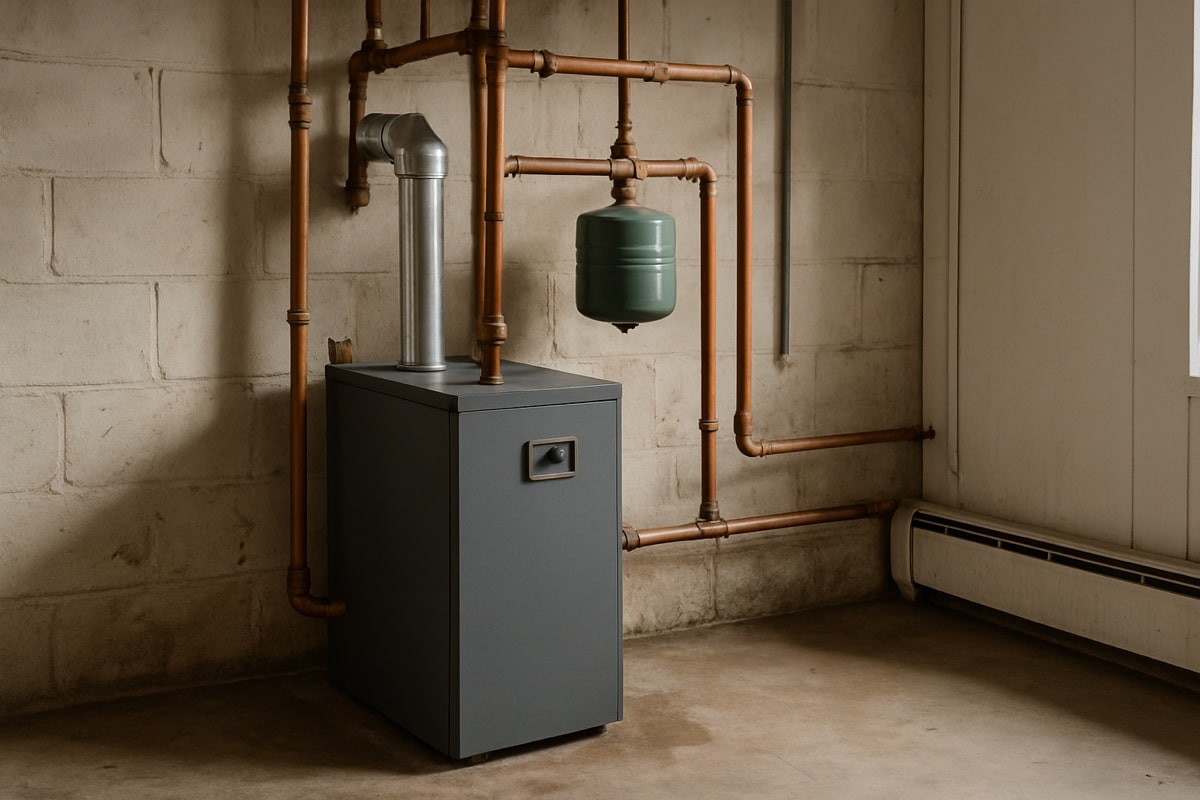
Boilers heat water and circulate it through radiators, baseboard heaters, or radiant floor systems. This process delivers even, comfortable warmth and is often quieter than forced-air systems. Compared to furnaces, which blow heated air through ducts, boilers can provide gentler and more consistent heating.
However, not every home is ideally suited to a boiler. Installation can be more complex and may require retrofitting if your house lacks existing hydronic infrastructure. Initial costs can be higher than forced-air alternatives, but many homeowners find the long-term energy savings and comfort make boilers a smart investment.
It’s also worth noting that boilers generally require less frequent maintenance than forced-air systems, especially if they’re modern, high-efficiency models. Still, regular inspections and occasional tune-ups are essential for optimal performance, which Furnace King Home Services can assist with through their service plans.
Key Considerations When Choosing a Boiler for Ontario Homes
Ontario’s climate, with its cold winters and damp shoulder seasons, demands a system that can handle prolonged use without driving up energy costs. Modern boilers, especially condensing models, are designed to maximize efficiency by extracting more heat from the same amount of fuel. When selecting a boiler, prioritize models with high Annual Fuel Utilization Efficiency (AFUE) ratings to reduce long-term expenses.
Another factor to consider is the type of fuel. Natural gas is widely available in urban and suburban Ontario, making it a practical and affordable choice. However, some rural areas may rely on propane or oil, which can affect running costs and environmental impact. Always consult local experts to ensure your boiler selection matches your area’s supply and regulations.
For more detailed information about different types of boilers and their energy performance, visit the Natural Resources Canada boiler guide.
Installation, Maintenance, and Service Life
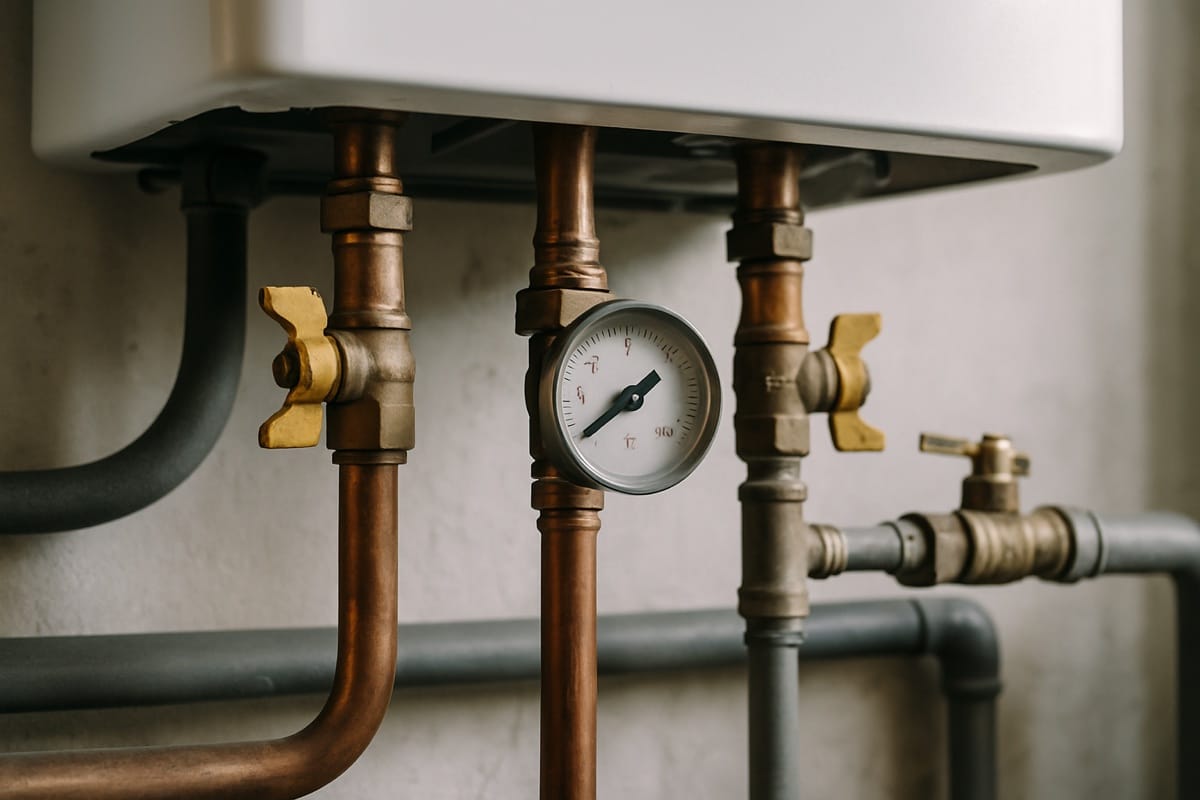
Professional installation is crucial for both safety and efficiency. A poorly installed boiler may operate below its rated efficiency, develop leaks, or even pose safety risks. Working with a trusted provider like Furnace King Home Services ensures your system is sized correctly and integrated with your home’s heating infrastructure. They offer expert boiler repair and installation services tailored to Mississauga and the Greater Toronto Area.
Once installed, boilers are relatively low-maintenance but should still be inspected annually. Routine service checks help catch minor issues before they become costly repairs and keep your system running smoothly throughout Ontario’s long heating season. This is especially important in older homes or where water quality may affect the boiler’s performance.
Most boilers will last 15–30 years with proper care, making them a long-term investment for your property. Enrolling in a service plan can simplify upkeep and provide peace of mind.
Maximizing Efficiency and Comfort with Your Boiler
To get the most out of your boiler investment, consider pairing it with modern controls such as programmable thermostats or zoning systems. These upgrades allow you to tailor heating to your family’s schedule and minimize energy waste. Radiant floor heating, compatible with many boiler systems, provides luxurious comfort and can boost a home’s value.
Proper insulation and weather sealing are equally important. Even the most efficient boiler can struggle to maintain warmth if your home loses heat through poorly sealed windows, doors, or attics. Conduct an energy audit with a professional to pinpoint and address any trouble spots.
For tips on home energy efficiency improvements, the Hydro One residential energy guide is a valuable resource for Ontario residents.
Getting Boiler Sizing and Fuel Type Right
One of the most overlooked parts of choosing a boiler is proper sizing. A boiler that is too small will struggle to keep up during Ontario’s coldest stretches, running constantly and wearing out faster. One that is oversized will short-cycle, switching on and off frequently, which wastes fuel and puts extra strain on the components. The right size comes from a heat-loss calculation that accounts for your home’s square footage, insulation, window quality, and layout, which is why we measure rather than guess.
Fuel type matters just as much. Most homes in Mississauga and across the Greater Toronto Area run on natural gas, which is convenient and cost-effective where the supply lines already exist. In areas without a gas connection, propane and oil boilers are options, though their running costs and refuelling logistics are different. Electric boilers can suit smaller spaces or homes without a combustion-fuel source, though Ontario electricity rates make them better for specific situations than whole-home heating.
It also helps to think ahead. If you are considering radiant floor heating, a future addition, or zoning different areas of the house, mentioning that early lets us recommend a boiler with the right capacity and connections from the start. Planning for those goals up front is far less expensive than upsizing or reconfiguring the system later.
Venting and placement deserve attention too. Condensing boilers vent differently than older models and produce condensate that needs proper drainage, so confirming these details before installation avoids surprises and keeps the project on schedule. Our team handles the permitting and venting requirements that apply in Ontario so the work meets code the first time.
Budget is part of the decision as well, but it is worth weighing upfront cost against long-term value. A higher-efficiency condensing boiler may cost more to install, yet the fuel savings over a 15-to-30-year service life often outweigh the difference, especially given how long Ontario’s heating season runs. We are glad to walk through the numbers for your specific home so the choice is based on real figures rather than rough estimates.
Frequently Asked Questions
How do I know if my home is compatible with a boiler?
If your home already has radiators or in-floor heating, installing a new boiler is straightforward. For homes with only ductwork, adding a boiler may require significant modifications. Consult a local professional to assess your current setup and discuss options.
What is the difference between a conventional and condensing boiler?
Conventional boilers vent hot gases outside, while condensing boilers capture additional heat from exhaust gases, making them more energy efficient. Condensing models are recommended for Ontario’s climate due to their superior performance and cost savings over time.
How often should my boiler be serviced?
Annual service is ideal to maintain efficiency and safety. Regular inspections help identify small issues early, extend system lifespan, and may be required to keep manufacturer warranties valid.
Choosing a boiler for your Ontario home is a significant decision, but you don’t have to navigate it alone. Contact Furnace King Home Services at (905) 564-5464 or visit our contact page to schedule a consultation or learn more about expert heating solutions tailored to your needs.