
Carbon monoxide is hard to take seriously until it matters, because you cannot see, smell or taste it. A working alarm in the right place is the only way a household finds out. This guide covers carbon monoxide detector placement in Milton homes: where alarms belong, where they do not, and what to do when one sounds.
Why Fuel-Burning Appliances Can Produce Carbon Monoxide
Carbon monoxide forms when fuel does not burn completely. According to Ontario’s carbon monoxide safety page, fuels such as propane, natural gas, heating oil and wood can produce it in appliances like furnaces, gas or wood fireplaces and hot water heaters. The page also names stoves, barbecues, portable fuel-burning heaters, generators and vehicles as sources.
In a typical Milton house, that usually means a gas furnace, a gas water heater, possibly a fireplace, and sometimes a garage attached to the living space. Appliances that are working properly vent their exhaust outdoors. Problems tend to start when an appliance malfunctions, is not vented correctly, or has a blocked flue or vent.
- Furnaces and boilers: a damaged part or restricted venting can let exhaust gases escape into the house.
- Fireplaces: a closed damper or blocked chimney can push exhaust back inside.
- Attached garages: a running vehicle or fuel-powered tool in the garage can send carbon monoxide into the house.
What Ontario Requires for Carbon Monoxide Alarms
The rules are straightforward. Ontario’s carbon monoxide safety page states that a carbon monoxide alarm must be installed in a house that has a fuel-burning appliance, has a fireplace, or has an attached garage. The same page says an alarm is required adjacent to each sleeping area, meaning the hallway or area outside the bedrooms, and, from January 1, 2026, on every storey of the home, including storeys with no bedrooms.
The page also notes that alarms may be hardwired, battery-operated or plug-in, and that they should be installed according to the manufacturer’s instructions. It is against the law to remove the batteries or tamper with a carbon monoxide alarm. If you are unsure how the rules apply to your particular home, the page suggests contacting your local fire department.
Where to Place Alarms in Your Home
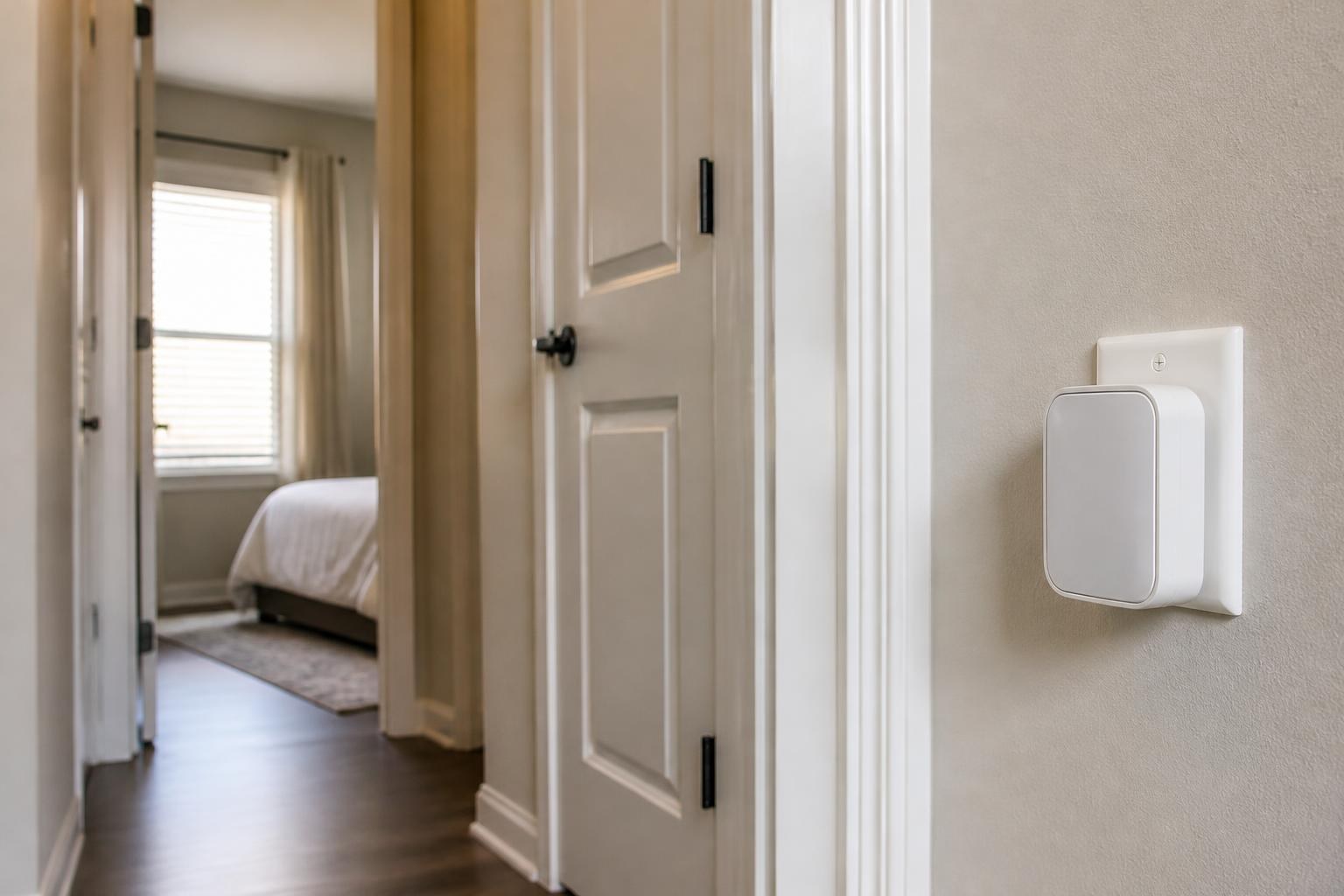
Health Canada says the most important place to install an alarm is in the hallway outside sleeping areas. That is where it can wake the people who are most vulnerable, because carbon monoxide can affect you before you notice it. A simple placement plan looks like this:
- Adjacent to each sleeping area. If several bedrooms share a hallway, one alarm in that hallway can serve them; separate sleeping areas each need their own.
- On every level. That includes the basement and any floor without bedrooms.
Mounting height varies by product. Some are made for an outlet, some for a wall, some for a ceiling, so the instructions in the box are the final word.
Where Not to Put an Alarm
Placement mistakes are common, and most come from convenience. Manufacturers differ, so check your manual, but these are spots many instructions warn against:
- Directly beside or on top of a fuel-burning appliance, where normal start-up exhaust can cause nuisance alarms.
- Inside or right next to a humid bathroom.
- Behind furniture, curtains or in a dead-air corner where air does not circulate.
A furnace room is not a reason to skip the basement. Place that alarm where your manual approves, rather than hard against the appliance.
Testing, Batteries and Replacement
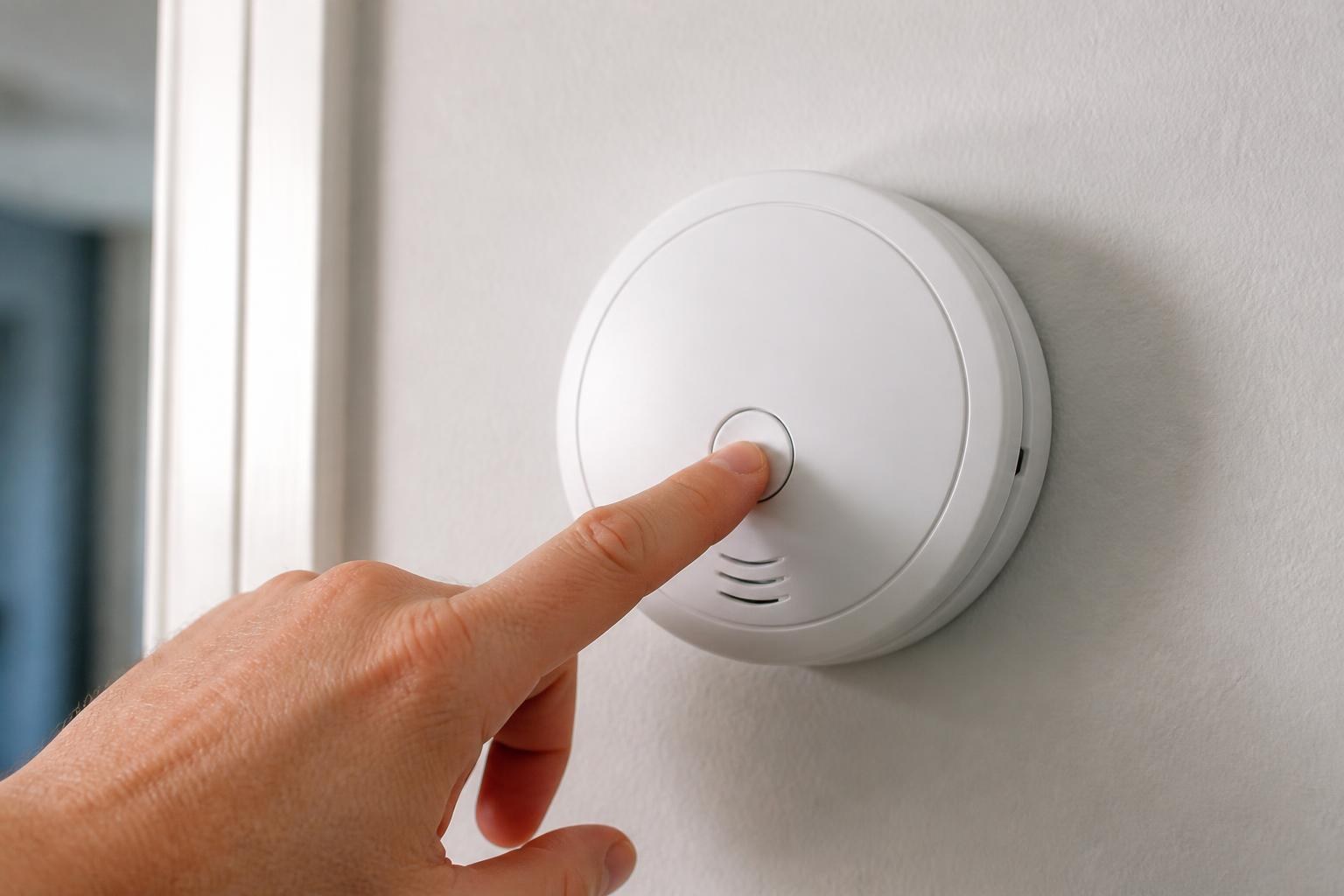
An alarm only helps if it works. Ontario’s carbon monoxide safety page says to test carbon monoxide alarms every month by pressing the test button, replace batteries every year, and replace the alarms themselves according to the manufacturer’s instructions. Most units carry an end-of-life date or signal, so check the label rather than guessing how old yours is.
A chirp can mean a low battery or an end-of-life warning, and neither is the same as an emergency alarm. Learn the difference for your model. Make sure everyone knows how it sounds compared with the smoke alarm.
When you shop, look for a Canadian certification mark on the alarm and the package. Health Canada’s guidance on preventing carbon monoxide exposure suggests this, and also points to models with a digital display that shows low levels, which can help you notice an issue early. Some people prefer interconnected alarms, so that one sounding triggers the others, and some choose sealed 10-year models. Both are reasonable options if they suit your home.
What to Do If Your Alarm Sounds
Treat every carbon monoxide alarm as real. Health Canada’s steps are clear:
- Leave your home immediately and move to fresh air.
- Do not try to find the source of the carbon monoxide.
- Once outside, call 9-1-1, your local fire department or emergency services.
- Return only after the problem has been fixed by a professional.
Headaches, nausea, dizziness and confusion are among the symptoms listed on the Ontario page, so if anyone feels unwell, say so when you call. If you ever smell gas, leave the house and call Enbridge at 1-866-763-5427 or 911 from outside. Once everyone is safe and the all-clear is given, our emergency services team can help look at the furnace.
Why an Alarm Does Not Replace a Furnace Inspection
An alarm tells you something is wrong. It does not prevent the problem. Both the Ontario and Health Canada pages recommend having fuel-burning appliances, chimneys and vents inspected by a professional at least once a year, ideally before cold weather. That is the part an alarm cannot do.
During a yearly furnace maintenance visit, a technician can check the furnace and its venting for the kinds of problems that let exhaust escape. If you are curious what a developing issue can look like, our article on cracked heat exchanger warning signs explains it, and our furnace safety tips cover daily habits like keeping vents clear. We also wrote about why carbon monoxide detection matters for your health.
We do not sell or install alarms, so please pick one up at a hardware or home supply store. What we can do is look at the heating system itself.
Common Carbon Monoxide Alarm Mistakes
- Relying on a smoke alarm. Smoke alarms detect fires, not carbon monoxide, unless the unit is a combined one.
- Only one alarm for the whole house. In Ontario, a house with a fuel-burning appliance, fireplace or attached garage needs one adjacent to each sleeping area and on every storey.
- Never testing it. Monthly is the guidance.
- Removing a battery to stop a chirp. That is against the law, and it leaves you unprotected.
- Blocked outdoor vents. Snow and debris around furnace, dryer and fireplace vents can cause trouble, so check them after storms.
Frequently Asked Questions
How many carbon monoxide alarms does a Milton home need?
Under the Ontario guidance, a house with a fuel-burning appliance, a fireplace or an attached garage needs one adjacent to each sleeping area and one on every storey. A two-storey home with a basement will need one on each of its three storeys, plus any additional sleeping areas. Confirm with your local fire department.
Should the alarm be high on the wall or low?
Follow the manufacturer’s instructions for your model, since designs differ. Ontario’s page says alarms should be installed according to those instructions.
Can I silence a chirping alarm and keep using it?
Not before you work out why it is chirping. It may need a battery or may have reached its end of life. Check the manual, and never remove the battery permanently.
Does a new furnace still need an alarm?
Yes. A newer furnace is still a fuel-burning appliance, and the requirement applies to the home. Annual servicing still matters as well.
Book a Furnace Check for Your Milton Home
Good alarm placement protects your family, and a yearly inspection helps keep problems from starting. If it has been a while since your furnace and venting were checked, we are happy to help you plan a visit. Call us at (905) 564-5464 or contact us online, and a technician can check the furnace and its venting for your Milton home.