
When homeowners across Mississauga and the GTA call us about a new central air conditioner, the first question is almost always about price or brand. The question that actually matters more is one most people never ask: is the system the right size for the home? Getting central air conditioner sizing right is the single biggest factor in whether your new system keeps you comfortable, runs efficiently, and lasts as long as it should. A unit that is too big or too small can undermine even the most reputable equipment, no matter how much you spend on it.
At Furnace King Home Services, we have seen the fallout from guesswork sizing many times, and it is almost always avoidable. In this guide, our team walks through what BTUs and tonnage really mean, why an oversized or undersized unit causes problems, how a proper load calculation works, and why the square-footage shortcuts you find online rarely tell the full story in Ontario’s climate.
What BTUs and Tonnage Actually Measure
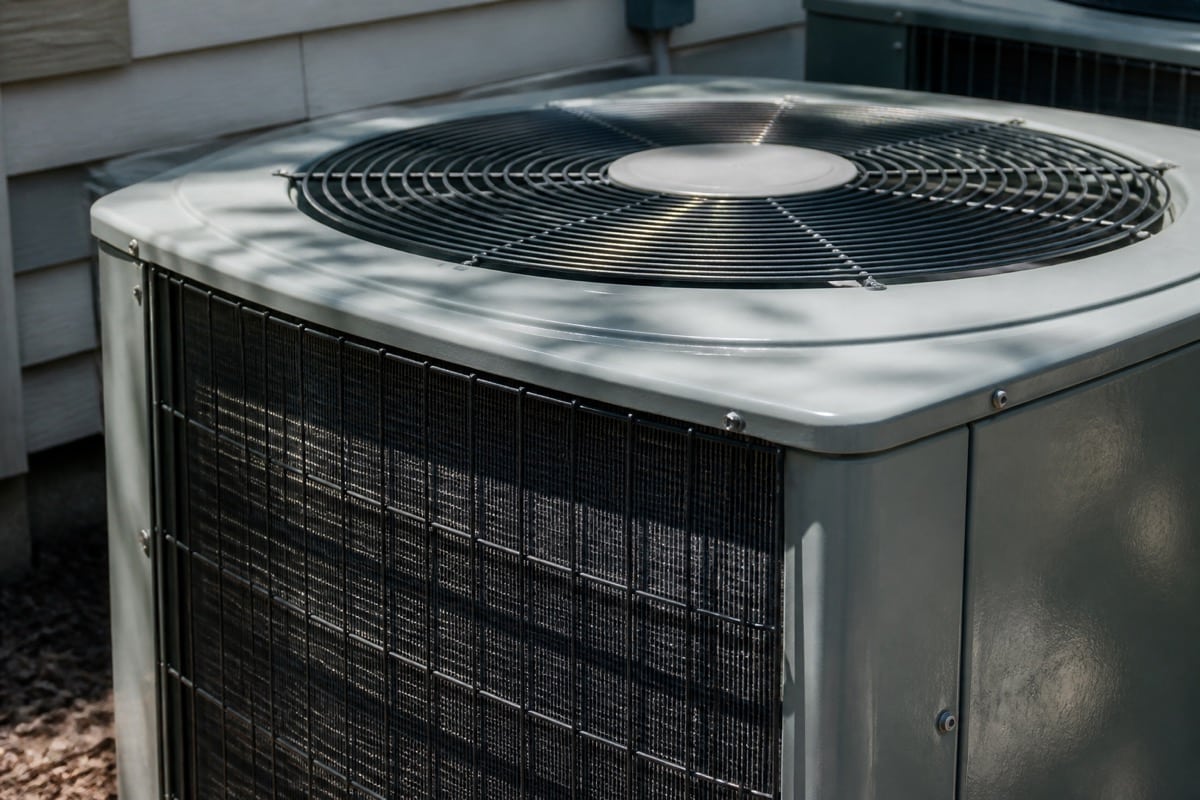
Air conditioners are rated by cooling capacity, and that capacity is expressed two ways that describe the same thing. A BTU, or British Thermal Unit, is the amount of energy needed to change the temperature of water by a small, fixed amount. When we talk about air conditioning, BTUs describe how much heat the system can remove from your home in an hour. Tonnage is simply a larger unit built on the same idea: one ton of cooling equals 12,000 BTUs per hour.
So a two-ton system removes roughly 24,000 BTUs of heat per hour, and a three-ton system removes about 36,000. Residential central air conditioners in our area typically fall between about one-and-a-half and five tons. The goal is not to install the biggest number you can afford. It is to match the cooling capacity to how much heat your home actually gains on a hot, humid Mississauga afternoon.
Why an Oversized Air Conditioner Is a Real Problem
It seems logical that a bigger air conditioner would cool a home better. In practice, an oversized unit creates a string of headaches that homeowners often blame on the equipment or the installer.
- Short cycling: An oversized system cools the air to the thermostat setting so quickly that it shuts off after only a few minutes, then kicks back on soon after. These frequent starts and stops are the hardest thing a system does.
- Poor dehumidification: Removing humidity takes sustained runtime. Because an oversized unit finishes cooling before it has run long enough to pull moisture out of the air, your home can feel cold and clammy at the same time. In our humid summers, that matters a great deal for comfort.
- Accelerated wear: Every start puts stress on the compressor, the most expensive component in the system. Short cycling shortens the lifespan of that compressor and can lead to earlier repairs or replacement.
- Uneven temperatures: Rooms farther from the unit may never get comfortable because the system never runs long enough to move conditioned air evenly.
An oversized unit also usually costs more up front, so homeowners end up paying extra for equipment that performs worse. That is the opposite of what anyone wants.
Why an Undersized Air Conditioner Is Just as Bad
Going too small brings its own set of problems, and they tend to show up on the hottest days of the year, which is exactly when you need reliable cooling most.
- Constant running: An undersized unit runs almost non-stop trying to reach the thermostat setting, and on a peak-heat day it may never get there.
- Higher energy bills: A system that rarely shuts off draws power hour after hour, which drives up your summer hydro costs even though the home never feels quite cool enough.
- Comfort that falls short: When outdoor temperatures spike, an undersized system simply cannot keep pace, leaving indoor spaces warmer and stuffier than you set them to be.
- Extra strain: Just like a small engine hauling too heavy a load, a system running continuously at its limit wears out faster than one sized with a bit of appropriate headroom.
The takeaway is that correct central air conditioner sizing lives in a fairly narrow band. Both directions away from that band cost you comfort, money, or equipment life, and often all three.
The Manual J Load Calculation: How Sizing Is Done Right
The professional standard for sizing residential cooling is a Manual J load calculation. Rather than guessing from floor area alone, a Manual J calculation estimates how much heat your home actually gains and loses, then sizes the equipment to match that real load. It is a detailed, room-by-room assessment, and it accounts for the many factors that a simple square-footage estimate ignores.
What a Load Calculation Takes Into Account
- Square footage and layout: Total conditioned area is the starting point, but how that space is divided and used matters too.
- Insulation levels: A well-insulated home holds conditioned air far better than a drafty one, which changes the required capacity significantly.
- Windows: The number, size, type, and orientation of windows all affect heat gain. Large west-facing glass, for example, adds substantial afternoon load.
- Ceiling height: A home with high or vaulted ceilings has more air volume to condition than the floor area alone suggests.
- Sun exposure and shading: A home baking in full sun gains more heat than one shaded by mature trees or neighbouring buildings.
- Local climate: Sizing has to reflect Ontario’s design conditions, including our hot, humid summer peaks, so the system is matched to the weather it will actually face here in the GTA.
- Air sealing and ductwork: Leaky ducts and gaps in the building envelope change how much cooling reaches the living space.
Because all of these variables interact, two homes with identical floor plans on the same street can genuinely need different equipment. That is why we never size a system by a rule of thumb alone.
Why Square-Footage Rules of Thumb Fall Short
You will find plenty of online charts that promise a tidy answer, telling you a home of a certain size needs a certain tonnage. Those shortcuts can be off by a full ton in either direction because they treat every home as if insulation, windows, ceiling height, and sun exposure did not exist. A tightly sealed, well-insulated, shaded home and a leaky, sun-drenched one of the same size have very different cooling needs.
A professional load calculation is worth the effort precisely because it replaces those assumptions with measurements specific to your home. The result is a system that runs in longer, gentler cycles, controls humidity properly, keeps temperatures even from room to room, and does not wear itself out with constant starting and stopping. When you are budgeting a project, our HVAC cost estimator can give you a helpful starting range, and you can explore the full scope of what we offer on our air conditioning services page.
How Our Team Sizes a System
When you invite us out to quote a new central air conditioner, we do not walk in with a preset answer. We measure your living space, look at insulation and windows, note ceiling heights and how the sun hits the home through the day, and factor in your ductwork and any comfort complaints you have had with the current setup. We run those inputs through a proper load calculation, then recommend the capacity that fits your home, not the one that is easiest to sell. If your ductwork or insulation is affecting the outcome, we tell you, because those details influence what size will actually perform well.
Frequently Asked Questions
Can I just match the size of my old air conditioner?
Not reliably. Your old unit may have been sized incorrectly in the first place, and homes change over time. New windows, added insulation, a finished basement, or a home addition can all shift your cooling load. We treat a replacement as a fresh calculation rather than assuming the previous size was ever right.
Is a bigger air conditioner always better for a hot summer?
No. An oversized unit cools the air quickly but shuts off before it removes enough humidity, so your home can feel cold and damp while the compressor wears out from short cycling. A correctly sized system that runs in longer cycles handles our humid GTA summers far more comfortably than an oversized one.
How long does a proper sizing assessment take?
A thorough in-home assessment does not take long, and it is time well spent given that the system will serve you for many years. We would rather measure and calculate carefully up front than have you live with a unit that never quite fits the home.
If you are planning a new or replacement central air conditioner anywhere in Mississauga or the GTA, let our team at Furnace King Home Services size it properly from the start. Call us at (905) 564-5464 or reach out through our contact page, and we will make sure your system is matched to your home for years of reliable, efficient comfort.