
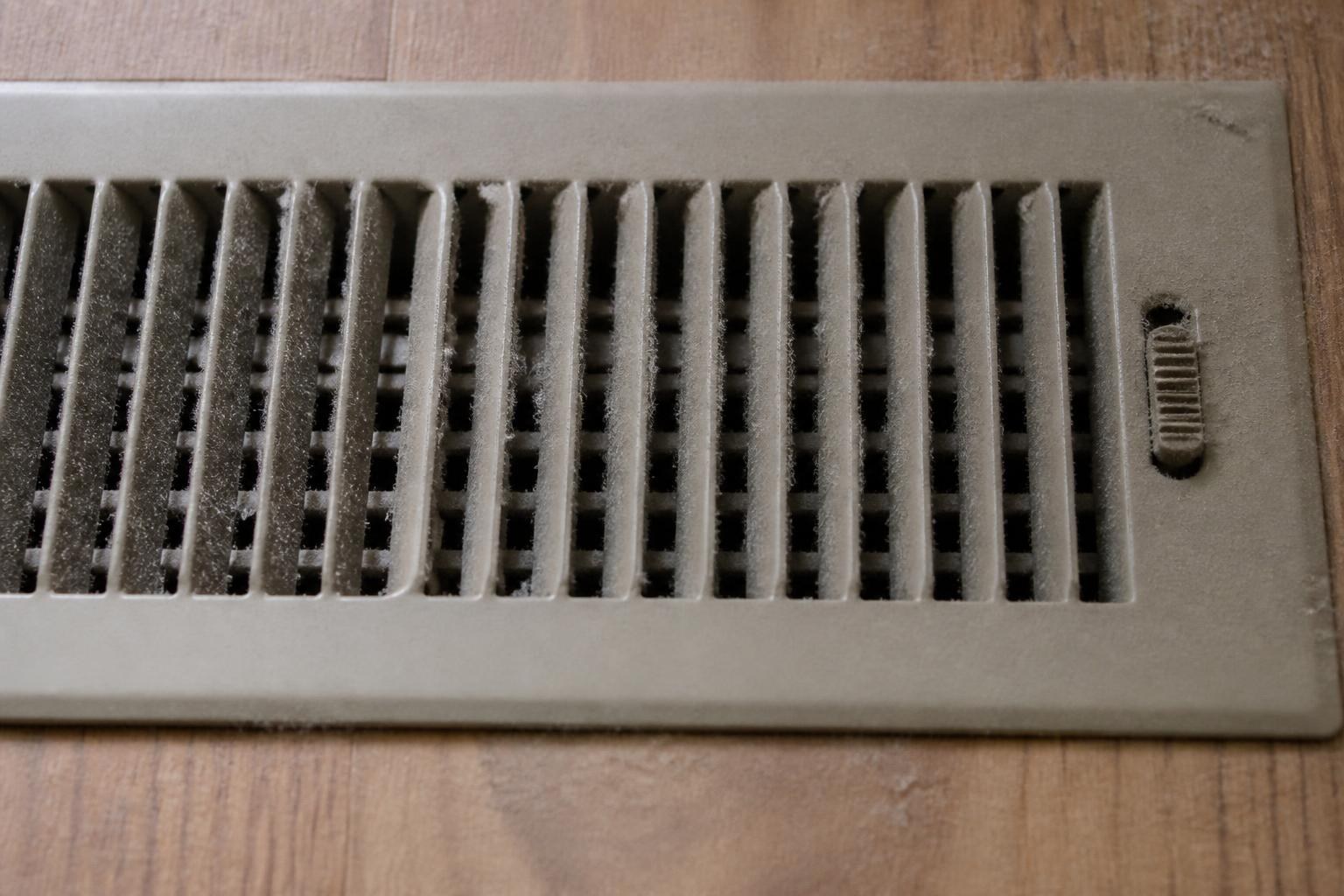
If you have been searching around for duct cleaning cost in Brampton, you have probably noticed the numbers all over the place — some companies advertise a flat rate that sounds almost too good to be true, while others won’t give you a figure until someone has been inside your home. That is not an accident. Duct cleaning pricing depends on a handful of real variables that change from one house to the next, and a reputable company needs to actually see your system before quoting an honest number. We put this guide together to walk you through exactly what drives the price up or down, what to watch out for with rock-bottom ads, and how to know whether your home actually needs a cleaning right now or can wait.
What Duct Cleaning Actually Involves
Duct cleaning is the process of removing dust, debris, allergens, and other buildup from the network of supply and return air ducts that circulate heated and cooled air through your home. A thorough job typically includes cleaning the main supply and return trunk lines, the individual branch ducts that feed each room, the registers and grilles you see on your walls and ceilings, and often the blower compartment and coil area of the furnace or air handler itself. Technicians use specialized equipment — commonly a powerful vacuum system connected to the ductwork combined with agitation tools like rotary brushes or compressed-air whips — to loosen debris and pull it out of the system rather than just pushing it further down the line.
A proper cleaning is not just a quick pass with a shop vac. It is a system-wide service that should leave every accessible section of the ductwork free of the buildup that accumulates over months or years of normal HVAC operation. If you are curious about the full scope of what is included, our duct cleaning page breaks down the process in more detail.
Why “How Much Does It Cost” Doesn’t Have One Simple Answer
Every home’s duct system is a little different, and that is really the whole story behind why pricing varies. Two houses of similar square footage can have completely different duct layouts, different levels of buildup, and different access challenges — which means the labor and equipment time required to do the job properly can look nothing alike. Rather than quote a number that may not reflect your actual home, we prefer to walk through the factors that genuinely move the price, so you know what you are looking at before anyone steps foot on your property.
Home and Duct System Size
The single biggest driver of duct cleaning cost is the size and layout of your home’s duct system. A compact bungalow with a simple, centrally located furnace and short duct runs is a much faster job than a large two-storey home with a sprawling duct network reaching multiple zones, a finished basement, and possibly a second HVAC system for an addition. More linear feet of ductwork means more time on the vacuum and agitation equipment, and more branch runs mean more individual sections that need to be isolated and cleaned. If your home has undergone additions or the ductwork was extended over the years, that added complexity factors into the time required as well.
Number of Vents and Return Air Grilles
Closely related to overall system size is the actual vent count — how many supply registers and return air grilles the technician needs to access, seal off, and clean individually. A small condo might have eight or ten supply vents and a single return, while a larger family home can easily have twenty or more registers plus multiple returns. Each vent typically needs to be removed, cleaned or replaced, and reinstalled, and each one represents an access point the technician uses to work the vacuum hose and agitation tools through the branch line. More vents simply means more individual steps in the process.
Level of Contamination and Buildup
Not all ductwork is in the same condition. A system that has had regular HVAC maintenance, consistent filter changes, and no recent construction work nearby will generally have lighter, looser dust buildup that comes out relatively efficiently. On the other hand, a system that has gone years without attention, has visible dust caking on interior surfaces, or shows signs of mold growth, rodent activity, or heavy debris from a renovation is going to require significantly more time, more aggressive agitation, and sometimes additional sanitizing steps. Heavier contamination is slower and more labor-intensive to remove safely and thoroughly, and that additional effort is reflected in the price.
Accessibility of the Ductwork
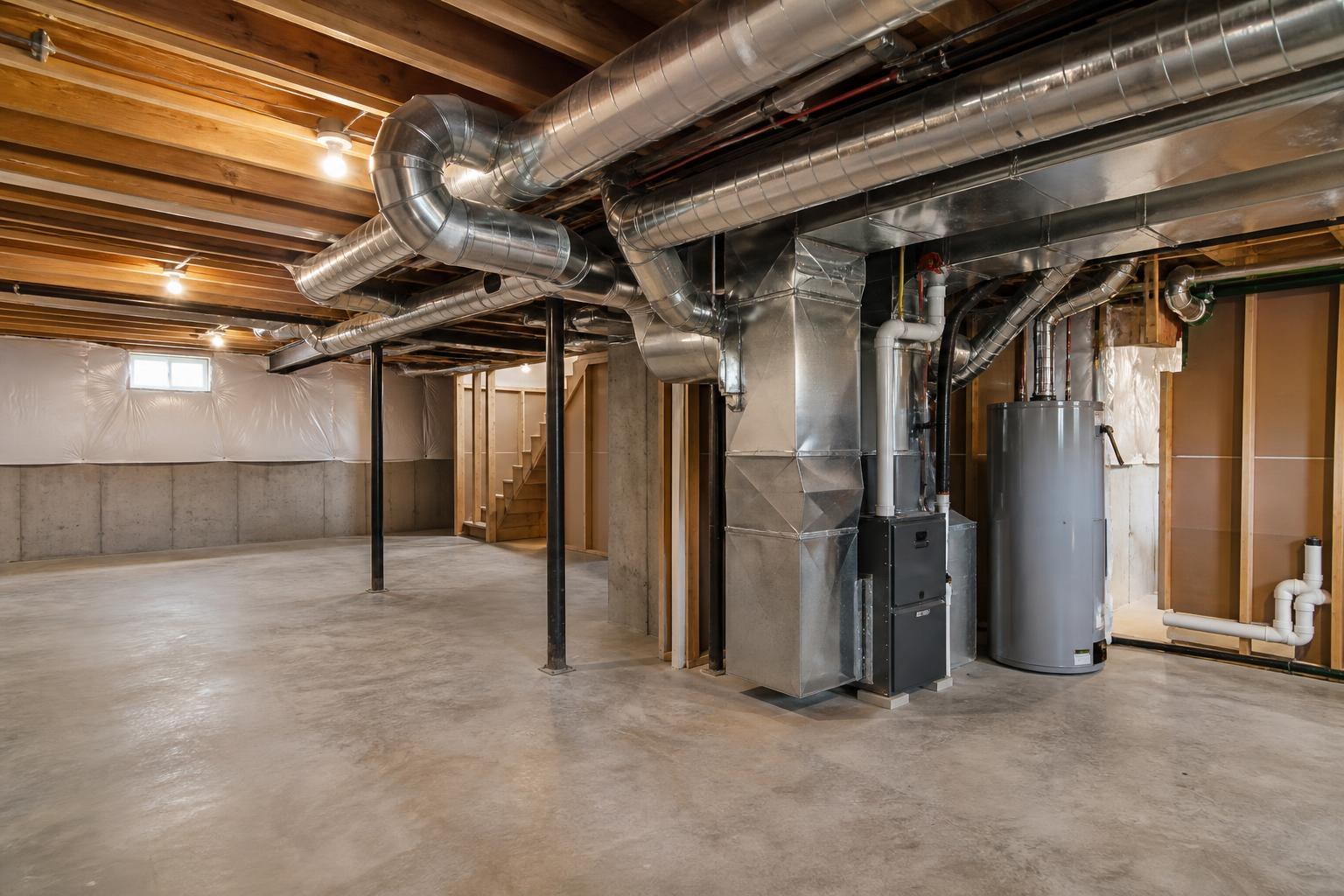
How easy or difficult it is to physically reach the ductwork matters more than most homeowners expect. Ducts that run through an open, unfinished basement or an accessible crawlspace are straightforward to work on. Ducts buried behind finished ceilings, tucked into tight attic spaces, or routed through areas with limited clearance take longer to access and sometimes require extra equipment or additional care to avoid damaging finished surfaces. Homes with older duct configurations, unusual layouts, or additions that were tied into the original system awkwardly can also add time. The more obstacles between the technician and the ductwork, the more that affects the overall job length.
First-Time Cleaning vs. Routine Maintenance Cleaning
A home that has never had its ducts professionally cleaned — especially an older home or one that has been through renovation work — is almost always going to need more time than a system that gets cleaned on a regular maintenance schedule. First-time cleanings often uncover years of accumulated dust, construction debris from when the home was built, or buildup that has settled and compacted in low points of the duct runs. Once that initial deep clean is done, staying on a periodic maintenance cleaning schedule keeps buildup from reaching that level again, which generally makes each subsequent visit faster and more straightforward. This is one of the best arguments for treating duct cleaning as part of an ongoing maintenance routine rather than a one-time fix.
Bundled Services That Add Value
Many homeowners choose to pair duct cleaning with other related services while the technician is already on site, and this can affect the overall scope of the visit. Dryer vent cleaning is a common add-on, since lint buildup in dryer venting is a genuine fire hazard and is worth addressing on the same visit as general duct work. Furnace or air handler cleaning — including the blower wheel and coil — is another frequent pairing, since a clean air handler works better alongside clean ductwork rather than reintroducing dust into freshly cleaned ducts. Bundling these services together is often more efficient than scheduling separate visits, and it is worth asking what is included versus what would be considered an add-on when you are comparing options.
Why Rock-Bottom Duct Cleaning Ads Are a Red Flag
If you have seen an ad promising whole-home duct cleaning for a price that seems dramatically lower than everyone else, it is worth pausing before you book. This is a well-known pattern in the industry: a company advertises an unrealistically low flat rate to get a technician in the door, then once they are on site they claim your system needs extensive “additional” work that pushes the final bill far higher than the advertised price — or they rush through a partial job that never touches the branch lines or returns at all. Neither outcome is good for you. A legitimate duct cleaning service reflects the real labor and equipment time your specific home requires, which is exactly why an honest quote takes into account the factors we just walked through rather than a blanket number pulled from an ad. If a price sounds too good to match the scope of a full system, it usually is.
How to Tell If You Actually Need Duct Cleaning Right Now
Not every home needs duct cleaning immediately, and there is no need to book a service you don’t yet require. A few signs suggest it is genuinely time to have your system inspected:
- Visible dust blowing out of registers or settling quickly on surfaces near vents after cleaning
- Household members experiencing increased allergy or respiratory symptoms that seem to worsen indoors
- A recent renovation, drywall work, or flooring project that could have introduced dust and debris into the system
- Evidence of pests — droppings, nesting material, or unusual odors coming from vents
- A persistent musty or stale smell when the furnace or air conditioner runs, which can point to moisture or mold inside the ductwork
If none of these apply and your system has been reasonably maintained, it is often fine to hold off and simply keep up with routine filter changes and seasonal HVAC checkups in the meantime.
What a Reputable Inspection-First Approach Looks Like
The most trustworthy way to get an accurate answer on cost is to have a technician actually look at your system before any number is finalized. That means a visual inspection of accessible ductwork, a count of vents and returns, an assessment of how the system is laid out and how accessible it is, and a conversation about whether this is a first-time deep clean or a routine maintenance visit. From there, you should receive a clear explanation of what is included, what — if anything — falls outside the original scope, and why. An inspection-first approach protects you from both the bait-and-switch pricing tactics mentioned earlier and from paying for services your home does not actually need.
Getting an Accurate Estimate for Your Brampton Home
Because every home’s ductwork is different, the most reliable way to understand what your specific situation will involve is to have someone assess it directly rather than relying on a generic number found online. We take the time to look at your system, walk you through what we find, and explain how the factors above apply to your home before any work begins, so there are no surprises once the job is underway.
Frequently Asked Questions
How often should duct cleaning be done?
There is no single interval that fits every home — it depends on factors like pets, allergies, recent renovations, and how consistently filters are changed. Many homeowners find that pairing duct cleaning with a broader maintenance schedule keeps buildup manageable and each visit more straightforward than starting from scratch.
Will duct cleaning help with allergies?
For households dealing with dust-related allergy symptoms, removing accumulated debris from the ductwork can meaningfully improve indoor air quality, especially if the system has never been cleaned or has gone many years between services. It is one of several factors that affect indoor air quality alongside filtration and general home maintenance.
Do I need to be home during duct cleaning?
Yes, someone should be present to provide access to the home, point out any areas of concern such as recent renovation work or pest evidence, and be available to walk through the findings with the technician once the inspection and cleaning are complete.
Is duct cleaning worth it if I just moved into a new-to-me home?
It is one of the most common reasons homeowners request a first-time cleaning, since you typically do not know the maintenance history of a home you have just purchased. An inspection can tell you fairly quickly whether the previous owners kept up with it or whether it is overdue.
If you are trying to figure out what duct cleaning would involve for your specific Brampton home, the best next step is to have it looked at directly. Visit our contact page to request a free estimate, and we will walk you through exactly what your system needs before any work begins.