
Duct cleaning gets most of the attention when Etobicoke homeowners think about their ductwork, but there is a separate issue that can quietly cost you money every month regardless of how clean the ducts are: leaks. Sealing gaps, loose joints, and disconnected sections in your duct system is one of the most overlooked ways to cut energy waste in a home, and it is worth understanding as its own project, distinct from a cleaning service.
Duct Sealing vs. Duct Cleaning: Two Different Problems
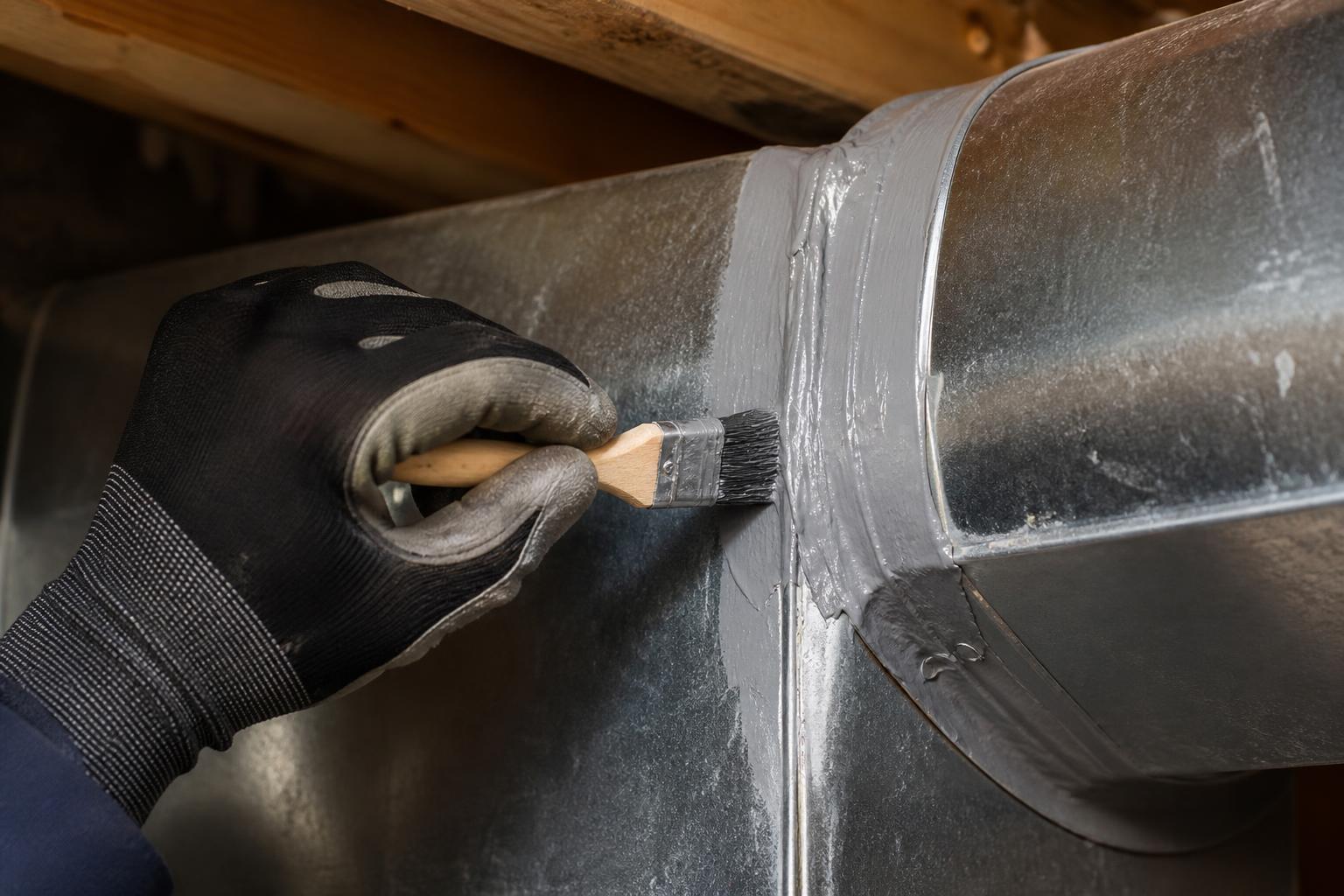
It is a common mix-up, so it is worth being direct about the difference. Duct cleaning removes dust, debris, and buildup from inside the ducts to improve air quality and airflow. Duct sealing addresses physical gaps and leaks in the duct system itself, at joints, seams, and connections, that let conditioned air escape into unconditioned spaces like attics, crawl spaces, or wall cavities before it ever reaches your living areas. A duct system can be perfectly clean and still be leaking a meaningful amount of the air your furnace or air conditioner just paid to heat or cool.
How Much Energy Leaky Ducts Actually Waste
Industry research on residential duct systems has long shown that leaky ductwork can account for a significant share of a home’s heating and cooling energy loss, particularly in homes with ductwork running through unconditioned attics or crawl spaces, which is common in older Etobicoke housing stock. The U.S. Environmental Protection Agency’s ENERGY STAR duct-sealing guidance identifies leaks, holes, and poorly connected ducts as common sources of conditioned-air loss. The useful takeaway for your home is this: if your ducts run through spaces that are not heated or cooled, any leak in that section is sending conditioned air somewhere it does not need to go, and your system compensates by running longer to make up the difference.
Signs Your Ducts May Be Leaking
- Certain rooms are noticeably harder to heat or cool than others, especially rooms farthest from the furnace.
- You can hear a faint whistling or hissing sound near duct joints when the system is running.
- Your energy bills feel high relative to how often you actually run the furnace or air conditioner.
- Dust seems to build up quickly in certain rooms, which can happen when leaking return ducts pull in dusty attic or crawl space air.
- Visible gaps, disconnected sections, or crushed duct sections are noticeable in an accessible attic or basement.
What Professional Duct Sealing Involves
A proper duct sealing project starts with an inspection of the accessible duct system to identify where the actual leaks are, since sealing everything with tape is not an efficient approach and standard cloth duct tape does not hold up well over time despite the name. Technicians typically use mastic sealant or foil-backed tape rated for HVAC duct connections, sealing joints, seams, and connections at the furnace plenum, branch takeoffs, and register boots, which are common leak points that are easy to miss without a systematic check. Where duct sections run through an unconditioned attic, insulating the sealed ducts afterward further reduces heat loss through the duct walls themselves, not just at the seams.
Duct Sealing and Your HVAC Maintenance Plan
Duct sealing pairs naturally with your regular HVAC maintenance visits, since a technician who is already assessing your system’s overall performance can flag areas of suspected duct leakage during that visit rather than requiring a completely separate diagnostic trip. If your home also deals with dust or uneven air quality between rooms, sealing leaky return ducts can meaningfully improve indoor air quality at the same time, since it stops attic or crawl space air from being pulled into your supply air.
Is Duct Sealing Worth It for an Etobicoke Home?
Whether duct sealing makes sense for your home depends on your duct layout, how much of it runs through unconditioned space, and how old the ductwork is. Homes with ductwork in a conditioned basement generally see less benefit than homes with significant duct runs through an attic, since attic temperature swings make any leak there more costly. A technician can give you a straightforward read on whether your specific setup would benefit meaningfully from sealing before you commit to the project.
Older Etobicoke Housing Stock and Duct Layout
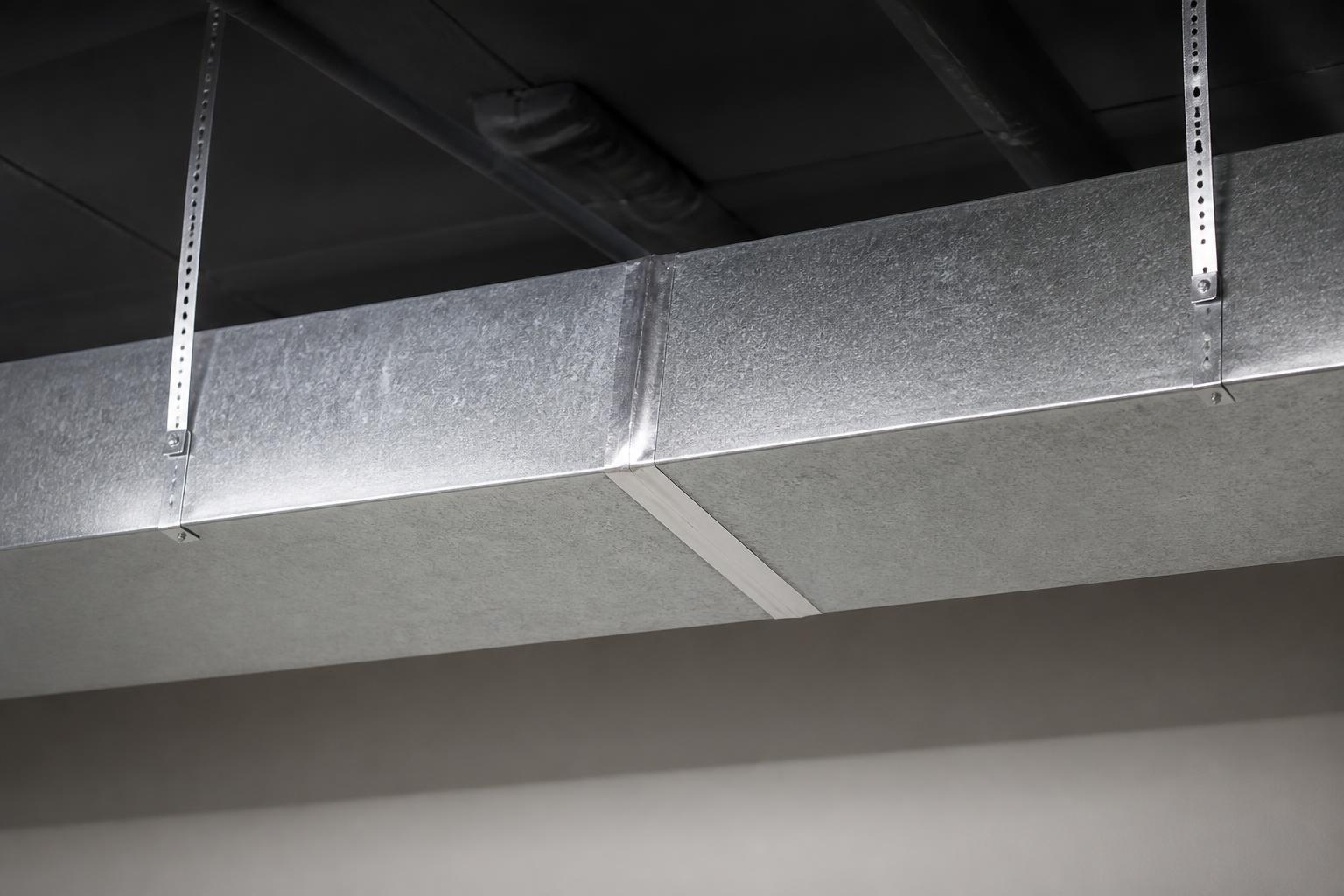
Etobicoke’s mix of older detached homes and newer builds means duct layouts vary widely from one property to the next. Older homes that have gone through additions, renovated basements, or attic conversions often have ductwork that was modified along the way, sometimes with connections that were never properly sealed in the first place rather than having developed a leak over time. If your home has been renovated since the ductwork was originally installed, it is worth having those transition points checked specifically, since they are a common spot for gaps that were never actually finished.
How Sealing Fits Into a Broader Efficiency Plan
Duct sealing is one piece of a larger picture that includes furnace and air conditioner efficiency, attic insulation levels, and air infiltration around windows and doors. Addressing ducts alone will not fully offset a home that is losing significant energy elsewhere, but it is often one of the more cost-effective steps because the fix is targeted and the ducts are usually accessible without major renovation work. A technician can help you understand where duct sealing fits relative to your home’s other efficiency opportunities.
What to Expect During the Visit
A duct sealing appointment typically starts with a walkthrough of accessible duct runs in the attic, basement, or crawl space, checking major joints, branch takeoffs, and register boot connections for gaps or separation. The technician will point out what they find before doing any sealing work, so you understand exactly what is being addressed and why. Once sealing is complete, a quick airflow check at a few registers around the home can confirm the difference, since rooms that were previously underperforming often show a noticeable improvement in delivered airflow once the leaks feeding that branch are closed.
Frequently Asked Questions
Is duct sealing the same as duct cleaning?
No. Duct cleaning removes debris and buildup from inside the ducts; duct sealing closes physical leaks at joints and seams so conditioned air does not escape before reaching your rooms. They address different problems and can be done separately or together.
Can I seal my own ducts with tape from the hardware store?
Standard cloth duct tape tends to dry out and fail within a few years despite its name, so professional sealing typically uses mastic sealant or foil-backed tape rated specifically for HVAC applications, applied at the specific points where leaks are actually confirmed.
How do I know if my ducts are leaking?
Uneven room temperatures, higher-than-expected energy bills, whistling sounds near duct joints, and visible gaps in accessible sections are all signs worth having checked by a technician.
Does duct sealing help with air quality, not just energy cost?
Yes, particularly on the return side. Sealing leaky return ducts prevents dusty attic, crawl space, or wall cavity air from being pulled into your system’s air supply.
How long does a duct sealing project take?
It depends on the size of the duct system and how many leak points are found, but many residential duct sealing projects are completed within a single visit once the inspection identifies the areas that need attention.
If certain rooms in your Etobicoke home never quite feel right no matter how the thermostat is set, leaky ducts may be part of the reason. Call Furnace King Home Services at (905) 564-5464 to schedule a visit, or our duct services team can inspect your system and identify where sealing would actually help. You can also reach us anytime through our contact page.