
Maintaining a comfortable home environment in Mississauga depends on more than just your furnace or air conditioner. The air ducts that distribute conditioned air throughout your home are a crucial component, and when problems arise, they can significantly impact your comfort, utility bills, and even your health.
Unfortunately, duct issues often go unnoticed until they escalate into more serious — and costly — problems. Recognizing the warning signs early on can help you avoid major repairs, improve your indoor comfort, and extend the life of your HVAC system. In this article, we’ll explore the most common indicators of duct troubles in Mississauga homes and what you can do to address them.
Common Signs of Duct Problems in Mississauga Homes
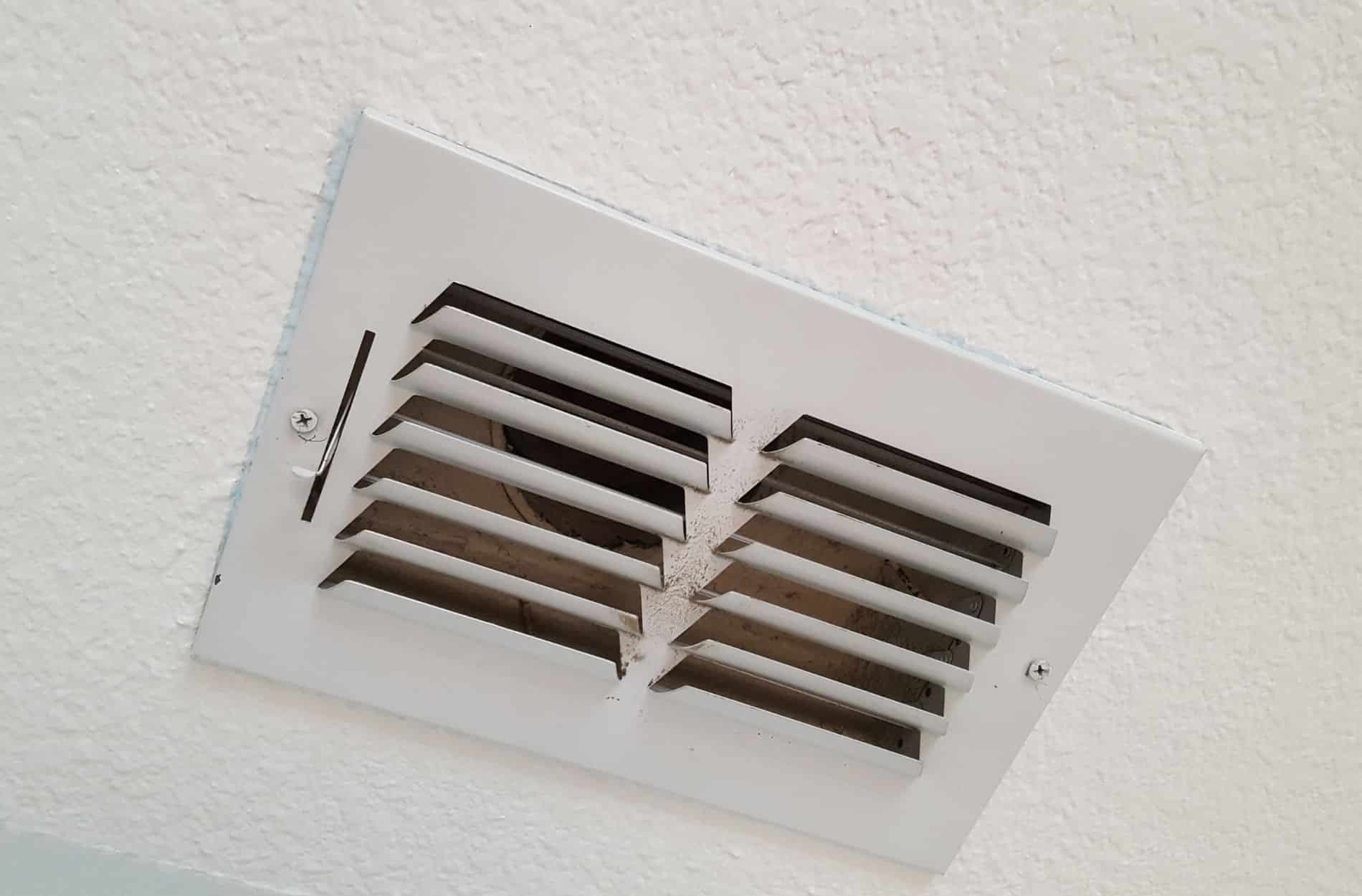
One of the earliest and most noticeable signs of duct issues is inconsistent temperatures throughout your home. If you notice that some rooms are much warmer or cooler than others despite having a properly functioning HVAC system, your ducts may be leaking or blocked. Air leaks often occur at joints or connections, allowing conditioned air to escape before it reaches its intended destination.
Another tell-tale sign is a sudden increase in your energy bills. When ducts are compromised, your heating and cooling systems must work harder to maintain the desired temperature, consuming more energy and raising your costs. You might also hear unusual noises, such as rattling, whistling, or banging sounds, which could indicate loose or damaged ductwork.
Excessive dust accumulation is another red flag. If you’re finding more dust on your furniture, floors, or around air vents, your ducts might be drawing in debris from unconditioned spaces like attics or crawlspaces due to leaks or gaps. This not only affects cleanliness but can also impact your family’s respiratory health.
A few quieter symptoms are easy to miss but just as revealing. Weak airflow from a register that used to push plenty of air can indicate a disconnected duct or a collapsed flex run somewhere upstream. A whistling sound at a vent often means air is being forced through a gap or undersized opening under pressure. And if certain rooms feel stuffy or stale no matter how long the system runs, the duct serving that area may have come apart in a wall or ceiling cavity, sending your conditioned air into the structure instead of the room. None of these are dramatic on their own, which is exactly why they tend to be tolerated for years before anyone investigates.
How Duct Problems Impact Comfort and Efficiency
Leaky or damaged ducts are a leading cause of inefficiency in HVAC systems. According to the U.S. Department of Energy, up to 30% of the air moving through the duct system can be lost due to leaks, holes, and poorly connected ducts (source). In Mississauga’s climate, this can translate to uncomfortable living spaces and unnecessary strain on your heating or cooling equipment.
Beyond energy waste, duct issues can also introduce contaminants into your indoor air. When ducts draw in dust, pollen, or even mold spores from unsealed areas, these pollutants can circulate throughout your home. This is particularly concerning for households with allergies, asthma, or other respiratory conditions.
Addressing duct problems promptly not only enhances indoor comfort but also helps protect your HVAC investment. Regular inspections and maintenance are key to early detection and prevention of more extensive damage.
It’s worth understanding why a small leak has such an outsized effect. Duct systems rely on balanced pressure—supply ducts push conditioned air out, and return ducts pull household air back to be reconditioned. A leak on the supply side simply loses the cooled or heated air you’ve already paid to produce. A leak on the return side is sneakier: it pulls in air from attics, crawlspaces, or wall cavities, dragging dust, humidity, and sometimes combustion fumes into the airstream. Both cases force the furnace or AC to run longer to hit the same thermostat setting, which is why a leaky duct system raises bills and shortens equipment life at the same time. For homes through Mississauga’s long heating season, that constant over-working adds up quickly.
Professional Solutions for Duct Issues
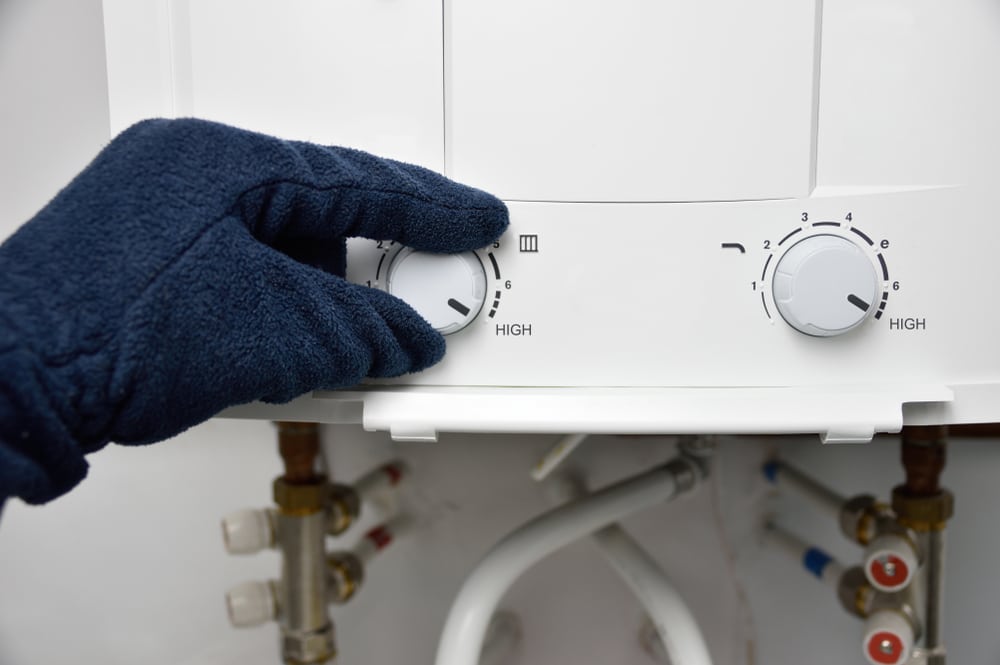
If you suspect duct problems in your Mississauga home, professional assessment is essential. Qualified technicians can perform a comprehensive inspection, using specialized tools to detect leaks, blockages, and insulation gaps. Solutions may include sealing joints with mastic or foil-backed tape, adding insulation, or even replacing sections of damaged ductwork.
Service providers like Furnace King Home Services offer scheduled HVAC maintenance and customized service plans to help keep your ductwork in top condition. These proactive measures can extend the lifespan of your system, lower your utility bills, and enhance your home’s comfort year-round.
In addition to repairs, consider periodic duct cleaning performed by certified professionals. This can reduce dust buildup and improve airflow, especially in older homes or those with pets.
It helps to know what a thorough duct assessment actually involves, so you can tell a careful job from a cursory one. A proper inspection traces the full run of supply and return ducts wherever they’re accessible, checks the seals at every joint and at the connection to the furnace and air handler, looks at the condition and coverage of insulation on ducts passing through unconditioned spaces, and confirms that registers and returns are sized and positioned to move air the way the system intends. From there, the right fix depends on the finding—mastic sealant for leaking seams, new insulation where it’s missing or fallen away, secured fasteners for loose sections, and replacement only for ductwork that’s genuinely crushed, corroded, or beyond sealing. Cleaning and sealing are complementary, not interchangeable: cleaning removes what’s built up inside, while sealing stops the leakage that let that debris in to begin with.
Preventative Steps and Resources for Homeowners
While not all duct issues can be prevented, regular attention and maintenance greatly reduce risks. Schedule professional inspections every few years, or sooner if you notice any of the warning signs discussed above. Changing your HVAC filters regularly and keeping vents unobstructed also helps maintain optimal airflow.
For those interested in learning more about duct maintenance, the Canadian Standards Association provides guidelines for residential ventilation and indoor air management (read more). Being informed empowers you to make timely decisions that protect your home’s comfort and efficiency.
Don’t hesitate to reach out for help if you suspect a problem. Prompt action can save you money and prevent unnecessary discomfort.
A handful of simple habits go a long way between professional visits. Keep furniture, rugs, and curtains clear of supply and return vents so air can move freely, since a blocked return strains the whole system. Replace your furnace filter on a regular schedule—roughly every one to three months depending on the filter type and whether you have pets—because a clogged filter starves the ducts of airflow and worsens any existing imbalance. Walk your home seasonally and pay attention to which rooms feel right and which feel off; that lived-in awareness is genuinely the best early-warning system there is. When the pattern of warm and cool rooms shifts, or a vent that always delivered good airflow suddenly doesn’t, treat it as a prompt to have the ductwork looked at before the next heating or cooling season puts it under full load.
Frequently Asked Questions
What are the most common causes of duct leaks?
Duct leaks most often occur at joints, connections, or areas where the ductwork has been damaged by pests, age, or accidental impact. Improper installation or deterioration of sealing materials over time can also contribute to leaks.
How often should ductwork be inspected in Mississauga?
It’s recommended to have your ductwork professionally inspected every three to five years. However, if you notice any warning signs—such as uneven temperatures, increased dust, or higher energy bills—schedule an inspection sooner.
Can I inspect my home’s ducts myself?
While homeowners can look for visible signs of damage or disconnected sections, a thorough inspection requires specialized equipment and training. For a complete assessment, it’s best to contact a professional HVAC technician.
If you’re experiencing any of the warning signs outlined above, don’t wait. Contact Furnace King Home Services at (905) 564-5464 or visit our contact page to schedule a ductwork assessment. Our expert team is here to help you enjoy a comfortable, efficient, and healthy home environment in Mississauga.