
Replacing a furnace is one of the bigger home decisions a Vaughan homeowner will make, and cost is usually the first question, right alongside timing. While we don’t publish a flat price here, since every installation is quoted based on your specific home and equipment, this guide walks through the factors that actually drive the cost of a new furnace, along with the financing approaches many homeowners use to spread the expense out.
What Actually Drives Furnace Installation Cost
Two homes on the same Vaughan street can see meaningfully different furnace quotes, and it usually comes down to a handful of factors rather than one single number.
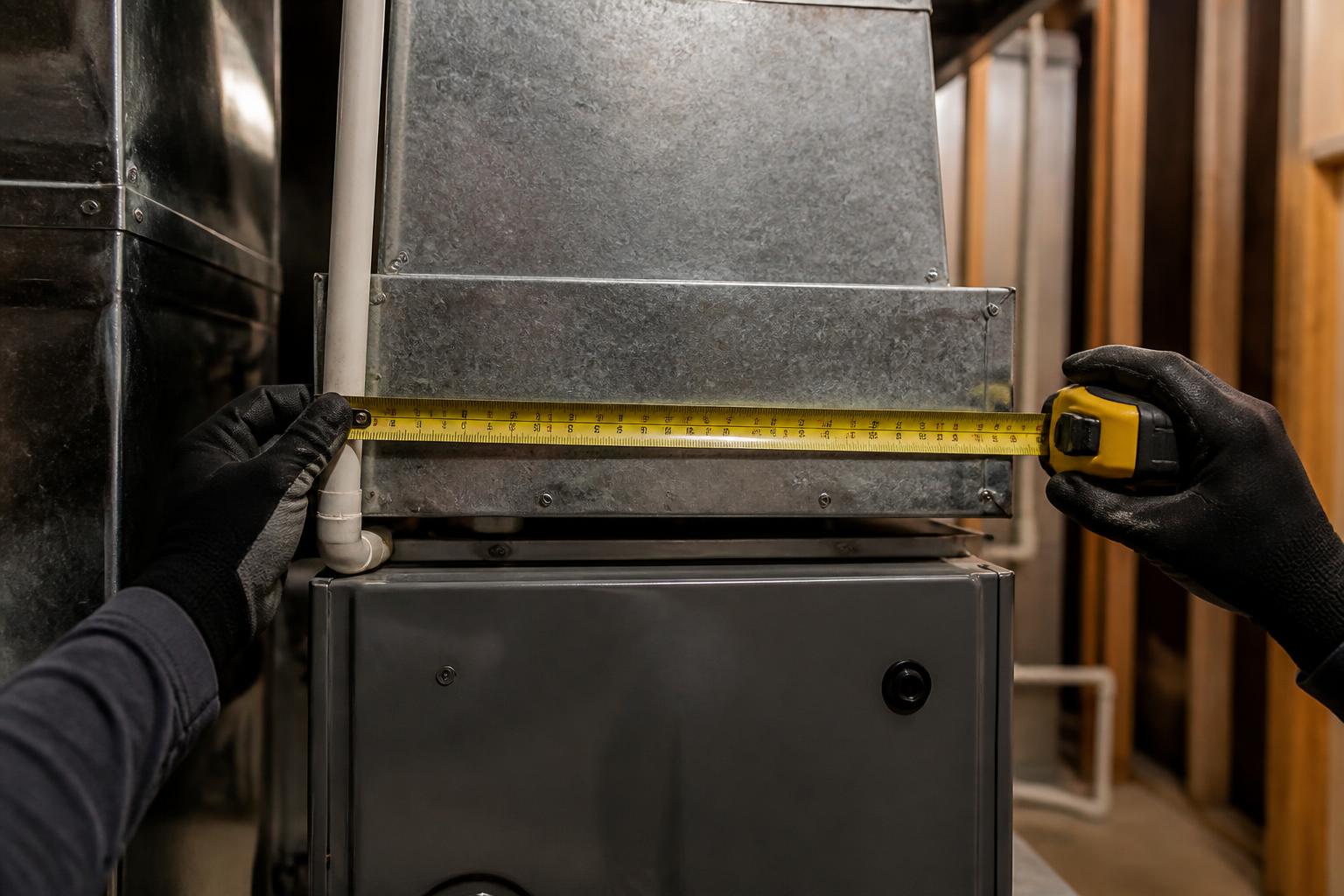
- Furnace size and capacity. The right furnace is sized to your home’s actual heat loss, not simply matched to the old unit. A proper load calculation accounts for square footage, insulation levels, window count, and ceiling height, and getting this right affects both comfort and long-term operating cost.
- Efficiency rating. Furnaces are available across a range of efficiency levels, and higher-efficiency models generally cost more upfront in exchange for lower operating costs over the life of the unit. The right choice depends on how long you plan to stay in the home and your household’s energy priorities. Natural Resources Canada’s EnerGuide furnace guide explains how AFUE ratings help homeowners compare models.
- Installation complexity. A straightforward like-for-like replacement in an accessible mechanical room is more predictable than an installation that requires ductwork modifications, venting changes, electrical upgrades, or working around a tricky access point.
- Ductwork condition. If your existing ducts are undersized, leaky, or poorly laid out for the new equipment, addressing that during the same project affects the total scope, though it also improves how well the new furnace actually performs.
- Permits and code requirements. Depending on the scope of work, permits and updated venting to meet current code can be part of the project, particularly on older Vaughan homes being upgraded from an older furnace type.
Because these factors vary so much from home to home, the most reliable way to know what a specific installation will cost is a proper in-home assessment rather than a general estimate found online.
Getting an Accurate Quote
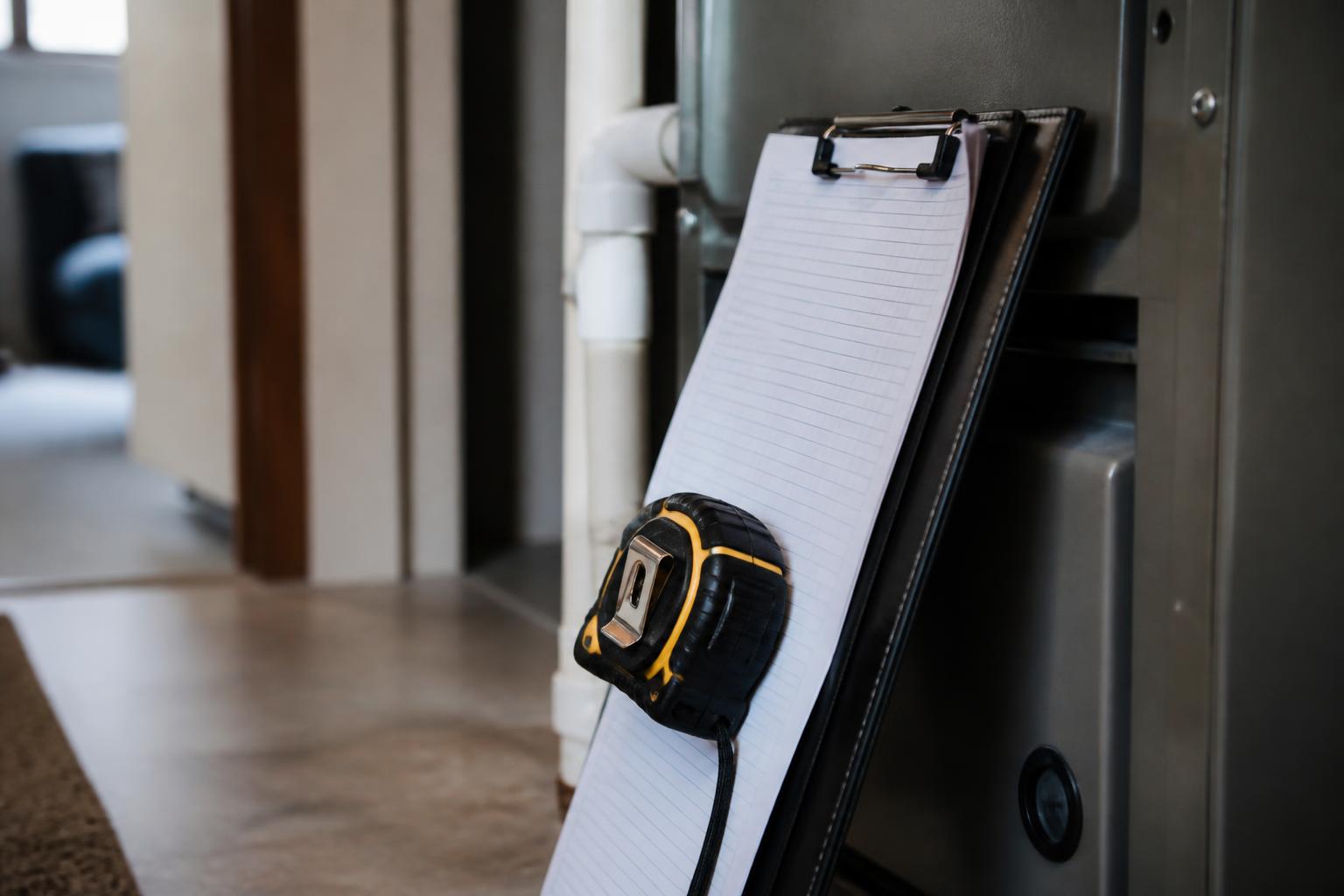
A useful furnace quote starts with a technician actually looking at your current setup, not just asking for your square footage over the phone. During a furnace replacement assessment, we look at your existing ductwork, venting, electrical capacity, and the specific heating challenges of your home before recommending equipment sized and rated for your actual needs. That approach avoids the two most common sizing mistakes: an oversized furnace that short-cycles and wastes energy, or an undersized one that runs constantly and still struggles to keep up on the coldest days.
Financing Options for a New Furnace
Because a furnace replacement is a significant expense to take on all at once, many homeowners look at financing to spread the cost over time rather than paying in full upfront. Our service plans team can walk you through the financing arrangements available at the time of your quote, which can make a necessary replacement more manageable within a monthly budget rather than requiring a large lump sum. The specific terms, rates, and approval requirements depend on the financing provider and program available at the time, so it is worth asking about current options directly when you get your quote rather than assuming a fixed rate applies year-round.
Timing Your Furnace Replacement
If your furnace is aging or has needed repeated repairs, replacing it before it fails completely gives you time to compare options and schedule the work without the pressure of a mid-winter breakdown. Late summer and early fall tend to be a good window for Vaughan homeowners, both because installers have more scheduling flexibility and because it means the new system is in place well before the coldest stretch of winter arrives.
Questions to Ask Before You Commit
- Was the recommended furnace size based on an actual load calculation for my home, or just matched to the old unit?
- What does the written quote include, such as removal of the old furnace, permits, and any ductwork adjustments?
- What financing options are available, and what are the specific terms?
- What warranty coverage applies to both the equipment and the labor?
Comparing Multiple Quotes the Right Way
It is reasonable to get more than one quote for a furnace replacement, but comparing them fairly means looking past the bottom-line number alone. Two quotes for what looks like the same furnace model can differ because one includes proper load calculation and ductwork assessment and the other does not, or because the scope of work, permits, and old-equipment removal are handled differently. The lowest number on paper is not always the better deal once you account for what is actually included, so ask each contractor to itemize their quote rather than comparing single totals side by side.
How Vaughan’s Climate Factors Into the Decision
Vaughan winters put real demand on a heating system, and that is part of why proper sizing matters so much here specifically. A furnace that is undersized for the home will run constantly during extended cold snaps and still struggle to maintain temperature, while one that is oversized will short-cycle even in moderate weather, adding wear over time. Getting the load calculation right the first time avoids both problems and is one of the main reasons an in-home assessment produces a more reliable result than an online estimate ever could.
Planning the Replacement Around Your Budget
Between the equipment tier you choose, the financing terms available at the time, and any ductwork or venting work your home needs, a furnace replacement has more moving parts than a single sticker price suggests. Homeowners who get the clearest results tend to have an honest conversation with their technician about budget upfront, rather than waiting for a quote and hoping it lines up. That conversation lets the technician recommend equipment and financing options that actually fit your situation instead of presenting a single option and leaving you to work out whether it is affordable on your own.
Frequently Asked Questions
Why won’t you just list a price online?
Furnace installation cost depends on furnace size, efficiency rating, and installation complexity specific to each home, so an accurate number requires an in-home assessment rather than a generic figure that would not reflect your actual project.
Is a higher-efficiency furnace always worth the extra upfront cost?
It depends on how long you plan to stay in the home, your household’s energy usage, and local utility rates. A technician can walk through the tradeoffs based on your specific situation rather than a one-size-fits-all answer.
Do you offer financing for furnace replacement?
Yes, financing options are available and can be discussed as part of your quote. Ask our service plans team about current terms when you schedule your assessment.
How long does a typical furnace installation take?
A straightforward replacement is often completed in a single day, though installations involving ductwork or venting changes may take longer. Your technician can give you a specific timeline once the scope is confirmed.
Should I replace my furnace before it completely fails?
If your furnace is aging or needing frequent repairs, replacing it proactively gives you time to compare options calmly rather than making a rushed decision during a winter breakdown.
If your furnace is aging or you’re comparing replacement options, the only way to get a real number is an in-home assessment. Call Furnace King Home Services at (905) 564-5464 to schedule a visit, or our furnace replacement team can walk your home and give you an accurate, itemized quote along with current financing options. You can also reach us anytime through our contact page.