
If your furnace is kicking on, running for just a few minutes, then shutting off again and again, you are dealing with what technicians call short cycling. It is one of the more common calls we get across Mississauga, Etobicoke, Brampton, and the wider GTA, and while it is sometimes a five-minute fix, it can also be an early warning sign of a bigger issue. This guide walks through what short cycling actually means, the causes we see most often, and how to tell which situation you are in.
What Short Cycling Actually Means
A healthy furnace runs through a full heating cycle: it fires up, runs long enough to satisfy the thermostat’s temperature setting, then shuts off and stays off until the room cools again. Short cycling means that rhythm breaks down, the furnace starts, runs for only a few minutes, shuts off, then starts again shortly after, sometimes several times an hour. Beyond being annoying to listen to, this pattern puts extra wear on the furnace’s igniter, blower motor, and gas valve, and it usually means your home is not being heated as evenly or efficiently as it should be.
The Most Common Causes We See
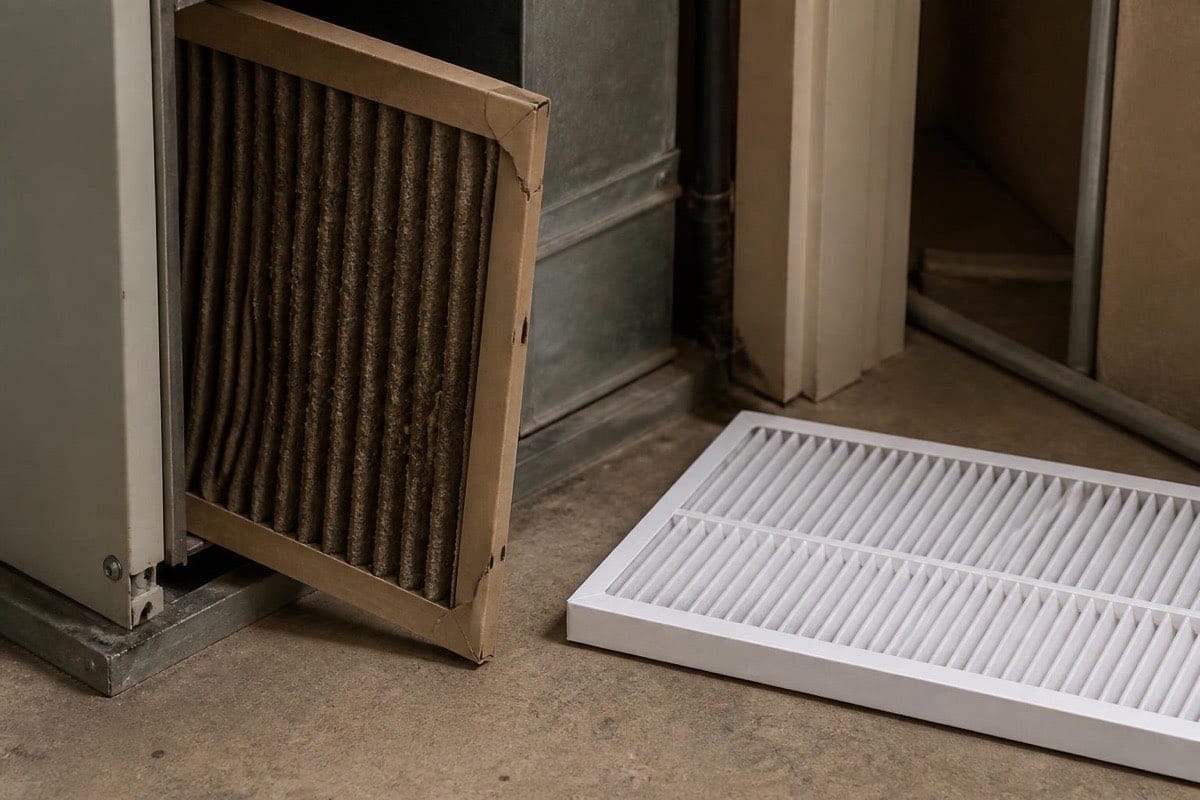
- A dirty or clogged air filter. This is the single most common cause. A filter packed with dust restricts airflow through the furnace, which makes the heat exchanger run hotter than it should. Most furnaces have a safety limit switch that shuts the burner off the moment internal temperatures climb too high, protecting the equipment, but producing exactly the on-off pattern homeowners describe as short cycling.
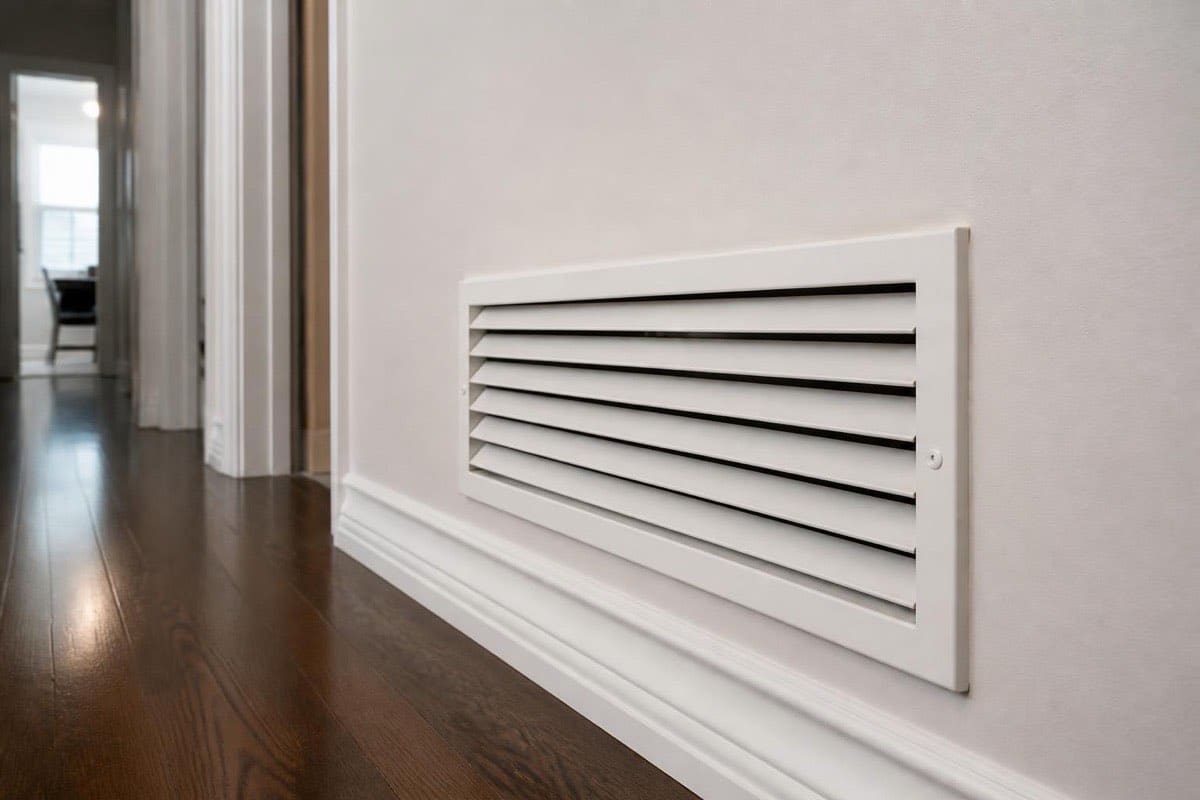
- Blocked or closed supply and return vents. Furniture pushed against a vent, a closed register in an unused room, or a return grille blocked by a rug all restrict the same airflow a dirty filter does, and can trigger the same overheating limit-switch response.
- A thermostat problem or poor placement. A thermostat mounted near a heat register, a sunny window, or a drafty exterior door can read the room’s temperature inaccurately, satisfying itself and shutting the furnace off long before the rest of the house has actually warmed up. A failing thermostat sensor can cause the same erratic pattern even in a well-placed unit.
- A dirty or failing flame sensor. The flame sensor confirms the burner has actually ignited. A layer of dust or corrosion on the sensor can cause it to lose track of the flame it is reading, and the control board responds by shutting the gas valve as a safety measure, sometimes within seconds of ignition, then trying again shortly after.
- An oversized furnace for the home. A furnace with more heating capacity than the home actually needs can satisfy the thermostat very quickly, then shut off, only to have the house cool again a short while later and trigger another brief cycle. This is more of a sizing issue than a malfunction, and it often traces back to an installation that used a rule-of-thumb size rather than a proper room-by-room load calculation.
- A cracked heat exchanger. On an older unit, a compromised heat exchanger can trigger the same high-limit safety shutoff as a dirty filter, but for a more serious reason. This is one of the situations where short cycling is a signal to stop troubleshooting and call a technician.
What You Can Check Before Calling a Technician
A few quick checks take less than ten minutes and solve a real share of short-cycling calls on their own. Pull the furnace filter and hold it up to a light; if you cannot see light through it clearly, replace it. Walk the house and confirm every supply vent and return grille is open and unobstructed by furniture, curtains, or rugs. Check that the thermostat is not mounted somewhere unusually warm or drafty, and confirm its batteries, if it uses any, are not low. If the furnace still short cycles after these checks, or if you smell anything unusual, hear a new noise, or see the flame through the furnace’s viewing window flickering or an odd colour, it is time to call a technician rather than keep troubleshooting on your own.
Why This Matters More in Older GTA Homes
Homes across Etobicoke, Mississauga, and older parts of Toronto and Brampton often have ductwork that was sized decades ago for a different furnace, or for a house before an addition or finished basement changed its heating load. When a furnace is replaced with a newer, often more powerful model on the same duct system, or when a home’s layout has changed since the original installation, the airflow balance between the furnace and the ductwork can be off in ways that show up as short cycling even though every individual component is technically working. This is one of the reasons a proper assessment at replacement time, rather than a straight swap, matters for the long-term comfort of your heating system.
When Short Cycling Is a Safety Issue, Not Just a Comfort One
It is worth repeating that the limit switch causing many short-cycling patterns is a safety feature doing exactly what it is supposed to do. That is good news in one sense, the furnace is protecting itself and your home rather than failing dangerously, but it also means short cycling should never be treated as background noise to live with indefinitely. Repeated high-limit trips put real wear on a furnace’s components over time, and if the underlying cause is a heat exchanger issue rather than a dirty filter, ignoring it delays a repair that has genuine safety implications. If a quick filter and vent check does not resolve the pattern within a day, it is worth having a technician take a look before winter puts the system under sustained demand.
What a Technician Actually Checks
When we get a short-cycling call, the visit typically starts with the same basics a homeowner can check, filter, vents, thermostat, then moves into diagnostics that need training and tools: measuring temperature rise across the heat exchanger to confirm airflow is adequate, testing the flame sensor’s microamp signal rather than just looking at it, checking the limit switch’s actual trip point against manufacturer specifications, and, on an older unit, inspecting the heat exchanger itself for cracking. That last check in particular is not something to skip or guess at, since a compromised heat exchanger can allow combustion byproducts into the air supply.
Frequently Asked Questions
Is short cycling dangerous?
Not usually on its own, since it is often the furnace’s safety switch doing its job, but it can point toward a more serious issue like a cracked heat exchanger, which is why a persistent pattern deserves a professional look rather than being ignored.
Can a dirty filter really cause this?
Yes, and it is the most common cause we see. A clogged filter restricts airflow enough to trip the furnace’s high-limit safety switch, producing the exact on-off pattern homeowners describe as short cycling.
How often should I change my furnace filter?
Most standard filters should be checked monthly during the heating season and replaced every one to three months depending on filter type, pets, and household dust levels.
Could my furnace be too big for my house?
It is possible, particularly if the furnace was replaced without a proper load calculation for the current home. A technician can evaluate whether the unit’s capacity matches your home’s actual heating needs.
Should I keep running the furnace while it’s short cycling?
A furnace that is short cycling because of a dirty filter or a closed vent is generally safe to keep running while you sort out the cause, but if you notice a burning smell, unusual noise, or a flame that looks wrong, shut it off and call for service rather than continuing to run it.
If a filter swap and a quick vent check do not stop your furnace from short cycling, our HVAC maintenance team can track down the real cause before the next cold snap. Call Furnace King Home Services at (905) 564-5464, and if your furnace stops working entirely, our emergency service is available. You can also reach us anytime through our contact page.