
If you have priced a new air conditioner recently, you may have noticed a new term on the spec sheets: R-454B refrigerant. The residential cooling industry across North America has been moving away from R-410A, the refrigerant that filled nearly every home AC installed in the last twenty years, and new systems arriving in Canada now largely run on R-454B or a similar low-GWP alternative.
At Furnace King Home Services, we field questions about this change every week, and there is a fair amount of confusion, some of it stoked by pushy sales tactics elsewhere. Here is a straight explanation of what changed, what it means for your existing system, and how it should factor into a repair-or-replace decision in Mississauga.
Why the Refrigerant Changed at All
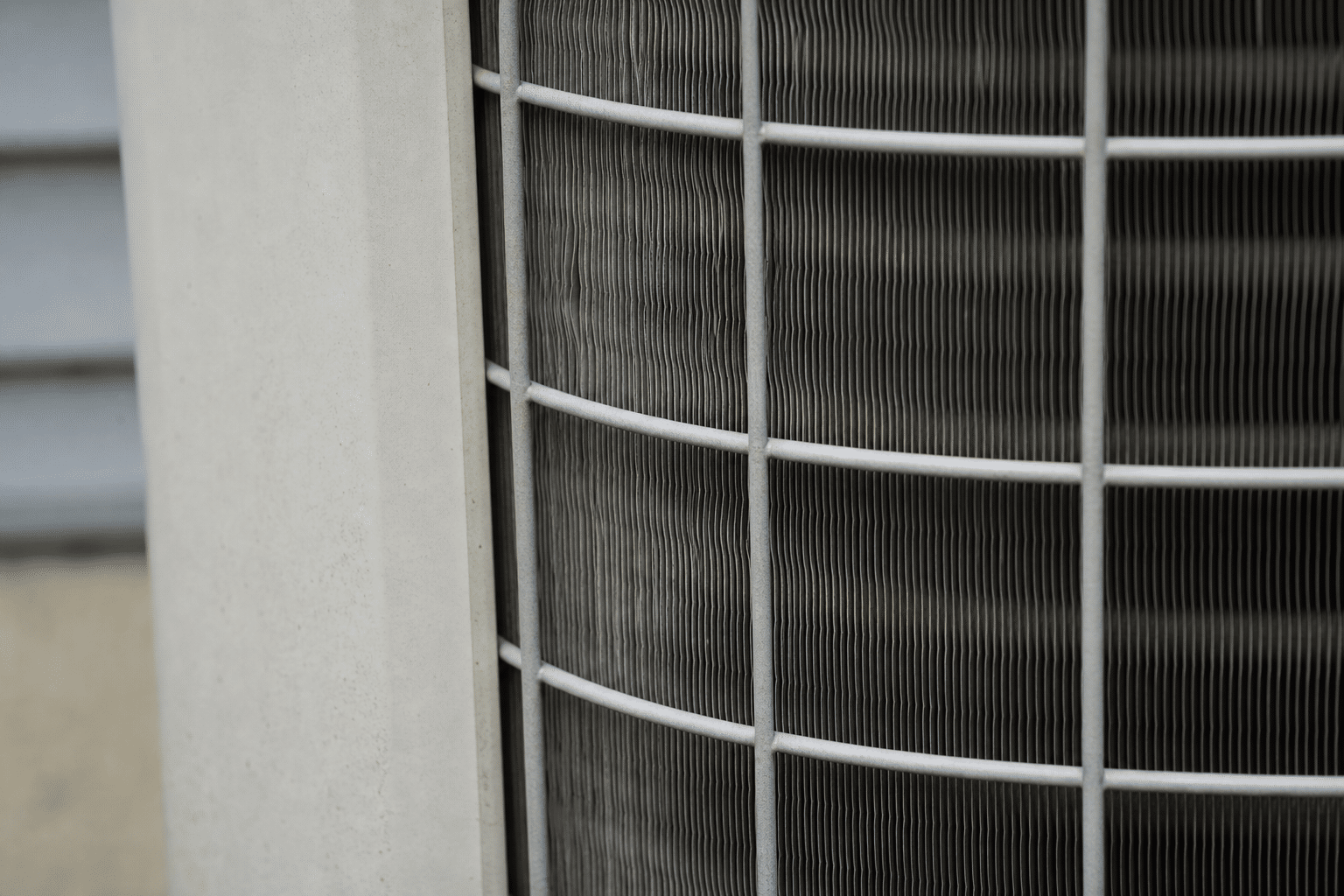
Refrigerants are rated by global warming potential, or GWP. R-410A does its cooling job well, but kilogram for kilogram it is a very potent greenhouse gas when it leaks. Under international agreements to phase down high-GWP hydrofluorocarbons, manufacturers across North America redesigned their residential equipment lines around lower-impact refrigerants, with most brands landing on R-454B, which carries a GWP roughly 78 percent lower than R-410A.
The transition reached showrooms through 2025, and the equipment now arriving at distributors in Ontario is largely built for the new refrigerant. If this feels familiar, it is: the industry made a nearly identical move twenty years ago when R-22, the old Freon, gave way to R-410A. Homeowners who lived through that transition will recognize the pattern, including the gradual price climb of the outgoing refrigerant. This is a manufacturing change, not a ban on what is already in your backyard.
Your Existing R-410A System Is Still Fine
This is the part that gets misrepresented most often, so let us be direct: nothing about the transition requires you to replace a working air conditioner. Existing R-410A systems remain legal to run and legal to service, and refrigerant remains available for repairs. If a contractor tells you the transition forces an upgrade, get a second opinion.
What is true is that R-410A is now a legacy product. As production winds down over the coming years, the refrigerant itself is expected to get gradually more expensive, which mostly matters if your system develops a leak. Topping up a leaking system was already poor value; it will make even less sense as the price per pound climbs. The R-22 era taught GTA homeowners how that story ends: servicing old systems stayed possible for many years, but chronic leakers became money pits well before the equipment itself wore out.
What Is Different About R-454B Systems
From a homeowner’s chair, day-to-day operation is identical: the new refrigerant cools the same way, works with the same thermostats, and pairs with your existing furnace or air handler arrangement. Behind the scenes there are real differences:
- Mild flammability rating. R-454B is classified A2L, meaning low toxicity and mild flammability. New equipment is engineered for it with leak sensors and design safeguards, and installation practices follow updated codes. Handled by licensed installers, it is a safe, well-understood product already running in millions of homes.
- New-generation equipment. Because manufacturers redesigned their lines for the transition, current R-454B models tend to ship with newer compressors and controls, and the efficiency ratings on mid-tier equipment have quietly improved compared with the units they replaced.
- No retrofitting. R-454B does not go into an R-410A system, and vice versa. The refrigerants and components are not interchangeable, which is why a failed compressor on an older system now often tips the math toward replacement rather than a like-for-like repair.
The same transition applies to heat pumps, by the way. Because a heat pump is essentially an air conditioner that runs in both directions, the new cold-climate models arriving in Ontario are built on the same R-454B platform, so everything in this article applies whether your next system cools only or heats and cools both.
How This Changes the Repair-or-Replace Math
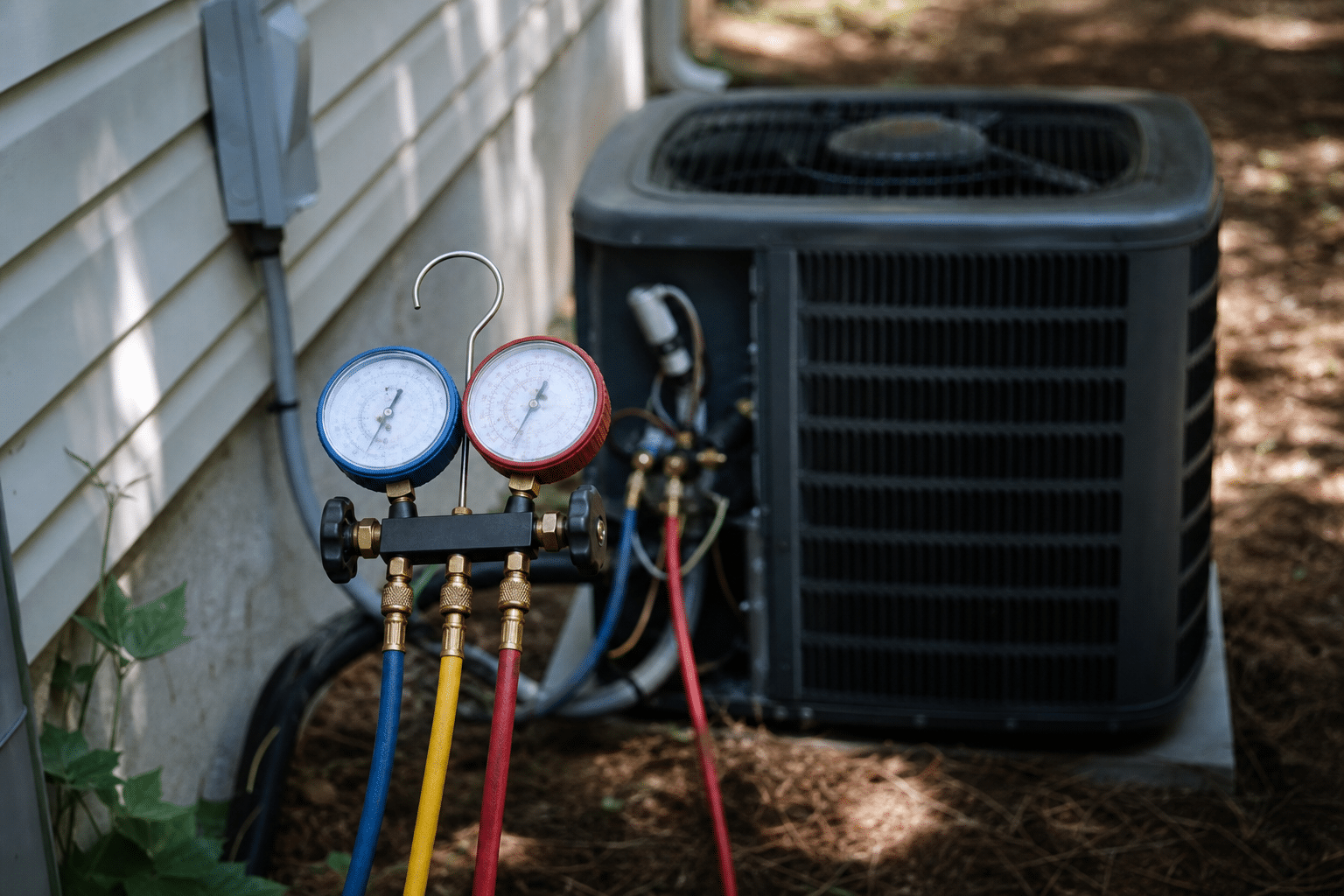
Our advice has not changed in principle: repair young systems, replace old ones. The refrigerant transition just moves the tipping point a little. If your AC is under ten years old and needs a minor repair, repair it without hesitation. If it is 12 to 15 years old and facing a major component failure, especially a refrigerant-circuit repair, sinking money into a legacy platform with rising refrigerant costs is usually the wrong bet.
Timing matters too. Replacing on your schedule, in shoulder season, lets you compare quotes calmly. Waiting for a mid-heatwave failure means paying rush premiums for whatever is in stock. If you want a ballpark figure before talking to anyone, our HVAC cost estimator gives you a realistic range for your home in about two minutes, and our air conditioning team can quote the new-generation equipment side by side with a repair.
Questions Worth Asking Any Installer Right Now
The transition period is exactly when corners get cut, because installers can still move old R-410A stock. Old-stock equipment is not automatically a bad buy, but it should be an informed one, and it should come with a meaningful discount. Ask directly: which refrigerant does this quoted system use, how long do you expect parts and refrigerant support for it, and does the price reflect that runway?
It is also fair to ask whether the installer has completed A2L handling training, since the new refrigerant class comes with updated installation and brazing practices. Any established HVAC company in the GTA should answer that without flinching. Natural Resources Canada’s ENERGY STAR Canada listings are also worth a look when comparing models, since the efficiency spread between quotes is often wider than the price spread.
Frequently Asked Questions
Do I have to replace my R-410A air conditioner?
No. Existing systems remain legal to run and service, and refrigerant is still available for repairs. The transition only affects newly manufactured equipment, so a healthy R-410A system can serve out its natural lifespan. Keep up with annual maintenance and it will neither know nor care what the new equipment down the street is running.
Will servicing my older AC get more expensive?
Routine maintenance costs are unchanged. Repairs that involve adding refrigerant are expected to get gradually pricier as R-410A production winds down, which strengthens the case for fixing small leaks promptly or retiring systems that leak chronically rather than topping them up season after season.
Is R-454B safe in a home?
Yes. Its A2L classification means mild flammability, and current equipment is designed around it with sensors and updated installation codes. Licensed installation is the key, as it always has been with every refrigerant generation.
Is a new R-454B system more efficient?
The refrigerant itself is not the efficiency story; the redesigned equipment is. Current models generally post better seasonal efficiency numbers than the decade-old units they replace, which shows up on summer hydro bills.
Should I buy discounted R-410A equipment while it lasts?
Only with eyes open. A steep discount on a quality unit can make sense for a shorter planning horizon, but you are buying into a refrigerant with a declining support runway. For most Mississauga homeowners planning to stay put, current-generation equipment is the safer long-term buy.
Thinking about your air conditioner’s next chapter? Call Furnace King Home Services at (905) 564-5464 or reach us through our contact page for a no-pressure assessment, whether that means one more repair or a clean start on the new platform.