
Understanding tankless water heater operating cost compared with a conventional storage tank requires more than a headline efficiency number. This article focuses on the main operating-cost factors: standby loss, fuel and rate structure, hot-water demand, efficiency labels, and maintenance that affects annual ownership cost. For a broader feature and installation comparison, see Furnace King Home Services’ tankless versus tank water heater guide. Keeping those decisions separate makes it easier to compare projected bills without treating operating cost as the only buying factor.
Standby Loss and How Each System Handles It
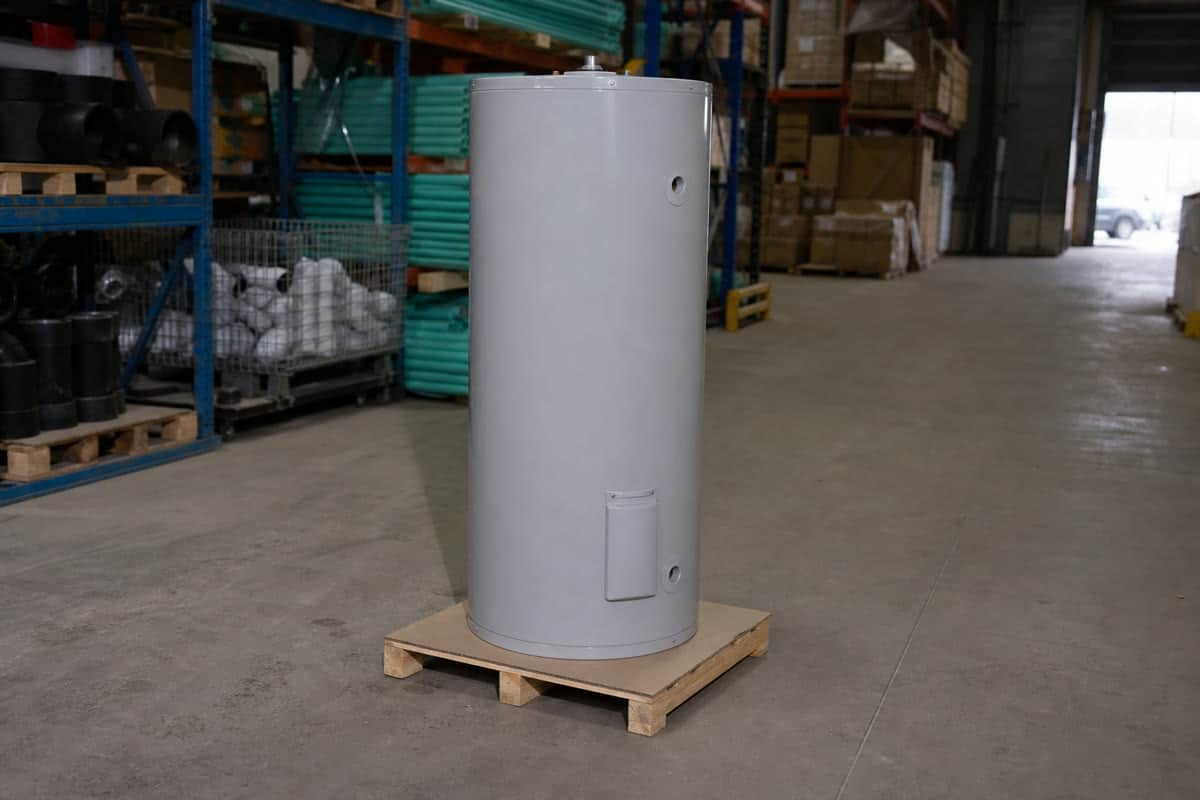
A storage tank water heater keeps a large volume of water hot around the clock, whether you need it or not. The energy consumed to maintain that temperature when no tap is running is called standby loss. Insulation in modern tanks has improved considerably, but some heat still escapes through the tank walls and, on combustion models, through the venting system. The burner or element cycles on repeatedly to compensate. Over a full year, those short cycles can add up to a meaningful portion of your total water-heating bill.
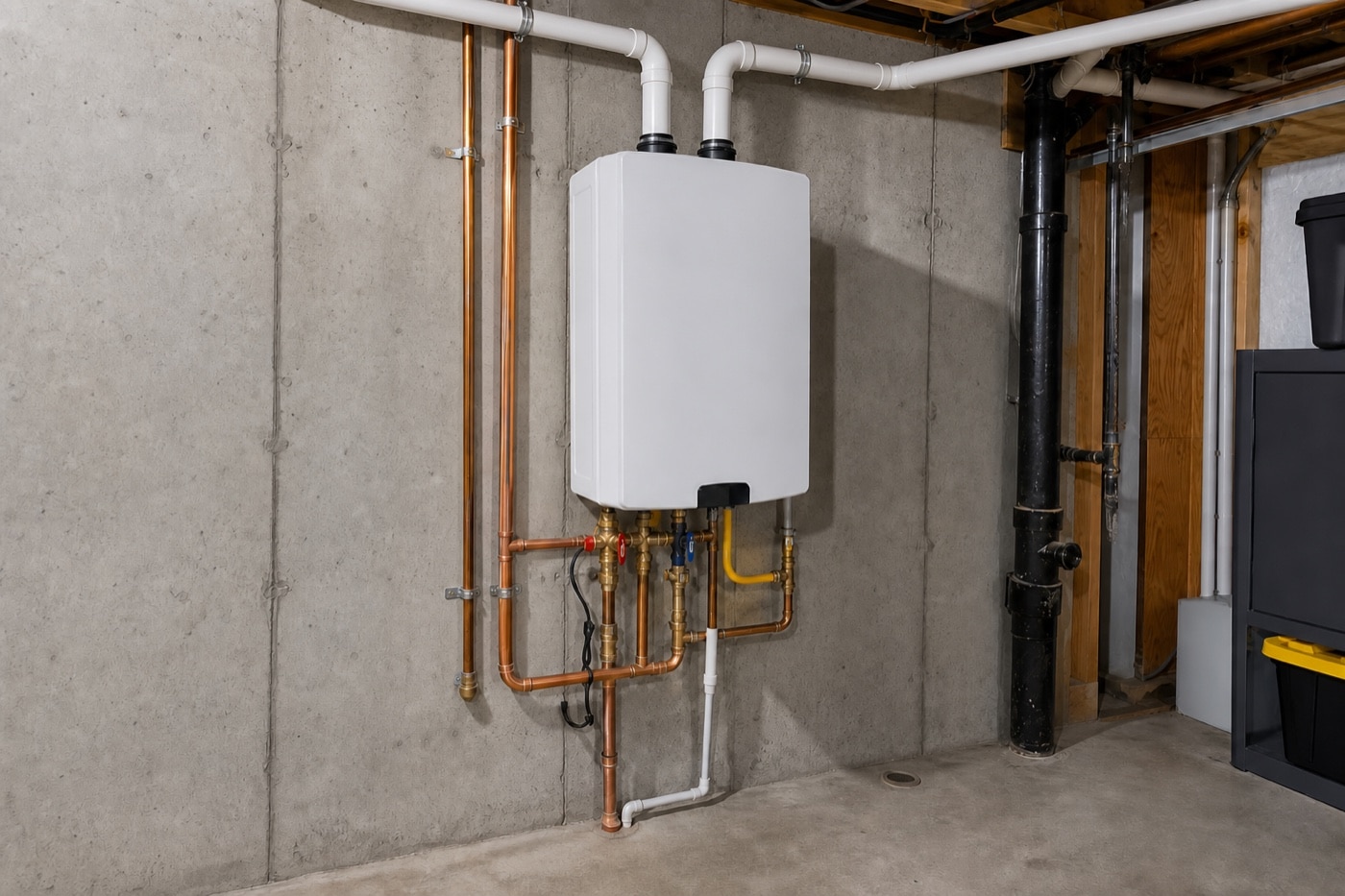
A tankless unit, by contrast, heats water when a hot-water tap opens and stops heating when demand ends. There is no large stored volume to keep warm, so standby loss is greatly reduced or, depending on the model, essentially eliminated. This is a genuine efficiency advantage of on-demand heating. However, the benefit is proportional to how often your household actually draws hot water. Lower-use households can see a larger percentage efficiency advantage because standby loss makes up more of their baseline consumption. Higher-use households may still see meaningful absolute dollar savings, but the percentage advantage generally narrows as daily hot-water demand rises.
It is also worth noting that some tankless models include a small internal recirculation loop or buffer tank to reduce the cold-water lag at the tap. That feature reintroduces a minor standby draw, though typically far smaller than a full storage tank. Understanding your actual usage pattern is the starting point for any honest cost comparison.
Fuel Type, Efficiency Ratings, and the EnerGuide Label
Both storage and tankless water heaters are available in natural gas and electric versions, and the fuel you use can have a major effect on operating cost. Utility rates, time-of-use pricing, equipment efficiency, and your household’s consumption pattern all influence the final number on your bill.
EnerGuide comparison metrics depend on the equipment category. Gas-fired storage models may display a Uniform Energy Factor (UEF), while electric storage labels can present standby loss in watts; tankless labels and product literature use the applicable efficiency information for that class. Compare like with like using the metric shown for the specific category. Natural Resources Canada’s residential water-heater guide provides a neutral starting point for interpreting those differences.
Quick Comparison of Efficiency Characteristics
| Factor | Storage Tank | Tankless |
|---|---|---|
| Standby loss | Present, ongoing | Minimal to none |
| UEF range (gas) | Lower to mid range | Mid to high range |
| Electric comparison | Check the applicable standby-loss or efficiency label | Check the applicable efficiency information for the model class |
| Fuel flexibility | Gas or electric | Gas or electric |
Condensing gas tankless models recover heat from exhaust gases that a conventional unit vents outside, pushing their UEF higher still. That added efficiency comes with a higher purchase price and specific venting requirements, so the trade-off needs to be evaluated against your household’s hot-water volume and the cost of any installation changes.
Installation Requirements and Upfront Costs
Replacing a storage tank with another similar storage tank using the same fuel type is often more straightforward than changing system types. Existing connections may be compatible, such as the electrical supply on electric models or the gas line and venting on gas models, and the footprint is often similar. Switching from a storage tank to a tankless unit, or changing fuel types, typically involves more work and more cost.
Common Installation Considerations
- Gas line sizing: High-output tankless burners often require a larger-diameter gas supply line than a storage tank uses. Upgrading the line adds labour and materials.
- Venting: Many tankless units require sealed, direct-vent systems using approved venting materials rather than a traditional metal flue. Running new vent lines through finished walls or ceilings increases installation complexity.
- Electrical supply: Gas tankless units still need electrical power for the control board and ignition. Electric tankless models may require a significant panel or service upgrade.
- Water treatment: Hard water can accelerate scale buildup inside a tankless heat exchanger. If your home has hard water, a water softener or descaling filter may be advisable.
These upfront costs affect the payback period for any efficiency gains. Our HVAC cost estimator can help you think through the numbers for your specific situation. A professional assessment of your existing infrastructure before purchase helps reduce surprises once installation begins. Explore your options through our tankless water heater service page for more detail on what the process involves.
Maintenance, Service Life, and Long-Term Ownership
Operating cost does not end with the energy bill. Maintenance frequency, part availability, and how long the equipment lasts all factor into the true cost of ownership over a decade or more.
Storage Tank Maintenance
Storage tanks benefit from periodic flushing to remove sediment that settles at the bottom and can reduce heating efficiency over time. The anode rod, which protects the tank lining from corrosion, should be inspected and replaced on an appropriate schedule. Neglecting these steps can shorten tank life. A storage tank’s service life varies with water quality, maintenance, installation conditions, and usage, so age alone does not predict the replacement date.
Tankless Maintenance
Tankless units require descaling of the heat exchanger, particularly in hard-water areas. The inlet filter screen needs periodic cleaning. Because the components are more sophisticated, parts can be more expensive when repairs are needed. However, tankless units generally have a longer potential service life than storage tanks when properly maintained, which can offset higher upfront and repair costs over the full ownership period.
Regardless of which system you choose, regular professional maintenance helps protect efficiency and can catch small problems before they become expensive ones. Furnace King Home Services provides plumbing services, including support for water-heating concerns. Consistent servicing is especially important for tankless units, where a blocked filter or scale-coated heat exchanger can noticeably reduce both performance and efficiency.
Frequently Asked Questions
Does a tankless water heater always cost less to run than a storage tank?
Not automatically. The result depends on hot-water usage, fuel type, the applicable efficiency information for each model, local rates, and maintenance. Lower-use households often see a larger percentage benefit from avoiding tank standby loss. Higher-use households may realize larger absolute dollar savings, but the percentage advantage can narrow as daily demand rises.
How does hard water affect tankless operating cost?
Scale buildup inside a tankless heat exchanger can reduce thermal efficiency over time, meaning the unit may work harder to deliver the same water temperature. Regular descaling can help restore performance. Without it, operating cost may creep upward and component life can shorten. A water softener or inline filter can reduce the frequency of descaling needed.
Can I switch from a gas storage tank to an electric tankless unit?
It is technically possible, but whole-home electric tankless units typically require a substantial electrical service upgrade. The cost of that upgrade, combined with the difference in electricity versus gas rates in Ontario, significantly affects whether the switch makes financial sense. A professional assessment of your panel and usage is essential before deciding.
What is the EnerGuide Uniform Energy Factor and why does it matter?
UEF is a standardized efficiency measure used for applicable water-heater categories, including gas storage products. A higher value indicates more delivered hot-water energy relative to energy consumed under the test. Other categories can use different EnerGuide metrics, so compare models within the same equipment and fuel class rather than treating UEF as universal.
Furnace King Home Services can help you evaluate your current setup and discuss water-heating options for your home. Call (905) 564-5464 or contact us online to discuss your water-heating needs.