Keep Your Cool: Easy Ways to Troubleshoot Common AC Problems

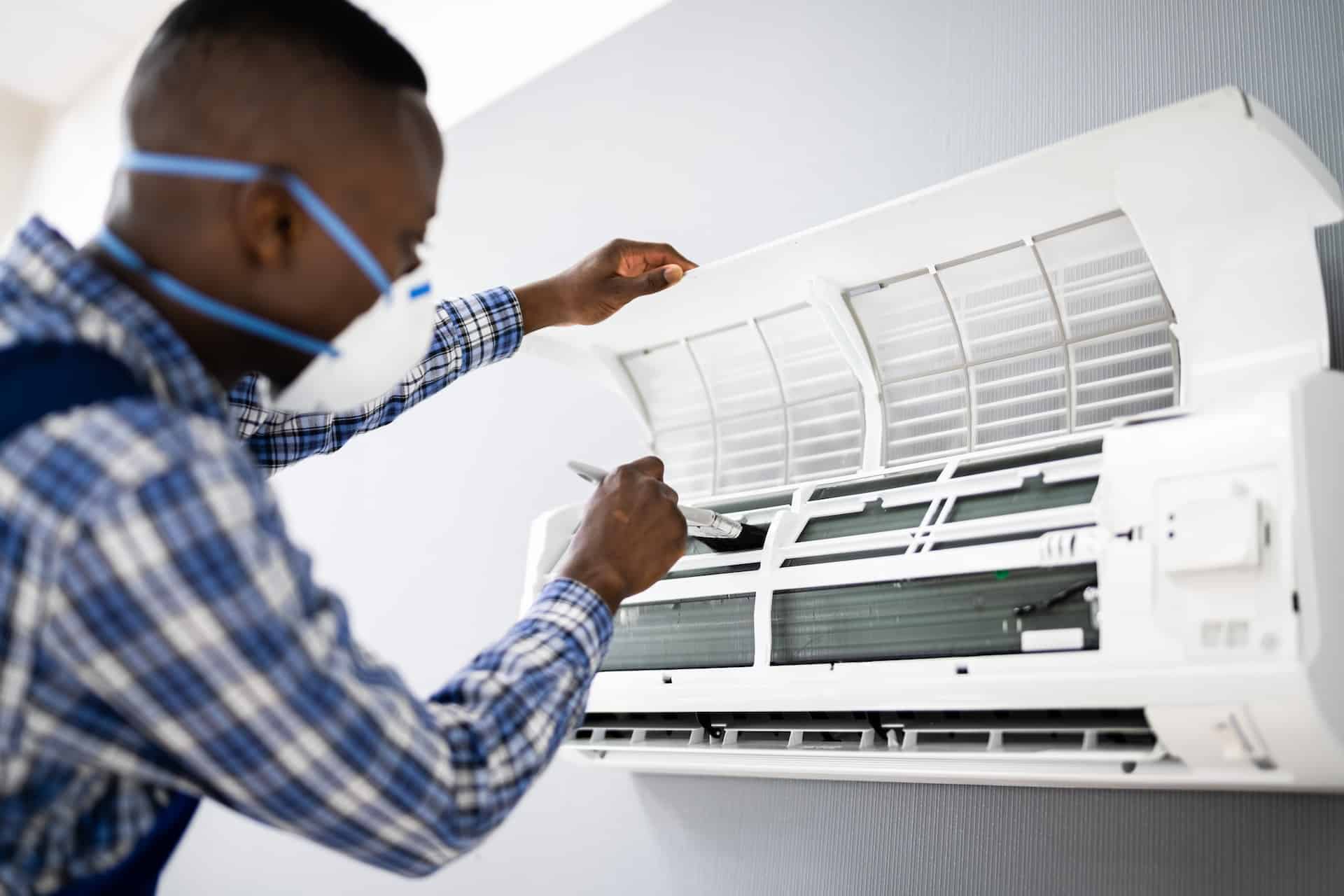
hvac professional fixing air conditioner

Summer is the time for relaxation, outdoor activities, and vacations. However, when temperatures soar, the air conditioning (AC) unit becomes the most crucial appliance in your home. Unfortunately, AC problems can occur, and if not addressed promptly, they can ruin your summer. This article will discuss five common AC problems and the easy ways to troubleshoot them.

1. The Unit Won’t Turn On

When the AC unit fails to turn on, the first thing to check is the thermostat. Ensure it is set to the desired temperature and in cooling mode. If the thermostat is working correctly, check the circuit breaker. If the breaker has tripped, reset it. However, if it trips again, there may be a more significant problem, and you need to call an HVAC technician.

2. Weak Airflow

Weak airflow is a common AC problem that various factors can cause. The first thing to do is check the air filter. A dirty or clogged air filter restricts airflow, making your AC unit work harder and longer, resulting in higher energy bills. Replace the air filter if it is dirty or clogged. Another cause of weak airflow is a clogged condenser coil. The condenser coil is responsible for releasing heat outside. If it is clogged with dirt and debris, it can’t release heat efficiently, resulting in weak airflow. Clean the condenser coil regularly to prevent this problem.

3. Leaking Water

If you notice water leaking from your AC unit, it could be due to a clogged condensate drain line. The condensate drain line removes moisture from the air conditioning system. Over time, it can become clogged with dirt and debris, causing water to overflow the drain pan and leak from the unit. To fix this problem, locate the drain line and use a wet/dry vacuum to clear the blockage. Alternatively, you can use a pipe cleaner or a long, flexible brush to clean the drain line.

4. Strange Noises

Strange noises coming from your AC unit can be annoying and a sign of a more significant problem. A rattling noise could be due to loose parts, such as screws, bolts, or fan blades. A screeching noise may indicate a worn-out belt or motor bearings. A banging noise could be due to a faulty compressor or blower motor. If you notice any strange noises, turn off the AC unit and call an HVAC technician to diagnose and fix the problem.

5. Foul Smells

Foul smells coming from your AC unit are unpleasant and a sign of a potential health hazard. The most common cause of foul smells is microbial growth, such as mould and mildew, in the air conditioning system. Microbial growth can cause respiratory problems and allergies. To prevent microbial growth, clean the air filter regularly and keep the humidity level low. If you notice foul smells, turn off the AC unit and call an HVAC technician to clean and disinfect the system.

Conclusion

AC problems can be frustrating and ruin your summer. However, you can prevent or fix the most common AC problems with the right troubleshooting techniques. Remember to check the thermostat, air filter, and condenser coil for weak airflow, clogged condensate drain line for leaking water, loose parts, worn-out belts or motor bearings, and microbial growth for foul smells. If you are unsure or uncomfortable troubleshooting your AC unit, call an HVAC technician to diagnose and fix the problem. With a well-maintained AC unit, you can keep cool and enjoy your summer to the fullest. 

Furnace King Home Services has been a reputable heating and cooling company for 43 years. Our team of experts will assess your heating and cooling needs and recommend a system within your budget. We offer reliable AC maintenance in Mississauga to ensure a cool and comfortable summer. Contact us today to schedule an appointment at 905.564.5464.

Comparing Heat Pumps & Air Conditioners: Best Choice for You

hvac system

When it comes to keeping your home cool and comfortable during the hot summer, you may wonder which option is best: a heat pump or an air conditioner. While both are effective cooling systems, they have unique features and benefits. This article will explore the differences between a heat pump and an air conditioner and provide insight into the best option for your home.

What Is a Heat Pump?

A heat pump is a flexible device that provides warmth and coolness to your house. It extracts heat from the air or ground outside your home and transports it indoors. During the summer, a heat pump works as an air conditioner by extracting heat from your home and releasing it outside. The process is reversed during the winter months to provide warmth. 

What Is an Air Conditioner?

An air conditioner is a cooling system that removes heat from the air inside your home and releases it outside. It uses a refrigerant to cool the air, which is then circulated throughout your home via ductwork. 

What Is Their Difference?

While heat pumps and air conditioners work to cool your home, there are some key differences to consider when choosing between the two.

1. Heating Capabilities: One of the biggest differences between a heat pump and an air conditioner is its heating capabilities. An air conditioner solely offers cooling, whereas a heat pump has the additional function of heating your home in winter. This can be a significant advantage for those looking to reduce their reliance on fossil fuels or other heating sources.

2. Efficiency: Heat pumps are generally more efficient than air conditioners, as they use less energy to move heat from one place to another. This can result in lower energy bills and a reduced carbon footprint.

3. Climate: Both systems can effectively cool your home, but heat pumps are better suited for milder climates. They may struggle to provide adequate heating in extremely cold temperatures, resulting in higher energy bills or a need for a supplemental heating source.

4. Installation: Heat pumps require a larger upfront investment than air conditioners, as they are more complex systems that require professional installation. However, long-term energy savings often offset this initial cost.

Factors to Keep in Mind When Deciding between a Heat Pump and an Air Conditioner

If you’re not sure which system is best for your home, there are several factors to consider:

1. Climate: A heat pump may be a good option if you live in an area with mild winters. However, an air conditioner may be better in a region with harsh winters.

2. Energy Efficiency: Energy efficiency is important for any homeowner. Heat pumps typically offer better efficiency than air conditioning systems, although they might have a higher initial expense. It’s important to weigh the long-term energy savings against the initial investment.

3. Maintenance: Both heat pumps and air conditioners require regular maintenance to ensure optimal performance. However, the type and frequency of maintenance may vary between the two systems. Heat pumps require more extensive maintenance, as they have more complex components. This can result in higher maintenance costs over time.

4. Budget: Heat pumps may offer long-term energy savings but require a larger upfront investment. An air conditioner may be more affordable if you’re on a tight budget.

Conclusion

Deciding whether to opt for a heat pump or an air conditioner relies on various considerations. While a heat pump may be a better option for those looking to reduce their reliance on fossil fuels or those living in mild climates, an air conditioner may be a better choice for those living in regions with harsh winters or on a tight budget. Ultimately, it’s important to weigh the pros and cons of each system and choose the one that best meets your needs.

Are you looking to install your cooling system? Let Furnace King Home Services handle your air conditioner installation in Brampton, ensuring optimal performance and comfort. Contact us now to get started on your journey to a cooler home.

Air Conditioner Replacement Guide: Key Factors to Consider

woman at home with air conditioner

Replacing an air conditioning (AC) unit is a significant investment for homeowners. It is essential to consider several factors before deciding which unit to buy.

Here are six essential factors to consider when replacing your AC unit.

1. Age of the Current AC Unit

The age of your current AC unit is important to consider when replacing it. As mentioned earlier, most AC units have an average lifespan of 10 to 15 years. If your AC unit is beyond its useful life, it may be time to replace it. Older units tend to be less efficient and may require frequent repairs.

2. Size of the AC Unit

The size of your AC unit is another critical factor to consider when replacing it. An AC unit that is too small will not be able to cool your home effectively, while an AC unit that is too large will result in higher energy bills. To determine the right size of the AC unit, you need to calculate the square footage of your home.

3. Energy Efficiency

Energy efficiency is a crucial factor to consider when replacing your AC unit. Newer AC units are more energy-efficient than older models, saving you money on your energy bills. Energy-efficient AC units have a higher SEER (Seasonal Energy Efficiency Ratio) rating, which means they use less energy to cool your home.

4. Type of AC Unit

Different types of AC units are available in the market, and each has advantages and disadvantages. The most common types of AC units are central air conditioning, ductless mini-split systems, and window units.

Central air conditioning is the most common type of AC unit and is suitable for larger homes. It uses a system of ducts to distribute cool air throughout your home. Central air conditioning units are expensive to install but energy-efficient and require minimal maintenance.

Ductless mini-split systems are ideal for smaller homes and can be installed in individual rooms. They are energy-efficient and offer more flexibility in terms of zoning. You can control each room’s temperature separately, saving you money on your energy bills.

Window units are suitable for small spaces and are affordable. They are easy to install and require minimal maintenance. However, they are not as energy-efficient as central air conditioning or ductless mini-split systems and can be noisy.

5. Cost

The cost of the AC unit is an essential factor to consider when replacing it. AC units can be expensive, and you must ensure you get value for your money. The cost of the AC unit will depend on the size, type, and energy efficiency. You need to consider the installation cost, which can vary depending on the complexity of the installation. 

6. Installation and Maintenance

The installation and maintenance requirements of the AC unit are also important factors to consider when replacing it. You need to hire a professional HVAC technician to install the unit to ensure it is done correctly. Improper installation can result in poor performance and frequent breakdowns. Regular maintenance is necessary to keep the unit in good working condition. 

Conclusion

Consider the age of the current unit, size of the unit, energy efficiency, type of AC unit, cost, installation, and maintenance requirements. Consult an HVAC professional to determine the best unit for your home and budget. You can save money on your energy bills by choosing the right AC unit and enjoy a comfortable home.

Are you looking for expert AC installation in Mississauga? At Furnace King Home Services, our professionals prioritize your comfort and budget by recommending the best AC unit to meet your needs. Contact us today!

Breathe Better: Enjoy the Benefits of a Home Humidifier

Home Humidifier

As the temperatures drop and winter sets in, Canadians know it’s time to worry about dry air in their homes. Dry air can cause many problems, from dry skin and chapped lips to respiratory issues. Fortunately, there’s a straightforward solution: a home humidifier. This article will explore the benefits of using a humidifier in your home and why furnace maintenance is key to getting the most out of your humidifier.

What is a Home Humidifier?

A home humidifier is a tool that helps increase the moisture level in the air of your house. It takes water from a container or storage and then disperses it into the air like a mist.

The market has various humidifiers, such as cool mist, warm mist, and ultrasonic. Each has its advantages and disadvantages. Hence, selecting the appropriate one that suits your household is vital.

Benefits of Using a Home Humidifier

  • Relieve respiratory issues. Dry air can irritate the respiratory system, causing coughing, wheezing, and other problems. Adding moisture to the air can alleviate these symptoms and make breathing easier.
  • Reduce snoring. Snoring might be a prevalent issue for some people, but dry air can also cause it. This is because the dryness can cause the throat to become irritated and inflamed, leading to snoring. A humidifier can help to moisten the air and reduce the likelihood of snoring.
  • Protect furniture and woodwork. When the air in your home is dry, it can cause your wooden furniture and flooring to lose moisture, leading to cracks, splits, and warping. This can be a costly and frustrating problem, as it can lead to the need for repairs or replacements. However, using a humidifier in your home can keep the air moist and prevent the drying and cracking of your wooden furniture and flooring.
  • Keep plants healthy. Indoor plants thrive in a humid environment. A home humidifier can help keep the air moist and create a healthier environment for your greenery.

Furnace Maintenance is Key

One thing that many Canadians overlook when using a home humidifier is the importance of furnace maintenance. Your furnace plays a key role in keeping your home comfortable and healthy, and it can also affect the performance of your humidifier.

First, furnaces can dry out the air. During winter, your furnace works hard to keep your home warm. But this can also dry out the air in your home, making it more difficult for your humidifier to do its job. Regular furnace maintenance ensures your furnace is running efficiently and not drying out the air.

Aside from that, dirty filters can affect performance. If the filters in your furnace are unclean, they can negatively affect how well your humidifier functions. Unclean filters can limit airflow, making adding moisture challenging for your humidifier. Consistent furnace maintenance can assure that your humidifier operates effectively.

Final Thoughts

A humidifier is an essential tool for maintaining indoor air quality during the dry winter months. However, it is important to remember that regular maintenance of both your humidifier and furnace is necessary to ensure optimal performance and prevent potential problems. By keeping your humidifier clean and well-maintained and ensuring that your furnace runs efficiently, you can enjoy the benefits of healthy, moisturized air in your home.

Looking for reliable furnace maintenance and humidifier installation services in Brampton? Furnace King Home Services has a team of experienced professionals dedicated to ensuring your home stays comfortable and healthy all year round. Whether you need routine furnace maintenance or a brand-new humidifier installed, we have the expertise and tools to get the job done right. Schedule your appointment with us today and experience the Furnace King difference!

A Guide to Troubleshooting Common Heat Pump Problems

man fixing heat pump

A heat pump is an essential appliance that plays a vital role in regulating the temperature in your home. It is a device that transfers heat from one place to another and is responsible for both heating and cooling your home. However, like any other machine, heat pumps can experience problems affecting efficiency and performance. In this article, we will discuss some of the common heat pump problems and their solutions.

1. Inadequate Heating or Cooling

One of the most common problems homeowners face is inadequate heating or cooling. Several factors, including dirty filters, low refrigerant levels, or a faulty compressor, can cause this. To resolve this issue, you should start by cleaning or replacing the air filters. If this does not solve the problem, consult a professional technician to check the refrigerant levels and the compressor.

2. Loud Noise

Another common problem homeowners face is loud noise from their heat pumps. This can be caused by several factors, including loose parts, worn-out bearings, or a faulty fan motor. To resolve this problem, you should start by tightening any loose parts. If this does not solve the problem, you should consult a professional technician to inspect the bearings and the fan motor.

3. Frozen Coils

Frozen coils are another common problem that can affect the efficiency of your heat pump. This can be caused by several factors, including dirty air filters, low refrigerant levels, or a faulty thermostat. To resolve this issue, you should start by cleaning or replacing the air filters. If this does not solve the problem, consult a professional technician to check the refrigerant levels and the thermostat.

4. Short Cycles

Short cycles are a problem that can cause your heat pump to turn on and off frequently. Several factors, including a dirty air filter, a faulty thermostat, or a malfunctioning compressor, can cause this. To resolve this issue, you should start by cleaning or replacing the air filters. If this does not solve the problem, you should consult a professional technician to check the thermostat and the compressor.

5. Blown Fuses or Tripped Circuit Breakers

Blown fuses or tripped circuit breakers are another common problem that can affect the efficiency of your heat pump. This can be caused by several factors, including a faulty compressor, a damaged capacitor, or a short circuit. To resolve this issue, you should consult a professional technician to inspect the compressor, the capacitor, and the electrical wiring.

6. Uneven Heating or Cooling

Uneven heating or cooling is a problem that can make your home uncomfortable and affect the efficiency of your heat pump. This can be caused by several factors, including dirty air filters, blocked vents, or a faulty duct system. To resolve this issue, you should start by cleaning or replacing the air filters and checking that all vents are open and unobstructed. If this does not solve the problem, you should consult a professional technician to inspect the duct system and make any necessary repairs.

Trust the Experts at Furnace King Home Services

A heat pump is an essential appliance that plays a vital role in regulating the temperature in your home. However, like any other machine, heat pumps can experience problems that can affect their efficiency and performance. If you are experiencing any of these problems, you should consult a professional technician to diagnose and resolve the issue.

If you’re looking to upgrade your home’s heating and cooling system, consider installing a heat pump with the help of Furnace King Home Services! We are a heating and cooling company that provides heat pump repair in Brampton. We pay close attention to details, and we guarantee all of our work and services. Get in touch with us to get a quote now!

Regular AC Maintenance: A Key to Your Family’s Ultimate Comfort

air condition maintenance

In some parts of Canada, the summer season can be extremely hot, making it almost impossible to stay indoors without an air conditioning system. Air conditioning systems are crucial in keeping us comfortable during the hot summer. However, most of us take our air conditioning systems for granted and seldom consider their maintenance. Regular air conditioning maintenance is critical to ensure your system works efficiently and effectively to keep your family comfortable during summer.

Importance of AC Maintenance

Air conditioning systems are complex machinery that requires regular maintenance to function optimally. Regular maintenance of your AC system involves cleaning, inspection, and repairs. Neglecting your AC system can decrease efficiency, increase energy costs and decrease comfort. Regular maintenance can extend the life of your AC system, preventing costly repairs or replacements.

Risk of not having Your AC Maintained

Neglecting your AC system can lead to various issues impacting the comfort of your home and your family’s health. Poorly maintained AC systems can lead to poor air quality in your home, causing breathing problems, allergies, and other health issues. Lack of maintenance can also lead to leaks, resulting in water damage to your home. Moreover, a poorly maintained AC system can be a safety hazard, leading to electrical fires or other accidents.

Benefits of Regular AC Maintenance

Regular air conditioning maintenance has several benefits, including improved energy efficiency, increased comfort, and cost savings. Below are some of the benefits of regular AC maintenance:

1. Improved Energy Efficiency

A well-maintained AC system will operate efficiently, using less energy and reducing energy costs. Dirty air filters and coils can cause your AC system to work harder to maintain the desired temperature, resulting in higher energy bills. Regular maintenance, including cleaning or replacing air filters and cleaning the coils, will ensure your AC system operates at peak efficiency.

2. Increased Comfort

A poorly maintained AC system can result in uneven cooling or heating, resulting in inconsistent comfort levels in your home. Regular maintenance will help your AC system function correctly, providing consistent and reliable cooling or heating in all areas of your home.

3. Cost Savings

Regular maintenance can save money on costly repairs or AC system replacement. Neglecting your AC system can lead to minor issues escalating into significant problems requiring expensive repairs or replacement. Regular maintenance can help detect and fix minor issues before they become major problems that can cost you a lot of money.

4. Improved Air Quality

A properly maintained air conditioning system can enhance the air quality in your house, which can lower the chances of breathing difficulties, allergies, and other health concerns. Regular maintenance can help remove dust, dirt, and other allergens from the air, improving the air quality in your home.

Conclusion

Regular air conditioning maintenance is crucial for your family’s comfort and health. Neglecting your AC system can lead to poor air quality, increased energy costs, and uncomfortable living conditions. Regular maintenance, including cleaning, inspection, and repairs, can improve your AC system’s efficiency, increase comfort, and save you money in the long run. So, schedule regular maintenance for your AC system to keep your family comfortable and healthy during the hot summer months.

Keep your cool this summer with Furnace King Home Services, the experts in AC maintenance in Brampton. Our experienced technicians will ensure your air conditioning system runs efficiently, keeping your home comfortable and energy bills low. Contact us today to schedule your maintenance appointment and breeze through the summer months.

Furnace Repair: Your Top Questions, Answered!

furnace

Furnaces are essential to our homes, providing warmth and comfort during the year’s colder months. However, like any other appliance, furnaces can experience issues and breakdowns over time. If you’re experiencing problems with your furnace, you may have questions about what’s causing the issue, how to fix it, and how to prevent further problems. Here are some of the most common questions about furnace repair and the answers you need.

How Do I Prevent Furnace Repair?

The best way to prevent furnace repair is by scheduling regular maintenance. An annual furnace tune-up can help identify potential problems before they become major. During a tune-up, a technician will inspect your furnace, clean the components, and make any necessary adjustments to ensure your furnace is running efficiently. Changing your furnace filter regularly is also an easy way to keep your furnace running smoothly.

What Are Some Signs That My Furnace Needs Repair?

Some common signs that your furnace needs repair include strange noises, uneven heating throughout your home, a yellow burner flame instead of a blue one, a sudden increase in energy bills, and frequent cycling on and off.

Can I Repair My Furnace Myself?

It’s recommended that you leave furnace repairs to the professionals. Furnaces can be dangerous if not handled properly, and attempting DIY repairs can lead to further damage or even injury. Always call a licensed HVAC technician for furnace repairs.

How Much Is the Furnace Repair Cost?

The price of fixing a furnace can differ depending on the problem and the type of furnace. Small repairs like a broken thermostat or a dirty filter can cost between $50 to $200. 

But, if the problem is more significant, like a damaged heat exchanger or a faulty motor, the cost can exceed $1,000. To avoid any unwanted surprises, get a professional technician to evaluate the issue and offer an estimation before making any repairs.

Why Is My Furnace Leaking Water?

The first possibility is a clogged condensate line, which can cause water to back up and overflow into your furnace. Another potential cause is a cracked heat exchanger, which can allow water to leak out. Additionally, if your furnace is in a humid area, condensation can form on the unit and drip down, causing water leakage. 

What Do I Do if My Furnace Keeps Turning Off?

If your furnace keeps turning off, it could be due to a faulty thermostat, a dirty filter, or a malfunctioning flame sensor. Try replacing the filter and checking the thermostat settings. If the issue persists, it’s best to have a technician diagnose it.

Why Is My Furnace Blowing Cold Air?

The most common causes of a furnace blowing cold air include:

  • A dirty air filter.
  • A malfunctioning thermostat.
  • A pilot light has gone out.
  • A faulty ignition system.

First, check the filter and thermostat and ensure they are clean and set correctly. You can restart the pilot light according to the manufacturer’s instructions if it goes out. If none of these solutions work, having a professional technician diagnose and repair the issue is best.

Final Thoughts

Furnace repair is important to maintaining a comfortable and warm home during winter. If you have any concerns about your furnace, it’s best to have a qualified technician diagnose the issue and make any necessary repairs.

Don’t suffer through cold winter nights with a faulty furnace. Furnace King Home Services offers top-notch furnace repair in Vaughan. From emergency repairs to regular maintenance, our team of experts has got you covered. Contact us now to schedule an appointment and enjoy a warm and cozy winter season!

HVAC Installation: Questions You Should Ask Your Technician

air conditioning units

As a Canadian homeowner, you understand the importance of having a reliable HVAC system. Consider an AC installation or upgrade with the summer months approaching. Before you proceed, it’s essential to ask your technician a few important questions to ensure you get the best value for your investment.

1. Does the Furnace Support a Whole-Home Humidifier?

If you live in a dry climate, consider adding a whole-home humidifier to your AC installation to alleviate the discomforts caused by dry air, such as dry skin, nosebleeds, and respiratory problems. However, not all furnaces are compatible with humidifiers, so you must ask your technician if your system can support one. If not, they can recommend alternative solutions to improve indoor air quality.

2. What Kind of Upkeep Does My System Require?

Regular maintenance is essential to keep your HVAC system running at peak performance. However, not all maintenance approaches are suitable for every system, so you must request your technician what maintenance your system needs. This may include cleaning or replacing air filters, checking and tightening electrical connections, lubricating moving parts, and inspecting the system for wear or damage. 

3. Are There New Technologies to Consider?

The HVAC field is always changing, with new advancements and options to explore. Your technician can provide information on the latest technologies and help you determine if they would benefit your home and HVAC system.

One such advancement is the smart thermostat, which can save energy and money by adjusting the temperature based on your schedule and preferences. Zoning systems, air purifiers, and motors with variable speeds are other features you can study.

4. What Size Do I Need to Cool My Home?

One of the most critical factors in a successful AC installation is selecting the right size unit for your home. If the unit is too small, it won’t be able to keep up with demand, resulting in poor performance and increased energy bills.

On the other hand, if the unit is too large, it will waste energy and money by cycling on and off too frequently. Your technician can perform a load calculation to determine the appropriate size unit for your home based on factors such as square footage, insulation, and windows.

5. Is It Worth It to Have an Energy-Efficiency Upgrade?

Although installing an AC system can be expensive, it can save you money on your energy bills. You can increase these savings by upgrading to an energy-efficient unit or sealing your ducts. These upgrades can decrease your energy usage and decrease the amount you pay on your monthly utility bills. Remember to ask your technician about any potential rebates or incentives that can help reduce the cost of these upgrades.

Final Thoughts

An AC installation is a significant investment that requires careful consideration. By asking your technician these key questions, you can ensure that you get the best value for your money and enjoy reliable and comfortable indoor temperatures for years.

Remember to choose a licensed, experienced, knowledgeable technician about the latest HVAC technologies and best practices. With the right team on your side, you can enjoy a stress-free AC installation and peace of mind knowing that your home is in good hands.

Are you tired of sweating through the hot summers? Furnace King Home Services has the solution for you! Our AC installation experts in Brampton will help you beat the heat and stay comfortable all summer. Schedule your appointment with us today and enjoy a cool and refreshing home!

Here Is How You Can Choose the Best Furnace for Your Home

furnace radiator

A furnace is an essential part of any home’s heating system. However, selecting a new furnace can be overwhelming with so many options available. By considering various factors, you can make an informed decision and choose the best furnace for your home and budget.

Here are eight factors to consider when buying a furnace.

1. Type of Fuel

The most common fuel types for furnaces are natural gas, propane, oil, and electricity. Natural gas is the most popular fuel source in the United States, as it is generally the most cost-effective option. However, it may not be available in all areas.

Propane is another popular option but it can be more expensive than natural gas. Oil furnaces are less common, but they may be a good choice for homes without natural gas or propane access. Electric furnaces are typically the least expensive to install but are often more expensive to operate.

2. Efficiency

Its Annual Fuel Utilization Efficiency (AFUE) rating measures Furnace efficiency. The AFUE rating measures how much fuel a furnace uses is converted into heat. For example, a furnace with an AFUE rating of 90% means that 90% of the fuel is converted into heat, while the other 10% is lost. High-efficiency furnaces typically have an AFUE rating of 90% or higher. While high-efficiency furnaces may have a higher upfront cost, they can save you money on energy bills in the long run.

3. Size

Choosing the right size furnace for your home is crucial. A furnace that is too small will struggle to heat your home, while a furnace that is too large will waste energy. To determine the right size furnace for your home, a professional will need to perform a load calculation based on the size of your home, the number of windows and doors, and other factors.

4. Brand and Reputation

When purchasing a furnace, it’s important to choose a reputable brand. Look for manufacturers that have a good reputation for quality and reliability. Popular furnace brands include Trane, Lennox, Carrier, and Rheem. Read reviews and ask for recommendations from friends and family to ensure you make the best choice.

5. Noise Level

Furnaces can be noisy, so consider the noise level when selecting a new furnace. Look for models that have noise-reducing features, such as insulated cabinets or variable-speed blowers. Variable-speed blowers can adjust the speed at which the fan operates, which can reduce noise levels.

6. Warranty

When purchasing a new furnace, be sure to check the warranty. A good warranty can give you peace of mind and protect you from unexpected repair costs. Look for warranties that cover both parts and labour for several years.

7. Price

Price is always a consideration when purchasing a new furnace. High-efficiency models are more expensive but can save you money on energy bills in the long run. Be sure to balance the upfront cost with long-term savings.

8. Installation

Finally, consider the installation process when purchasing a new furnace. Look for a reputable HVAC contractor who has experience installing furnaces. A professional installation can ensure that your furnace operates efficiently and safely.

Conclusion

Remember to choose a reputable brand, consider efficiency and size, and look for noise-reducing features, a good warranty, and professional installation. With these factors in mind, you can find the perfect furnace for your home.

Are you looking for expert furnace installation in Vaughan? At Furnace King, we’re committed to putting our customers first, providing top-notch service, and guaranteeing all our work and services. Contact us today!

The Ultimate Guide to Installing a Heat Pump in Your Home

heat pump

Are you looking for an efficient way to heat and cool your home? A heat pump might be the answer. A heat pump is an electrical device that transfers heat from one place to another, providing both heating and cooling. They are becoming increasingly popular in Canada due to their energy efficiency and cost savings. This article will cover everything you need to know about installing a heat pump.

What Is a Heat Pump?

A heat pump is a device that moves heat from one place to another through refrigerant. During the winter season, a device called a heat pump takes heat from the outdoor environment and moves it indoors to increase the temperature of your house. During summer, it extracts heat from inside your home and releases it outside, cooling your home. This makes heat pumps a convenient option for heating and cooling your home.

Types of Heat Pumps

Heat pumps come in two main types: air source and ground source. Air source heat pumps are more widely used and rely on the air outside as their heat source. Ground source heat pumps are another type that uses the earth as their heat source. They are more costly to install, but they have the potential to be more efficient than air-source heat pumps.

Installation

Installing a heat pump is a complex process that a professional HVAC technician should only do. The installation process typically involves the following steps:

1. Site Assessment – The technician will assess your home to determine the best location for the heat pump and to ensure that your home can accommodate the necessary electrical and plumbing requirements. Proper sizing is critical for efficiency and comfort — our sizing guide explains the process in detail.

2. Indoor Unit Installation – The indoor unit, which contains the evaporator coil and blower, is installed inside your home.

3. Outdoor Unit Installation – The outdoor unit containing the compressor is installed outside your home. The outdoor unit should be placed in a location protected from the elements and have adequate airflow clearance.

4. Refrigerant Lines – Refrigerant lines are installed to connect the indoor and outdoor units.

5. Electrical and Plumbing – Electrical and plumbing connections are made to power and control the heat pump.

6. Testing – The heat pump is tested to ensure it works properly and efficiently.

Maintenance

Regular maintenance is essential to keep your heat pump working properly and efficiently. You should have your heat pump serviced annually by a qualified HVAC technician. During a maintenance visit, the technician will inspect and clean the system, check for any issues, and make necessary repairs.

Costs

The expense of setting up a heat pump is not fixed and can fluctuate based on multiple elements, such as the size of your house, the kind of heat pump you opt for, and the intricacy of the installation. Generally, air-source heat pumps are less expensive to install than ground-source heat pumps. However, ground-source heat pumps can be more efficient and could save you more money in the long run. Ontario homeowners may also qualify for the Greener Homes Grant, which offers up to $5,000 toward eligible heat pump installations.

Conclusion

Installing a heat pump is the best way to heat and cool your home efficiently and cost-effectively. A heat pump can provide years of reliable service with proper sizing, installation, and maintenance. If you plan on getting a heat pump for your house, it’s best to ask a skilled HVAC technician for advice to determine the most suitable option for your requirements.

Get a free quote today for your heat pump installation in Brampton with Furnace King Home Services! Our expert technicians are ready to help you switch to energy-efficient heating. Contact us now!