
“How much does a heat pump cost?” is the first question nearly every homeowner asks — and the answer is frustratingly vague if you’re just browsing the internet. You’ll find estimates that run from a few thousand dollars to tens of thousands, which isn’t exactly helpful when you’re trying to budget for a real project.
At Furnace King, we believe in transparent, no-surprise pricing. This guide shows what heat pumps cost by system type, using Furnace King’s own planning range and reference figures published by the City of Toronto, plus where Ontario’s current Home Renovation Savings rebates fit in.
Heat Pump Prices by System Type (2026 Ontario)
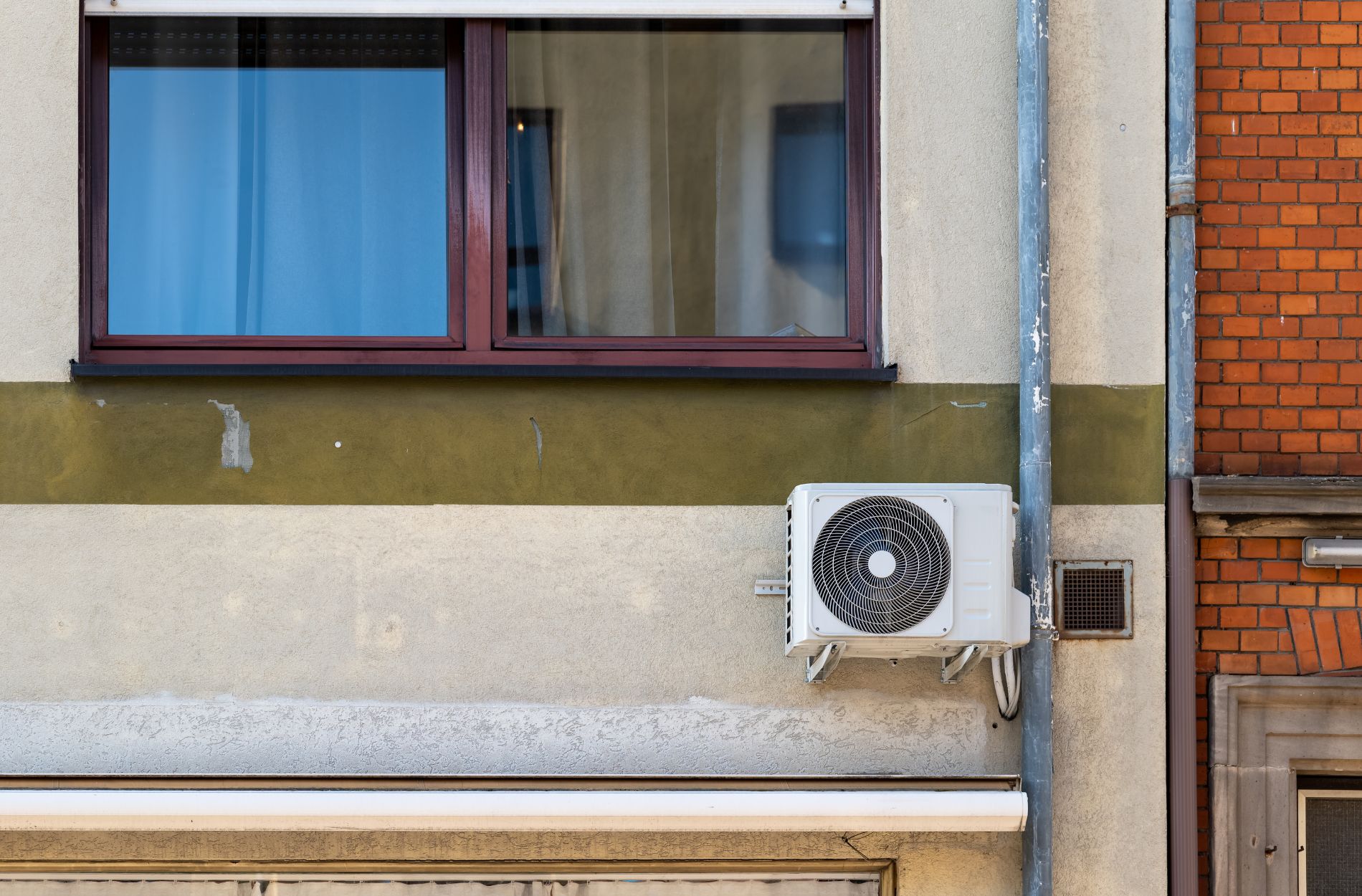
The type of heat pump system you choose has the biggest impact on total cost. Furnace King’s HVAC cost estimator currently puts a heat pump installation in Mississauga and the GTA at $5,000 to $15,000 before rebates (a planning range, updated June 2026). The figures for each type below are reference costs the City of Toronto publishes for Toronto homes (page updated March 6, 2026), before tax and without government funding, and they leave out any ductwork or electrical service upgrades. Your Furnace King quote may differ because it comes from an in-home assessment.
Single-Zone Ductless Mini-Split
Reference cost: about $4,000 to $6,000 per mini-split
A single indoor unit connected to one outdoor unit, heating and cooling a specific room or zone. Ideal for additions, converted garages, sunrooms, or supplementing an existing system in a problem area.
Multi-Zone Ductless Mini-Split
Reference cost: may be similar to the equivalent number of single mini-splits
One outdoor unit connected to 2–5 indoor units, each controlling a different zone. This is the go-to solution for homes without existing ductwork that want whole-home heating and cooling. Cost rises with the number of indoor heads.
Central Ducted Air-Source Heat Pump
Reference cost: about $4,000 to $6,000 as a hybrid with your furnace, or $14,000 to $22,000 as an all-electric system
A common choice for homes with existing ductwork. An all-electric system replaces both your furnace and air conditioner. A hybrid system replaces the air conditioner and works alongside your existing furnace; because the furnace covers the coldest days, the heat pump can be smaller and simpler, and the City of Toronto’s reference cost is lower. Within each type, price also moves with equipment tier, from a builder-grade single-stage unit to a premium variable-speed cold-climate model like the Bosch IDS 2.0.
Ground-Source (Geothermal) Heat Pump
Reference cost: up to about $30,000 for a single-home retrofit (3.5 to 4 tons)
Extracts heat from the ground rather than the air, delivering the highest efficiency of these system types, according to the City of Toronto. The high cost comes from the ground loop installation — drilling vertical boreholes or trenching horizontal loops in your yard. Furnace King’s heat pump services page puts ground-source systems at $20,000 to $40,000 or more. The City of Toronto lists new construction and larger detached homes and properties as the best fit.
Cost Comparison Table by System Type
| System Type | Reference Cost (City of Toronto) | Best For |
|---|---|---|
| Single-zone ductless | About $4,000–$6,000 per mini-split | Single rooms, additions |
| Multi-zone ductless | May be similar to the equivalent number of mini-splits | Homes without ducts |
| Central ducted, hybrid (keeps your furnace) | About $4,000–$6,000 | Homes with a newer furnace and existing ducts |
| Central ducted, all-electric | About $14,000–$22,000 | Existing ducts, no furnace kept |
| Ground-source | Up to about $30,000 | New builds, larger properties |
All prices in Canadian dollars (CAD). Source: City of Toronto, Heating & Cooling with a Heat Pump, updated March 6, 2026. Reference costs are before tax and without government funding, and they exclude ductwork and electrical service upgrades. Furnace King’s own planning range for a heat pump installation in Mississauga and the GTA is $5,000 to $15,000 before rebates (see our HVAC cost estimator, updated June 2026), and our heat pump services page lists ground-source systems at $20,000 to $40,000 or more.
What Factors Affect the Price of Your Heat Pump?
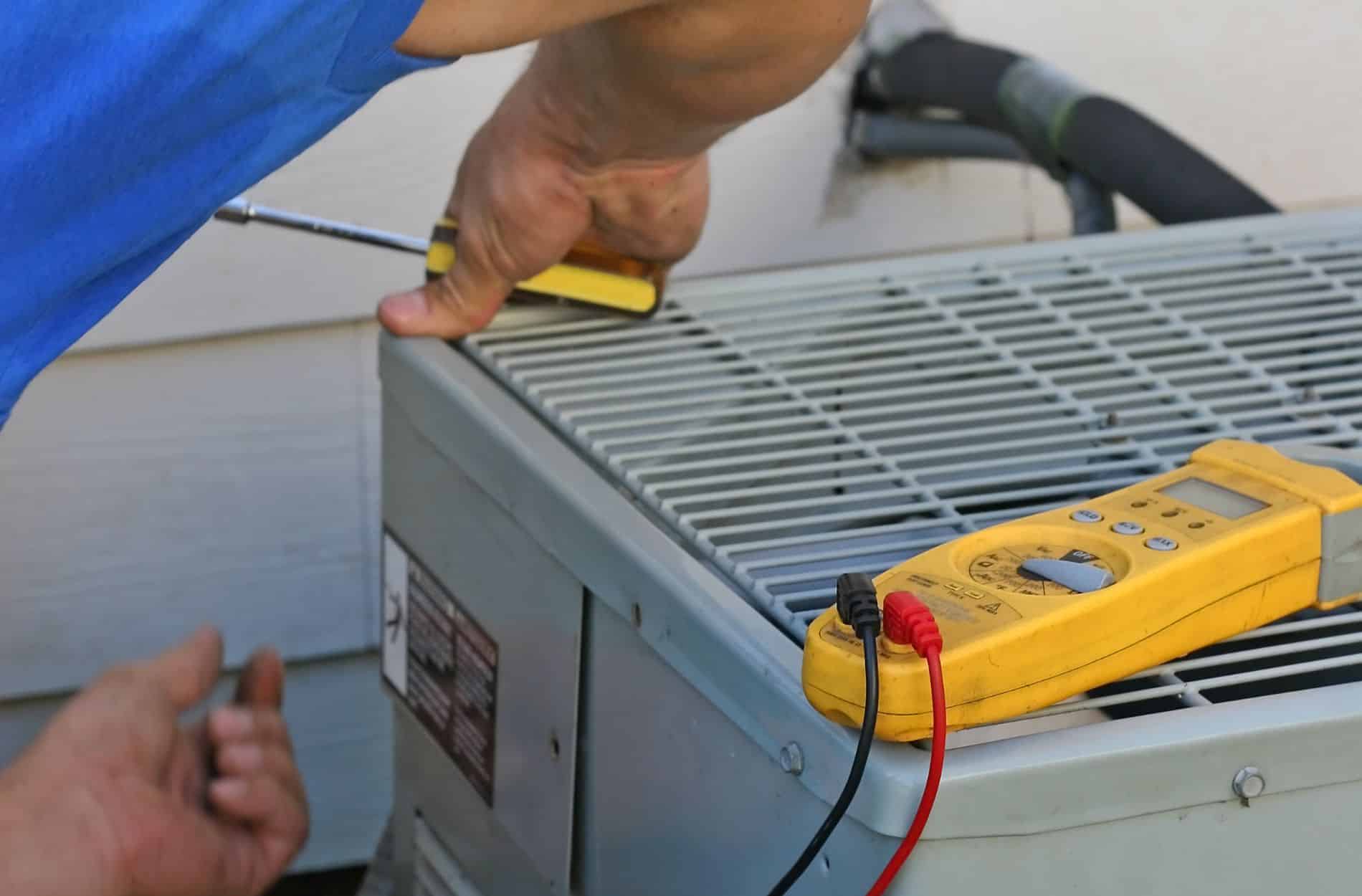
Two identical-looking homes on the same street can get quite different heat pump quotes. Here’s why:
Home Size and Heating Load
Larger homes generally need larger heat pumps (measured in tons of capacity), and larger units cost more. The right size depends on your home’s heating and cooling load, not square footage alone. Proper sizing through a Manual J load calculation is critical — both oversizing and undersizing waste money.
Brand and Efficiency Rating
Higher-efficiency units cost more upfront but deliver lower monthly energy bills. Premium variable-speed models from brands like Bosch or Trane also run quieter, last longer, and provide better humidity control.
Existing Ductwork Condition
If your current ductwork is in good shape, installation is straightforward. But if ducts are leaking, undersized, or poorly routed, modifications are needed. The City of Toronto notes that its reference costs do not include ductwork upgrades, which are sometimes required. Skipping this step wastes energy and undermines the heat pump’s efficiency.
Electrical Panel Capacity
Heat pumps require a dedicated 240V circuit. If your electrical panel is already near capacity (common in older homes), you may need a panel upgrade. The City of Toronto says an electrical service upgrade to 200 amps, which may be needed especially when a system has full electric resistance back-up, may cost an additional $3,500 to $5,000. It is a one-time cost that also future-proofs your home for EV charging and other electrical upgrades.
Installation Complexity
Multi-storey homes, difficult outdoor unit placement (tight spaces, noise-sensitive locations), long refrigerant line runs, and municipal permit requirements all affect labour costs. A straightforward replacement on a single-storey home with easy equipment access is always less expensive than a complex installation in a multi-level home.
Permit Costs
In Mississauga, the City’s list of projects that need a building permit includes a heating, ventilation and air conditioning (HVAC) system; it does not name heat pumps specifically. The City’s building permit fee schedule (PDF) for February 1, 2026 to January 31, 2027 lists a flat $244 for furnace replacement and for full heating system replacement in a house, which is also the minimum fee for a residential permit, and it has no separate line for heat pumps. Ask the City or your installer which fee applies to your project, because other municipalities set their own permit rules and fees. Furnace King handles permits and inspections as part of a heat pump installation, and any installer you hire should do the same: if a company suggests skipping the permit, that’s a red flag.
Ontario Heat Pump Rebates That Can Reduce Your Cost
Rebate programs change, so this section follows the official program pages rather than older promotions. We last checked them on October 2, 2026. The main program for Ontario homeowners is Home Renovation Savings, delivered by Enbridge Gas and Save on Energy with support from the Government of Ontario.
Home Renovation Savings
For an eligible cold-climate air-source heat pump, the program’s heat pump page lists a rebate per ton of capacity, up to a maximum. The amount depends on how you heat your home today:
| How you heat your home now | Rebate rate | Maximum |
|---|---|---|
| Natural gas (Enbridge Gas customer) | $500 per ton | Up to $2,000 |
| Electricity, oil, propane or wood | $1,250 per ton | Up to $7,500 |
Rates are calculated on the system’s minimum rated heating capacity at 8.3°C (47°F). Ground-source (geothermal) systems have separate rebates: $3,000 for natural-gas homes, or $2,000 per ton up to $12,000 for homes heated with electricity, oil, propane or wood.
The program’s page also sets these conditions:
- Pre-approval is mandatory. A participating HVAC contractor submits your pre-installation application, and installations done before approval are not eligible.
- The heat pump must be on NRCan’s qualified products list. Cold-climate air-source and water-to-air ground-source models must be active models on that list.
- You must own the home. It must be a single detached, semi-detached, row house, townhome or mobile home on a permanent foundation, and new-build homes (occupied six months or less) do not qualify.
- No home energy assessment is required for the heat pump rebate.
- The rebate arrives by cheque. After installation, your contractor submits a post-installation application, and the cheque should arrive by mail within 60 days of approval.
Other conditions apply to specific rebates. See the program’s terms and conditions for the detailed eligibility requirements.
Amounts and rules are set by the program and can change, so confirm them on the Save on Energy program page before you sign. Because the rebate depends on your heating source and the size of the system, we cannot quote a net cost until we know both.
Canada Greener Homes Grant: Closed
The federal Canada Greener Homes Grant is closed. According to Natural Resources Canada, applications were open from May 2021 to February 2024, and December 31, 2025 was the final day for existing applicants to upload their documents. NRCan’s notice on the closed grant points to other programs and funding directories.
Energy Affordability Program (Income-Eligible Households)
Save on Energy’s Energy Affordability Program offers free cold-climate air-source heat pumps, including the assessment and installation, to income-eligible households with electric or oil heating. It is separate from the rebate above and has its own eligibility rules, so check the program page before you count on it.
What This Means for Your Budget
Rebates reduce the cost of a heat pump, but they do not replace the quote. The Home Renovation Savings cheque is mailed after your post-installation application is approved, so ask any installer how timing and invoicing will work, and confirm they are a participating contractor before you accept a quote.
What’s Included in the Installed Price — and What Isn’t
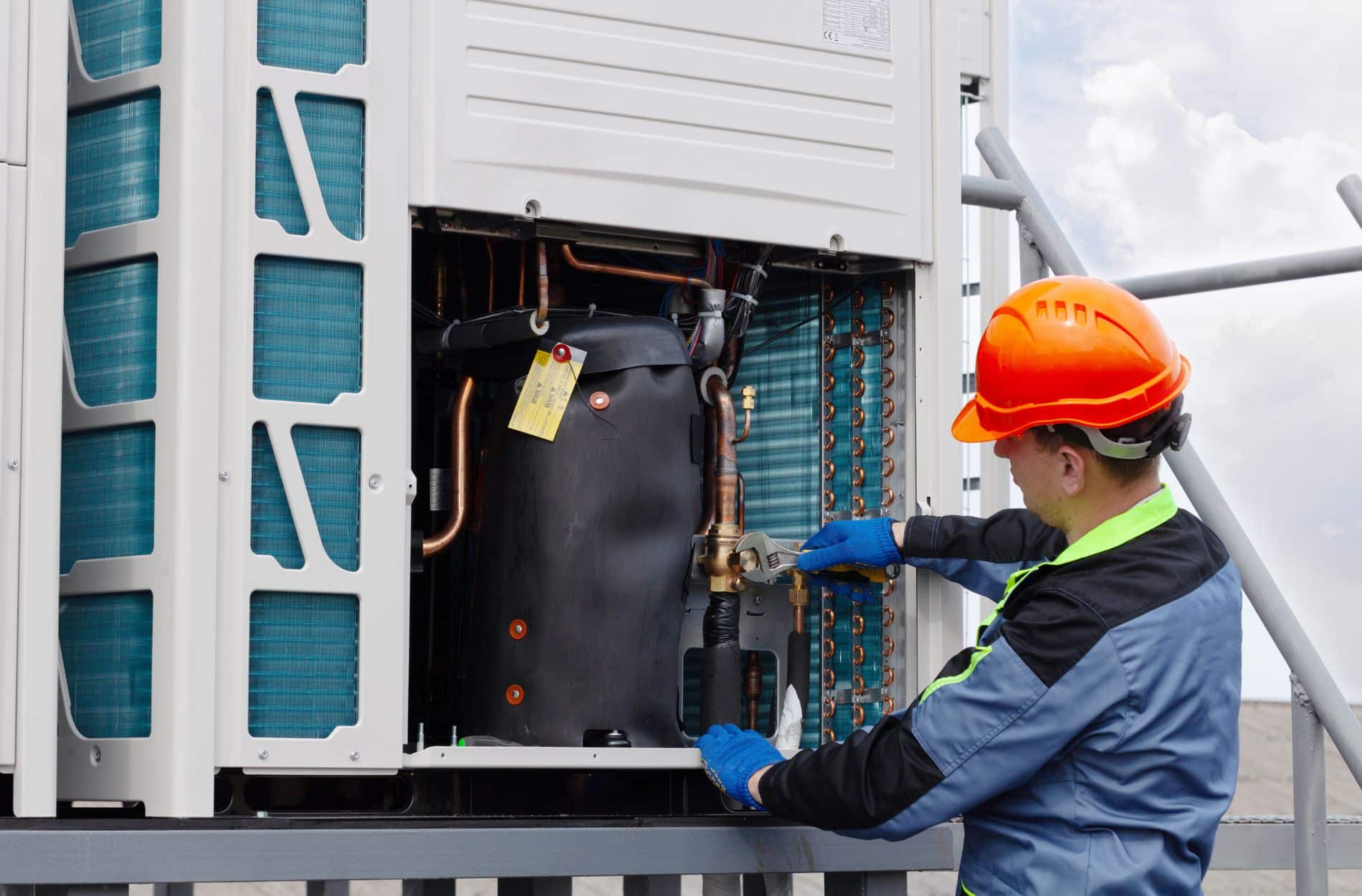
When comparing quotes, make sure you’re comparing apples to apples. Furnace King’s heat pump services page describes an installation this way:
What Furnace King includes with a heat pump installation:
- Free in-home site assessment and Manual J sizing
- Expert equipment selection (Bosch, Trane, Amana, KingHome)
- Refrigerant, condensate, duct and electrical connections
- Permits and inspections, handled by us
- Rebate paperwork for eligible projects
- Commissioning: testing of heating, cooling, airflow, refrigerant setup, defrost and controls
- A walkthrough showing you how to operate and maintain the system
Items that may add to the cost:
- Electrical service or panel upgrade, if needed (City of Toronto puts a 200-amp service upgrade at about $3,500 to $5,000)
- Ductwork modifications, if the assessment finds they are needed
- New refrigerant line routing
- Difficult access to the equipment location
We identify all potential add-ons during our free in-home assessment so there are no surprises on installation day.
Financing Options
We understand that even with rebates, a heat pump is a significant investment. Furnace King offers financing on certain furnaces and air conditioners, and at times runs promotions such as no-interest periods on qualifying units. Offers change through the year and not every product qualifies, so ask whether a heat pump qualifies for any current offer when you request your quote. Our frequently asked questions page also covers payment plans.
How to Get the Best Price on a Heat Pump in Ontario
A few practical tips to keep your costs in check:
- Get multiple quotes — but compare the details, not just the bottom line. The cheapest quote often cuts corners on installation quality or uses lower-tier equipment.
- Get rebate pre-approval before you start — Home Renovation Savings requires it for heat pump rebates.
- Book outside peak season — Spring and fall are peak HVAC installation season. Booking in late winter or mid-summer may offer more scheduling flexibility and occasionally better pricing.
- Don’t oversize — A bigger unit isn’t better. Oversizing wastes money on unnecessary equipment capacity, increases energy consumption through short-cycling, and reduces comfort. Trust the Manual J calculation.
- Invest in efficiency — A higher-efficiency unit costs more upfront and uses less energy to run. Ask each installer for the efficiency rating of the equipment they quote so you can compare running costs as well as the purchase price.
For a quick estimate tailored to your home, try our free online HVAC cost estimator — it gives you an instant price range based on your system type, home size, and location.
Additional Resources
For more information from trusted sources:
- Home Renovation Savings: heat pump rebates
- Home Renovation Savings: heat pump contractor directory
- City of Toronto: heating and cooling with a heat pump
- City of Mississauga: building permit fee schedule
- Natural Resources Canada: heat pump basics
- Natural Resources Canada: Canada Greener Homes Grant (closed)
- Natural Resources Canada: air-source heat pumps and ENERGY STAR product lists
Frequently Asked Questions
What is the average cost of a heat pump in Ontario?
There is no single average, because the price depends on the system type and your home. Furnace King’s HVAC cost estimator puts a heat pump installation in Mississauga and the GTA at $5,000 to $15,000 before rebates. For reference, the City of Toronto lists approximately $4,000 to $6,000 per ductless mini-split, $4,000 to $6,000 for a hybrid system that keeps your furnace, $14,000 to $22,000 for an all-electric centrally ducted system, and up to $30,000 for a ground-source retrofit, all before tax and without government funding. Those figures do not include ductwork or electrical service upgrades. Furnace King’s heat pump services page puts ground-source systems at $20,000 to $40,000 or more because of the ground loop installation.
Are heat pumps worth the investment in Ontario?
For most Ontario homeowners, a heat pump is worth a close look. It can replace both your furnace and air conditioner, and Natural Resources Canada says heat pumps consume less energy to heat a home. Whether that lowers your bill depends on what you heat with now: NRCan says savings depend on the price of electricity compared with other fuels such as natural gas or heating oil, and its research on cold-climate air-source heat pumps found that where natural gas prices are low, their operating costs are more comparable to those of a conventional gas furnace. In a home that keeps its gas connection, the same research shows utility bills rising by $100 to $500 a year in Ontario, and says a gas-hybrid configuration may be more attractive. Rebates can help with the upfront cost too: Ontario’s Home Renovation Savings program pays a rebate on eligible cold-climate air-source models, and the amount depends on how you heat your home now and the size of the system. The same NRCan research found that cold-climate air-source heat pumps generate less greenhouse gas emissions than gas furnaces in Ontario.
What factors affect the price of a heat pump installation?
The main cost factors are: system type (ducted vs. ductless, single-zone vs. multi-zone), capacity/size (measured in tons, matched to your home’s square footage and insulation), brand and efficiency rating (higher SEER/HSPF units cost more upfront but save on energy), existing ductwork condition (duct modifications add to the cost), electrical panel capacity (an upgrade may be needed), and installation complexity (multi-storey homes, difficult outdoor unit placement).
Does a rebate cover the full cost of a heat pump in Ontario?
No. Ontario’s Home Renovation Savings program pays a set amount per ton up to a maximum, so it reduces the cost rather than covering all of it. For an eligible cold-climate air-source heat pump, natural-gas homes (Enbridge Gas customers) receive $500 per ton, capped at $2,000, while homes on electricity, oil, propane or wood receive $1,250 per ton, capped at $7,500. Pre-approval is required before installation. The federal Canada Greener Homes Grant is closed.
Get Your Free, No-Obligation Heat Pump Quote
Every home is different, and the only way to get an accurate price is with a proper in-home assessment. Furnace King provides free estimates that include a Manual J load calculation, equipment recommendations tailored to your home, a clear breakdown of all costs with no hidden fees, and help with the Home Renovation Savings pre-approval. Furnace King is listed in the program’s heat pump contractor directory for ductless and centrally ducted cold-climate air-source heat pumps (checked October 2, 2026), so we can submit the pre-installation application for an eligible project.
We serve Mississauga, Brampton, Etobicoke, Oakville, and the surrounding GTA. Whether you’re replacing an aging furnace, adding cooling to a home that doesn’t have it, or looking to reduce your energy bills and carbon footprint, we’ll help you find the right heat pump solution at a price that works for your budget.
Call Furnace King at (905) 564-5464 or request your free estimate online — honest advice and transparent pricing.