
A burst pipe or a failed supply line does not wait for a convenient time, and the difference between a minor cleanup and thousands of dollars in water damage often comes down to how quickly the water gets shut off. Every GTA homeowner should know exactly where their main water valve is and how to close it before an emergency happens, not while water is actively spreading across a basement floor. This guide covers how to find your shutoff, how to operate it, and what to do once the water is off.
Why This Is Worth Knowing Before You Need It
In an actual emergency, adrenaline is not a great teacher. Homeowners who have never located their main shutoff often waste critical minutes searching a basement, calling a family member, or waiting for a plumber to arrive, all while water keeps flowing. Knowing the location and operation of your valve in advance turns a stressful scramble into a thirty-second task, and it is one of the simplest, lowest-cost pieces of home preparedness there is.
Where to Find Your Main Water Shutoff
The exact location varies by home, but a few spots cover most GTA properties:
- Near the water meter. In most homes, the main shutoff sits close to where the municipal water meter is installed, often in a basement utility area, a mechanical room, or occasionally a main-floor closet in homes without a basement.
- Where the water line enters the house. Follow the main supply line from the street side of the basement wall or foundation inward; the shutoff valve is almost always on that line before it branches off to individual fixtures.
- Near the water heater or furnace. In many homes, plumbing and heating equipment cluster in the same mechanical area, so the main shutoff is frequently within a few feet of the water heater or furnace.
- At the curb or property line, as a backup. Nearly every property also has a municipal curb stop valve near the street, which the city controls, but which a plumber or, in some cases, the homeowner with the right tool can use if the interior shutoff fails or cannot be found.
Two Common Valve Types, and How to Close Them
Once you find the valve, how you close it depends on the type installed:
- Ball valve (lever handle). Common in newer homes and recent plumbing upgrades. A quarter turn of the lever, roughly ninety degrees, so it sits perpendicular to the pipe, shuts the water off completely. These are fast and require very little force.
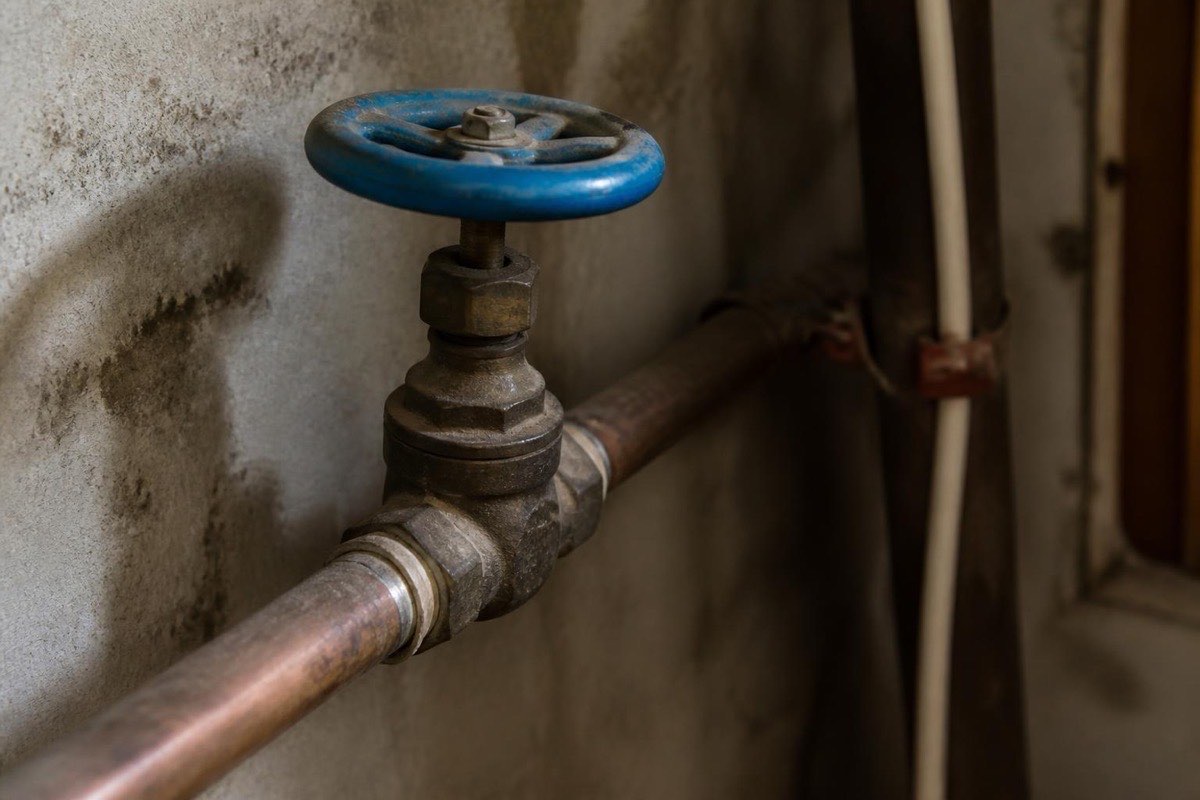
- Gate valve (round wheel handle). More common in older GTA homes that have not had their plumbing updated. Turn the wheel clockwise, the classic “righty tighty” direction, until it stops. Gate valves can take several full rotations to close, and older ones sometimes stick or feel stiff from years of not being touched.
Test It Once a Year, Not Just During an Emergency
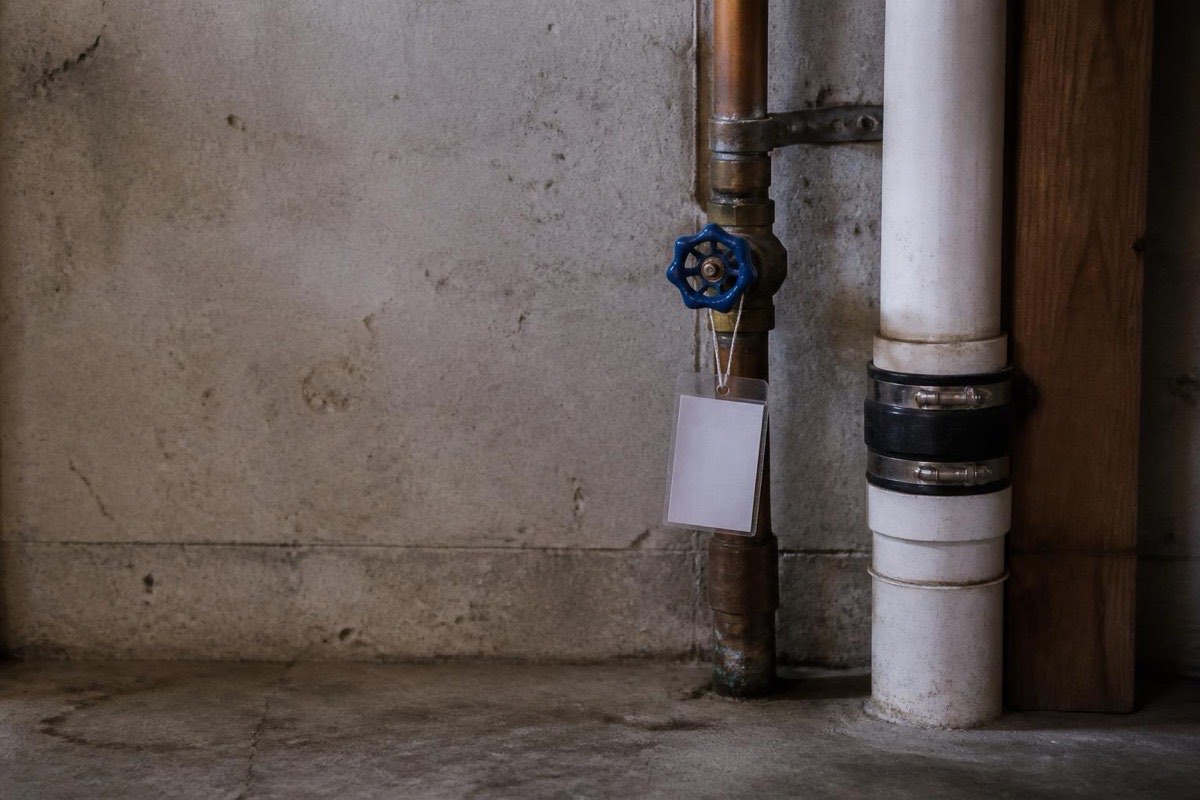
A valve that has not been touched in a decade can seize, leak once turned, or simply be harder to close than expected under pressure. Once a year, ideally at the same time you are already thinking about seasonal home maintenance, turn the main valve fully off, run a tap to confirm the water actually stops, then turn it back on. If the valve feels frozen, drips once turned, or will not fully stop the flow, that is worth having a plumber address on a normal, non-emergency visit rather than discovering it mid-crisis. This is also a good moment to label the valve clearly, with a tag or even a piece of tape and marker, so anyone in the household, not just whoever normally handles home maintenance, can find and use it under pressure.
What to Do After You’ve Shut the Water Off
Closing the main valve stops new water from entering the system, but there is usually still water in the pipes above the point of the leak. Open a few taps, particularly the lowest one in the house and the highest one, to let residual water drain out and relieve pressure in the lines. If the emergency involves a water heater, turn off its power or gas supply as well, since a tank left heating with no water flow can be damaged. Once the immediate flow is stopped, take a moment to photograph the affected area for insurance purposes before starting any cleanup.
When Shutting Off the Water Isn’t the End of the Job
Closing the valve buys you time, but it does not fix a broken pipe, a failed water heater fitting, or a cracked supply line, and running the household with no water is not a long-term solution. A handful of situations call for our emergency service team even after you have successfully shut the water off:
- A visible burst or split section of pipe, especially anything inside a wall or ceiling
- Water damage that is already spreading into finished areas of the home
- A water heater that is leaking from its tank rather than a fitting
- Any sign of sewage backup alongside the water issue
- A shutoff valve that will not fully close, leaving some flow even after you’ve turned it
Older vs. Newer GTA Homes: What to Expect
Established neighbourhoods across Etobicoke, Mississauga, and older sections of Toronto and Brampton often still have original gate valves that are decades old, and it is common for these to be stiffer or less reliable than a modern ball valve. If your home falls into this category and you have never tested the shutoff, it is worth doing so on a calm day rather than assuming it will work perfectly the first time it truly matters. Newer builds and homes that have had plumbing upgrades typically have a ball valve installed, which is faster to operate and generally more reliable, but even a good valve benefits from an annual test simply so everyone in the household knows where it is.
Frequently Asked Questions
What if I can’t find my main shutoff valve?
If you search the usual spots, near the water meter, water heater, or where the main line enters the house, and still cannot locate it, a plumber can identify and, if needed, label it during a routine visit so it is ready before you ever need it in an emergency.
Should every adult in the house know how to do this?
Yes. A plumbing emergency does not wait for whoever normally handles home maintenance to be present, so it is worth walking every adult household member through the valve’s location and how to close it.
Is it normal for an old valve to be hard to turn?
It is common, but not something to ignore. A valve that is difficult to operate may need replacement before it is relied on in an actual emergency.
Does shutting off the main valve also stop my water heater from running?
It stops water from flowing into the tank, but the heater itself may keep trying to heat the water already inside, which is why we recommend also shutting off its power or gas supply during a real emergency.
Can I shut off the curb valve at the street myself?
In most GTA municipalities, the curb stop is considered municipal infrastructure and is meant to be operated by the city or a licensed plumber with the correct tool, so the interior shutoff should be your first line of defence.
Not sure where your main shutoff is, or whether it would actually work if you needed it tonight? Our plumbing team can locate, test, and label it during a routine visit, and our emergency service is available if you’re dealing with a leak right now. Call Furnace King Home Services at (905) 564-5464 or reach us through our contact page.