How to Detect a Hidden Water Leak Before It Damages Your Richmond Hill Home
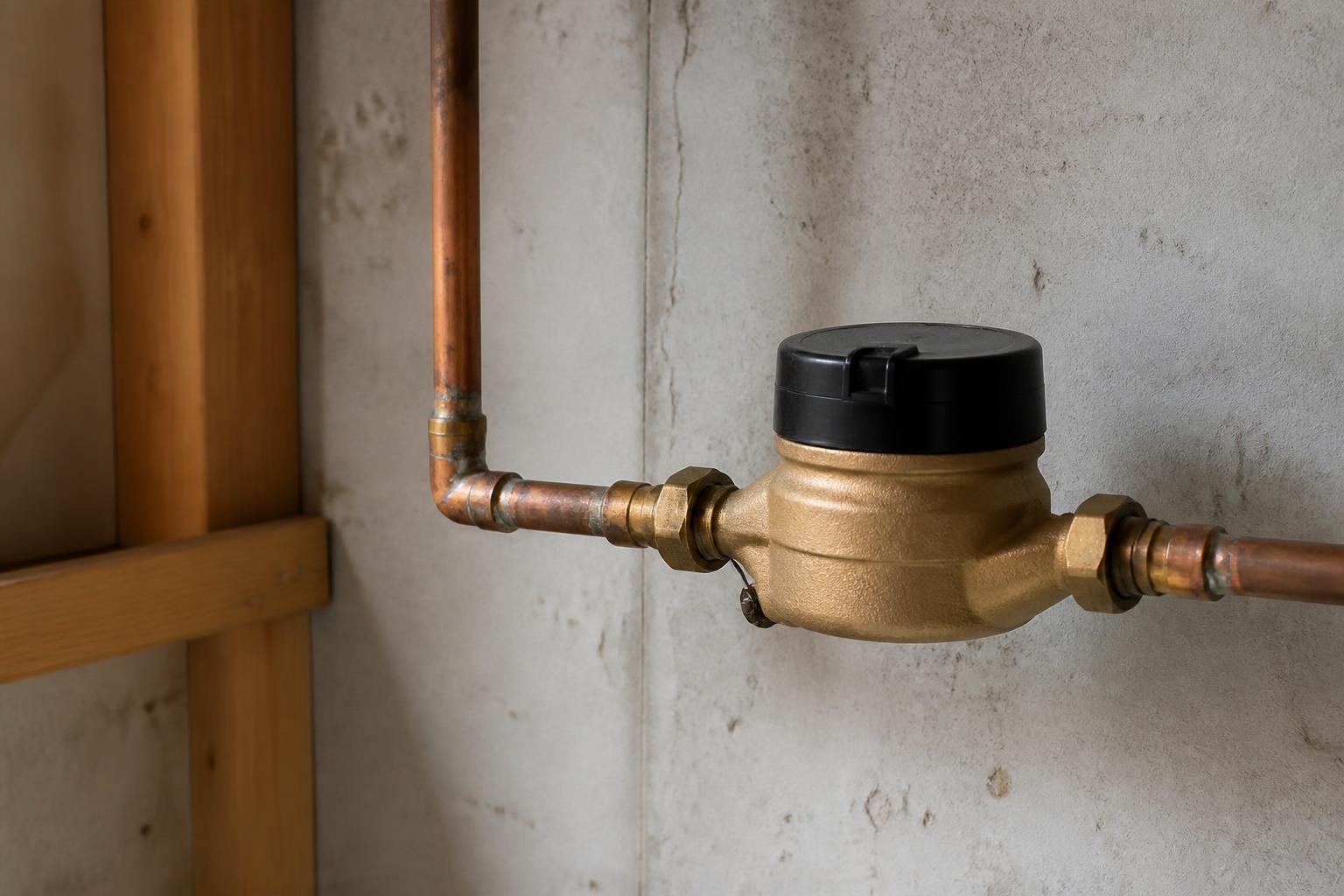
A leak you can’t see can still cause real damage. Learn the signs of a hidden water leak and how Richmond Hill homeowners can catch one early.
Continue readingA leak you can’t see can still cause real damage. Learn the signs of a hidden water leak and how Richmond Hill homeowners can catch one early.
Continue reading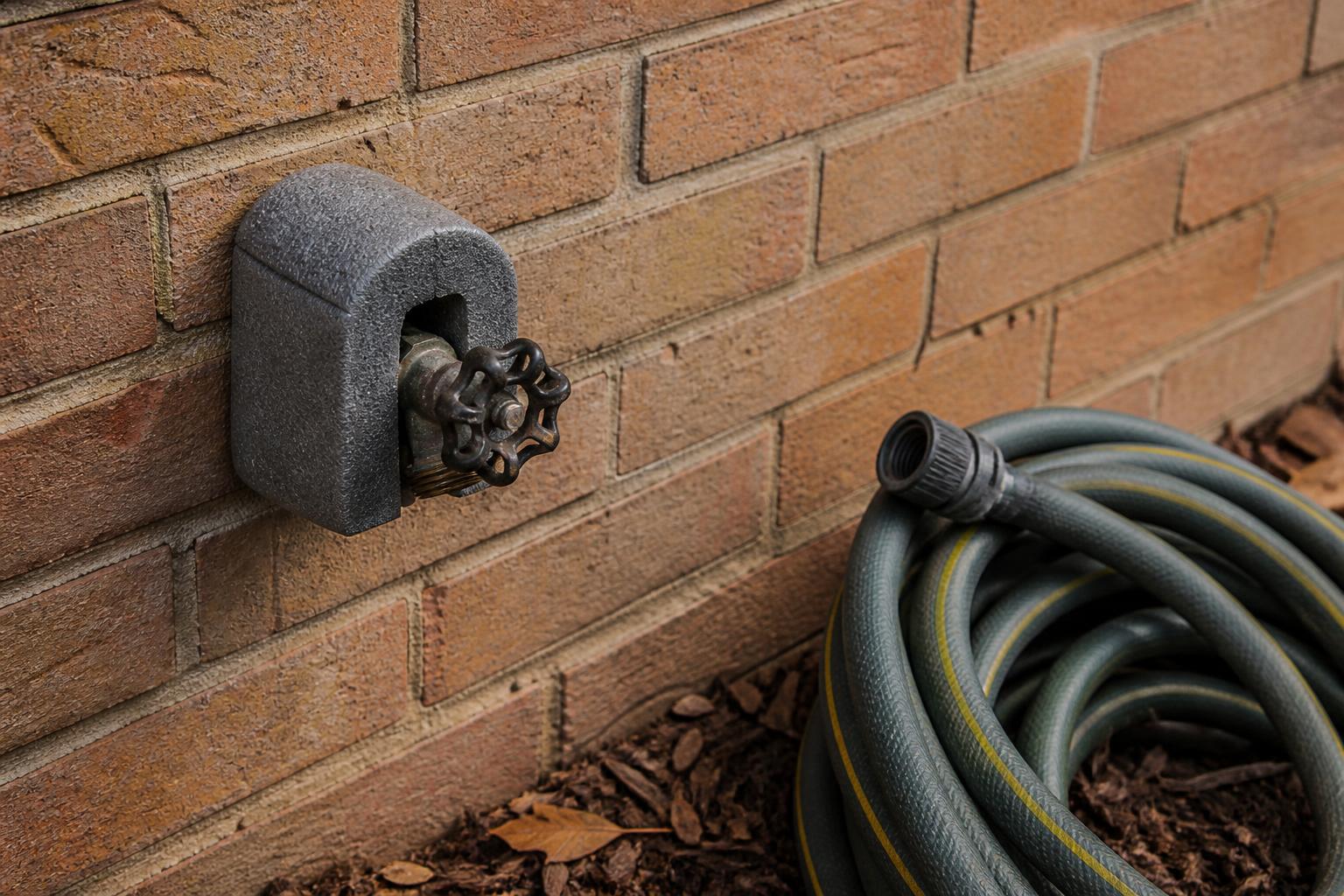
Outdoor faucets and exposed pipes need prep before a GTA freeze. Here’s the step-by-step winterizing checklist we walk homeowners through.
Continue reading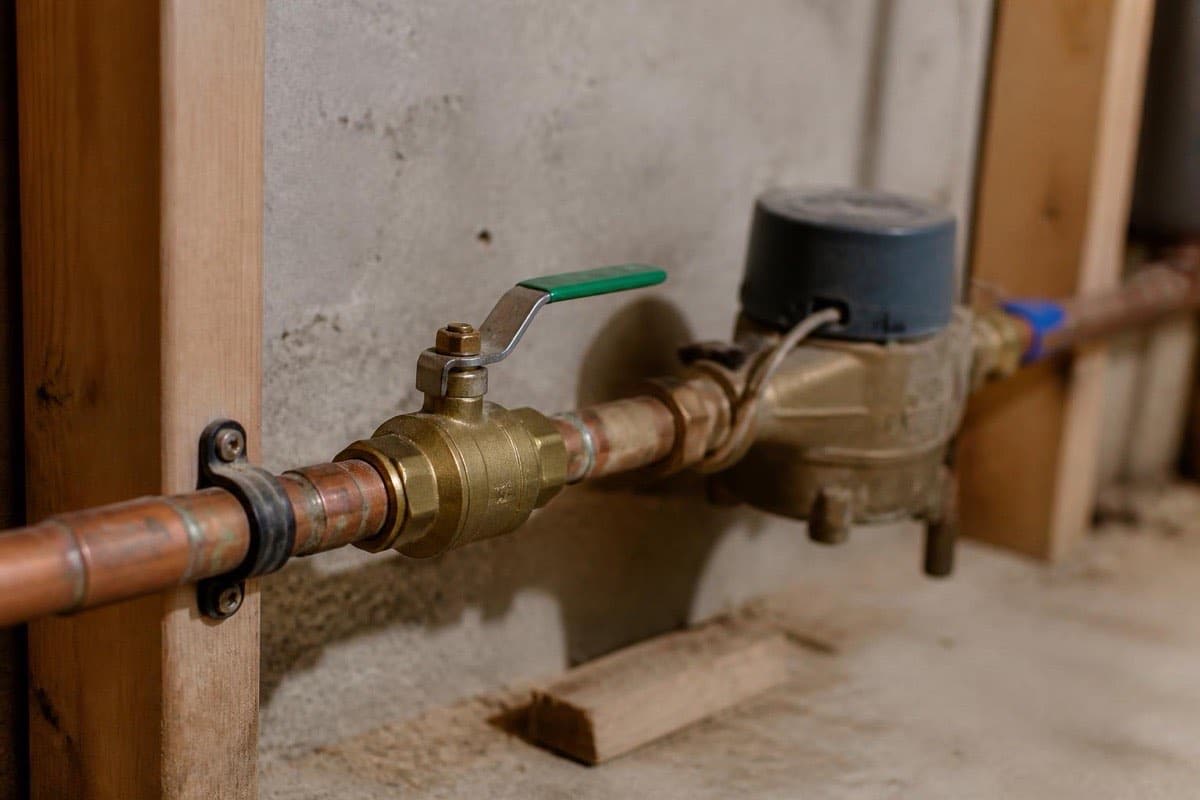
Every GTA homeowner should know where their main water shutoff is before an emergency. Here’s how to find it, test it, and use it under pressure.
Continue reading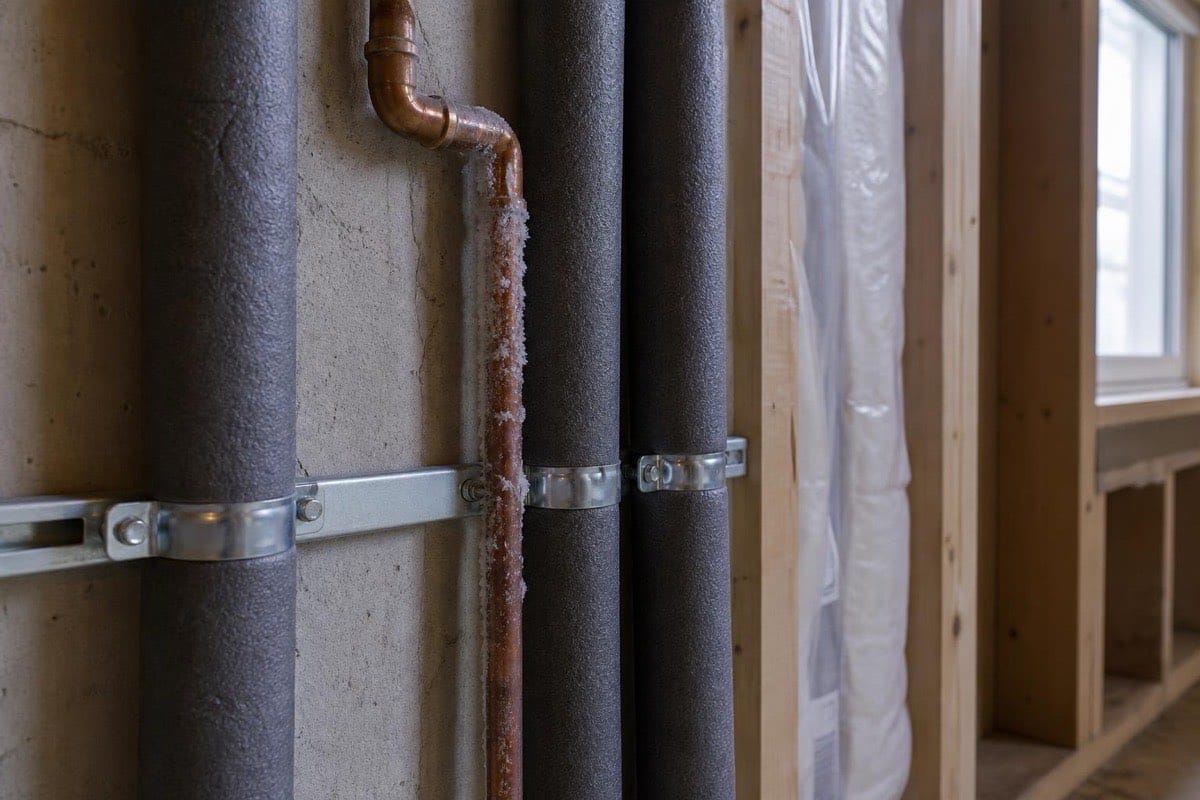
Practical steps Milton homeowners can take before winter to prevent frozen pipes, plus warning signs and what to do if a pipe already froze.
Continue reading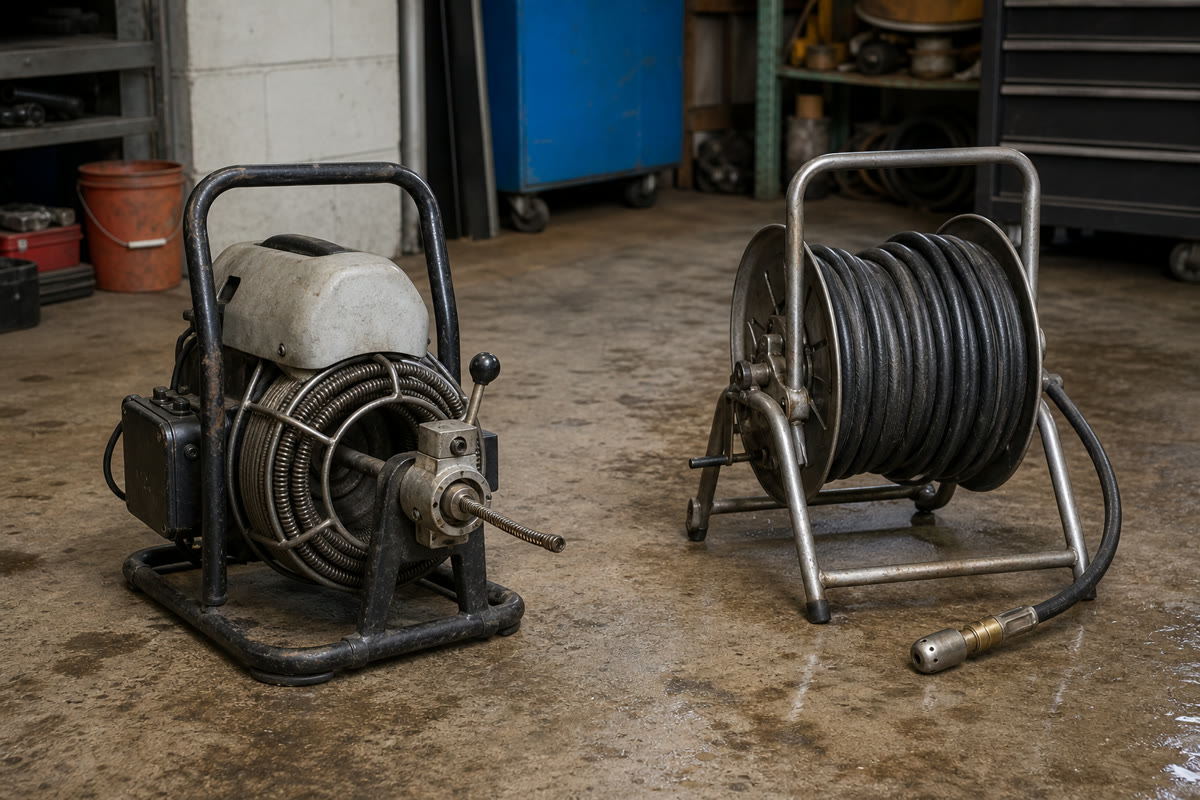
Compare hydro jetting and drain snaking for common clogs, recurring buildup, pipe condition, inspection needs, limits, and professional plumbing decisions.
Continue reading
Every spring and summer in the Greater Toronto Area, the rain arrives in earnest, and the ground around your foundation goes from frozen to fully saturated in a matter of weeks. When the water table rises and the storms roll through Mississauga, the small pump sitting in your basement pit becomes one of the most important pieces of equipment in your home. Good sump pump maintenance is what stands between a dry, usable basement and a costly flood, yet it is one of the easiest things for a busy homeowner to forget until the water is already rising.
Our team at Furnace King Home Services has helped a lot of local families recover from basement flooding, and the pattern is almost always the same: the pump had been quietly running for years without a second look, and it failed at the worst possible moment. In this guide, we will walk you through how a sump pump actually protects your basement, why proactive maintenance matters ahead of Ontario’s wettest months, and the simple steps you can take now to make sure your system is ready when the next storm hits.
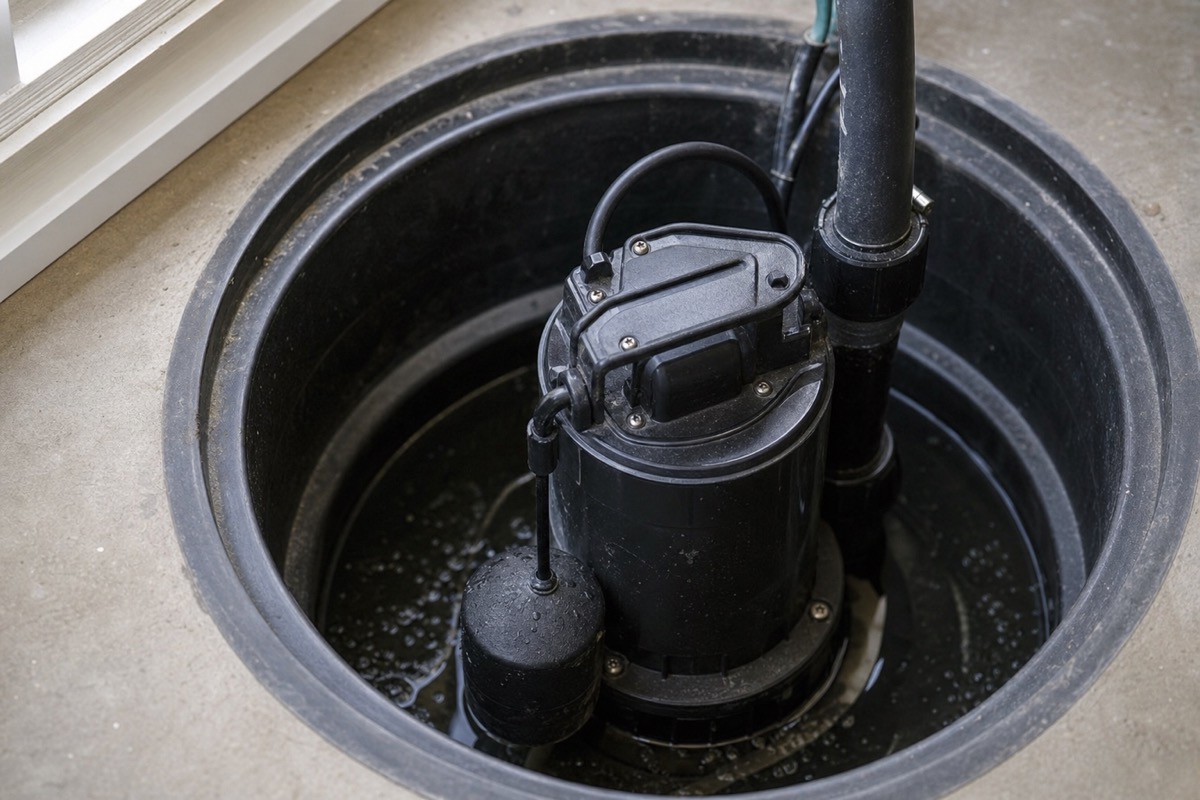
A sump pump lives in a pit, called a sump basin, at the lowest point of your basement or crawl space. As groundwater builds up around your foundation, it collects in that pit. When the water reaches a set level, a float switch triggers the pump, which pushes the water up through a discharge pipe and safely away from your home. The cycle repeats as often as needed, quietly keeping the water table below your basement floor.
In a place like Mississauga, where clay-heavy soil holds moisture and spring melt combines with heavy summer downpours, that constant, invisible work is exactly what keeps finished basements, storage areas, and mechanical rooms dry. When the pump is doing its job, you never think about it. That is precisely why it is so easy to neglect, and why a failure during storm season can catch a family completely off guard.
The worst time to discover a problem with your pump is during a downpour, when the pit is filling faster than you can bail it out. Sump pump maintenance is about finding and fixing weak points on a calm, dry day instead of during an emergency. A pump that has sat idle over a dry stretch can seize up, a float switch can stick, and a discharge line can clog with debris or freeze shut over the winter, and none of these problems announce themselves until the system is under real load.
Ahead of the spring and summer storm season, a short maintenance routine gives you the chance to confirm every part of the system still works together. It also tells you whether your pump is aging toward the end of its life, so you can plan a replacement on your own schedule rather than scrambling after a flood. A little attention now protects your flooring, your belongings, and the healthy air quality that basement moisture and mould can quickly ruin.
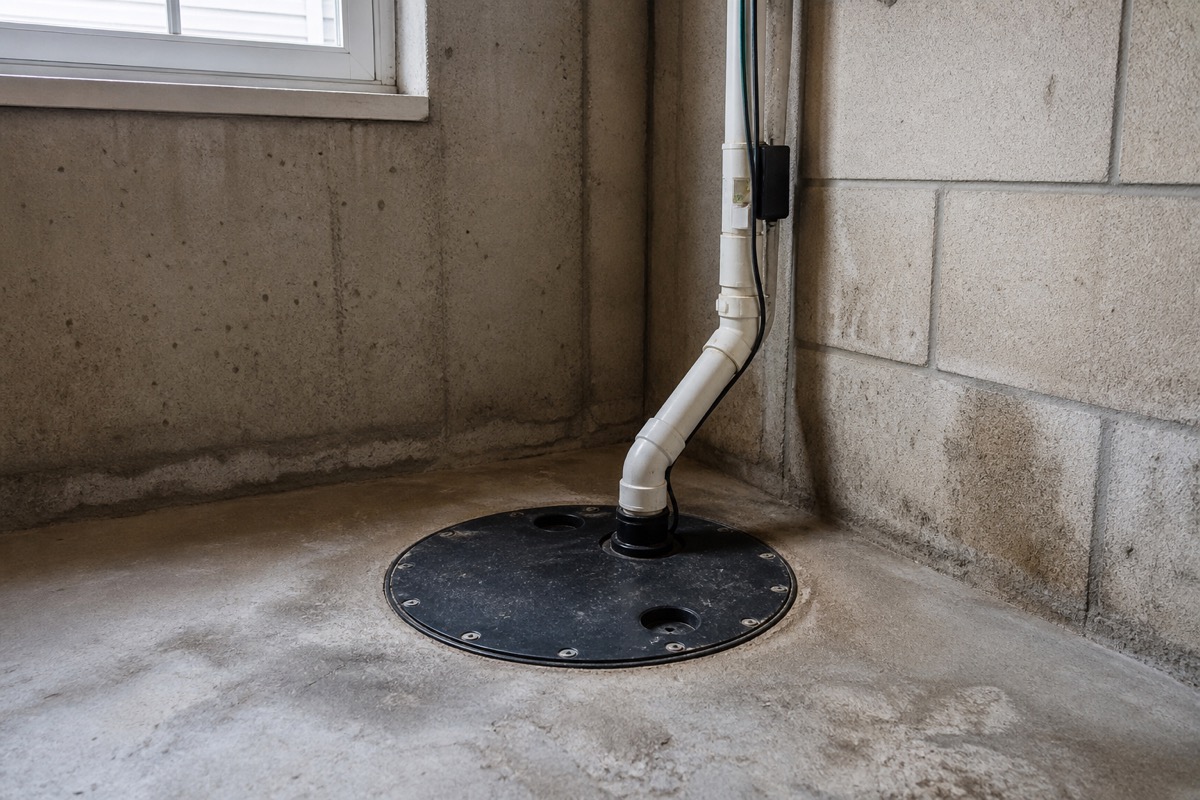
You can complete most of this checklist yourself in under an hour with basic tools and a bucket of water. We recommend running through it at least once in early spring and again mid-season if we have had a stretch of heavy rain.
Here is the hard truth about storm season in Ontario: the heaviest rain often arrives with the same storms that knock out the power. A standard sump pump runs on household electricity, so a blackout during a downpour leaves your primary pump dead exactly when you need it most. This is why we so often recommend a battery backup system or a secondary pump as part of a complete basement protection plan.
A battery backup keeps your pump running through an outage, buying you critical hours until the power returns. A dedicated backup pump adds a second layer of protection, taking over if the primary unit fails or cannot keep up with an unusually heavy inflow. For finished basements, home offices, or any space where flooding would be especially costly, that redundancy is one of the smartest investments a Mississauga homeowner can make. Our team is happy to walk you through the options and help you choose a setup that fits your home and your budget.
Even a well-maintained pump gives off warning signs before it fails outright. Watch and listen for these red flags between your regular checkups:
Some of this maintenance is well within reach for a hands-on homeowner, but there is a point where professional help pays for itself. If your pump is failing to keep up, if you are dealing with recurring water in the basement, or if you want a backup system installed and tested correctly, our licensed plumbers can inspect the full system and make sure it is storm-ready. You can explore our full range of plumbing services to see how we support Mississauga homes, and when water is already coming in, our emergency services team is ready to respond fast. Whenever you are unsure, it is always worth a quick call before a small issue becomes a flooded basement.
We recommend testing your pump at least twice a year, with the most important check happening in early spring before the heavy rain and snowmelt arrive. If we go through an especially wet stretch of summer storms, it is worth pouring a bucket of water into the pit mid-season to confirm everything still cycles the way it should.
Most sump pumps serve a home for roughly seven to ten years, though the exact lifespan depends on how often the pump runs and how well it is maintained. If your pump is approaching that age, planning ahead for a replacement is far less stressful than facing a failure in the middle of a storm. A quick inspection can tell you whether yours is nearing the end of its service life.
If your basement is finished or you store anything valuable down there, a battery backup is well worth considering. The strongest storms in our area are exactly the ones that tend to cause power outages, and a backup keeps your pump running when the grid goes down. It is one of the most reliable ways to protect against flooding during the very conditions that put your basement at the greatest risk.
Storm season does not wait, and neither should your maintenance. If you would like our team at Furnace King Home Services to inspect your sump pump, install a battery backup, or get your basement flood-ready before the next big rain, call us at (905) 564-5464 or reach out through our contact page. We are proud to help Mississauga homeowners keep their basements dry.

Review common plumbing warning signs in Mississauga homes and when to call Furnace King for professional plumbing help.
Continue reading
Discover expert tips to prevent plumbing emergencies in Mississauga homes. Learn signs, maintenance, and when to call pros. Stay protected year-round.
Continue reading
Discover practical tips to prevent plumbing emergencies in Mississauga. Learn maintenance strategies and warning signs from Furnace King Home Services.
Continue reading
Spotting drain warning signs early can prevent plumbing emergencies. Learn what to watch for and when to call a professional plumber.
Continue reading