
Every winter, the coldest week of the season brings a predictable spike in emergency calls from Milton homeowners dealing with a frozen or burst pipe. The good news is that frozen pipes are one of the most preventable plumbing emergencies there is. A handful of simple steps taken before the deep freeze arrives can save you a stressful, expensive repair and the water damage that often comes with it. This guide covers why pipes freeze, which areas of a Milton home are most at risk, and the specific steps that make the biggest difference.
Why Pipes Freeze in the First Place
Water expands as it freezes, and that expansion is what causes a pipe to crack or split, not the ice blockage itself. The pressure builds between the ice blockage and a closed faucet, and something eventually gives, sometimes the pipe fitting, sometimes a joint, sometimes the pipe wall itself. Pipes most at risk are the ones exposed to cold air: lines running through unheated basements, crawlspaces, garages, and exterior walls, along with any outdoor hose bibs left connected through the winter.
Areas of a Milton Home Most Prone to Freezing
- Exterior wall plumbing, especially in older Milton homes where insulation behind the pipe run is thin or was installed to an older building standard
- Unheated basements and crawlspaces, particularly in homes with a walkout basement or a partially finished lower level where heating does not reach every corner
- Garage plumbing, common where a laundry hookup or utility sink sits along the garage wall
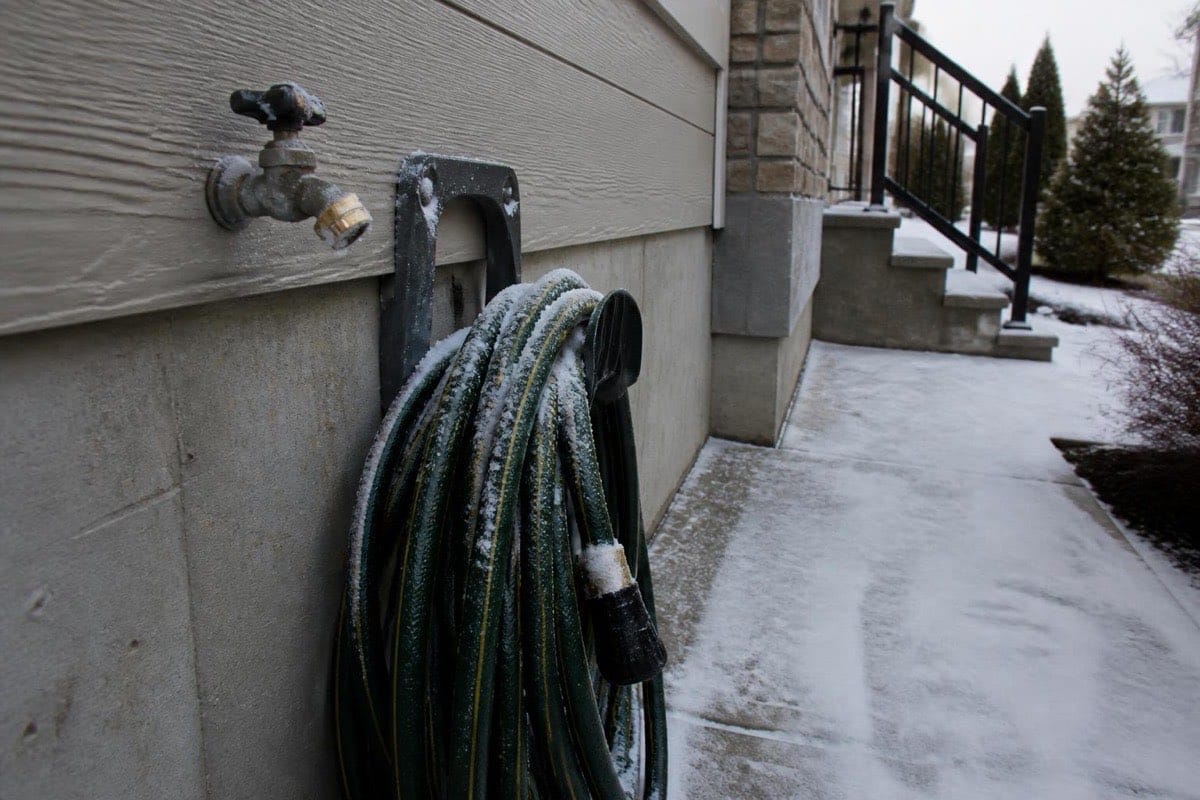
- Outdoor hose bibs and irrigation lines left connected or not properly shut off before the first hard freeze
- Vacant or lightly heated homes, including properties left unoccupied during a winter vacation with the thermostat turned down too far
Steps to Prevent Frozen Pipes Before the Cold Arrives
Most frozen-pipe emergencies are preventable with a short list of seasonal tasks completed before temperatures drop as part of routine plumbing services:
- Disconnect and drain outdoor hoses, and shut off the interior valve supplying exterior hose bibs if your home has one
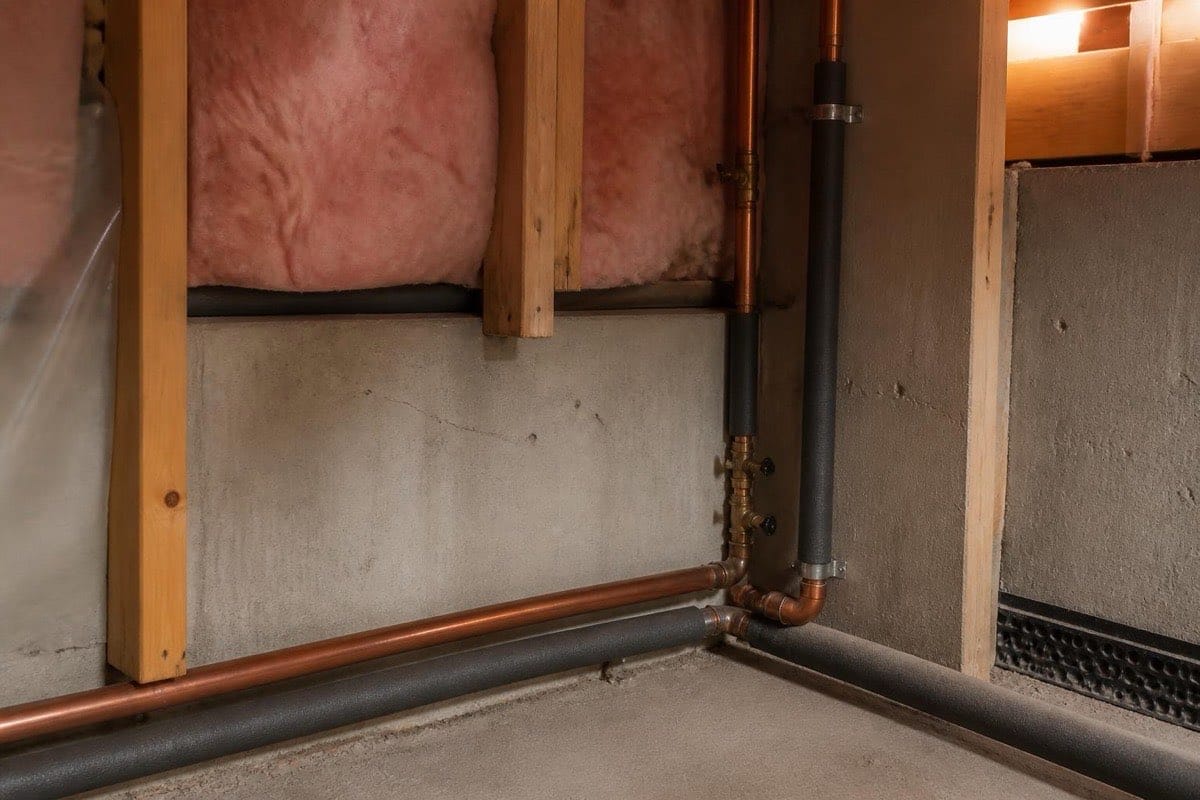
- Insulate exposed pipes in unheated basements, crawlspaces, and garages using foam pipe sleeves, which are inexpensive and simple to install
- Seal air leaks near where pipes pass through exterior walls, rim joists, or foundation penetrations, since cold drafts around a pipe are often the real cause of freezing rather than the ambient room temperature
- Keep cabinet doors open under kitchen and bathroom sinks on exterior walls during severe cold snaps, allowing household heat to reach the plumbing underneath
- Maintain consistent heat throughout the home, including areas you do not use often, rather than turning the thermostat down significantly while away
- Let faucets drip slightly on the coldest nights for fixtures fed by exposed or exterior-wall piping, since moving water is far less likely to freeze than standing water
Warning Signs a Pipe Is at Risk or Already Frozen
Catching a problem early can be the difference between a minor fix and a flooded basement. Watch for:
- A faucet that produces only a trickle or no water at all when other fixtures in the home work normally
- Frost visible on an exposed section of pipe
- Unusual gurgling or knocking sounds from the plumbing when the system is used
- A noticeably cold spot on a wall or floor near where plumbing runs
- Any bulging, cracking, or dampness along an exposed pipe
If you notice any of these signs, do not wait for the pipe to thaw on its own. Shut off the main water supply if you suspect a pipe has already split, and call our emergency service team before running water through a compromised line.
What to Do if a Pipe Has Already Frozen
If a fixture has stopped producing water during a cold snap, keep the faucet open so water and steam can escape once the blockage clears, and apply gentle heat to the suspected section of pipe, such as a hair dryer on a low setting or towels soaked in hot water. Never use an open flame or a high-heat tool directly on a pipe, since rapid, uneven heating can crack a pipe that is already under pressure from trapped ice. If you cannot find the frozen section, if the pipe is in a wall or ceiling, or if water does not return within a reasonable amount of time, it is safer to call a licensed plumber than to keep experimenting.
Why Milton’s Older and Newer Neighbourhoods Both Need a Winter Plan
Milton’s mix of long-established properties and newer subdivisions means winter plumbing risk looks a little different from block to block. Established homes on larger lots sometimes have longer exterior-wall runs and older insulation standards behind the plumbing, which is worth a second look before the first cold snap. Newer subdivision homes are generally built to current insulation codes, but unheated garages with laundry hookups and irrigation lines are common in these newer builds and are just as vulnerable if they are not properly winterized every fall.
Building a Simple Fall Winterization Habit
The homeowners who never deal with a frozen pipe are usually not lucky, they are just consistent about a short fall checklist. Walk the exterior of the home each October and confirm every hose is disconnected and every exterior valve is shut off. Check the basement and crawlspace for any pipe run that looks exposed to a drafty wall, garage door, or foundation vent, and add insulation before the first cold snap rather than after. If you are planning any winter travel, arrange for someone to check on the home periodically, or set the thermostat no lower than about 12 to 15 degrees Celsius rather than turning the heat off entirely. None of these steps take long, and together they cover the overwhelming majority of frozen-pipe emergencies we see every winter across Milton.
Frequently Asked Questions
What temperature does it take for pipes to freeze?
Pipe freezing risk generally increases once sustained outdoor temperatures drop well below freezing, especially for pipes running through uninsulated or drafty spaces, though wind chill and how exposed a pipe is both change the real risk at any given temperature.
Should I leave a faucet dripping all winter?
It is usually only necessary on the coldest nights and for fixtures fed by exposed or exterior-wall piping. Running it constantly all season is not typically needed if the pipe is otherwise well insulated.
Can frozen pipes thaw on their own without damage?
Sometimes, but the risk is that a hidden crack from the freeze goes unnoticed until the pipe thaws and starts leaking, sometimes inside a wall where it is not visible right away.
Is frozen pipe damage covered by home insurance?
Coverage varies by policy and provider, so it is worth confirming the specific terms with your insurer, particularly around reasonable prevention steps like maintaining heat in a vacant home.
When should I call a plumber instead of handling it myself?
Call a plumber if you cannot locate the frozen section, if the pipe is inside a wall or ceiling, if there is any sign of a crack or split, or if water does not return after a reasonable thawing attempt.
Do not wait for the first deep freeze to find out which pipes in your Milton home are at risk. Our plumbing team can winterize exposed pipes before the cold arrives, and our emergency service is available if a pipe freezes or bursts despite your best prep. Call Furnace King Home Services at (905) 564-5464 or schedule a winter plumbing check through our contact page.