
Not every water leak announces itself with a puddle on the floor. Some of the most damaging leaks in Richmond Hill homes develop slowly behind a wall, under a slab, or underground between the water meter and the house, and by the time they become visible, real damage has often already been done. Knowing the early, less obvious signs can help you catch a hidden leak while it is still a manageable repair.
Why Hidden Leaks Are So Costly
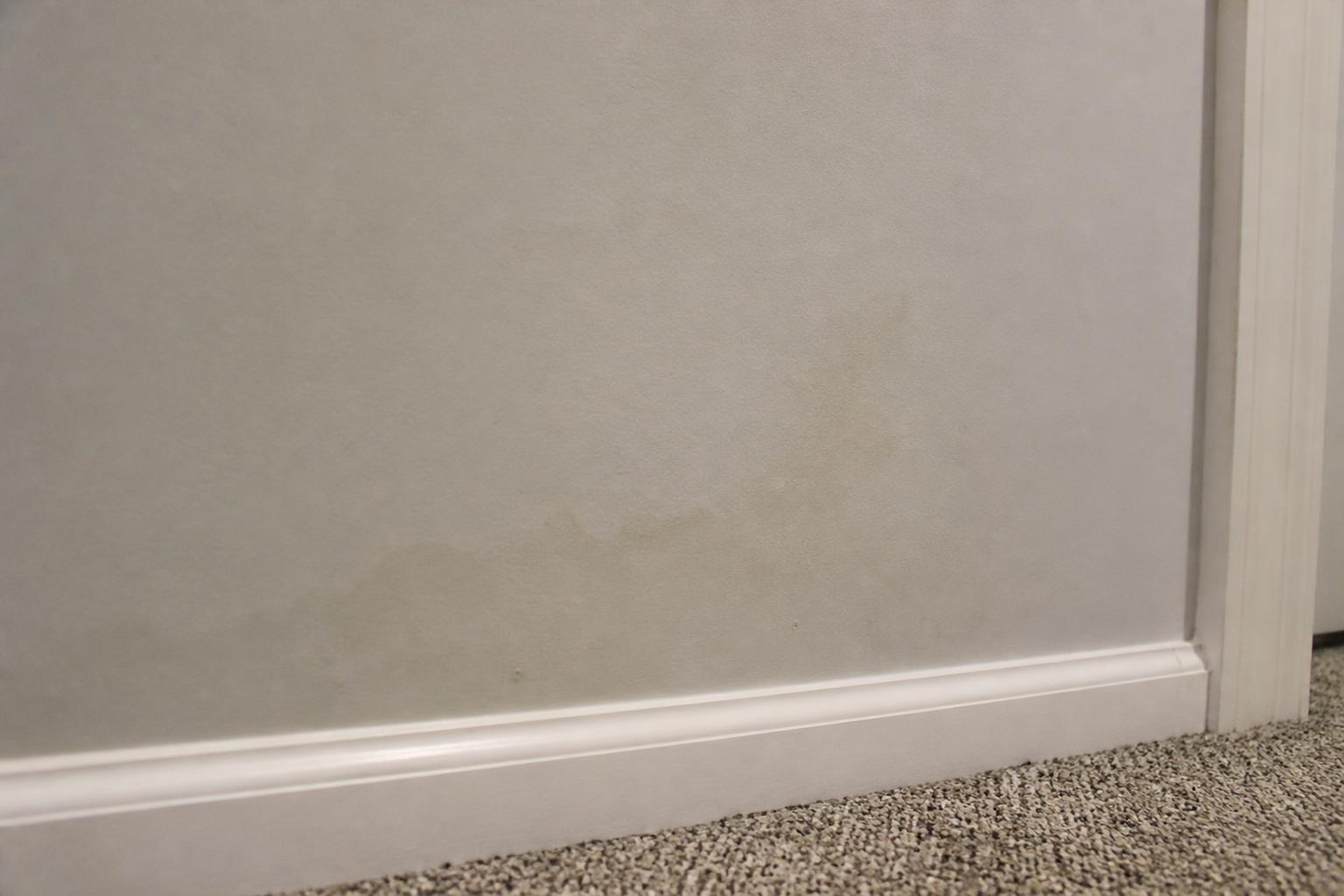
A visible leak, like a dripping faucet or a leaking supply line under a sink, is usually caught quickly because it is right in front of you. A hidden leak behind drywall, under flooring, or in an underground line keeps running, often for weeks or months, before it produces a symptom you actually notice. In that time, it can cause structural water damage, promote mould growth in wall cavities, and waste a meaningful amount of water, all while the utility bill quietly climbs and the cause stays out of sight.
Start With Your Water Meter
One of the most reliable ways to check for a hidden leak does not require any special equipment. With all faucets, appliances, and irrigation off, locate your water meter and note the reading. Wait one to two hours without using any water, then check it again. If the reading has moved at all, water is flowing somewhere in your system even though nothing is visibly running, which points to a leak rather than normal use. This simple check is a useful first step before assuming the worst or calling a technician unnecessarily.
Toronto Water explains that meter readings track water use and that higher use can point to a private plumbing leak.
Watch Your Water Bill
A water bill that climbs noticeably without a clear explanation, like filling a pool or extra irrigation use, is one of the more reliable early indicators of a hidden leak. Because the increase can be gradual, it helps to glance at your bill each cycle rather than only noticing a spike after it has been building for several months.
Signs to Watch For Around the Home
- Warm spots on the floor. If a hot water line is leaking under a slab, you may notice an unexplained warm patch on the floor in that area.
- A musty smell with no visible source. Persistent dampness behind a wall or under flooring can produce a musty odor well before any visible staining appears.
- Slight discoloration or bubbling on drywall or baseboards. Even a small, faint stain is worth investigating rather than assuming it will go away.
- The sound of running water when nothing is on. A faint hissing or trickling sound inside a wall, especially in a quiet room, is worth noting and mentioning if you call a plumber.
- Unusually lush or soggy patches in the yard. An underground leak in the line between the meter and the house can surface as a consistently wet or fast-growing patch of grass even without recent rain.
- Cracks in the foundation or nearby pavement. A sustained underground leak can, over time, contribute to soil erosion near a foundation, showing up as new or worsening cracks.
How Professionals Detect Leaks That Aren’t Visible
When a homeowner suspects a hidden leak but cannot pinpoint the source, professional leak detection tools go beyond what is visible to the eye. Acoustic listening devices can pick up the sound of water moving through a pipe even behind a finished wall or under a slab, and moisture meters can identify elevated dampness in drywall or flooring before staining is visible on the surface. In some cases, a thermal imaging camera can spot a temperature difference caused by a leaking hot water line under a floor. Using these tools together lets a technician narrow down the likely location before opening up any finished surface, which keeps the repair contained rather than turning into unnecessary demolition.
Why Early Detection Matters
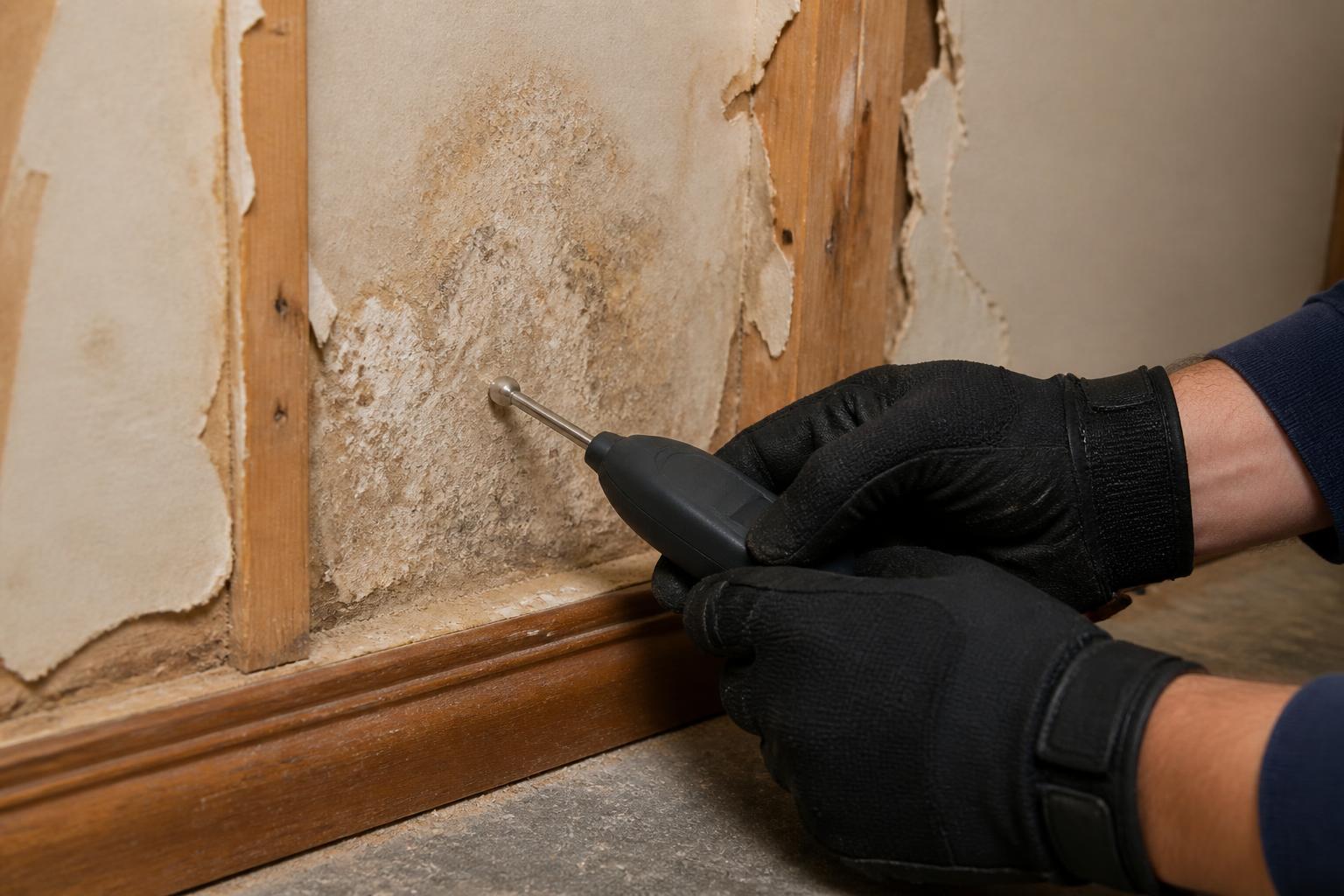
The cost and disruption of a leak repair generally scale with how long it has been running. A leak caught within days or weeks is usually a straightforward repair. The same leak left unaddressed for months can mean replacing damaged drywall, flooring, or subfloor, and in more serious cases, addressing mould growth that developed in the meantime. Ontario’s climate, with its freeze-thaw cycles and seasonal ground movement, can also make certain underground leaks worse over time rather than staying static, which is another reason it pays to investigate a suspected leak sooner rather than later.
What to Do If You Suspect a Hidden Leak
If your water meter test confirms unexplained water use, or you notice any of the warning signs above, the next step is to have a professional locate the source rather than guessing or opening walls yourself. Our plumbing services team uses acoustic and moisture-detection equipment to find the leak’s actual location before recommending a repair, so you are not paying to open up more of your home than necessary.
Preventing Future Hidden Leaks
While not every leak is preventable, a few habits reduce the odds of a slow leak going unnoticed for long. Checking your water meter periodically, even without a specific concern, establishes a baseline for normal usage that makes a future increase easier to spot. Keeping an eye on your monthly water bill for unexplained changes and having older or previously repaired plumbing sections periodically inspected are both reasonable steps for Richmond Hill homes, particularly those with older original plumbing that has not been assessed in several years.
What Insurance Typically Expects
If a hidden leak does cause damage, most home insurance policies expect homeowners to have taken reasonable steps to maintain their plumbing and address problems once discovered, rather than letting a known issue run for months. Keeping a record of when you noticed a warning sign and when you had it inspected can matter if a claim ever comes up, and catching a leak early is generally far simpler than untangling a claim after the damage has spread. This is one more reason a quick water meter check every so often is worth the few minutes it takes.
Frequently Asked Questions
How do I check my water meter for a hidden leak?
Turn off all fixtures and appliances that use water, note the meter reading, wait one to two hours without using water, then check it again. Any movement in the reading points to water flowing somewhere in the system.
Can a hidden leak really cause mould?
Yes. Sustained moisture inside a wall cavity or under flooring creates conditions mould can grow in, often before any visible staining appears on the surface.
Is leak detection equipment able to find a leak without opening walls?
In most cases, yes. Acoustic listening and moisture-detection tools can narrow down a leak’s location closely enough that only the specific area needing repair has to be opened, rather than a broad section of wall or flooring.
My water bill went up, but I can’t find any visible leak. What should I do?
Run the water meter check described above, and if it confirms unexplained usage, have a plumber investigate with proper leak-detection equipment rather than continuing to guess at the cause.
How urgent is a suspected hidden leak?
It is worth addressing promptly rather than waiting, since the longer a hidden leak runs, the more likely it is to cause structural damage or mould growth that turns a simple repair into a larger one.
If something feels off with your water bill or you have noticed any of the signs above, don’t wait for a hidden leak to become visible damage. Call Furnace King Home Services at (905) 564-5464 to schedule a visit, or our plumbing services team can locate the source and get it fixed. You can also reach us anytime through our contact page.