
Every fall, we get calls from GTA homeowners dealing with a burst outdoor faucet or a cracked section of exposed pipe that could have been avoided with about twenty minutes of prep work before the first hard freeze. Winterizing your outdoor plumbing is one of the simplest seasonal tasks on a homeowner’s list, and it is also one of the easiest to forget until the damage is already done. Here is the walkthrough we give GTA homeowners each fall.
Why Outdoor Faucets Are So Vulnerable
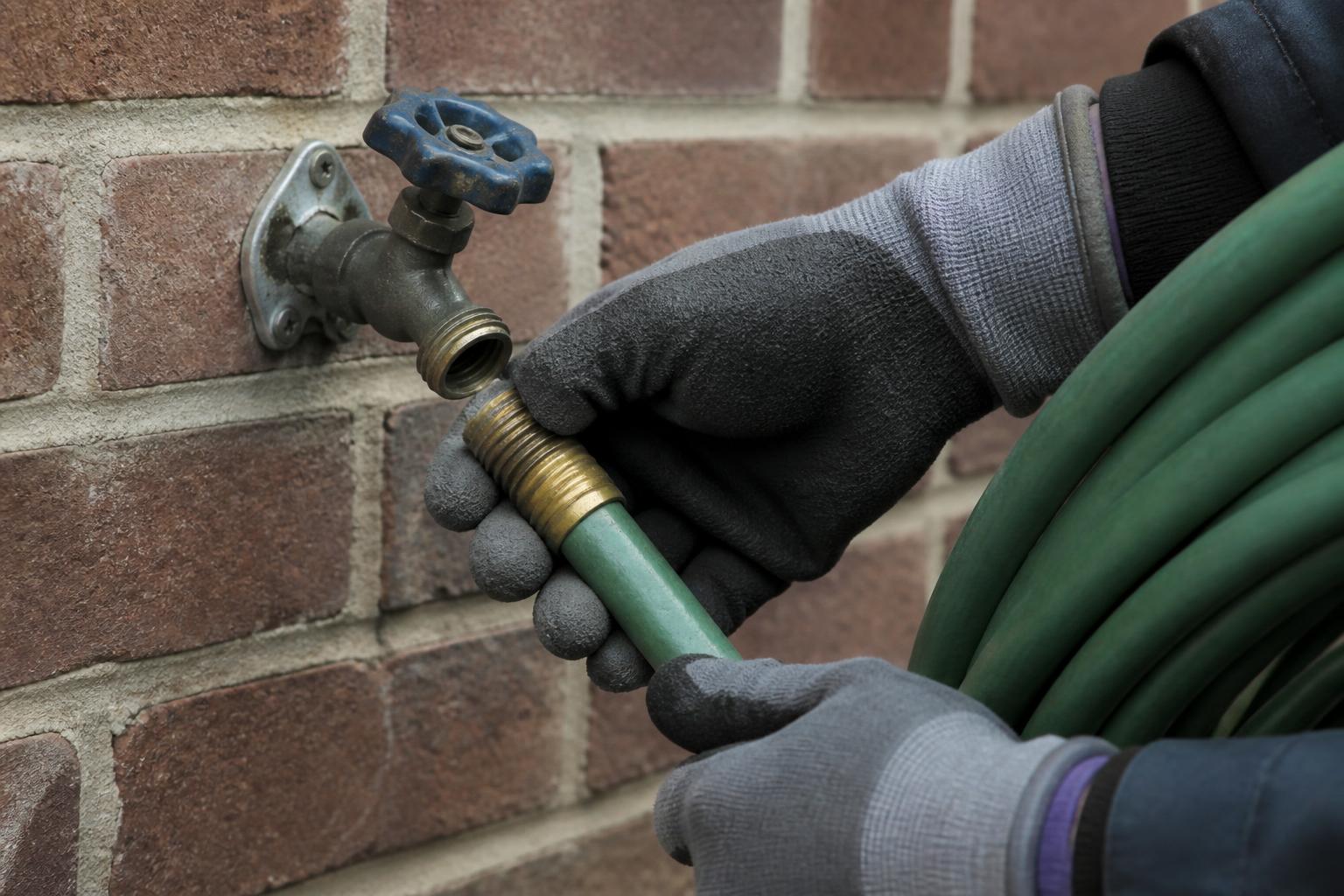
An exterior hose bib is connected to a section of pipe that often runs close to an uninsulated exterior wall, sometimes with only a thin layer of insulation between it and the cold outside air. When water left inside that pipe freezes, it expands, and that expansion can crack the pipe or the faucet body itself, even on newer “frost-free” hose bibs if a hose was left attached over the winter. The crack usually does not show up until the spring thaw, when the ice melts and water starts leaking, sometimes inside a wall cavity where it goes unnoticed for weeks.
The Core Winterizing Checklist
- Disconnect and drain every garden hose. Coil it up and store it somewhere it won’t freeze. A hose left attached traps water in the faucet even on a frost-free design, defeating its purpose.
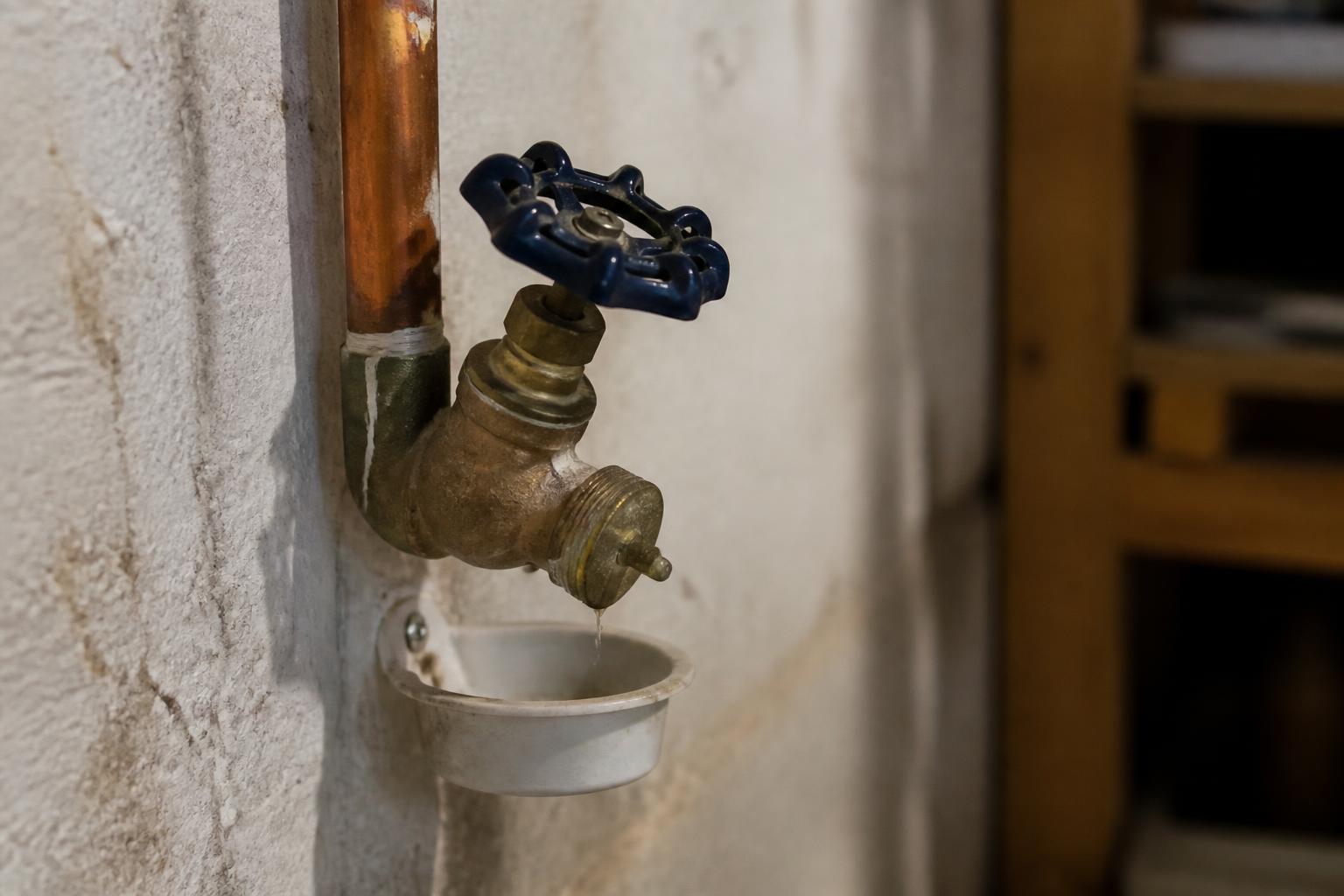
- Shut off the interior valve, if your home has one. Many GTA homes have a dedicated shutoff valve for each exterior hose bib, usually in the basement near where the pipe passes through the exterior wall. Turn it off, then open the outdoor faucet to drain the remaining water from the line.
- Open the bleeder cap, if present. Some shutoff valves include a small cap or plug that lets you drain any water trapped between the valve and the faucet. Keep a small cup underneath to catch the drip.
- Install an insulated faucet cover. Inexpensive foam covers fit over the faucet and provide an extra layer of protection, which is worth doing even if you have already shut off the interior valve, since it is cheap insurance against an unusually cold snap.
- Check for hidden hose bibs. Homes with a deck, patio, or side-yard faucet sometimes have a second or third exterior tap that is easy to forget when only one is used regularly.
What If Your Home Doesn’t Have an Interior Shutoff?
Older GTA homes sometimes lack a dedicated interior shutoff for exterior faucets, particularly if the hose bib was added after the home was originally built. In that case, disconnecting hoses and using an insulated cover is still worth doing, but it is also worth having a plumber assess whether adding a proper shutoff valve makes sense, especially if that faucet has frozen or leaked in a previous winter. It is a relatively small addition that removes a recurring point of risk each year going forward.
Other Exterior Plumbing to Check
- Irrigation systems. If your home has an underground sprinkler system, it needs a proper blow-out with compressed air to clear water from the lines, which is a service best left to a professional to avoid damaging the system.
- Pool and hot tub plumbing. Seasonal winterizing for pool equipment follows its own process and timeline, separate from your household plumbing, but should not be skipped if you have one.
- Exposed pipe runs in a garage or crawl space. Any plumbing running through an unheated or semi-heated space, such as a garage wall or crawl space, benefits from pipe insulation sleeves even if it has never frozen before, since an unusually cold stretch can affect areas that were previously fine.
Signs a Pipe Has Already Frozen or Cracked
If you notice reduced or no water flow from an exterior faucet once spring arrives, or you spot damp staining on an interior wall near where an outdoor faucet’s pipe runs, that is a sign a freeze may have already caused damage over the winter. Because the leak is often behind a wall or underground, it is worth having it checked before it worsens rather than waiting to see if it resolves on its own. Community resources like the Canada Mortgage and Housing Corporation’s seasonal home-prep guidance cover exterior winterizing as part of a broader annual home maintenance routine.
Timing Your Winterizing
Aim to complete outdoor faucet and pipe winterizing before the GTA sees its first hard overnight freeze, typically sometime in October or early November depending on the year, rather than waiting for a cold snap to remind you. Tying it to something you already do each fall, like a furnace tune-up or putting away patio furniture, is an easy way to make sure it does not get missed.
When to Call a Plumber Instead of DIY
Most of the winterizing checklist above is safe and straightforward for a homeowner to handle. It is worth calling a professional if your home lacks an interior shutoff and you want one added, if you are not sure whether a particular faucet has ever been properly winterized, if you have an irrigation system that needs a compressed-air blow-out, or if you suspect a pipe has already cracked from a previous winter. Our plumbing services team can walk your home’s exterior plumbing and flag anything that needs attention before the cold sets in.
Bundling Winterizing With Your Fall Maintenance
Since fall is also when most GTA homeowners schedule a furnace tune-up, it is worth asking whether your HVAC maintenance visit can include a quick check of accessible exterior plumbing shutoffs at the same time. Combining the two means one visit covers both your heating system and the exterior plumbing points most likely to cause a problem once temperatures drop.
Frequently Asked Questions
Do frost-free hose bibs still need to be winterized?
Yes. A frost-free design only works correctly if the hose is disconnected, since a connected hose traps water in the faucet body and defeats the design’s protection.
How cold does it need to get before an unwinterized pipe freezes?
It depends on the pipe’s exposure and how long the cold lasts, but sustained temperatures below freezing overnight are generally enough to put an unprotected exterior faucet at risk within a night or two.
Can I winterize outdoor plumbing myself, or do I need a plumber?
Disconnecting hoses, shutting off an existing interior valve, and adding an insulated cover are all safe for most homeowners to do themselves. Adding a new shutoff valve or servicing an irrigation system is better left to a professional.
What should I do if I find a leak after winter?
Shut off the water to that fixture if you can, and have it inspected before running water through that line again, since a freeze-damaged pipe can fail more seriously the next time it is used.
Is it too late to winterize if the first cold night already happened?
No. Complete the checklist as soon as you can. A single cold night without protection does not guarantee damage, but it does raise the odds the longer it goes unaddressed.
A few minutes of outdoor plumbing prep now can prevent a costly repair once spring arrives. Call Furnace King Home Services at (905) 564-5464 to schedule a visit, or our plumbing services team can check your home’s exterior shutoffs and exposed pipe runs before the first freeze. You can also reach us anytime through our contact page.