
You turn up the thermostat on a cold evening, the vents start blowing, and the air that comes out feels cool or lukewarm. It is an unsettling moment, especially when the temperature outside is dropping. For Brampton homeowners, a furnace blowing cold air has a short list of common causes, and several of them are easy to rule out. This guide explains what is normal, what is not, which checks are safe to do yourself, and when to call a technician.
First, Is It Actually a Problem?
Not every blast of cool air means the furnace is broken. Most furnaces take a short time to warm up after the burners light before the blower starts, so you may feel cooler air for a minute or two at the beginning of a cycle. That brief delay is normal and is designed to keep the blower from pushing unheated air through the house.
It is also worth knowing that air from a gas furnace is warmer than the room but can feel mild against your skin, especially if you are comparing it with a heater or a hair dryer. If the air stays cool for more than a few minutes, or the house is not warming up, there is a real issue to investigate.
Common Reasons a Furnace Blows Cold Air
These are the most frequent causes technicians find:
- The thermostat fan is set to “On.” With the fan on, the blower runs continuously, including during the periods between heating cycles when the furnace is not producing heat. That air will feel cool.
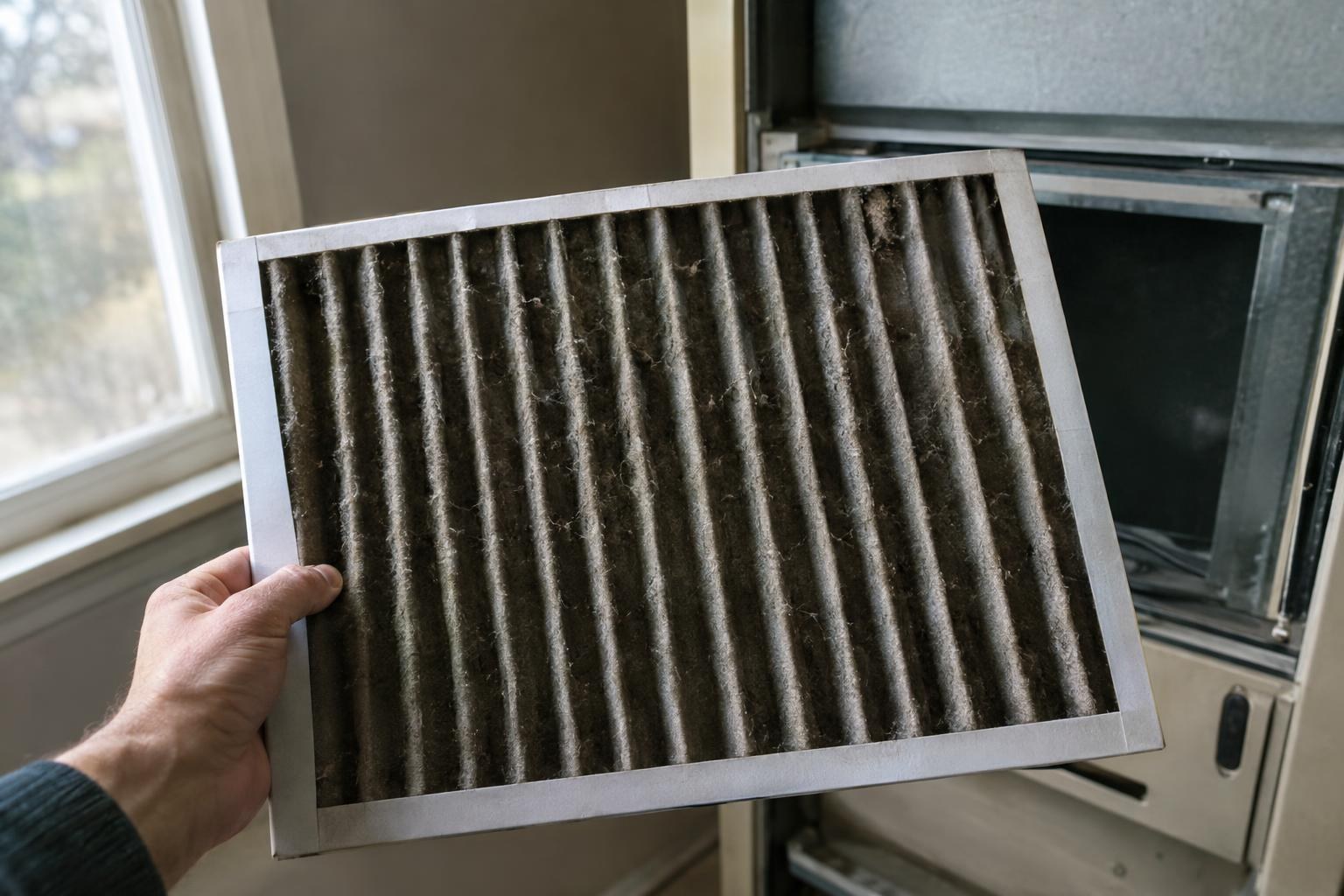
- A dirty air filter. A clogged filter restricts airflow and can cause the furnace to overheat and shut the burners off while the blower keeps running.
- A dirty flame sensor. This small rod confirms that the burners are lit. When it is coated with residue, the furnace may shut off the flame within seconds while the fan continues.
- Ignition problems. If the igniter or the gas valve does not work, the burners never light and, if the fan is set to On, the blower keeps running.
- A tripped safety switch. Overheating, a blocked vent or a full condensate drain can all trigger a safety control that stops heating.
- Leaky or uninsulated ductwork. Warm air can lose heat before it reaches the room, particularly where ducts pass through an unheated attic or crawl space.
- A gas supply issue. A closed gas valve at the furnace or an interruption of supply will leave the burners off.
Simple Checks You Can Do Safely
Start with these steps before you call for help. They require no tools and no work inside the furnace.
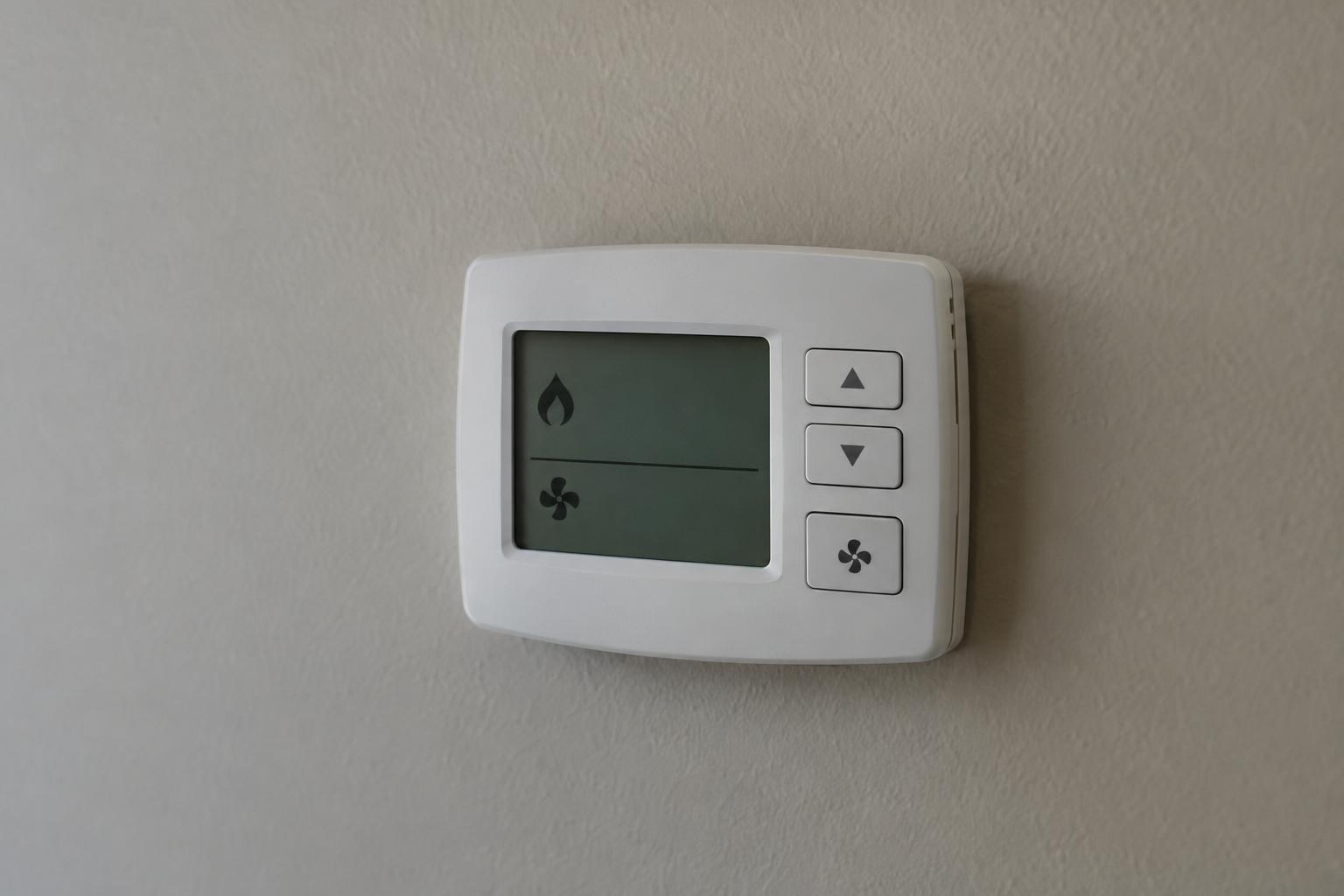
- Look at the thermostat. Set the mode to heat and the fan to “Auto.” Raise the temperature a few degrees above the room reading and wait several minutes.
- Check the filter. Slide it out and hold it to the light. If you cannot see through it, replace it with the right size. Our guide to how often to replace a furnace filter can help you set a schedule.
- Make sure the vents and returns are open. Furniture, rugs and closed registers restrict airflow.
- Check the furnace power switch and breaker. It looks like a regular light switch on or near the unit.
- Listen for the start-up sequence. You should hear a fan start, a click, and then the soft whoosh of burners lighting. If the burners do not light or light and go out quickly, note what you hear.
- Look at the control board light. A flashing code can point to the problem, and your technician will ask what it showed.
If you smell gas at any point, leave the house immediately and call 911 or Enbridge Gas at 1-866-763-5427 from outside. Do not turn lights or switches on and off on your way out.
What the Pattern Tells You
Small details can help narrow the cause, and sharing them makes a service call faster:
- Warm for a short time, then cool. This often points to a dirty flame sensor, a clogged filter causing overheating, or an airflow restriction.
- Never warm at all. Suspect an ignition or gas supply issue, or a safety control that is not allowing the burners to light.
- Cool air only from some rooms. The cause is more likely ductwork, a closed damper or an imbalance rather than the furnace itself.
- Cool air along with unusual noises. Banging, squealing or repeated clicking should be checked soon. Our article on furnace short cycling explains one related pattern.
Why Homeowners Should Not Open Up the Furnace
Cleaning a flame sensor or testing an igniter looks simple in a video, but the inside of a gas furnace involves live electrical components, gas connections and a heat exchanger that must stay sealed. Ontario’s fuel safety regulator, the Technical Standards and Safety Authority, advises annual inspection of fuel-burning appliances by a TSSA-registered fuel contractor and the use of certified carbon monoxide alarms. If a carbon monoxide alarm sounds, move everyone outside and call 911.
A cracked heat exchanger is one hidden cause of poor heating that you cannot judge by eye. Our guide to cracked heat exchanger warning signs describes what to watch for.
What a Service Visit Usually Includes
A technician will watch a full heating cycle and note exactly when the burners light and when they shut off. They typically inspect the filter, blower and flame sensor, test the igniter and gas valve, check the safety switches and venting, and look at the condensate drain on a high-efficiency model. If the ductwork is the issue, they can point out leaks, disconnected sections or missing insulation.
Often the repair is modest, such as cleaning a sensor or replacing a worn part. If the furnace is older and problems are piling up, a good technician will also talk through whether further repairs are sensible. Our page on furnace repair and replacement explains how we approach that conversation.
Preventing Cold-Air Surprises This Winter
- Keep the fan on Auto unless you have a reason to circulate air continuously.
- Change the filter regularly and keep a spare on hand.
- Schedule a yearly tune-up. Our HVAC maintenance service covers the parts that tend to cause cold-air complaints.
- Keep vents and returns clear of furniture and drapes.
- Clear outdoor vent pipes of snow and ice after a storm.
Frequently Asked Questions
Why does my furnace blow cold air when the thermostat says heat?
Common reasons include the fan being set to On, a dirty filter, a dirty flame sensor, an ignition fault or a tripped safety switch. A technician can identify which one is responsible.
Is it safe to keep running a furnace that blows cold air?
If the cause is a simple setting, yes. If the furnace shuts down repeatedly or makes unusual noises, turn it off and have it checked. If you smell gas, leave the house and call 911 or Enbridge Gas at 1-866-763-5427 from outside.
Will changing the filter fix it?
Sometimes. A clogged filter is a frequent cause of overheating and shutdowns, so replacing it is a good first step, but it will not fix an ignition or sensor problem.
How long should the air take to warm up?
Many furnaces take a minute or two after the burners light before the blower starts. If the air is still cool after several minutes, something needs attention.
Need Help With a Furnace That Will Not Warm Up?
If your furnace keeps blowing cold air after the simple checks, Furnace King can find the cause and fix it. Homeowners in Brampton and across the GTA can call (905) 564-5464 or reach us through our contact page. For urgent no-heat situations, see our emergency services page. We have served Ontario homes for over 40 years and we are glad to help.