
If you have started researching a replacement for your aging furnace, you have probably run into a bigger question than you expected: should you stick with a traditional furnace, or is it time to consider a heat pump? For homeowners across Mississauga and the wider GTA, this decision has become a lot more common in the last few years, and for good reason. Heat pump technology has advanced significantly, and it is no longer the “warm weather only” solution it once was. At the same time, furnaces remain a proven, reliable choice for our Canadian winters. We work through this exact conversation with homeowners every week, and our goal here is to give you a clear, honest comparison so you can make a confident decision for your home, your comfort, and your budget.
Understanding the Decision: Heat Pump vs. Furnace
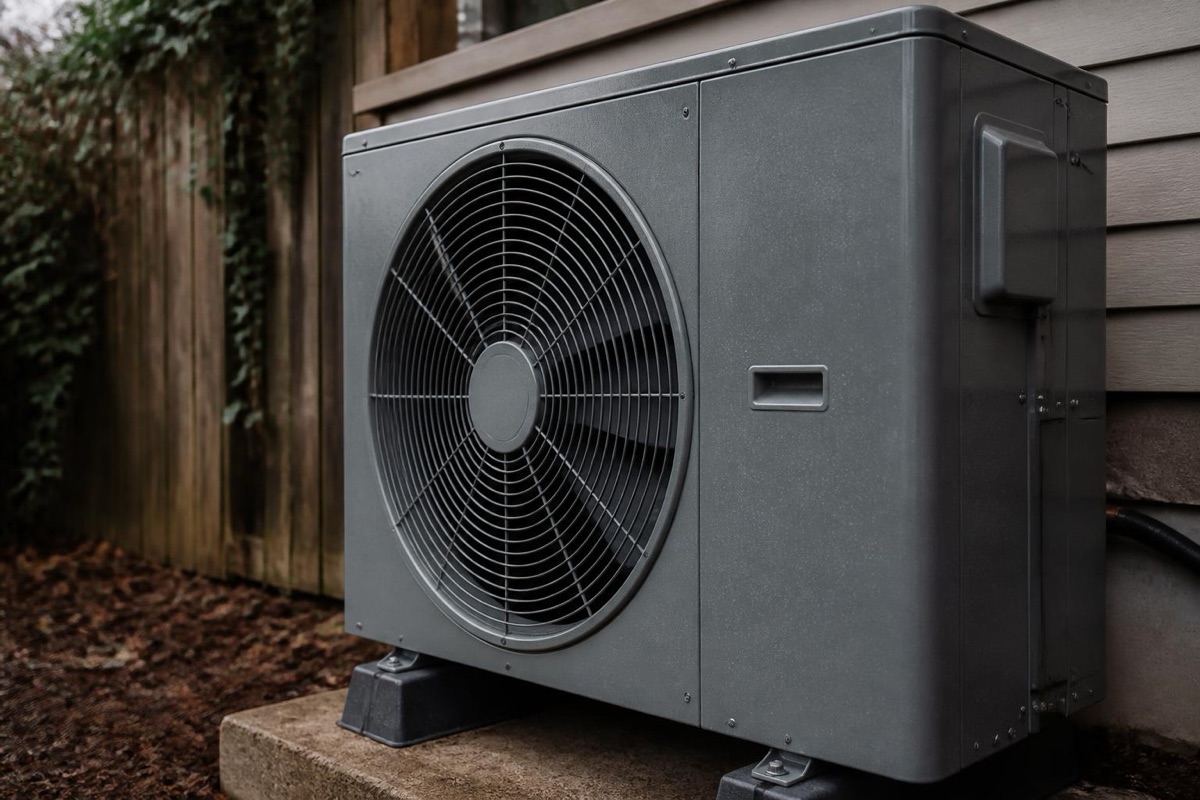
When we sit down with a homeowner who is comparing heating options, the conversation usually starts with a misconception: that a heat pump and a furnace do the same job in different ways. In reality, they work on completely different principles, and understanding that difference is the key to figuring out which one fits your home best.
A furnace generates heat directly, typically by burning natural gas, and pushes that warm air through your ductwork. A heat pump, on the other hand, does not generate heat in the same way. Instead, it moves heat. Even in cold outdoor air, there is thermal energy present, and a heat pump extracts it, concentrates it, and transfers it into your home. In the summer, it can run the process in reverse, pulling heat out of your home and sending it outside, which means a heat pump can handle both your heating and your cooling needs in a single system.
That single distinction, generating heat versus moving heat, is what drives nearly every difference in efficiency, performance, and comfort between the two systems, and it is the foundation for the rest of this comparison.
How Heat Pumps and Furnaces Actually Work
We find that homeowners make better decisions once they understand the mechanics in plain language, so let’s break it down without the technical jargon.
A gas furnace burns fuel in a combustion chamber, and a heat exchanger transfers that heat to air that gets circulated through your home by a blower. It is a straightforward, well-understood process that has been refined for decades, which is part of why furnaces remain such a dependable option, especially on the coldest days of a Mississauga winter.
A heat pump uses refrigerant and a compressor, much like an air conditioner, to absorb heat from outdoor air and release it indoors. What surprises a lot of homeowners is how far cold-climate heat pump technology has come. Natural Resources Canada’s homeowner guidance explains that modern heat pumps are proven for Canadian homes, including cold-climate models designed to operate well below freezing when they are selected and sized correctly. That said, on the very coldest stretches of an Ontario winter, a heat pump’s output and efficiency will still decline somewhat, which is exactly why many GTA homeowners choose a hybrid, or dual-fuel, setup that pairs a heat pump with a furnace as backup. The heat pump handles the bulk of the season efficiently, and the furnace steps in during extreme cold snaps.
- Furnaces generate heat through combustion and are typically fuelled by natural gas.
- Heat pumps transfer existing heat rather than creating it, using electricity to run the process.
- Heat pumps can provide both heating and cooling from one outdoor unit.
- Hybrid, or dual-fuel, systems combine a heat pump with a furnace for year-round coverage.
Efficiency and Comfort: Where the Differences Show Up
Efficiency is usually the first thing homeowners ask us about, and it is where heat pumps tend to stand out for most of the year. Because a heat pump moves existing heat rather than generating it from fuel, it can produce more heating energy than the electrical energy it consumes, which often translates into lower operating costs during shoulder seasons and milder winter stretches. A high-efficiency furnace is still a strong performer, particularly on the coldest days when a furnace’s direct combustion approach delivers consistent, powerful heat without the output tapering that heat pumps can experience in extreme cold.
Comfort is another area where the two systems feel different day to day. Furnaces tend to deliver heat in noticeable bursts, warming a space up quickly and then cycling off. Heat pumps generally run longer cycles at a steadier, more moderate output, which many of our clients tell us feels more even throughout the home, with fewer temperature swings from room to room. Neither approach is objectively better for every household. It really comes down to what kind of comfort experience you and your family prefer, along with how your home is insulated and ducted.
We also encourage homeowners to think about air quality and humidity control as separate parts of the comfort plan. Winter humidity is influenced by outdoor air leakage, ventilation, filtration, and any humidification equipment in the home; choosing a heat pump or furnace by itself does not guarantee a particular indoor humidity level.
Which Makes More Sense for a Mississauga-Area Home
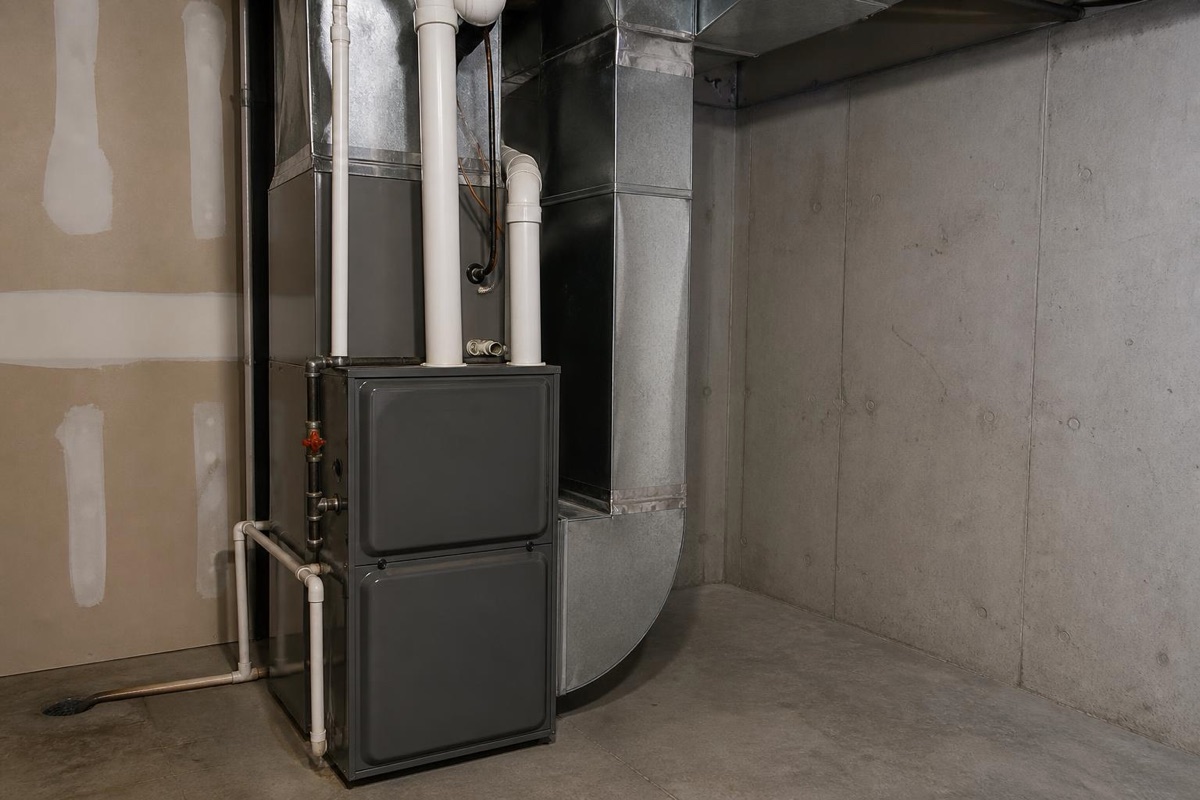
Mississauga and the surrounding GTA communities, from Brampton and Etobicoke to Oakville, Milton, and Vaughan, all share a climate that swings from humid summers to genuinely cold winters. That range is exactly why we spend extra time on this decision with local homeowners rather than giving a one-size-fits-all answer.
For many homes in our service area, we find that a hybrid or dual-fuel system offers the best of both worlds. A cold-climate heat pump handles the majority of the heating season efficiently, including surprisingly cold days, while a furnace remains on standby for the deep-freeze stretches of January and February when Mississauga temperatures can drop well below what even a strong heat pump wants to work against alone. This approach also means the same outdoor heat pump unit gives you efficient air conditioning all summer, which is a real advantage if your existing air conditioner is also getting older.
If your home already has a newer, well-performing furnace and you are simply looking to add cooling or improve summer comfort, a standalone heat pump paired with your existing furnace as backup heat might be the more practical, cost-effective path. If your furnace is nearing the end of its service life and you are replacing your whole system anyway, that is often the ideal moment to evaluate a full heat pump or hybrid setup, since you are not paying to remove and replace working equipment.
We have also heard from homeowners who are interested in a heat pump partly because of the environmental benefits, since heat pumps use electricity rather than combustion and can meaningfully reduce a home’s reliance on fossil fuel heating. That is a legitimate and increasingly common reason to make the switch, alongside the comfort and efficiency factors. We would also note that government incentive programs supporting heat pump adoption do exist in Ontario and across Canada from time to time, so it is worth asking us what is currently available when you are ready to move forward, as program details can change.
Cost and Maintenance Considerations
Cost is rarely a simple comparison, because it depends on your home’s size, insulation, ductwork, current equipment, and local energy rates. In general terms, a heat pump installation tends to represent a larger upfront investment than a furnace on its own, particularly for a full cold-climate system, while offering the potential for lower operating costs across much of the year because of how efficiently it moves heat rather than generates it. A furnace typically has a lower upfront cost but can mean higher energy bills during long heating seasons, since combustion heating does not carry the same efficiency advantage that a heat pump has during moderate weather.
Maintenance looks a little different between the two systems as well. Furnaces benefit from annual inspections that check the heat exchanger, burners, and venting to keep combustion safe and efficient. Heat pumps run essentially year-round, since they handle both heating and cooling, so keeping the outdoor unit clear of debris, checking refrigerant levels, and having the system professionally serviced on a regular schedule goes a long way toward protecting its performance and lifespan. Our team is happy to walk you through what a realistic maintenance routine looks like for whichever system you choose, based on your specific equipment and how your household uses it.
We know these are significant decisions, and the right answer really does depend on your particular home, so we would rather talk it through with you than give a generic recommendation that does not fit your situation.
Frequently Asked Questions About Heat Pumps and Furnaces
Can a heat pump heat a Mississauga home through winter?
A properly selected cold-climate heat pump can provide a large share of a home’s winter heating. The exact result depends on equipment capacity, outdoor design temperature, insulation, ductwork, and installation quality. Some homes use supplemental electric heat or a furnace during the coldest conditions.
Do I have to remove my existing furnace to install a heat pump?
Not always. A contractor may be able to pair a compatible heat pump with an existing furnace as a hybrid system. The equipment controls, furnace condition, duct capacity, and electrical service should all be assessed before deciding whether that approach is practical.
Can a heat pump replace my air conditioner too?
Yes. An air-source heat pump can move heat outdoors in summer and indoors in winter, so one system can provide both cooling and heating. Correct sizing remains important for summer humidity control and winter performance.
Let’s Find the Right Fit for Your Home
There is no universal right answer to the heat pump versus furnace question. What we can tell you is that both are legitimate, well-proven ways to keep a Mississauga-area home comfortable, and the better choice depends on your current equipment, your home’s layout, your comfort preferences, and your long-term plans for the property. Our team walks Mississauga and GTA homeowners through this decision regularly, and we take the time to look at your actual home rather than offer a one-size-fits-all recommendation. If you are weighing heat pump service, a furnace replacement, or a hybrid dual-fuel system, we would welcome the chance to talk it through with you and help you land on the option that makes the most sense for your household.