
Behind the burners of most modern gas furnaces sits a small motor that most homeowners never think about until it fails. The inducer motor starts every heating cycle, and when it struggles, the furnace can refuse to light, shut down early, or make a noise you have not heard before. This guide for Etobicoke homeowners explains what the furnace inducer motor does, how to recognize trouble, which causes are most common, and what a safe repair involves.
What the Inducer Motor Does
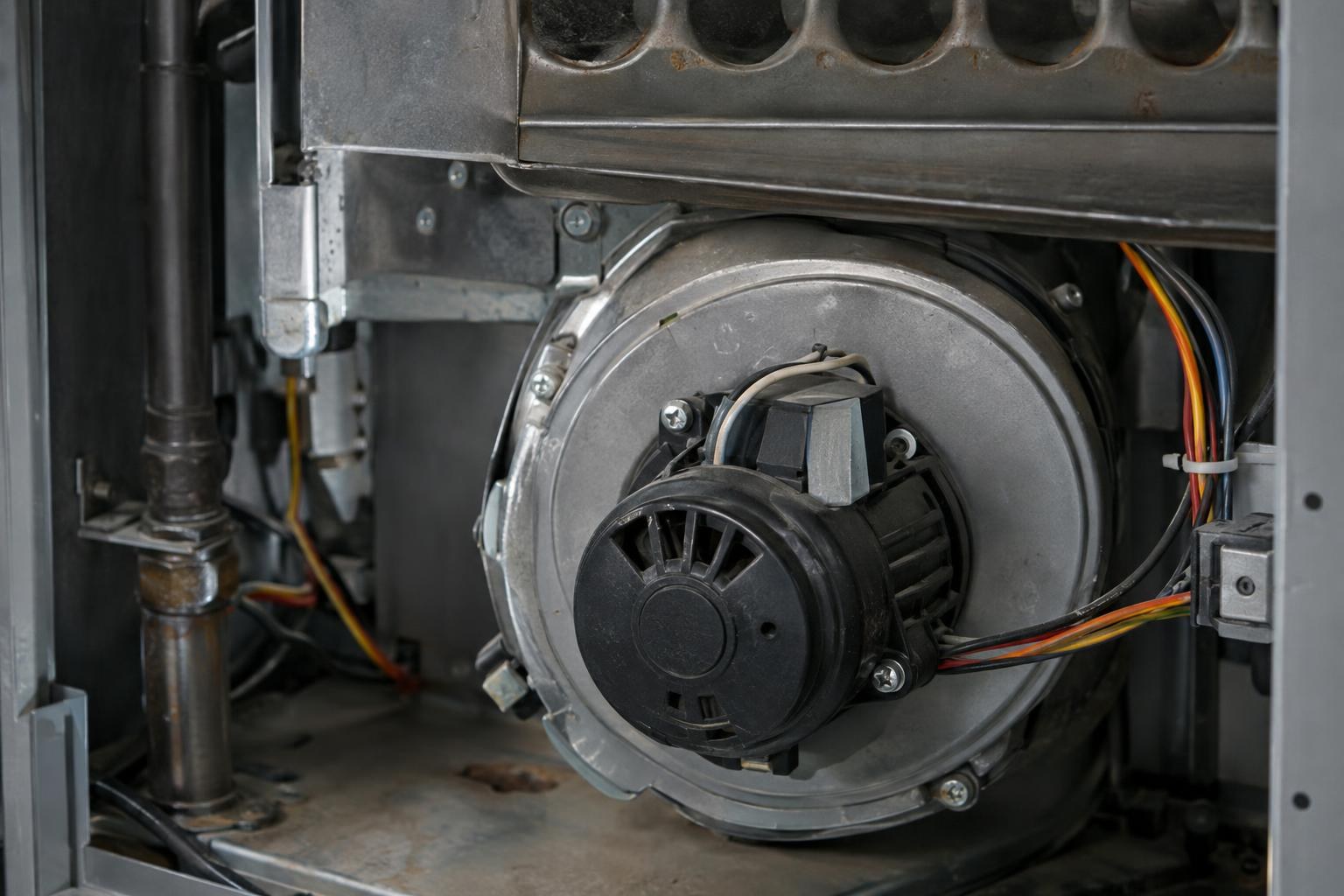
When your thermostat asks for heat, the furnace does not light the burners right away. The control board first starts the inducer motor, which spins a small fan wheel in a housing attached to the heat exchanger. That fan pulls fresh air in, draws combustion gases through the heat exchanger and pushes them out through the vent pipe.
Once the motor is running at the right speed, a pressure switch confirms the draft and the board allows the gas valve to open. Without a working inducer, combustion gases cannot be removed properly, so the furnace is designed to stay off. In that sense, an inducer motor problem is often a safety system doing its job.
Furnaces built before the 1990s often relied on natural draft and had no inducer. Almost all mid-efficiency and high-efficiency furnaces sold in recent decades have one.
Signs the Inducer Motor Is Failing
Inducer motors usually give warnings before they stop altogether. Watch for these signs:
- Loud humming or buzzing. A motor that hums but does not spin may have a seized bearing or, on some models, a failed capacitor.
- Grinding, squealing or rattling. Worn bearings or a damaged fan wheel create metallic noise during start-up.
- The motor runs but the furnace never lights. The motor may be spinning too slowly for the pressure switch to close.
- The furnace shuts down shortly after it starts. A struggling motor may lose speed as it heats up.
- A burning smell or a hot motor housing. Overheated windings can smell like hot plastic or electrical insulation.
- A flashing code on the control board. Many furnaces display a code for a draft or pressure issue that can involve the inducer. The pattern depends on the brand, so check the label inside the furnace door.
If the furnace makes loud noises or you smell something burning, switch it off at the thermostat and the furnace switch, and call for service. Our article on why a furnace will not turn on offers a broader checklist.
Why Inducer Motors Wear Out
An inducer motor starts and stops thousands of times each heating season, and it works in a warm, sometimes damp environment. The most common causes of failure include:
- Bearing wear. Over the years the motor bearings lose lubrication or accumulate grit, which creates noise and drag.
- Moisture and corrosion. Condensing furnaces produce water as they run. If the drain or the housing leaks, water can damage the motor or its fan wheel.
- Blocked vents. A restricted vent pipe makes the motor work harder and can shorten its life.
- Dust and debris. A dirty system can load the fan wheel and cause imbalance.
- Electrical stress. Voltage problems or a failing control board can send the wrong power to the motor.
- Age. Like any motor, it simply wears out eventually.
The age of the motor matters when you decide how to proceed. If the furnace is old and the motor has failed, the repair is worth comparing with other likely costs. Our guide on furnace repair versus replacement can help you think it through.
Checks You Can Safely Do at Home
You should not open the furnace or touch the motor yourself. There are, however, a few harmless things to look at first:
- Confirm the thermostat is calling for heat and that the furnace power switch and breaker are on.
- Listen to the start-up. Try to describe the sound: humming, grinding, squealing or silence. Do this with the thermostat, not by removing panels.
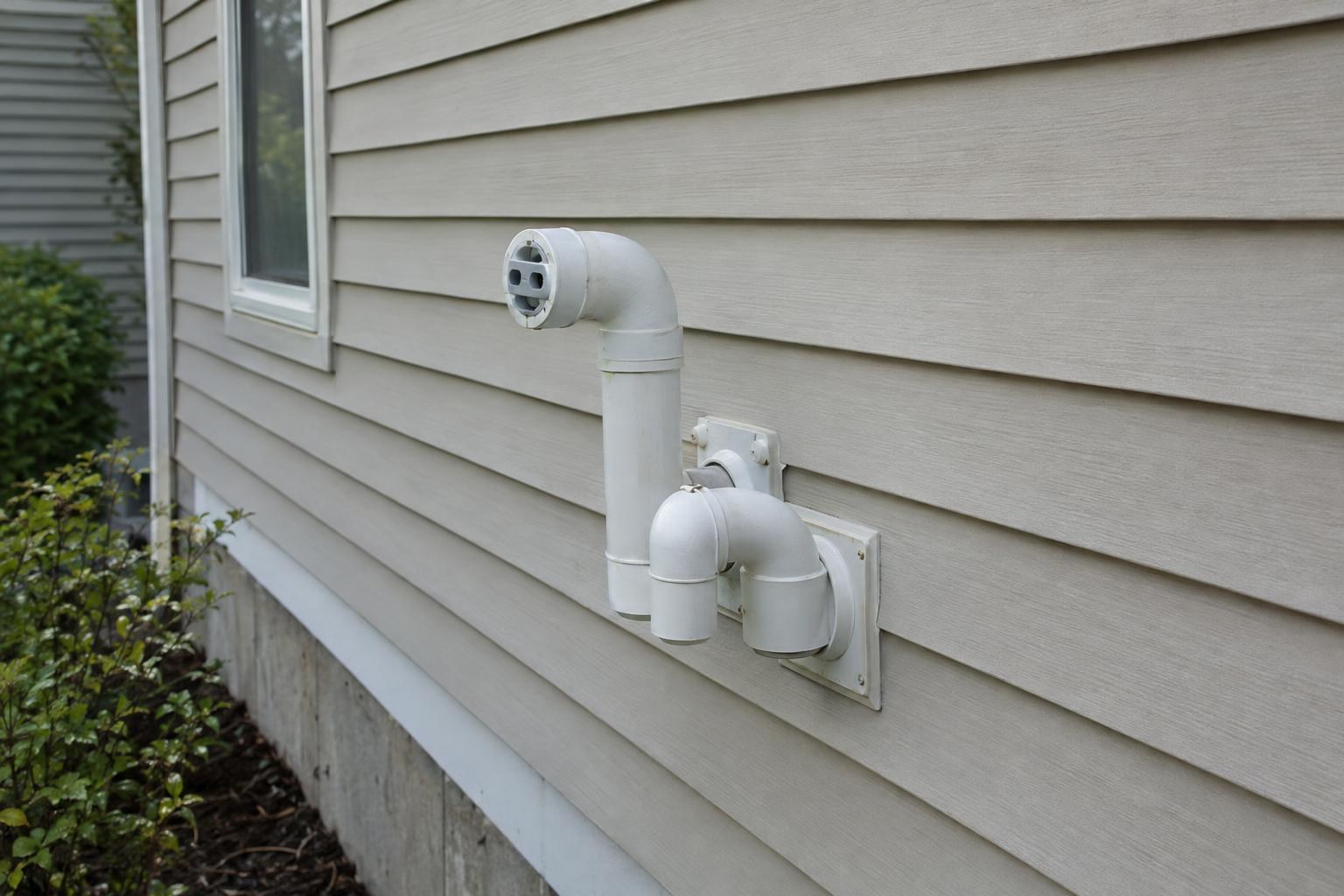
- Check the outdoor vent and intake pipes. Clear away snow, ice, leaves or debris without poking anything into the openings.
- Write down any flashing code visible through the small window on the furnace.
- Do not repeatedly reset the furnace. Several failed attempts can stress components and do not fix a mechanical problem.
If you smell gas, leave the home straight away and call 911 or Enbridge Gas at 1-866-763-5427 from outside.
Inducer Motor Versus Pressure Switch
These two parts work as a pair, and the symptoms overlap. A failing motor may spin too slowly to create enough draft, while a failing pressure switch may not detect a perfectly healthy draft. Because replacing the wrong part is frustrating and wasteful, a technician measures the draft and tests the switch before deciding. If you want to understand the sensor side of the system, read our guide to furnace pressure switch problems.
What a Professional Repair Looks Like
A visit for a suspected inducer motor problem typically follows these steps. The technician observes the start-up sequence and listens to the motor, checks the electrical supply and connections, and inspects the housing and fan wheel for cracks, corrosion or buildup. They also verify the vent pipes, the condensate drain on a high-efficiency model and the pressure switch hose. If the motor has failed, they replace the motor or, on some models, the whole inducer assembly, then test a full heating cycle to confirm safe operation.
Ontario’s fuel safety regulator, the Technical Standards and Safety Authority, recommends annual inspection of fuel-burning appliances by a TSSA-registered fuel contractor and working, certified carbon monoxide alarms. Because the inducer is part of the system that removes exhaust gases, we do not recommend do-it-yourself repairs on it.
How to Help the Motor Last Longer
- Book a yearly tune-up. A technician can listen to the motor, clean the housing and test the draft. See our HVAC maintenance service.
- Change the filter on schedule to reduce dust and strain on the system.
- Keep vent terminations clear after snowfall and ice storms.
- Act on early noise. A new rattle or squeal is easier and cheaper to address before the motor fails completely.
Frequently Asked Questions
Can I run my furnace if the inducer motor is noisy?
A noisy motor is a warning that it may fail soon. It is wise to have it checked quickly, and to stop using the furnace if the noise is severe or you smell burning.
Is the inducer motor the same as the blower motor?
No. The inducer removes combustion gases, while the blower moves heated air through your ducts. They are separate parts with separate jobs.
Why does my furnace start and then shut off?
A struggling inducer motor, a faulty pressure switch, a blocked vent or a dirty flame sensor can all cause this. A technician can tell which one is at fault.
How long does an inducer motor last?
Lifespan varies with usage, moisture and maintenance. Regular servicing and a clean, dry system tend to extend it.
Hearing Strange Noises From Your Furnace?
If your furnace hums, grinds or starts and stops, Furnace King can diagnose whether the inducer motor is the cause and recommend the safest fix. Homeowners in Etobicoke and across the GTA can call (905) 564-5464 or use our contact page. For a heating problem that cannot wait, see our emergency services page. We have served Ontario homes for over 40 years.