Category: Heating

  • The Ultimate Guide to Installing a Heat Pump in Your Home
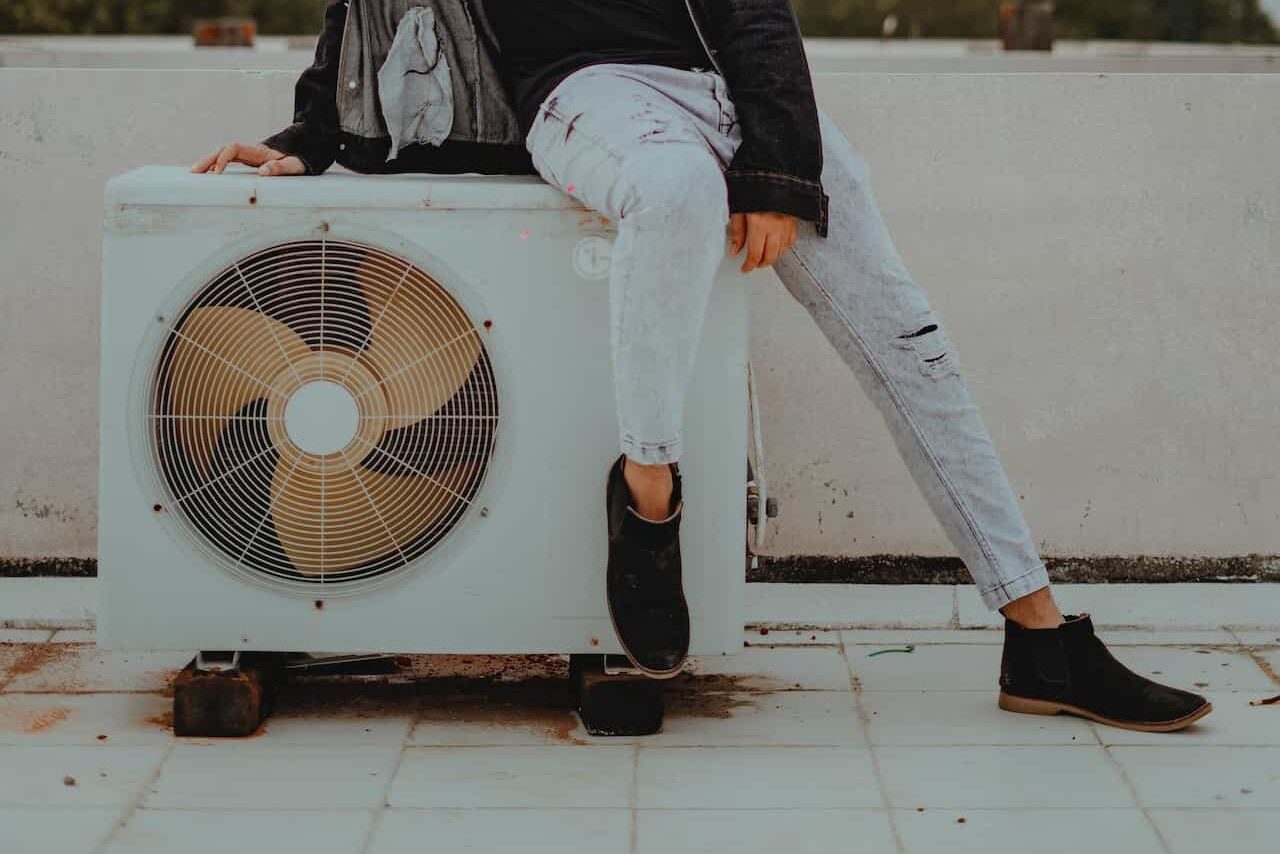
    The Ultimate Guide to Installing a Heat Pump in Your Home

    Are you looking for an efficient way to heat and cool your home? A heat pump might be the answer. A heat pump is an electrical device that transfers heat from one place to another, providing both heating and cooling. They are becoming increasingly popular in Canada due to their energy efficiency and cost savings. This article will cover everything you need to know about installing a heat pump.

    What Is a Heat Pump?

    A heat pump is a device that moves heat from one place to another through refrigerant. During the winter season, a device called a heat pump takes heat from the outdoor environment and moves it indoors to increase the temperature of your house. During summer, it extracts heat from inside your home and releases it outside, cooling your home. This makes heat pumps a convenient option for heating and cooling your home.

    Types of Heat Pumps

    Heat pumps come in two main types: air source and ground source. Air source heat pumps are more widely used and rely on the air outside as their heat source. Ground source heat pumps are another type that uses the earth as their heat source. They are more costly to install, but they have the potential to be more efficient than air-source heat pumps.

    Installation

    Installing a heat pump is a complex process that a professional HVAC technician should only do. The installation process typically involves the following steps:

    1. Site Assessment – The technician will assess your home to determine the best location for the heat pump and to ensure that your home can accommodate the necessary electrical and plumbing requirements. Proper sizing is critical for efficiency and comfort — our sizing guide explains the process in detail.

    2. Indoor Unit Installation – The indoor unit, which contains the evaporator coil and blower, is installed inside your home.

    3. Outdoor Unit Installation – The outdoor unit containing the compressor is installed outside your home. The outdoor unit should be placed in a location protected from the elements and have adequate airflow clearance.

    4. Refrigerant Lines – Refrigerant lines are installed to connect the indoor and outdoor units.

    5. Electrical and Plumbing – Electrical and plumbing connections are made to power and control the heat pump.

    6. Testing – The heat pump is tested to ensure it works properly and efficiently.

    Maintenance

    Regular maintenance is essential to keep your heat pump working properly and efficiently. You should have your heat pump serviced annually by a qualified HVAC technician. During a maintenance visit, the technician will inspect and clean the system, check for any issues, and make necessary repairs.

    Costs

    The expense of setting up a heat pump is not fixed and can fluctuate based on multiple elements, such as the size of your house, the kind of heat pump you opt for, and the intricacy of the installation. Generally, air-source heat pumps are less expensive to install than ground-source heat pumps. However, ground-source heat pumps can be more efficient and could save you more money in the long run. The federal Canada Greener Homes Grant is closed to new applications. Check current Ontario program terms and equipment eligibility before budgeting a heat-pump rebate.

    Conclusion

    Installing a heat pump is the best way to heat and cool your home efficiently and cost-effectively. A heat pump can provide years of reliable service with proper sizing, installation, and maintenance. If you plan on getting a heat pump for your house, it’s best to ask a skilled HVAC technician for advice to determine the most suitable option for your requirements.

    Get a free quote today for your heat pump installation in Brampton with Furnace King Home Services! Our expert technicians are ready to help you switch to energy-efficient heating. Contact us now!

  • Why Choosing Heat Pumps for Summer Cooling Is Wise

    Why Choosing Heat Pumps for Summer Cooling Is Wise

    As summer approaches, many homeowners start to think about their cooling needs. While traditional air conditioning units are a popular choice, there is another option that more and more people are turning to heat pumps. Heat pumps are a highly efficient and versatile cooling system that can provide reliable and effective cooling throughout the summer months. 

    In this article, we will explore why heat pumps are a great choice for your summer cooling needs, and how they can help you save money and reduce your environmental footprint. So if you’re considering your options for summer cooling, read on to find out why heat pumps might be the perfect solution for you.

    1 – Energy Efficiency

    One of the biggest advantages of heat pumps is their energy efficiency. Unlike traditional air conditioning units that use electricity to cool the air, heat pumps work by transferring heat from one location to another. This means that they use less energy to achieve the same level of cooling, making them more cost-effective and environmentally friendly.

    2 – Year-Round Comfort

    Another benefit of heat pumps is that they can provide both cooling and heating, making them a versatile option for year-round comfort. In the summer months, they can provide effective cooling, while in the winter they can switch to heating mode and keep your home warm and comfortable.

    3 – Cost Savings

    Because heat pumps are highly efficient, they can help you save money on your energy bills. While they may have a higher initial cost than traditional air conditioning units, the long-term savings in energy costs can make them a more cost-effective option in the long run.

    4 – Environmentally Friendly

    Heat pumps are a more environmentally friendly option than traditional air conditioning units. By using less energy, they produce fewer greenhouse gas emissions and help reduce your carbon footprint. This makes them a great choice for homeowners who want to do their part in protecting the environment.

    5 – Versatility

    Heat pumps are versatile in their use. They can be used for both heating and cooling your home. This means that you don’t have to invest in separate heating and cooling systems, which can be expensive. Heat pumps are also great for homes in areas with mild to moderate climates, where the temperature doesn’t fluctuate too much throughout the year.

    6 – Easy Maintenance

    Heat pumps are easy to maintain and require less maintenance than traditional air conditioning units. This is because they have fewer moving parts, which means fewer things can go wrong. Additionally, because they don’t rely on combustion to produce heat, there are no safety concerns associated with carbon monoxide or other harmful emissions.

    7 – Quiet Operation

    Heat pumps are generally quieter than traditional air conditioning units. This is because they don’t use a compressor to produce heat, which is the main source of noise in a traditional air conditioning unit. This makes them a great choice for homeowners who want to maintain a peaceful and quiet environment in their homes.

    8 – Rebates for Eligible Heat Pumps

    Ontario’s Home Renovation Savings program, delivered by Save on Energy and Enbridge Gas, offers rebates on eligible heat pumps. The amount depends on the equipment and its installed capacity. The former federal Canada Greener Homes Grant no longer accepts new applicants, so confirm current eligibility for the exact equipment before you count a rebate in your budget.

    Conclusion

    Heat pumps are a highly efficient and cost-effective solution for your summer cooling needs. They provide both cooling and heating capabilities, making them versatile and practical for year-round use. Heat pumps use less energy than traditional air conditioning systems, resulting in lower utility bills and a reduced carbon footprint. 

    These pumps also offer improved indoor air quality and comfort, thanks to their advanced filtration and dehumidification capabilities. Overall, choosing a heat pump as your cooling solution is a wise investment that will provide you with long-term benefits and savings.

    If you are looking to get help with heat pump installation in Mississauga, contact Furnace King Home Services. We are proud to offer energy-efficient residential furnaces, tankless water heaters, and air conditioners and also specialize in indoor air filtration systems, duct cleaning services and indoor humidification.

  • Everything You Need to Know About Furnace Installation

    Everything You Need to Know About Furnace Installation

    A furnace is an essential part of a home’s heating system. It can provide warmth and comfort during the cold months but requires proper installation to ensure its efficiency and effectiveness. In this article, we will discuss the essential facts about furnace installation that homeowners need to know.

    Choosing the Right Furnace for Your Home

    Before considering furnace installation, it is important to choose the right furnace for your home. Factors to consider include the size of your home, the climate in your area, the type of fuel available, and your budget.

    A furnace that is too small for your home will not provide enough heat, while a furnace that is too big will consume more energy than necessary. Consulting with a professional HVAC contractor can help you choose the right furnace for your needs.

    Preparing Your Home for Furnace Installation

    Before furnace installation, it is essential to prepare your home for the process. This includes clearing the area where the furnace will be installed, ensuring proper ventilation, and ensuring that the furnace can be easily accessed for maintenance and repair.

    It is also essential to check if the existing ductwork is in good condition and compatible with the new furnace. If not, it may need to be replaced or modified.

    Professional Furnace Installation

    Furnace installation should always be done by a professional HVAC contractor. This ensures the furnace is installed correctly and all safety measures are observed. Professional installation also guarantees that the furnace will operate at maximum efficiency, reducing energy consumption and saving you money on utility bills.

    Proper Ventilation for Your Furnace

    Proper ventilation is crucial for furnace installation. The furnace should be installed in an area that allows for adequate ventilation, as inadequate ventilation can lead to the buildup of carbon monoxide, which can be deadly. The furnace should also be connected to a venting system that removes exhaust gases and brings in fresh air.

    Furnace Maintenance and Repair

    Regular furnace maintenance and repair are essential to ensure the furnace operates at maximum efficiency. Homeowners should schedule annual maintenance with a professional HVAC contractor to clean and inspect the furnace, check for leaks, and replace any worn-out parts. If the furnace needs repair, it is important to contact a professional HVAC contractor immediately.

    Energy Efficiency and Cost Savings

    Proper furnace installation can help homeowners save money on their energy bills. High-efficiency furnaces consume less energy than older models, resulting in lower utility bills. Additionally, a properly installed furnace can reduce energy consumption by up to 30 per cent, leading to significant cost savings in the long run.

    Conclusion

    Furnace installation is an essential part of a home’s heating system. Choosing the right furnace, preparing your home for installation, professional installation, proper ventilation, regular maintenance and repair, and energy efficiency are all important factors to consider. By considering these factors, homeowners can ensure that their furnace operates at maximum efficiency, saving them money on their energy bills while providing warmth and comfort during the cold months. Contacting a professional HVAC contractor is the best way to guarantee a safe and efficient furnace installation.

    Turn to Furnace King Home Services for outstanding furnace installation in Mississauga. Our team of HVAC technicians is experienced in installing a wide range of furnace models, ensuring that your home has the best heating system for your needs. We also offer regular maintenance and repair services to keep your furnace running smoothly and efficiently. Contact us today to schedule a consultation and learn more about our furnace installation services.

  • Deciding between Furnace Repair and Replacement: A Guide

    Deciding between Furnace Repair and Replacement: A Guide

    As a smart homeowner, you know that taking good care of your furnace is essential for maintaining a comfortable living environment, ensuring energy efficiency, and prolonging the life of your heating system. However, there comes a time when every furnace starts to show signs of wear, prompting the inevitable question: should I undertake furnace repair or replace it? In this blog, we will help you navigate this decision by examining the factors to consider and providing tips on making the best choice for your home and budget. 

    Factor 1: Age of the Furnace 

    Age is the first factor to consider when deciding whether to repair or replace your furnace. The average useful life of a heater is about 15 to 20 years, although some high-quality models can last up to 30 years with proper maintenance. If your furnace is nearing or exceeding this age range, replacing it with a newer, more efficient model may be more cost-effective.

    Factor 2: Frequency of Repairs

    Another critical factor in determining whether to repair or replace your heater is the frequency of furnace repairs it has needed in recent years. If you find yourself calling a technician for repairs more than once a year, it is a sign that your furnace is struggling to keep up with your home’s heating needs. Investing in a new furnace may save you money in the long run, as you will avoid ongoing repair costs.

    Factor 3: Efficiency

    As heaters age, they become less efficient, requiring more energy to produce the same heat. It can lead to higher energy bills and increased environmental impact. If you have noticed a steady increase in your heating costs, it might be time to replace your furnace with a more energy-efficient model. Newer furnaces boast up to 98% efficiency ratings, translating to significant savings on your utility bills.

    Factor 4: Comfort and Consistency

    Suppose your furnace struggles to maintain a consistent temperature throughout your home, or you are experiencing frequent temperature swings. In that case, it may indicate that your heating system is no longer operating effectively. A furnace that cannot provide even heating can lead to discomfort and frustration, making it worth considering a replacement.

    Factor 5: Safety Concerns

    Safety should always be your priority for your home’s heating system. Older heating models can develop cracks in the heat exchanger, leading to carbon monoxide leaks. If you suspect any safety concerns with your furnace, such as a cracked heat exchanger, it is vital to have it inspected by a professional. Replacing the heater may be the best course of action to protect your family’s safety.

    Making the Decision: Repair or Replace?

    Now that you understand the considerations when deciding whether to repair or replace your furnace, how do you make the final call? Here are some general guidelines to follow:

    1. If your furnace is less than ten years old, it is typically more cost-effective to repair it rather than replace it. 
    2. If your heater is between 10 and 15 years old and has been relatively problem-free, you may get a few more years of use with furnace repairs. 
    3. If your furnace is over 15 years old, has needed frequent repairs, and is becoming less efficient, it’s likely time to consider a replacement. 
    4. If you are facing any safety concerns or have noticed a significant decrease in comfort and consistency, it is worth exploring the option of a new furnace.

    Conclusion

    Deciding whether to repair or replace your furnace is a complex decision that depends on multiple factors, including the age of your furnace, the frequency of repairs, its efficiency, and overall comfort and safety. By carefully considering these factors and consulting with a professional technician, you can make an intelligent choice for your home, budget, and peace of mind.

    If you are looking for reliable and professional cooling and furnace repair in Mississauga, look no further than Furnace King Home Services. With over 40 years of experience, our team of experts has the knowledge and skill to handle all your HVAC needs. Whether you need a new furnace installation, air conditioner repair, or regular maintenance, we’re here to help. Contact us today to schedule an appointment. 

  • Understanding How Heat Pumps Work and Save You Money

    Understanding How Heat Pumps Work and Save You Money

    As a Canadian homeowner, you’re no stranger to the fluctuating temperatures in the country. One minute it’s hot; the next, it’s cold. You need an efficient heating and cooling system to keep your home comfortable all year round. Heat pumps are becoming increasingly popular in Canada thanks to their ability to provide both heating and cooling functions. In this article, we’ll explain how heat pumps work and how they can save you money.

    What Are Heat Pumps?

    Heat pumps are an alternative to traditional heating and cooling systems. Unlike furnaces and air conditioners that generate heat or cool air, heat pumps transfer heat from one place to another. They use a refrigerant that absorbs heat from the air outside your home in winter and releases it inside. In summer, the process is reversed, and the heat pump absorbs heat from inside your home and releases it outside.

    How Do Heat Pumps Work?

    Heat pumps work on the principle of heat transfer. They use a refrigerant that absorbs heat from the air outside your home in winter and releases it inside. This process is called the refrigeration cycle. The cycle consists of four main components:

    • The Evaporator Coil: The refrigerant absorbs heat from the air outside your home as it passes over the evaporator coil.
    • The Compressor: The compressor pressurizes the refrigerant, raising its temperature.
    • The Condenser Coil: The refrigerant releases the heat absorbed into your home as it passes over the condenser coil.
    • The Expansion Valve: The expansion valve reduces the pressure of the refrigerant, causing its temperature to drop, and the cycle starts over again.

    Heat pumps work efficiently in temperatures above freezing point but may struggle in colder temperatures. However, there are models designed to work in extreme cold weather conditions.

    How Do Heat Pumps Save You Money?

    Heat pumps can save you money in several ways:

    1. Lower Energy Bills

    Heat pumps are more energy-efficient than traditional heating and cooling systems. They use electricity to move heat rather than generate it, resulting in lower energy bills. According to Natural Resources Canada, a heat pump can reduce your annual heating bills by up to 50%.

    2. Dual Functionality

    Heat pumps provide both heating and cooling functions, eliminating the need for separate systems. This saves you money on installation, maintenance, and repairs.

    3. Longer Lifespan

    Heat pumps have a longer lifespan than traditional heating and cooling systems. They require less maintenance and have fewer moving parts, resulting in fewer repairs and replacements.

    4. Government Rebates

    The Canadian government offers rebates for homeowners who install energy-efficient heating and cooling systems like heat pumps. These rebates can help offset the initial cost of installation.

    Conclusion

    Heat pumps are an efficient and cost-effective way to heat and cool your home. They work by transferring heat from one place to another, resulting in lower energy bills and a longer lifespan. They also provide dual functionality, making them a smarter investment than traditional heating and cooling systems. If you’re looking to upgrade your home’s heating and cooling system, consider installing a heat pump.

    If you’re looking to upgrade your home’s heating and cooling system, consider installing a heat pump with the help of Furnace King Home Services! We are a heating and cooling company that provides heat pump installation in Brampton. We pay close attention to details, and if the same issue returns within three months of our visit, we fix it at no cost. Get in touch with us to get a quote now!

  • How Do You Know If Your Heat Pump Needs to Be Repaired

    How Do You Know If Your Heat Pump Needs to Be Repaired

    Winter in Canada can be notoriously harsh, and the last thing you want is to be left in the cold due to a malfunctioning heat pump. Heat pumps are a lifeline during the winter months, keeping your home warm and cozy. However, with regular use, these mechanical wonders can break down, leading to discomfort and higher energy bills. So, how do you know when your heat pump needs to be repaired?

    1. Strange Noises

    Strange noises coming from your heat pump are a clear indication that something is wrong. A grinding, squealing, or hissing sound could indicate a problem with the motor or compressor. A rattling noise could indicate loose parts or debris inside the unit. If you notice any unusual noises coming from your heat pump, it is essential to call a professional heat pump technician to diagnose and repair the issue.

    2. Reduced Heating and Cooling Performance

    If you notice that your heat pump is not performing as well as it used to, it could be a sign that it needs to be repaired. Reduced heating and cooling performance could be due to a range of issues, such as a dirty air filter, low refrigerant levels, or a faulty thermostat. If you notice that your home is not as warm or cool as it should be, or if your heat pump seems to be running continuously, it is essential to have it inspected by a professional.

    3. High Energy Bills

    Higher energy bills are an indication that your heat pump is not working efficiently. If you notice a sudden increase in your energy bills, it could be due to a malfunctioning heat pump. A heat pump that is not working efficiently will have to work harder to keep your home at the desired temperature, leading to higher energy bills. A professional heat pump technician can diagnose and repair any issues with your heat pump to improve its efficiency and lower your energy bills.

    4. Ice Buildup

    Ice buildup on your heat pump could be a sign that it needs to be repaired. If you notice ice buildup on the outdoor unit, it could be due to a range of issues, such as low refrigerant levels or a dirty air filter. Ice buildup can cause your heat pump to work harder, leading to higher energy bills and potentially damaging the unit. If you notice any ice buildup on your heat pump, it is essential to call a professional heat pump technician to diagnose and repair the issue.

    5. Frequent Cycling

    If your heat pump seems to be turning on and off frequently, it could be a sign that it needs to be repaired. Frequent cycling could be due to a range of issues, such as a faulty thermostat or low refrigerant levels. Frequent cycling can cause your heat pump to wear out quickly, leading to higher repair costs and potentially shortening the lifespan of the unit. If you notice frequent cycling, it is essential to have your heat pump inspected by a professional technician.

    Final Thoughts

    Heat pumps are an essential part of a comfortable living space, especially in colder climates like Canada. If you notice any of the signs mentioned above, it is essential to call a professional technician to diagnose and repair the issue. Timely repairs can help improve the efficiency of your heat pump, lower your energy bills, and extend the lifespan of the unit. With proper care and maintenance, your heat pump can provide reliable heating and cooling for years to come.

    Fix your broken heat pump with the help of Furnace King Home Services. We are a heating and cooling company that provides heat pump repair in Brampton. We pay close attention to details, and if the same issue returns within three months of our visit, we fix it at no cost. Get a quote now!

  • 6 Red Flags Your Tankless Water Heater Needs Urgent Repair

    6 Red Flags Your Tankless Water Heater Needs Urgent Repair

    Whether you live in scorching places or colder terrains, tankless water heaters are an excellent addition to your modern home. Unlike traditional devices, these heating systems only heat water when necessary, lowering energy costs. Their smaller size also frees up more space in the house, which homeowners can use for other essential purposes. 

    Unfortunately, these modern devices will eventually wear down like other heating systems and need urgent tankless water heater repairs. This experience is especially true if you use it daily and live in hotter climates like desert areas. However, determining when to seek professional help can be tricky, especially if it’s your first time owning these heaters.

    If you want to enjoy a safe and energy-efficient system, here are the common warning signs to call a professional for tankless water heater repair. 

    1. Discoloured Water 

    If your hot water looks cloudy or discoloured, it’s likely because the minerals in the tap water have accumulated in the system. It can happen over time, be unsightly, and affect your water’s smell. You should also schedule a tankless water heater repair if your neighbour doesn’t experience the same issue.

    You can fix this issue by flushing the system with vinegar or a descaling solution at home or seeking assistance from a professional plumber. You can also prevent further unsightly buildup by regularly washing the heating unit every six months. 

    2. Decreased Water Pressure

    Seeing less hot water can be frustrating, especially during winter. When this issue happens, it could indicate that your tankless water heater needs urgent repairs. It’s a common problem with tankless systems because the mineral deposits and other sediments can block the intake and outtake pipes, preventing hot water from flowing freely. 

    Since this issue only affects heated water, it may go unnoticed for a while. If you don’t use the heating unit as often, you should monitor the water pressure closely. 

    3. A Leaking Water Heater

    Sometimes, your heating unit might have some moisture outside because of the water temperature and surrounding room, which is usually normal. You should also know that tankless water heaters can expand due to heat. 

    However, if you notice that the carpet underneath the heater is wet or the device continues to expand over time, you should address these issues immediately to prevent further damage. You can avoid expensive mistakes and protect the surrounding machines by letting a professional locate and repair the leak.

    4. The Water Heater Shuts Down Frequently

    Nobody wants to wash the dishes or shower with cold water, especially in winter. When you can’t get warm water when using the dishwasher or bathroom, it’s likely because of your water heater.  

    Tankless water heaters have a safety feature that shuts down the entire system to prevent overheating and fires. This issue usually occurs because of sand or sediments clogging the venting networks. While you could change the filter to resolve it, you should call a technician if that doesn’t work. 

    5. The Hot Water Cuts Off 

    If your tankless hot water system suddenly runs cold, it could be overloaded from multiple faucets or showers using hot water simultaneously. You can help the system restart and recover by switching off one or two taps or manually resetting. You can also get a larger unit if hot water demands are high.

    6. The Water Is Only Lukewarm

    If your tap water isn’t hot enough, it may be due to mineral clogging your water heater system or your heat exchangers malfunctioning. Either way, you should call a professional. Never adjust the aquastat, as it can be dangerous. 

    The Bottom Line 

    No homeowner deserves to endure washing dishes or showering with cold water because of a broken heating unit. Your home can stay safe, energy-efficient, and comfortable by knowing the signs of damage and scheduling regular tankless water heater repairs. 

    If your home needs professional tankless water heater repair in Mississauga, contact Furnace King Home Services! With four decades of experience, we’re committed to helping you enjoy a more comfortable home with our personalized and high-class services. Reach us now to get a free quote!

  • A Comprehensive Guide to Replacing Your Furnace – Part 3

    A Comprehensive Guide to Replacing Your Furnace – Part 3

    We’ve explored the factors to consider when buying a new furnace for your home in part two. In this article, we’ll discuss more factors you should consider when choosing a new furnace and how to find the right furnace installation company.

    6. Rebates, Incentives, and Tax Credits

    When choosing a new furnace, it’s essential to look for rebates, incentives, and tax credits that may be available. Many utility companies offer rebates and incentives for customers who upgrade to a more energy-efficient furnace. In addition, there may be tax credits available from the government for certain types of energy-efficient furnaces.

    7. Brand

    The brand of the furnace is another factor to consider. Look for brands that have a good reputation for reliability and quality. In Canada, some of the most popular furnace brands include Carrier, Lennox, and Trane.

    Tips for Choosing the Right Furnace Installation Company

    Once you have chosen the right furnace for your home, choosing the right furnace installation company is essential to ensure that your new furnace is installed properly and safely. Here are some tips for choosing the right furnace installation company:

    1. Look for a Licensed and Insured Company

    When choosing a furnace installation company, it’s essential to look for a licensed and insured company. This will ensure that the company is qualified to do the work and that you are protected in case of any accidents or damage during installation.

    2. Check for Certifications and Training

    Look for a company that employs technicians certified by reputable organisations such as NATE (North American Technician Excellence). It’s also important to check for ongoing training and education for technicians to ensure they are up-to-date on the latest techniques and technologies.

    3. Evaluate the Company’s Experience and Reputation

    Look for a company with a long history of successful installations and satisfied customers. Check online reviews and ratings to gauge the company’s reputation.

    4. Consider the Company’s Customer Service and Support

    Choose a company that provides excellent customer service and support. This includes being responsive to your questions and concerns, providing precise and detailed information about the installation process, and offering warranties and guarantees for their work.

    5. Get Multiple Quotes and Compare

    Get quotes from at least three different companies to compare prices and services. Don’t automatically choose the lowest-priced option; instead, consider the value and reputation of the company.

    6. Ask for References and Follow Up

    Ask the company for references from past customers and follow up with them to learn more about their experience with the company. This will give you a better idea of the quality of the company’s work and customer service.

    Conclusion

    Choosing a new furnace and installation company requires careful consideration of several factors. By researching and consulting with qualified professionals, you can ensure that you select the right furnace for your home and have it installed properly and safely. Look for rebates, incentives, and tax credits, choose a reputable brand, and follow the tips for choosing the right furnace installation company to get the best value for your money.

    Furnace King Home Services offers exceptional furnace installation in Mississauga to help homeowners stay warm and comfortable throughout the winter. With over 40 years of experience in the industry, we have the expertise to recommend the right furnace for your specific needs and budget. Reach out to us today for more information.

  • A Comprehensive Guide to Replacing Your Furnace – Part 2

    A Comprehensive Guide to Replacing Your Furnace – Part 2

    We’ve discussed the different signs you should replace your furnace in part one. In this article, we will talk about the factors you should consider when buying a new furnace for your home.

    1. Fuel Source  

    The fuel source is one of the first factors to consider when choosing a new furnace. In Canada, the most common options are natural gas, propane, oil, and electricity. The fuel source you choose will affect your furnace’s cost and efficiency.

    Natural gas is Canada’s most popular fuel source, as it is affordable and efficient. Propane is another option, but it is more expensive than natural gas. Oil furnaces are less common, as they require a storage tank, but they are adequate for homes in remote areas. Electric furnaces are the most expensive to operate, but they are a good option for homes that do not have access to natural gas or propane.

    2. Energy Efficiency

    The energy efficiency of your furnace is another crucial factor to consider. A more energy-efficient furnace will save you money on energy bills in the long run. In Canada, furnaces are rated by their Annual Fuel Utilization Efficiency (AFUE). The higher the AFUE rating, the more efficient the furnace is.

    In Canada, a furnace must have an AFUE rating of at least 90% to be considered high-efficiency. Look for furnaces with an Energy Star certification, as they meet strict energy efficiency guidelines set by the government.

    3. Size

    The size of your furnace is another critical factor to consider. A furnace that is too small for your home will not be able to keep up with the demand for heat, while a furnace that is too large will waste energy and money.

    To determine the correct size furnace for your home, you will need to consider the square footage, insulation, and climate of your home. Consult a qualified HVAC professional to determine the correct size furnace for your home.

    4. Features

    When choosing a new furnace, it’s essential to consider the features that are important to you. For example, some furnaces come with variable-speed fans, which can help distribute heat evenly throughout your home. A programmable thermostat can also be helpful, allowing you to set the temperature in your home based on your schedule.

    Other features include air filtration systems, humidifiers, and zone control systems. Air filtration systems can help improve the air quality in your home, while humidifiers can add moisture to the air during dry winter months. Zone control systems allow you to control the temperature in different areas of your home independently, which can help to reduce energy costs.

    5. Cost of Installation and Maintenance

    When choosing a new furnace, it’s essential to consider the cost of installation and maintenance. The cost of furnace installation can vary depending on the unit type, the size of your home, and the complexity of the installation. In addition to the cost of furnace installation, you will also need to consider the cost of ongoing maintenance and repairs.

    It’s also essential to look for a reliable model with a good warranty. Look for a furnace with a warranty that covers both parts and labor. You should also consider the cost of replacement parts and repairs and the availability of qualified technicians in your area.

    Conclusion

    Choosing a new furnace for your home requires careful consideration of several factors. The fuel source, energy efficiency, size, features, and cost of furnace installation and maintenance are all essential factors to consider when choosing a new furnace. Stay tuned for part three for more tips on selecting a furnace for your home and how to find the right furnace installation company.

    At Furnace King Home Services, we offer furnace installation in Mississauga. You can also count on us for other services to ensure you get the most out of your furnace. Get in touch with us today for more information.

  • A Comprehensive Guide to Replacing Your Furnace – Part 1

    A Comprehensive Guide to Replacing Your Furnace – Part 1

    As the winter months approach, it’s essential to ensure your furnace is in good working condition. A furnace that is not functioning correctly can be dangerous and costly in terms of energy bills. However, sometimes it can be challenging to determine whether your furnace needs repairs or a total replacement. In this article, we will discuss some signs indicating your furnace needs replacing.

    1. Age of the Furnace 

    The age of your furnace is one of the primary factors to consider when determining if it needs to be replaced. Most furnaces have a lifespan of around 15-20 years, after which they start to lose their efficiency and require more frequent repairs. If your furnace is over 15 years old, consider replacing it with a newer, more energy-efficient model.

    2. Increasing Energy Bills

    A sudden spike in your energy bills could indicate that your furnace is malfunctioning. As furnaces age, they become less efficient, requiring more energy to heat your home. If you’ve noticed a significant increase in your energy bills, it’s time to consider replacing your furnace.

    3. Strange Noises

    If your furnace makes strange noises, such as banging or rattling, it could be a sign that it’s on its last legs. These noises could be caused by various issues, including a malfunctioning blower motor or a cracked heat exchanger. If left unaddressed, these issues can lead to a complete breakdown of your furnace.

    4. Poor Air Quality

    An increase in dust and debris in your home can indicate that your furnace is malfunctioning. As furnaces age, they can become less effective at filtering out pollutants and allergens from the air. This can lead to poor air quality in your home, which can be especially problematic for those with allergies or respiratory issues.

    5. Frequent Repairs

    Calling a technician for furnace repair more than once a year is a sign that your furnace is on its last legs. Frequent repairs can be costly and can quickly add up over time. If you’re spending more on furnace repair than you would on a new unit, it’s time to consider a replacement.

    6. Uneven Heating

    If you’ve noticed that some rooms in your home are warmer than others, it could be a sign that your furnace is not functioning correctly. Uneven heating can be caused by various issues, including a malfunctioning blower motor or ductwork that needs cleaning. If you can’t regulate the temperature in your home, it’s time to consider replacing your furnace.

    Conclusion

    Several signs indicate your furnace needs to be replaced. These signs include age, increasing energy bills, strange noises, poor air quality, frequent repairs, and uneven heating. If you’ve noticed any of these signs, it’s time to consider replacing your furnace with a newer, more energy-efficient model. Not only will this improve your home’s comfort and air quality, but it will also save you money in the long run.

    Stay tuned for part two for tips on choosing a new furnace for your home. The following parts of this article will surely help you make an informed decision when it comes to selecting the right furnace for your needs.

    Rely on Furnace King Home Services for top-notch furnace repair in Mississauga. Our experienced technicians are trained to handle all types of furnaces, and we use the latest tools and techniques to ensure a seamless installation process. Contact us today to request a free quote.