HVAC Zoning: Ending Hot and Cold Spots in Multi-Level Homes

HVAC ductwork with a motorized zone damper in a basement ceiling

If the upstairs of your home bakes in the summer while the main floor feels comfortable, or the basement stays chilly no matter how high you set the thermostat, you are dealing with one of the most common comfort problems in the GTA: uneven temperatures across levels. A single thermostat trying to manage an entire two- or three-storey home is almost always the culprit, and no amount of nudging the dial usually fixes it. This is exactly the problem an hvac zoning system is built to solve, and at Furnace King Home Services we design and install these systems for Mississauga homeowners tired of choosing which floor gets to be comfortable.

In this guide, our team walks through what zoning actually is, why multi-level homes struggle with hot and cold spots, and how dividing your home into independently controlled zones improves both comfort and efficiency. We will also cover retrofit versus new-install considerations and how to tell whether your home is a strong candidate.

What Is an HVAC Zoning System?

Bright two-storey home staircase serving multiple temperature zones

An hvac zoning system divides your home into separate areas — or zones — that each get their own thermostat and their own temperature control. Instead of one thermostat speaking for the whole house, each floor or grouping of rooms tells the furnace and air conditioner what it needs. The heart of the system is a set of motorized dampers installed inside your ductwork. These dampers open and close automatically to direct heated or cooled air only to the zones that are calling for it, while a central control panel coordinates everything so your equipment responds correctly.

Here is what a typical zoned setup includes:

  • Motorized dampers placed at key points in the duct runs, opening and closing to route airflow to the zones that need it.
  • Multiple thermostats, usually one per zone, so each area is measured and controlled on its own.
  • A central control panel that reads each thermostat and tells the dampers and equipment how to respond.
  • A bypass or modulating strategy that manages air pressure so the system runs smoothly when only one or two zones are active.

The result is that your bedrooms upstairs can call for cooling on a hot afternoon while the main floor holds steady, all from the same furnace and central air you already rely on.

Why Multi-Level Mississauga Homes Get Hot and Cold Spots

Uneven temperatures are not a sign that your furnace or air conditioner is broken. They usually mean a single-thermostat system is being asked to do something it physically cannot do. In a multi-level home, several forces work against even temperatures at once.

Heat rises, and your levels behave differently

Warm air naturally moves upward, so in summer the second floor collects heat while the basement stays cool. In winter the pattern can flip in frustrating ways, with the upstairs comfortable while the lower level feels cold. One thermostat, typically on the main floor, only reads the temperature where it sits — so it satisfies that one spot and ignores the rest.

Sun exposure and construction vary room to room

West-facing bedrooms take a beating from afternoon sun, rooms over a garage tend to run cold, and finished basements stay cool year-round. Add in the long duct runs common in taller GTA homes, where air loses energy before it reaches the farthest rooms, and you get a house full of micro-climates a single setpoint can never balance.

One thermostat means one compromise

With a conventional setup you are constantly compromising. Raise the temperature so the upstairs stops sweating, and the main floor is too warm. Lower it for the bedrooms and the basement turns into a fridge. Zoning removes that trade-off by giving each area its own voice.

The Comfort and Efficiency Benefits of Zoning

Close-up of an HVAC supply air duct with an inline damper

Dividing your home into zones changes the way your system behaves day to day, and the benefits show up in both comfort and operating cost.

  • Even temperatures across every level. Each zone holds its own target, so the upstairs and main floor can finally feel the same.
  • Personalized rooms. Bedrooms can be cooler for sleeping while living areas stay warmer, without a fight over the dial.
  • Less wasted conditioning. You stop heating and cooling zones nobody is using, such as guest rooms or a finished basement during the day.
  • Reduced strain on equipment. When your system only conditions the space that needs it, it can run more efficiently than blasting the whole house to satisfy one room.

Zoning works hand in hand with a well-matched, properly maintained system. If your air conditioner is undersized or overdue for service, we will flag that too — you can learn more about our air conditioning services, and regular HVAC maintenance keeps a zoned system performing the way it was designed to.

Zoning vs. Running One Thermostat

A conventional system treats your entire home as one big room. When the thermostat is satisfied, the whole system shuts off — regardless of whether other floors have reached a comfortable temperature. Every cycle is an all-or-nothing event.

A zoned system, by contrast, responds to demand zone by zone. When only the second floor is warm, the dampers open to that zone, the equipment runs to meet that specific need, and the rest of the house is left alone. For a two- or three-storey Mississauga home, that difference is the line between constant thermostat wars and a home that feels right on every level.

Retrofit vs. New Install, and Whether Your Home Is a Candidate

One of the first questions homeowners ask us is whether zoning means tearing the house apart. In most cases it does not.

Retrofitting an existing home

Many existing homes can be zoned by adding motorized dampers into the accessible sections of the current ductwork, installing the extra thermostats, and wiring in a control panel. Where ducts run through a basement, mechanical room, or open joist spaces, this is often a manageable upgrade rather than a full rebuild. During our assessment we look at how your duct system is laid out and whether the runs can be cleanly separated into logical zones.

Building zoning into a new install

If you are already replacing your furnace or air conditioner, or finishing a renovation, that is the ideal moment to design zoning in from the start. We can size the equipment, plan the duct layout, and place dampers deliberately rather than working around what is already there — usually the cleanest, best-balanced result.

Your home is likely a strong candidate for zoning if you recognize a few of these signs:

  • Two or more storeys, or a finished basement that never matches the rest of the house.
  • Persistent hot and cold spots that no thermostat setting seems to fix.
  • Rooms with heavy afternoon sun, or spaces over a garage, that always run off from the rest.
  • Bedrooms and living areas that need different temperatures at different times of day.
  • Ductwork that is accessible enough to add dampers without major reconstruction.

How our team designs and installs it

At Furnace King Home Services, we start with an in-home assessment of your layout, ductwork, and existing equipment. From there we map out logical zones that reflect how you actually live, specify the dampers and thermostats, and confirm the airflow strategy. We handle the installation, balance the system, and walk you through the new thermostats before we leave — so you know exactly how to control each zone.

Frequently Asked Questions

Will a zoning system work with my current furnace and air conditioner?

In many cases, yes. Zoning controls where your conditioned air goes rather than replacing the equipment that produces it, so a system in good condition can often be adapted. During our assessment we confirm that your furnace and air conditioner are sized and configured to run well in a zoned setup, and we tell you honestly if a change would serve you better.

How many zones does a typical multi-level home need?

It depends on your layout, but many two-storey homes start with a simple split — for example, upstairs and main floor as separate zones, sometimes with the basement as a third. We base the number of zones on how your ducts are arranged and where your comfort problems actually occur, rather than adding zones for their own sake.

Is zoning disruptive to install in an existing home?

Usually less than homeowners expect. When ductwork is accessible through a basement or mechanical space, we can add dampers, thermostats, and a control panel without major construction. We will walk you through what your home requires after we have looked at your ducts, so there are no surprises.

If hot and cold spots have been making your multi-level home a daily negotiation, let our team take a look. Call Furnace King Home Services at (905) 564-5464 or reach us through our contact page to book an in-home zoning assessment, and we will help you decide whether zoning is the right way to bring every floor into balance.

Heat Pump vs. Furnace: Which Heating System Fits Your Ontario Home?

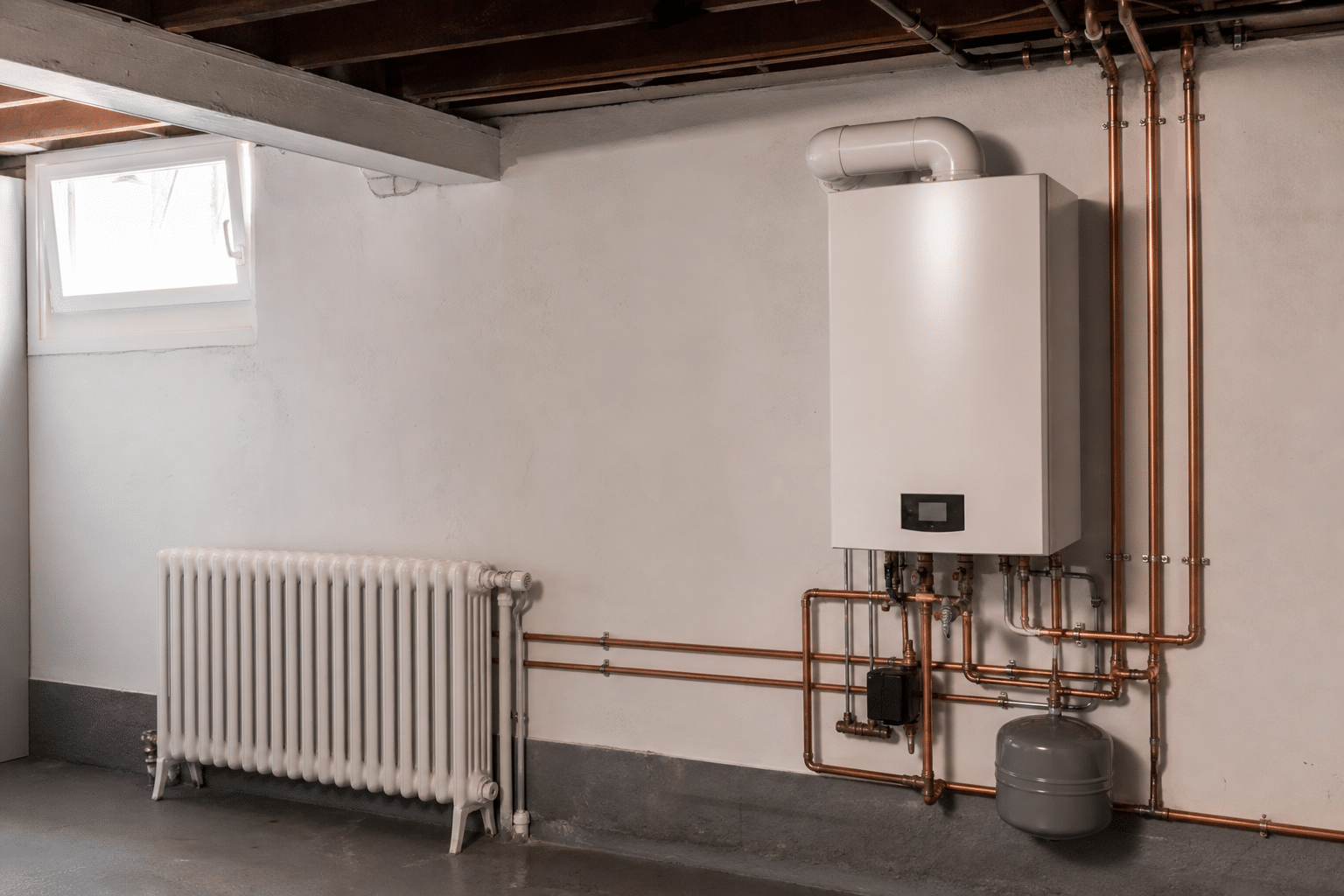
Gas furnace and HVAC air handler in a basement mechanical room

Choosing how to heat your home is one of the bigger decisions an Ontario homeowner makes, and lately the conversation often includes both cold-climate heat pumps and modern furnaces. ENERGY STAR Canada guidance can help you compare efficiency information while you weigh the two systems. For decades, a natural gas furnace was the default in Mississauga and across the Greater Toronto Area. Today, electric cold-climate heat pumps have matured to the point where they belong in the discussion, and many of our customers are unsure which direction makes sense for their house. At Furnace King Home Services, we install and service both, so we have no reason to push you toward one or the other. Our goal is to help you understand how each system works and which one fits your home, your comfort expectations, and your budget.

The honest answer is that there is no single winner. A heat pump is an excellent choice for some homes and a poor fit for others, and the same is true of a gas furnace. In many cases, the smartest setup is a combination of the two. Below, our team walks through how each system works, how efficient they are, how modern heat pumps hold up in an Ontario winter, what drives operating costs, and the factors that help you decide.

Heat Pump vs Furnace: How Each System Actually Works

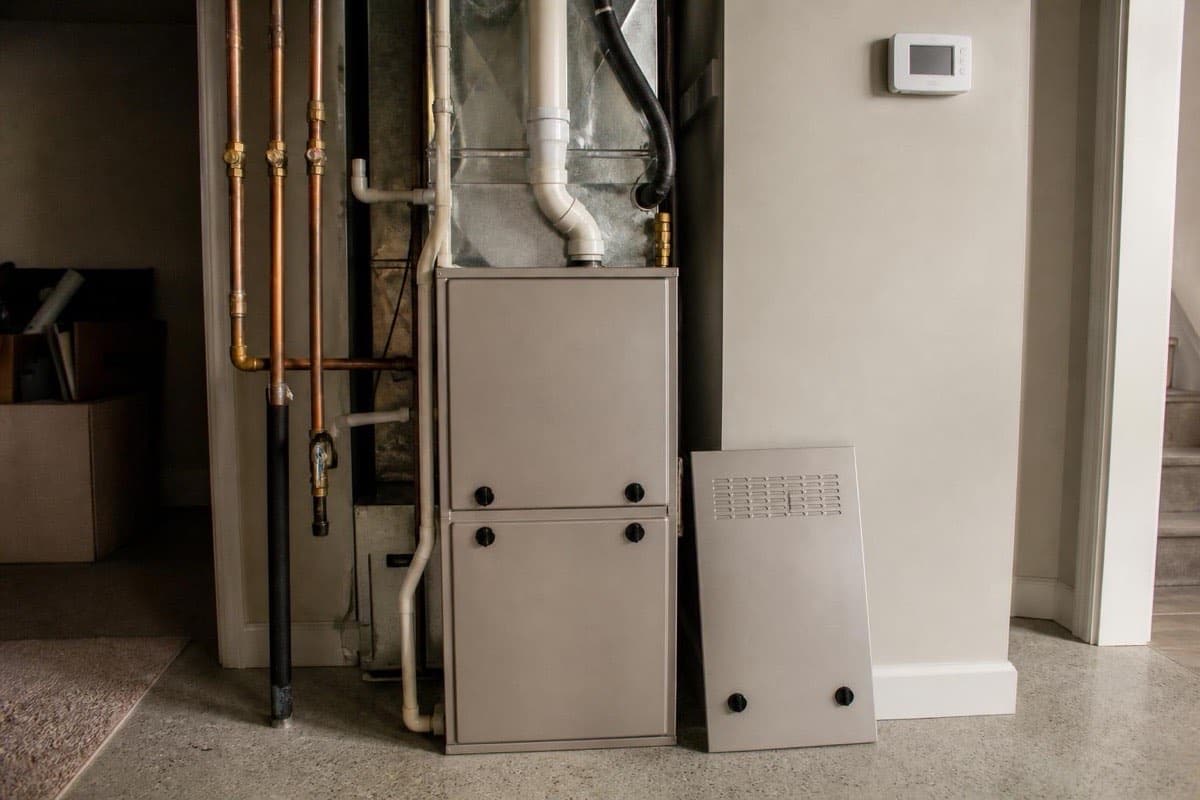
High-efficiency gas furnace with PVC venting in a basement

The core difference in the heat pump vs furnace comparison comes down to whether a system generates heat or moves it. That distinction makes almost every other trade-off easier to reason about.

How a gas furnace heats your home

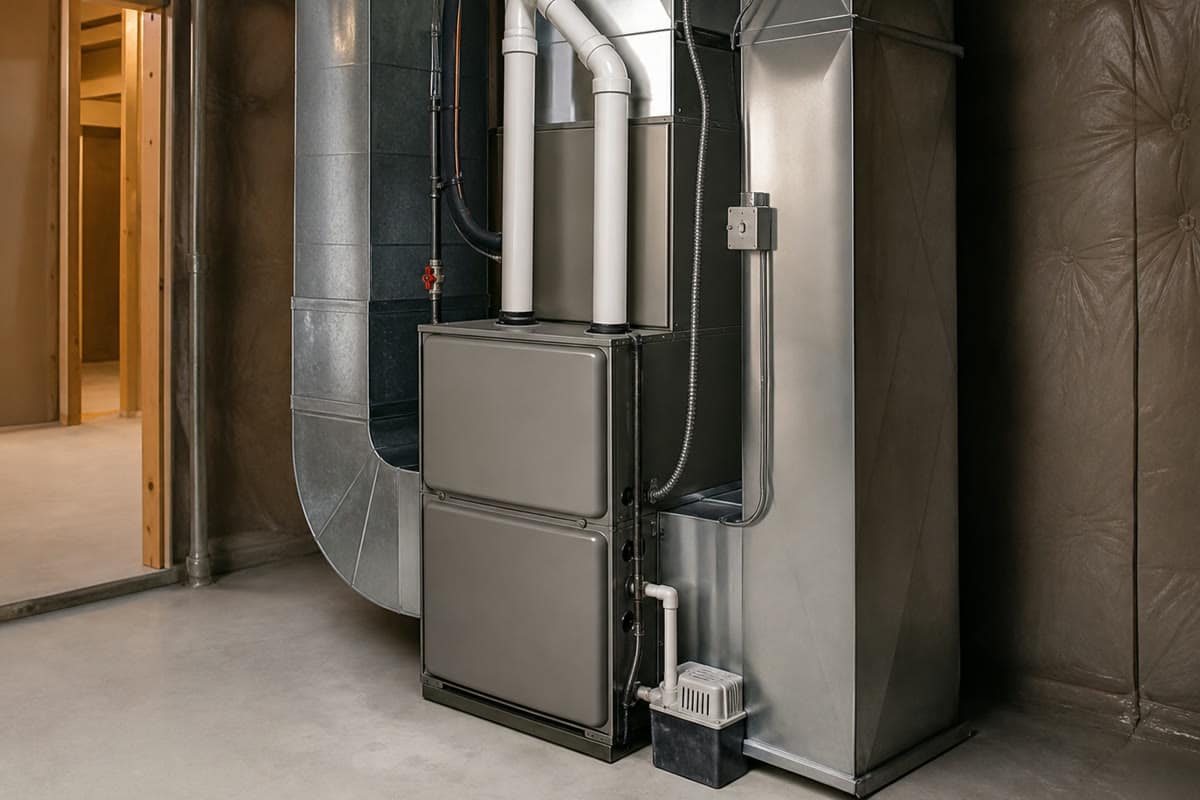
A furnace creates heat by burning natural gas inside a sealed combustion chamber. A heat exchanger transfers that warmth to the air, and a blower pushes the heated air through your ductwork and out your vents. Because it produces its own heat, a furnace can deliver a strong blast of hot air quickly, even on the coldest nights, which is a big part of why gas heating became the standard across Ontario.

How a heat pump heats your home

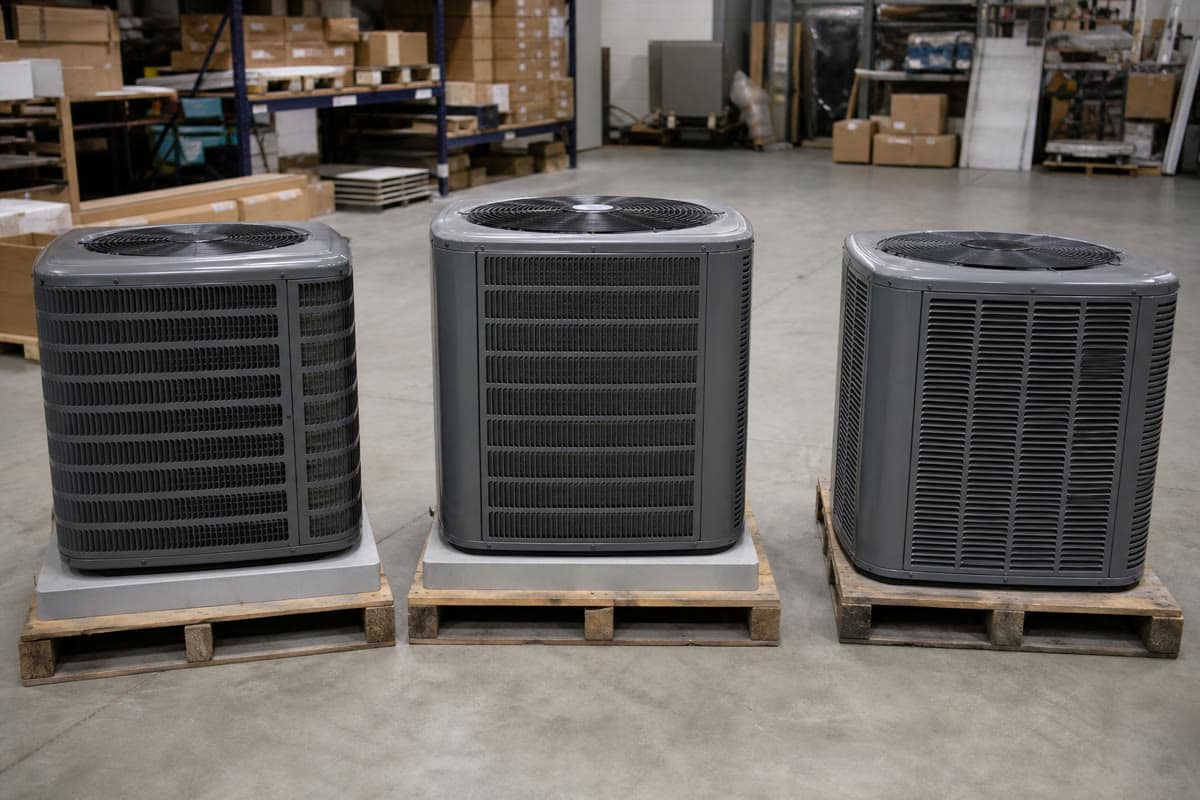
A heat pump does not burn any fuel. It runs on electricity and uses refrigerant to transfer heat from one place to another. In winter, it pulls warmth out of the outdoor air, even cold air, and moves it inside. In summer, it reverses and works as an air conditioner. That two-in-one capability means one system can handle both heating and cooling, which appeals to homeowners looking to simplify their equipment.

Efficiency and How Cold-Climate Heat Pumps Perform in Ontario Winters

Efficiency is where heat pumps have made real progress. Because a heat pump moves existing heat rather than generating it from scratch, it can deliver more heat energy than the electrical energy it consumes. A high-efficiency gas furnace, by contrast, is measured on how completely it converts fuel into usable heat, and modern condensing furnaces are very good at it. The two are measured on different scales, so we caution against comparing a single spec sheet number in isolation.

The question we hear most often is whether a heat pump can really handle an Ontario winter. Years ago, standard heat pumps struggled once temperatures dropped well below freezing, but that has changed. Today’s cold-climate heat pumps are engineered for our region and continue to produce useful heat in deep-winter conditions. A few realities are still worth understanding:

  • Capacity drops as it gets colder. A heat pump keeps working in the cold, but its heating output and efficiency decline as the temperature falls, so proper sizing for our climate matters.
  • Backup heat is part of the plan. During the coldest stretches of the year, most cold-climate installations rely on a backup heat source to keep up with demand.
  • Installation quality is everything. A cold-climate heat pump that is correctly sized and commissioned performs very differently than one that was rushed, which is where our experience directly affects your winter comfort.

If you want to explore whether a cold-climate system suits your home, our heat pump services team can assess your ductwork, insulation, and heating needs first.

Operating Costs: Electricity vs Natural Gas

Outdoor air-source heat pump unit beside a house

Operating cost is usually the deciding factor, and it deserves an honest look rather than a blanket claim. A heat pump runs on electricity and a furnace runs on natural gas, so what you pay depends on local energy prices, how efficient your equipment is, and how well your home holds heat. Because rates and consumption vary from home to home, we do not throw around specific dollar figures that may not reflect your situation. Here is how we frame it:

  • Fuel type drives the bill. Your heating cost is tied to what you pay for electricity versus natural gas, and those prices move over time. It is worth looking at your own utility rates rather than relying on averages.
  • Efficiency multiplies the difference. Because a heat pump delivers more heat than the electricity it draws, its efficiency can offset a higher per-unit energy price. A high-efficiency furnace, meanwhile, wrings a lot of heat out of each unit of gas.
  • Your home matters as much as the equipment. Air sealing, insulation, ductwork, and windows all affect how much heat you need, which shapes what either system will cost to run.

When homeowners are weighing a straight furnace replacement, we walk through the numbers for their home. You can learn more on our new and replacement furnaces page.

The Hybrid Option: Pairing a Heat Pump With a Furnace

For many Ontario homes, the strongest answer to heat pump vs furnace is not either/or. A hybrid, or dual-fuel, system pairs an electric heat pump with a gas furnace and uses whichever source makes the most sense at a given temperature.

The logic is straightforward. Through the milder parts of the heating season, the heat pump does the work efficiently and also provides your summer cooling. When temperatures drop to the point where the furnace becomes the more practical choice, the system switches to gas heat and delivers reliable, powerful warmth on the coldest nights. You get heat-pump efficiency for most of the year plus the proven cold-weather performance of a furnace as backup.

Not every home is a candidate for a dual-fuel setup, and the payback depends on your existing equipment and energy rates. It is one of the configurations our team evaluates when we look at your complete heating system.

Environmental Considerations, Rebates, and How to Decide

Beyond comfort and cost, many homeowners care about the environmental side. Because a heat pump runs on electricity and burns no fuel on-site, it produces no combustion emissions at your home, a meaningful draw for anyone looking to reduce their household’s footprint. Ontario has also seen various rebate and incentive programs aimed at higher-efficiency heating equipment, including heat pumps. These programs change over time, so we recommend confirming what is available before you decide, since an active rebate can shift the math.

When we help a homeowner choose, we weigh a handful of practical factors:

  • Your existing setup. Do you already have ductwork and a gas line, or would you be adding infrastructure?
  • Comfort priorities. How important is that instant blast of intense heat on the coldest mornings?
  • Cooling needs. Do you also want air conditioning, which a heat pump handles on its own?
  • Energy rates and rebates. What are you paying locally, and what incentives are available right now?
  • Budget. How do upfront installation cost and long-term operating cost balance for your home?

Frequently Asked Questions

Do heat pumps really work in Ontario winters?

Yes. Modern cold-climate heat pumps are designed for our region and keep producing useful heat well below freezing. That said, their output declines as it gets colder, so proper sizing and, in most cases, a backup heat source are part of a well-planned installation. Handled correctly, a cold-climate heat pump keeps most homes comfortable through the season.

Is a heat pump or a furnace cheaper to run?

It depends on your local electricity and natural gas rates, the efficiency of the equipment, and how well your home retains heat. A heat pump’s efficiency can offset a higher energy price, while a high-efficiency furnace makes effective use of natural gas. Rather than quote a universal number, we look at your specific home and utility rates so you get an answer that applies to you.

What is a hybrid or dual-fuel heating system?

A hybrid system pairs a heat pump with a gas furnace. The heat pump handles heating efficiently during milder weather and provides cooling in summer, while the furnace takes over on the coldest days. For many GTA homes, this combination balances year-round efficiency with dependable cold-weather comfort.

Still weighing your options? Our team at Furnace King Home Services would be glad to look at your home and energy situation, then give you a straight recommendation, whether that is a heat pump, a furnace, or a hybrid of both. Call us at (905) 564-5464 or reach out through our contact page to book an assessment for your Mississauga or GTA home.

Sump Pump Maintenance: Protecting Your Mississauga Basement Before Storm Season

Sump pump installed in a basement sump pit with a discharge pipe

Every spring and summer in the Greater Toronto Area, the rain arrives in earnest, and the ground around your foundation goes from frozen to fully saturated in a matter of weeks. When the water table rises and the storms roll through Mississauga, the small pump sitting in your basement pit becomes one of the most important pieces of equipment in your home. Good sump pump maintenance is what stands between a dry, usable basement and a costly flood, yet it is one of the easiest things for a busy homeowner to forget until the water is already rising.

Our team at Furnace King Home Services has helped a lot of local families recover from basement flooding, and the pattern is almost always the same: the pump had been quietly running for years without a second look, and it failed at the worst possible moment. In this guide, we will walk you through how a sump pump actually protects your basement, why proactive maintenance matters ahead of Ontario’s wettest months, and the simple steps you can take now to make sure your system is ready when the next storm hits.

How a Sump Pump Protects Your Mississauga Basement

Close-up of a submersible sump pump with a float switch in a sump basin

A sump pump lives in a pit, called a sump basin, at the lowest point of your basement or crawl space. As groundwater builds up around your foundation, it collects in that pit. When the water reaches a set level, a float switch triggers the pump, which pushes the water up through a discharge pipe and safely away from your home. The cycle repeats as often as needed, quietly keeping the water table below your basement floor.

In a place like Mississauga, where clay-heavy soil holds moisture and spring melt combines with heavy summer downpours, that constant, invisible work is exactly what keeps finished basements, storage areas, and mechanical rooms dry. When the pump is doing its job, you never think about it. That is precisely why it is so easy to neglect, and why a failure during storm season can catch a family completely off guard.

Why Sump Pump Maintenance Matters Before Storm Season

The worst time to discover a problem with your pump is during a downpour, when the pit is filling faster than you can bail it out. Sump pump maintenance is about finding and fixing weak points on a calm, dry day instead of during an emergency. A pump that has sat idle over a dry stretch can seize up, a float switch can stick, and a discharge line can clog with debris or freeze shut over the winter, and none of these problems announce themselves until the system is under real load.

Ahead of the spring and summer storm season, a short maintenance routine gives you the chance to confirm every part of the system still works together. It also tells you whether your pump is aging toward the end of its life, so you can plan a replacement on your own schedule rather than scrambling after a flood. A little attention now protects your flooring, your belongings, and the healthy air quality that basement moisture and mould can quickly ruin.

Your Homeowner Sump Pump Maintenance Checklist

Basement sump pit cover with discharge piping along the wall

You can complete most of this checklist yourself in under an hour with basic tools and a bucket of water. We recommend running through it at least once in early spring and again mid-season if we have had a stretch of heavy rain.

Test the Pump

  • Pour a bucket of water slowly into the sump pit until the float rises.
  • Confirm the pump switches on, pushes the water out, and shuts off on its own once the pit is empty.
  • Listen for grinding, rattling, or excessive vibration, which can signal a worn motor or impeller.

Clean the Pit

  • Unplug the pump before you reach into the basin.
  • Remove gravel, silt, and debris that can clog the intake screen and shorten the motor’s life.
  • Wipe down the pump housing and make sure nothing is wedged under or around the float.

Check the Float Switch and Check Valve

  • Make sure the float moves freely and is not rubbing against the side of the pit or the pump body.
  • Confirm the check valve on the discharge pipe is holding, so water does not flow back into the pit after each cycle.
  • A pump that runs constantly or short-cycles often points to a stuck float or a failed check valve.

Inspect the Discharge Line

  • Trace the discharge pipe to where it exits your home and confirm it carries water well away from the foundation.
  • Clear any leaves, ice, or debris blocking the outlet, and make sure the line has not been crushed or disconnected.
  • Check that the water is not draining toward a neighbour’s property or back against your own basement wall.

The Value of a Battery Backup or Backup Pump

Here is the hard truth about storm season in Ontario: the heaviest rain often arrives with the same storms that knock out the power. A standard sump pump runs on household electricity, so a blackout during a downpour leaves your primary pump dead exactly when you need it most. This is why we so often recommend a battery backup system or a secondary pump as part of a complete basement protection plan.

A battery backup keeps your pump running through an outage, buying you critical hours until the power returns. A dedicated backup pump adds a second layer of protection, taking over if the primary unit fails or cannot keep up with an unusually heavy inflow. For finished basements, home offices, or any space where flooding would be especially costly, that redundancy is one of the smartest investments a Mississauga homeowner can make. Our team is happy to walk you through the options and help you choose a setup that fits your home and your budget.

Common Failure Signs and When to Call a Licensed Plumber

Even a well-maintained pump gives off warning signs before it fails outright. Watch and listen for these red flags between your regular checkups:

  • Strange noises such as grinding, gurgling, or loud humming without the pump moving water.
  • A pump that runs constantly, short-cycles on and off, or fails to shut off when the pit is empty.
  • Visible rust, corrosion, or a musty, damp smell around the basin.
  • Water pooling on the basement floor even though the pump is plugged in and powered.
  • A pump that is more than roughly a decade old, since age alone raises the odds of a sudden failure.

Some of this maintenance is well within reach for a hands-on homeowner, but there is a point where professional help pays for itself. If your pump is failing to keep up, if you are dealing with recurring water in the basement, or if you want a backup system installed and tested correctly, our licensed plumbers can inspect the full system and make sure it is storm-ready. You can explore our full range of plumbing services to see how we support Mississauga homes, and when water is already coming in, our emergency services team is ready to respond fast. Whenever you are unsure, it is always worth a quick call before a small issue becomes a flooded basement.

Frequently Asked Questions About Sump Pump Maintenance

How often should I test my sump pump?

We recommend testing your pump at least twice a year, with the most important check happening in early spring before the heavy rain and snowmelt arrive. If we go through an especially wet stretch of summer storms, it is worth pouring a bucket of water into the pit mid-season to confirm everything still cycles the way it should.

How long does a sump pump usually last?

Most sump pumps serve a home for roughly seven to ten years, though the exact lifespan depends on how often the pump runs and how well it is maintained. If your pump is approaching that age, planning ahead for a replacement is far less stressful than facing a failure in the middle of a storm. A quick inspection can tell you whether yours is nearing the end of its service life.

Do I really need a battery backup for my sump pump?

If your basement is finished or you store anything valuable down there, a battery backup is well worth considering. The strongest storms in our area are exactly the ones that tend to cause power outages, and a backup keeps your pump running when the grid goes down. It is one of the most reliable ways to protect against flooding during the very conditions that put your basement at the greatest risk.

Storm season does not wait, and neither should your maintenance. If you would like our team at Furnace King Home Services to inspect your sump pump, install a battery backup, or get your basement flood-ready before the next big rain, call us at (905) 564-5464 or reach out through our contact page. We are proud to help Mississauga homeowners keep their basements dry.